Best Native Plants for Zone 9 Gardens
Creating a thriving garden in USDA Hardiness Zone 9 means selecting plants that can handle its unique climate, characterized by mild winters and long, hot summers. Native plants are an excellent choice for Zone 9 gardeners because they are inherently adapted to these conditions, requiring less water, fertilizer, and pest control once established. They also provide crucial habitat and food sources for local wildlife, supporting biodiversity right in your backyard. Some of the best native plants for Zone 9 include Coneflower, Black-eyed Susan, Coreopsis, Bee Balm, and Blanket Flower, all offering beauty and resilience.
🌱 Get Personalized Plant Picks
Answer a few quick questions and we’ll match plants to your exact yard conditions.
Find My Plants →Why Choose Native Plants for Your Zone 9 Garden?
Native plants are the unsung heroes of sustainable gardening, especially in a climate like Zone 9. These plants have evolved over millennia in your specific region, developing natural resistances to local pests and diseases, and adapting to the soil types and rainfall patterns. This means less work for you and a healthier ecosystem for everyone.
Opting for native species significantly reduces the need for supplemental irrigation once they are established, saving water and lowering your utility bills. They also thrive without chemical fertilizers or pesticides, making your garden a safer place for children, pets, and beneficial insects like bees and butterflies. By planting native, you're not just creating a beautiful landscape; you're actively contributing to the local ecosystem, providing food and shelter for pollinators, birds, and other wildlife that are essential for environmental balance.
What Are Some Top Native Perennials for Zone 9?
Zone 9 offers a fantastic growing environment for a wide array of native perennials that bring vibrant color and texture to your garden year after year. These plants are not only beautiful but also incredibly resilient and beneficial to local wildlife.
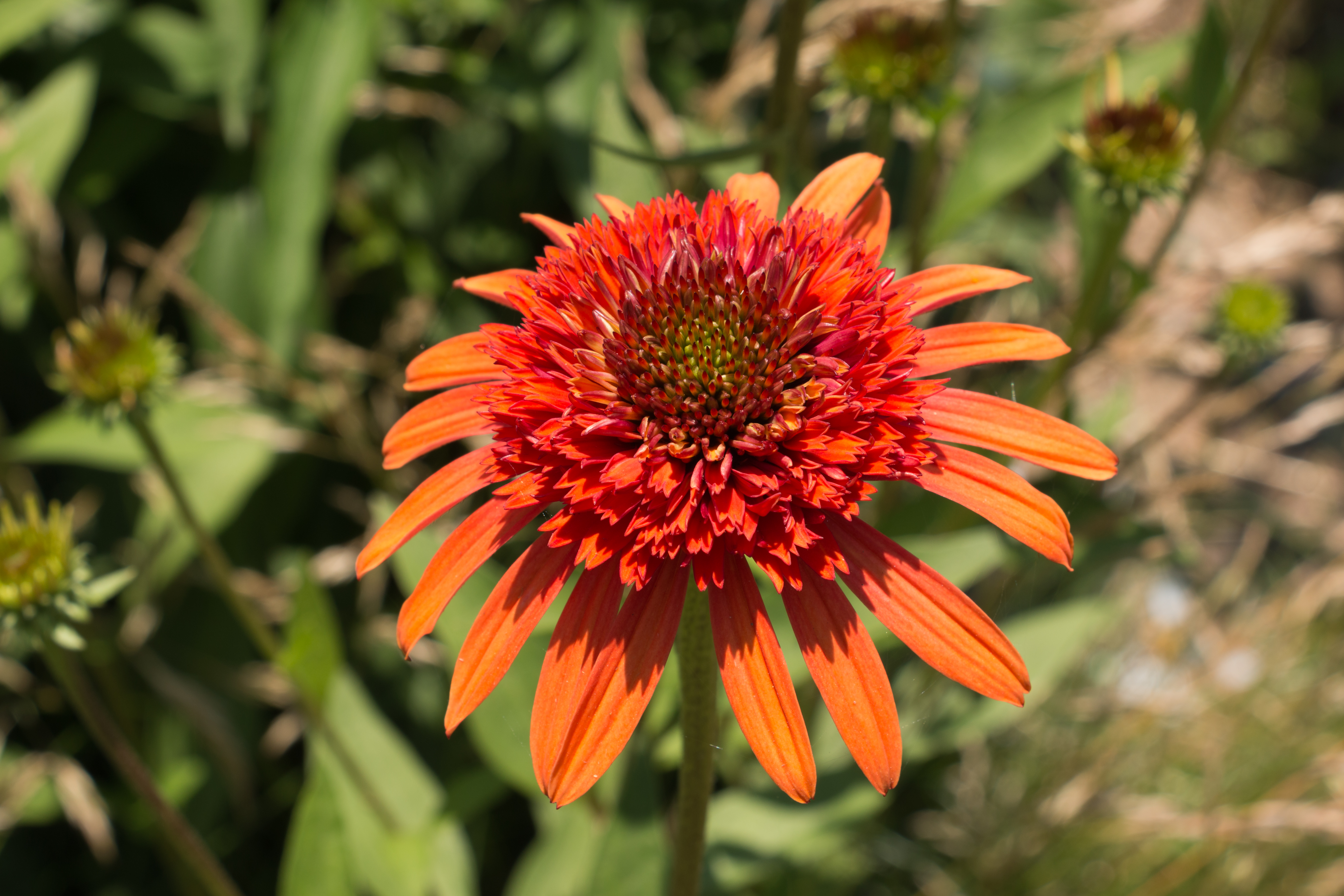
Coneflower (Echinacea purpurea): A quintessential prairie plant, Coneflowers are beloved for their large, daisy-like flowers with prominent central cones. They bloom from summer into fall, attracting a multitude of pollinators, especially butterflies and bees. They are drought-tolerant once established and come in various shades of purple, pink, and white.
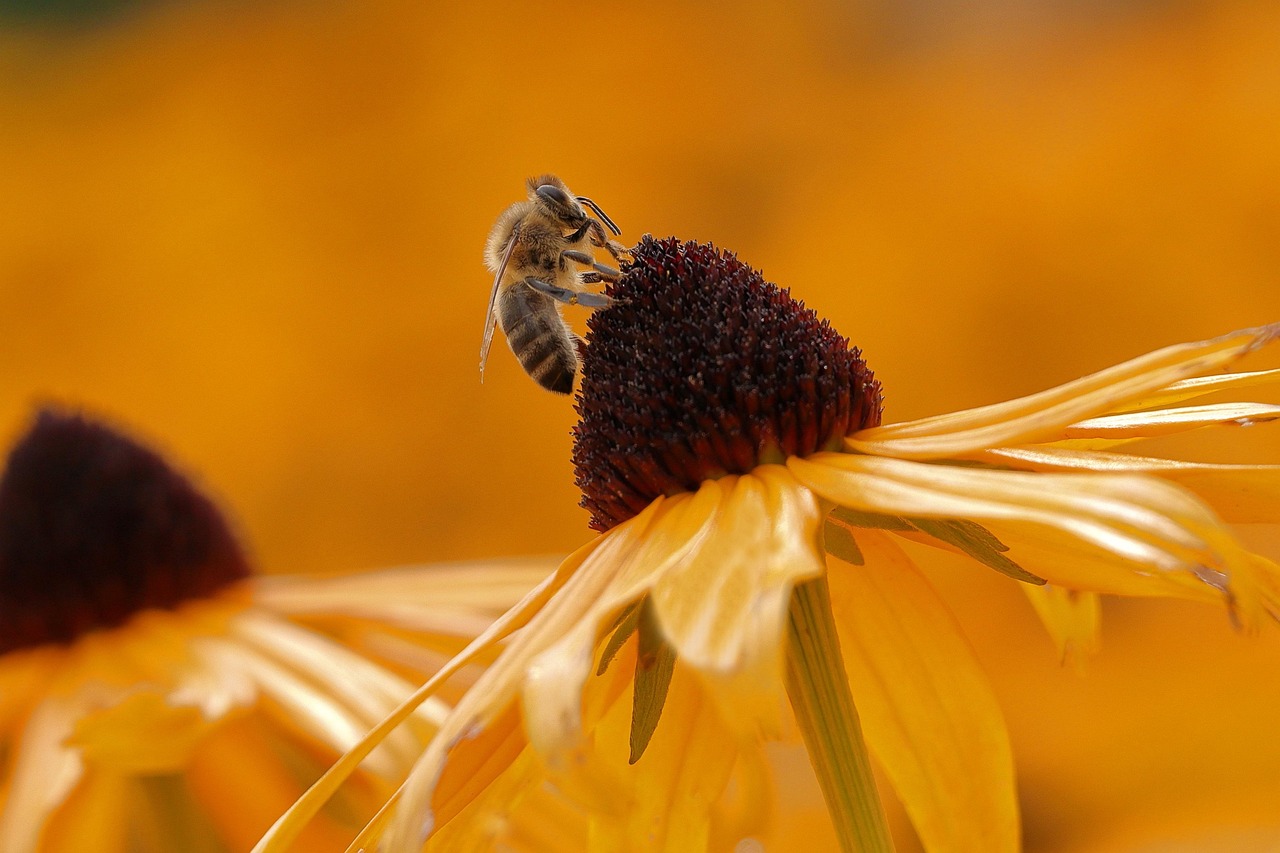
Black-eyed Susan (Rudbeckia hirta): With their cheerful yellow petals and dark brown centers, Black-eyed Susans are a classic choice for sunny gardens. They are exceptionally hardy, tolerate a range of soil conditions, and provide continuous blooms from summer through fall. These plants are excellent for mass plantings and attracting beneficial insects.
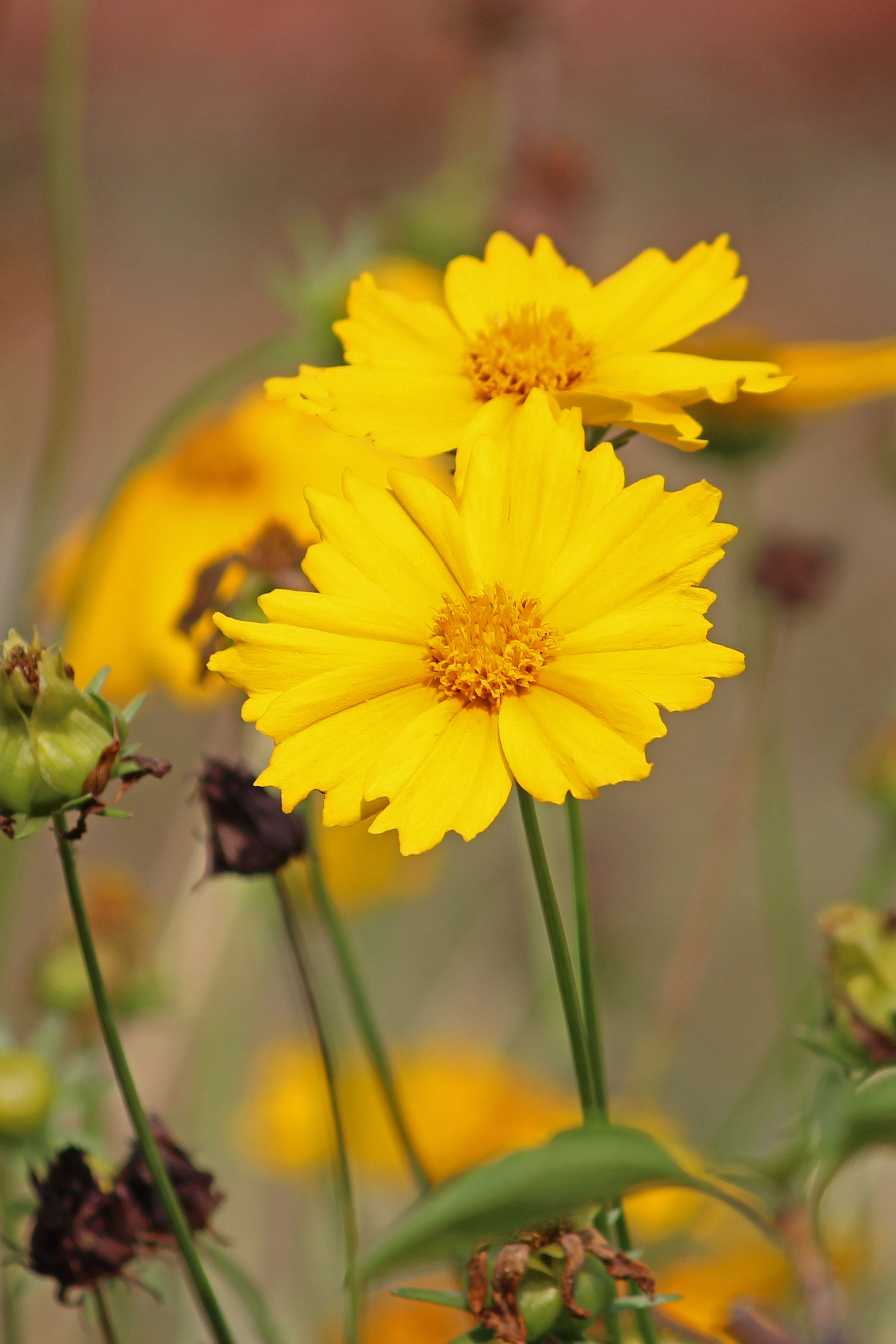
Coreopsis (Coreopsis spp.): Also known as Tickseed, Coreopsis offers a profusion of bright yellow, orange, or red flowers throughout the summer. They are low-maintenance, drought-tolerant, and perfect for sunny borders, rock gardens, or naturalized areas. Many varieties are prolific self-seeders, ensuring a continuous display.
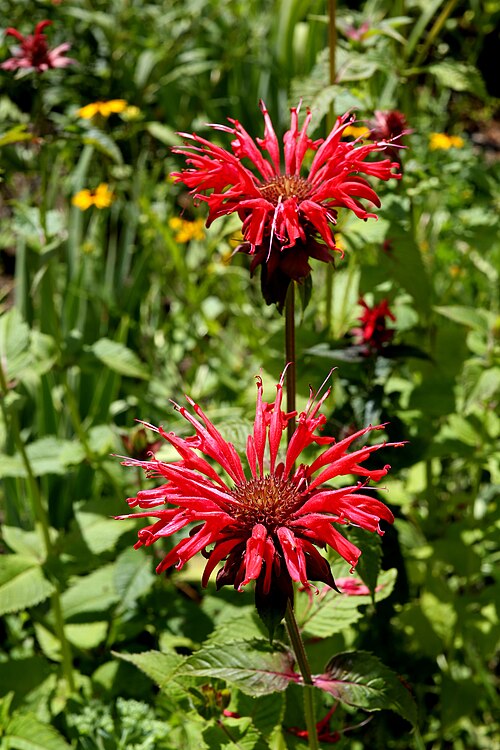
Bee Balm (Monarda didyma): A member of the mint family, Bee Balm is famous for its unique, shaggy, tubular flowers that come in shades of red, pink, purple, and white. As its name suggests, it's a magnet for bees, hummingbirds, and butterflies. It prefers moist, well-drained soil and can spread to form attractive clumps.
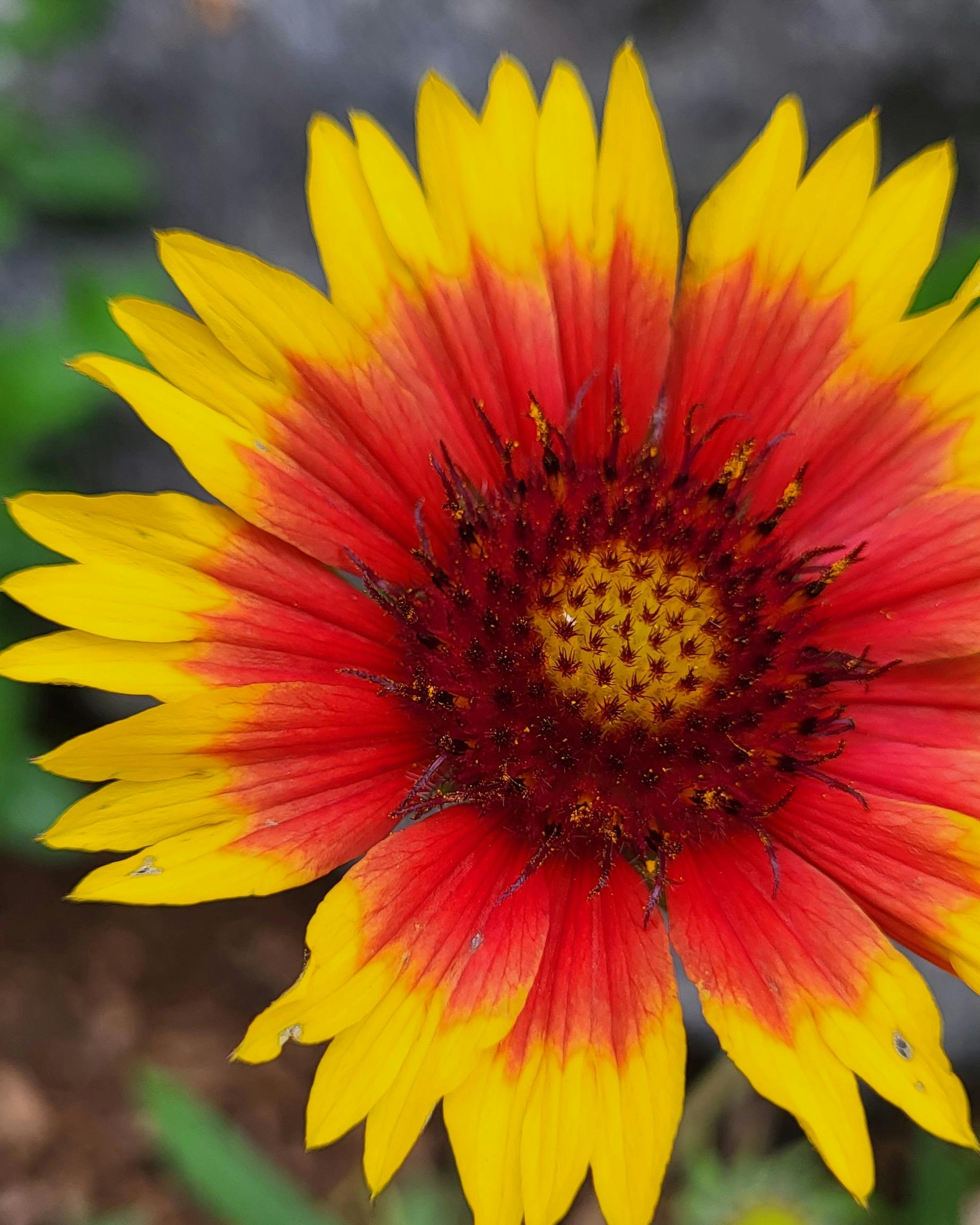
Blanket Flower (Gaillardia pulchella): This vibrant native boasts daisy-like flowers with striking red, orange, and yellow patterns. Blanket Flowers are incredibly tough, thriving in full sun and poor, sandy soils. They offer continuous blooms from late spring until frost, making them an excellent choice for long-lasting color and attracting pollinators.
How Can I Incorporate Native Shrubs and Trees?
Beyond perennials, native shrubs and trees form the backbone of a healthy native landscape, providing structure, shade, and year-round interest, along with critical habitat for wildlife.
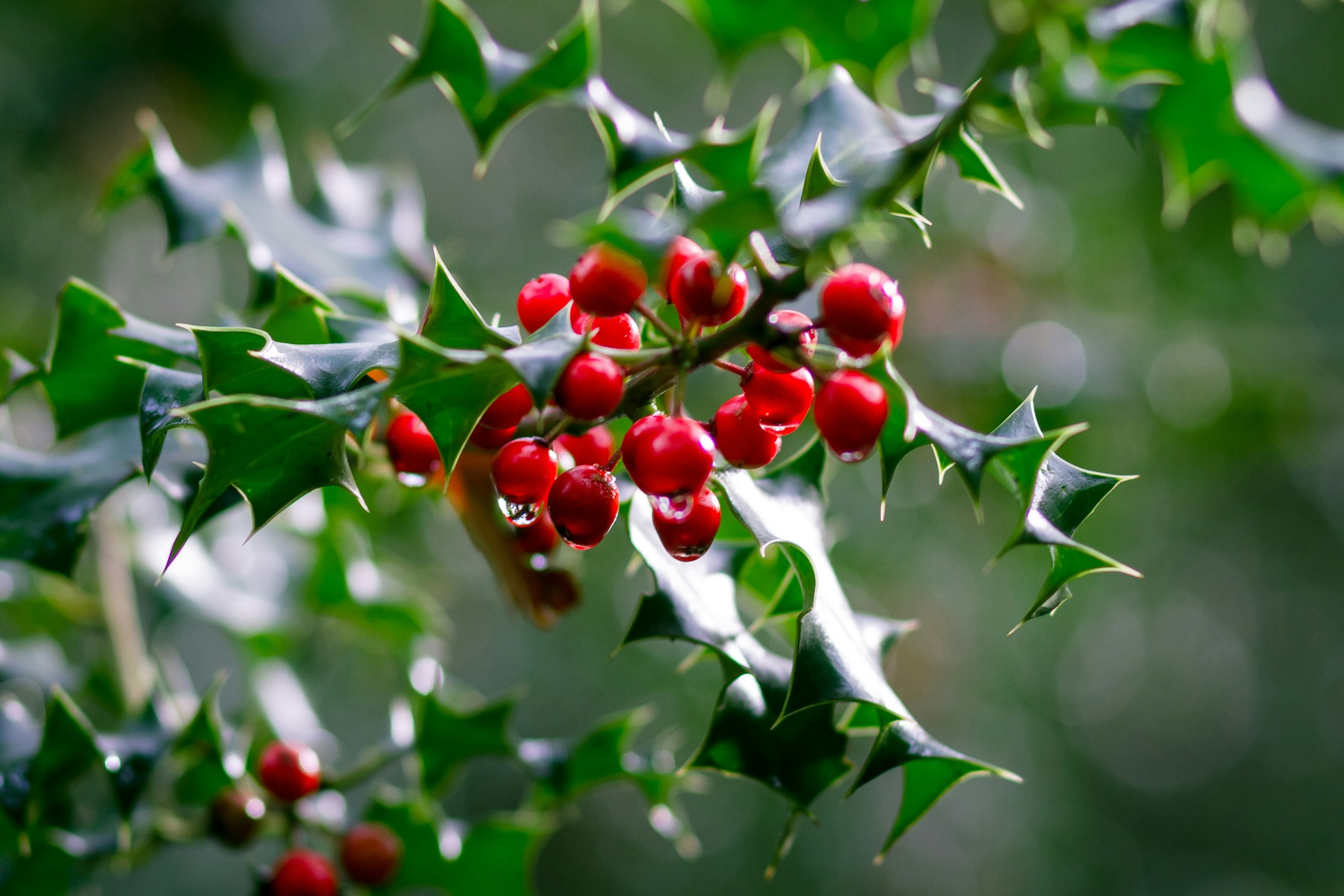
- Yaupon Holly (Ilex vomitoria): This versatile evergreen shrub or small tree is native to the southeastern U.S. and thrives in Zone 9. It features small, glossy green leaves and, on female plants, abundant bright red berries in fall and winter, which are a vital food source for birds. It's drought-tolerant and can be pruned into various shapes, making it suitable for hedges, screens, or specimen planting.
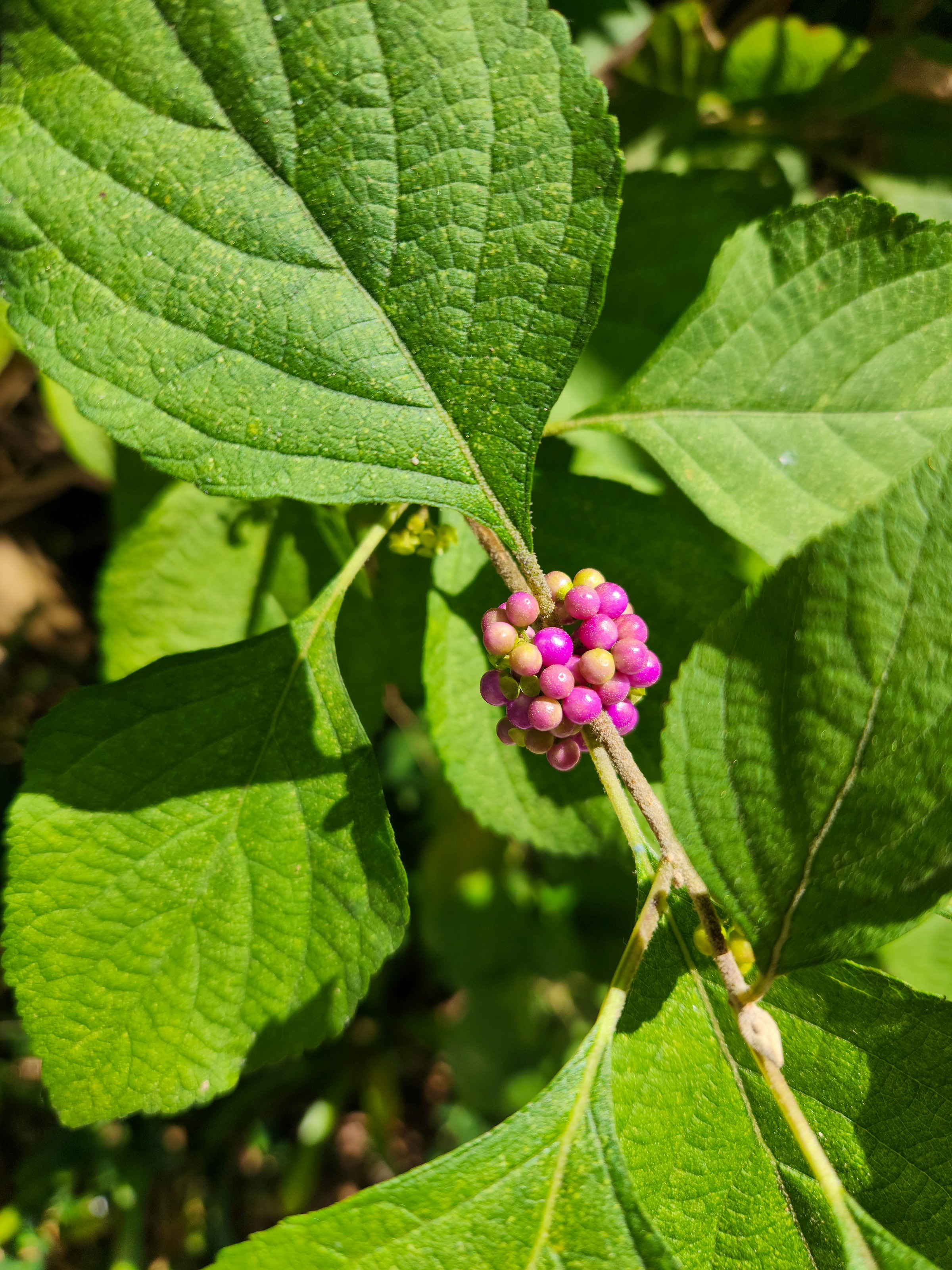
- Beautyberry (Callicarpa americana): A deciduous shrub known for its stunning clusters of metallic purple berries that cling to the stems in late summer and fall after the leaves have dropped. These berries are a favorite of birds and provide a unique visual appeal. It's adaptable to various soil types and prefers partial to full sun.
- Red Buckeye (Aesculus pavia): A small, ornamental tree or large shrub that produces spectacular spikes of red, tubular flowers in spring, which are highly attractive to hummingbirds. It's relatively compact, making it suitable for smaller gardens, and provides lovely shade in the summer.
What Are the Benefits of a Native Plant Garden for Local Wildlife?
Planting native species is one of the most impactful ways to support local wildlife. Native plants and animals have co-evolved, meaning that native insects, birds, and other creatures rely on specific native plants for their survival.
- Food Source: Native plants provide nectar, pollen, seeds, and fruits that are perfectly suited to the dietary needs of local insects, birds, and mammals. For example, monarch butterfly caterpillars can only feed on milkweed (Asclepias spp.), a native plant.
- Habitat and Shelter: The structure of native plants offers ideal nesting sites, perching spots, and protective cover from predators and harsh weather conditions.
- Pollinator Support: Native bees, butterflies, and other pollinators are essential for the reproduction of many plants, including those that produce our food. Native flowers provide the specific shapes, colors, and nectar compositions that these pollinators need.
By creating a native plant garden, you're not just beautifying your space; you're creating a vital ecological stepping stone that helps sustain the intricate web of life in your region.
Quick Reference: Native Plants for Zone 9
| Plant Name | Sun Exposure | Soil Preference | Bloom Time | Attracts | Notes |
|---|---|---|---|---|---|
| Coneflower | Full Sun | Well-drained | Summer-Fall | Bees, Butterflies | Drought-tolerant once established |
| Black-eyed Susan | Full Sun | Adaptable | Summer-Fall | Bees, Butterflies | Very hardy, prolific bloomer |
| Coreopsis | Full Sun | Well-drained, sandy | Summer | Bees, Butterflies | Low-maintenance, drought-tolerant |
| Bee Balm | Full Sun-Part Shade | Moist, well-drained | Summer | Bees, Hummingbirds | Aromatic, can spread |
| Blanket Flower | Full Sun | Poor, well-drained | Late Spring-Fall | Bees, Butterflies | Long blooming season, very tough |
| Yaupon Holly | Full Sun-Part Shade | Adaptable | Fall-Winter (berries) | Birds | Evergreen, good for hedges |
| Beautyberry | Full Sun-Part Shade | Adaptable | Fall (berries) | Birds | Deciduous, striking purple berries |
| Red Buckeye | Full Sun-Part Shade | Moist, well-drained, rich | Spring | Hummingbirds | Small ornamental tree/large shrub |
Ready to find the perfect plants for your yard? Try the PlantWise Plant Finder →