Best Native Plants for Zone 8 Gardens
For gardeners in USDA Hardiness Zone 8, selecting native plants is a fantastic way to create a thriving, low-maintenance landscape that supports local ecosystems. Native plants are naturally adapted to your region's climate, soil, and rainfall, meaning they require less water, fertilizer, and pest control once established. Some of the best native plants for Zone 8 gardens include Blanket Flower, Yarrow, Penstemon, Coreopsis, Black-eyed Susan, Bee Balm, and Coneflower, offering a diverse palette of colors, textures, and forms while attracting beneficial pollinators and wildlife. By choosing these resilient beauties, you'll not only enhance your garden's aesthetic but also contribute to the ecological health of your local environment.
Why Choose Native Plants for Your Zone 8 Garden?
Gardening with native plants offers a multitude of benefits, both for your landscape and the broader ecosystem. In Zone 8, which experiences mild winters and hot summers, native species are perfectly suited to handle these conditions without constant intervention. They've evolved over millennia to thrive in the specific climate and soil types found in your area, making them incredibly resilient.
One of the primary advantages is reduced maintenance. Once established, native plants typically require less water than non-native alternatives, as they are accustomed to the natural rainfall patterns. This can significantly lower your water bill and conserve a precious resource. Furthermore, native plants are often more resistant to local pests and diseases, reducing the need for chemical treatments. This creates a healthier environment for your family, pets, and local wildlife.
Beyond practicality, native plants play a crucial role in supporting biodiversity. They provide essential food and habitat for native insects, birds, and other wildlife. For example, many native bees and butterflies have co-evolved with specific native plants, relying on them for nectar, pollen, and host sites for their larvae. By planting natives, you're essentially creating a vibrant, living ecosystem right in your backyard, contributing to the health and resilience of your local environment.
🌱 Get Personalized Plant Picks
Answer a few quick questions and we’ll match plants to your exact yard conditions.
Find My Plants →What Are the Best Native Perennials for Zone 8?
Zone 8 offers a wonderful climate for a wide array of native perennials that can provide season-long interest, color, and ecological benefits. When selecting plants, consider their mature size, light requirements, and bloom time to ensure a harmonious design.
Here are some top choices for native perennials in Zone 8:
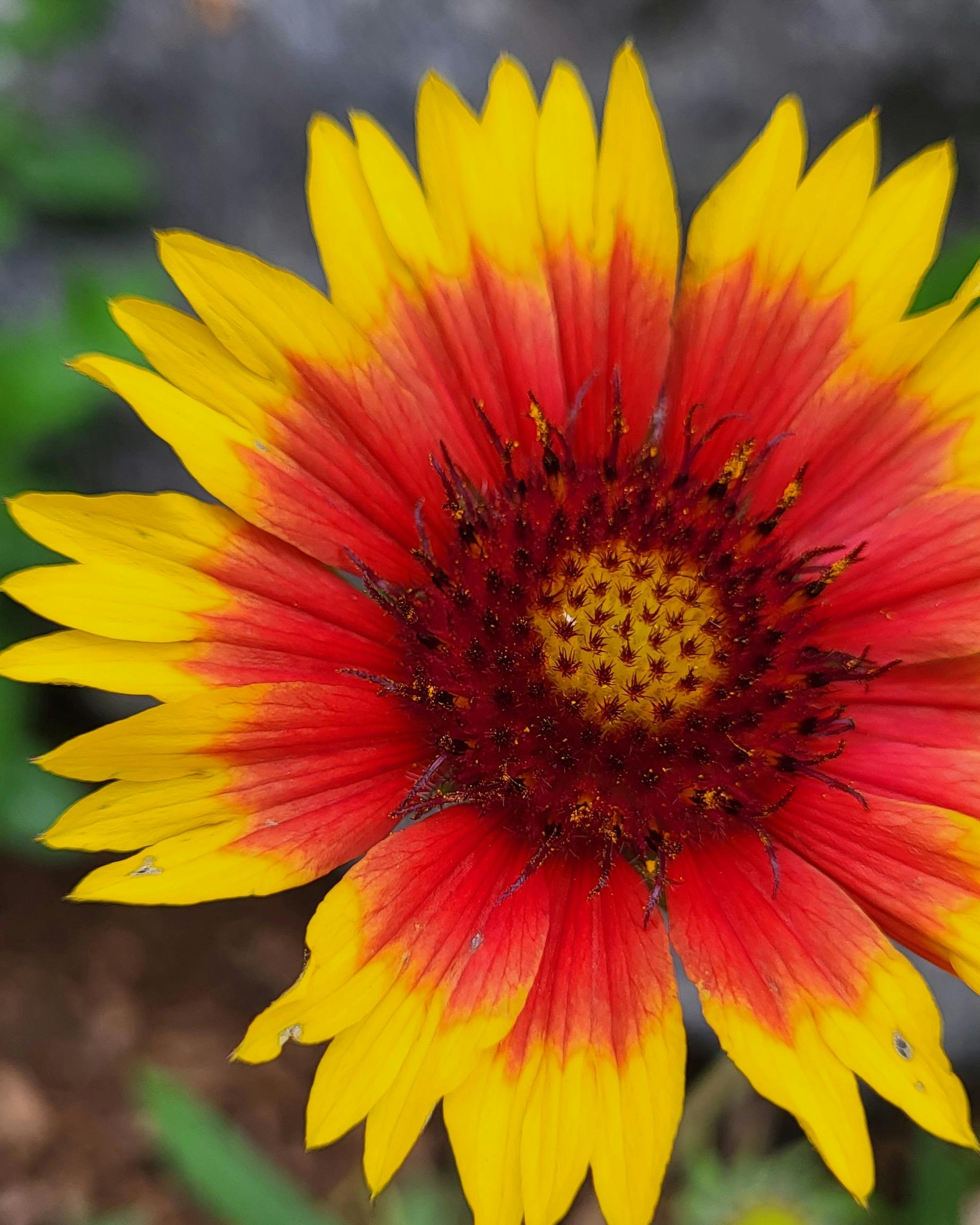
- Blanket Flower (Gaillardia pulchella/grandiflora): Known for its vibrant, daisy-like flowers with fiery red, orange, and yellow hues, Blanket Flower is a sun-loving, drought-tolerant perennial that blooms profusely from summer into fall. It's a magnet for butterflies. Blanket Flower
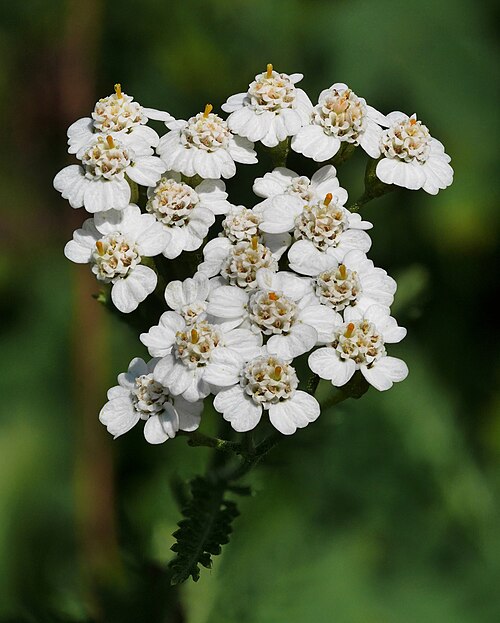
- Yarrow (Achillea millefolium): This tough and adaptable perennial features flat-topped clusters of tiny flowers, typically in white, yellow, or pink, atop fern-like foliage. Yarrow is extremely drought-tolerant once established and provides excellent landing pads for beneficial insects. Yarrow
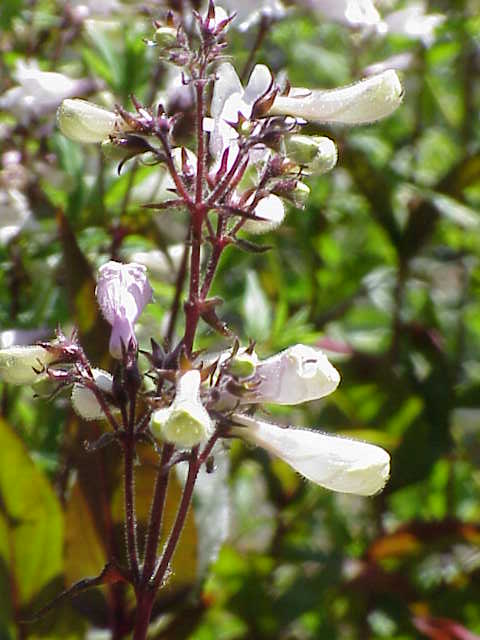
- Penstemon (Penstemon spp.): Also known as Beardtongue, Penstemon offers striking tubular flowers in shades of purple, pink, red, and white. These spires are a favorite of hummingbirds and provide vertical interest in the garden. Many species are native to various parts of North America and thrive in full sun and well-drained soil. Penstemon
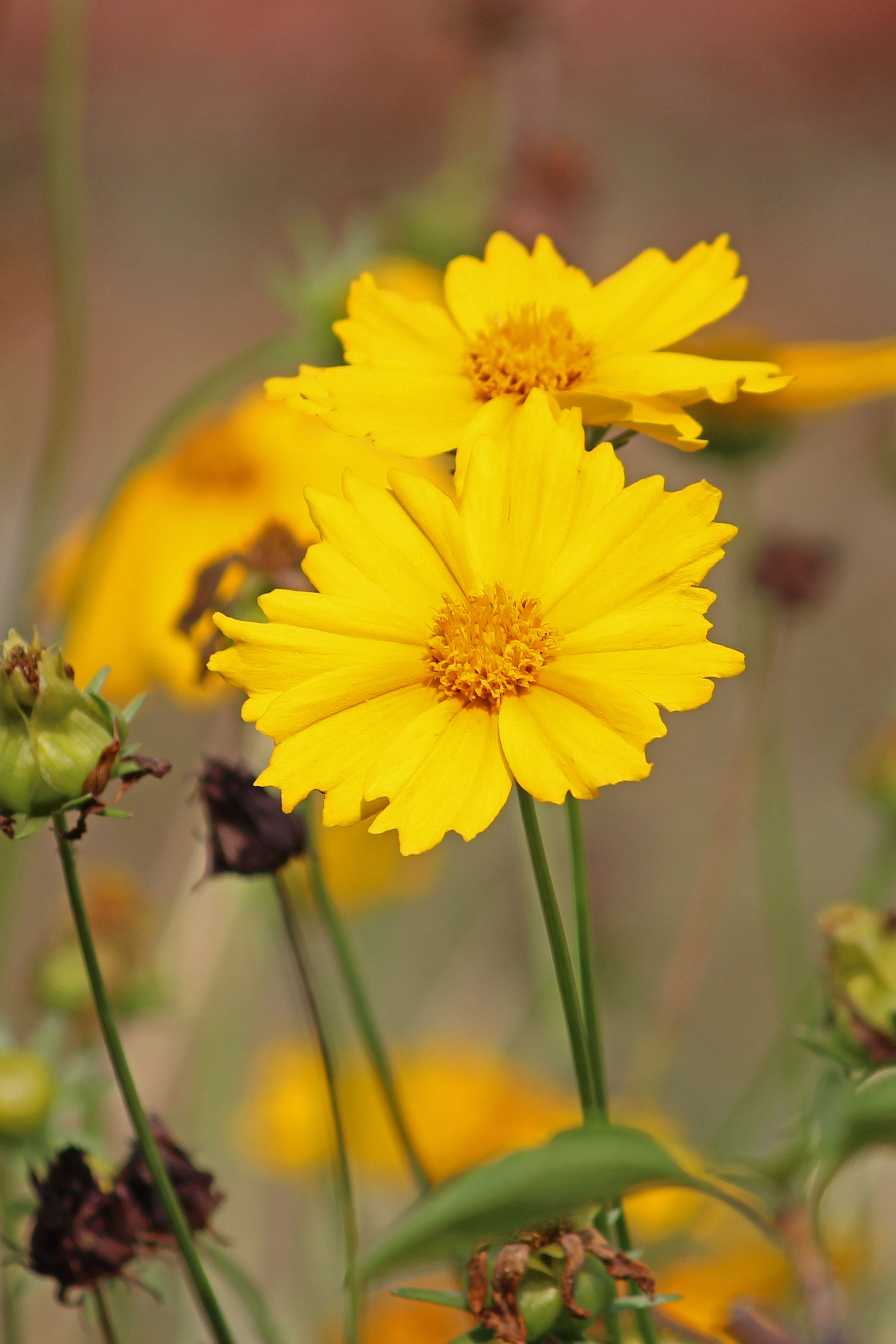
- Coreopsis (Coreopsis spp.): Often called Tickseed, Coreopsis is famous for its cheerful, daisy-like yellow flowers that bloom for an extended period, often from late spring through summer. It's an easy-care plant that tolerates poor soils and drought, attracting a variety of pollinators. Coreopsis
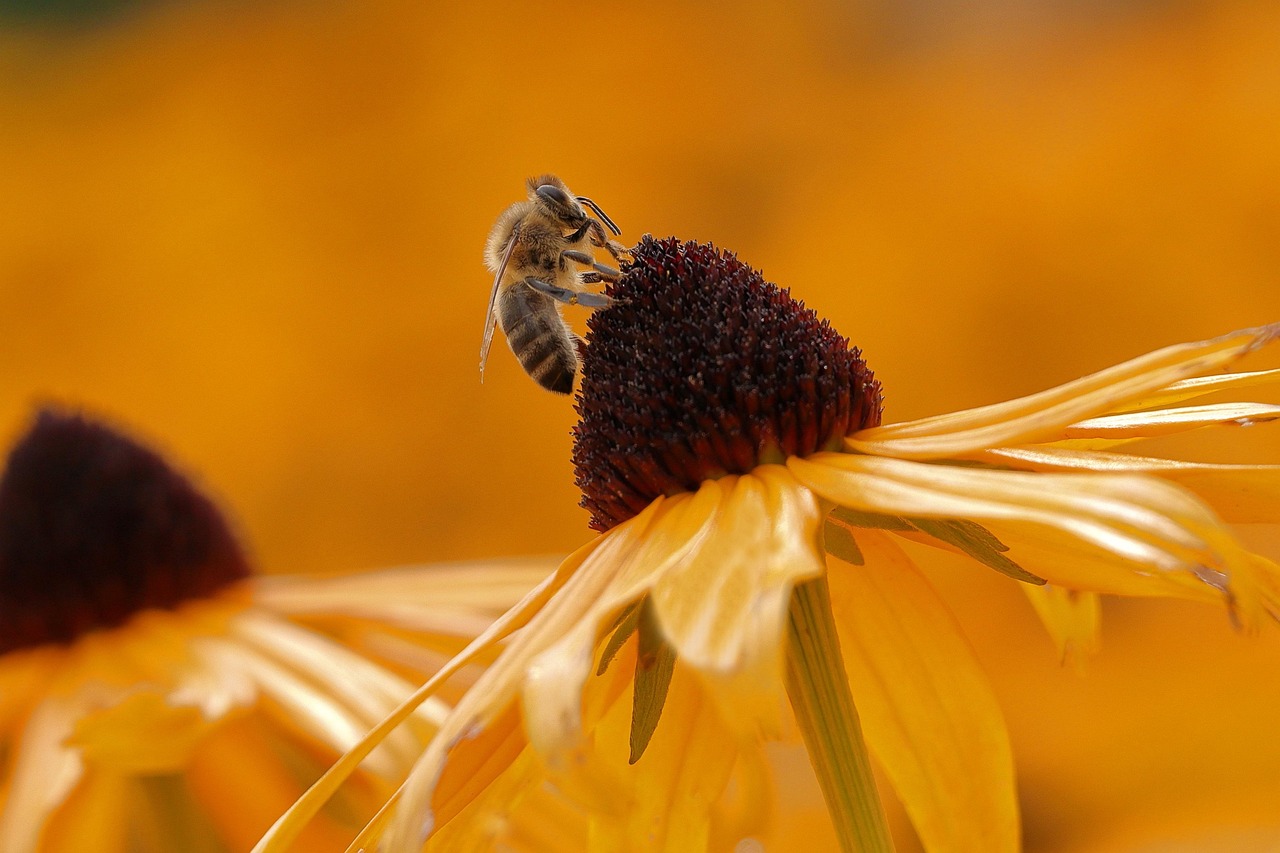
- Black-eyed Susan (Rudbeckia hirta): A classic wildflower, Black-eyed Susan boasts bright yellow petals surrounding a dark brown center cone. It's a robust and adaptable plant, providing a burst of color and attracting butterflies and bees. It often self-seeds, creating a naturalized look. Black-eyed Susan
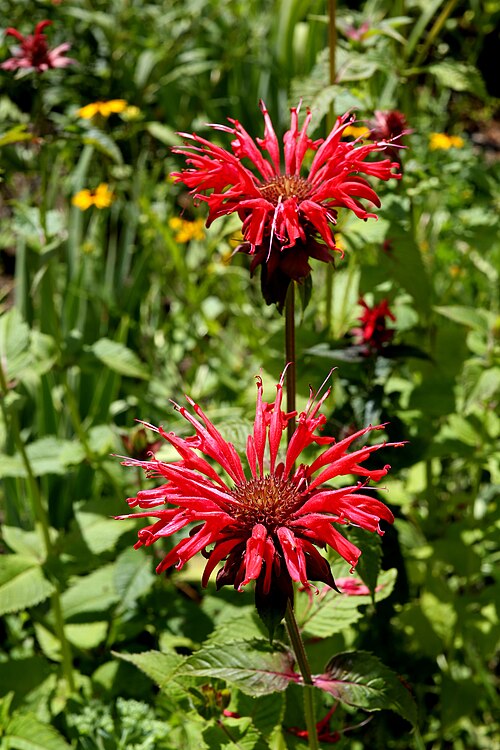
- Bee Balm (Monarda didyma/fistulosa): With its unique, shaggy flowers in shades of red, pink, purple, or white, Bee Balm is a pollinator powerhouse, especially for bees and hummingbirds. It prefers moist, well-drained soil and full sun to partial shade. Its aromatic foliage can also be used for teas. Bee Balm
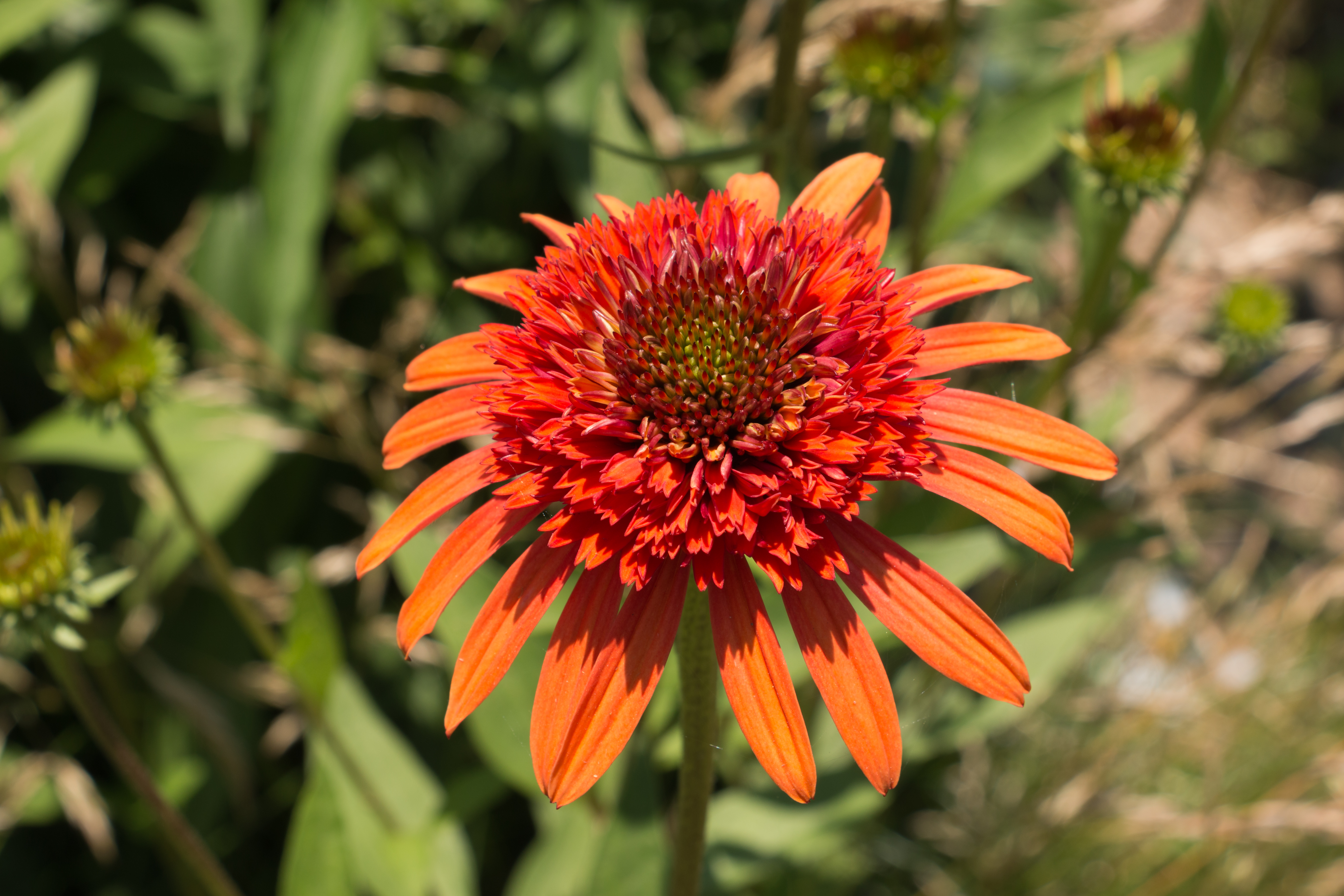
- Coneflower (Echinacea purpurea): A quintessential prairie plant, Coneflower is beloved for its large, daisy-like flowers with prominent central cones, typically in purple, but also available in white, pink, and yellow cultivars. It's drought-tolerant, attracts butterflies, and its seeds provide winter food for birds. Coneflower
How Do Native Plants Benefit Local Wildlife?
Native plants are the cornerstone of a healthy local ecosystem, providing indispensable resources for a wide array of wildlife. Unlike non-native species, which may offer little to no benefit to local fauna, native plants have co-evolved with the insects, birds, and mammals of your region, creating intricate food webs and essential habitats.
For insects, particularly native bees and butterflies, native plants are critical. Many insect species have specialized relationships with specific native plants, relying on them for nectar, pollen, or as host plants for their larvae. For example, monarch butterfly caterpillars can only feed on milkweed (Asclepias spp.), a native plant. Without these host plants, the insect populations cannot complete their life cycles. By planting a diverse selection of native flowers, you provide a continuous supply of nectar and pollen throughout the growing season, supporting a healthy pollinator population.
Birds also benefit immensely from native plants. They feed on the insects that thrive on native foliage, and many species rely on the berries and seeds produced by native shrubs and perennials. Native plants also offer crucial nesting sites and protective cover from predators and harsh weather. For instance, the dense branching of native shrubs can provide ideal shelter.
Even small mammals find sustenance and shelter among native plantings. The seeds, nuts, and fruits of native trees and shrubs are vital food sources, and the dense undergrowth provides safe havens. By integrating native plants into your garden, you're not just planting a pretty flower; you're actively contributing to the survival and flourishing of your local wildlife.
Quick Reference: Zone 8 Native Plant Characteristics
| Plant Name | Light Needs | Water Needs (Established) | Bloom Time | Attracts | Special Features |
|---|---|---|---|---|---|
| Blanket Flower | Full Sun | Low | Summer-Fall | Butterflies | Drought tolerant, vibrant colors |
| Yarrow | Full Sun | Low | Summer | Beneficial Insects | Drought tolerant, fern-like foliage |
| Penstemon | Full Sun | Low-Medium | Late Spring-Summer | Hummingbirds | Vertical interest, diverse colors |
| Coreopsis | Full Sun | Low | Late Spring-Summer | Butterflies, Bees | Long bloom time, tolerates poor soil |
| Black-eyed Susan | Full Sun | Low-Medium | Summer-Fall | Butterflies, Bees | Classic wildflower, self-seeds |
| Bee Balm | Full Sun-Part Shade | Medium | Summer | Bees, Hummingbirds | Aromatic foliage, unique flowers |
| Coneflower | Full Sun | Low-Medium | Summer-Fall | Butterflies, Birds | Drought tolerant, seeds for birds |
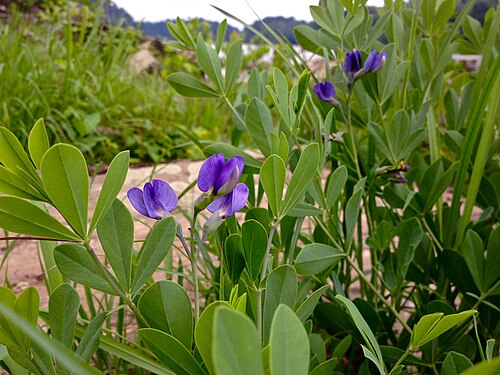
| False Indigo (Baptisia) | Full Sun | Low-Medium | Spring-Early Summer | Bees, Butterflies | Long-lived, nitrogen fixer, architectural form |
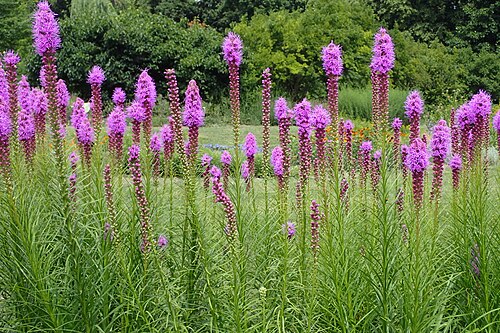
| Blazing Star (Liatris) | Full Sun | Low-Medium | Summer-Fall | Butterflies, Bees | Vertical spires, attracts monarchs |
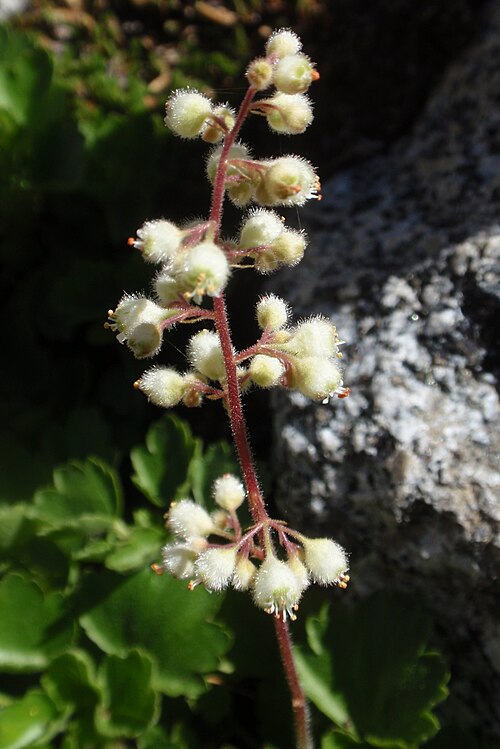
| Coral Bells (Heuchera) | Part Shade-Full Shade | Medium | Late Spring-Summer | Hummingbirds | Colorful foliage, shade tolerant |
How Can I Incorporate Native Plants into My Existing Garden?
Integrating native plants into an established garden can be a gradual and rewarding process. You don't need to overhaul your entire landscape at once. Start by identifying areas where native plants would thrive and address specific needs in your garden.
Consider replacing non-native, high-maintenance plants with native alternatives that offer similar aesthetic qualities but require less care. For example, if you have a sunny, dry spot, a native Coreopsis or Blanket Flower could replace a thirsty annual. If you're looking to attract more pollinators, dedicate a section of your garden to a "pollinator patch" featuring a mix of native flowers like Bee Balm, Coneflower, and Yarrow.
Think about layering your plantings. Use native groundcovers, perennials, shrubs, and even small trees to create a diverse habitat. Native shrubs like serviceberry or elderberry can provide berries for birds and shelter, while native grasses add texture and structure.
Remember to prepare the soil appropriately for your chosen native plants. While they are adaptable, ensuring good drainage is often key, especially for species that prefer drier conditions. Initially, native plants will need regular watering to get established, typically for their first growing season. After that, their water needs will significantly decrease.
By thoughtfully incorporating native plants, you'll not only reduce your gardening workload but also transform your yard into a vibrant, ecologically rich haven that supports the local environment.
Ready to find the perfect plants for your yard? Try the PlantWise Plant Finder →