Native plants are an excellent choice for Zone 5 gardens, offering beauty, ecological benefits, and resilience to local conditions. For gardeners in USDA Hardiness Zone 5, some of the best native plants include Coneflower, Black-eyed Susan, Bee Balm, Blazing Star, and False Indigo, all of which thrive in the region's climate, support local wildlife, and require less maintenance than many non-native alternatives. These plants are well-adapted to cold winters and warm summers, making them a sustainable and rewarding addition to any landscape.
Echinacea purpurea and Rudbeckia hirta packs for pollinator beds. We may earn a commission at no extra cost to you.
Amazon · Echinacea purpurea seed packs Amazon · Rudbeckia hirta seed packs
* Amazon listings for these terms are often seed packets rather than live plugs; check the format before you buy.
Why Choose Native Plants for Your Zone 5 Garden?
Incorporating native plants into your Zone 5 garden is one of the most impactful decisions you can make for both your landscape and the local ecosystem. Unlike exotic species, native plants have evolved over millennia to thrive in the specific climate, soil, and environmental conditions of your region. This adaptation means they generally require less water, fertilizer, and pest control once established, reducing your gardening efforts and environmental footprint.
Beyond their low-maintenance appeal, native plants are vital for supporting local wildlife. They provide essential food sources, such as nectar, pollen, seeds, and berries, for native pollinators like bees and butterflies, as well as birds and other beneficial insects. They also offer crucial habitat and shelter, helping to maintain biodiversity and a healthy ecosystem right in your backyard. By choosing native species, you're not just planting a garden; you're cultivating a vibrant, resilient, and ecologically responsible landscape.
🌱 Get Personalized Plant Picks
Answer a few quick questions and we’ll match plants to your exact yard conditions.
Find My Plants →What Are Some Top Native Plants for Zone 5?
Zone 5 gardeners have a wonderful array of native plants to choose from, offering diverse textures, colors, and forms. Here are some of the best options that excel in this hardiness zone:
Perennials for Pollinators and Visual Appeal
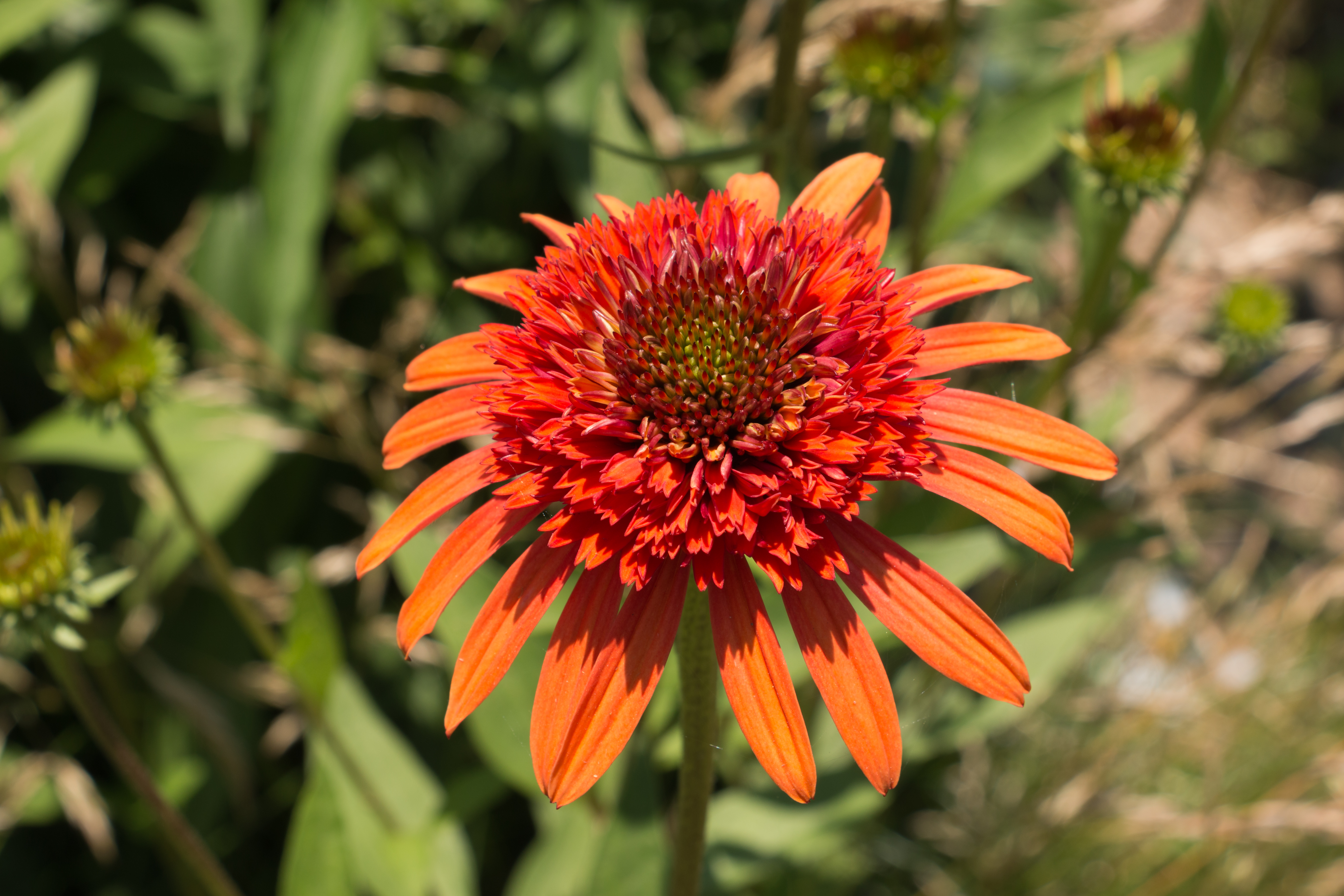
- Coneflower (Echinacea purpurea): A classic prairie plant, coneflowers are beloved for their daisy-like flowers with prominent central cones. They come in shades of purple, pink, and white, blooming from mid-summer to fall. They are drought-tolerant once established and a magnet for bees and butterflies. Coneflower
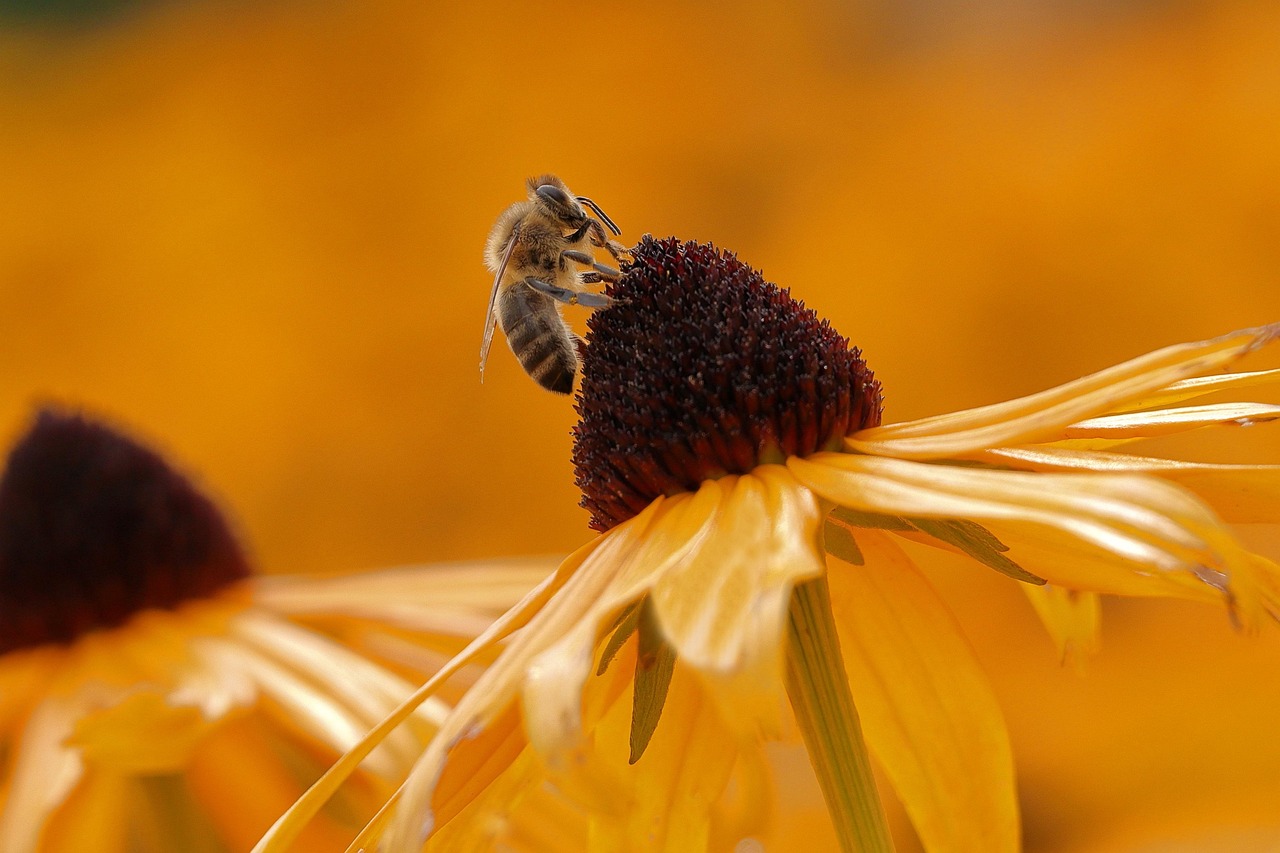
- Black-eyed Susan (Rudbeckia hirta): With their cheerful yellow petals and dark brown centers, Black-eyed Susans bring a burst of sunshine to any garden. They are incredibly adaptable, tolerating various soil conditions, and bloom profusely from summer into fall. They are excellent for mass plantings and attract a wide range of pollinators. Black-eyed Susan
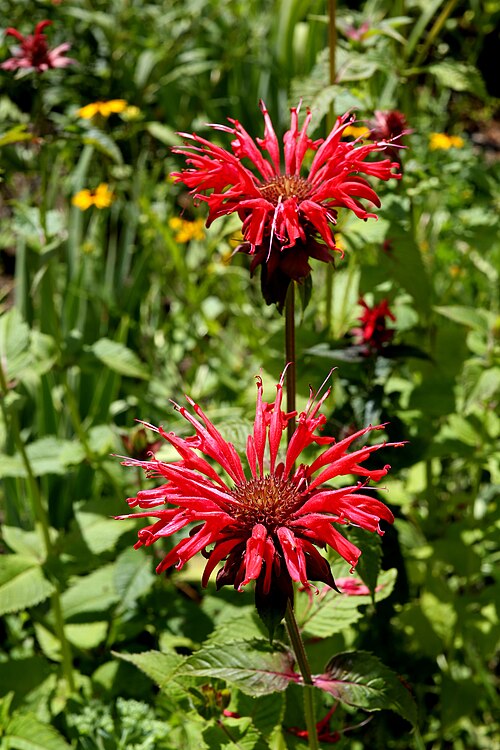
- Bee Balm (Monarda didyma): Known for its unique, shaggy, tubular flowers, Bee Balm is a powerhouse for pollinators, especially bees, butterflies, and hummingbirds. It comes in vibrant shades of red, pink, and purple, and its aromatic foliage can also be used for teas. It prefers moist, well-drained soil and full sun to partial shade. Bee Balm
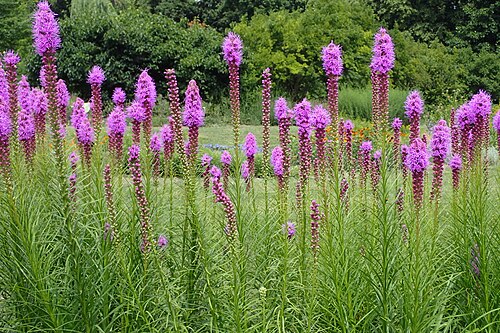
- Blazing Star (Liatris spicata): This striking perennial features tall, spiky flower stalks covered in purple, feathery blooms that open from the top down. Blazing Star is a vertical accent that adds drama to the garden and is highly attractive to monarch butterflies. It thrives in full sun and well-drained soil. Blazing Star
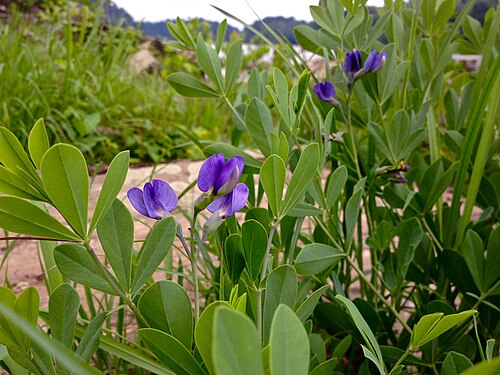
- False Indigo (Baptisia australis): A stately, long-lived perennial, False Indigo boasts beautiful indigo-blue, pea-like flowers in late spring to early summer, followed by attractive seed pods. It forms a substantial, shrub-like clump and is very drought-tolerant once established. It's a fantastic structural plant for the back of a border. False Indigo
Groundcovers and Other Favorites
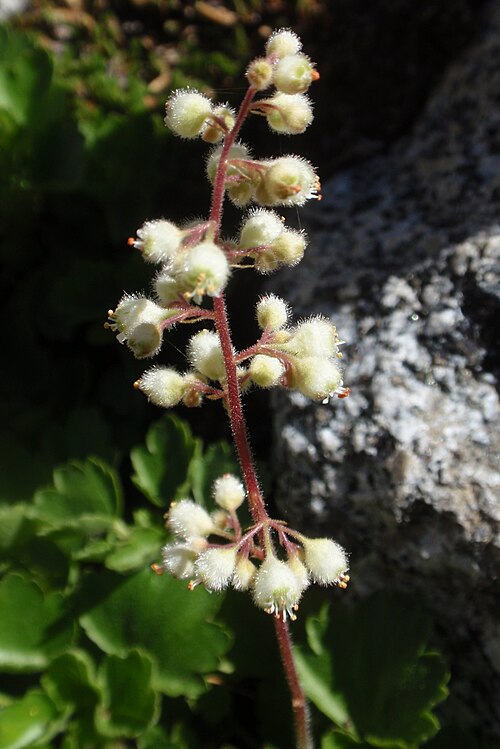
- Coral Bells (Heuchera spp.): While often grown for their attractive foliage, many Coral Bells species are native to North America and offer delicate flower spikes that attract hummingbirds. Their leaves come in an incredible range of colors, from lime green to deep purple, making them versatile for shade or partial shade. Coral Bells
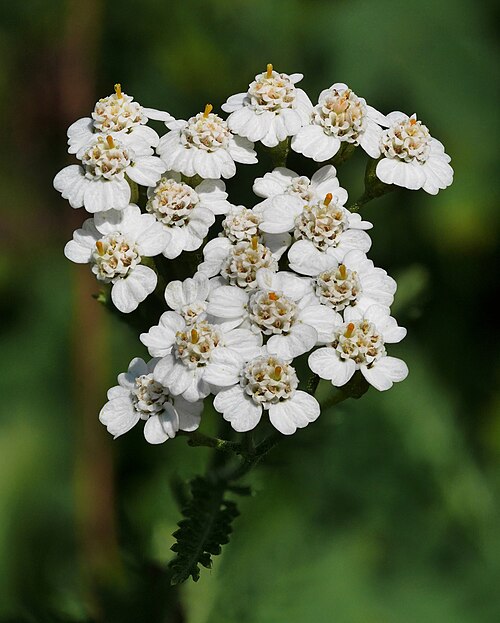
- Yarrow (Achillea millefolium): A tough and resilient plant, Yarrow produces flat-topped clusters of small flowers in shades of white, yellow, pink, and red. It's drought-tolerant, deer-resistant, and provides a landing pad for many beneficial insects. Yarrow
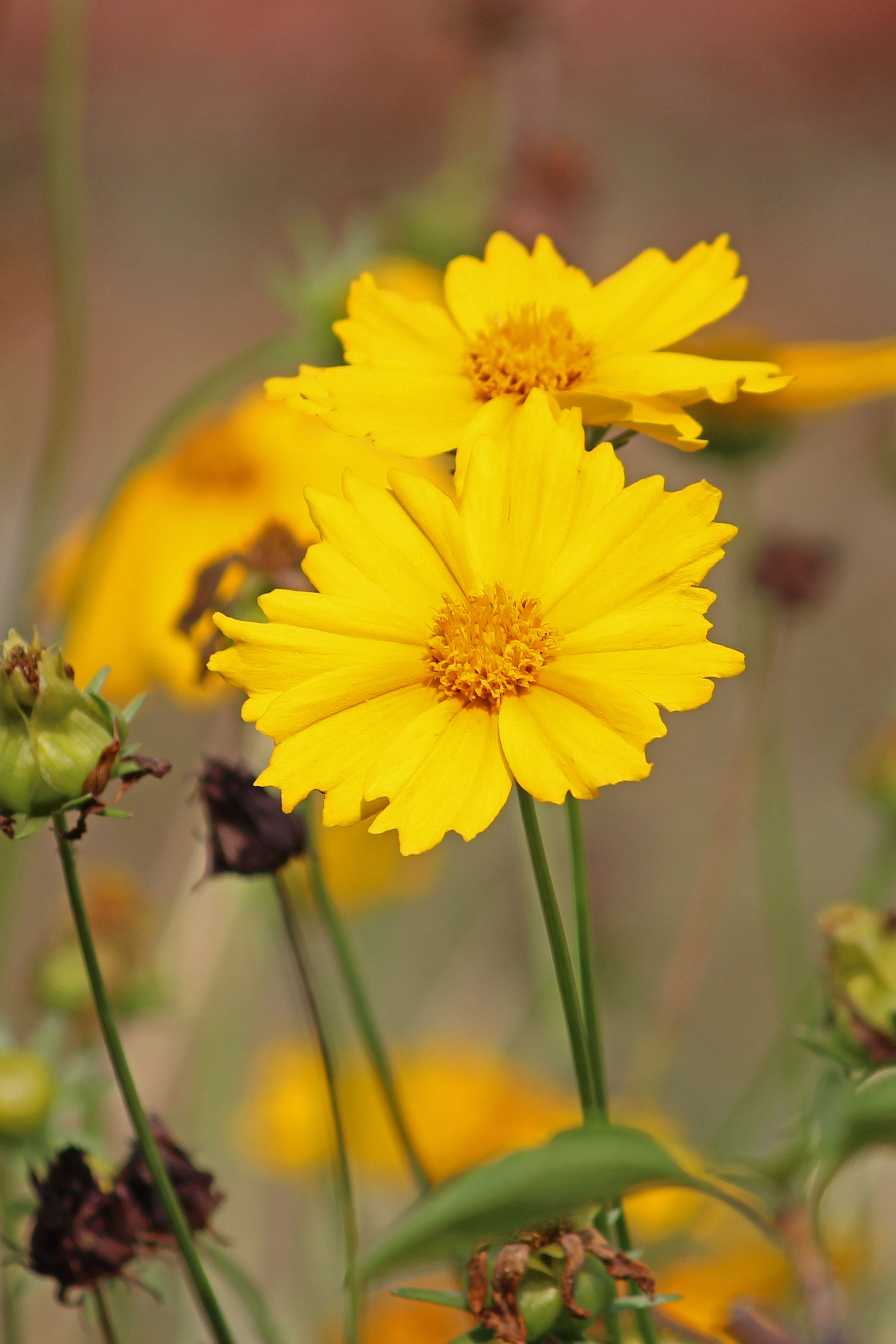
- Coreopsis (Coreopsis spp.): Often called Tickseed, Coreopsis offers a profusion of cheerful, daisy-like flowers, typically in yellow or gold, throughout the summer. They are easy to grow, drought-tolerant, and excellent for attracting butterflies. Coreopsis
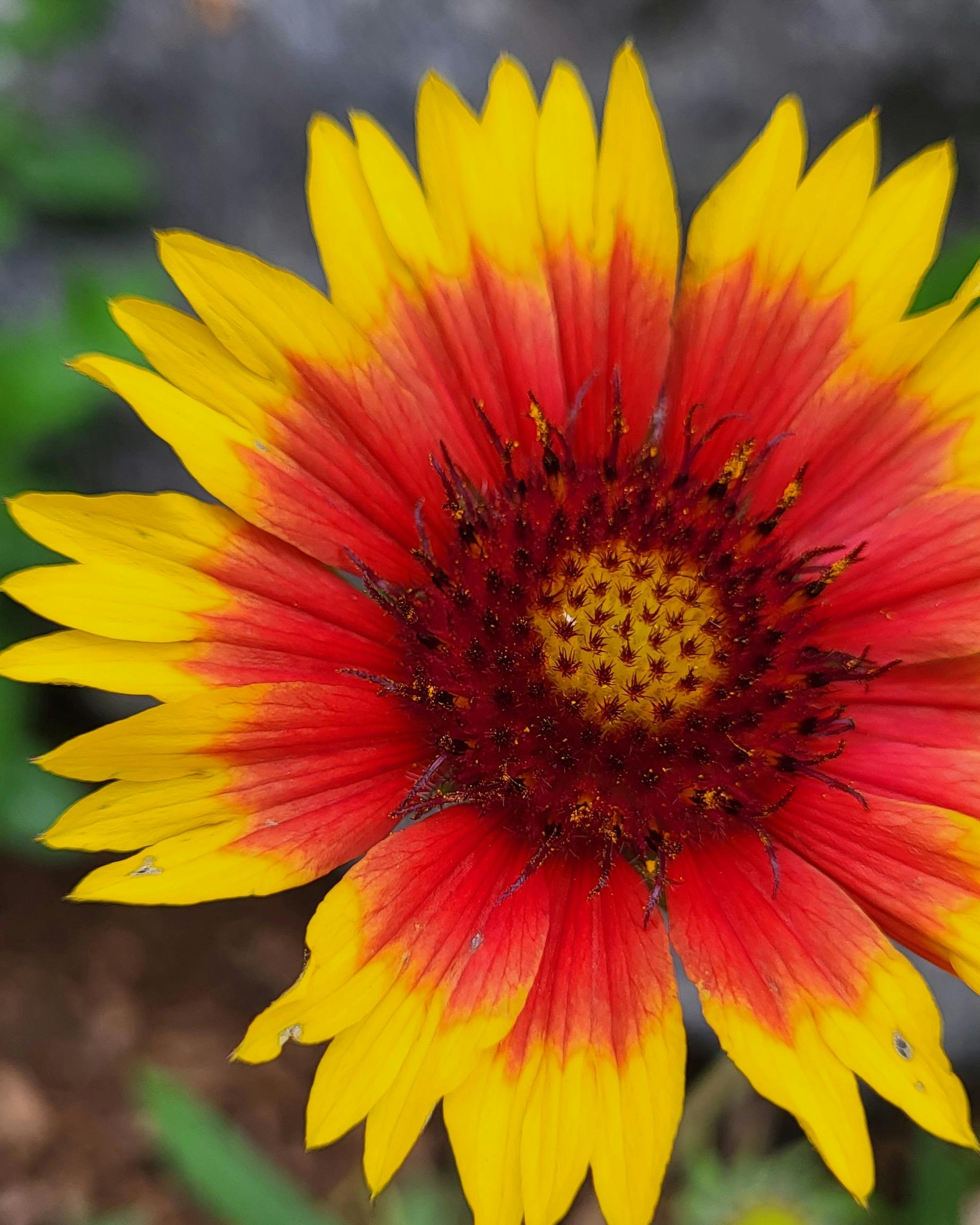
- Blanket Flower (Gaillardia aristata): Known for its vibrant, daisy-like flowers with red, orange, and yellow hues, Blanket Flower is a sun-loving perennial that blooms continuously from early summer to fall. It's drought-tolerant and a great choice for attracting pollinators. Blanket Flower
How Do Native Plants Benefit Local Wildlife?
Native plants are the foundation of a healthy local ecosystem, providing essential resources that non-native species often cannot. They offer tailored food sources, such as nectar and pollen for native bees and butterflies, which have co-evolved with these plants. For example, specific butterfly species, like Monarchs, rely exclusively on native milkweed species for their caterpillars. Without these host plants, their life cycle cannot continue.
Beyond pollinators, native plants provide seeds and berries that are crucial food sources for birds and small mammals, especially during migration or winter months. Their foliage also supports a diverse array of insects, which in turn become food for birds and other wildlife. Furthermore, the dense root systems of many native plants help to stabilize soil, prevent erosion, and improve water infiltration, contributing to healthier waterways and overall ecosystem resilience. By planting native, you're creating a biodiverse haven that supports the intricate web of life in your community.
What Are the Best Practices for Establishing Native Plants?
Establishing native plants in your Zone 5 garden is generally straightforward, but a few best practices can ensure their success.
- Site Selection: Most native plants thrive in full sun (at least 6 hours of direct sunlight daily) and well-drained soil, especially those adapted to prairie or meadow environments. However, some, like certain Coral Bells, prefer partial shade. Understand your plant's specific light and soil requirements before planting.
- Soil Preparation: While native plants are adaptable, improving compacted or poor soil can give them a good start. Incorporate a small amount of compost to enhance drainage and nutrient content, but avoid over-fertilizing, as native plants are typically adapted to leaner soils.
- Planting: Dig a hole twice as wide as the root ball and just as deep. Gently loosen the roots before placing the plant in the hole, ensuring the crown is level with the soil surface. Backfill with soil and water thoroughly.
- Watering: During the first growing season, consistent watering is crucial to help native plants establish a strong root system. Water deeply once or twice a week, depending on rainfall and soil type. Once established (typically after one to two years), most native plants are remarkably drought-tolerant and will only need supplemental water during extended dry spells.
- Mulching: Apply a layer of organic mulch, such as shredded leaves or wood chips, around your new plantings. This helps retain soil moisture, suppress weeds, and regulate soil temperature.
- Patience: Native plants often focus on root development in their first year, so top growth might seem slow. Be patient; they will reward you with robust growth and abundant blooms in subsequent years.
Quick Reference: Zone 5 Native Plant Characteristics
| Plant Name | Light Needs | Soil Needs | Bloom Time | Attracts | Notes |
|---|---|---|---|---|---|
| Coneflower | Full Sun | Well-drained | Summer-Fall | Bees, Butterflies | Drought-tolerant once established |
| Black-eyed Susan | Full Sun | Adaptable | Summer-Fall | Bees, Butterflies | Easy to grow, prolific bloomer |
| Bee Balm | Full Sun-Part Sun | Moist, Well-drained | Mid-Summer | Bees, Butterflies, Hummingbirds | Aromatic foliage, mildew resistant varieties available |
| Blazing Star | Full Sun | Well-drained | Mid-Summer-Fall | Monarchs, Bees | Striking vertical accent |
| False Indigo | Full Sun | Well-drained | Late Spring-Early Summer | Bees, Butterflies | Long-lived, shrub-like form |
| Coral Bells | Part Shade-Full Shade | Moist, Well-drained | Late Spring-Early Summer | Hummingbirds | Valued for foliage color |
| Yarrow | Full Sun | Well-drained | Summer | Bees, Beneficial Insects | Drought-tolerant, deer-resistant |
| Coreopsis | Full Sun | Well-drained | Summer | Butterflies | Continuous blooms, easy care |
| Blanket Flower | Full Sun | Well-drained | Summer-Fall | Butterflies | Drought-tolerant, vibrant colors |
No plant is truly deer-proof, but many native plants, like those listed, are often less appealing to deer than non-native alternatives.
Ready to find the perfect plants for your yard? Try the PlantWise Plant Finder →