Complete Pet-Safe Garden Guide for Zone 3
Creating a pet-safe garden in USDA Hardiness Zone 3, where winter temperatures can plummet to -40°F (-40°C), involves selecting plants that are both resilient to extreme cold and not listed as toxic to common household pets like dogs and cats. This guide will help you choose beautiful, hardy perennials and shrubs that can withstand harsh winters while providing a safe outdoor space for your furry friends to explore.
Understanding Pet Safety in the Garden
When we talk about "pet-safe" plants, we mean plants that are not listed as toxic by reputable sources like the ASPCA. It's important to understand that even non-toxic plants can cause mild stomach upset if ingested in large quantities, and individual pet sensitivities can vary. Always supervise your pets in the garden, especially puppies and kittens, who are more prone to nibbling.
If you suspect your pet has ingested a toxic plant, call the ASPCA Animal Poison Control Center immediately at (888) 426-4435.
Beyond plant toxicity, consider other garden hazards. Avoid using pesticides, herbicides, and chemical fertilizers that could be harmful if ingested. Opt for organic pest control methods and natural soil amendments. Ensure any sharp tools are stored away, and thorny plants are placed out of reach.
🌱 Get Personalized Plant Picks
Answer a few quick questions and we’ll match plants to your exact yard conditions.
Find My Plants →Hardy & Pet-Friendly Perennials for Zone 3
Zone 3 gardeners are blessed with many beautiful perennials that can withstand frigid winters. Here are some excellent choices that are generally considered not listed as toxic to pets, offering a variety of colors, textures, and bloom times.
Sun-Loving Perennials
For sunny spots (6+ hours of direct sun daily), these plants will thrive and add vibrant life to your garden:
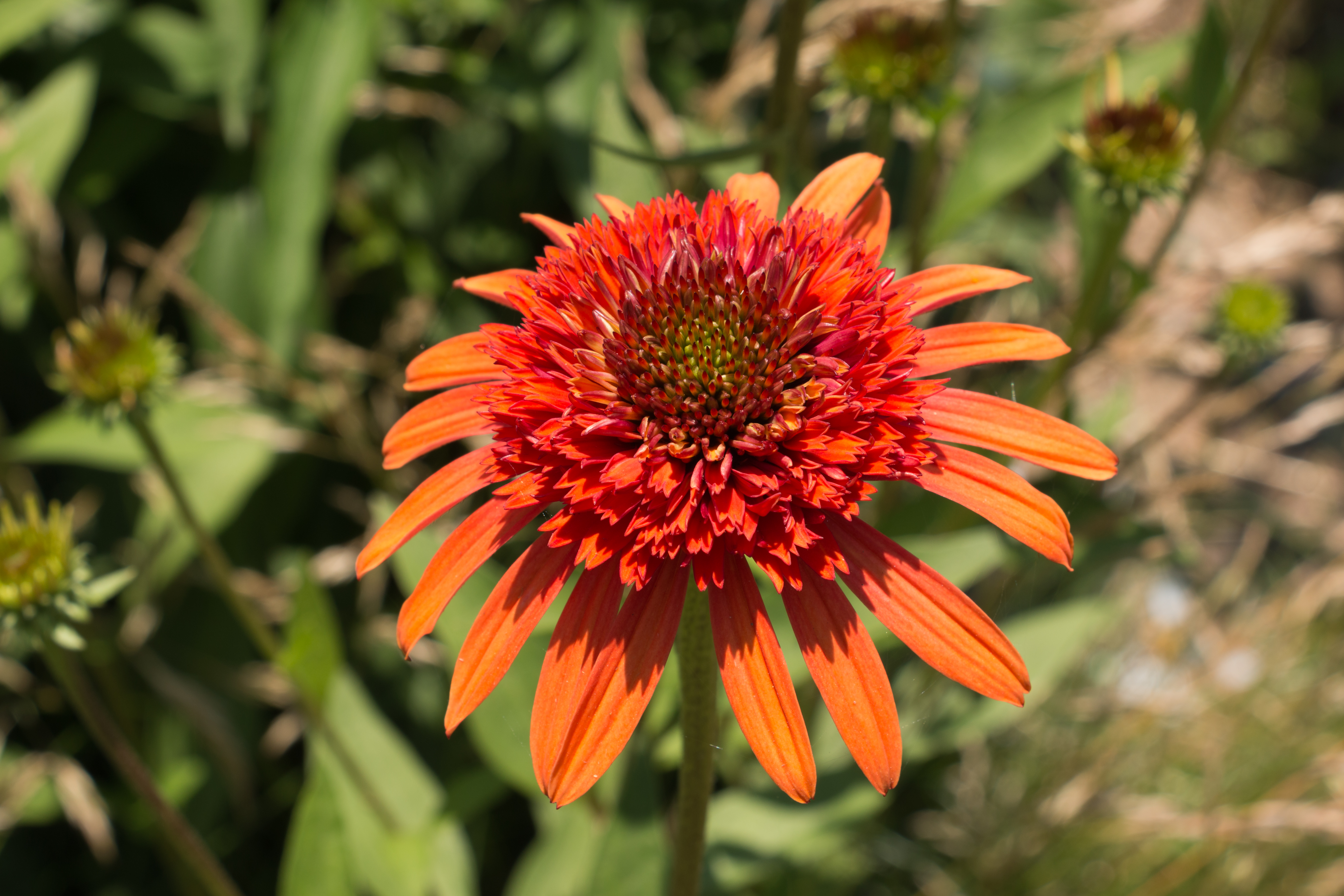
Coneflower (Echinacea purpurea): These cheerful, daisy-like flowers are a pollinator magnet and come in various colors. They are drought-tolerant once established and bloom from mid-summer into fall.
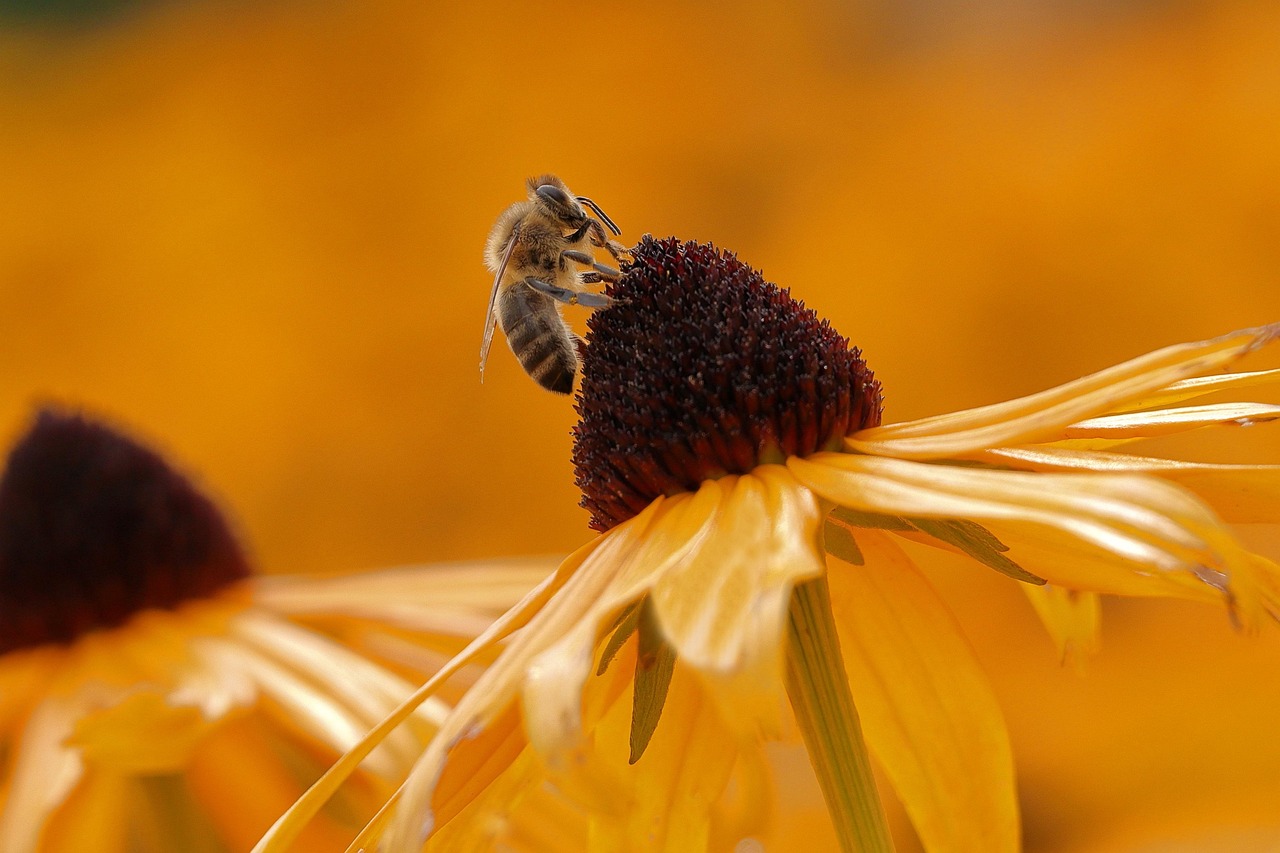
Black-Eyed Susan (Rudbeckia hirta): With their bright yellow petals and dark centers, Black-Eyed Susans are classic cottage garden favorites. They are easy to grow and provide continuous color.
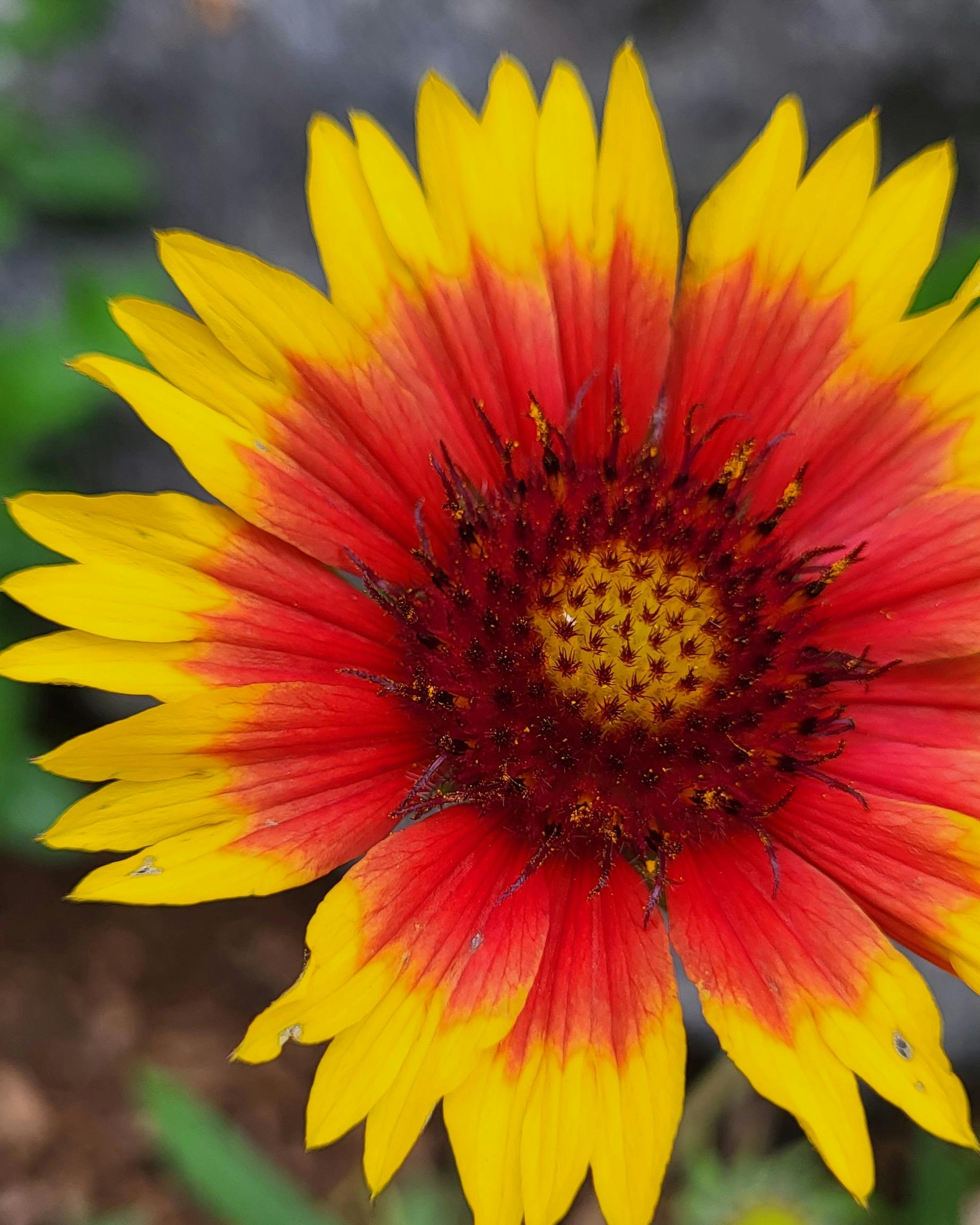
Blanket Flower (Gaillardia grandiflora): Offering a burst of red, orange, and yellow hues, Blanket Flowers are tough, drought-tolerant, and bloom for an extended period, attracting butterflies.
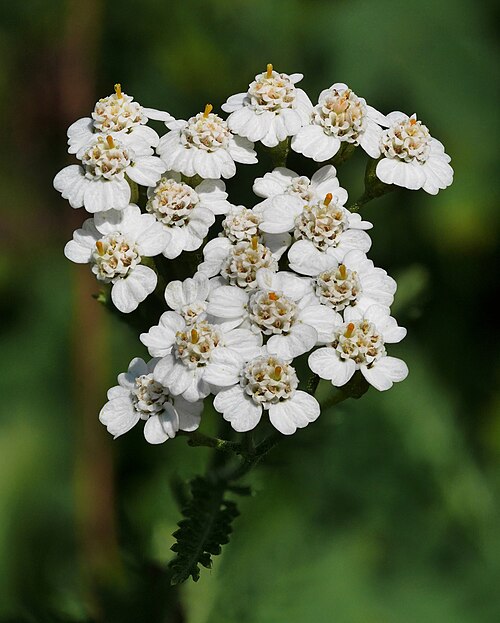
Yarrow (Achillea millefolium): Known for its feathery foliage and flat-topped flower clusters, yarrow is incredibly tough, drought-tolerant, and available in many colors.
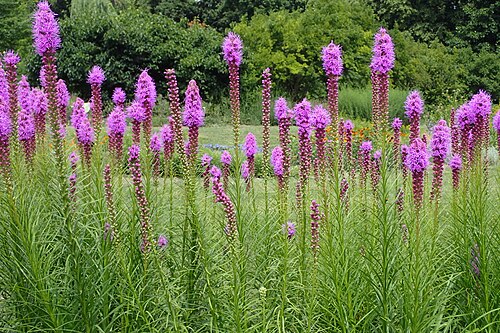
Blazing Star (Liatris spicata): These unique spiky flowers bloom from the top down, adding vertical interest to the garden. They are excellent for cutting and attract butterflies.
Sedum 'Autumn Joy' (Hylotelephium spectabile 'Autumn Joy'): This succulent perennial offers attractive foliage throughout the season and spectacular pink-to-bronze blooms in late summer and fall, providing crucial late-season nectar for pollinators.
Shade to Part-Shade Perennials
For areas receiving less than 6 hours of direct sun, these pet-friendly options will brighten up your shadier garden beds:
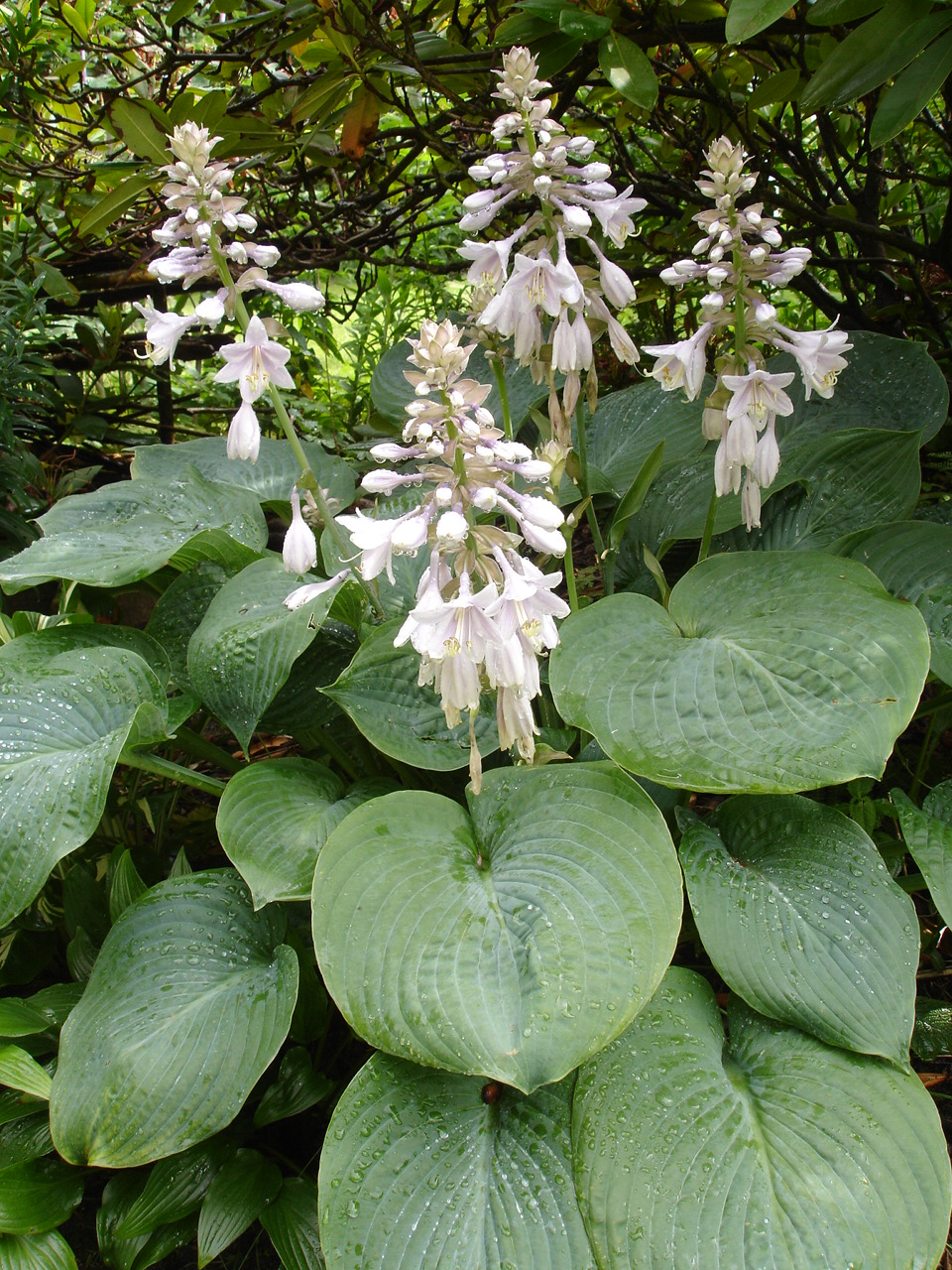
Hosta (Hosta spp.): A staple for shade gardens, hostas come in an incredible array of sizes, shapes, and leaf colors. While not listed as toxic, some pets might find the leaves appealing to chew on, so monitor their interaction.
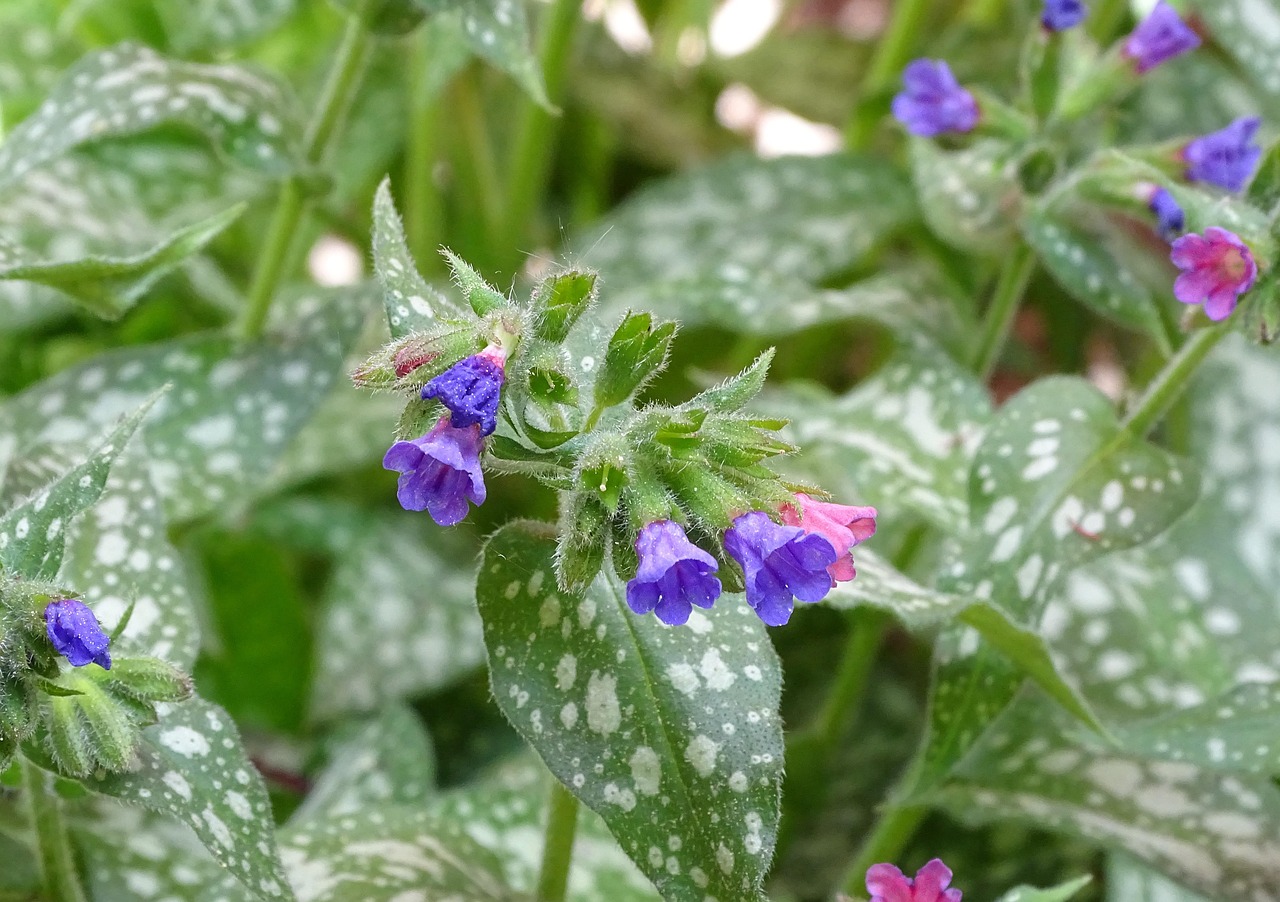
Lungwort (Pulmonaria spp.): This charming perennial offers attractive spotted foliage and early spring blooms in shades of blue, pink, or white. It's a great groundcover for shady, moist areas.
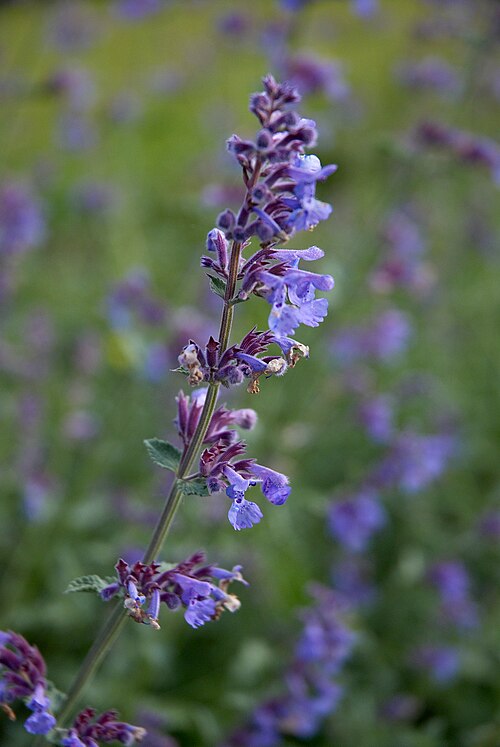
Catmint (Nepeta spp.): While its name might suggest otherwise, catmint (a relative of catnip) is generally not listed as toxic to pets. It's a fantastic, low-maintenance plant with lavender-blue flowers that bloom for months, attracting bees and butterflies. Some cats may be attracted to it, so observe your cat's reaction.
Pet-Friendly Shrubs for Zone 3
Shrubs provide structure, privacy, and year-round interest in the garden. Many hardy shrubs are also not listed as toxic to pets.
- Serviceberry (Amelanchier spp.): These versatile native shrubs or small trees offer beautiful white spring blossoms, edible berries (safe for humans and pets in moderation), and vibrant fall foliage.
- Ninebark (Physocarpus opulifolius): With attractive exfoliating bark, colorful foliage (from chartreuse to deep burgundy), and clusters of white flowers, ninebark is a tough and beautiful shrub.
- Shrub Roses (Rosa spp., many varieties): While thorns can be a deterrent, many shrub roses are not listed as toxic. Choose varieties known for their hardiness and disease resistance.
- Potentilla (Potentilla fruticosa): A low-maintenance shrub with small, five-petaled flowers in shades of yellow, white, or orange, blooming continuously through summer.
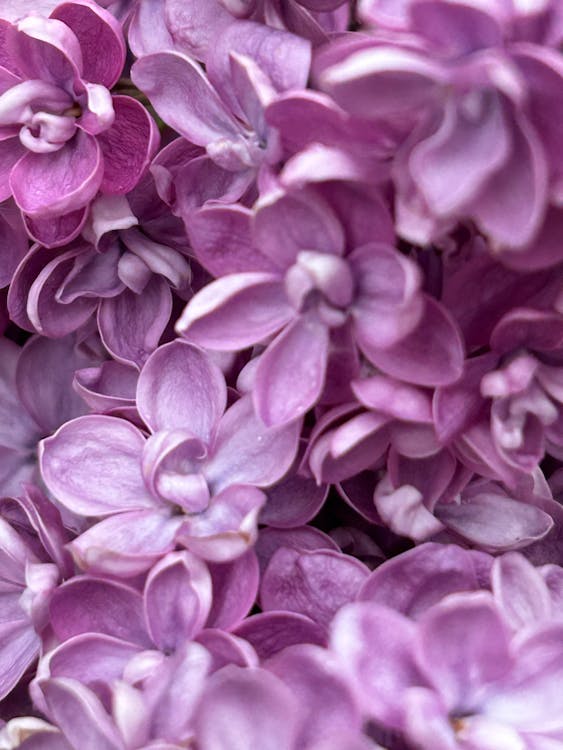
- Lilac (Syringa vulgaris): A classic spring bloomer known for its fragrant, showy flower clusters. Lilacs are generally considered not listed as toxic.
- Spirea (Spiraea spp.): Many spirea varieties offer beautiful foliage and abundant flowers, from early spring to summer.
Quick Reference: Pet-Safe Zone 3 Plants
| Plant Name | Sun Exposure | Bloom Time | Key Features |
|---|---|---|---|
| Coneflower | Full Sun | Summer-Fall | Pollinator magnet, drought-tolerant |
| Black-Eyed Susan | Full Sun | Summer-Fall | Cheerful, classic, easy to grow |
| Blanket Flower | Full Sun | Summer-Fall | Drought-tolerant, vibrant colors |
| Yarrow | Full Sun | Summer-Fall | Tough, feathery foliage, many colors |
| Blazing Star | Full Sun | Summer-Fall | Vertical interest, attracts butterflies |
| Sedum 'Autumn Joy' | Full Sun | Late Summer-Fall | Succulent foliage, late-season blooms |
| Hosta | Part Shade-Full Shade | Summer | Diverse foliage, low maintenance |
| Lungwort | Part Shade-Full Shade | Early Spring | Spotted foliage, early blooms |
| Catmint | Full Sun-Part Shade | Late Spring-Fall | Long blooming, attracts pollinators |
| Serviceberry | Full Sun-Part Shade | Spring | Edible berries, fall color |
| Ninebark | Full Sun-Part Shade | Spring-Summer | Colorful foliage, exfoliating bark |
| Shrub Roses | Full Sun | Summer-Fall | Fragrant blooms, varied forms |
| Potentilla | Full Sun | Summer | Continuous blooms, very hardy |
| Lilac | Full Sun | Spring | Fragrant flowers, classic appeal |
| Spirea | Full Sun-Part Shade | Spring-Summer | Abundant blooms, attractive foliage |
Note: "Not listed as toxic" means these plants are generally considered safe by organizations like the ASPCA, but individual pet sensitivities can vary. Always supervise your pets.
Creating a Pet-Friendly Garden Design
Beyond plant selection, thoughtful design can further enhance pet safety and enjoyment.
- Designate Play Areas: Create specific zones where your pets are encouraged to play, dig, or lounge. A sandbox for dogs can satisfy digging instincts away from your prize-winning perennials.
- Pathways: Use soft materials like wood chips (avoid cocoa mulch, which is toxic) for pathways to protect paws. Ensure pathways are wide enough for pets to navigate comfortably.
- Fencing: A secure fence is essential for keeping pets safely within your yard and preventing encounters with wildlife or toxic plants outside your property.
- Water Access: Always provide fresh water for your pets, especially on warm days. A pet-friendly water feature or a simple bowl can be a lifesaver.
- Shade and Shelter: Ensure there are shaded areas where your pets can retreat from the sun, whether under a tree, a pergola, or a dog house.
- Avoid Toxic Mulches: As mentioned, cocoa mulch is highly toxic to dogs. Opt for cedar, pine, or other wood mulches. Ensure any wood mulch is not treated with chemicals.
Maintaining Your Pet-Safe Zone 3 Garden
Even with pet-safe plants, ongoing maintenance is key to keeping your garden safe and thriving:
- Weed Control: Hand-pull weeds or use organic weed control methods. Avoid chemical herbicides.
- Pest Management: Implement integrated pest management (IPM) strategies. Encourage beneficial insects, use physical barriers, or opt for pet-safe organic pest sprays if necessary.
- Fertilizing: Use organic compost, well-rotted manure, or pet-safe granular fertilizers. Keep pets away from freshly applied fertilizers until they are watered in or dry.
- Pruning & Cleanup: Promptly remove any fallen leaves, berries, or plant debris that your pet might be tempted to chew on. Store pruning tools securely.
Creating a beautiful and safe garden in Zone 3 for your pets is entirely achievable with careful planning and plant selection. By focusing on hardy, non-toxic options and implementing pet-friendly design principles, you can enjoy a vibrant outdoor space that both you and your furry companions will love.
Ready to find the perfect plants for your yard? Try the PlantWise Plant Finder →