Complete Pet-Safe Garden Guide for Zone 4
Creating a beautiful garden in Zone 4 that's also safe for your furry friends is absolutely achievable! Many vibrant, hardy plants thrive in cold-winter climates and are not listed as toxic to dogs and cats by the ASPCA. This guide will help you select suitable trees, shrubs, perennials, and annuals, ensuring your outdoor space is a haven for both you and your pets. We'll focus on plants that can withstand Zone 4's chilly temperatures while offering peace of mind regarding pet safety.
Understanding Pet Safety in the Garden
When we talk about "pet-safe" plants, it's important to understand what that truly means. The term "not listed as toxic" is preferred over "safe" or "non-toxic" because individual pet sensitivities can vary, and even a non-toxic plant can cause mild stomach upset if consumed in large quantities. Our recommendations are based on information from reputable sources like the ASPCA (American Society for the Prevention of Cruelty to Animals), which maintains extensive lists of plants toxic and non-toxic to common household pets.
Beyond plant selection, consider other garden elements. Avoid cocoa mulch, which contains theobromine, a compound toxic to dogs. Keep fertilizers, pesticides, and herbicides stored securely and always follow application instructions carefully, ensuring pets are kept away from treated areas for the recommended time. If you suspect your pet has ingested a toxic plant, call the ASPCA Animal Poison Control Center immediately at (888) 426-4435.
🌱 Get Personalized Plant Picks
Answer a few quick questions and we’ll match plants to your exact yard conditions.
Find My Plants →Pet-Friendly Perennials for Zone 4
Perennials are the backbone of any garden, returning year after year with minimal fuss. For Zone 4, you need plants that can handle harsh winters, and thankfully, many beautiful options are not listed as toxic to pets.
Sunny Spots: If your garden receives at least six hours of direct sunlight daily, you have a wealth of choices.
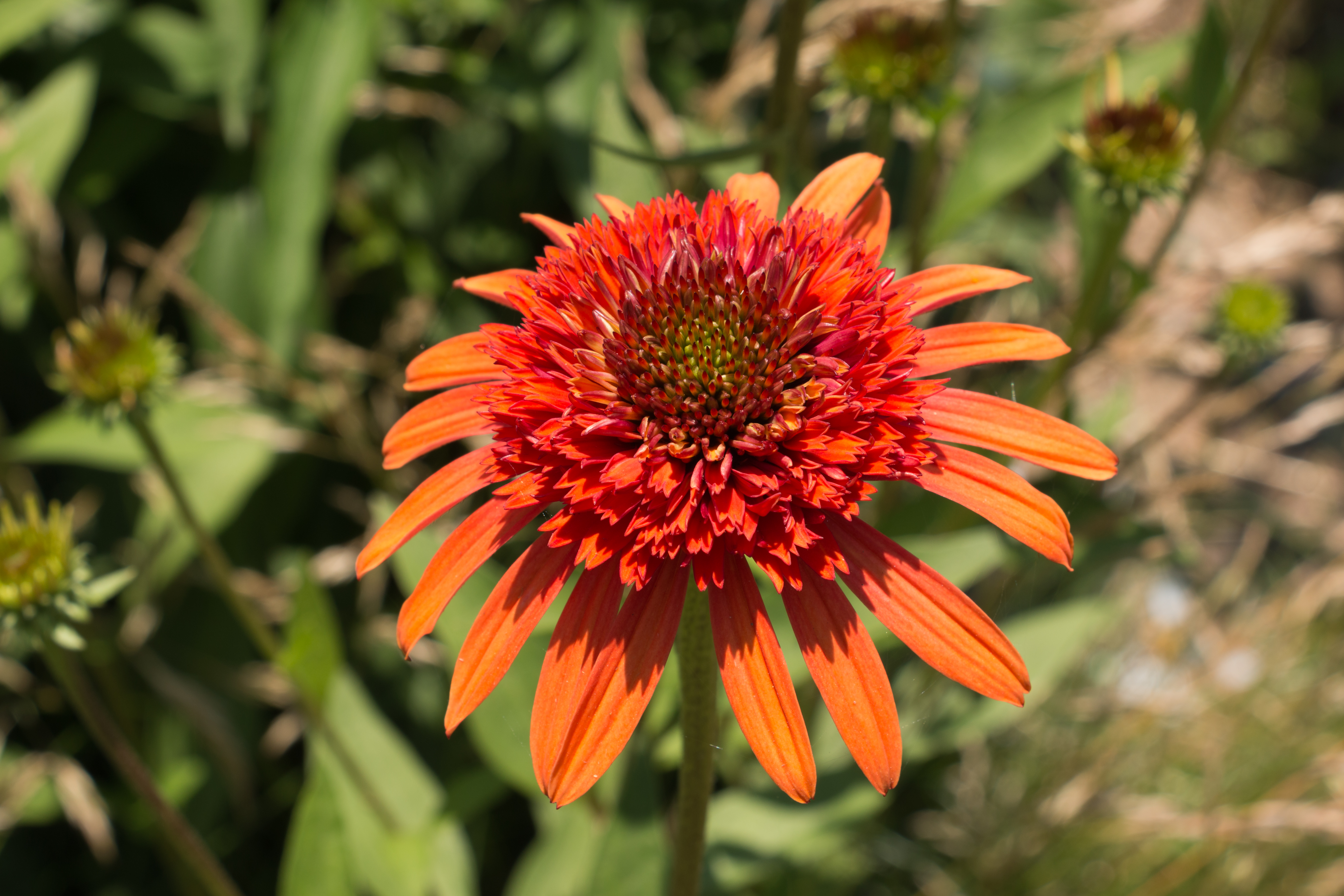
Coneflower (Echinacea purpurea): These iconic prairie plants are incredibly hardy, drought-tolerant once established, and a magnet for pollinators. Their cheerful daisy-like blooms come in purple, pink, white, and even yellow, brightening up any sunny border. They are not listed as toxic to dogs or cats.
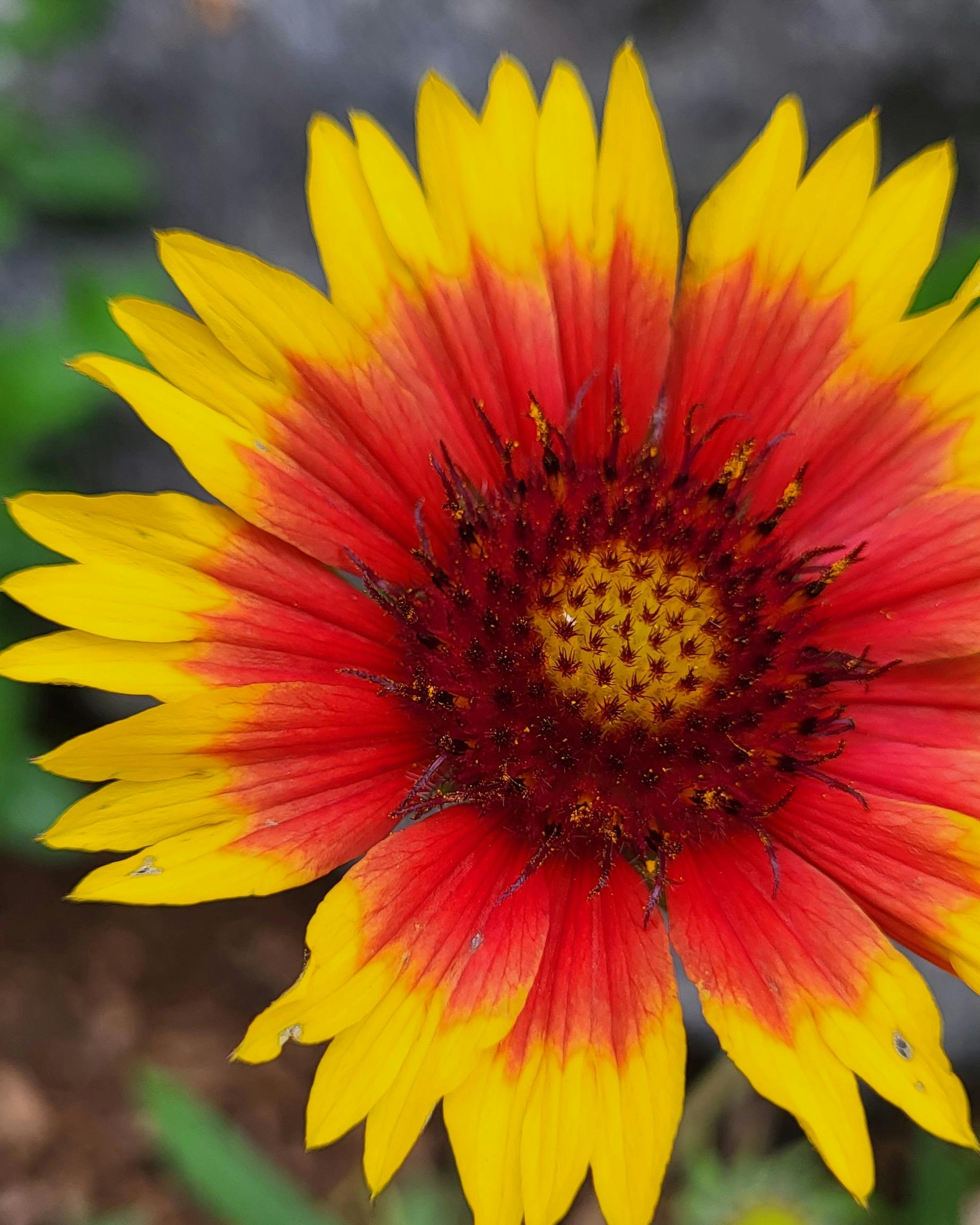
Blanket Flower (Gaillardia): With their vibrant red, orange, and yellow hues, Blanket Flowers bring a burst of color to the garden. They are tough, heat-tolerant, and bloom profusely from summer into fall. They are not listed as toxic to dogs or cats.
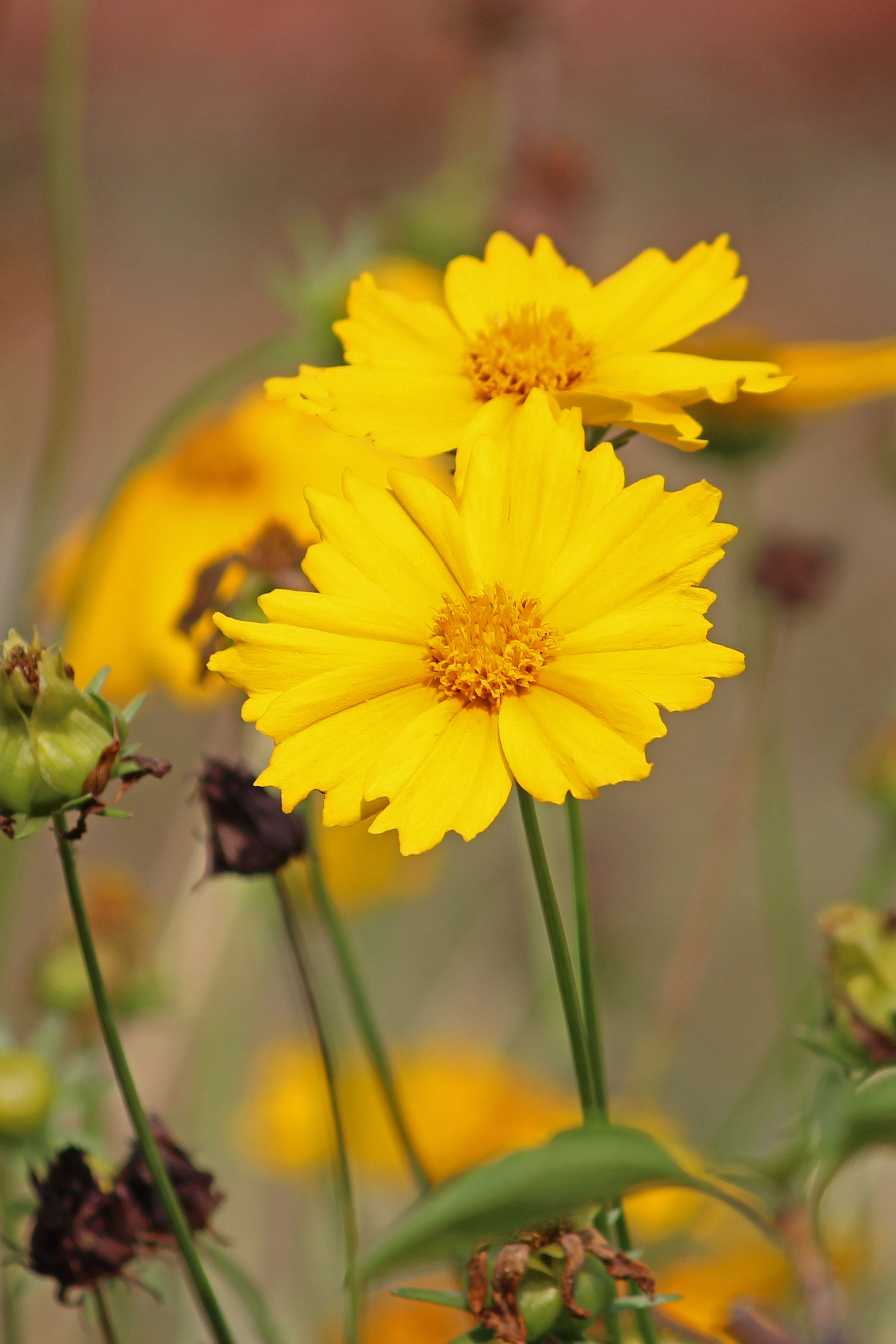
Coreopsis (Tickseed): Known for their cheerful, daisy-like flowers, Coreopsis varieties offer continuous blooms in shades of yellow, gold, and pink. They are easy to grow, drought-tolerant, and perfect for borders or mass plantings. Coreopsis is not listed as toxic to dogs or cats.
Other excellent choices for sunny, pet-friendly Zone 4 gardens include:
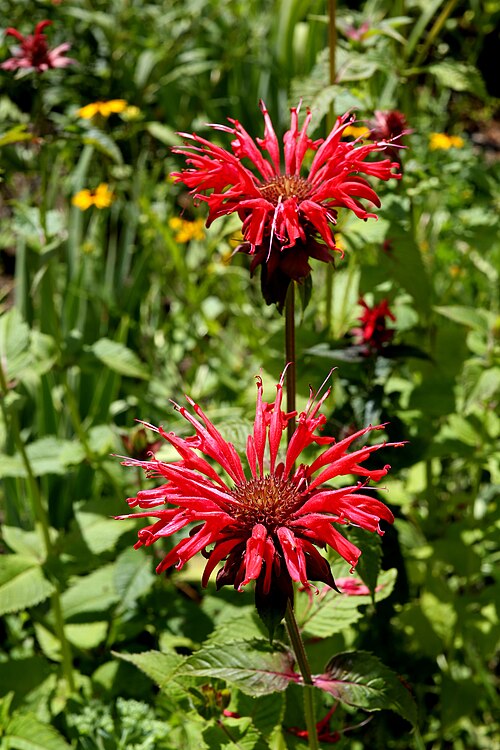
- Bee Balm (Monarda didyma): Attracts hummingbirds and butterflies with its unique, spiky flowers. Not listed as toxic.
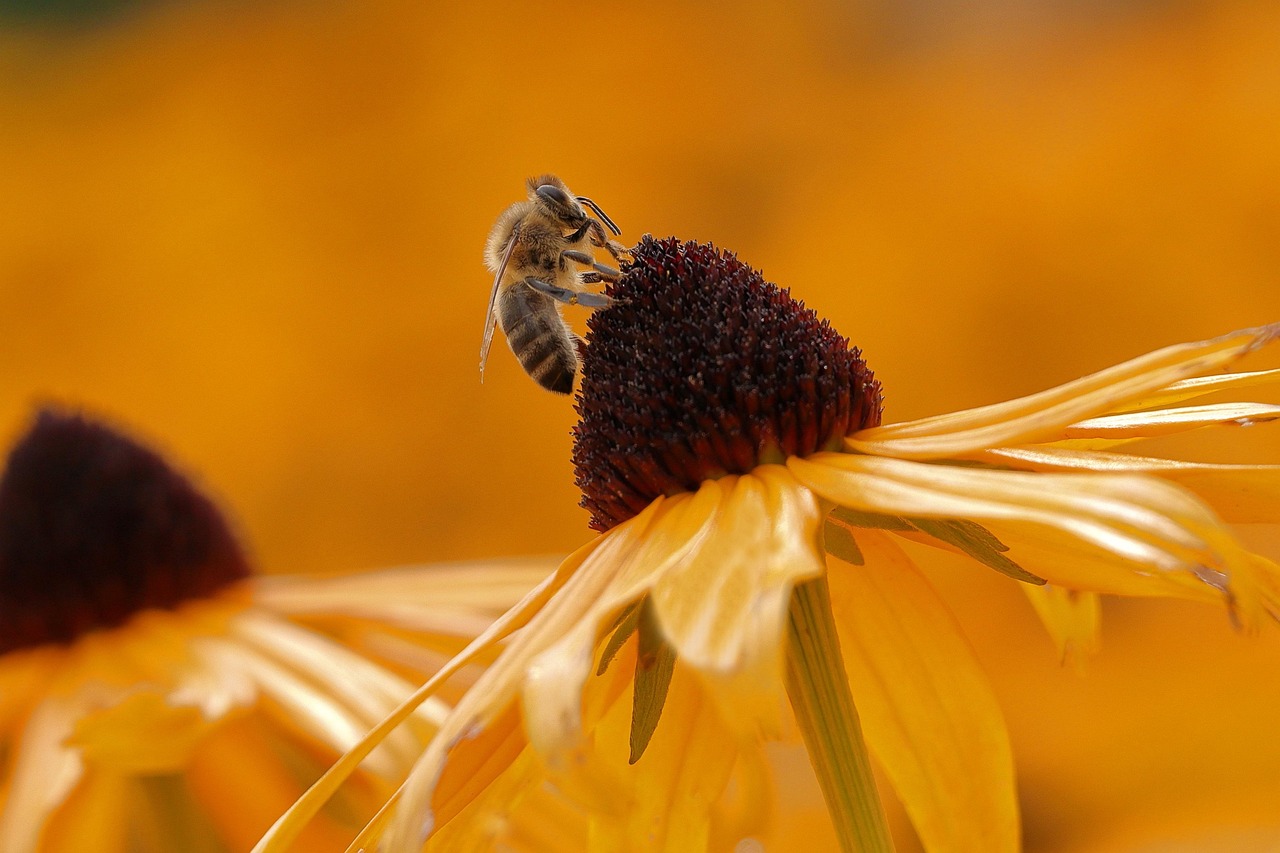
- Black-Eyed Susan (Rudbeckia hirta): Classic yellow petals with a dark center, a true garden workhorse. Not listed as toxic.
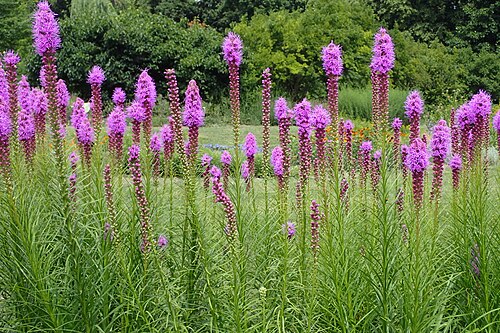
- Blazing Star (Liatris spicata): Tall, spiky purple flowers that bloom from the top down, excellent for vertical interest. Not listed as toxic.
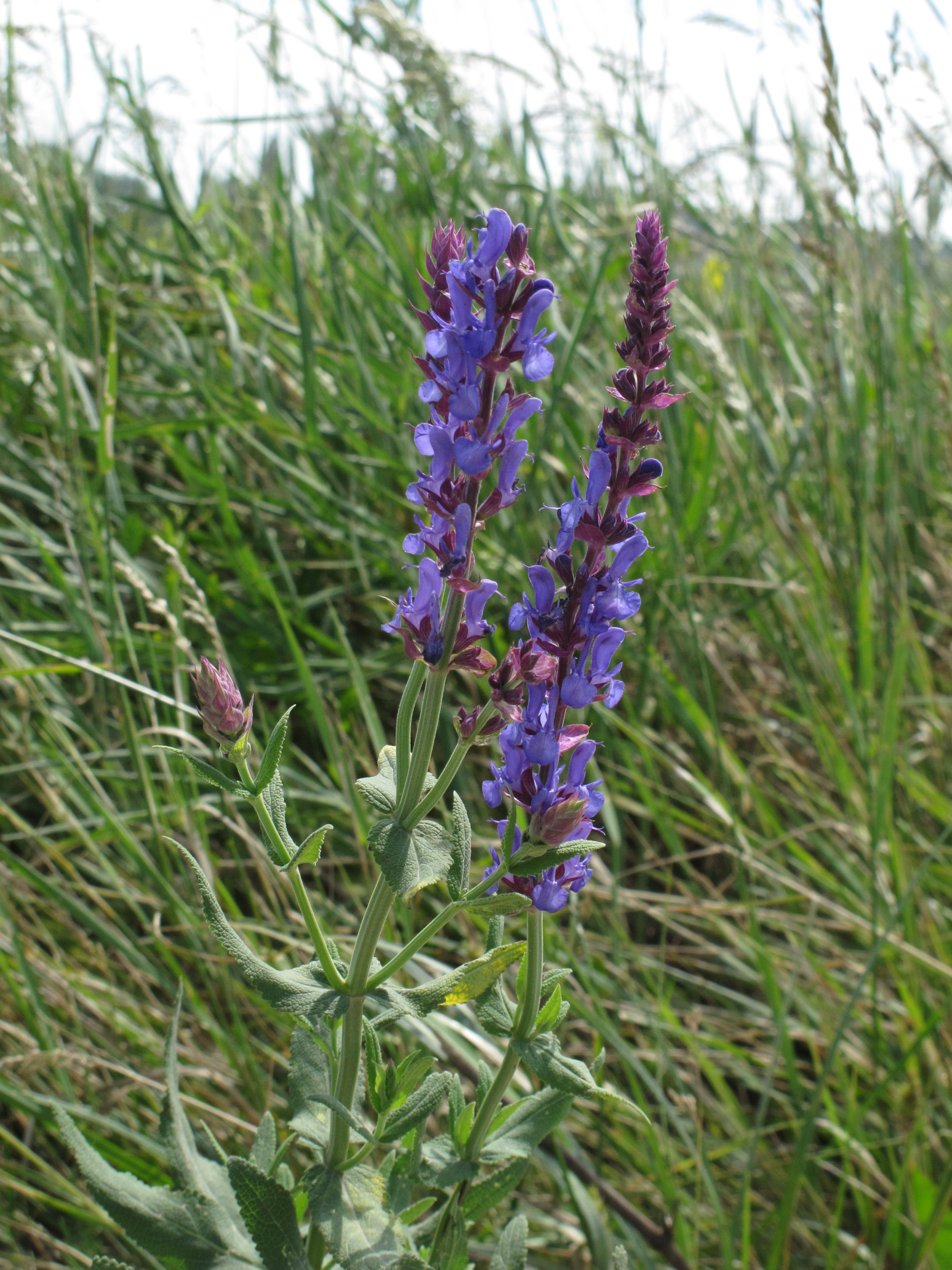
- Salvia (Perennial varieties like Salvia nemorosa): Offers beautiful spikes of blue, purple, or pink flowers. Not listed as toxic.
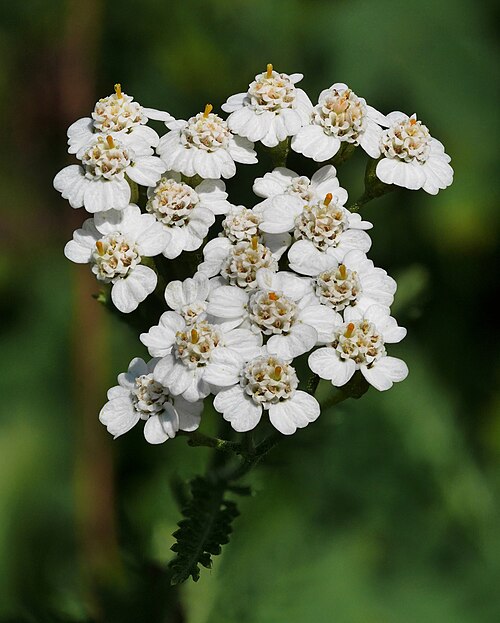
- Yarrow (Achillea millefolium): Flat-topped clusters of flowers in various colors, very drought-tolerant. Not listed as toxic.
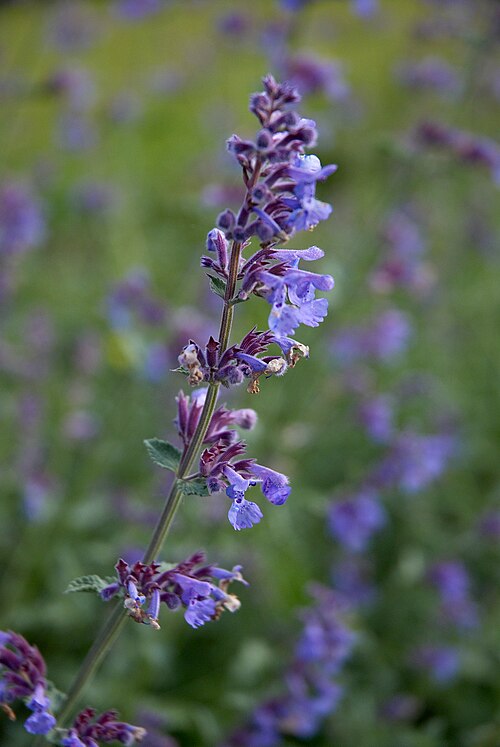
- Catmint (Nepeta): A favorite for its long-lasting purple blooms and attractive foliage, often enjoyed by cats (but not listed as toxic if ingested).
Shady Nooks: Even shady areas can be pet-friendly and beautiful in Zone 4.
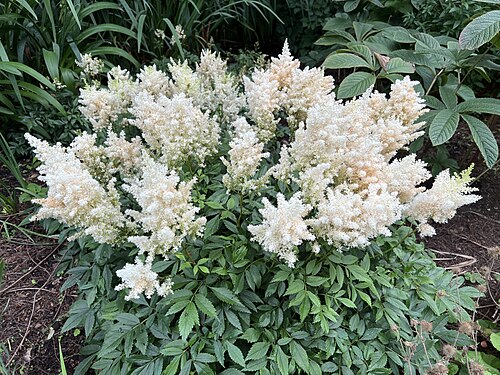
- Astilbe (Astilbe spp.): Known for their feathery plumes of flowers and attractive, fern-like foliage. They prefer moist, shady conditions. Not listed as toxic.
- Hellebore (Helleborus spp.): Also known as Lenten Rose, these early bloomers provide color when little else is flowering. While beautiful, some sources list Hellebore as toxic. It's best to avoid this one if you have pets that chew on plants. Correction: Hellebore is listed as toxic by ASPCA. Please disregard this plant for pet-safe gardens.
- Ferns (many varieties like Ostrich Fern, Lady Fern): Most true ferns are not listed as toxic and add wonderful texture to shade gardens. Always confirm the specific fern species, as some non-true ferns can be toxic.
Pet-Friendly Shrubs and Trees for Zone 4
Shrubs and trees provide structure and year-round interest to your garden. Many common Zone 4 woody plants are also pet-friendly.
Shrubs:
- Serviceberry (Amelanchier spp.): Offers beautiful white spring flowers, edible berries (for humans and birds!), and stunning fall foliage. Not listed as toxic.
- Ninebark (Physocarpus opulifolius): Valued for its exfoliating bark, colorful foliage (especially purple varieties), and clusters of white or pink flowers. Not listed as toxic.
- Potentilla (Potentilla fruticosa): A tough, low-maintenance shrub with continuous blooms of yellow, white, or pink flowers throughout the summer. Not listed as toxic.
- Spirea (Spiraea spp.): Many varieties offer beautiful spring or summer blooms and attractive foliage. Not listed as toxic.
- Hydrangea (Hydrangea paniculata 'Limelight' or 'Quick Fire'): While some Hydrangea species are listed as toxic, the paniculata varieties (like 'Limelight' and 'Quick Fire') are generally considered less problematic, though caution is still advised with any Hydrangea. For absolute safety, it might be best to avoid. Correction: All parts of Hydrangea are listed as toxic by ASPCA. Please avoid this plant for pet-safe gardens.
- Rose (Rosa spp.): Most roses are not listed as toxic, but their thorns can be a hazard. Consider thornless varieties or place them where pets won't brush against them.
Trees:
- Maple (Acer spp. - excluding Red Maple, which can be toxic to horses): Many maple varieties, like Sugar Maple or Norway Maple, are excellent shade trees and generally not listed as toxic to dogs and cats.
- Crabapple (Malus spp.): Offers beautiful spring blossoms and small fruits that persist into winter. While the seeds contain cyanide precursors, the fruit itself is generally not a major concern for pets in small amounts. Not listed as toxic.
- Serviceberry (Amelanchier spp.): Can be grown as a multi-stemmed small tree, offering the same benefits as the shrub form.
- Aspen (Populus tremuloides): A fast-growing native tree known for its shimmering leaves. Not listed as toxic.
Annuals for Seasonal Color
Annuals are perfect for filling in gaps, adding a splash of seasonal color, and planting in containers. Many popular annuals are not listed as toxic to pets.
- Snapdragon (Antirrhinum majus): Tall, colorful spikes of flowers that come in a wide array of colors. Not listed as toxic.
- Petunia (Petunia x hybrida): A classic for hanging baskets and containers, offering continuous blooms in almost every color imaginable. Not listed as toxic.
- Sunflower (Helianthus annuus): Cheerful, iconic flowers that bring a touch of summer joy. Not listed as toxic.
- Zinnia (Zinnia elegans): Easy to grow from seed, zinnias offer a vibrant display of color and attract butterflies. Not listed as toxic.
- Cosmos (Cosmos bipinnatus): Delicate, daisy-like flowers that sway in the breeze, perfect for a cottage garden feel. Not listed as toxic.
- Impatiens (Impatiens walleriana and New Guinea Impatiens): Ideal for shady spots, providing continuous color. Not listed as toxic.
- Pansy/Viola (Viola x wittrockiana/Viola cornuta): Early spring and fall bloomers that add charming color to beds and containers. Not listed as toxic.
Quick Reference: Pet-Friendly Zone 4 Plants
| Plant Type | Common Name | Botanical Name | Pet Safety (ASPCA) | Zone 4 Suitability |
|---|---|---|---|---|
| Perennials | Coneflower | Echinacea purpurea | Not listed toxic | Excellent |
| Blanket Flower | Gaillardia | Not listed toxic | Excellent | |
| Coreopsis | Coreopsis | Not listed toxic | Excellent | |
| Bee Balm | Monarda didyma | Not listed toxic | Excellent | |
| Black-Eyed Susan | Rudbeckia hirta | Not listed toxic | Excellent | |
| Blazing Star | Liatris spicata | Not listed toxic | Excellent | |
| Salvia | Salvia nemorosa | Not listed toxic | Excellent | |
| Yarrow | Achillea millefolium | Not listed toxic | Excellent | |
| Catmint | Nepeta | Not listed toxic | Excellent | |
| Astilbe | Astilbe spp. | Not listed toxic | Excellent | |
| Shrubs | Serviceberry | Amelanchier spp. | Not listed toxic | Excellent |
| Ninebark | Physocarpus opulifolius | Not listed toxic | Excellent | |
| Potentilla | Potentilla fruticosa | Not listed toxic | Excellent | |
| Spirea | Spiraea spp. | Not listed toxic | Excellent | |
| Rose | Rosa spp. | Not listed toxic | Excellent | |
| Trees | Maple | Acer spp. | Not listed toxic | Excellent |
| Crabapple | Malus spp. | Not listed toxic | Excellent | |
| Aspen | Populus tremuloides | Not listed toxic | Excellent | |
| Annuals | Snapdragon | Antirrhinum majus | Not listed toxic | Excellent |
| Petunia | Petunia x hybrida | Not listed toxic | Excellent | |
| Sunflower | Helianthus annuus | Not listed toxic | Excellent | |
| Zinnia | Zinnia elegans | Not listed toxic | Excellent | |
| Cosmos | Cosmos bipinnatus | Not listed toxic | Excellent | |
| Impatiens | Impatiens spp. | Not listed toxic | Excellent | |
| Pansy/Viola | Viola spp. | Not listed toxic | Excellent |
Note: Always double-check specific varieties with the ASPCA database if you have concerns, as toxicity can sometimes vary within a genus.
Creating a Pet-Friendly Garden Design
Beyond choosing the right plants, thoughtful garden design can further enhance pet safety and enjoyment.
- Designate Pet Play Areas: If you have a large yard, consider creating a specific area for your pets to run and play. This can help protect more delicate plantings.
- Raised Beds and Containers: Planting toxic plants in raised beds or containers can make them less accessible to ground-level pets. However, determined climbers (especially cats) may still reach them. For ultimate safety, stick to non-toxic plants.
- Pathways: Create clear pathways to guide foot (and paw) traffic, preventing pets from trampling plants. Use pet-friendly materials like smooth pebbles or wood chips (avoid cocoa mulch).
- Fencing: A secure fence can keep pets contained within your yard and prevent them from accessing potentially dangerous areas outside your property.
- Water Features: A pet-safe water feature, like a bird bath at ground level or a shallow pond with easy access, can be a refreshing addition, especially in summer. Ensure any pumps or electrical components are safely secured.
- Avoid Temptation: If your pet is a known plant chewer, try to place even non-toxic plants strategically where they are less likely to be investigated. Provide plenty of pet-specific toys and enrichment to divert their attention.
Building a pet-safe garden in Zone 4 is a rewarding endeavor. By carefully selecting plants that thrive in your climate and are not listed as toxic to your beloved companions, you can create a beautiful, vibrant, and worry-free outdoor space for everyone to enjoy. Remember, vigilance and knowing your pet's habits are key to a truly safe environment.
Ready to find the perfect plants for your yard? Try the PlantWise Plant Finder →