Complete Pet-Safe Garden Guide for Zone 5
Creating a beautiful garden in Zone 5 that is also safe for your beloved pets is entirely achievable! Many stunning and resilient plants thrive in the cold winters and warm summers of USDA Hardiness Zone 5 while posing no known threat to curious cats and dogs. This guide will help you select the best pet-friendly perennials, annuals, and shrubs for your Zone 5 garden, ensuring a vibrant outdoor space where both two-legged and four-legged family members can safely enjoy.
Understanding Pet Safety in the Garden
As pet owners, we want to ensure our furry friends are safe, especially when they're exploring the backyard. While many plants are harmless, some can cause mild to severe reactions if ingested. It's crucial to understand that even "pet-safe" plants can sometimes cause mild stomach upset if consumed in large quantities, simply due to the plant material itself. Our goal is to avoid plants known to contain compounds that are specifically toxic.
Always observe your pets in the garden. If you have a particularly curious or nibbling pet, consider creating physical barriers around certain plants or opting for raised beds. Remember, "not listed as toxic" means that according to major veterinary and horticultural organizations like the ASPCA, these plants are not known to cause poisoning. It's never a guarantee against individual sensitivities or reactions to large consumption.
If you suspect your pet has ingested a toxic plant, call the ASPCA Animal Poison Control Center immediately at (888) 426-4435.
🌱 Get Personalized Plant Picks
Answer a few quick questions and we’ll match plants to your exact yard conditions.
Find My Plants →Designing Your Pet-Friendly Zone 5 Oasis
When planning your garden, think about your pet's habits. Do they dig? Do they chew? Do they love to nap in sunny spots? Incorporating paths, open grassy areas, and designated "potty zones" can help direct their activity away from your prized plantings.
For Zone 5, you'll need plants that can withstand winter temperatures down to -20°F to -10°F (-29°C to -23°C). The good news is that many hardy perennials fit this bill and are also not listed as toxic to pets.
Key Considerations for Pet-Safe Gardening:
- Plant Selection: Focus on plants not listed as toxic.
- Pesticides & Fertilizers: Use organic, pet-safe options or apply products when pets are not present and allow them to dry completely. Store all chemicals securely.
- Mulch: Avoid cocoa bean mulch, which contains theobromine (toxic to dogs). Opt for shredded bark, cedar, or straw instead.
- Water Features: Ensure any ponds or bird baths are easily accessible for pets to get out of if they fall in.
- Fencing: A secure fence is often the best way to keep pets safely contained in your yard and prevent them from wandering into areas with potentially toxic plants or dangers.
Top Pet-Friendly Perennials for Zone 5
Perennials are a fantastic choice for a low-maintenance garden, returning year after year. Here are some beautiful and resilient options not listed as toxic to pets that thrive in Zone 5:
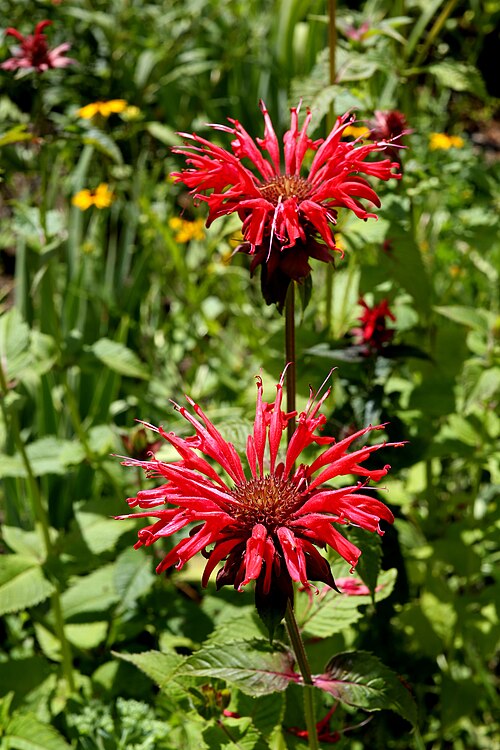
Bee Balm (Monarda didyma): A pollinator magnet with vibrant, spiky flowers. Tolerates a range of soils and loves sun to partial shade.
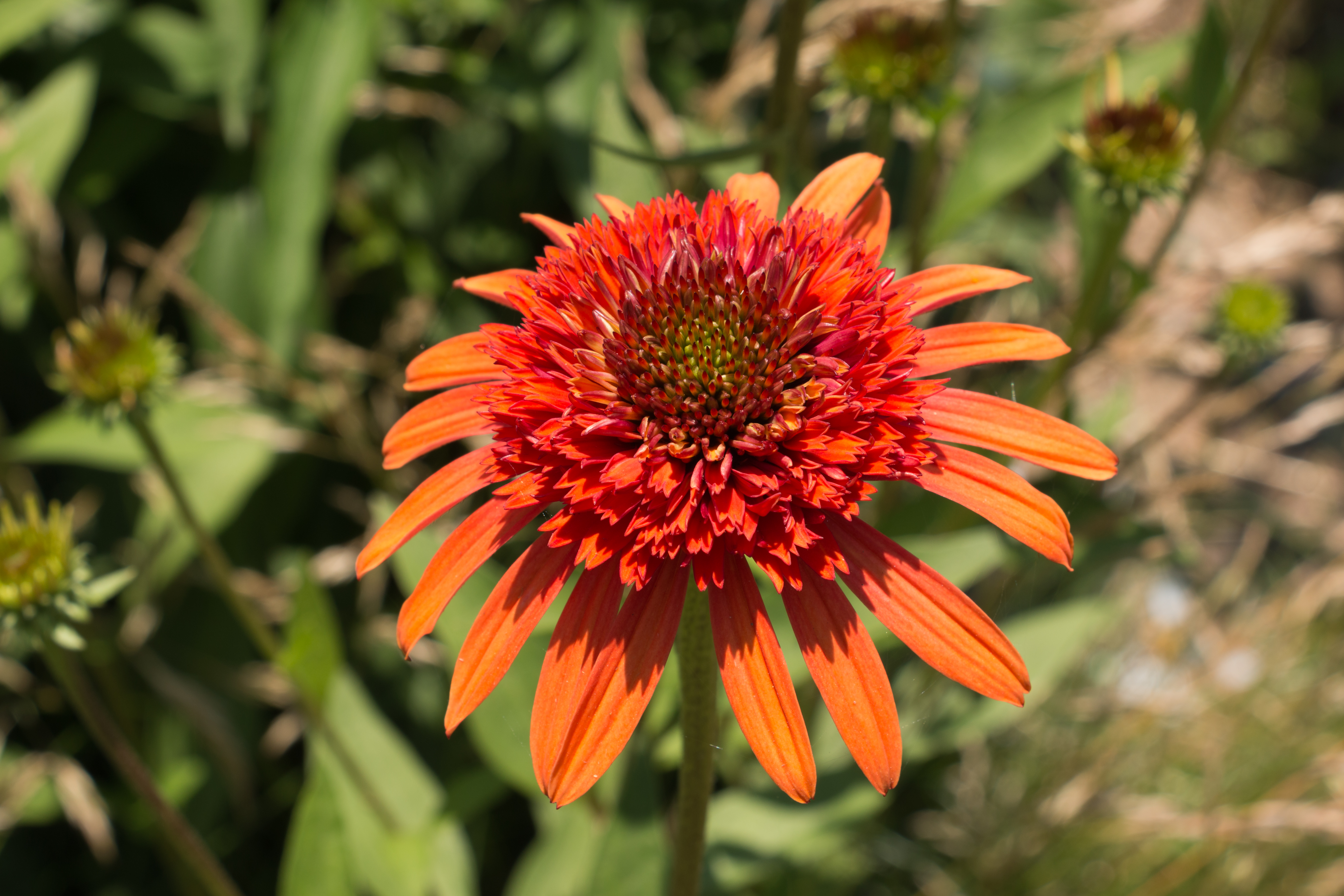
Coneflower (Echinacea purpurea): Iconic, daisy-like flowers that attract butterflies. Drought-tolerant once established and loves full sun.
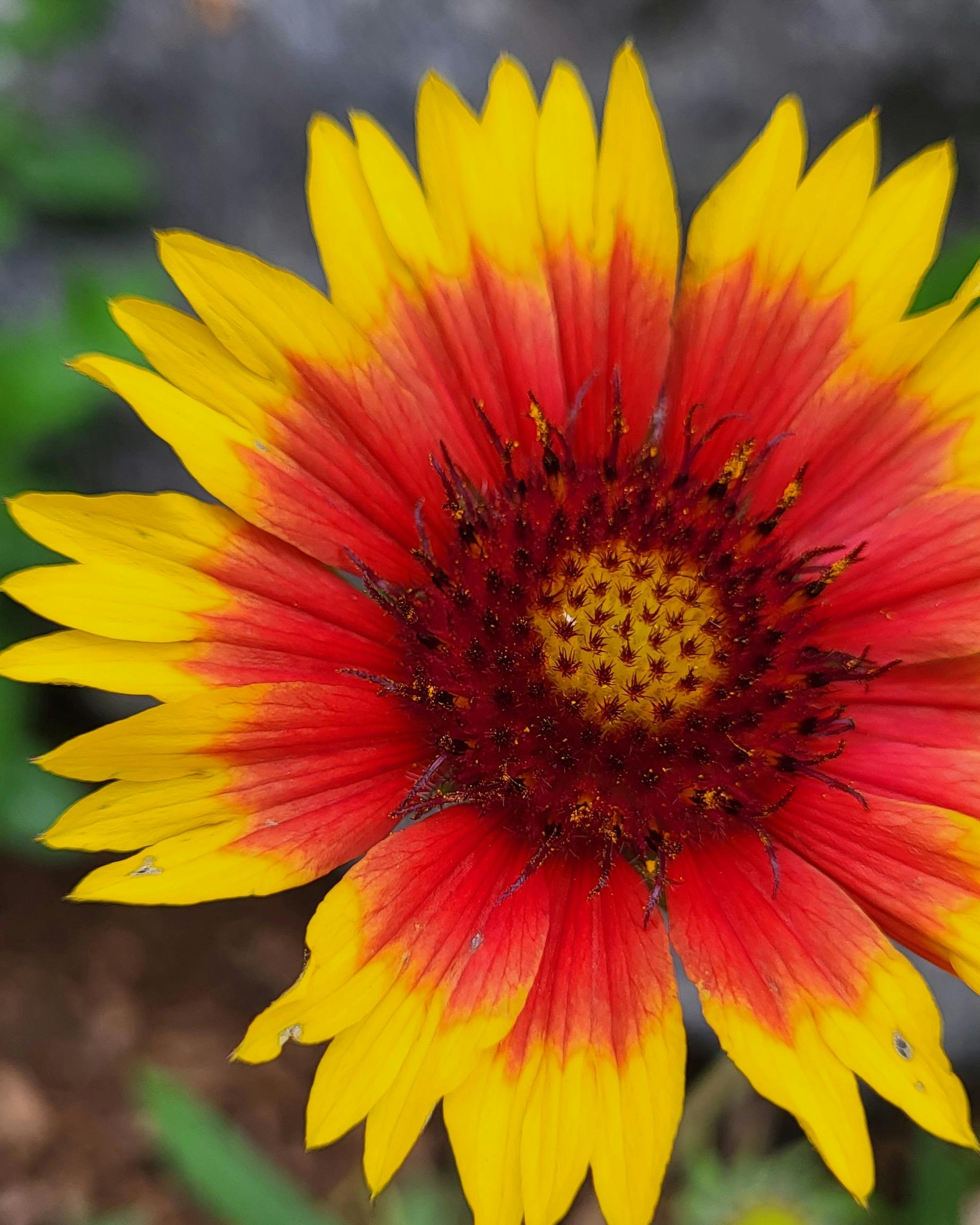
Blanket Flower (Gaillardia x grandiflora): Cheerful, long-blooming flowers in shades of red, orange, and yellow. Thrives in full sun and well-drained soil.
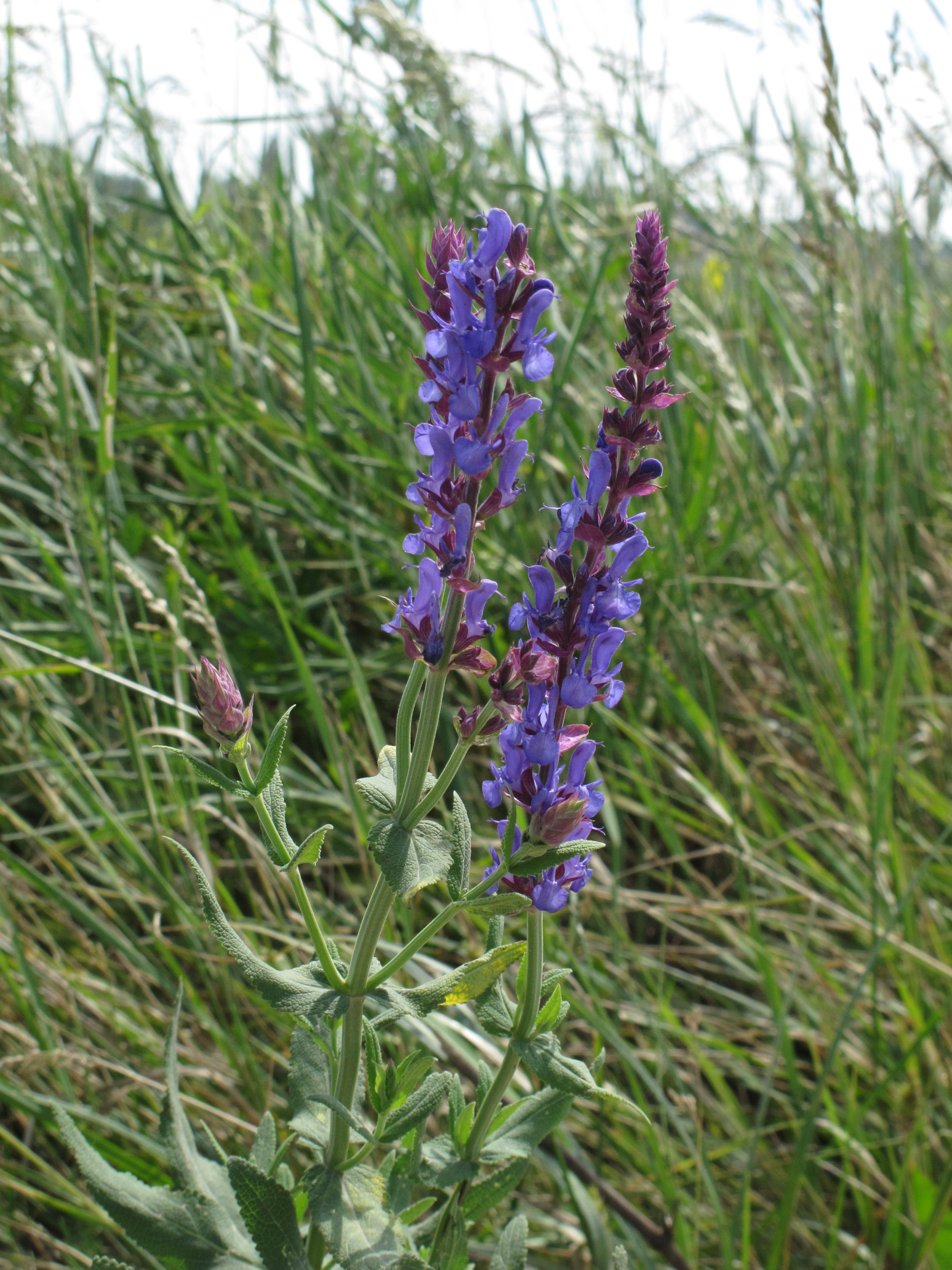
Salvia (Salvia spp.): Many varieties offer spikes of blue, purple, pink, or white flowers. Excellent for attracting hummingbirds and butterflies. Prefers full sun.
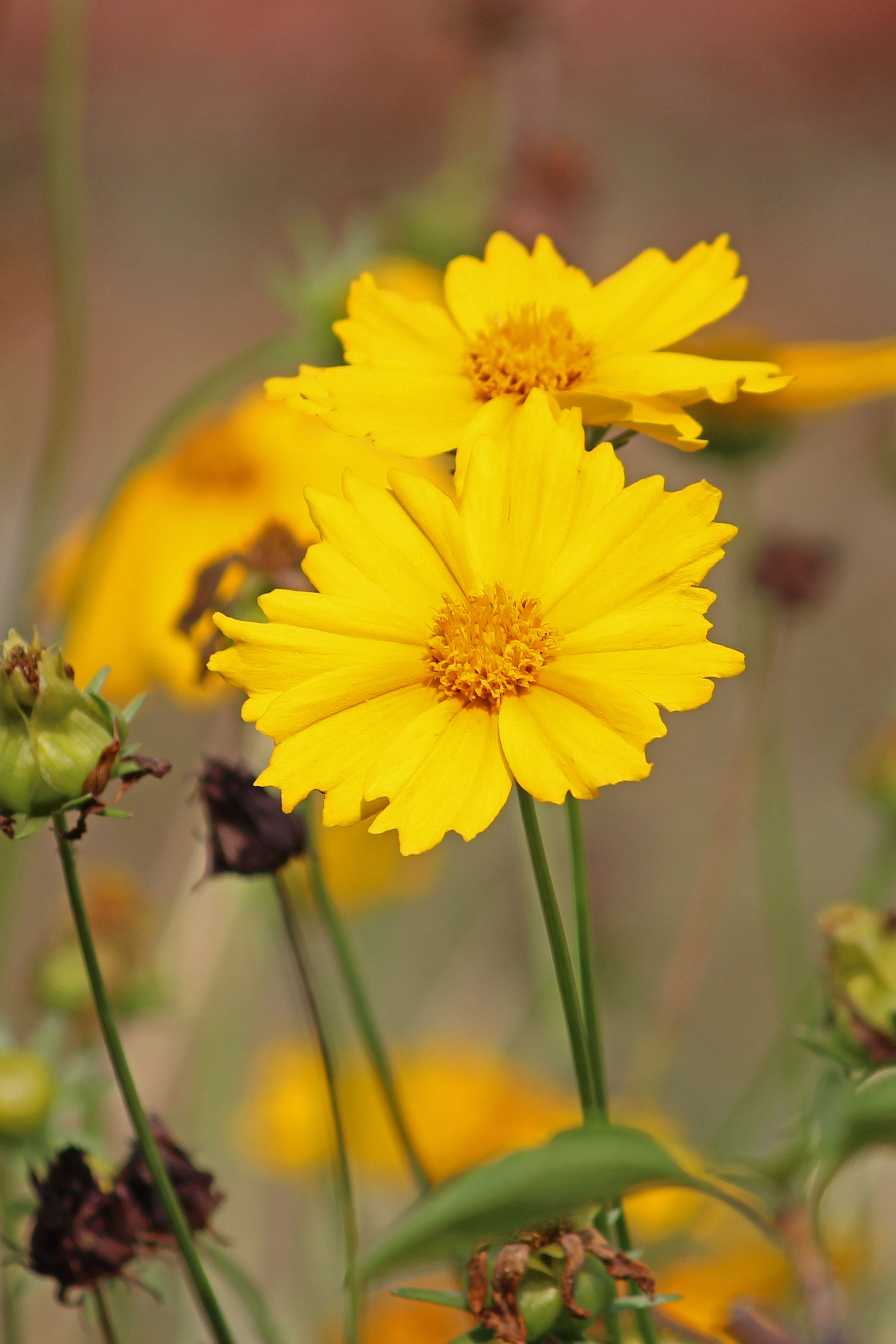
Coreopsis (Coreopsis spp.): Bright, cheerful flowers, often yellow, that bloom profusely. Many varieties are very hardy and drought-tolerant.
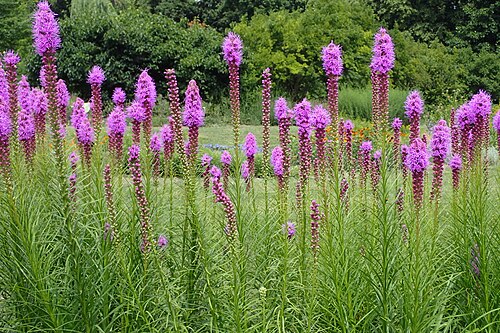
Blazing Star (Liatris spicata): Unique spires of purple flowers that bloom from the top down. A favorite of butterflies and excellent for vertical interest.
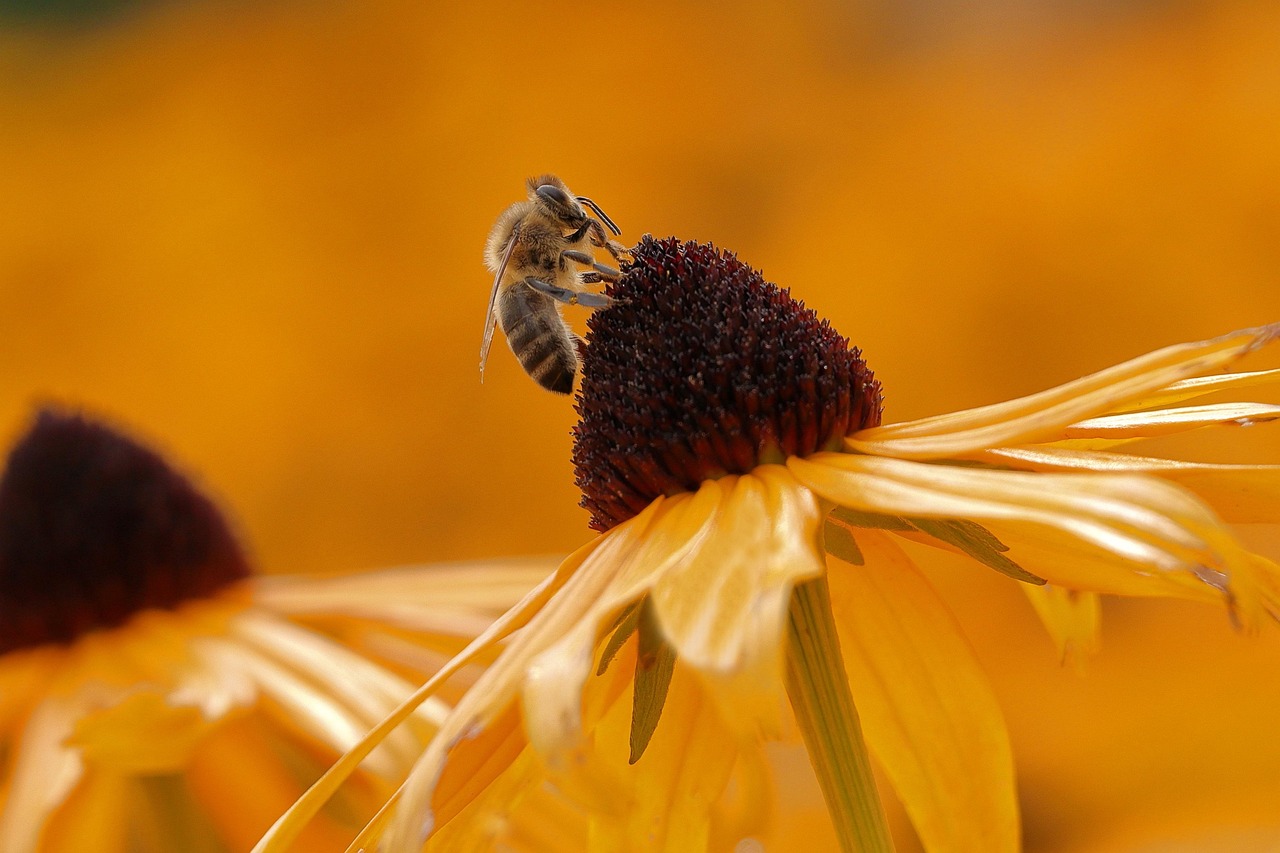
Black-eyed Susan (Rudbeckia hirta): Classic yellow petals with a dark center. Easy to grow, loves full sun, and provides continuous color.
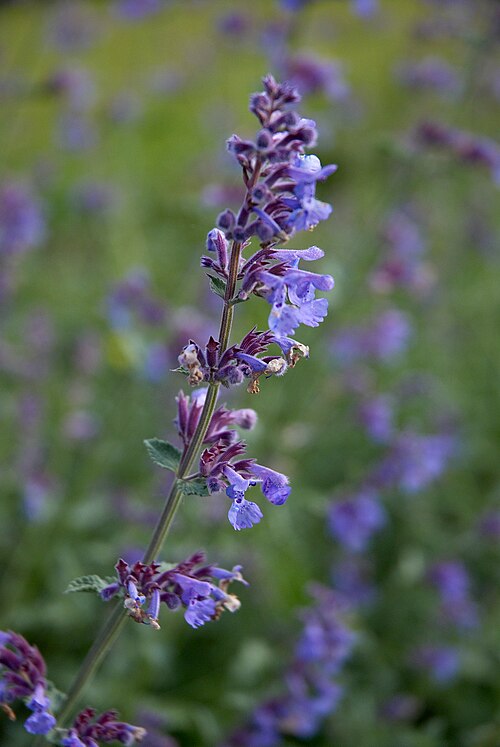
Catmint (Nepeta x faassenii): A tough, drought-tolerant plant with lavender-blue flowers. While "cat" is in the name, it's not listed as toxic and often just provides a pleasant scent for cats to rub against, rather than being ingested.
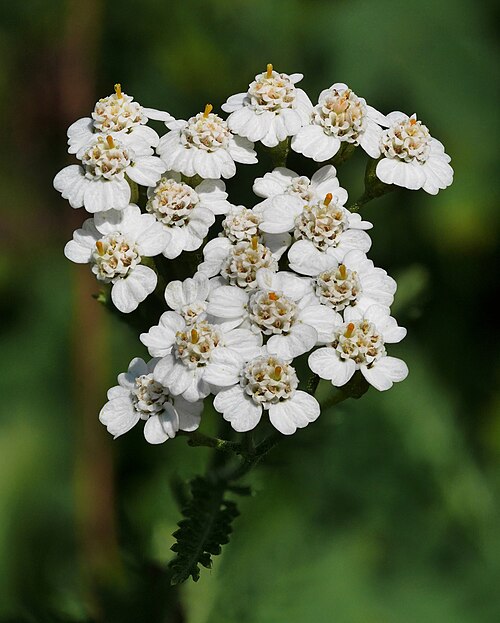
Yarrow (Achillea millefolium): Flat-topped clusters of flowers in various colors. Extremely drought-tolerant and thrives in full sun.
Pet-Friendly Annuals and Shrubs for Zone 5
While perennials form the backbone of your garden, annuals offer seasonal bursts of color and can be changed out each year. Many shrubs also provide structure and interest without posing a threat to pets.
Annuals (Not listed as toxic):
- Snapdragons (Antirrhinum majus): Whimsical flowers in a wide range of colors.
- Pansies & Violas (Viola x wittrockiana, Viola tricolor): Cheerful, cool-season bloomers perfect for early spring and fall.
- Petunias (Petunia x hybrida): Abundant blooms and trailing habits, great for containers and hanging baskets.
- Impatiens (Impatiens walleriana): Perfect for shady spots, offering continuous color.
- Zinnias (Zinnia elegans): Easy to grow from seed, vibrant colors, and attract butterflies.
- Sunflowers (Helianthus annuus): Iconic, tall flowers that bring a touch of summer cheer.
Shrubs (Not listed as toxic):
- Roses (Rosa spp.): While the thorns can be a deterrent, the plant itself is not listed as toxic. Choose thornless varieties if you're concerned about paws.
- Lilac (Syringa vulgaris): Fragrant, beautiful spring blooms.
- Forsythia (Forsythia x intermedia): Bright yellow flowers signal the arrival of spring.
- Spirea (Spiraea spp.): Many varieties offer beautiful foliage and clusters of flowers.
- Weigela (Weigela florida): Attractive foliage and bell-shaped flowers.
- Butterfly Bush (Buddleja davidii): A magnet for butterflies with long, fragrant flower spikes.
Quick Reference: Pet-Safe Zone 5 Plant List
| Plant Type | Common Name | Botanical Name | Sun Needs | Bloom Time | Notes |
|---|---|---|---|---|---|
| Perennial | Bee Balm | Monarda didyma | Full Sun-Part Shade | Summer | Attracts pollinators |
| Perennial | Coneflower | Echinacea purpurea | Full Sun | Summer-Fall | Drought-tolerant, butterfly magnet |
| Perennial | Blanket Flower | Gaillardia x grandiflora | Full Sun | Summer-Fall | Long blooming, cheerful |
| Perennial | Salvia | Salvia spp. | Full Sun | Spring-Fall | Hummingbird & butterfly attractor |
| Perennial | Coreopsis | Coreopsis spp. | Full Sun | Summer | Cheerful, drought-tolerant |
| Perennial | Blazing Star | Liatris spicata | Full Sun | Summer | Unique vertical interest |
| Perennial | Black-eyed Susan | Rudbeckia hirta | Full Sun | Summer-Fall | Classic, easy to grow |
| Perennial | Catmint | Nepeta x faassenii | Full Sun | Spring-Fall | Drought-tolerant, low maintenance |
| Perennial | Yarrow | Achillea millefolium | Full Sun | Summer | Extremely drought-tolerant |
| Annual | Snapdragons | Antirrhinum majus | Full Sun | Spring-Fall | Whimsical, varied colors |
| Annual | Pansies/Violas | Viola x wittrockiana | Full Sun-Part Shade | Spring-Fall | Cool-season color |
| Annual | Petunias | Petunia x hybrida | Full Sun | Summer-Fall | Abundant blooms, great for containers |
| Annual | Impatiens | Impatiens walleriana | Part-Full Shade | Summer | Continuous color in shade |
| Annual | Zinnias | Zinnia elegans | Full Sun | Summer-Fall | Easy from seed, attracts butterflies |
| Annual | Sunflowers | Helianthus annuus | Full Sun | Summer | Iconic, tall, cheerful |
| Shrub | Roses | Rosa spp. | Full Sun | Spring-Fall | Thorny, but plant not listed as toxic |
| Shrub | Lilac | Syringa vulgaris | Full Sun | Spring | Fragrant, classic |
| Shrub | Forsythia | Forsythia x intermedia | Full Sun | Early Spring | Bright yellow, first sign of spring |
| Shrub | Spirea | Spiraea spp. | Full Sun-Part Shade | Spring-Summer | Varied foliage and flower forms |
| Shrub | Weigela | Weigela florida | Full Sun-Part Shade | Spring-Summer | Attractive foliage and bell flowers |
| Shrub | Butterfly Bush | Buddleja davidii | Full Sun | Summer-Fall | Butterfly magnet, fragrant |
Plants to Avoid in Your Pet-Friendly Zone 5 Garden
While the list of pet-safe plants is extensive, it's equally important to be aware of common garden plants that are listed as toxic to pets. Many popular plants fall into this category, so always double-check before planting. Some common examples include:
- Lilies (true lilies, Lilium spp., and daylilies, Hemerocallis spp.): Extremely toxic to cats, even small ingestions can be fatal. Daylilies are also listed as toxic to cats.
- Azaleas and Rhododendrons (Rhododendron spp.): Can cause severe gastrointestinal upset, cardiovascular problems, and central nervous system depression.
- Tulips and Hyacinths (bulbs): The bulbs are the most toxic part, causing severe gastrointestinal upset.
- Daffodils (Narcissus spp., bulbs): Similar to tulips, the bulbs are highly toxic.
- Sago Palm (Cycas revoluta): Highly toxic, especially the seeds, causing liver failure. (Often grown as a houseplant in Zone 5, but can be outdoors in warmer zones).
- Oleander (Nerium oleander): Highly toxic, affecting the heart.
- Foxglove (Digitalis purpurea): Contains cardiac glycosides, highly toxic.
- Castor Bean (Ricinus communis): Extremely toxic, containing ricin.
- Autumn Crocus (Colchicum autumnale): Highly toxic, not to be confused with spring crocus.
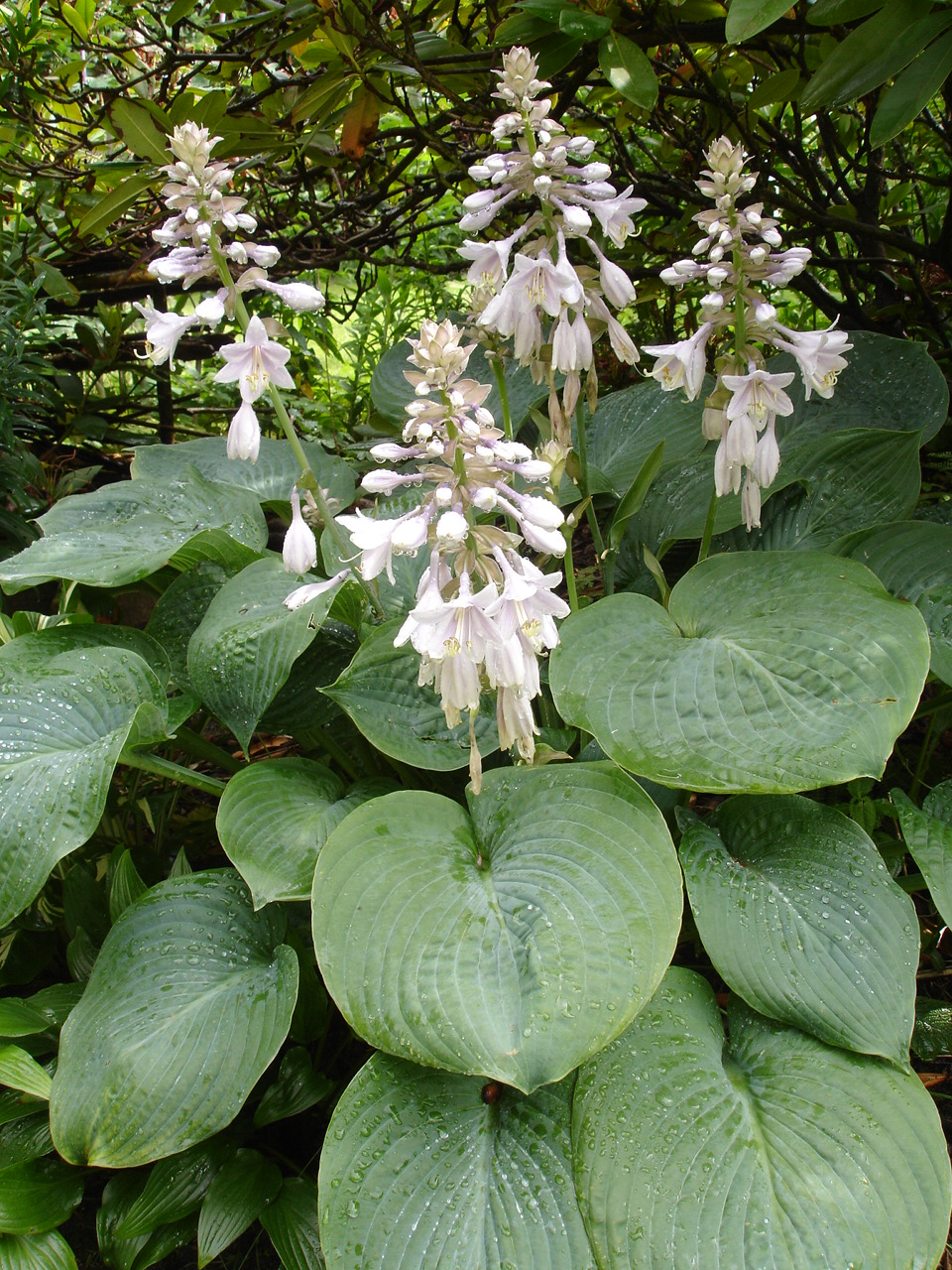
- Hostas (Hosta spp.): Can cause vomiting, diarrhea, and depression.
This is not an exhaustive list. Always research any plant before bringing it into your garden if you have pets. When in doubt, err on the side of caution.
Creating a Harmonious Outdoor Space
With careful planning and plant selection, your Zone 5 garden can be a beautiful, vibrant, and safe haven for your entire family, including your furry companions. Focus on creating diverse habitats, providing shade and water, and choosing plants that are not listed as toxic. Enjoy the process of designing a garden where everyone can thrive!
Ready to find the perfect plants for your yard? Try the PlantWise Plant Finder →