Complete Pet-Safe Garden Guide for Zone 6
Creating a pet-safe garden in Zone 6 means selecting plants that thrive in your climate while posing no known risks to your furry friends. This guide will help you design a beautiful, vibrant outdoor space where both your plants and pets can flourish safely, focusing on species generally considered not listed as toxic to dogs and cats by the ASPCA, suitable for Zone 6's moderate winters and warm summers.
Understanding Pet Safety in Your Garden
When designing a garden for pets, the primary goal is to minimize exposure to potentially harmful plants. While many common garden plants are beautiful, some can cause mild to severe reactions if ingested by curious dogs or cats. Even plants generally considered not listed as toxic can sometimes cause mild stomach upset if consumed in large quantities, so supervision is always key. Our focus here is on plants that the ASPCA has not listed as toxic to dogs and cats, giving you peace of mind as you plan your Zone 6 landscape.
It's also important to consider other garden elements. Avoid pesticides and herbicides, opting instead for organic pest control methods. Keep fertilizers stored securely, and be mindful of mulches like cocoa bean mulch, which can be toxic to dogs. Always provide fresh water access for your pets, especially during warmer months.
If you suspect your pet has ingested a toxic plant, call the ASPCA Animal Poison Control Center immediately at (888) 426-4435.
🌱 Get Personalized Plant Picks
Answer a few quick questions and we’ll match plants to your exact yard conditions.
Find My Plants →Choosing Pet-Friendly Plants for Zone 6
Zone 6 encompasses a wide range of climates, generally experiencing average minimum winter temperatures between -10°F and 0°F (-23.3°C and -17.8°C). This allows for a diverse selection of plants. When selecting pet-friendly options, we'll focus on perennials that return year after year, as well as some annuals that can add seasonal color without worry.
Here are some fantastic, generally not listed as toxic options for your Zone 6 pet-safe garden:
Perennials for Lasting Beauty
Perennials form the backbone of any garden, offering consistent beauty and reducing the need for annual replanting. Many popular and hardy perennials are also excellent choices for pet owners.
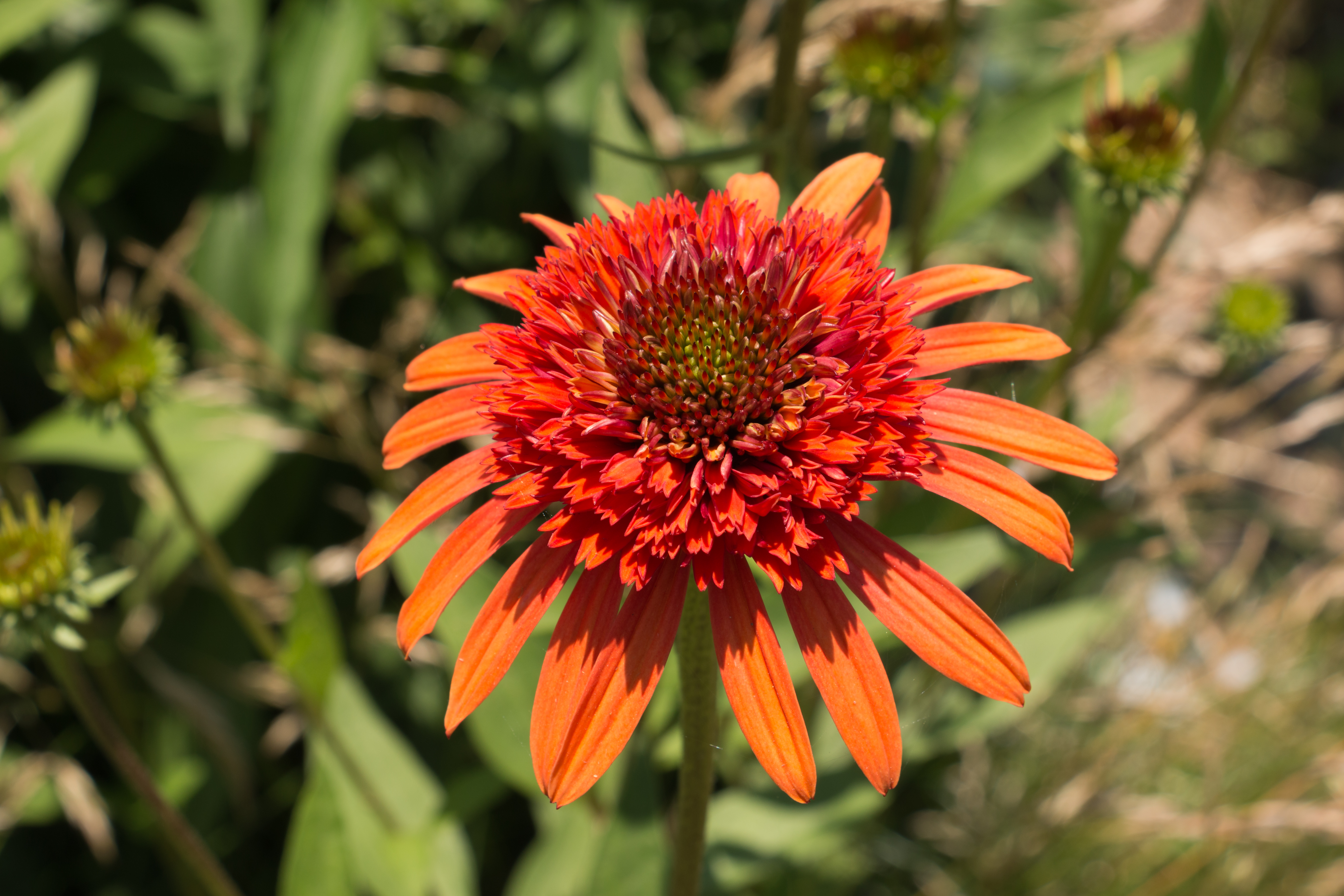
Coneflower (Echinacea purpurea): These cheerful, daisy-like flowers are a pollinator magnet and come in a variety of colors. They are drought-tolerant once established and thrive in full sun.
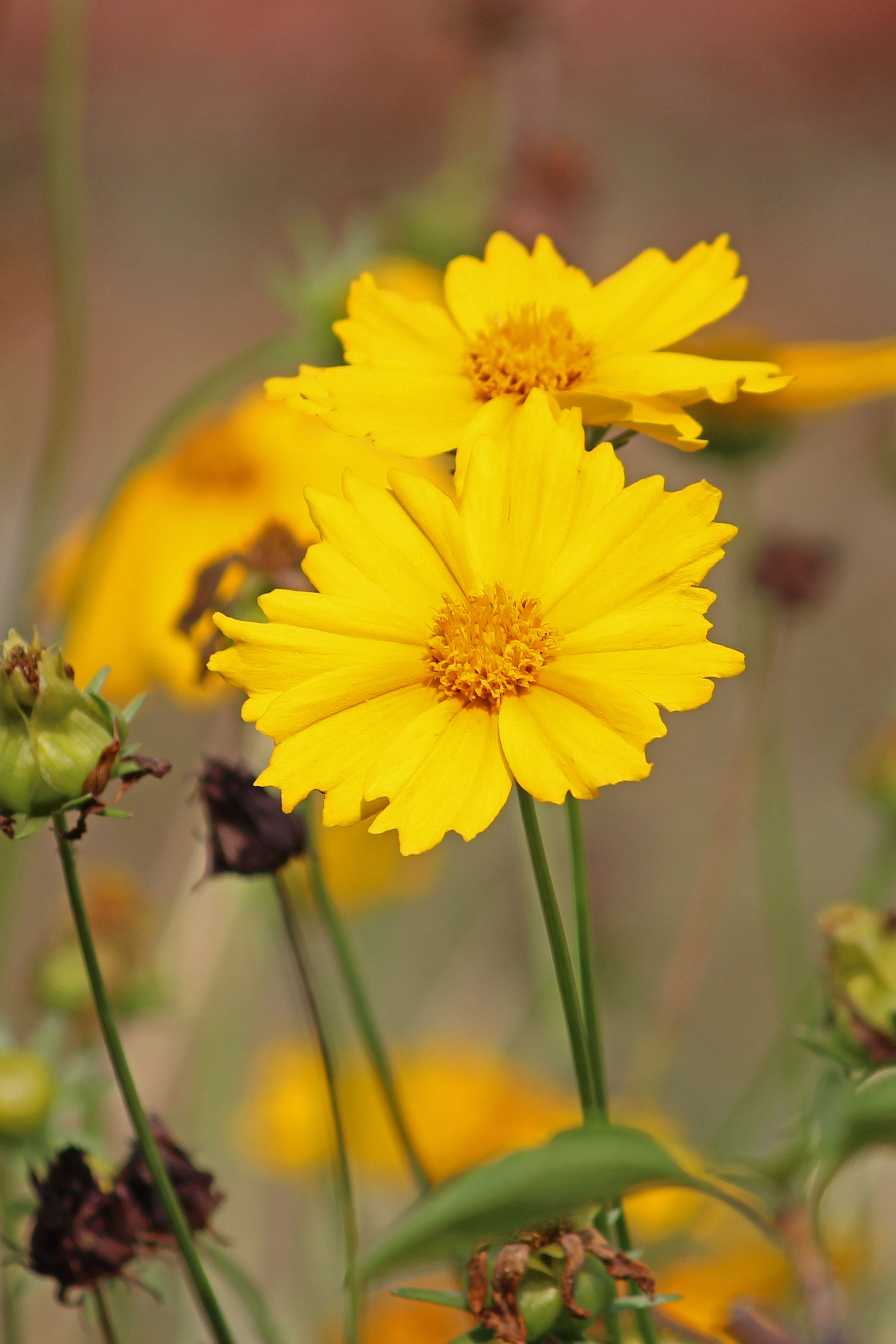
Coreopsis (Coreopsis spp.): Also known as Tickseed, Coreopsis offers a profusion of bright yellow, orange, or pink flowers throughout the summer. They are low-maintenance and excellent for borders or mass plantings.
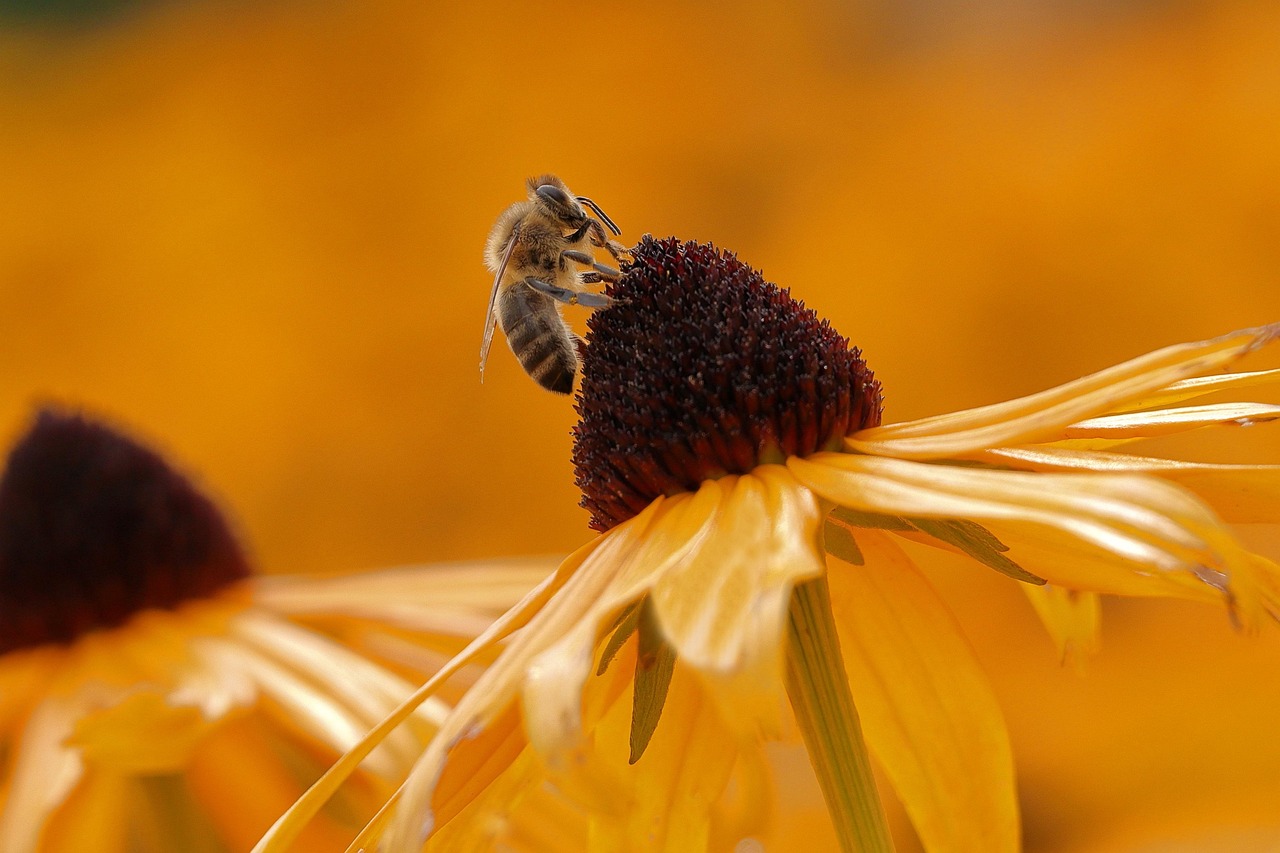
Black-eyed Susan (Rudbeckia hirta): Similar to coneflowers, Black-eyed Susans provide a burst of golden-yellow with their distinctive dark centers. They are robust, adaptable, and great for naturalized areas.
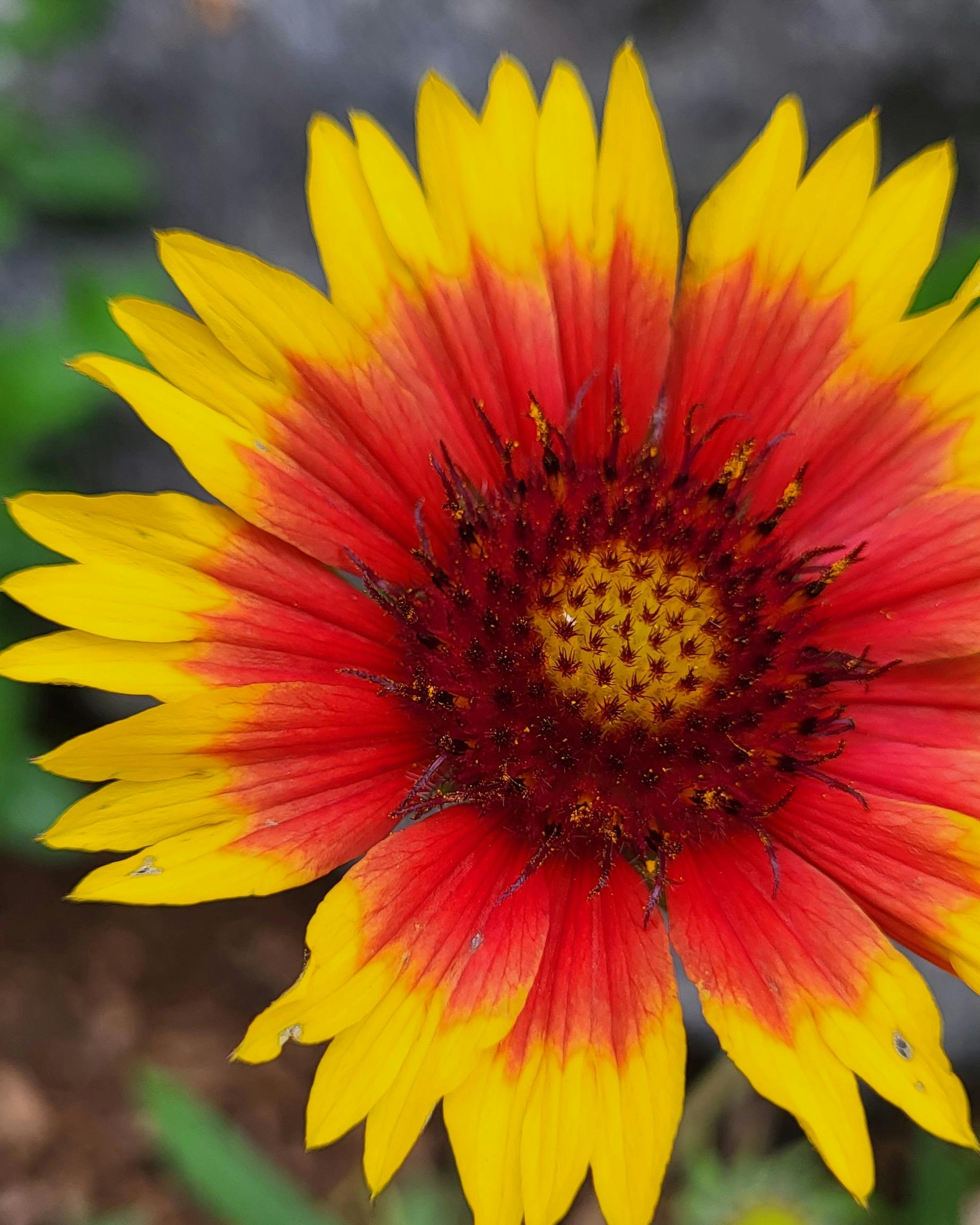
Blanket Flower (Gaillardia x grandiflora): These vibrant, daisy-like flowers with their fiery red and yellow hues bloom continuously from early summer to fall. They are extremely drought-tolerant and attract butterflies.
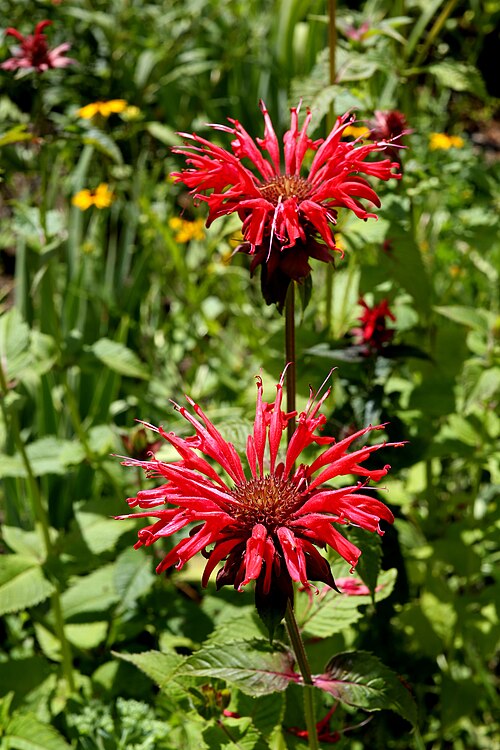
Bee Balm (Monarda didyma): A favorite of hummingbirds and bees, Bee Balm produces unique, spiky flowers in shades of red, pink, and purple. It prefers moist soil and full sun to partial shade.
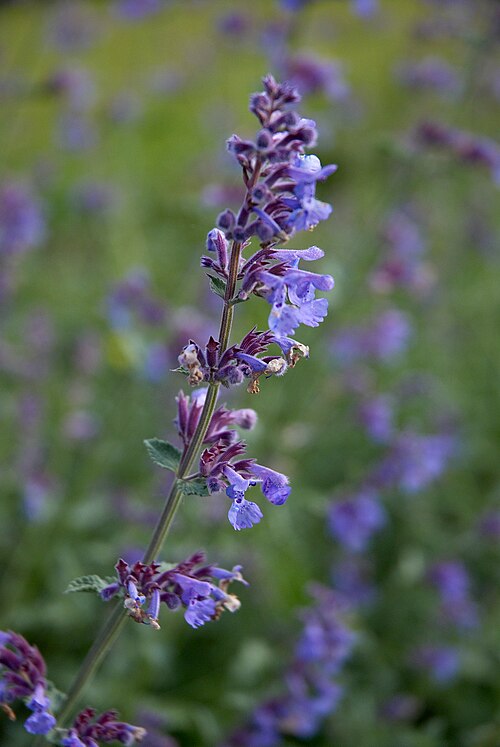
Catmint (Nepeta x faassenii): A tough, beautiful, and aromatic plant that cats adore (but is not listed as toxic). Its lavender-blue spires bloom for months, and it's highly drought-tolerant.
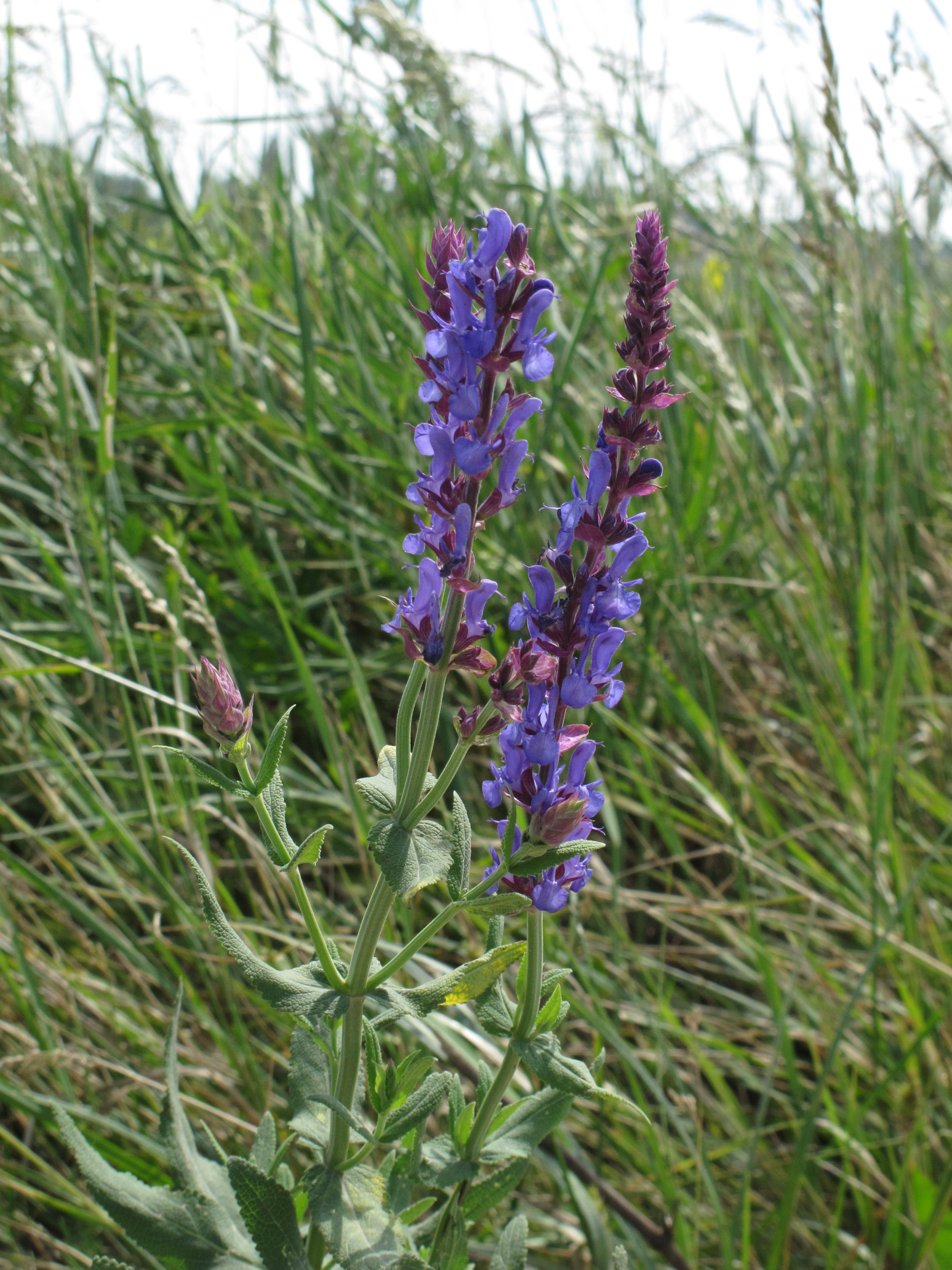
Salvia (Salvia spp.): Many varieties of Salvia, particularly perennial types like Salvia nemorosa, offer long-lasting spikes of blue, purple, or pink flowers. They are deer-resistant and attract pollinators.
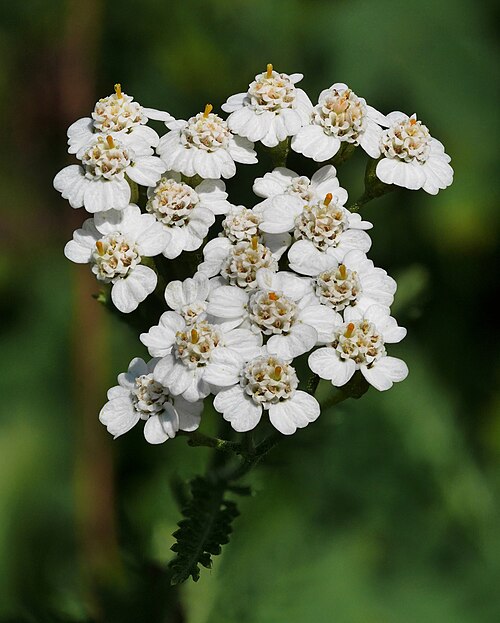
Yarrow (Achillea millefolium): Known for its flat-topped clusters of flowers in various colors, Yarrow is incredibly tough, drought-tolerant, and makes an excellent cut flower.
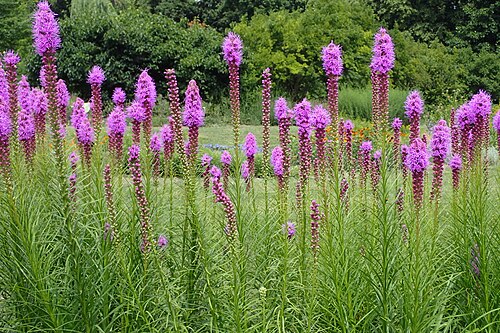
Blazing Star (Liatris spicata): This unique perennial sends up tall spikes of purple, bottlebrush-like flowers that bloom from the top down. It's a favorite of monarch butterflies.
Annuals for Seasonal Color
While perennials provide structure, annuals offer a chance to experiment with color and texture each year. Many common annuals are also not listed as toxic.
- Snapdragons (Antirrhinum majus)
- Pansies/Violas (Viola x wittrockiana/Viola cornuta)
- Petunias (Petunia x hybrida)
- Impatiens (Impatiens walleriana) - for shady spots
- Sunflowers (Helianthus annuus) - ensure seeds are not treated with chemicals
- Zinnias (Zinnia elegans)
Pet-Friendly Shrubs and Trees
For larger garden elements, consider these options that are generally not listed as toxic:
- Roses (Rosa spp.): While the thorns can be a deterrent, the flowers and leaves themselves are not listed as toxic. Just be mindful of thorny branches.
- Magnolia (Magnolia spp.): Beautiful flowering trees and shrubs that are generally safe.
- Dogwood (Cornus florida): A stunning native tree with beautiful spring blooms.
- Serviceberry (Amelanchier spp.): Offers spring flowers, edible berries, and fall color.
Designing Your Pet-Safe Haven
Beyond plant selection, consider the layout and features of your garden to enhance pet safety and enjoyment.
- Designated Play Areas: Create specific zones where your pets are encouraged to play. This could be a patch of durable grass, a sandbox for digging, or an agility course.
- Fencing: A secure fence is crucial for keeping pets safely contained and preventing them from wandering into potentially dangerous areas or off your property.
- Paths and Borders: Use sturdy borders or low fences around delicate plantings to gently guide pets away. Wide, clear paths can also direct traffic.
- Water Features: A pet-friendly water feature, like a shallow bird bath or a small, accessible pond, can provide a refreshing drink and a place to cool off. Ensure any pumps or electrical components are safely secured.
- Shade: Provide ample shade, especially in Zone 6's warm summers, with trees, pergolas, or shade sails.
- Avoid Toxic Mulches: As mentioned, cocoa bean mulch can be toxic. Opt for cedar, cypress, or pine bark mulches instead.
Quick Reference: Pet-Safe Plants for Zone 6
| Plant Type | Common Name | Botanical Name | Zone 6 Suitability | Pet Safety (ASPCA) | Notes |
|---|---|---|---|---|---|
| Perennial | Coneflower | Echinacea purpurea | Yes | Not listed as toxic | Pollinator magnet, drought-tolerant |
| Perennial | Coreopsis | Coreopsis spp. | Yes | Not listed as toxic | Long blooming, low maintenance |
| Perennial | Black-eyed Susan | Rudbeckia hirta | Yes | Not listed as toxic | Robust, adaptable |
| Perennial | Blanket Flower | Gaillardia x grandiflora | Yes | Not listed as toxic | Continuous bloom, drought-tolerant |
| Perennial | Bee Balm | Monarda didyma | Yes | Not listed as toxic | Attracts hummingbirds, prefers moist soil |
| Perennial | Catmint | Nepeta x faassenii | Yes | Not listed as toxic | Aromatic, drought-tolerant, cat-friendly |
| Perennial | Salvia | Salvia spp. | Yes | Not listed as toxic | Deer-resistant, long bloom |
| Perennial | Yarrow | Achillea millefolium | Yes | Not listed as toxic | Very tough, drought-tolerant |
| Perennial | Blazing Star | Liatris spicata | Yes | Not listed as toxic | Unique form, attracts monarchs |
| Annual | Snapdragons | Antirrhinum majus | Yes | Not listed as toxic | Vertical interest, wide color range |
| Annual | Pansies/Violas | Viola x wittrockiana | Yes | Not listed as toxic | Cool-season color |
| Annual | Petunias | Petunia x hybrida | Yes | Not listed as toxic | Trailing or mounding, abundant blooms |
| Annual | Impatiens | Impatiens walleriana | Yes | Not listed as toxic | Shade-loving, continuous color |
| Annual | Sunflowers | Helianthus annuus | Yes | Not listed as toxic | Iconic, attracts birds |
| Annual | Zinnias | Zinnia elegans | Yes | Not listed as toxic | Easy to grow, cut flowers |
| Shrub/Tree | Roses | Rosa spp. | Yes | Not listed as toxic | Thorns are a consideration |
| Shrub/Tree | Magnolia | Magnolia spp. | Yes | Not listed as toxic | Beautiful flowering, various sizes |
| Shrub/Tree | Dogwood | Cornus florida | Yes | Not listed as toxic | Spring blooms, fall color |
| Shrub/Tree | Serviceberry | Amelanchier spp. | Yes | Not listed as toxic | Edible berries, multi-season interest |
Maintaining a Pet-Friendly Garden
Maintaining a pet-safe garden goes beyond initial planting. Regular vigilance and smart practices ensure a continuously safe environment.
- Weed Control: Hand-pulling weeds is the safest method. If using herbicides, ensure they are pet-safe and follow instructions carefully, keeping pets away from treated areas until dry.
- Pest Management: Opt for organic pest control solutions. Introduce beneficial insects, use neem oil, or create barriers. Avoid slug baits containing metaldehyde, which is highly toxic to pets. Iron phosphate-based slug baits are generally safer, but always use with caution.
- Fertilizers: Choose organic, pet-friendly fertilizers like compost or well-rotted manure. Store all fertilizers in sealed containers out of reach of pets.
- Tool Storage: Keep all gardening tools, especially sharp ones, stored securely when not in use.
- Observe Your Pets: Pay attention to your pets' habits in the garden. If they show a particular interest in a certain plant, consider fencing it off or relocating it.
Creating a pet-safe garden in Zone 6 is a rewarding endeavor that allows you to enjoy the beauty of nature without compromising the well-being of your beloved animals. By choosing plants carefully, designing with safety in mind, and maintaining your garden responsibly, you can cultivate a harmonious outdoor space for everyone to enjoy.
Ready to find the perfect plants for your yard? Try the PlantWise Plant Finder →