Complete Pet-Safe Garden Guide for Zone 7
Creating a beautiful garden that's safe for your beloved pets in USDA Hardiness Zone 7 is entirely achievable with careful planning and plant selection. This guide provides a definitive resource for dog and cat owners looking to cultivate a vibrant, pet-friendly outdoor space. Zone 7 offers a fantastic climate for a wide array of plants, and by focusing on species not listed as toxic to pets, you can design a garden where both your flora and furry friends can thrive without worry.
Why is a Pet-Safe Garden Important for Zone 7?
Your garden is an extension of your home, and for many pets, it's their favorite playground. Dogs love to dig, chew, and explore with their mouths, while curious cats might bat at leaves or nibble on interesting foliage. Unfortunately, many common garden plants contain compounds that can be harmful, ranging from mild stomach upset to severe toxicity, if ingested. For Zone 7 gardeners, with its mild winters and long growing season, the abundance of plant choices makes it even more crucial to be discerning. Ensuring a pet-safe garden means peace of mind for you and a healthy environment for your furry companions.
Beyond plant selection, consider the overall design of your garden. Are there sharp objects? Is your compost pile accessible? Are pesticides and fertilizers stored securely? A truly pet-safe garden encompasses not just the plants, but the entire environment.
🌱 Get Personalized Plant Picks
Answer a few quick questions and we’ll match plants to your exact yard conditions.
Find My Plants →What Common Garden Plants Should Zone 7 Pet Owners Avoid?
Many popular ornamental plants, while beautiful, pose risks to pets. In Zone 7, you'll frequently encounter these in nurseries and established landscapes. It's crucial to be aware of them so you can make informed choices.
Highly Toxic Plants to Avoid (Partial List):
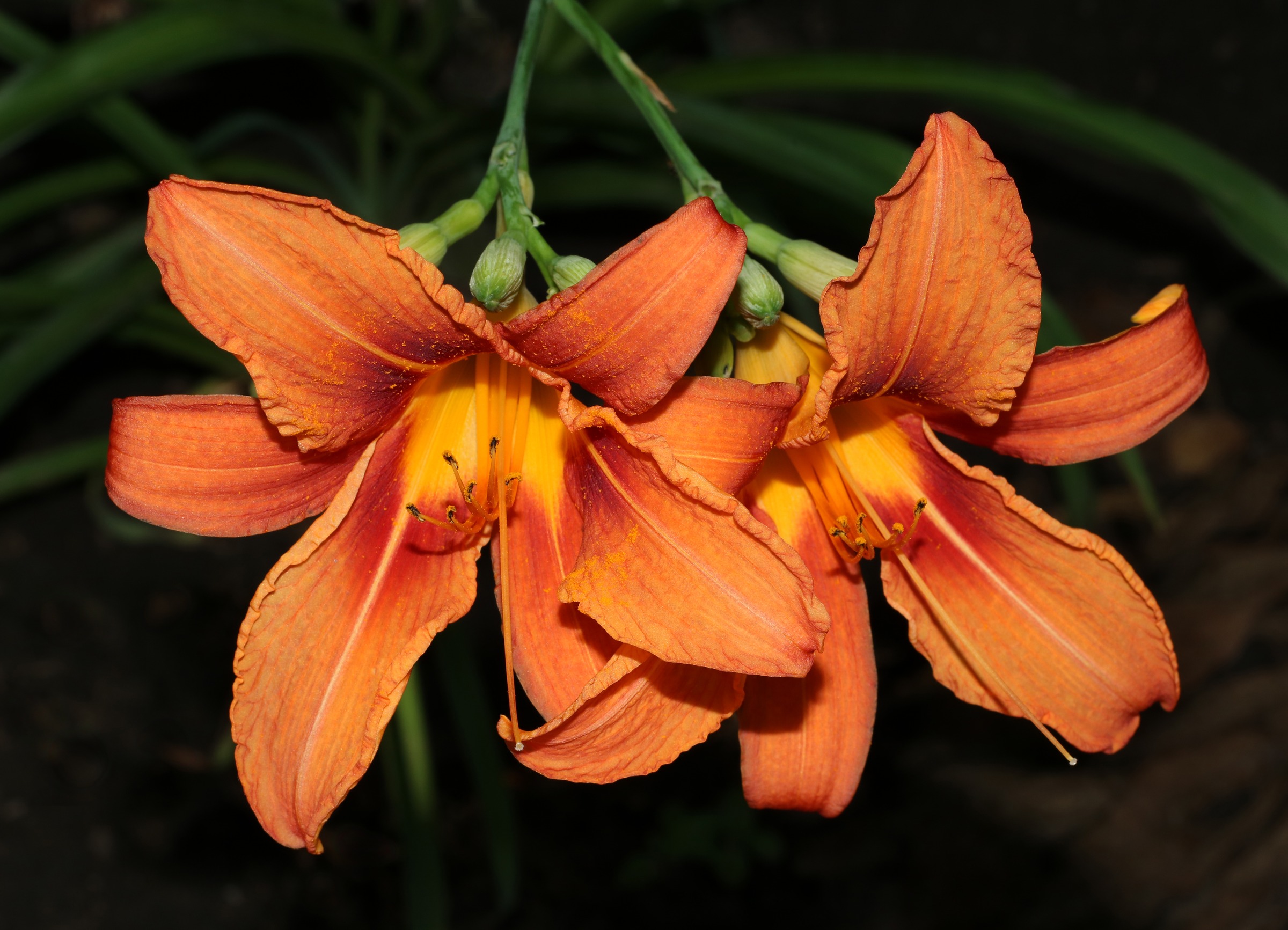
- Lilies (True Lilies & Daylilies): Extremely toxic to cats, even small ingestions can cause kidney failure.
while beautiful, is also toxic.
- Sago Palm: All parts are highly toxic, especially the seeds, causing liver damage.
- Azaleas & Rhododendrons: Contain grayanotoxins, affecting cardiac and skeletal muscles.
- Oleander: All parts are extremely poisonous, affecting the heart.
- Foxglove: Contains cardiac glycosides, highly dangerous.
- Castor Bean: Contains ricin, one of the most potent toxins known.
- Autumn Crocus: Contains colchicine, which can cause multi-organ damage.
- Daffodils, Tulips, Hyacinths (Bulbs): The bulbs are particularly toxic, causing gastrointestinal upset, cardiac issues, and convulsions.
- Marijuana: Can cause central nervous system depression, vomiting, and incoordination.
This is not an exhaustive list. Always research any plant before bringing it into your garden if you have pets. If you suspect your pet has ingested a toxic plant, call the ASPCA Animal Poison Control Center immediately at (888) 426-4435.
Which Pet-Friendly Plants Thrive in Zone 7 Gardens?
Fortunately, Zone 7 gardeners have a wealth of beautiful, pet-friendly options to choose from. These plants not only add aesthetic appeal but also create a safe haven for your pets to roam.
Perennials for Lasting Beauty
Perennials return year after year, providing continuous color and texture without constant replanting.
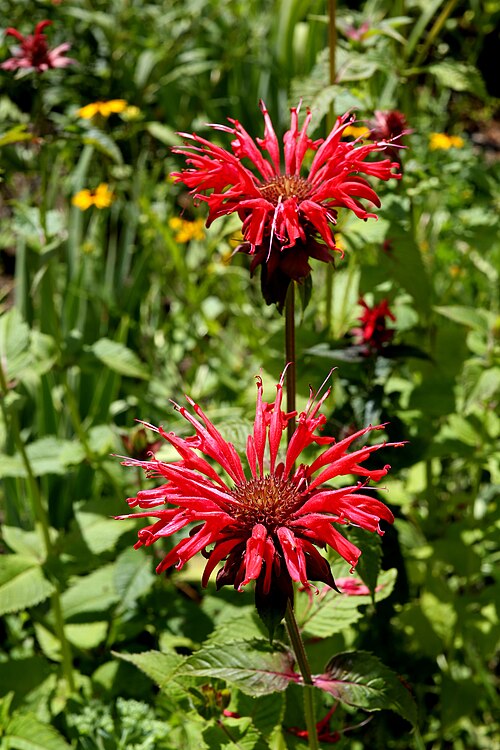
- Bee Balm (Monarda):
A vibrant native perennial that attracts pollinators and is not listed as toxic to pets. It thrives in full sun to partial shade and moist soil.
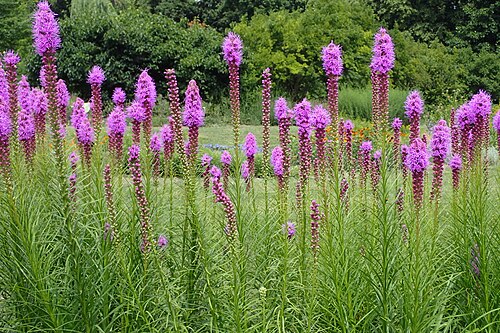
- Blazing Star (Liatris spicata):
Tall, spiky purple flowers that butterflies adore. Not listed as toxic and loves full sun.
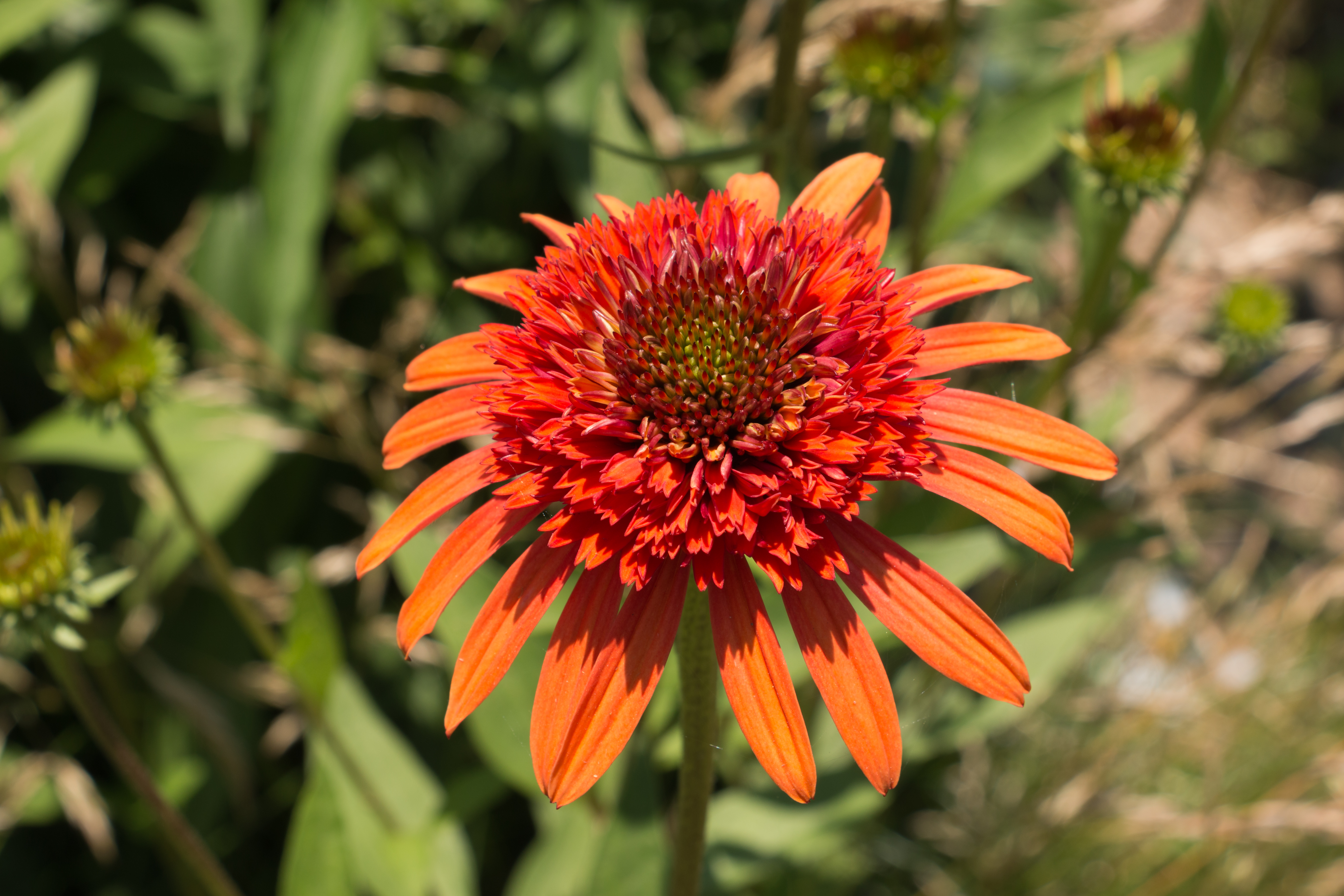
- Coneflower (Echinacea purpurea):
Iconic daisy-like flowers, drought-tolerant, and a pollinator magnet. Not listed as toxic.
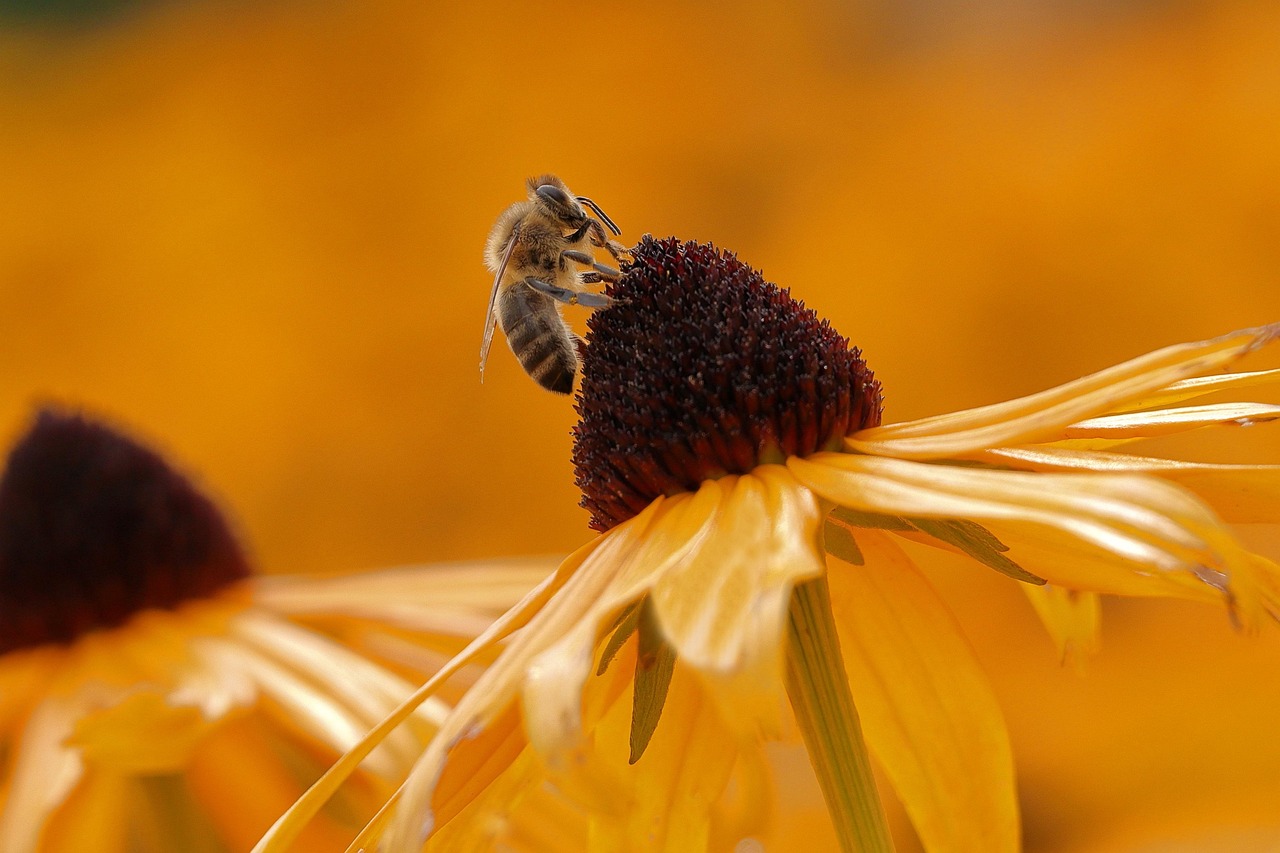
- Black-eyed Susan (Rudbeckia hirta):
Cheerful yellow petals with dark centers. Easy to grow and not listed as toxic.
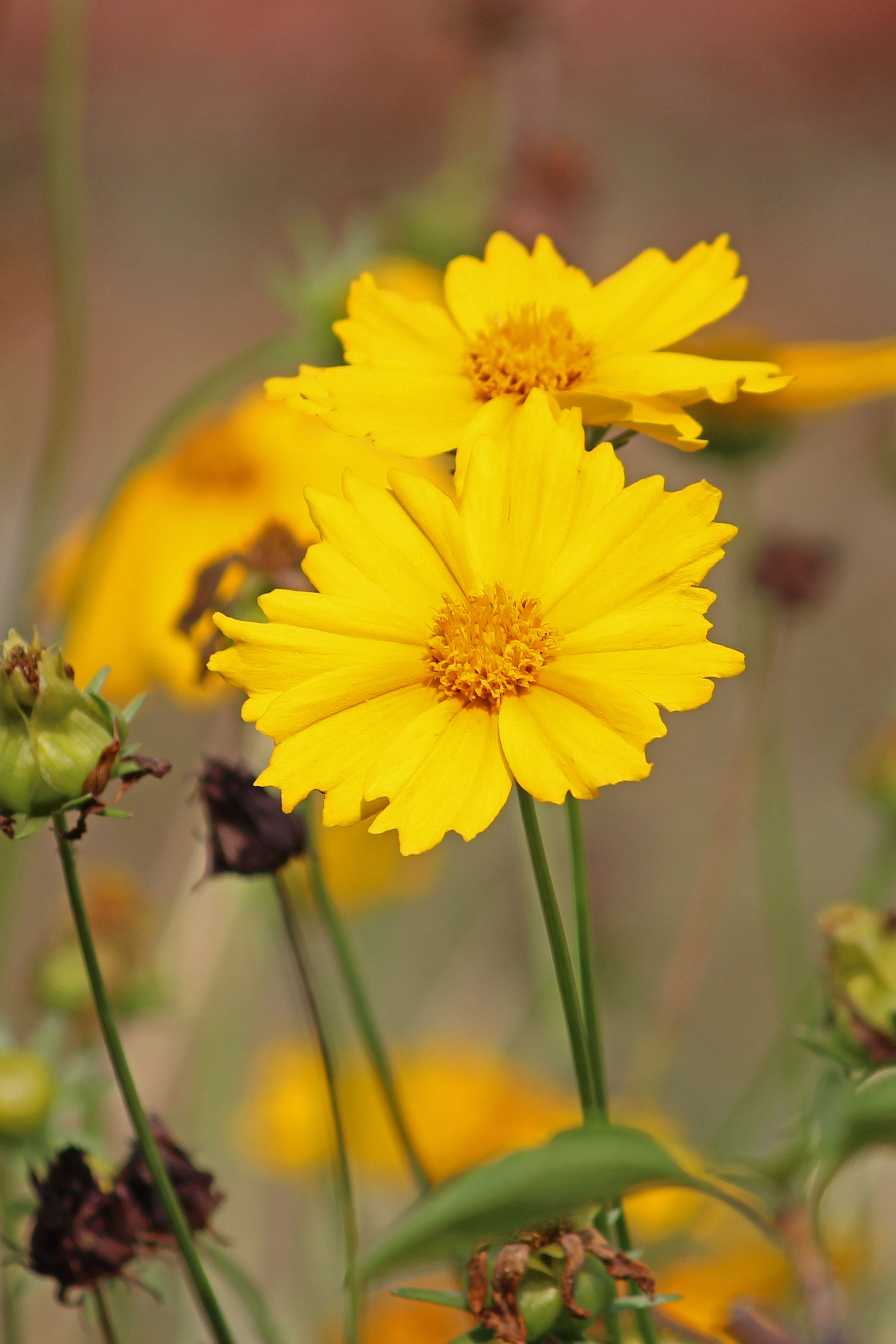
- Coreopsis (Tickseed):
Bright, long-blooming flowers in shades of yellow, red, and pink. Not listed as toxic.
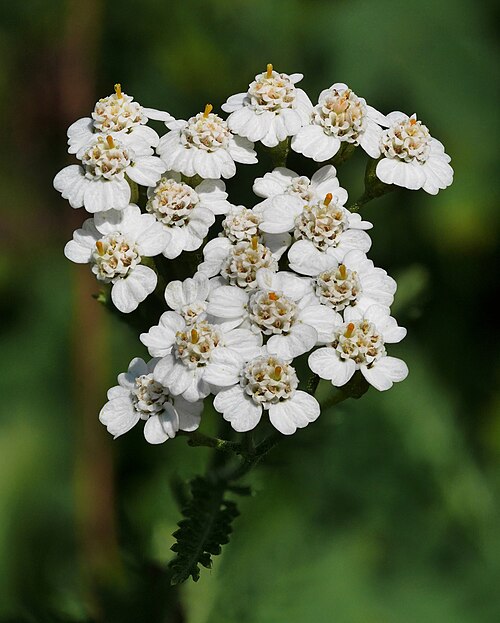
- Yarrow (Achillea millefolium): Feathery foliage and flat-topped flower clusters. Drought-tolerant and not listed as toxic.
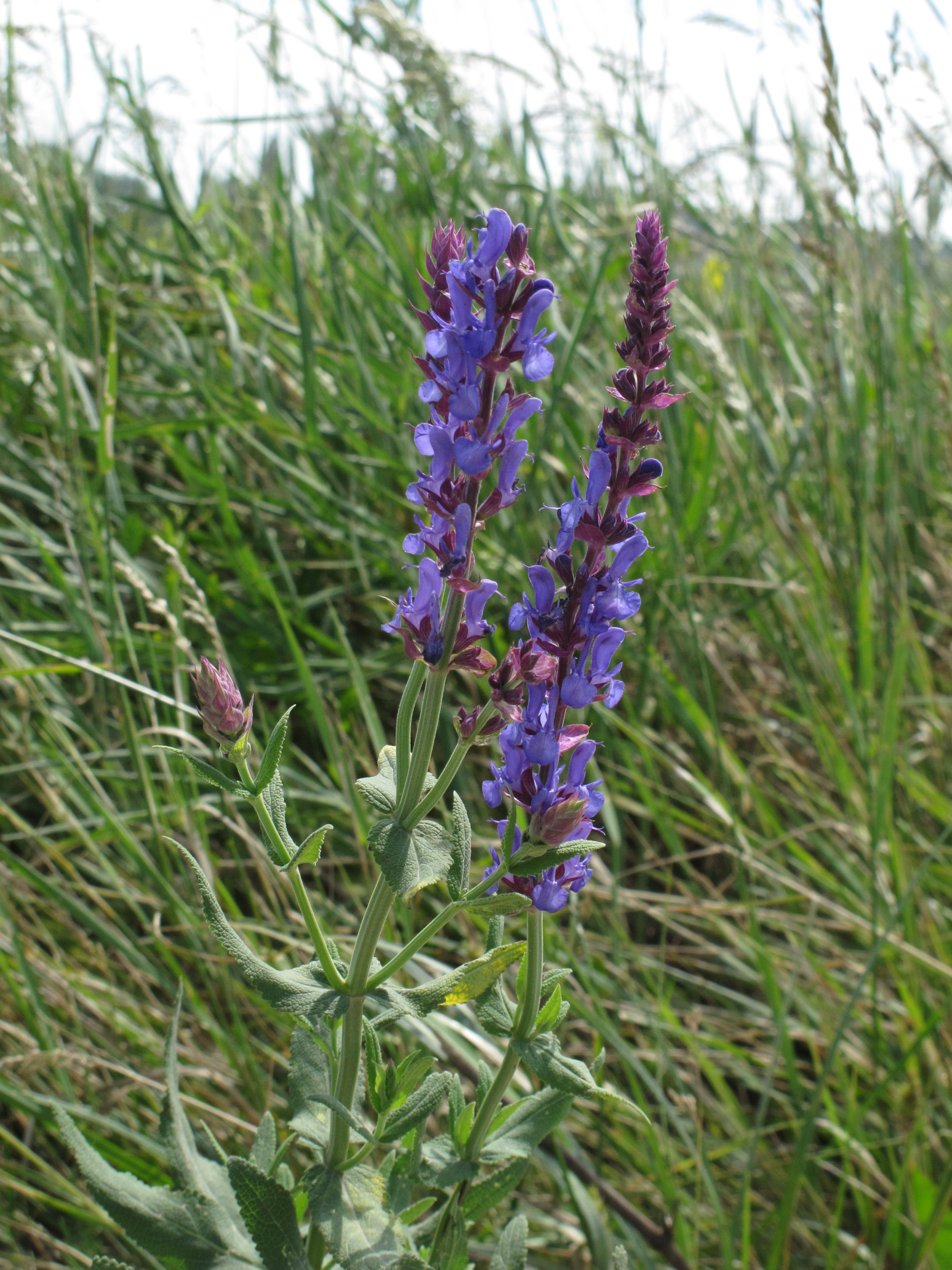
- Salvia (Sage): Many varieties offer spikes of blue, purple, or red flowers. Not listed as toxic.
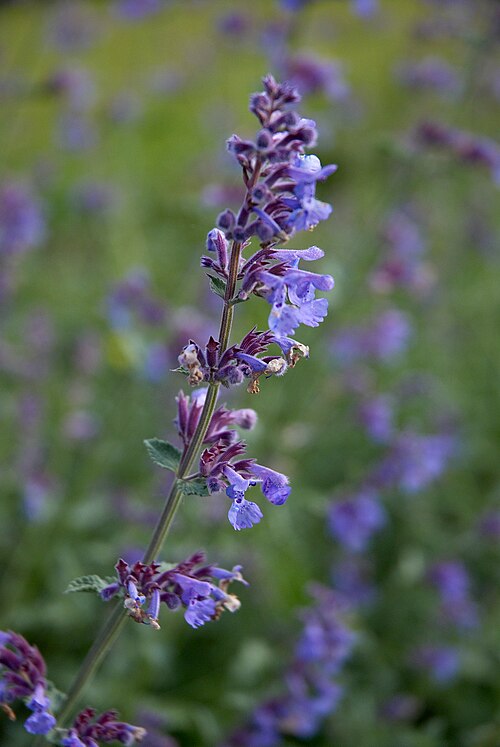
- Catmint (Nepeta):
A favorite for cats (and bees!), producing lavender-blue flower spikes. Not listed as toxic.
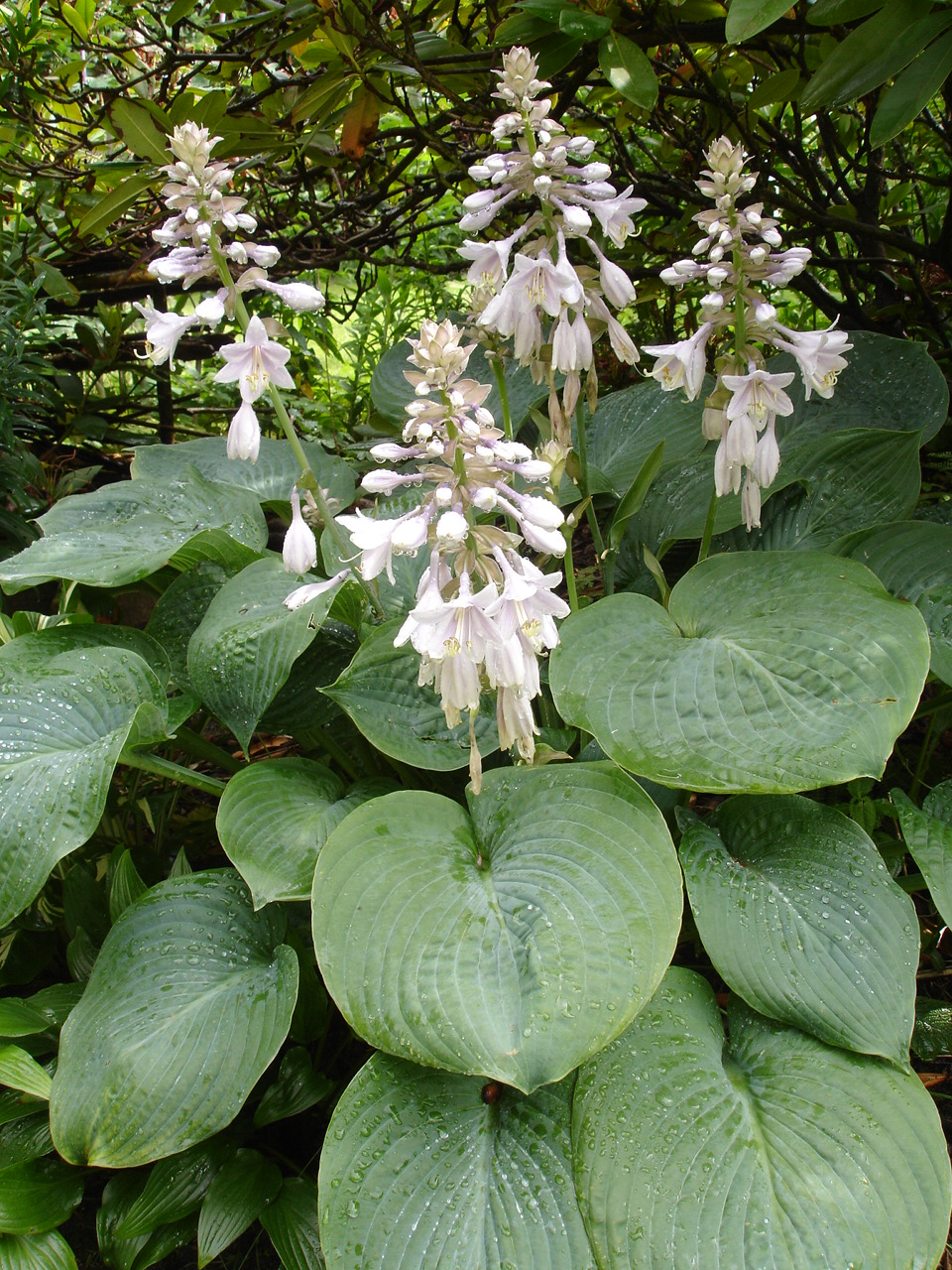
- Hosta: While some sources list hostas as mildly toxic, many pet owners have them without issue. If your pets are known to chew on plants, it's best to err on the side of caution. If they generally leave plants alone, hostas can be a great shade plant.
- Ferns (True Ferns): Many true ferns (like Boston Fern, Maidenhair Fern) are not listed as toxic. Avoid "Asparagus Fern" which is not a true fern and is toxic.
Shrubs for Structure and Screening
Shrubs provide backbone to your garden design and can offer year-round interest.
- Roses (Rosa spp.): Most roses are not listed as toxic, but watch out for thorns!
- Camellia: Beautiful evergreen shrubs with stunning winter or spring blooms. Not listed as toxic.
- Hydrangea (Smooth Hydrangea, Oakleaf Hydrangea): While some hydrangeas are listed as having mild toxicity, Smooth Hydrangea (Hydrangea arborescens) and Oakleaf Hydrangea (Hydrangea quercifolia) are generally considered safer options than Bigleaf Hydrangea (Hydrangea macrophylla) if ingested. However, if your pet is a known plant chewer, it might be best to avoid them or place them where they are inaccessible.
- Forsythia: Cheerful yellow blooms in early spring. Not listed as toxic.
Annuals for Seasonal Color
Annuals provide a burst of color for one season.
- Snapdragons (Antirrhinum majus): Unique flowers in a rainbow of colors. Not listed as toxic.
- Petunias: Trailing or mounding plants with abundant blooms. Not listed as toxic.
- Impatiens (New Guinea Impatiens, Busy Lizzie): Perfect for shade, offering continuous color. Not listed as toxic.
- Sunflowers (Helianthus annuus): Cheerful and dramatic, not listed as toxic.
- Zinnias: Easy to grow and come in a vast array of colors and forms. Not listed as toxic.
Herbs and Edibles (Check Specifics)
Many culinary herbs are not listed as toxic and can be a great addition.
- Basil, Rosemary, Thyme, Sage, Parsley (in moderation): Generally not listed as toxic.
- Cat Grass (Oat, Wheat, Barley Grass): Specifically grown for pets to nibble on, aids digestion.
- Mint: Most mint varieties are not listed as toxic, but some sources suggest large quantities could cause mild upset.
Quick Reference: Pet-Friendly Plant List for Zone 7
| Plant Type | Common Name | Pet Safety (ASPCA) | Sun Exposure | Notes |
|---|---|---|---|---|
| Perennial | Bee Balm | Not listed as toxic | Full Sun - Part Shade | Attracts pollinators, native. |
| Perennial | Blazing Star | Not listed as toxic | Full Sun | Vertical interest, attracts butterflies. |
| Perennial | Coneflower | Not listed as toxic | Full Sun | Drought-tolerant, long blooming. |
| Perennial | Black-eyed Susan | Not listed as toxic | Full Sun | Cheerful, easy to grow. |
| Perennial | Coreopsis | Not listed as toxic | Full Sun | Continuous blooms. |
| Perennial | Yarrow | Not listed as toxic | Full Sun | Drought-tolerant, feathery foliage. |
| Perennial | Salvia | Not listed as toxic | Full Sun | Many varieties, long blooming. |
| Perennial | Catmint | Not listed as toxic | Full Sun - Part Shade | Cat favorite, deer resistant. |
| Shrub | Roses | Not listed as toxic | Full Sun | Watch for thorns! |
| Shrub | Camellia | Not listed as toxic | Part Shade | Evergreen, winter/spring blooms. |
| Annual | Snapdragons | Not listed as toxic | Full Sun | Unique flower shape, many colors. |
| Annual | Petunias | Not listed as toxic | Full Sun | Abundant blooms, trailing options. |
| Annual | Impatiens | Not listed as toxic | Part Shade - Shade | Continuous color for shady spots. |
| Annual | Zinnias | Not listed as toxic | Full Sun | Easy to grow from seed, cut flowers. |
| Herb | Basil | Not listed as toxic | Full Sun | Culinary herb. |
| Herb | Rosemary | Not listed as toxic | Full Sun | Aromatic, culinary. |
Beyond Plants: Creating a Holistic Pet-Safe Environment
A pet-safe garden extends beyond just the plants you choose. Consider these additional factors:
- Pesticides and Fertilizers: Always use organic, pet-safe alternatives. Read labels carefully and keep pets away from treated areas until dry or as directed. Store all chemicals securely out of reach.
- Compost Piles: Keep compost bins securely covered. Decomposing food can produce tremorgenic mycotoxins, which are highly toxic if ingested by pets.
- Water Features: Ensure ponds or bird baths are shallow enough for pets to safely drink from or escape if they fall in. Avoid stagnant water, which can harbor mosquitoes.
- Fencing: A secure fence is crucial to keep pets safely contained within your yard and to prevent them from accessing potentially dangerous areas or escaping.
- Hardscaping: Choose non-slip surfaces for paths and patios. Avoid sharp edges or materials that heat up excessively in the sun.
- Designated Digging Areas: For dogs who love to dig, consider creating a designated "dig pit" filled with sand or loose soil, encouraging them to dig there instead of your flower beds.
- Provide Shade and Water: Ensure your pets have access to fresh water and shaded areas, especially during hot Zone 7 summers.
By thoughtfully selecting plants and implementing these safety measures, you can create a beautiful, thriving garden in Zone 7 that you and your beloved pets can enjoy together for years to come.
Ready to find the perfect plants for your yard? Try the PlantWise Plant Finder →