Complete Pet-Safe Garden Guide for Zone 8
Creating a pet-safe garden in Zone 8 means selecting plants that thrive in your region's warm climate while posing minimal risk to your furry friends. This guide focuses on heat-tolerant, beautiful plants generally not listed as toxic to dogs or cats by the ASPCA, ensuring your outdoor space is a safe haven for everyone. We'll explore a variety of options, from vibrant perennials to sturdy shrubs, all suitable for Zone 8's unique growing conditions, allowing you to design a lush, worry-free landscape.
🌱 Get Personalized Plant Picks
Answer a few quick questions and we’ll match plants to your exact yard conditions.
Find My Plants →Why is a Pet-Safe Garden Important for Zone 8?
Zone 8, characterized by hot summers and mild winters, encourages a long growing season and a wide variety of plant life. While this is great for gardening enthusiasts, it also means more opportunities for pets to encounter plants, whether by sniffing, nibbling, or digging. Many common garden plants, while beautiful, can cause mild to severe health issues if ingested by curious dogs or cats. Symptoms can range from an upset stomach and skin irritation to more serious problems affecting the heart, kidneys, or nervous system.
For pet owners, peace of mind is paramount. Knowing that the plants in your yard are unlikely to cause harm allows your pets to explore freely and safely. This guide will help you navigate the vast world of Zone 8 plants, highlighting those that are generally considered safer choices for households with pets, so you can create an inviting and secure environment for your beloved companions.
What Are Some Excellent Pet-Friendly Plants for Zone 8 Gardens?
Zone 8 offers a fantastic palette of plants that are both beautiful and generally considered safer for pets. When selecting plants, always double-check their toxicity status, as plant names can sometimes be confusing, and different species within the same genus might have varying levels of toxicity. Here are some top picks that thrive in Zone 8 and are not listed as toxic to dogs or cats by the ASPCA:
Perennials for Pollinators and Color:
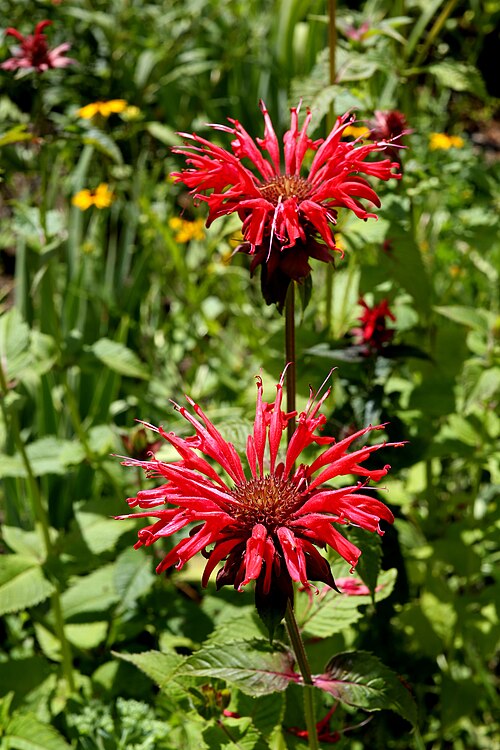
Bee Balm (Monarda spp.): These vibrant, spiky flowers attract hummingbirds and butterflies. They're drought-tolerant once established and come in shades of red, pink, purple, and white.
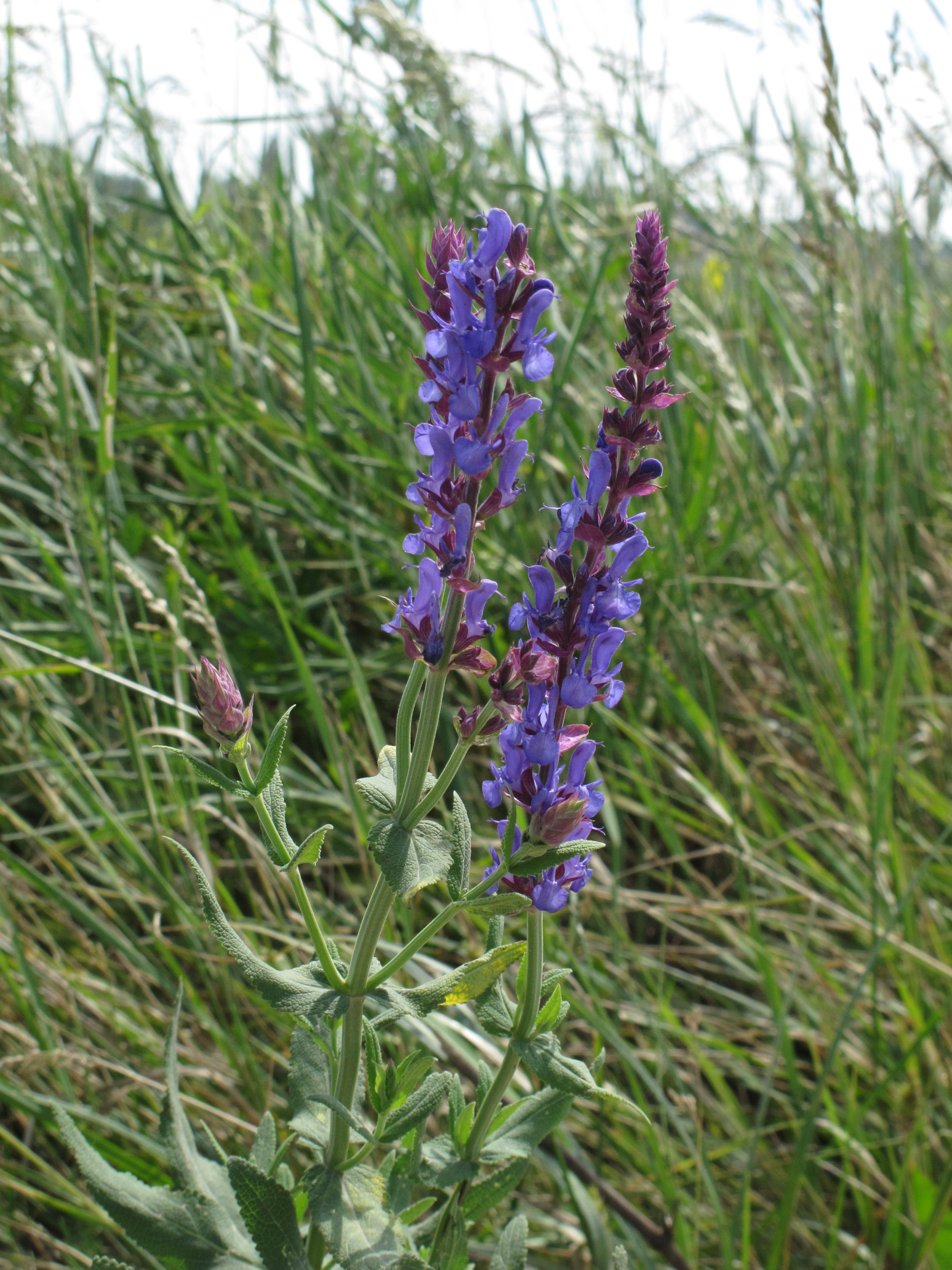
Salvia (Salvia spp.): Many varieties of Salvia are fantastic for Zone 8, offering long-lasting blooms and a range of colors. They are low-maintenance and great for attracting pollinators.
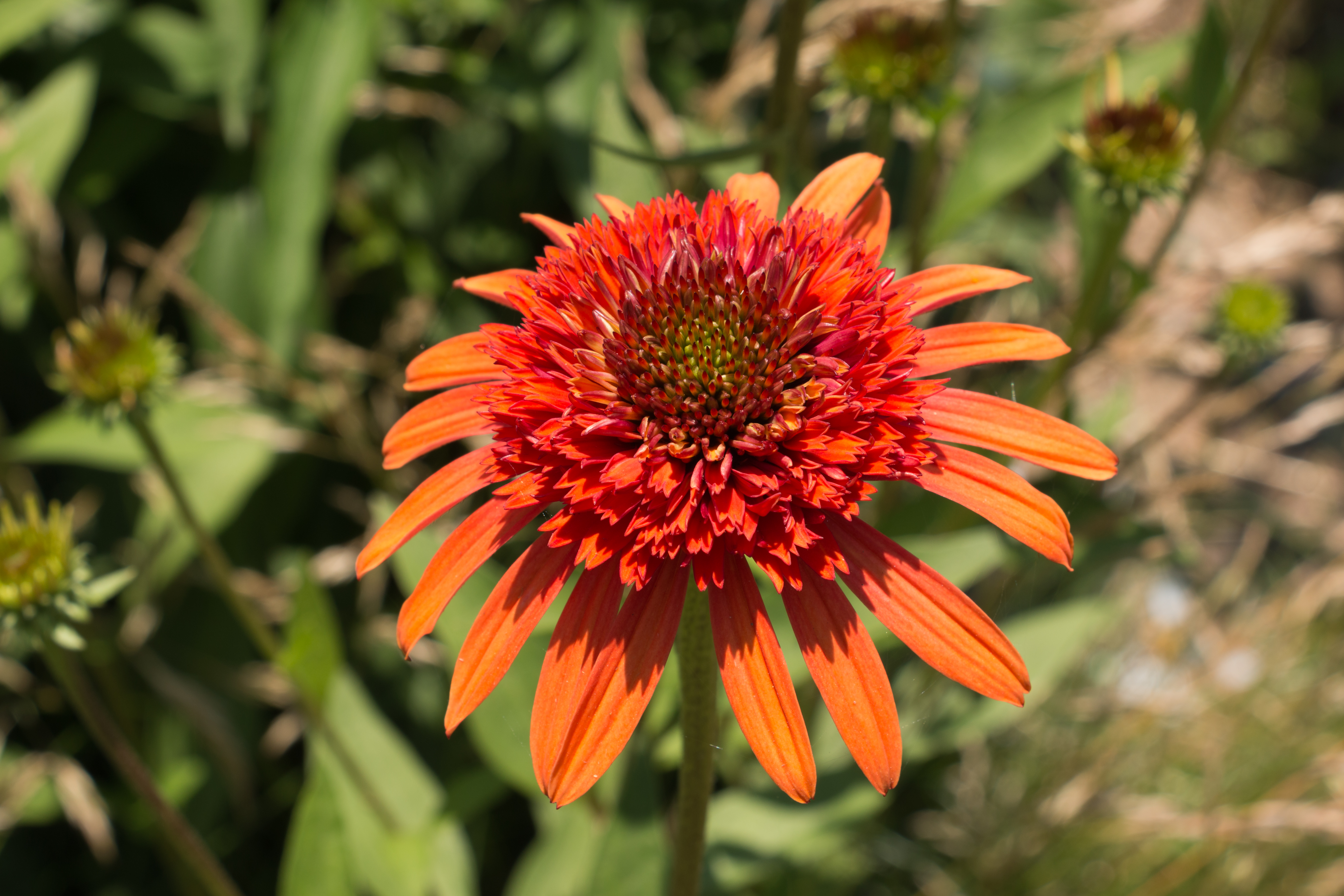
Coneflower (Echinacea purpurea): A classic for a reason, coneflowers are tough, drought-tolerant, and produce striking daisy-like flowers. They are a favorite of bees and butterflies.
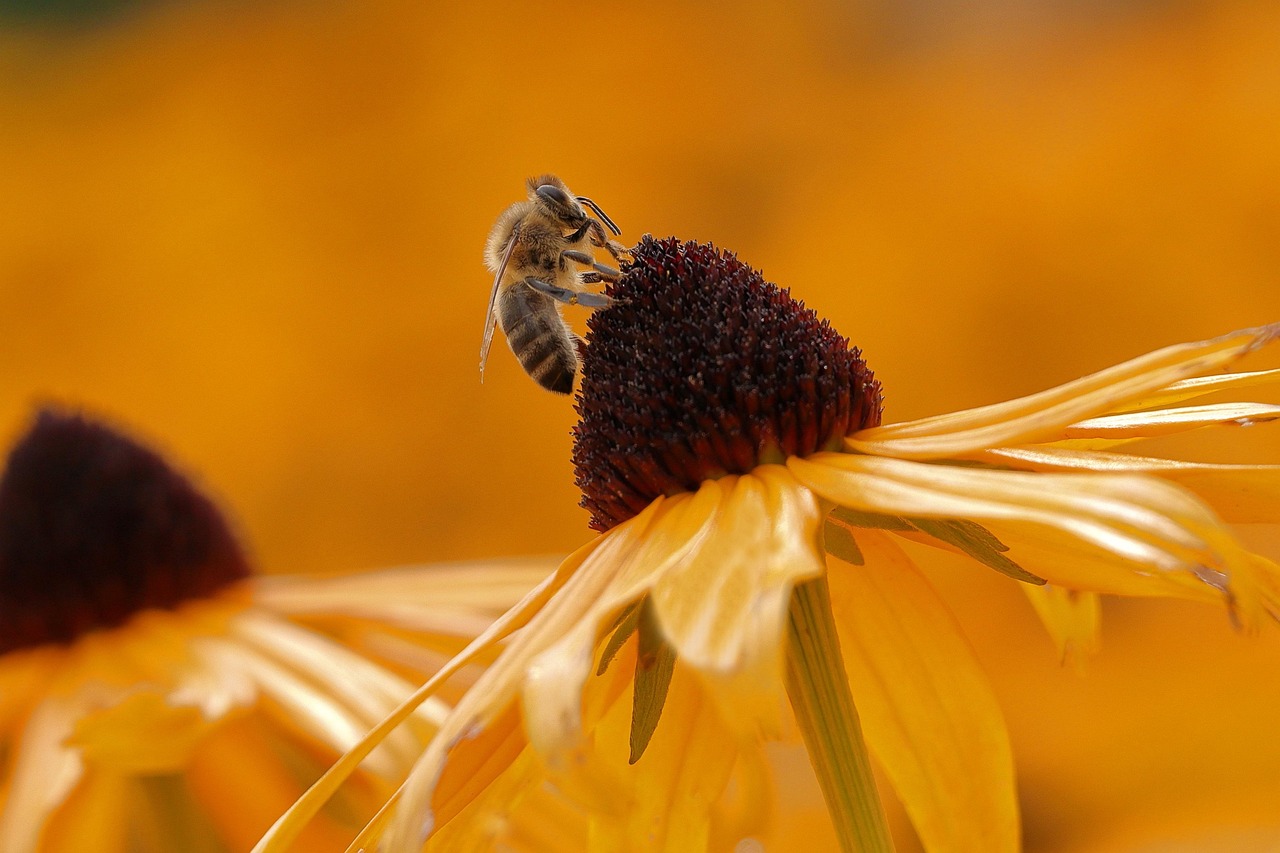
Black-eyed Susan (Rudbeckia hirta): Cheerful and resilient, these yellow and black beauties bring a burst of sunshine to any garden. They are easy to grow and spread readily.
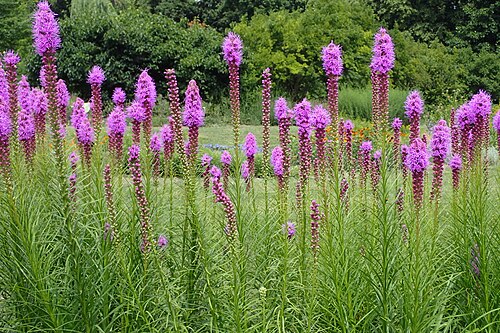
Blazing Star (Liatris spicata): With their unique bottlebrush-like purple flowers, Blazing Star adds vertical interest and attracts a host of pollinators.
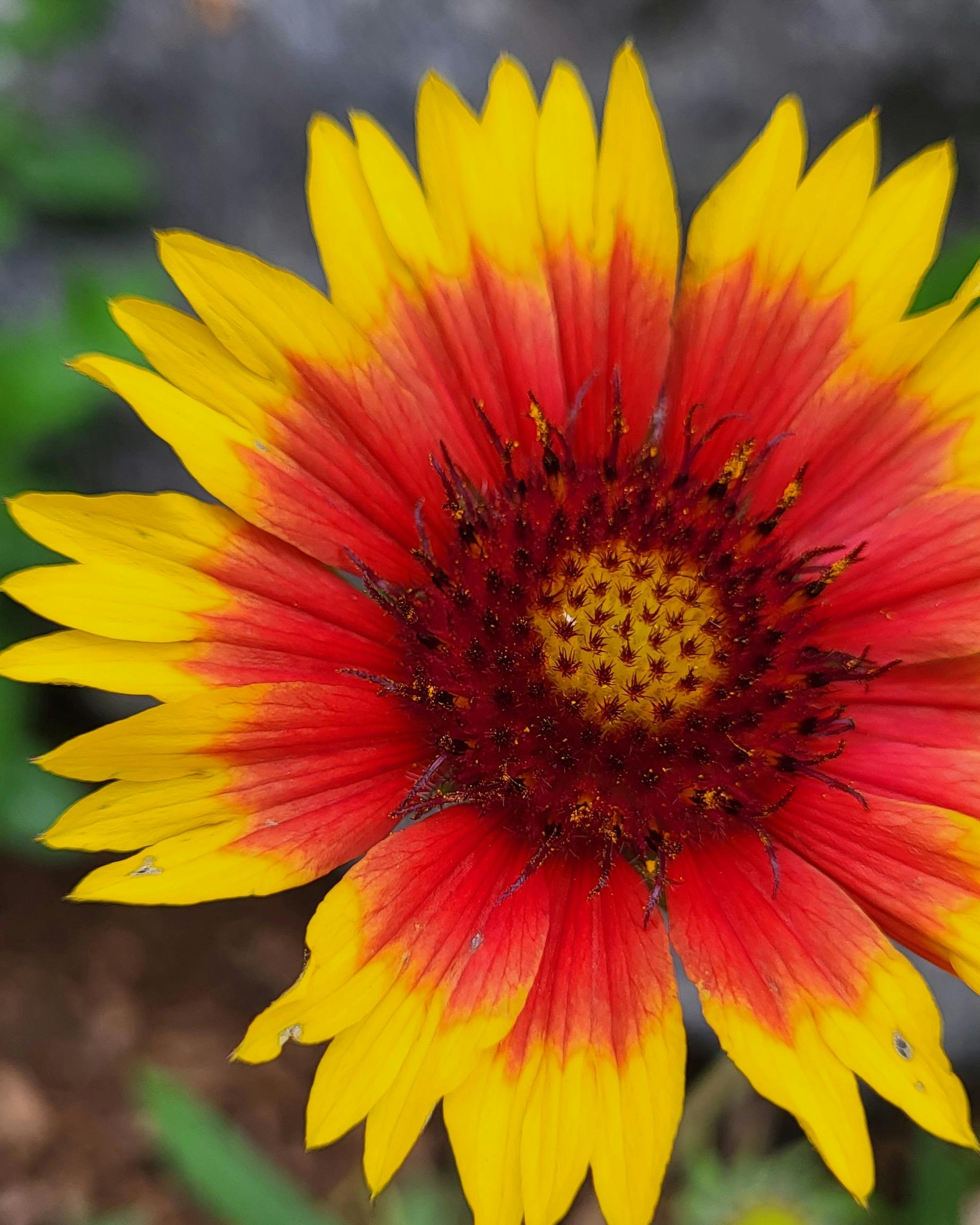
Blanket Flower (Gaillardia spp.): These fiery red and yellow flowers are incredibly heat and drought-tolerant, blooming profusely throughout the summer.
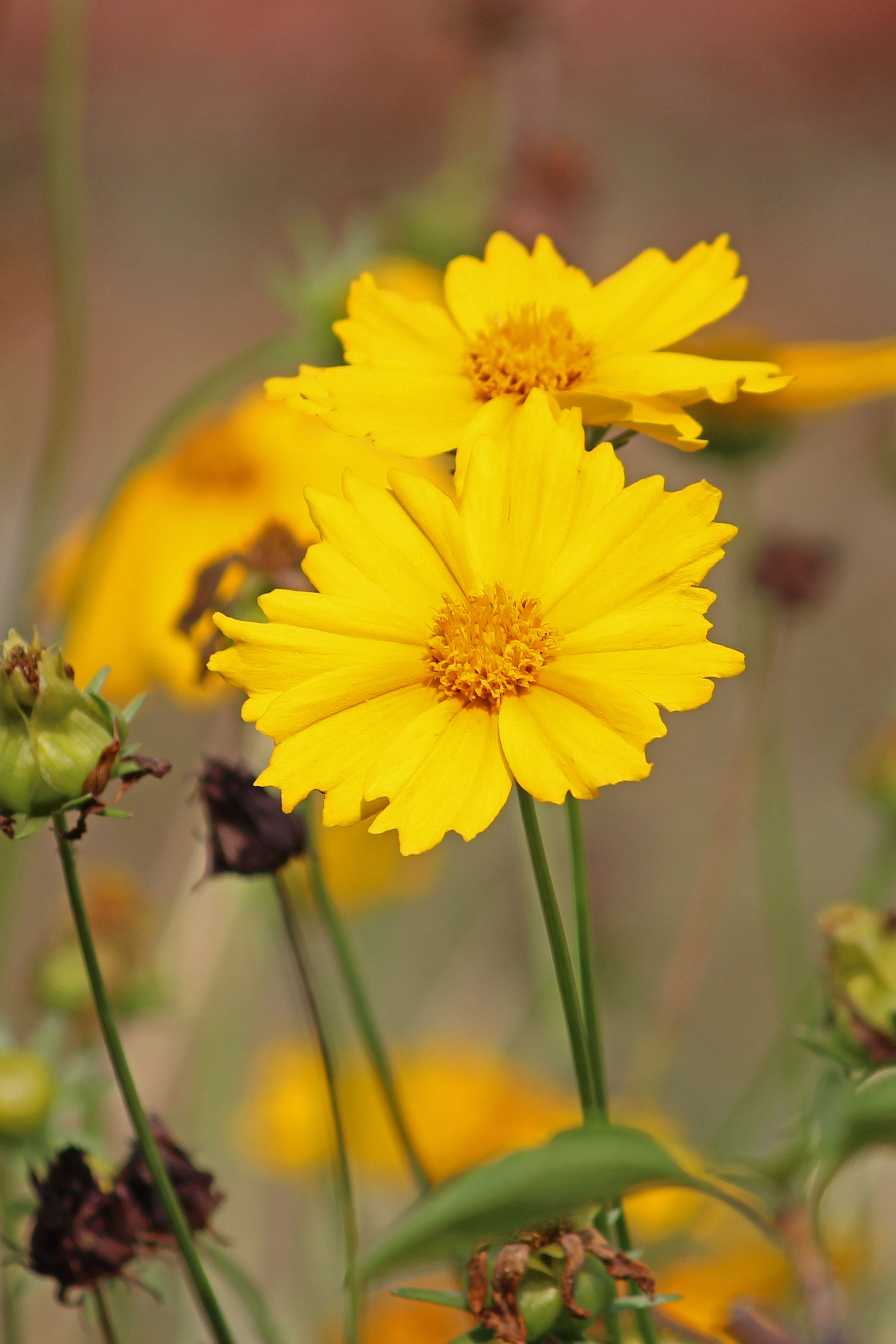
Coreopsis (Coreopsis spp.): Also known as Tickseed, Coreopsis offers a profusion of bright, daisy-like flowers, often yellow, and thrives in full sun and well-drained soil.
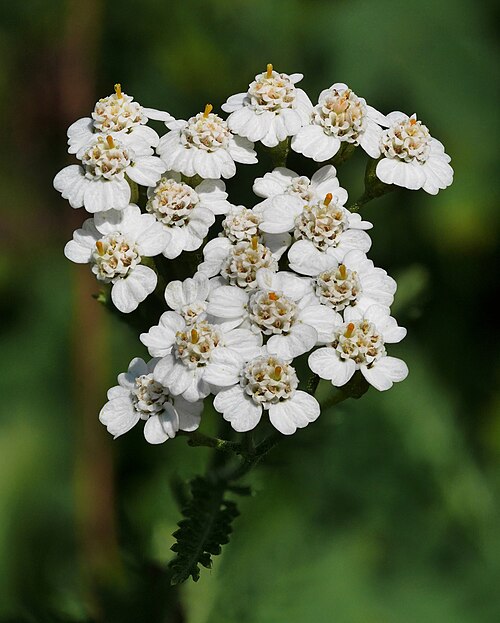
Yarrow (Achillea millefolium): Known for its flat-topped flower clusters and fern-like foliage, yarrow is a tough, drought-tolerant plant that comes in many colors.
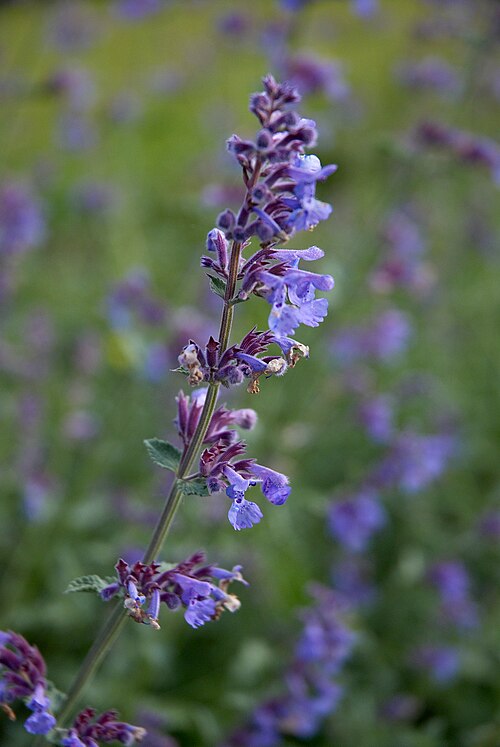
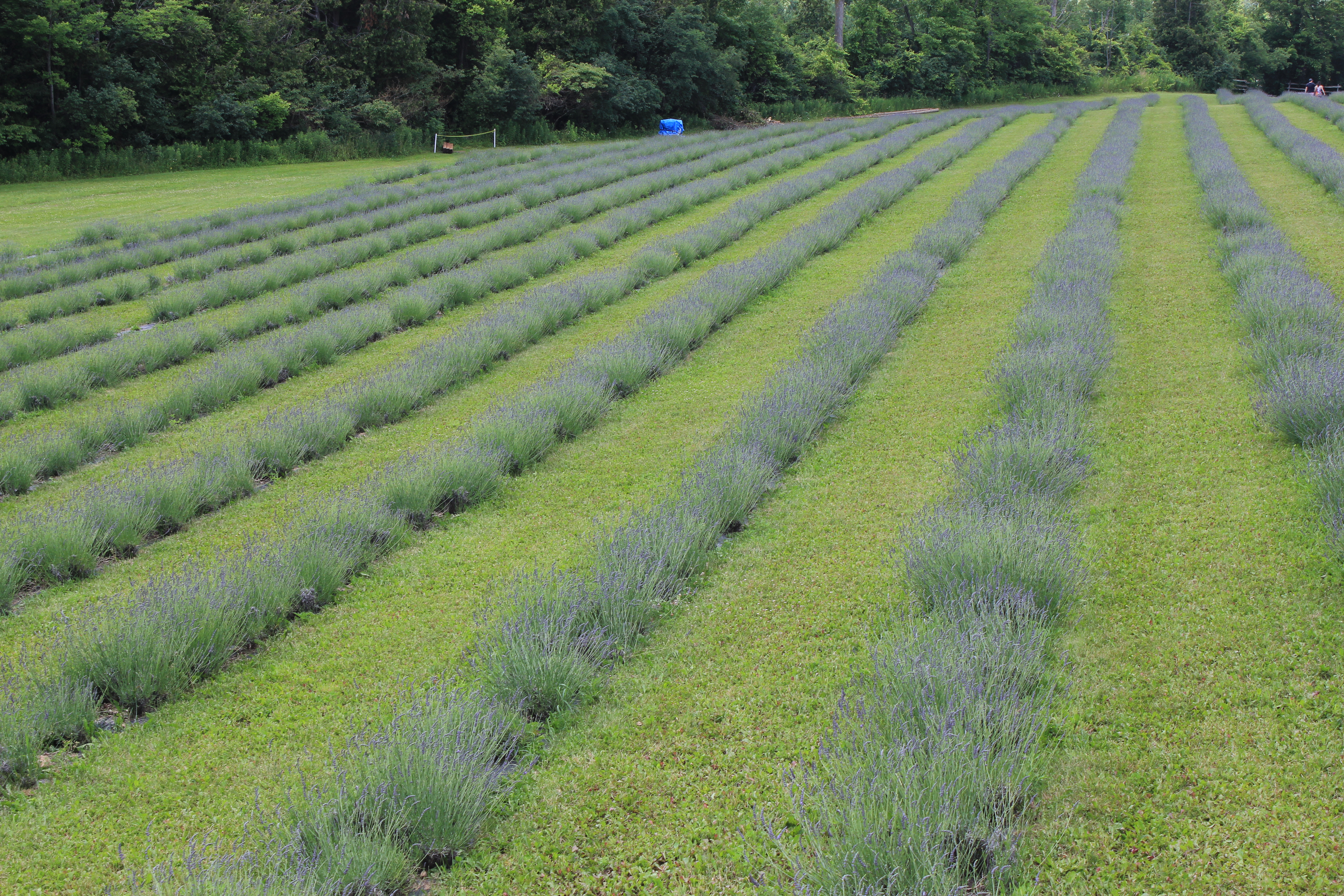
Catmint (Nepeta spp.): While its name might suggest otherwise, Catmint (different from catnip) is generally considered not toxic to cats or dogs and is a fantastic, long-blooming, low-maintenance plant that attracts pollinators.
Shrubs for Structure and Screening:
- Rose (Rosa spp.): While the thorns can be a deterrent, roses themselves are generally not listed as toxic. Choose thornless varieties or place them strategically.
- Camellia (Camellia spp.): These evergreen shrubs provide beautiful winter and spring blooms and are a staple in many Zone 8 gardens.
- Abelia (Abelia x grandiflora): A graceful, arching shrub with small, bell-shaped flowers that bloom for a long season.
- Loropetalum (Loropetalum chinense): Known for its colorful foliage (often purple) and fringe-like flowers, it's a popular choice for hedges and accents.
Trees for Shade and Beauty:
- Magnolia (Magnolia spp.): Many magnolia species are suitable for Zone 8 and are not listed as toxic.
- Maple (Acer spp.): Most maple trees are considered safe, providing excellent shade and fall color.
- Fruit Trees: Apple (excluding seeds), pear, and peach trees are generally not listed as toxic, but always remove fallen fruit as fermentation can cause issues.
Important Note: The term "not listed as toxic" means that these plants are not typically found on lists of plants that cause severe poisoning in pets. However, any plant material ingested in large quantities can potentially cause mild stomach upset in sensitive animals. Always observe your pet's behavior.
How Can I Design a Pet-Friendly Landscape Layout in Zone 8?
Designing a pet-friendly landscape goes beyond just choosing the right plants; it also involves thoughtful layout and hardscaping. Here are some tips for Zone 8:
- Create Designated Play Areas: If you have a large yard, consider fencing off a specific area for your pets to play and run freely. This can help protect more delicate plantings.
- Pathways and Boundaries: Use sturdy, pet-friendly materials like pavers, gravel, or mulch (avoid cocoa mulch, which is toxic) for pathways. These can also serve as boundaries around garden beds, discouraging pets from trampling plants.
- Raised Beds and Containers: For smaller spaces or to protect specific plants, consider raised garden beds or large containers. These elevate plants out of easy reach for many pets and can be a stylish addition to your garden.
- Shade and Water Stations: Zone 8 summers can be intense. Ensure your garden provides ample shade for your pets, whether from trees, pergolas, or shade sails. Always have fresh water available in multiple locations.
- Fencing: A secure fence is crucial for keeping pets safely contained within your yard and preventing them from encountering neighborhood hazards or toxic plants outside your property.
- Avoid Pesticides and Herbicides: When possible, opt for organic pest control methods and manual weeding. If you must use chemicals, choose pet-safe options and keep pets away from treated areas according to product instructions.
- Consider Pet-Friendly Groundcovers: Instead of traditional lawns, explore durable, pet-friendly groundcovers like clover or creeping thyme (though some thymes are listed as mildly toxic, so check specific species) that can withstand pet traffic.
Quick Reference: Pet-Safe Plant Picks for Zone 8
| Plant Name | Type | Bloom Color | Sun Needs | Notes |
|---|---|---|---|---|
| Bee Balm (Monarda) | Perennial | Red, Pink, Purple | Full Sun | Attracts pollinators, drought-tolerant. |
| Salvia (Salvia spp.) | Perennial | Blue, Purple, Red | Full Sun | Long blooming, low maintenance, attracts pollinators. |
| Coneflower (Echinacea) | Perennial | Purple, Pink, White | Full Sun | Drought-tolerant, attracts pollinators, classic garden staple. |
| Black-eyed Susan | Perennial | Yellow | Full Sun | Cheerful, easy to grow, heat-tolerant. |
| Blazing Star (Liatris) | Perennial | Purple | Full Sun | Unique vertical interest, attracts butterflies. |
| Blanket Flower | Perennial | Red, Yellow | Full Sun | Very heat and drought-tolerant, blooms all summer. |
| Coreopsis | Perennial | Yellow, Pink, Red | Full Sun | Profuse blooms, low maintenance, great for borders. |
| Yarrow | Perennial | Yellow, Pink, Red | Full Sun | Drought-tolerant, fern-like foliage, various colors. |
| Catmint (Nepeta) | Perennial | Lavender | Full Sun | Long blooming, aromatic, deer and rabbit resistant. |
| Roses (Rosa spp.) | Shrub | Various | Full Sun | Beautiful blooms, choose thornless varieties or place carefully. |
| Camellia | Shrub | White, Pink, Red | Part Shade | Evergreen, winter/spring blooms, classic Southern shrub. |
| Abelia | Shrub | White, Pink | Full Sun | Long blooming, graceful form, low maintenance. |
| Loropetalum | Shrub | Pink | Full Sun | Colorful foliage, unique fringe flowers, good for hedges. |
What Should I Do If My Pet Eats a Potentially Toxic Plant?
Even with the best intentions and careful planning, accidents can happen. If you suspect your pet has ingested a toxic plant, call the ASPCA Animal Poison Control Center immediately at (888) 426-4435. It's crucial to act quickly.
When you call, be prepared to provide:
- Your pet's species, breed, age, and weight.
- The name of the plant ingested (if known).
- The amount of plant material ingested (if known).
- Any symptoms your pet is exhibiting.
- Your contact information.
Having a list of all the plants in your garden, especially those not listed as toxic, can be helpful in an emergency. Keep a small sample of the plant if you're unsure of its identity to show to a veterinarian. Early intervention can make a significant difference in your pet's outcome.
Creating a pet-safe garden in Zone 8 is a rewarding endeavor that allows both you and your furry companions to enjoy the beauty of your outdoor space without worry. By choosing appropriate plants, designing a thoughtful layout, and staying vigilant, you can cultivate a harmonious and safe environment for everyone.
Ready to find the perfect plants for your yard? Try the PlantWise Plant Finder →