Complete Pet-Safe Garden Guide for Zone 9
Creating a pet-safe garden in USDA Zone 9 involves selecting plants that thrive in your warm climate while posing no known toxicity risks to your beloved dogs and cats. This guide will help you design a beautiful, lush outdoor space where both your furry friends and your plants can flourish safely. Focus on tropical-tolerant, non-toxic options, and always be mindful of potential ingestion by curious pets.
🌱 Get Personalized Plant Picks
Answer a few quick questions and we’ll match plants to your exact yard conditions.
Find My Plants →Why is a Pet-Safe Garden So Important?
Our pets are part of our families, and their safety is paramount. Gardens, while beautiful, can sometimes harbor hidden dangers in the form of toxic plants. Dogs and cats, especially puppies and kittens, are naturally curious and may chew on leaves, stems, or flowers. Even mature pets can ingest plant material out of boredom, stress, or an upset stomach. In Zone 9, where plants grow vigorously year-round, it's even more crucial to ensure your landscape is free from known hazards. A pet-safe garden allows your companions to explore and enjoy the outdoors without you constantly worrying about their health.
If you suspect your pet has ingested a toxic plant, call the ASPCA Animal Poison Control Center immediately at (888) 426-4435.
What Are Some Common Toxic Plants to Avoid in Zone 9?
Many popular garden plants, unfortunately, pose a risk to pets. In Zone 9's mild climate, several of these can thrive, so it's essential to be aware of them. Here are some common toxic plants you should generally avoid or carefully manage if you have pets:
- Sago Palm (Cycas revoluta): Highly toxic, especially the seeds. Ingestion can cause severe liver damage.
- Oleander (Nerium oleander): All parts are extremely poisonous, affecting the heart.
- Azaleas and Rhododendrons (Rhododendron spp.): Can cause vomiting, diarrhea, weakness, and cardiac issues.
- Lilies (Lilium spp. & Hemerocallis spp. - true lilies and daylilies): Especially true lilies are highly toxic to cats, causing kidney failure. Daylilies are also problematic.
- Daffodils (Narcissus spp.): Bulbs are particularly toxic, but all parts can cause gastrointestinal upset.
- Tulips (Tulipa spp.): Similar to daffodils, the bulbs are the most concentrated source of toxins.
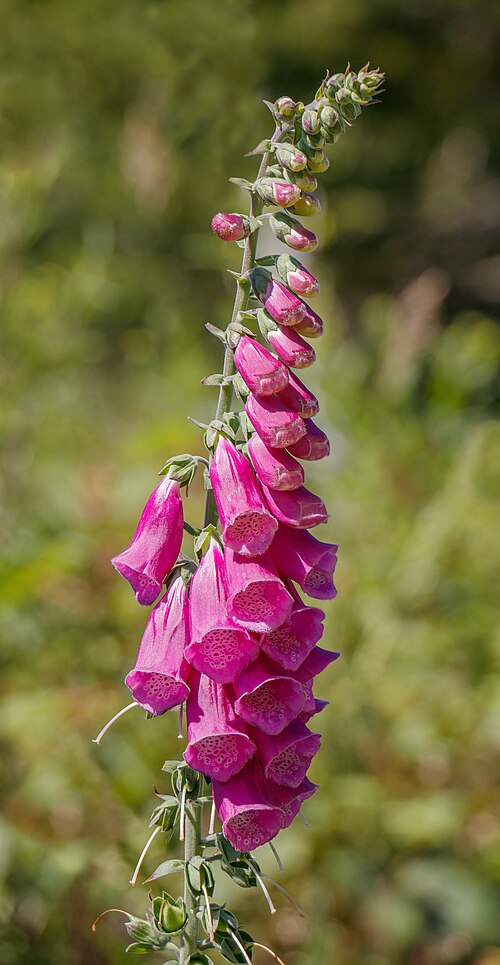
- Foxglove (Digitalis purpurea): Contains cardiac glycosides that can be fatal.
- Castor Bean (Ricinus communis): The beans are extremely toxic, containing ricin.
- Autumn Crocus (Colchicum autumnale): Highly toxic, affecting multiple organ systems.
- Philodendron and Pothos (various species): Contain calcium oxalates that cause oral irritation.
This is not an exhaustive list, but it covers some of the most common and dangerous plants found in Zone 9 gardens. Always research any new plant before bringing it home.
Which Pet-Friendly Plants Thrive in Zone 9 Gardens?
Fortunately, there are countless beautiful and resilient plants that are not listed as toxic to pets and flourish in Zone 9's warm conditions. Here’s a selection of excellent choices for various garden needs:
Flowering Perennials & Annuals:
African Daisy (Osteospermum spp.): Bright, cheerful flowers in various colors.
Snapdragon (Antirrhinum majus): Tall, whimsical blooms that add vertical interest.
Petunia (Petunia spp.): Classic, prolific bloomers for beds and containers.
Sunflower (Helianthus annuus): Iconic, sun-loving giants.
Zinnia (Zinnia elegans): Easy to grow, vibrant, and attracts pollinators.
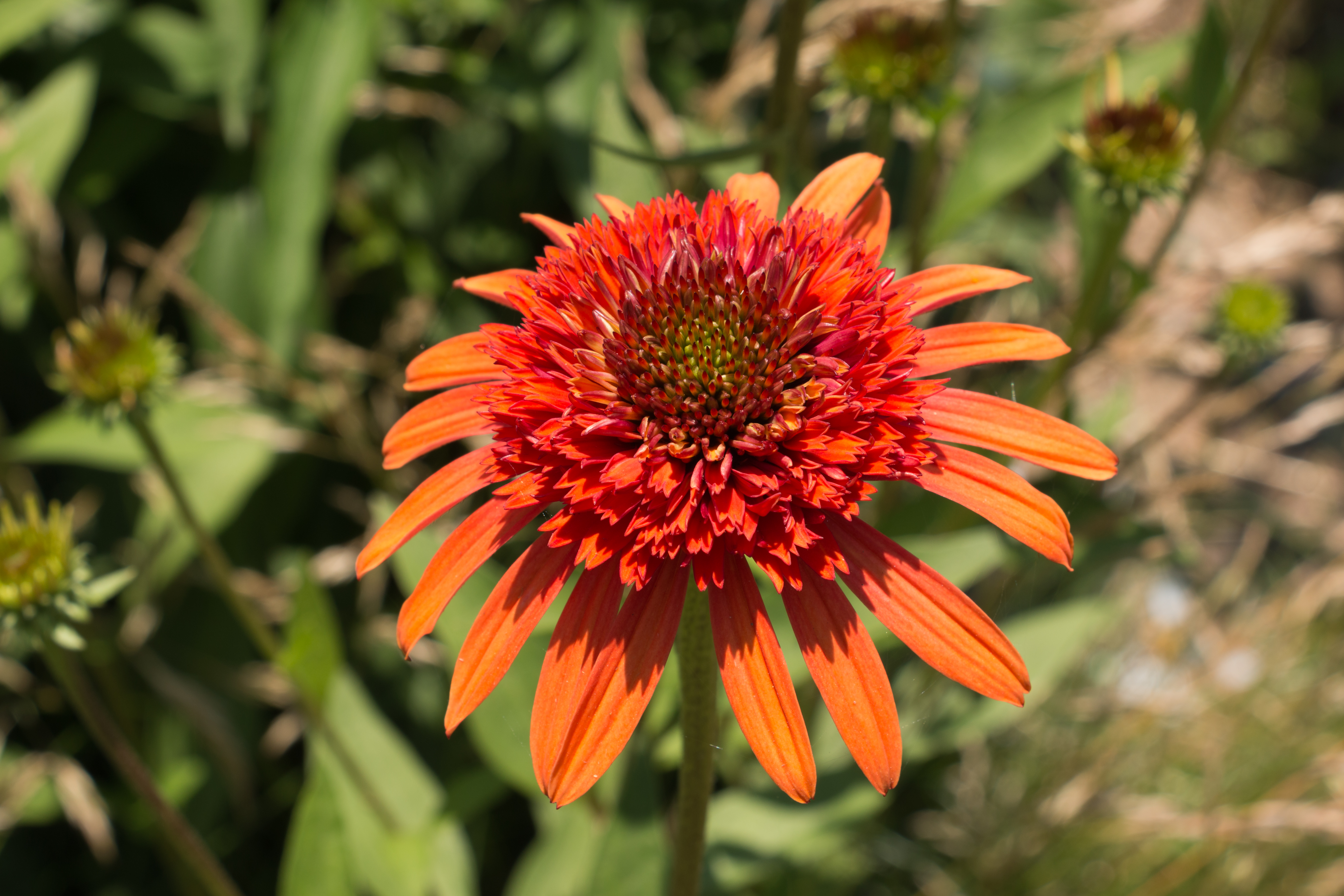
Coneflower (Echinacea purpurea): Drought-tolerant, long-blooming, and attracts butterflies.
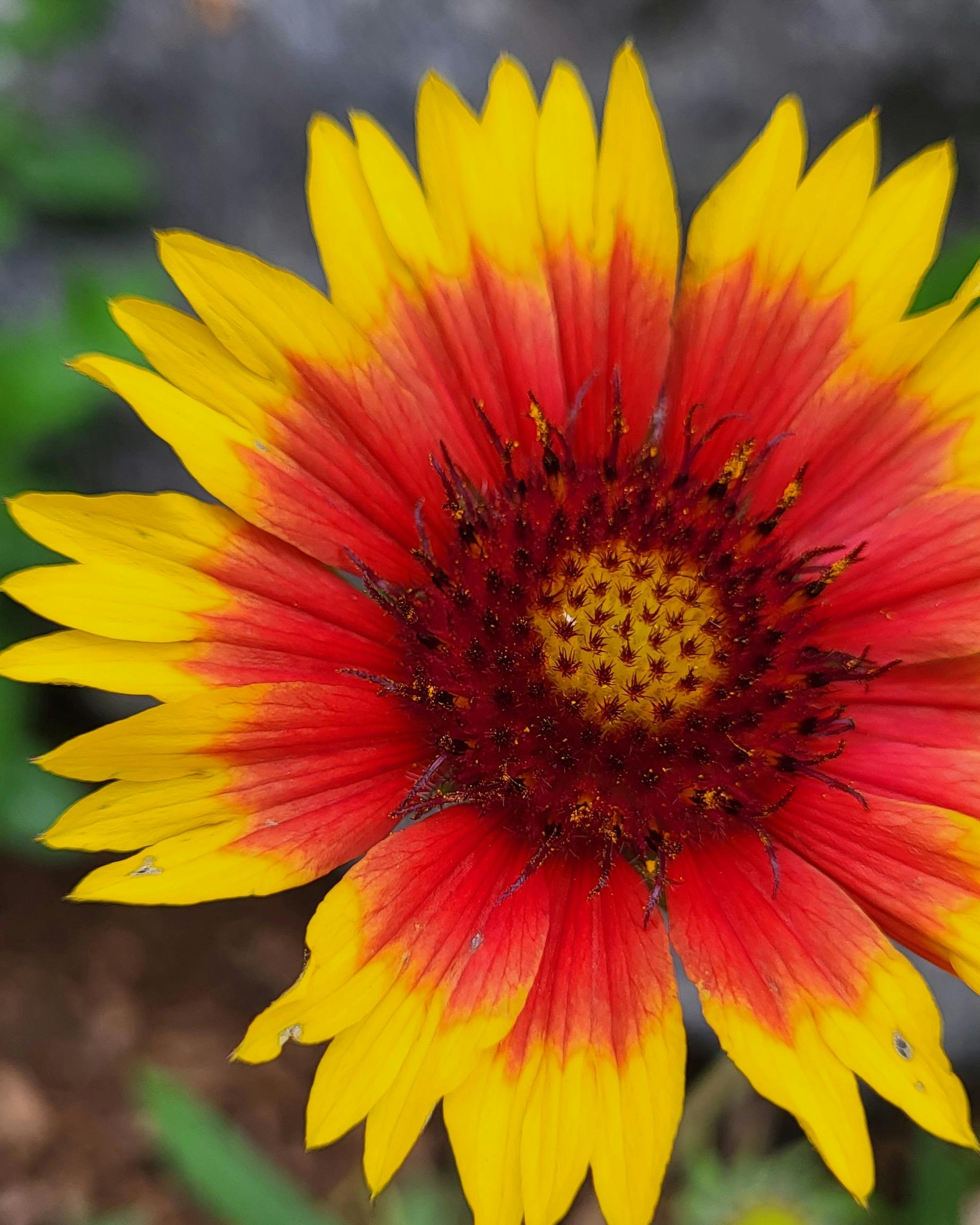
Blanket Flower (Gaillardia x grandiflora): Resilient, daisy-like flowers with warm colors.
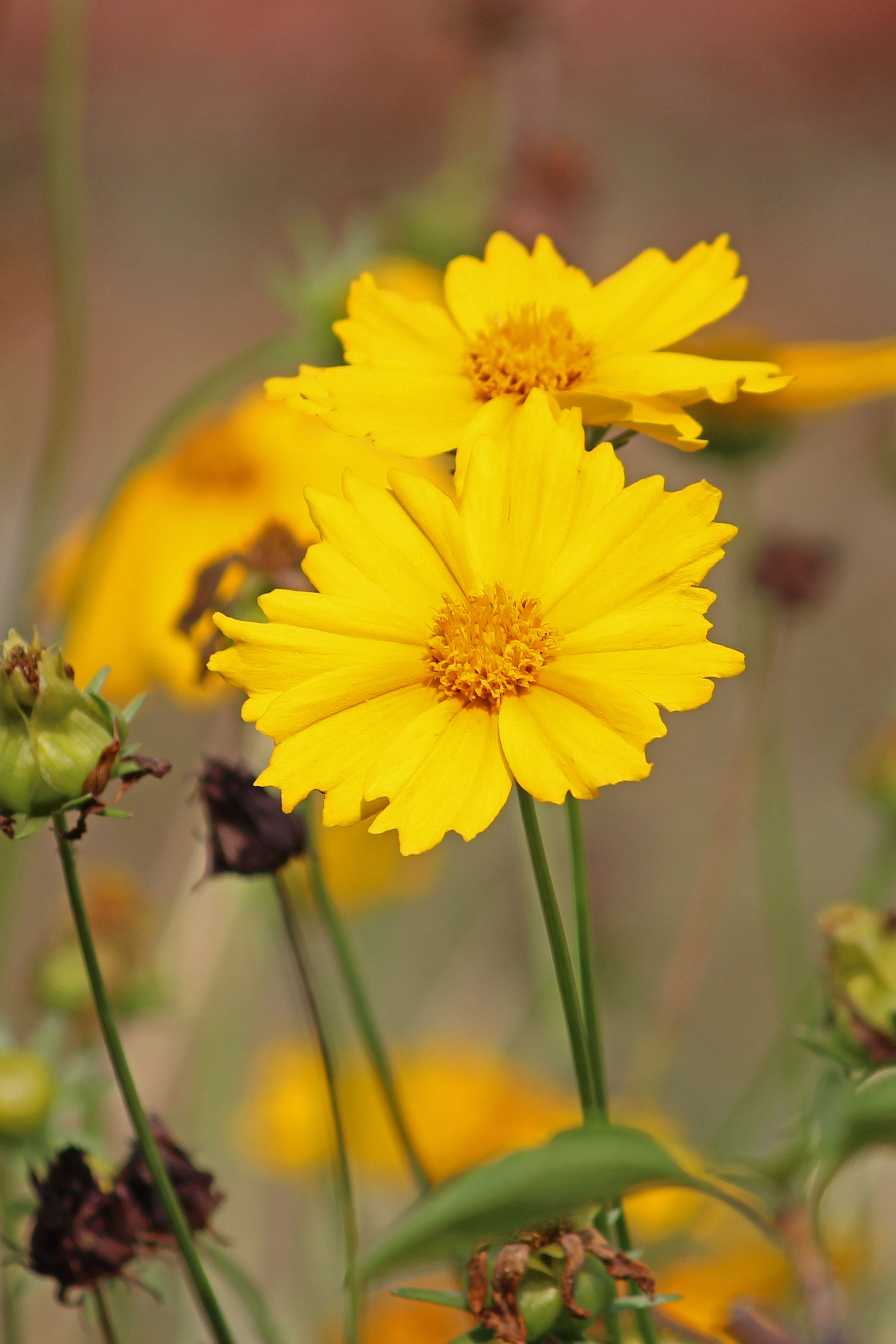
Coreopsis (Coreopsis spp.): Cheerful, often yellow or orange, daisy-like flowers.
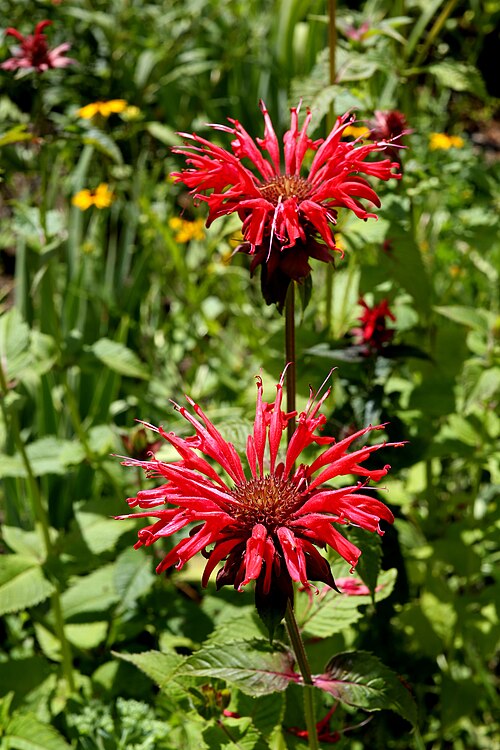
Bee Balm (Monarda didyma): Unique, spiky flowers that attract hummingbirds and bees.
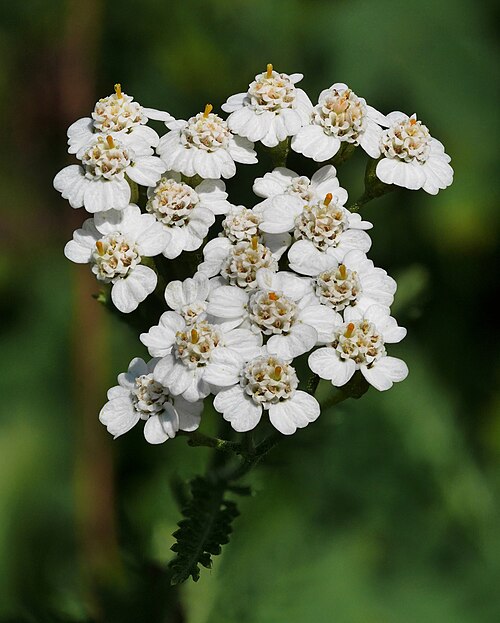
Yarrow (Achillea millefolium): Feathery foliage and flat-topped flower clusters, very drought tolerant.
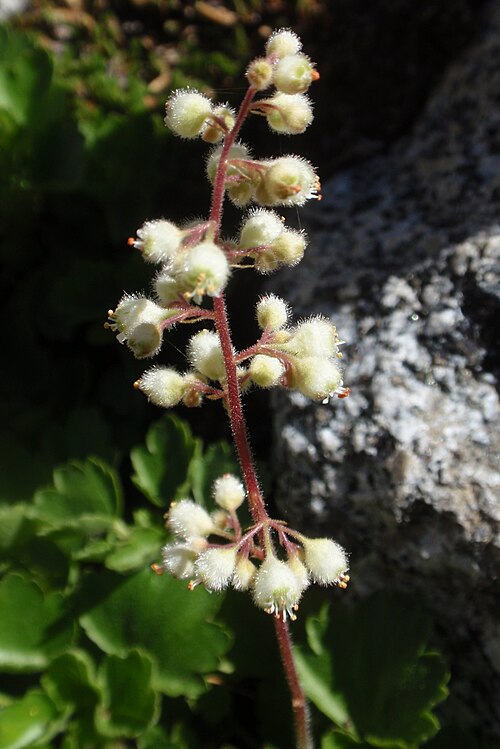
Coral Bells (Heuchera spp.): Grown more for their stunning foliage, but also have delicate flowers.
Impatiens (Impatiens walleriana): Perfect for shady spots, offering continuous blooms.
Shrubs & Trees:
- Camellia (Camellia spp.): Beautiful evergreen shrubs with stunning winter/spring flowers.
- Magnolia (Magnolia spp.): Iconic trees with large, fragrant blossoms.
- Roses (Rosa spp.): Most roses are not listed as toxic, but thorns can be a physical hazard.
- Hibiscus (Hibiscus rosa-sinensis): Tropical beauties with large, showy flowers.
- Bottlebrush (Callistemon spp.): Unique, brush-like red flowers, evergreen.
- Crape Myrtle (Lagerstroemia indica): Deciduous trees/shrubs with long-lasting summer blooms.
Foliage & Groundcovers:
Ferns (various species, e.g., Boston Fern, Kimberly Queen Fern): Many true ferns are not listed as toxic.
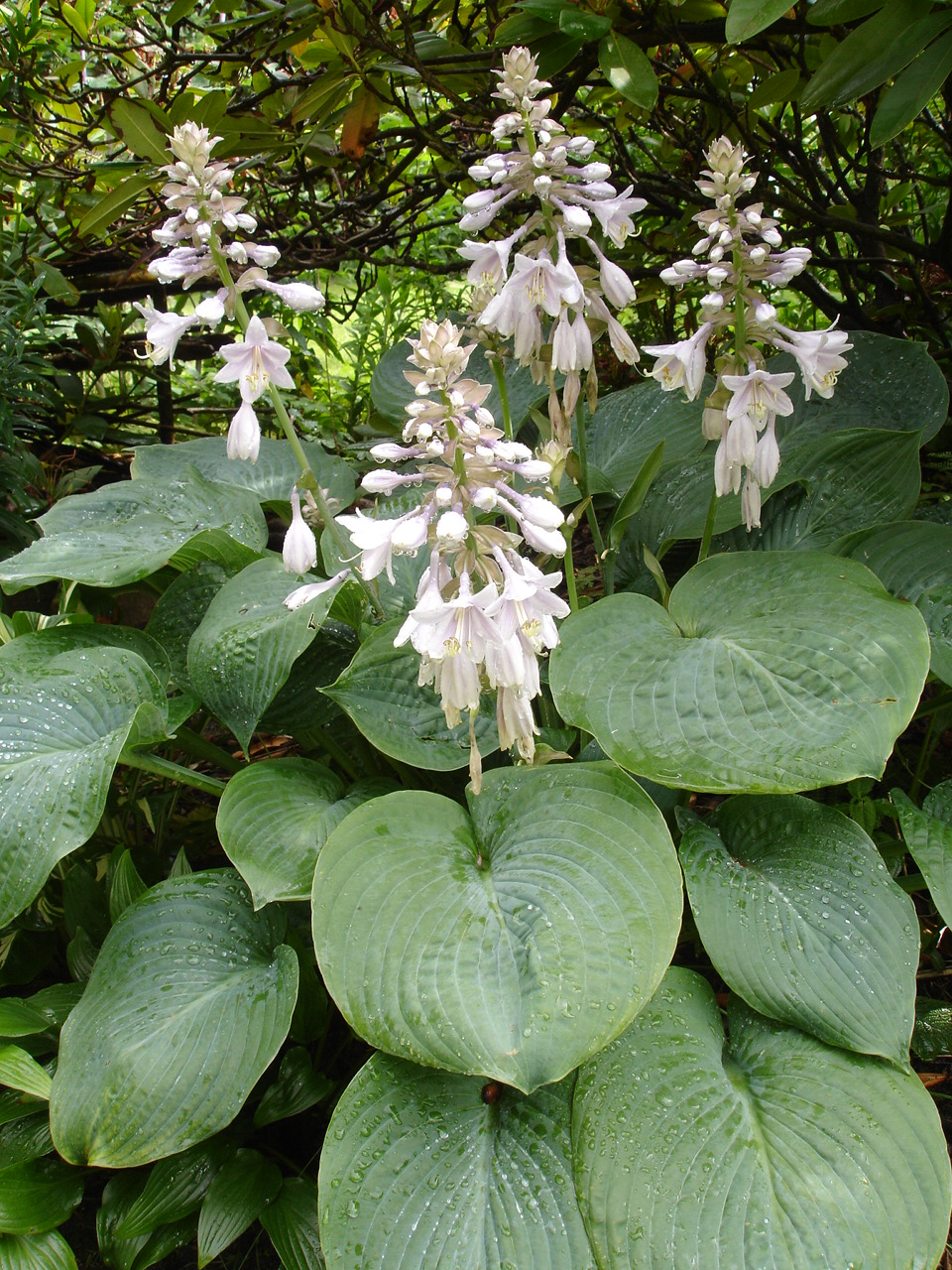
Hostas (Hosta spp.): While some sources list hostas as mildly toxic, the ASPCA does not list them. However, if your pet is a known plant chewer, you might choose to err on the side of caution.
Spider Plant (Chlorophytum comosum): A popular houseplant that also does well outdoors in shade in Zone 9.
Thyme (Thymus vulgaris): Aromatic herb that makes a great groundcover.
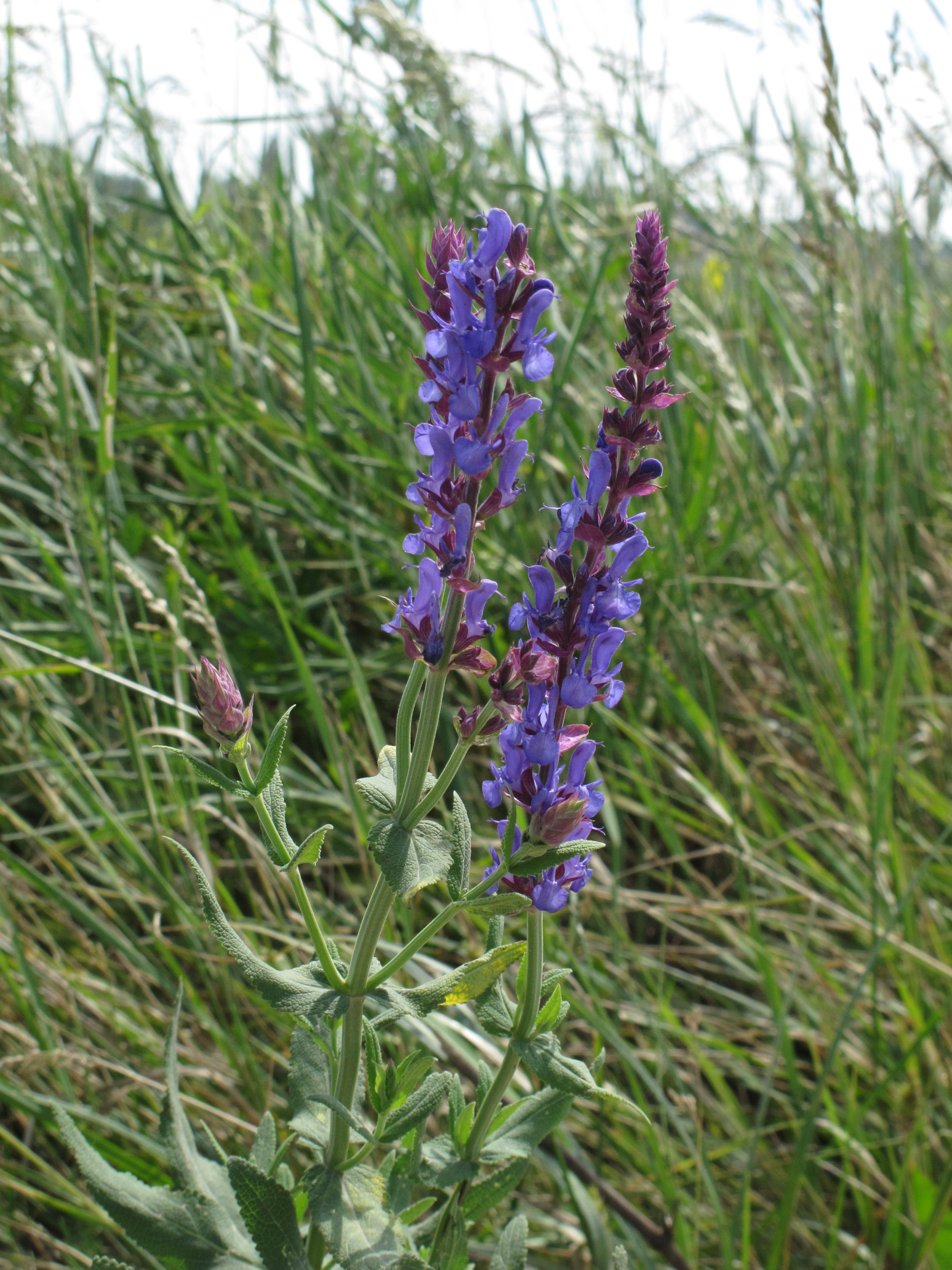
Rosemary (Salvia rosmarinus): Fragrant herb, can grow into a substantial shrub.
Quick Reference: Pet-Friendly Zone 9 Plants
| Plant Type | Pet-Friendly Options (Not listed as toxic) ## How Do I Create a Pet-Safe Garden in Zone 9?
Creating a pet-safe garden involves more than just selecting the right plants; it's about designing a space that considers your pets' natural behaviors and needs.
- Know Your Pets: Are they diggers? Chewers? Climbers? Do they have sensitive skin? Understanding their habits will help you mitigate risks.
- Strategic Planting:
- Barrier Planting: If you have a few desirable but mildly toxic plants (like roses), consider planting a dense, non-toxic hedge around them to deter access.
- Raised Beds: For smaller plants or herbs, raised beds can keep them out of paw's reach, especially from smaller dogs or cats.
- Designated "Pet Zones": Create a specific area where your pets are encouraged to play, dig, or relieve themselves, perhaps with pet-friendly groundcovers like clover or artificial turf.
- Avoid Physical Hazards: Remove sharp objects, broken pottery, or anything that could injure paws. Keep thorny plants away from high-traffic pet areas.
- Soil and Fertilizers:
- Organic is Best: Opt for organic, pet-safe fertilizers and pest control methods. Many chemical products can be harmful if ingested or absorbed through paws.
- Compost Safety: Ensure your compost pile is covered, as decomposing matter can produce toxins harmful to pets.
- Water Features:
- Safe Access: If you have a pond or pool, ensure your pets have easy entry and exit points to prevent accidental drowning.
- Clean Water: Keep water features clean and free of harmful algae or chemicals.
- Fencing and Boundaries:
- Secure Fencing: Ensure your yard is securely fenced to prevent pets from escaping or encountering dangers outside your property.
- Invisible Fencing: If using an invisible fence, combine it with training to ensure your pet understands boundaries.
- Mulch Choices:
- Avoid Cocoa Mulch: Cocoa mulch contains theobromine, the same toxic compound found in chocolate, and can be very attractive to dogs.
- Safe Alternatives: Opt for shredded bark, cedar, or pine straw. Ensure any wood mulch is not treated with chemicals.
- Pest Control:
- Integrated Pest Management (IPM): Use natural pest control methods whenever possible. Introduce beneficial insects, use neem oil, or practice companion planting.
- Read Labels: If you must use chemical pesticides, always read labels carefully and ensure they are pet-safe and applied according to directions, allowing sufficient time for drying before pets re-enter the area.
- Supervision: Even with the most pet-safe garden, supervision is key, especially with new plants or curious young pets.
How Can I Make My Zone 9 Garden More Engaging for My Pets?
A pet-safe garden isn't just about avoiding danger; it's about creating an enriching environment for your furry friends.
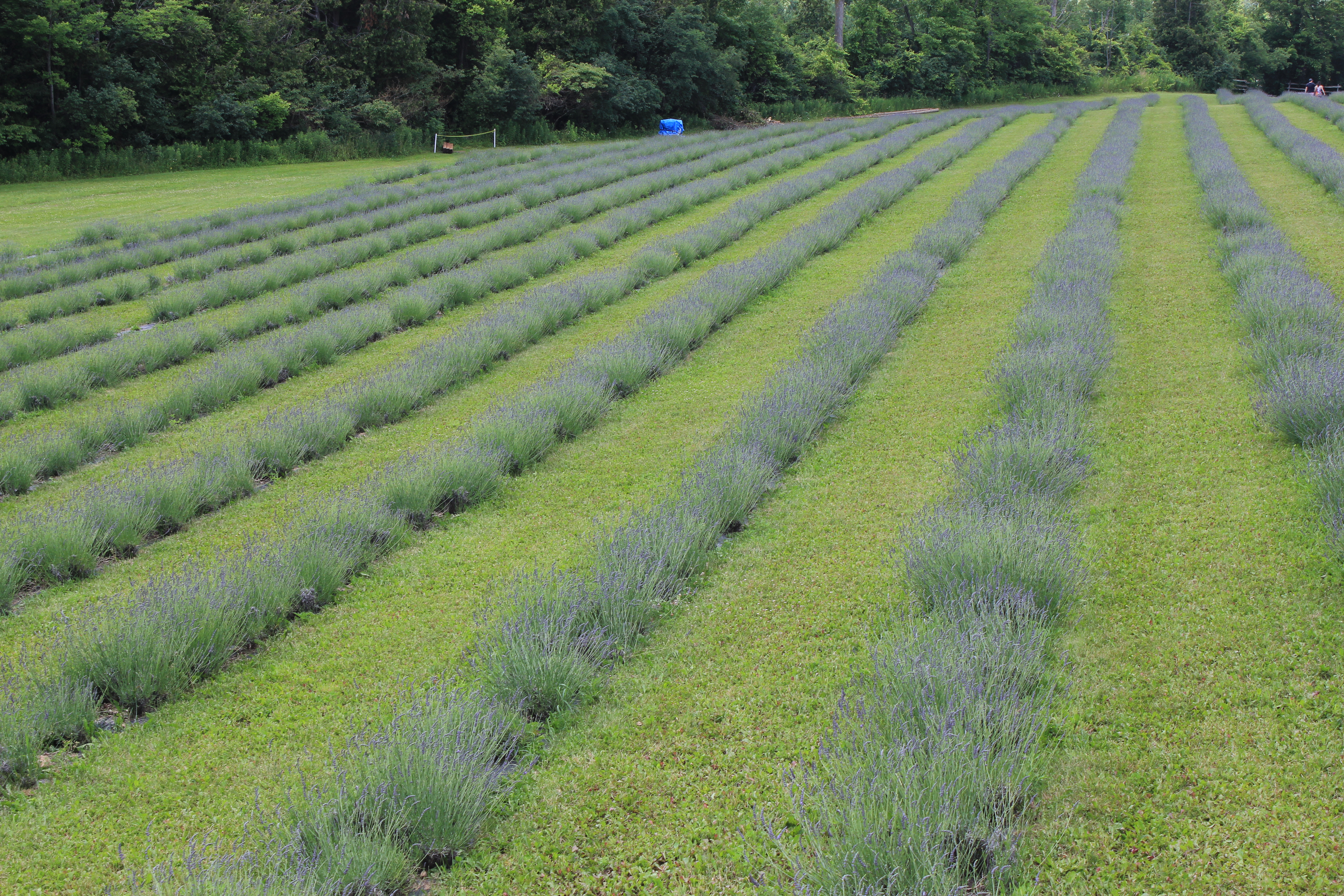
- Sensory Gardens: Plant aromatic herbs like lavender, rosemary, and catnip (for cats!) in areas your pets can safely explore. The different textures of ornamental grasses can also be stimulating.
- Shade and Shelter: Zone 9 can get hot! Provide ample shade with trees, pergolas, or shade sails. A dog house or a sheltered spot under a dense shrub can offer a cool retreat.
- Digging Pit: If you have a dog that loves to dig, create a designated digging pit filled with sand or loose soil. Bury toys or treats to encourage them to use this spot instead of your prize-winning petunias.
- Pathways: Create clear, pet-friendly pathways with soft surfaces like grass, mulch, or smooth pavers. Avoid sharp gravel that can hurt paws.
- Water Access: Always have fresh water available in a sturdy, tip-proof bowl. A small, pet-friendly fountain can also be a fun addition.
- Vertical Space for Cats: If you have cats, consider incorporating vertical elements like sturdy shelves or platforms they can climb onto to survey their domain.
By combining careful plant selection with thoughtful design and an understanding of your pets' needs, you can create a beautiful and thriving Zone 9 garden that everyone, two-legged and four-legged alike, can enjoy safely.
Ready to find the perfect plants for your yard? Try the PlantWise Plant Finder →