FTC Disclosure: This post contains affiliate links. We only recommend products and plants that we believe will be helpful and safe for your garden and pets.
If you live in USDA Hardiness Zone 3 and want to create a beautiful garden that’s safe for your furry friends, you’re in luck. There are several hardy plants that can survive the extreme cold winters of Zone 3 and are not listed as toxic to dogs or cats. Choosing pet safe plants for Zone 3 gardens means you can enjoy your outdoor space worry-free, knowing your pets won’t be harmed if they nibble on leaves or flowers. Here are 10 of the best pet safe plants that thrive in cold climates and add beauty to your garden year after year.
What Does Pet Safe Mean for Garden Plants?
When we say a plant is pet safe, we mean it is not listed as toxic by the ASPCA for dogs or cats. However, that doesn’t mean all parts of the plant are completely harmless—some plants may cause mild digestive upset if ingested in large quantities. Always supervise pets in the garden and keep an eye out for unusual behavior or symptoms. For emergencies, contact the ASPCA Animal Poison Control Center at 888-426-4435.
🌱 Get Personalized Plant Picks
Answer a few quick questions and we’ll match plants to your exact yard conditions.
Find My Plants →Why Choose Plants Suitable for Zone 3?
Zone 3 is characterized by harsh winters with minimum temperatures dropping between -40°F to -30°F (-40°C to -34°C). Plants selected for this zone must be extremely cold hardy and able to survive a short growing season. Many tropical or tender plants will not survive these conditions, so choosing native or cold-hardy perennials and shrubs is essential.
10 Best Pet Safe Plants for Zone 3 Gardens
1.
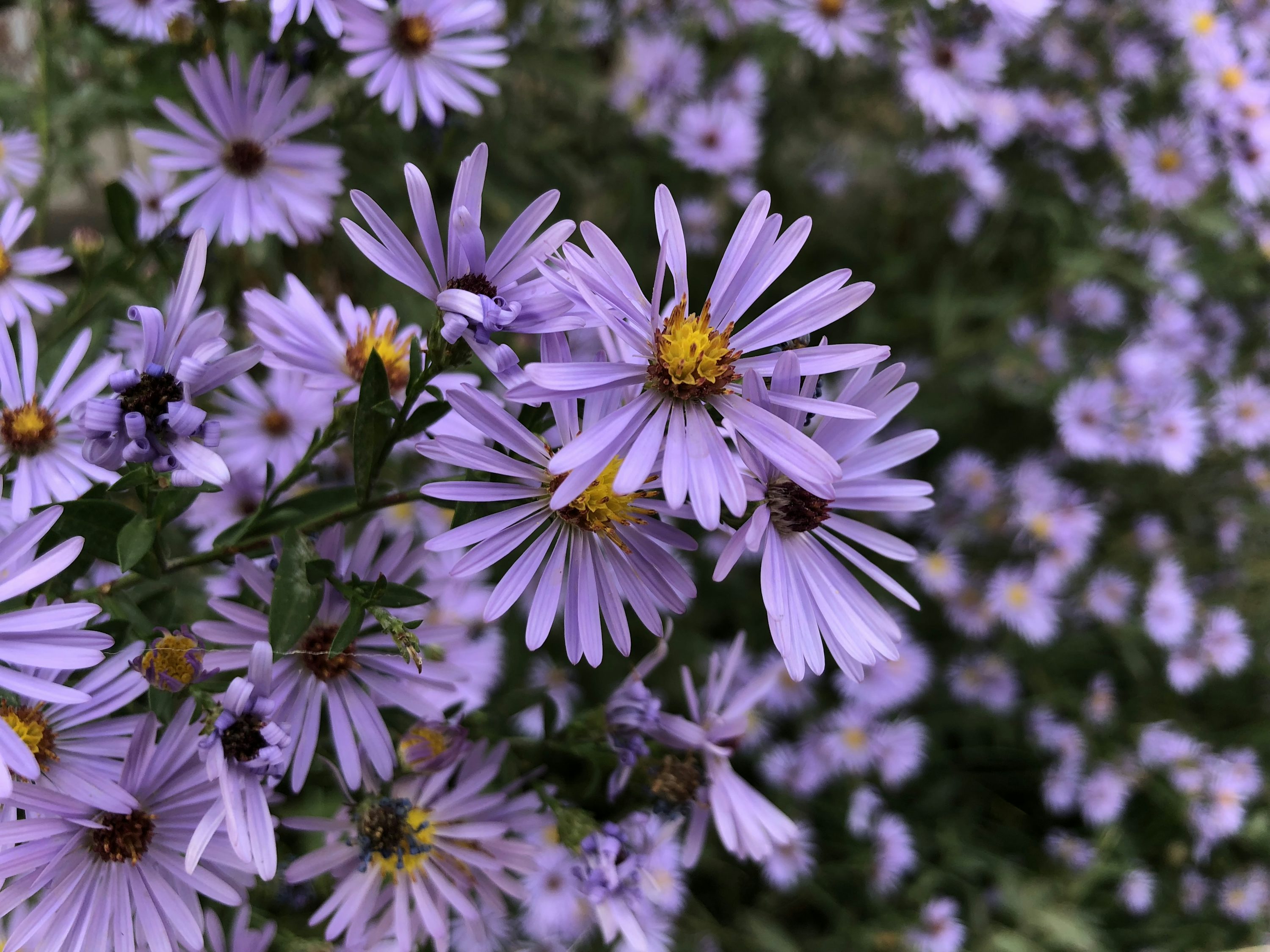
Asters are vibrant perennials known for their daisy-like flowers in late summer and fall. They are hardy to Zone 3, attract pollinators, and are not toxic to pets. Asters come in many colors including purple, pink, white, and blue, making them a great addition to any garden border.
2.
Daylilies are incredibly tough perennials that can survive cold winters and come back year after year. They produce colorful trumpet-shaped flowers throughout summer. While daylilies are not listed as toxic to dogs or cats, some lilies (true lilies in the Lilium genus) can be toxic, so make sure you have the correct species.
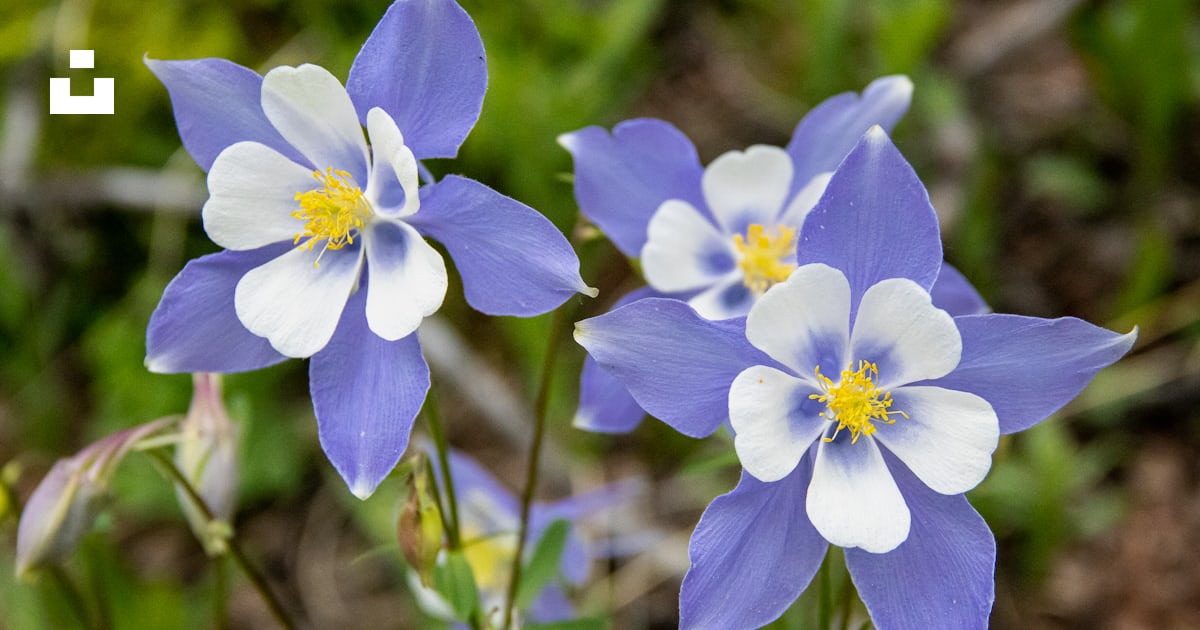
3.
Columbine is a delicate-looking perennial with uniquely shaped flowers that attract hummingbirds. It’s hardy to Zone 3, deer resistant, and not listed as toxic to pets. Columbine prefers partial shade and well-drained soil.
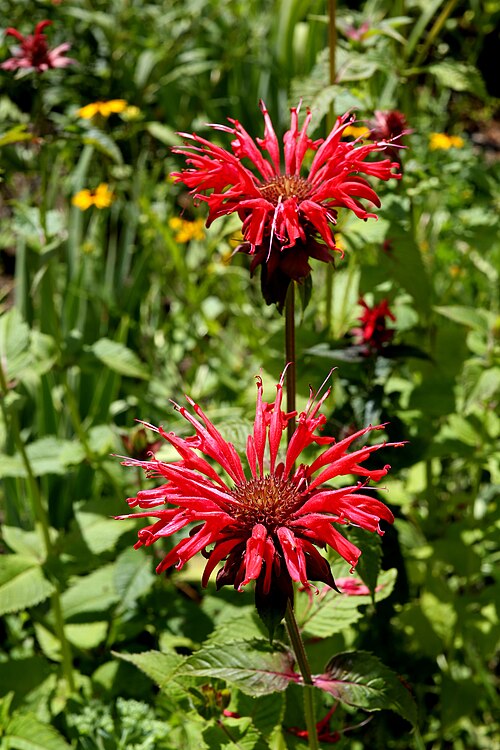
4. {{plant:bee balm}}
Bee balm is a fragrant, colorful perennial that attracts bees and butterflies. It grows well in Zone 3 and is considered safe for pets. Its vibrant red, pink, or purple flowers brighten up summer gardens.
5.
Sedum, or stonecrop, is a succulent perennial that thrives in poor soil and full sun. It’s cold hardy and not listed as toxic to pets. Sedums are low-maintenance and excellent for ground cover or rock gardens.
Additional Pet-Safe Plants to Consider
- Hens and Chicks (Sempervivum): A hardy succulent that survives cold temperatures and is safe for pets.
- Switchgrass (Panicum virgatum): An ornamental grass hardy to Zone 3 and not toxic to animals.
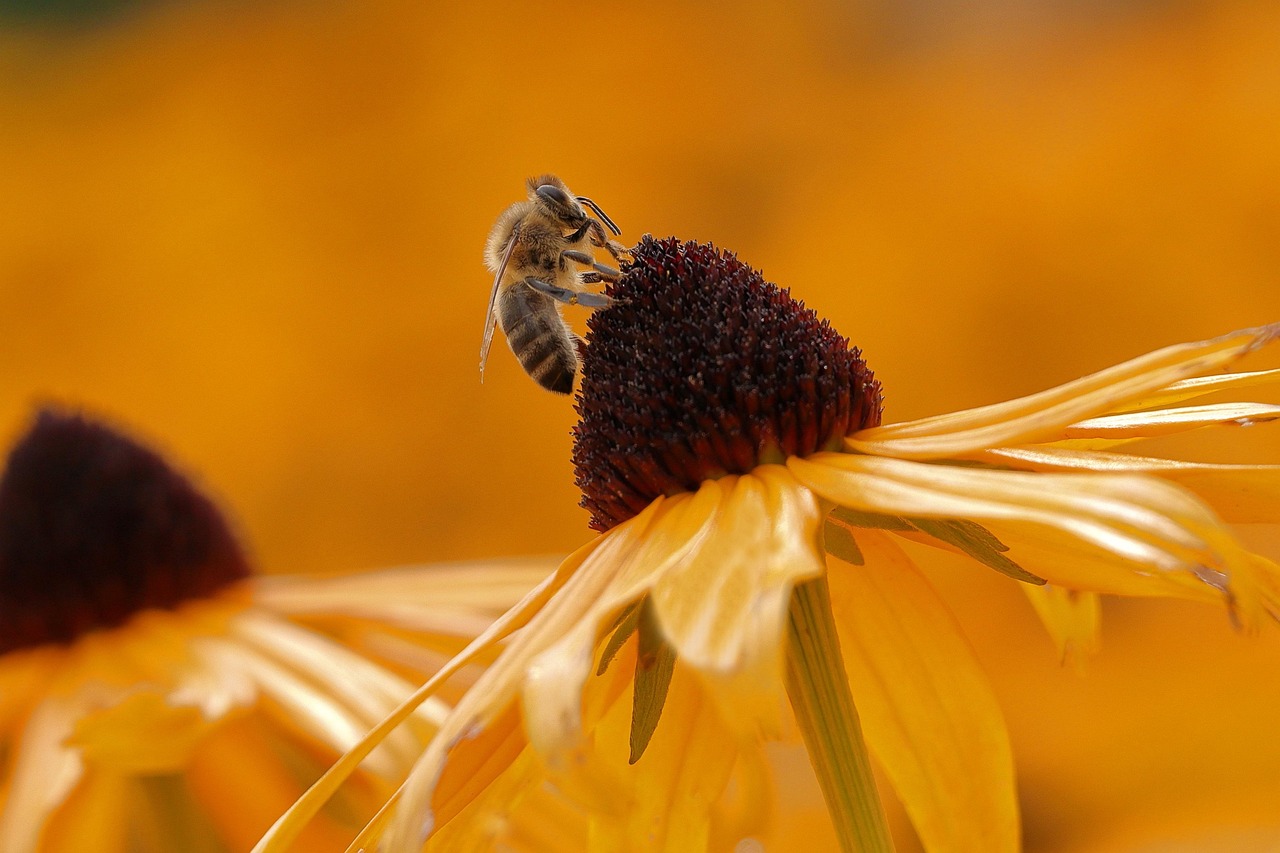
- Black-eyed Susan (Rudbeckia): A bright, cheerful flower that blooms late summer and is pet safe.
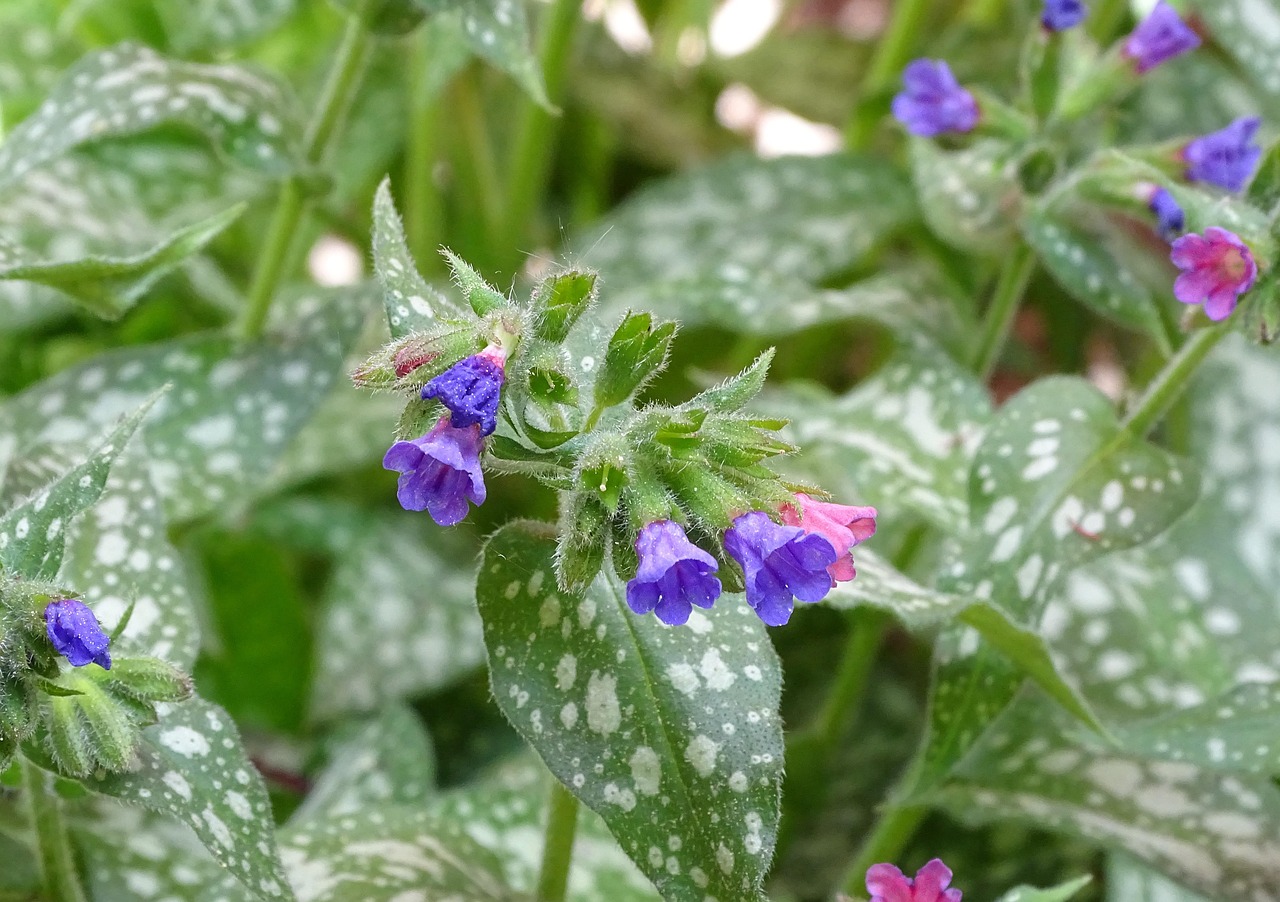
- Lungwort (Pulmonaria): A shade-loving perennial with spotted leaves and early spring flowers.
Tips for Creating a Pet-Safe Garden in Zone 3
- Always check plant toxicity before introducing new plants to your garden.
- Avoid plants in the Lilium, Narcissus, and Euphorbia genera, as many are toxic to cats and dogs.
- Use fencing or barriers to protect delicate plants from curious pets.
- Provide plenty of pet-friendly grass or designated digging areas to discourage chewing on plants.
- Mulch with pet-safe materials like shredded bark instead of cocoa mulch, which is toxic.
What About Wildlife Resistance?
While some plants are labeled as deer or rabbit resistant, no plant is completely immune to hungry wildlife. If you live in an area with heavy deer or rabbit populations, consider additional deterrents like fencing or repellents. Our recommendations focus on pet safety, but wildlife resistance can vary greatly by region and local animal behavior.
Final Thoughts
Gardening in Zone 3 with pets doesn’t have to be difficult or risky. By choosing cold-hardy plants that are not listed as toxic to dogs or cats, you can create a beautiful, vibrant garden that welcomes your pets safely. From colorful perennials like asters and bee balm to hardy succulents like sedum, there are plenty of options to brighten your yard throughout the growing season.
Remember to always keep the ASPCA hotline (888-426-4435) handy in case of emergencies and consult with your veterinarian if your pet shows any signs of poisoning.
Ready to find the perfect plants for your unique Zone 3 garden? Use our Plant Finder wizard at /wizard to discover more pet safe plants tailored to your climate and garden conditions.