Complete Pollinator Garden Guide for Zone 10
Creating a thriving pollinator garden in USDA Zone 10 involves selecting a diverse array of plants that provide continuous blooms, nectar, and pollen throughout the year, capitalizing on the region's warm, often frost-free climate. Focus on native plants adapted to tropical and subtropical conditions, ensuring a variety of flower shapes, sizes, and colors to attract a wide range of pollinators, from bees and butterflies to hummingbirds and even bats. Incorporate host plants for butterfly larvae, provide water sources, and practice organic gardening methods to support a healthy ecosystem. This guide will walk you through everything you need to know to establish a vibrant, buzzing haven in your Zone 10 landscape.
🌱 Get Personalized Plant Picks
Answer a few quick questions and we’ll match plants to your exact yard conditions.
Find My Plants →Why is a Pollinator Garden So Important in Zone 10?
Zone 10, encompassing regions like South Florida, parts of California, and coastal areas of the Gulf Coast, boasts a long growing season and a rich diversity of plant and animal life. This warm climate means pollinators are active year-round, making it crucial to provide a continuous food supply. Pollinators, including bees, butterflies, moths, hummingbirds, and even some beetles and flies, are essential for the reproduction of over 75% of the world's flowering plants and about 35% of global food crops. Without them, our ecosystems would suffer dramatically, and our food supply would be severely impacted.
In Zone 10, development and habitat loss can threaten local pollinator populations. By dedicating a portion of your yard to a pollinator garden, you're not just creating a beautiful space; you're providing vital resources, contributing to local biodiversity, and helping to maintain the delicate balance of nature in your community.
What are the Best Plants for a Zone 10 Pollinator Garden?
The key to a successful Zone 10 pollinator garden is year-round bloom and diversity. Prioritize native plants as they are best adapted to your local climate and soil conditions, and they have co-evolved with local pollinators, providing the most beneficial food sources. However, many well-adapted non-native plants can also contribute significantly.
When selecting plants, consider:
- Bloom Time: Choose plants that flower in different seasons to ensure a continuous supply of nectar and pollen.
- Flower Shape and Color: Different pollinators are attracted to different flower types. Bees prefer blue, purple, and yellow, while hummingbirds are drawn to red and orange tubular flowers. Butterflies like flat-topped clusters for landing.
- Host Plants: Don't forget plants that serve as food for butterfly and moth larvae (caterpillars). No host plants, no butterflies!
- Layering: Plant in layers, from groundcovers to shrubs and small trees, to create diverse habitats.
Here are some excellent choices for Zone 10, categorized by their primary pollinator appeal:
For Bees (Honeybees, Bumblebees, Native Bees)
Bees are attracted to a wide range of colors, especially blue, purple, yellow, and white. They prefer flowers with open structures or shallow tubes.
- Florida Native Options:
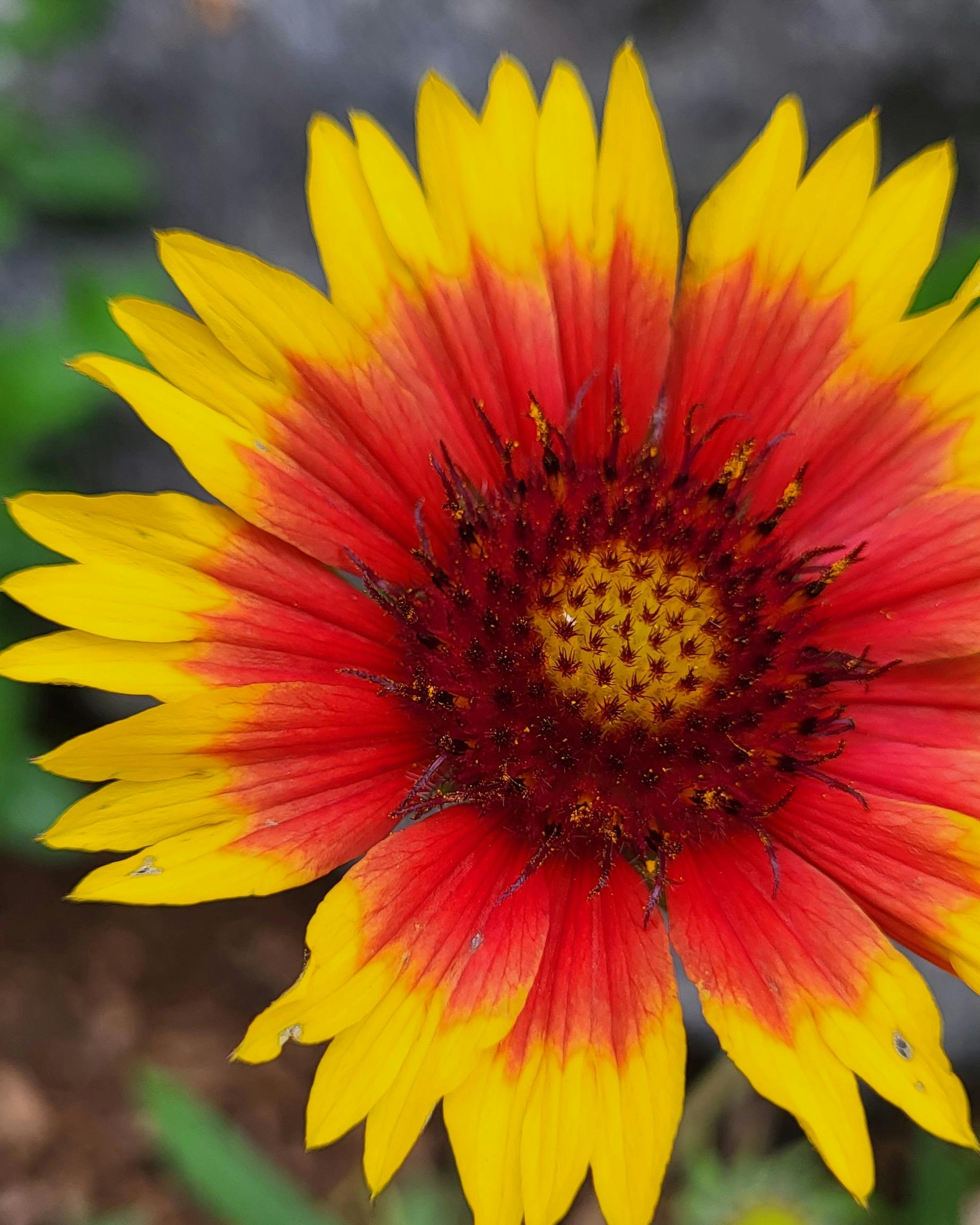
Blanket Flower (Gaillardia pulchella): Bright, daisy-like flowers that bloom almost year-round.
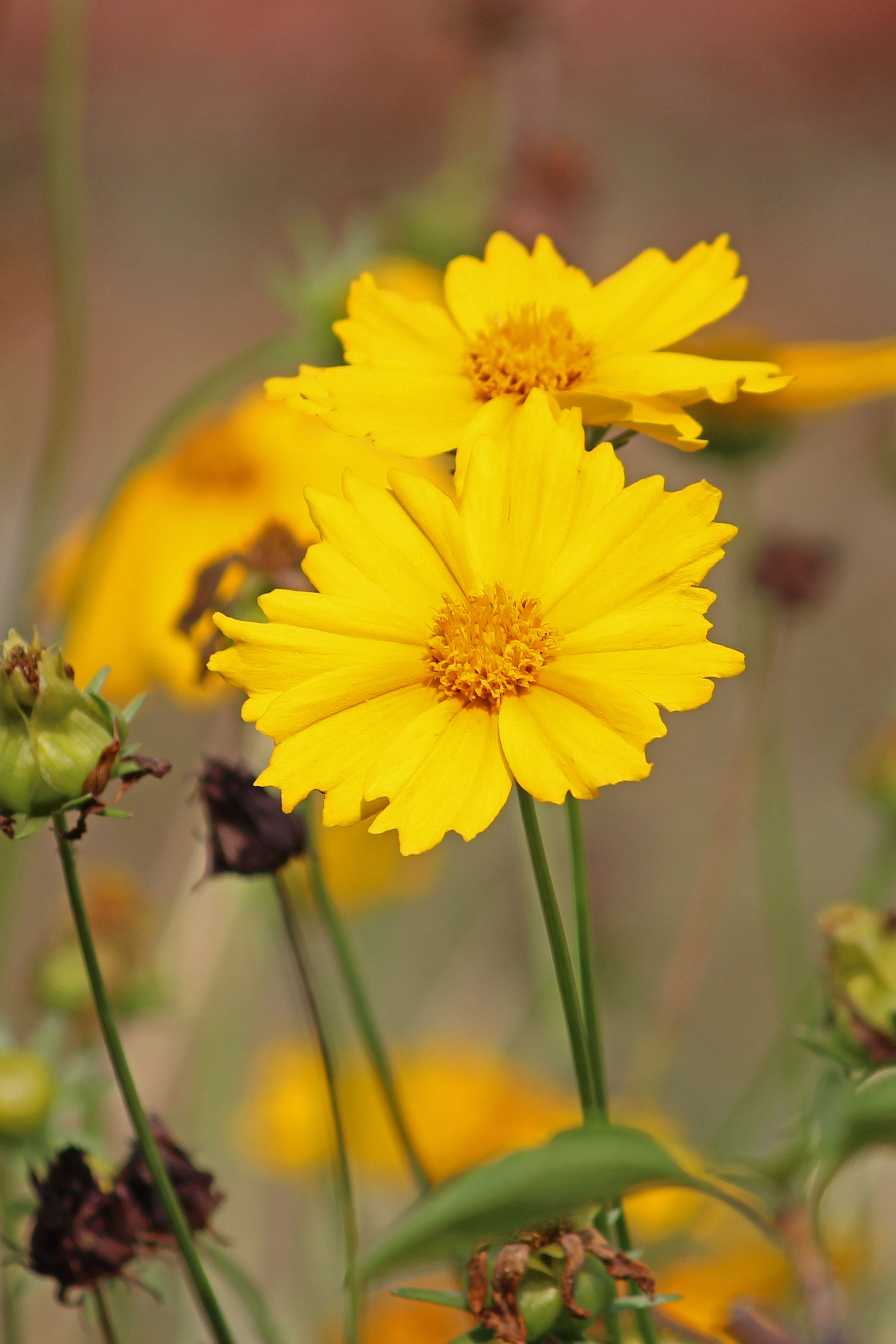
Coreopsis (Coreopsis spp.): Cheerful yellow flowers, many native species.
Saw Palmetto (Serenoa repens): A small palm with highly attractive flowers for bees.
Tickseed (Bidens alba): A common "weed" that is a fantastic nectar source.
- Other Great Choices:
For Butterflies (Monarchs, Swallowtails, Fritillaries, etc.)
Butterflies need landing pads and prefer bright colors like red, orange, yellow, pink, and purple. They also need host plants for their caterpillars.
- Nectar Plants:
- Milkweed (Asclepias spp.): Essential for Monarch butterflies as both a nectar source and a host plant. Choose native species like Tropical Milkweed (Asclepias curassavica) or Butterfly Milkweed (Asclepias tuberosa).
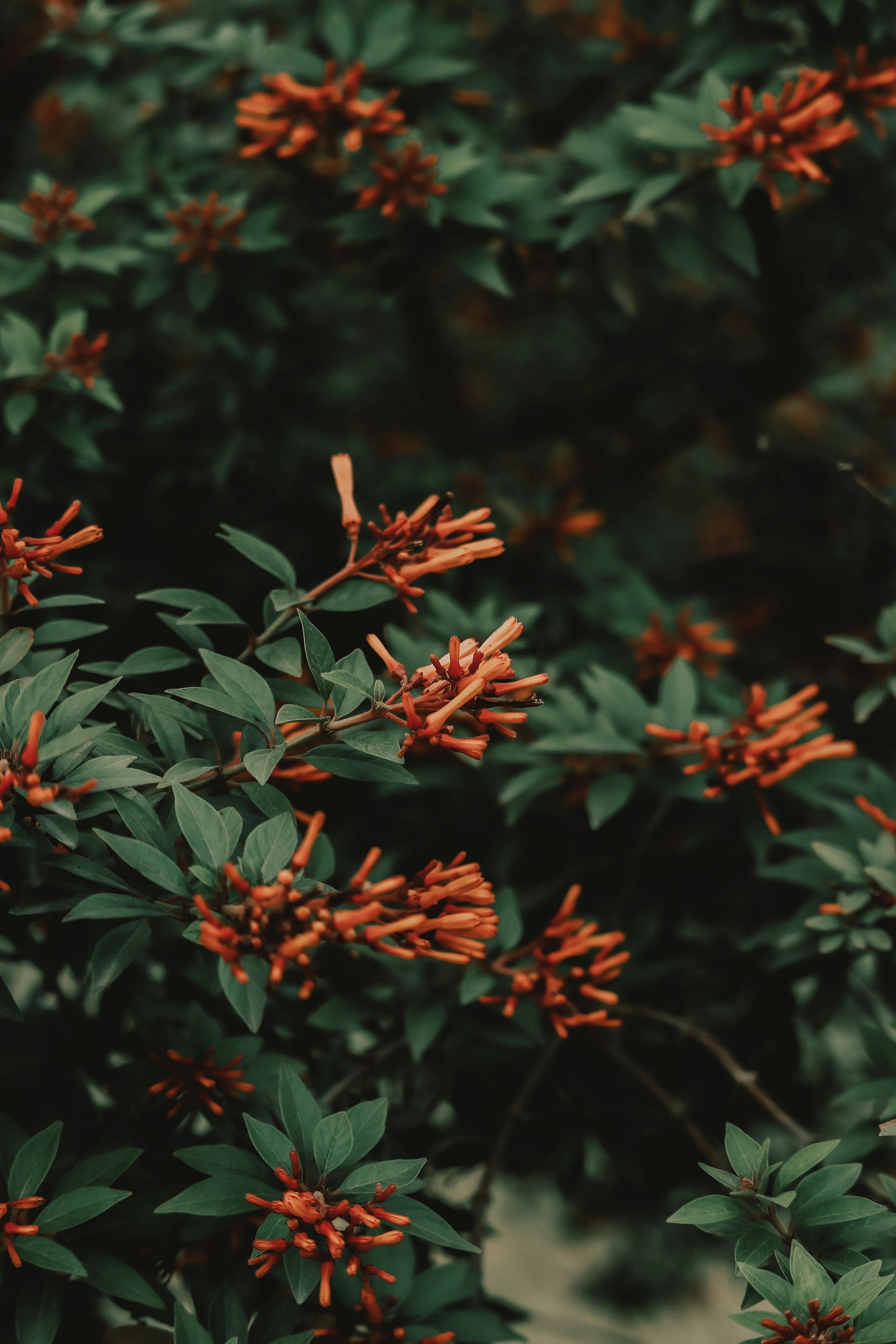
- Firebush (Hamelia patens): A fast-growing shrub with orange-red tubular flowers.
- Porterweed (Stachytarpheta jamaicensis): Spikes of small blue or purple flowers.
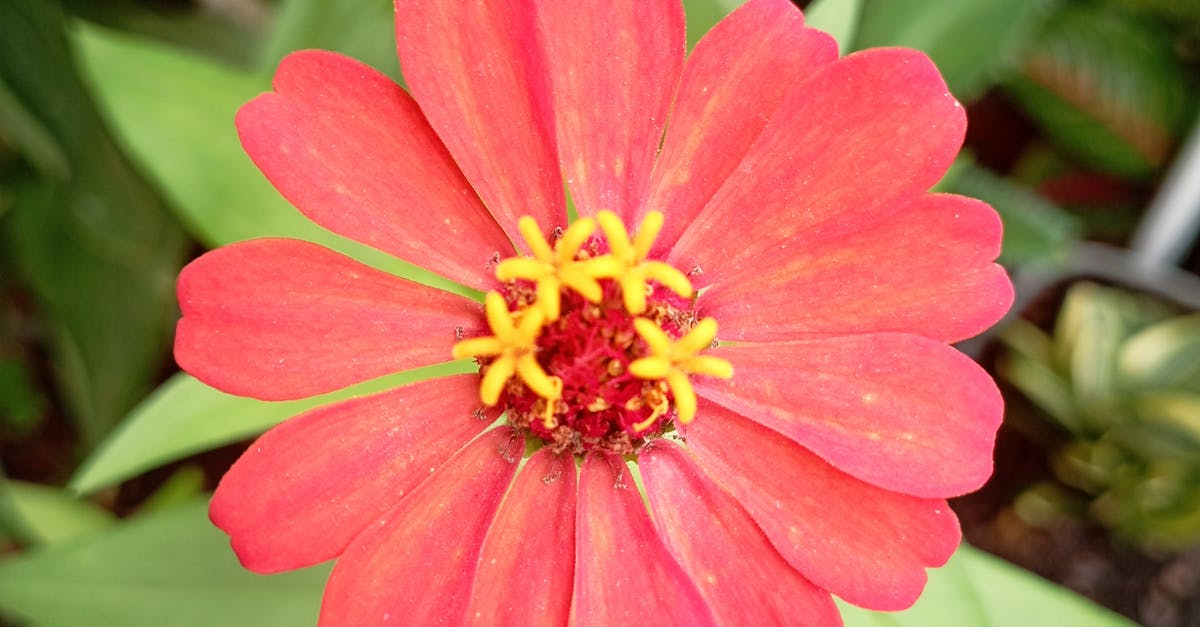
- Zinnia (Zinnia elegans): Easy to grow annuals with large, colorful blooms.
- Mexican Sunflower (Tithonia rotundifolia): Tall plants with vibrant orange flowers.
- Host Plants (critical for butterfly reproduction):
- Milkweed (Asclepias spp.): Monarchs
- Parsley, Fennel, Dill, Rue (Apiaceae family): Black Swallowtails
- Passion Vine (Passiflora spp.): Fritillaries
- Citrus Trees (Citrus spp.): Giant Swallowtails
- Cassia (Senna alata): Sulphurs
For Hummingbirds
Hummingbirds are attracted to red, orange, and pink tubular flowers.
- Firebush (Hamelia patens): Excellent for hummingbirds.
- Coral Honeysuckle (Lonicera sempervirens): A native vine with red-orange tubular flowers.
- Firespike (Odontonema strictum): Tall spikes of red flowers in fall and winter.
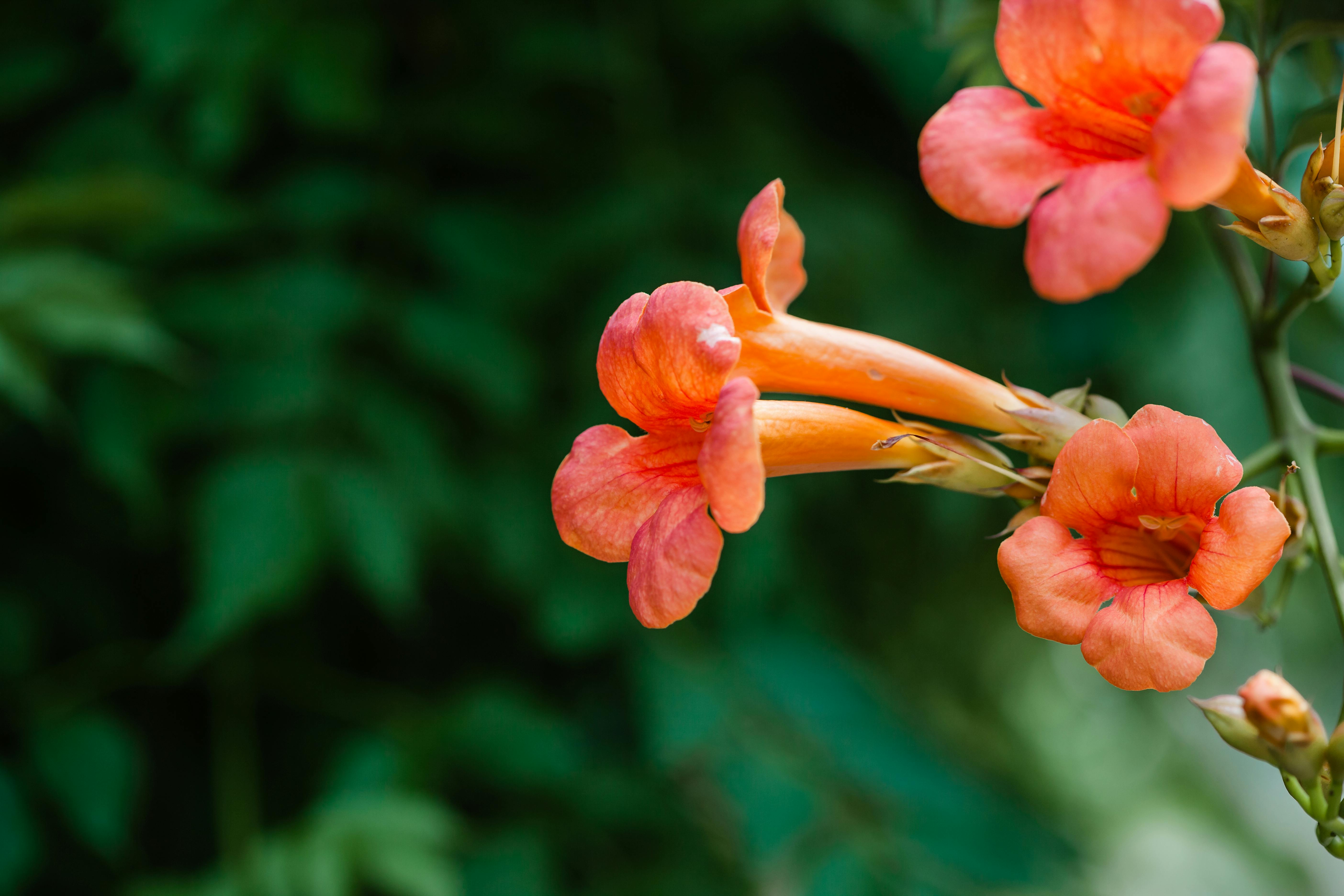
- Trumpet Vine (Campsis radicans): A vigorous vine with large, trumpet-shaped flowers.
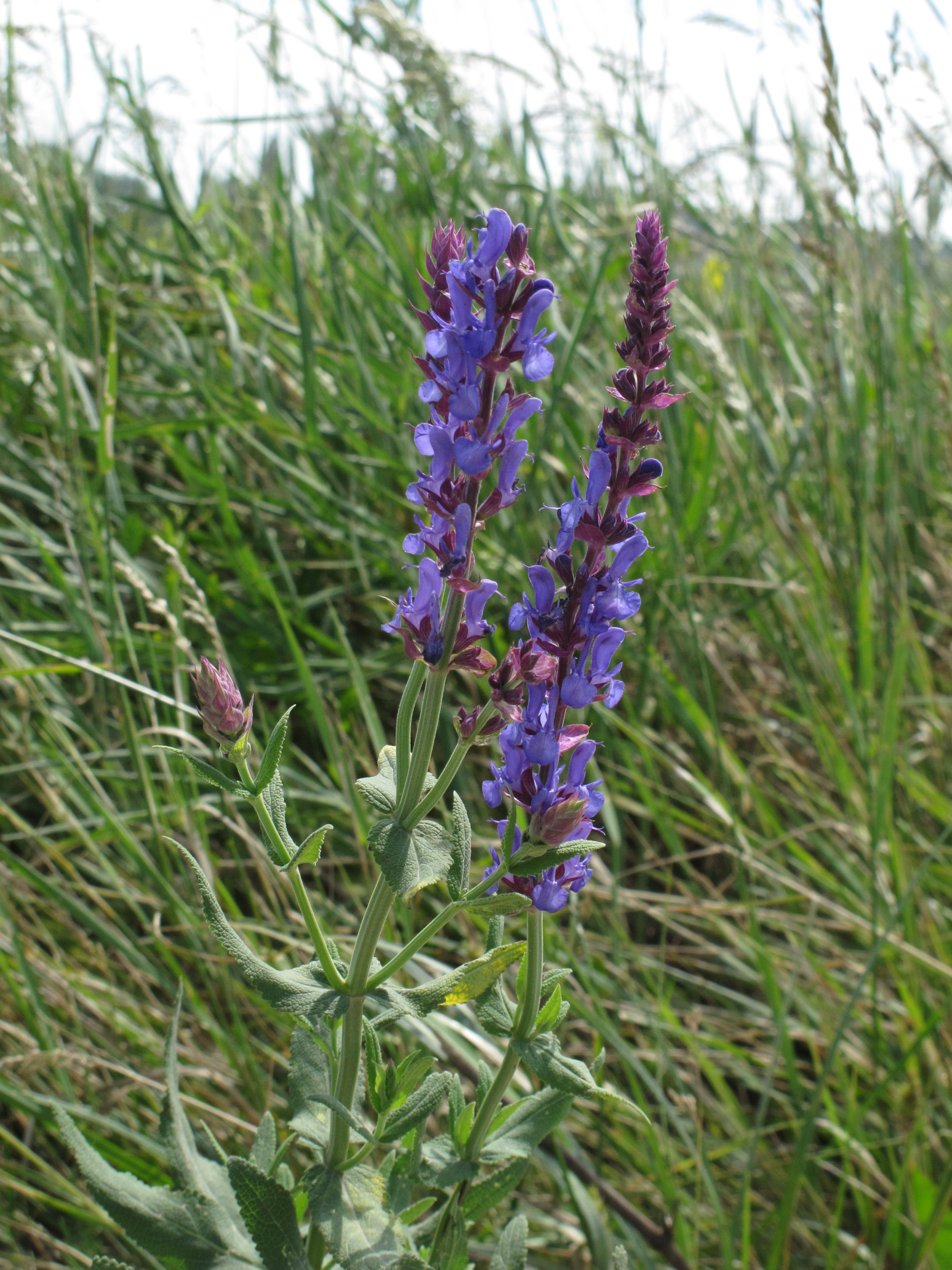
- Red Salvia (Salvia splendens): Bright red tubular flowers.
Other Useful Plants
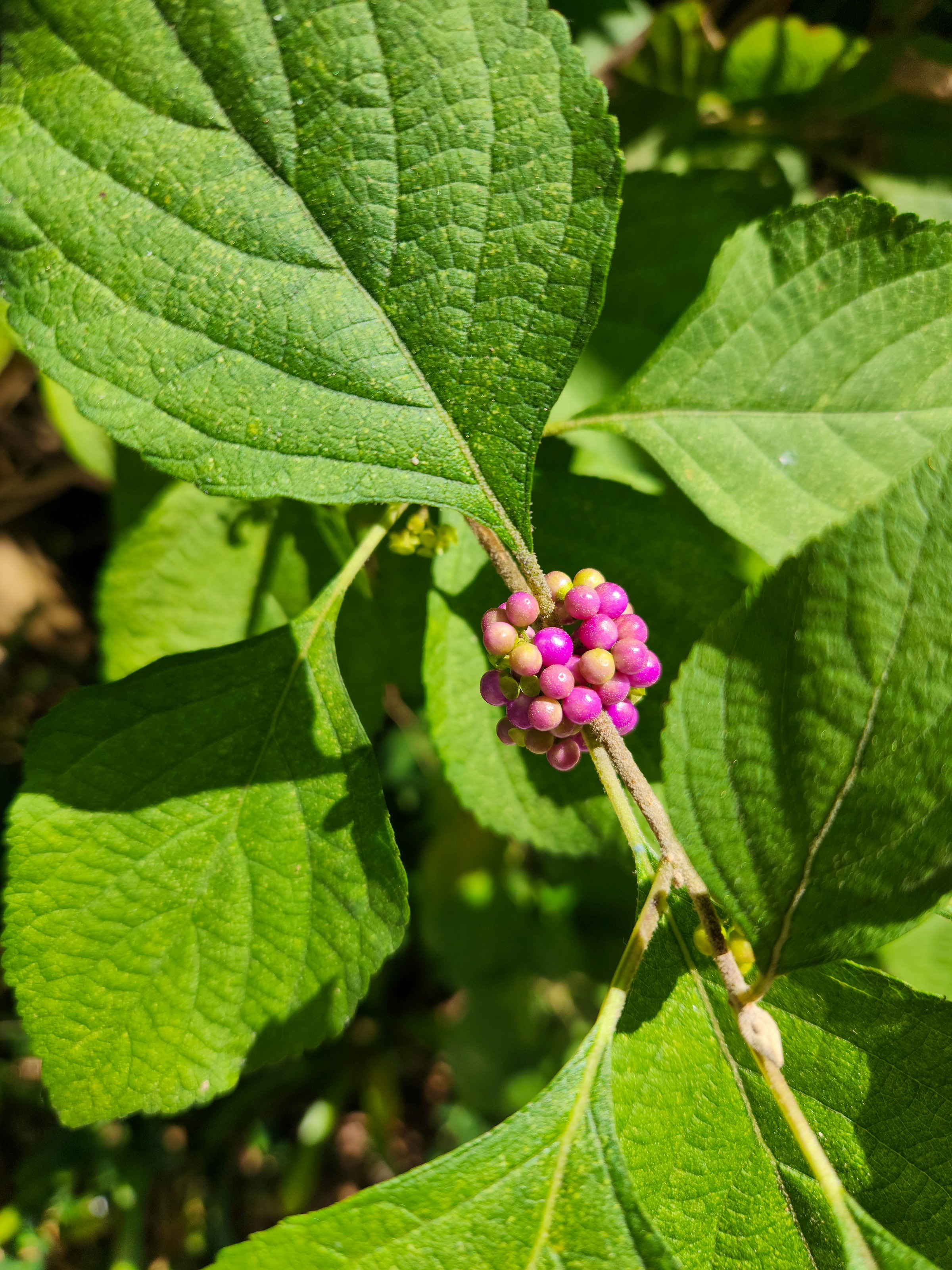
Beautyberry (Callicarpa americana): While its flowers are small, the berries are a food source for birds, and it adds structure.
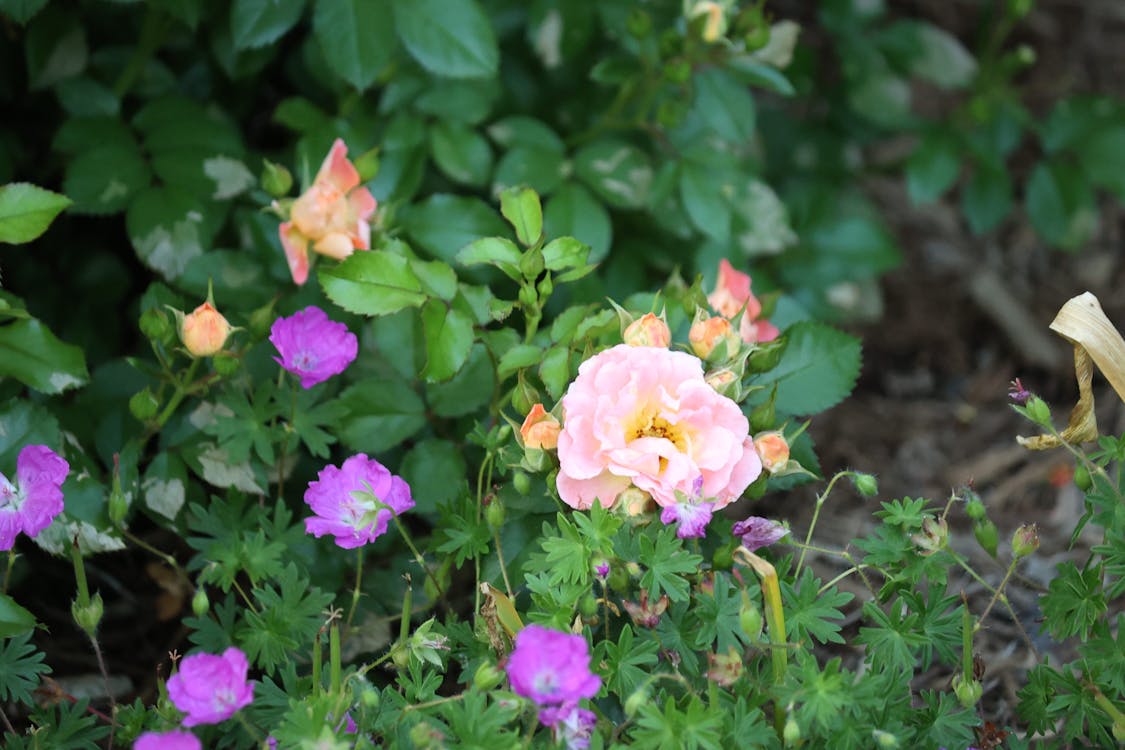
Drift Rose (Rosa 'Drift' series): Many roses offer pollen and nectar, especially single-petal varieties.
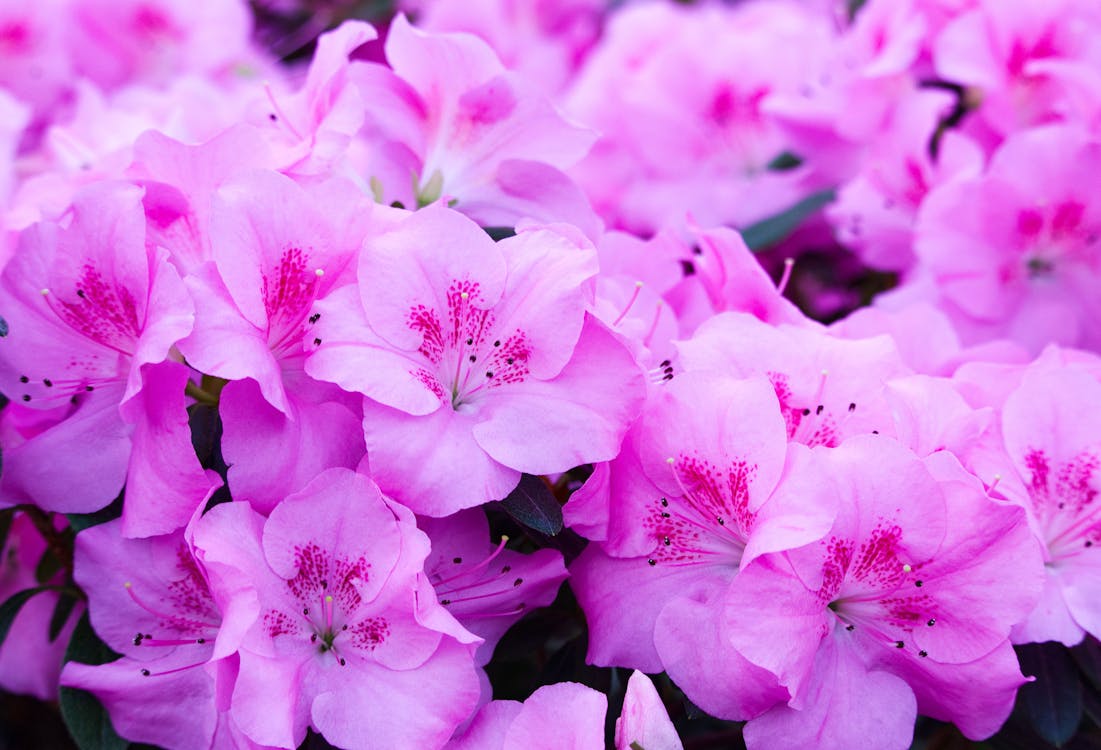
Azalea Encore (Rhododendron 'Encore' series): Provides seasonal blooms for early pollinators.
How Do I Design and Maintain a Zone 10 Pollinator Garden?
Designing and maintaining your pollinator garden for Zone 10 involves thoughtful planning and consistent, earth-friendly practices.
Design Considerations
- Site Selection: Choose a spot that receives at least 6 hours of direct sunlight daily. Pollinators need warmth to be active.
- Mass Plantings: Plant in drifts or clusters of the same species rather than single plants. This creates a larger visual target for pollinators and makes foraging more efficient.
- Layering: Incorporate plants of varying heights - groundcovers, perennials, shrubs, and small trees - to provide diverse habitats and food sources.
- Water Source: Provide a shallow water source. A bird bath with pebbles or a butterfly puddler (a shallow dish with wet sand) can be a lifesaver for pollinators.
- Shelter: Include some larger shrubs or small trees to offer shelter from wind and rain, and potential nesting sites. Brush piles or log piles can also provide habitat.
- Avoid Perfect Tidiness: Leave some leaf litter or spent plant stalks over winter (if you have one, though less common in Zone 10) as these provide overwintering sites for beneficial insects.
Maintenance Practices
- Watering: Zone 10 can experience dry periods. Water newly planted gardens regularly until established. Once established, many native plants are drought-tolerant, but supplemental watering during prolonged dry spells is beneficial. Consider drip irrigation for efficiency.
- Pest Control: Avoid pesticides entirely. Even "organic" pesticides can harm beneficial insects. A healthy, diverse garden will often manage pests naturally. If you have an outbreak, try manual removal or insecticidal soap as a last resort, applied very carefully.
- Fertilizing: Most native plants thrive in lean soil and don't require much fertilizer. If needed, use a slow-release organic fertilizer sparingly.
- Weeding: Keep weeds under control, especially when plants are young, as they compete for resources.
- Deadheading/Pruning: Deadhead spent flowers to encourage more blooms, especially for annuals and some perennials. Prune shrubs as needed for shape and health, but avoid heavy pruning during peak bloom times.
- Succession Planting: For annuals, plant new batches every few weeks to ensure continuous blooms. For perennials, choose varieties with staggered bloom times.
Quick Reference: Pollinator Garden Checklist for Zone 10
| Feature | Action |
|---|---|
| Plant Selection | Diverse native plants; continuous bloom; host plants; various flower shapes/colors |
| Sunlight | 6+ hours direct sun daily |
| Water Source | Shallow bird bath or butterfly puddler |
| Shelter | Shrubs, small trees, brush piles |
| Pest Management | NO PESTICIDES (chemical or organic) |
| Soil | Well-draining, amended with compost if needed |
| Planting Style | Mass plantings for visual impact and foraging efficiency |
| Maintenance | Water as needed, minimal fertilizing, deadhead for more blooms |
What Other Elements Support Pollinators in Zone 10?
Beyond plants, several other elements can significantly enhance your pollinator garden and create a truly welcoming habitat.
- "Wild" Areas: Consider leaving a small, undisturbed section of your yard. Patches of bare soil are crucial for ground-nesting bees. Piles of logs or branches provide shelter for various insects.
- Bee Houses: For solitary native bees, consider installing a bee house. These are typically made of wood blocks with drilled holes or bundles of hollow stems. Ensure they are well-maintained and cleaned annually to prevent disease. Avoid "bee hotels" that use plastic tubes or cannot be cleaned, as these can harbor parasites.
- Organic Practices: This cannot be stressed enough. Any chemical pesticides, herbicides, or even some fungicides can be detrimental to pollinators and the entire ecosystem. Embrace organic gardening methods, focusing on soil health and natural pest control.
- Education: Learn about the specific pollinators in your region. The more you know, the better you can tailor your garden to their needs. Share your knowledge with neighbors and inspire others to create pollinator-friendly spaces.
By following this guide, you'll be well on your way to creating a vibrant, buzzing, and beautiful pollinator garden that thrives in your Zone 10 landscape, supporting essential wildlife and adding immense beauty to your home.
If you suspect your pet has ingested a toxic plant, call the ASPCA Animal Poison Control Center immediately at (888) 426-4435.
Ready to find the perfect plants for your yard? Try the PlantWise Plant Finder →