Complete Pollinator Garden Guide for Zone 3
Creating a thriving pollinator garden in USDA Hardiness Zone 3 is absolutely achievable, even with its short growing season and harsh winters. The key is selecting cold-hardy native and adapted plants that bloom sequentially from late spring through fall, providing a continuous food source for bees, butterflies, hummingbirds, and other beneficial insects. By focusing on plants that can withstand freezing temperatures and quickly establish themselves, you can transform your Zone 3 landscape into a vibrant haven that supports local ecosystems and brings a flurry of activity to your yard.
🌱 Get Personalized Plant Picks
Answer a few quick questions and we’ll match plants to your exact yard conditions.
Find My Plants →Why is a Pollinator Garden So Important, Especially in Zone 3?
Pollinators are essential for our ecosystem, playing a critical role in the reproduction of over 75% of the world's flowering plants and about 35% of global food crops. In Zone 3, where the growing season is compressed, every bloom counts. Native pollinators, such as various species of bees, butterflies, and moths, are perfectly adapted to the local climate and are often more efficient at pollinating native plants. By providing them with food, water, and shelter, you're not just beautifying your garden; you're actively contributing to biodiversity, food security, and the health of your local environment. A well-planned pollinator garden can help counteract habitat loss and pesticide use, offering a crucial lifeline for these vital creatures.
What are the Best Cold-Hardy Plants for a Zone 3 Pollinator Garden?
Selecting the right plants is paramount for a successful Zone 3 pollinator garden. You need species that can tolerate freezing winters, establish quickly in a short season, and provide nectar and pollen throughout the growing months. Aim for a mix of bloom times to ensure continuous food availability.
Here are some top choices for Zone 3, categorized by their primary appeal:
For Early Season Blooms (Late Spring/Early Summer): These plants are crucial for emerging pollinators.
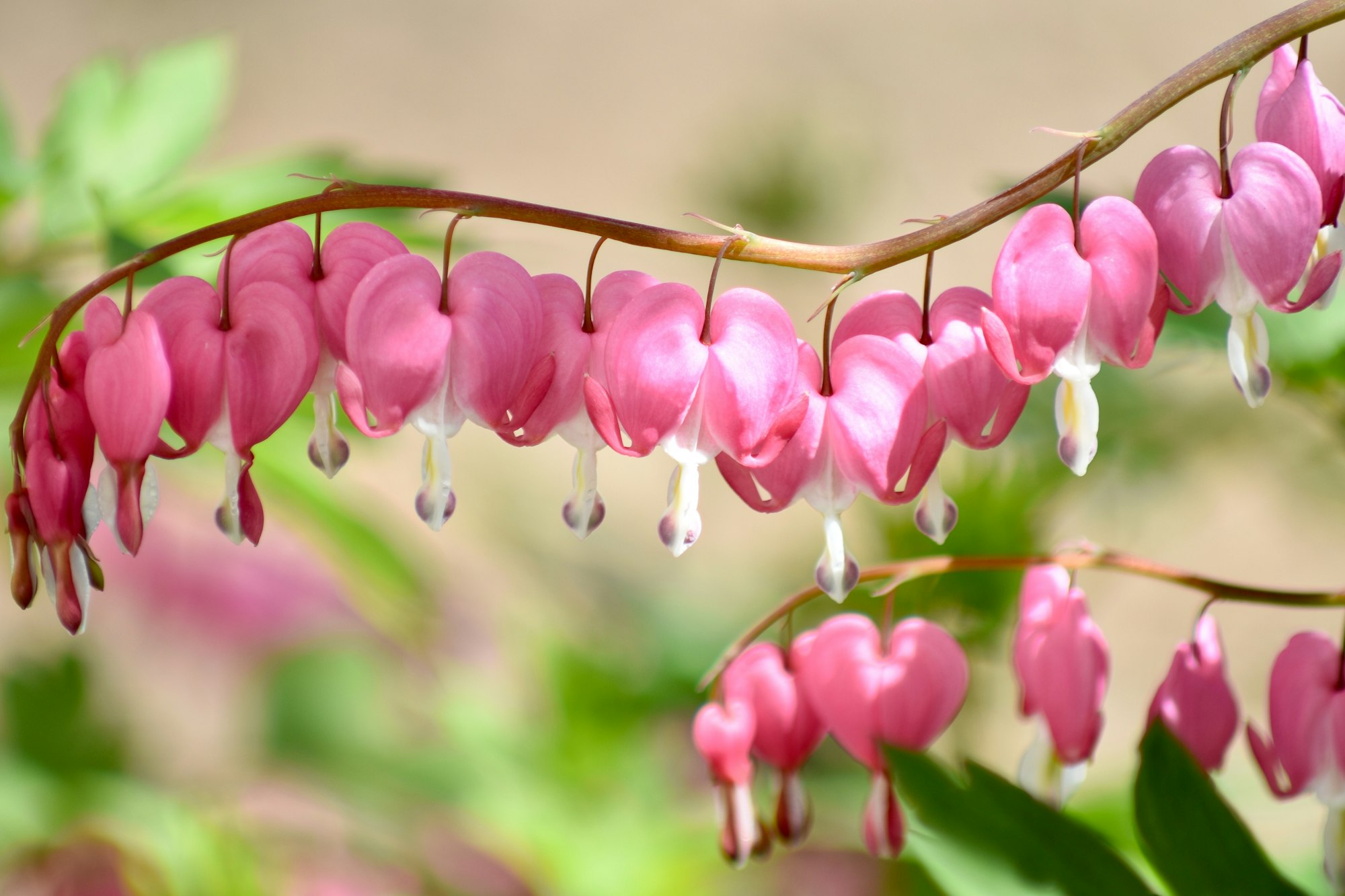
Bleeding Heart (Dicentra spectabilis): While not a heavy nectar producer, its unique flowers provide pollen for early bees.
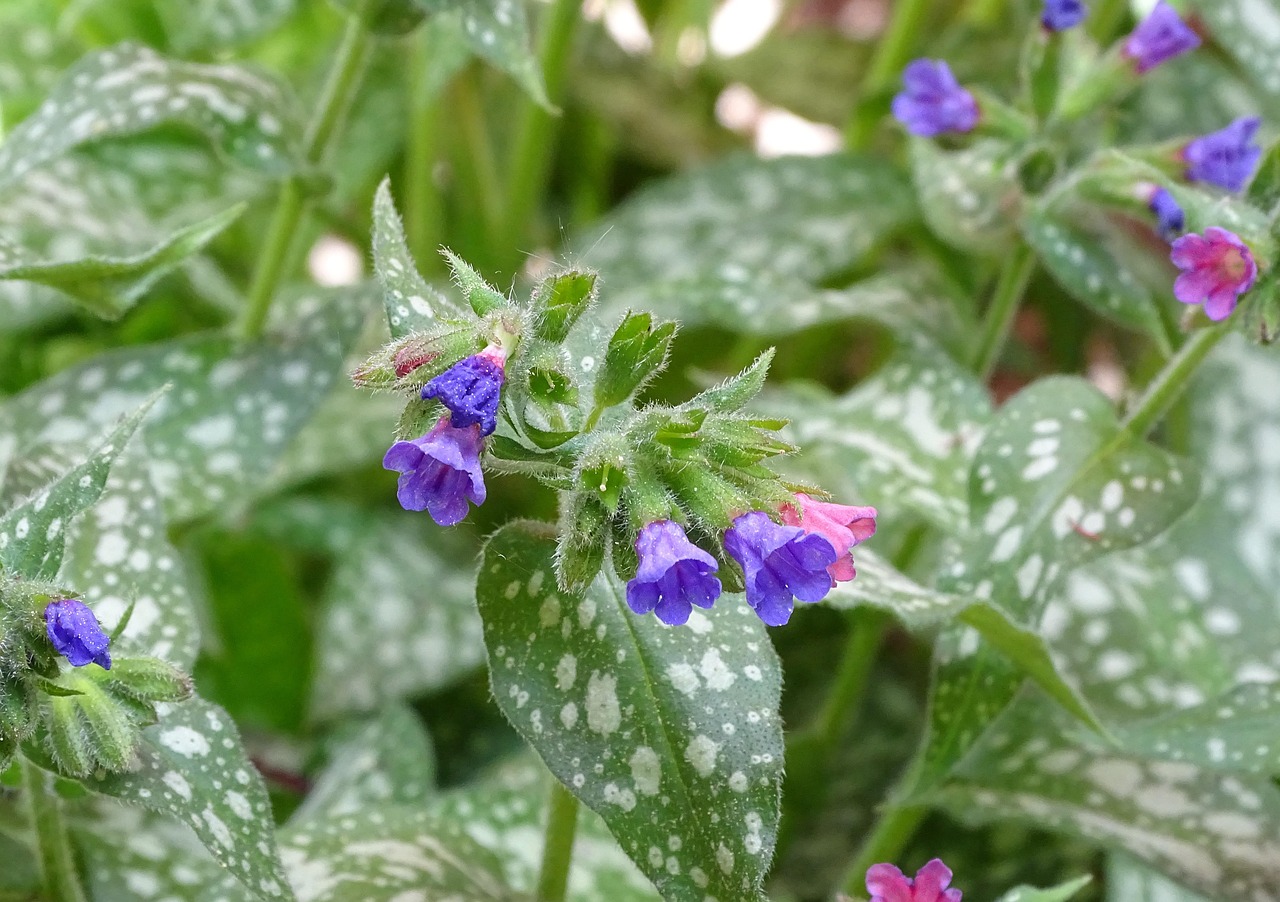
Lungwort (Pulmonaria spp.): Offers early nectar for bees and can tolerate shade.
Pasque Flower (Pulsatilla vulgaris): One of the first to bloom, providing vital early food.
Siberian Squill (Scilla siberica): A small bulb that naturalizes and offers early blue blooms.
For Mid-Season Blooms (Summer): This is typically the peak blooming period.
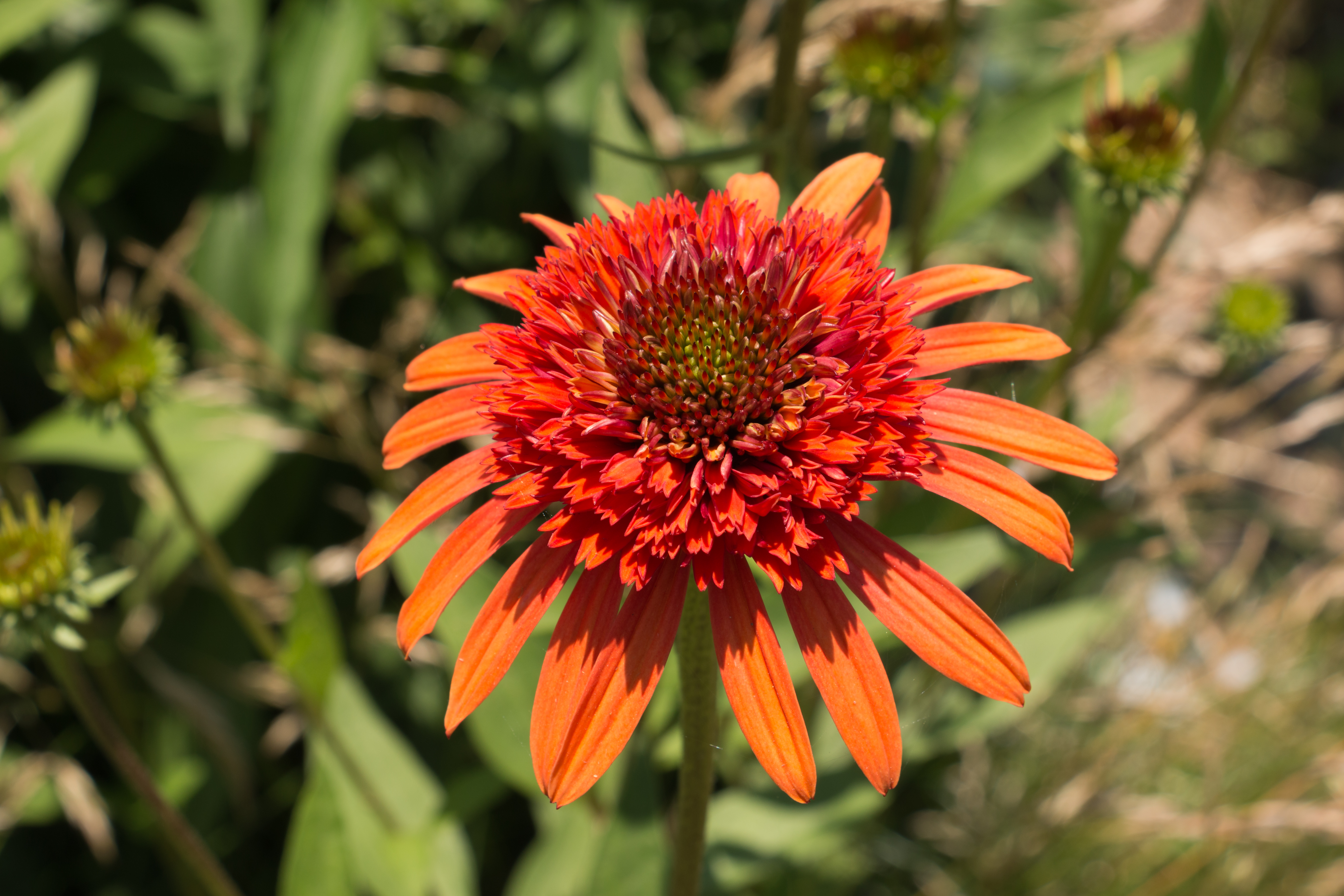
Coneflower (Echinacea purpurea): A classic pollinator magnet, attracting bees and butterflies.
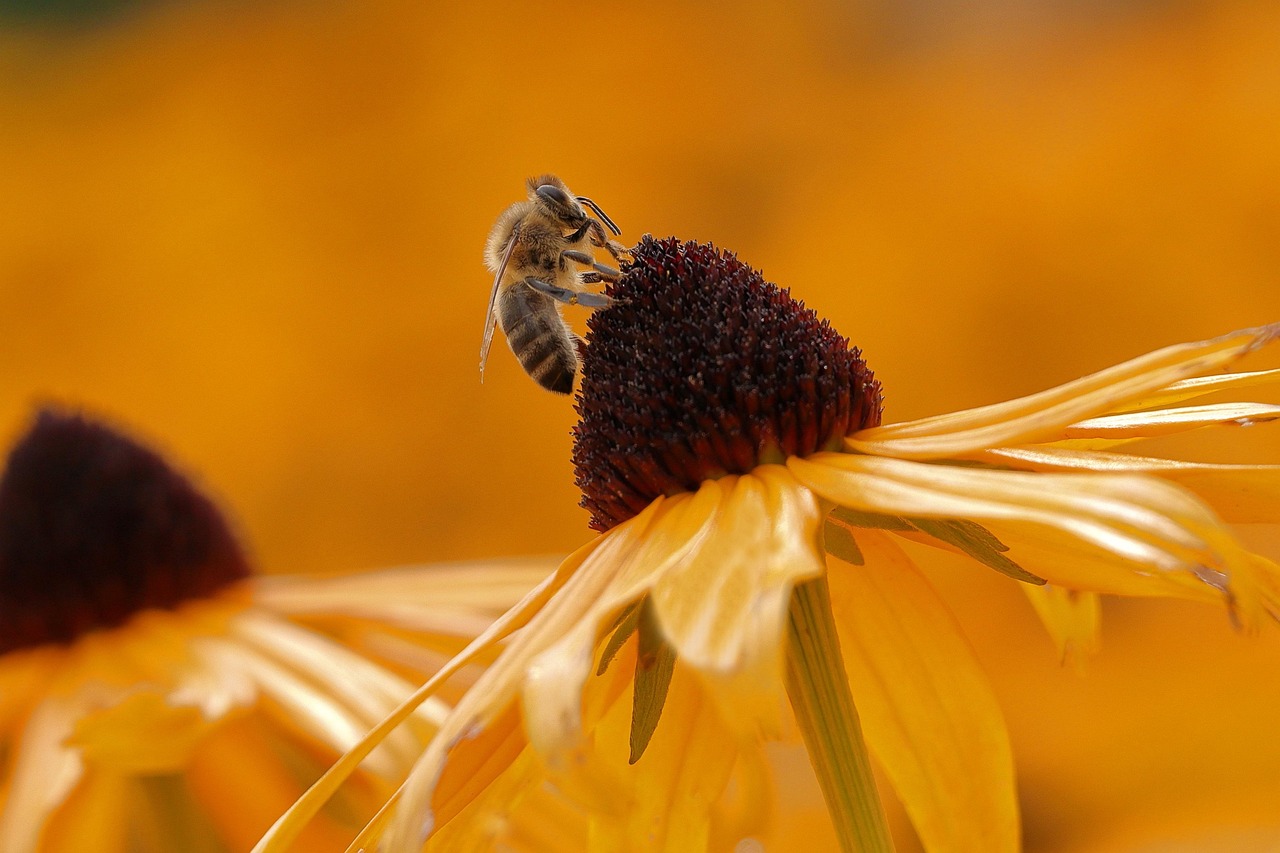
Black-Eyed Susan (Rudbeckia hirta): Bright, cheerful flowers that attract a wide range of pollinators.
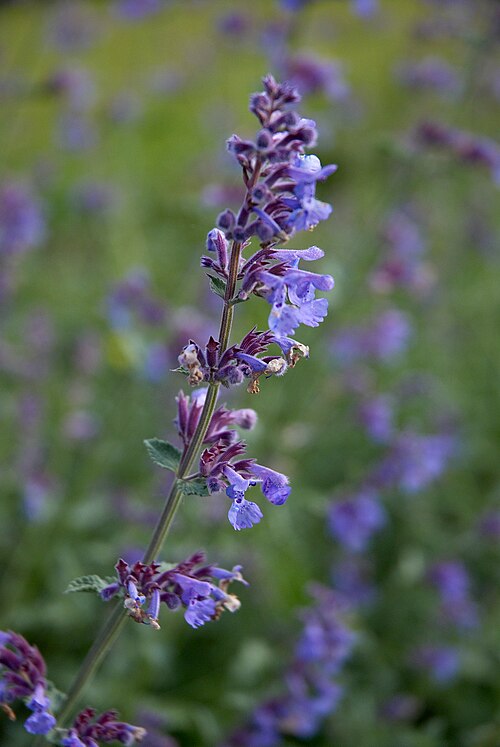
Catmint (Nepeta spp.): A favorite of bees, drought-tolerant once established, and deer-resistant.
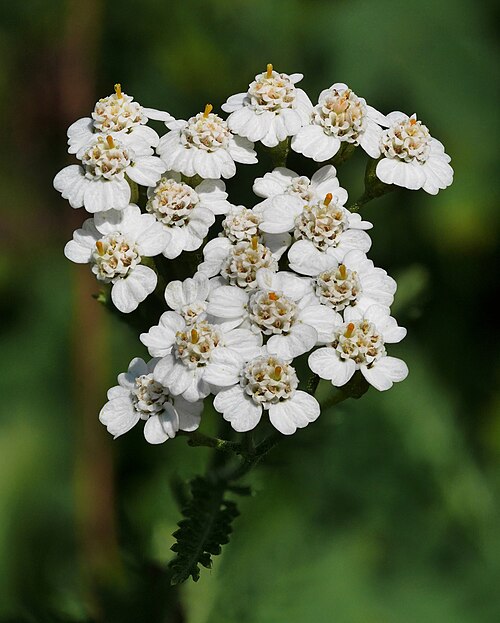
Yarrow (Achillea millefolium): Flat-topped flower clusters are perfect landing pads for many insects.
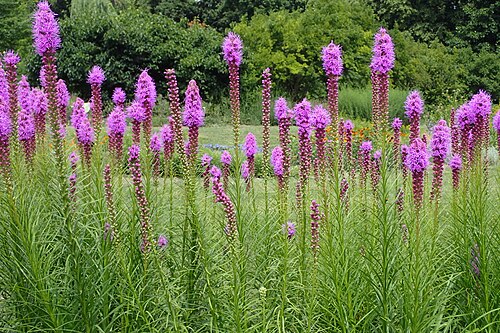
Blazing Star (Liatris spicata): Tall, spiky purple flowers are irresistible to butterflies, especially monarchs.
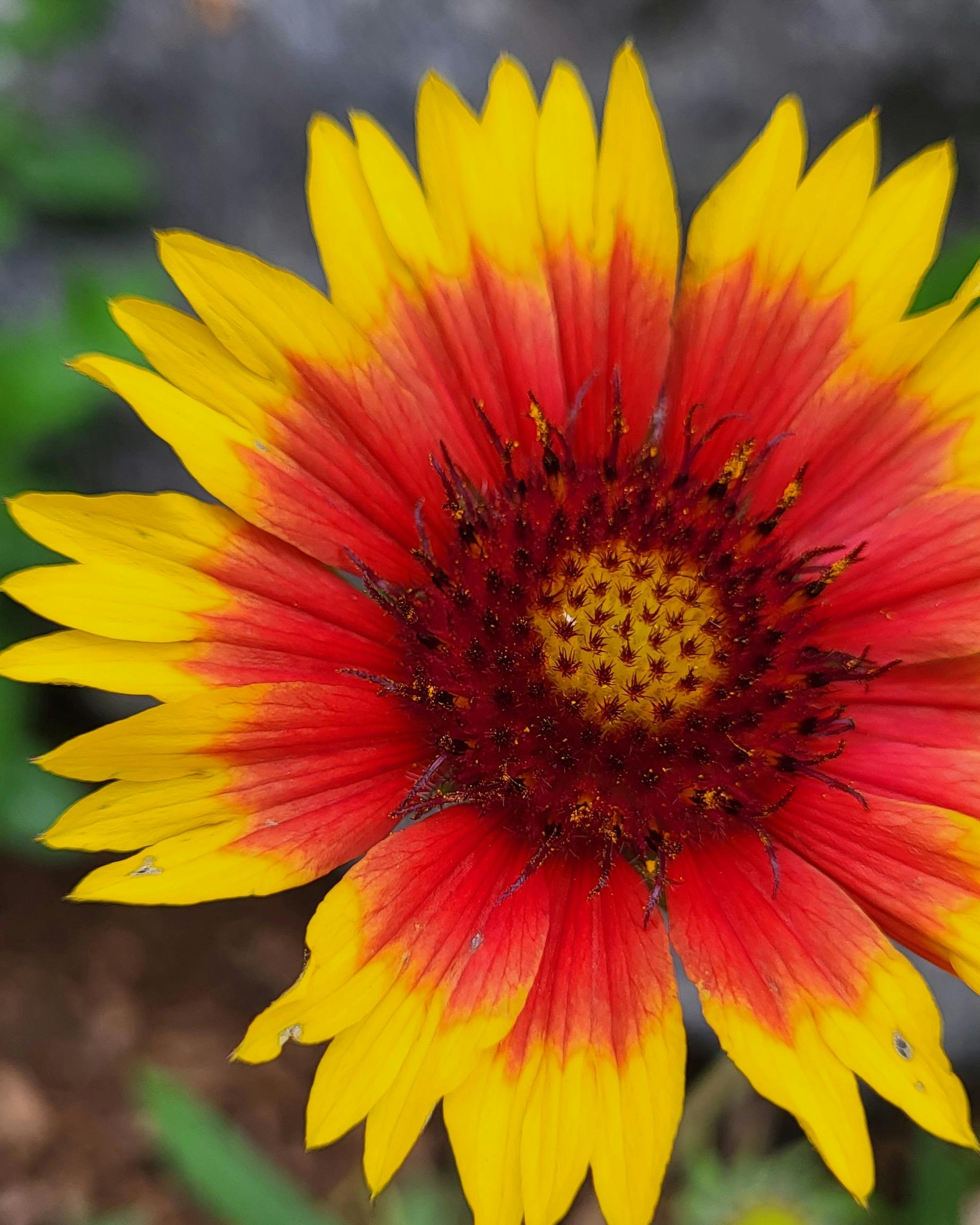
Blanket Flower (Gaillardia spp.): Long-blooming and attracts many types of bees and butterflies.
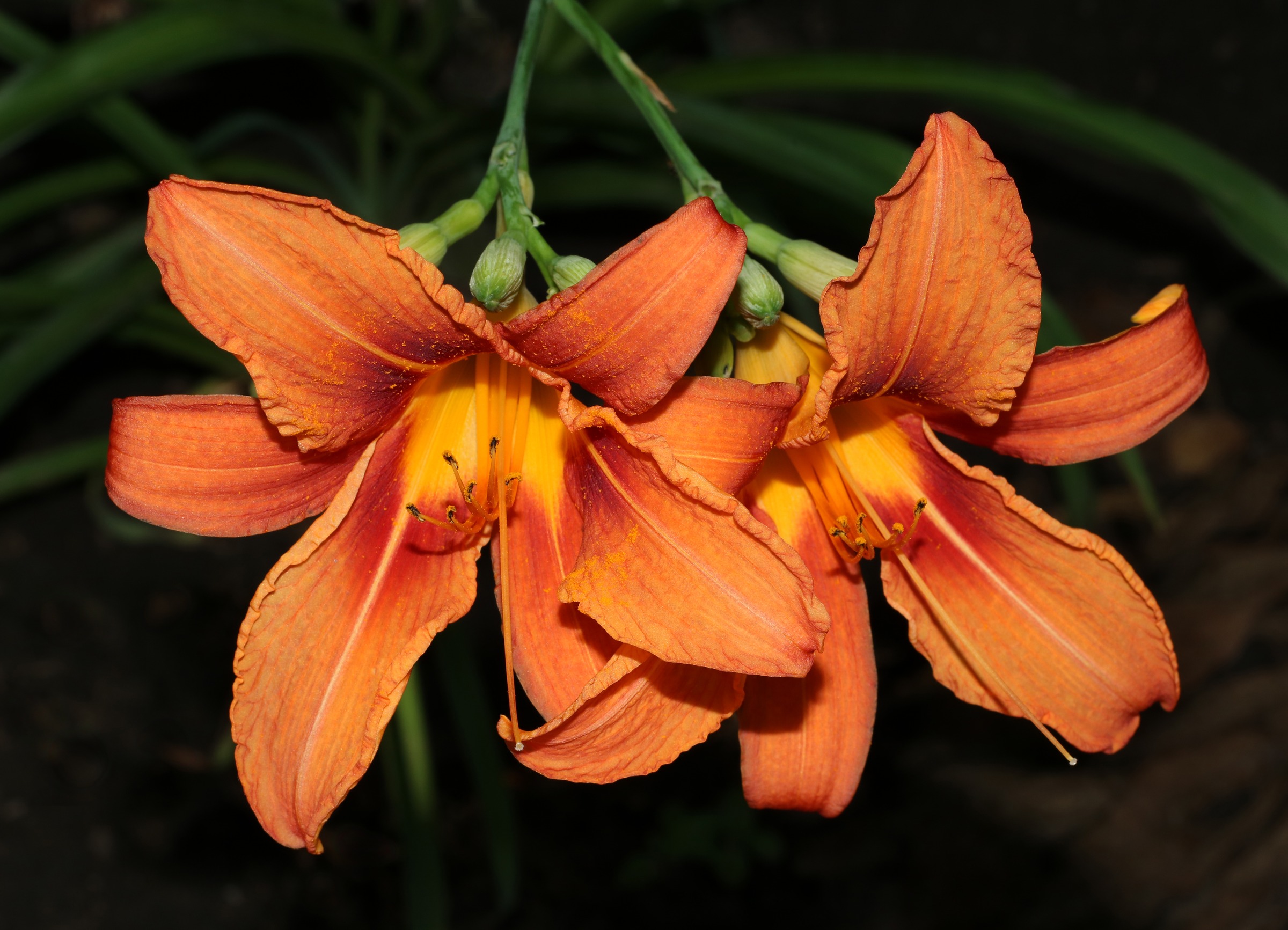
Daylily (Hemerocallis spp.): While some varieties are sterile, many provide nectar and pollen.
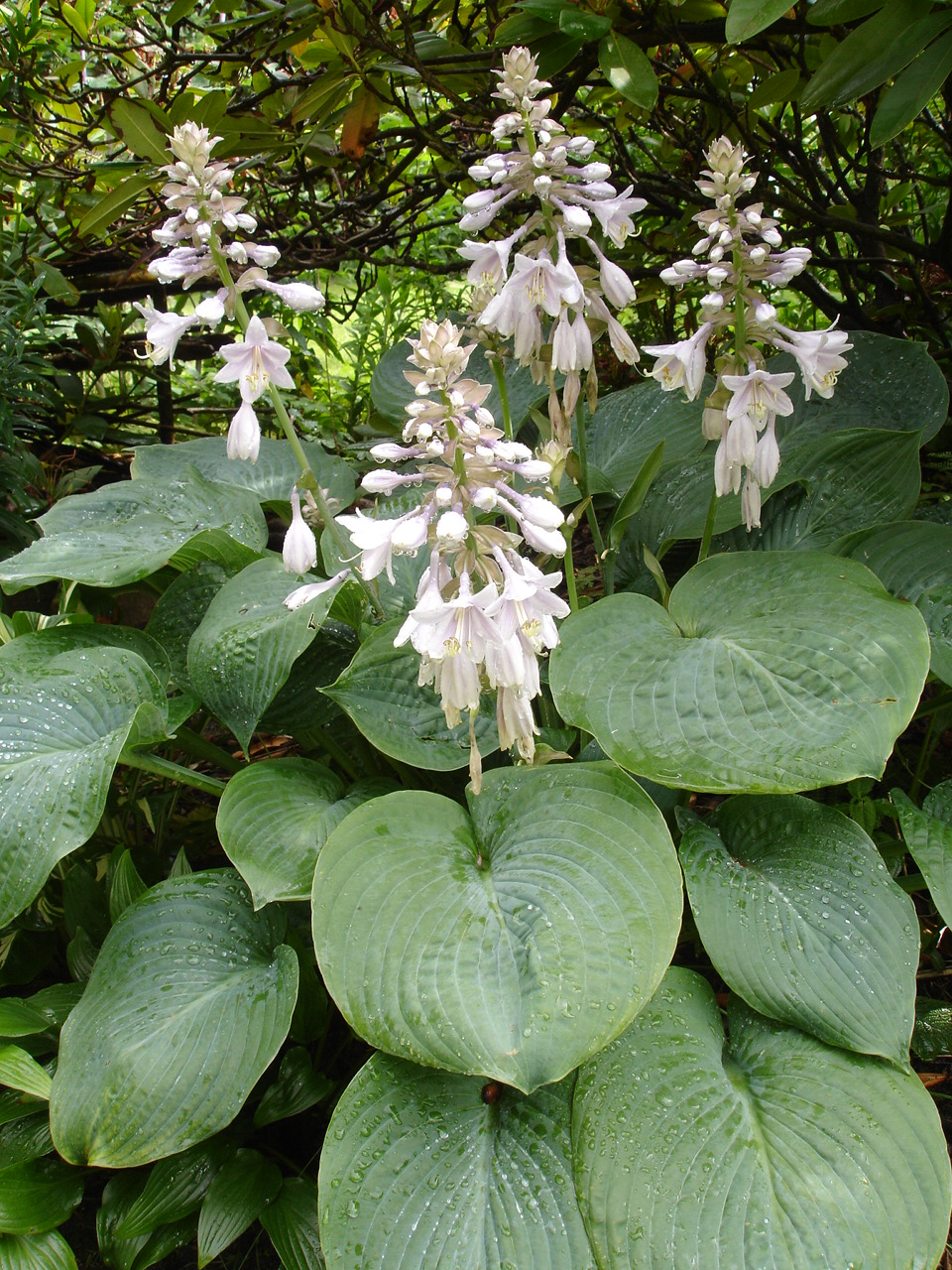
Hosta (Hosta spp.): While grown for foliage, their flowers attract hummingbirds and bees.
For Late Season Blooms (Late Summer/Fall): These are vital for migrating butterflies and bees preparing for winter.
- Asters (Symphyotrichum spp.): Native asters provide a critical late-season nectar source.
- Goldenrod (Solidago spp.): Often misunderstood, native goldenrods are excellent pollinator plants and do not cause hay fever (ragweed is the culprit).
- Sedum 'Autumn Joy' (Hylotelephium spectabile 'Autumn Joy'): Its late-season blooms are a magnet for bees and butterflies.
When planning, remember to include plants that serve as host plants for butterfly larvae, such as milkweed for Monarchs.
How Do I Design and Maintain a Pollinator Garden in Zone 3?
Designing a pollinator garden in Zone 3 involves strategic planning to maximize its impact and ensure its longevity.
Design Principles:
- Mass Planting: Plant flowers in drifts or clusters of at least three to five of the same species. This creates a larger visual target for pollinators and allows them to forage more efficiently.
- Layering: Combine plants of different heights and textures to create visual interest and provide diverse habitats. Taller plants can offer shelter for smaller ones.
- Continuous Bloom: Select plants with staggered bloom times to ensure there's always something flowering from spring to fall. This is crucial for providing a consistent food source.
- Sunlight & Soil: Most pollinator plants thrive in full sun (at least 6 hours per day) and well-drained soil. Amend heavy clay soils with compost to improve drainage.
- Water Source: Include a shallow water source, like a bird bath with stones for landing, or a butterfly puddling station.
- Shelter: Leave some undisturbed areas, brush piles, or hollow stems for nesting sites and overwintering.
Maintenance Tips for Zone 3:
- Weeding: Keep weeds under control, especially when plants are young, to reduce competition for resources.
- Watering: Water deeply and regularly during dry spells, particularly for newly planted specimens. Once established, many native plants are quite drought-tolerant.
- Deadheading (Optional): While deadheading can encourage more blooms for some plants, consider leaving spent flowers on others to allow for seed production (food for birds) or to provide overwintering shelter for beneficial insects.
- Winter Care: Resist the urge to "clean up" your garden too thoroughly in the fall. Leaving plant stalks and leaf litter provides crucial overwintering habitat for many beneficial insects. Wait until spring when temperatures are consistently above freezing to do your main garden cleanup.
- Avoid Pesticides: This is perhaps the most critical rule for a pollinator garden. Even organic pesticides can harm beneficial insects. Embrace natural pest control methods, like encouraging predatory insects.
Quick Reference: Zone 3 Pollinator Plant Checklist
| Plant Name | Bloom Time | Sun Needs | Pollinator Attracted | Notes |
|---|---|---|---|---|
| Bleeding Heart | Early Spring | Part Shade | Bees | Unique flowers, early pollen |
| Lungwort | Early Spring | Part Shade | Bees | Early nectar, shade tolerant |
| Coneflower | Summer | Full Sun | Bees, Butterflies | Classic, long-blooming |
| Black-Eyed Susan | Summer | Full Sun | Bees, Butterflies | Cheerful, easy to grow |
| Catmint | Summer | Full Sun | Bees | Drought-tolerant, deer-resistant |
| Yarrow | Summer | Full Sun | Bees, Butterflies | Flat clusters, good landing pads |
| Blazing Star | Mid-Late Summer | Full Sun | Butterflies, Bees | Tall spikes, monarch favorite |
| Blanket Flower | Summer | Full Sun | Bees, Butterflies | Long bloom period, vibrant |
| Daylily | Summer | Full Sun | Bees, Hummingbirds | Many varieties, some sterile |
| Hosta | Summer | Part Shade | Hummingbirds, Bees | Grown for foliage, flowers attract |
| Asters (native) | Late Summer/Fall | Full Sun | Bees, Butterflies | Critical late-season nectar |
| Goldenrod (native) | Late Summer/Fall | Full Sun | Bees, Butterflies | Important late-season food |
Creating a pollinator garden in Zone 3 is a rewarding endeavor that contributes significantly to local ecology. With careful plant selection and thoughtful design, your garden will not only flourish but also become a vibrant sanctuary for the essential creatures that keep our world blooming.
Ready to find the perfect plants for your yard? Try the PlantWise Plant Finder →