Complete Pollinator Garden Guide for Zone 4
Creating a thriving pollinator garden in USDA Zone 4 means selecting cold-hardy plants that can withstand harsh winters while providing continuous blooms from spring through fall. The key is to choose a diverse array of native and adapted plants that offer nectar, pollen, and host plant resources for bees, butterflies, moths, and other beneficial insects throughout their life cycles. This guide will help you design a beautiful and impactful garden that supports local ecosystems, even in colder climates.
🌱 Get Personalized Plant Picks
Answer a few quick questions and we’ll match plants to your exact yard conditions.
Find My Plants →Why is a Pollinator Garden So Important in Zone 4?
Pollinators are vital for our food supply and the health of natural ecosystems. In Zone 4, where the growing season can be shorter, providing consistent food sources is crucial for these busy creatures. Many native pollinators, like certain bee species and monarch butterflies, are facing declining populations due to habitat loss and pesticide use. By planting a pollinator garden, you're not just adding beauty to your yard; you're creating essential stepping stones of habitat, offering food, shelter, and breeding grounds that help these populations thrive. A well-designed garden can also help mitigate the effects of climate change by supporting biodiversity.
What Makes a Good Pollinator Plant for Zone 4?
A good pollinator plant for Zone 4 must, first and foremost, be cold-hardy to survive winter temperatures that can dip to -30°F to -20°F (-34°C to -29°C). Beyond hardiness, consider these factors:
- Native or Adapted: Native plants are often best as they have co-evolved with local pollinators, providing the most suitable food and host resources. Adapted non-natives can also be beneficial if they don't become invasive.
- Bloom Time: Aim for continuous blooms from early spring to late fall to provide a consistent food supply.
- Flower Shape and Color: Different pollinators prefer different flower shapes and colors. Bees are attracted to blue, purple, yellow, and white, often with open or tubular shapes. Butterflies prefer red, orange, yellow, pink, and purple, often with landing pads.
- Pollen and Nectar Rich: Choose plants known for producing abundant nectar (energy) and pollen (protein).
- Host Plants: Include plants that serve as food for the larval stage of butterflies and moths (e.g., milkweed for Monarchs).
- Avoid Cultivars with "Double" Flowers: These often have reduced pollen and nectar, making them less useful for pollinators.
How Do I Design a Pollinator Garden for Continuous Bloom?
Designing a pollinator garden for continuous bloom in Zone 4 requires careful planning to ensure there's always something flowering. Think of your garden in three seasons: spring, summer, and fall.
- Early Spring (April-May): As soon as the snow melts, early emerging pollinators like queen bumblebees and solitary bees need food.
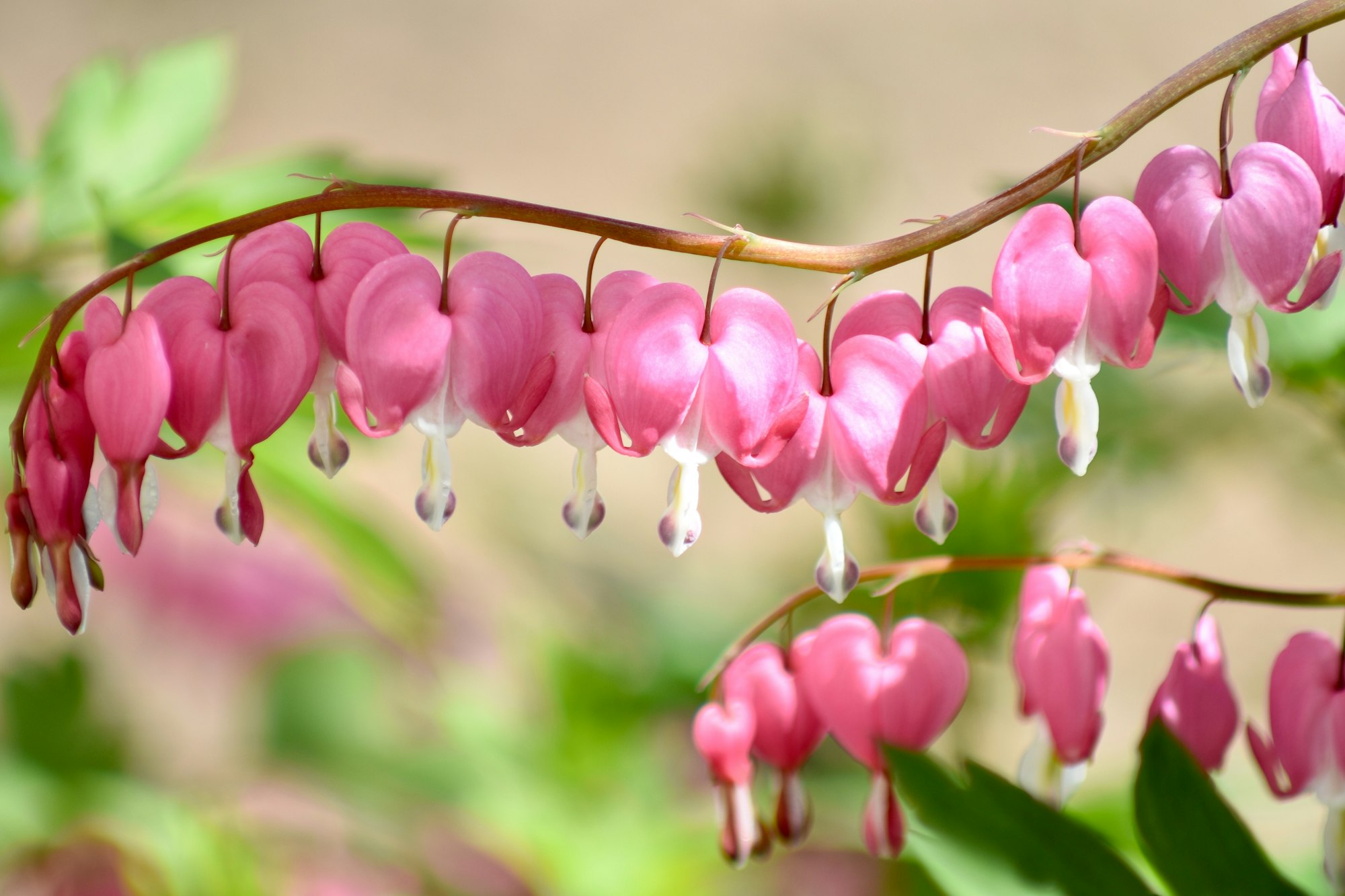
- Examples: Crocus, Grape Hyacinth, Pasque Flower, Pussy Willow, Bleeding Heart, Wild Geranium.
- Mid-Summer (June-July): This is typically when your garden will be most abundant.
- Examples:
,
,
,
,
,
,
. 3. Late Summer/Fall (August-October): Crucial for migrating butterflies (like Monarchs) and late-season bees building up winter stores. * Examples:
,
, Asters, Sedum, Goldenrod.
Layering and Grouping: Plant in drifts or groups of at least 3-5 of the same plant. This creates a more visible target for pollinators and allows them to forage more efficiently. Vary plant heights to create different layers, providing shelter and foraging opportunities at multiple levels.
Sunlight and Soil: Most pollinator plants prefer full sun (6+ hours of direct sunlight daily) and well-drained soil. Amend heavy clay soils with compost to improve drainage.
Quick Reference: Top Pollinator Plants for Zone 4
Here's a selection of reliable, beautiful, and pollinator-friendly plants that thrive in Zone 4:
| Plant Name | Bloom Time | Pollinator Attracted | Notes |
|---|---|---|---|
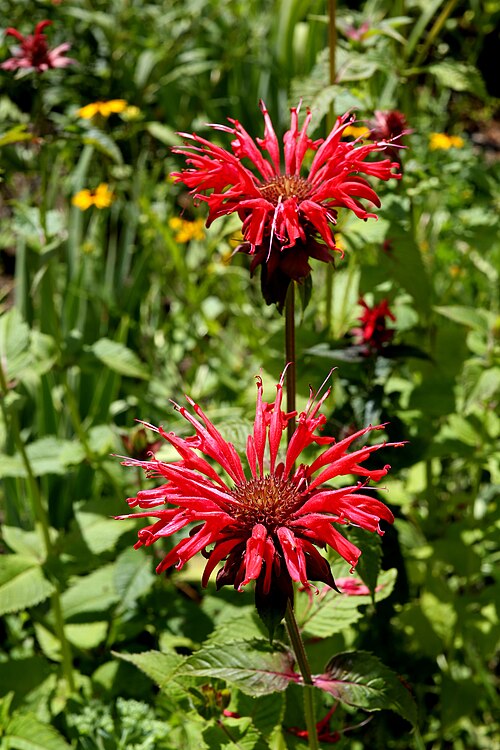
| Bee Balm | Summer | Bees, Hummingbirds |
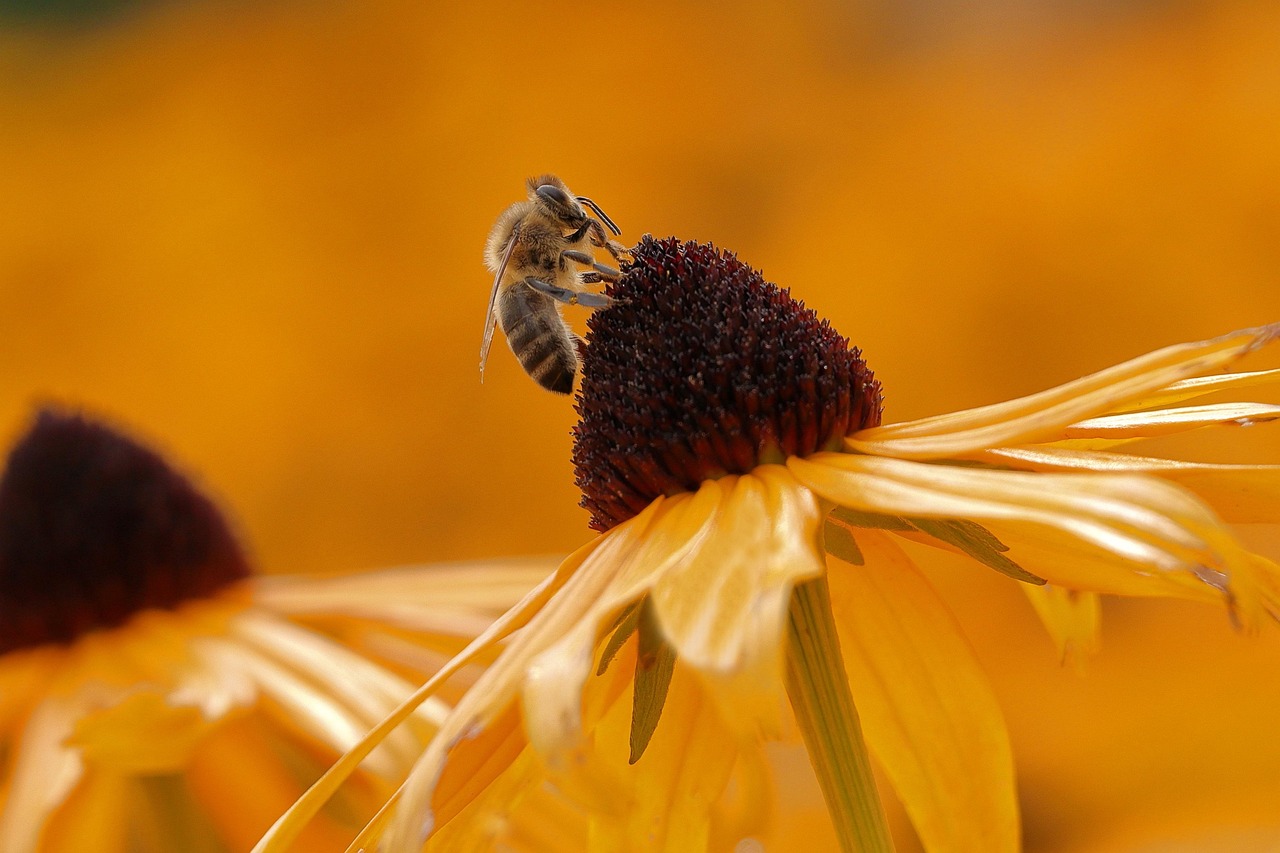
Aromatic, can spread, good for moist soil. | | Black-Eyed Susan | Summer-Fall | Bees, Butterflies |
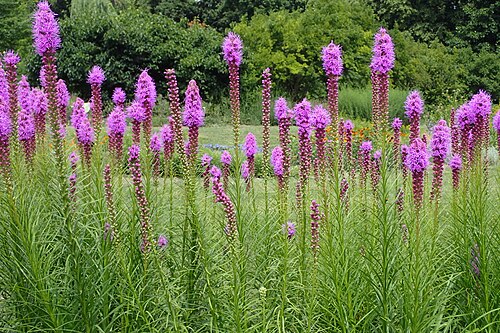
Cheerful, easy to grow, reseeds. | | Blazing Star | Summer | Butterflies, Bees |
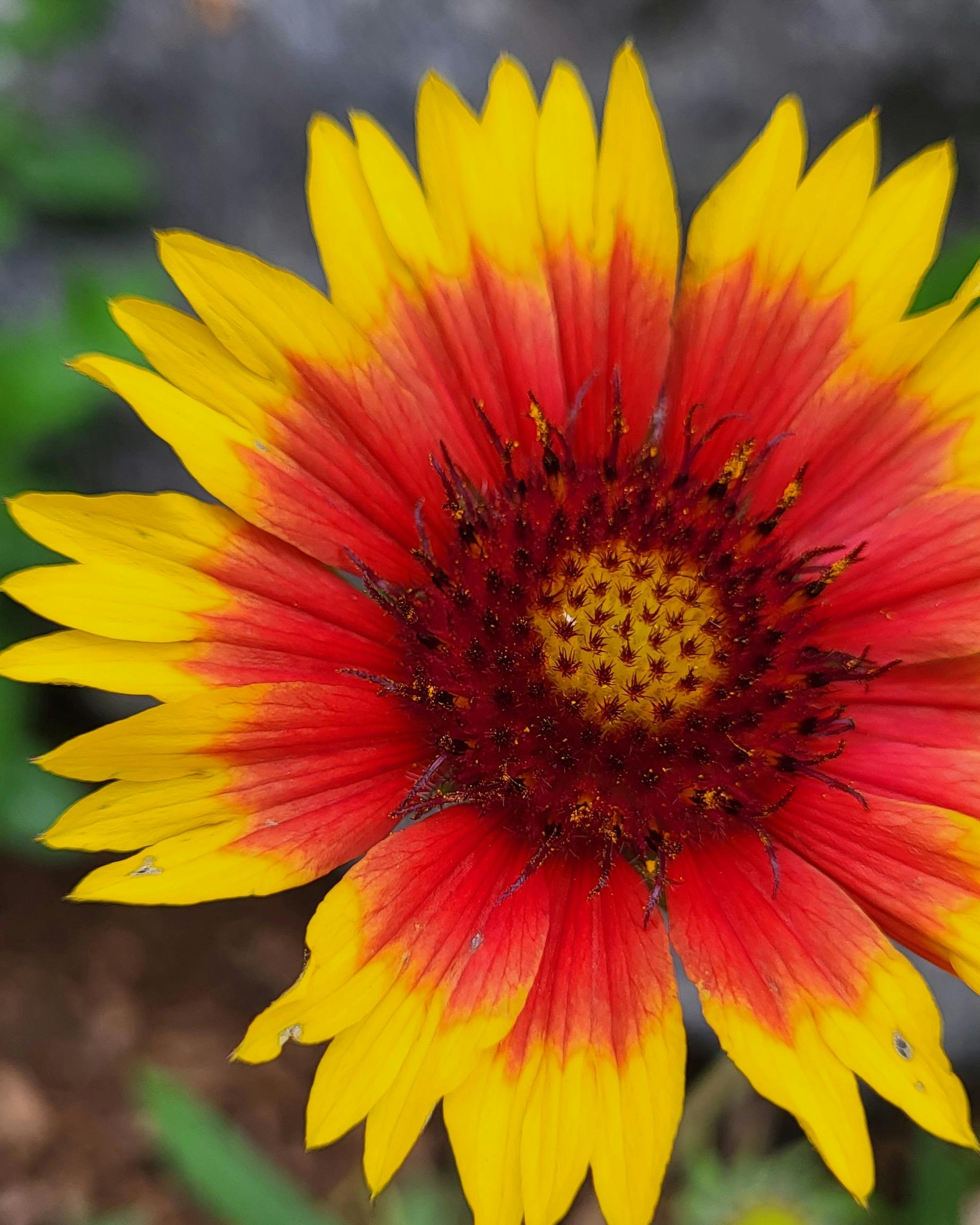
Striking vertical interest, excellent for Monarchs. | | Blanket Flower | Summer-Fall | Bees, Butterflies |
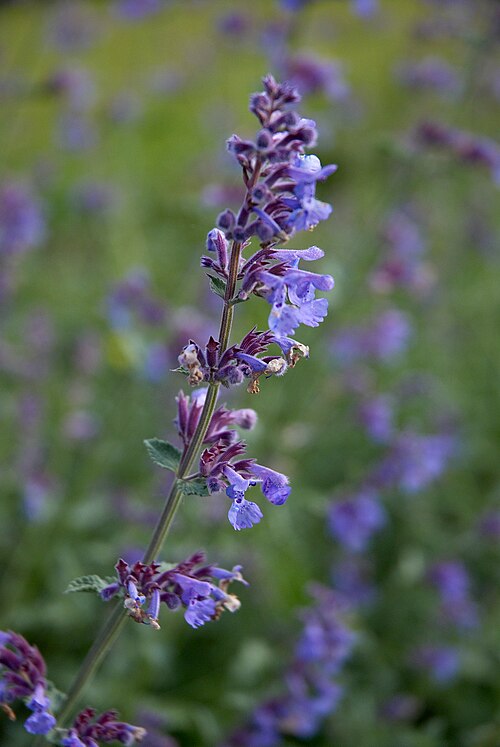
Drought-tolerant, vibrant colors. | | Catmint | Spring-Fall | Bees, Butterflies |
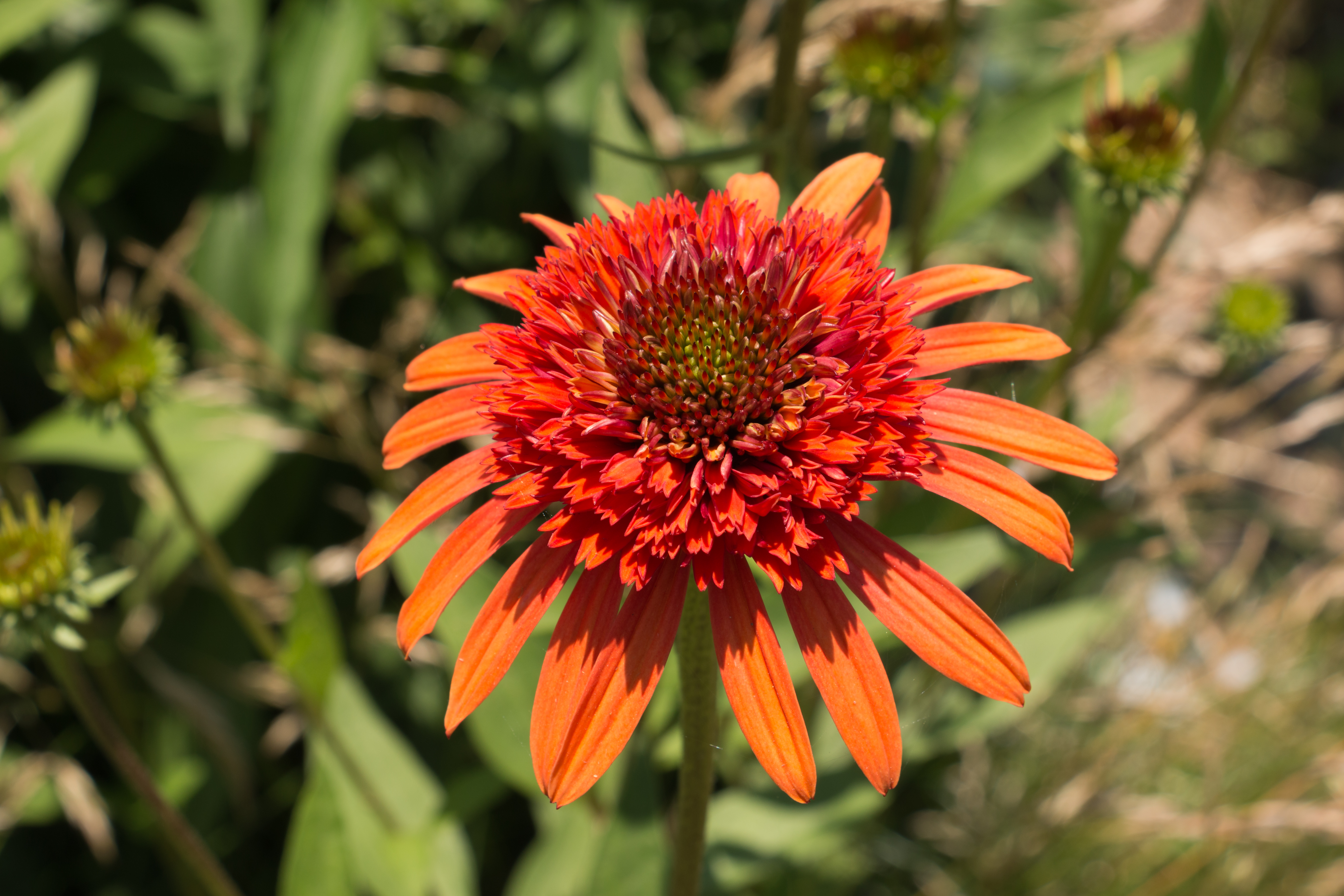
Long bloom time, deer resistant, fragrant. | | Coneflower | Summer-Fall | Bees, Butterflies |
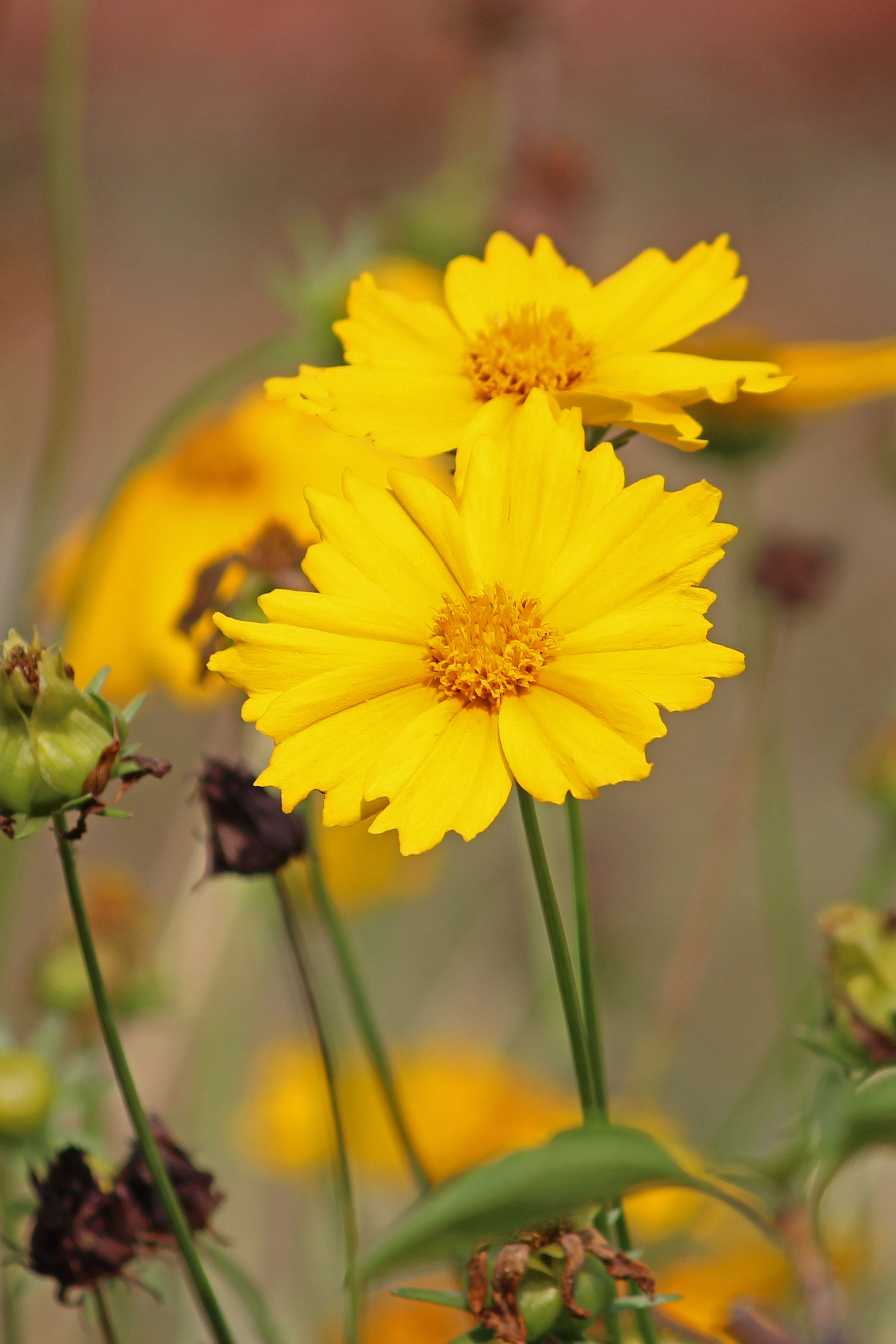
Classic, drought-tolerant, seeds for birds. | | Coreopsis | Summer | Bees, Butterflies |
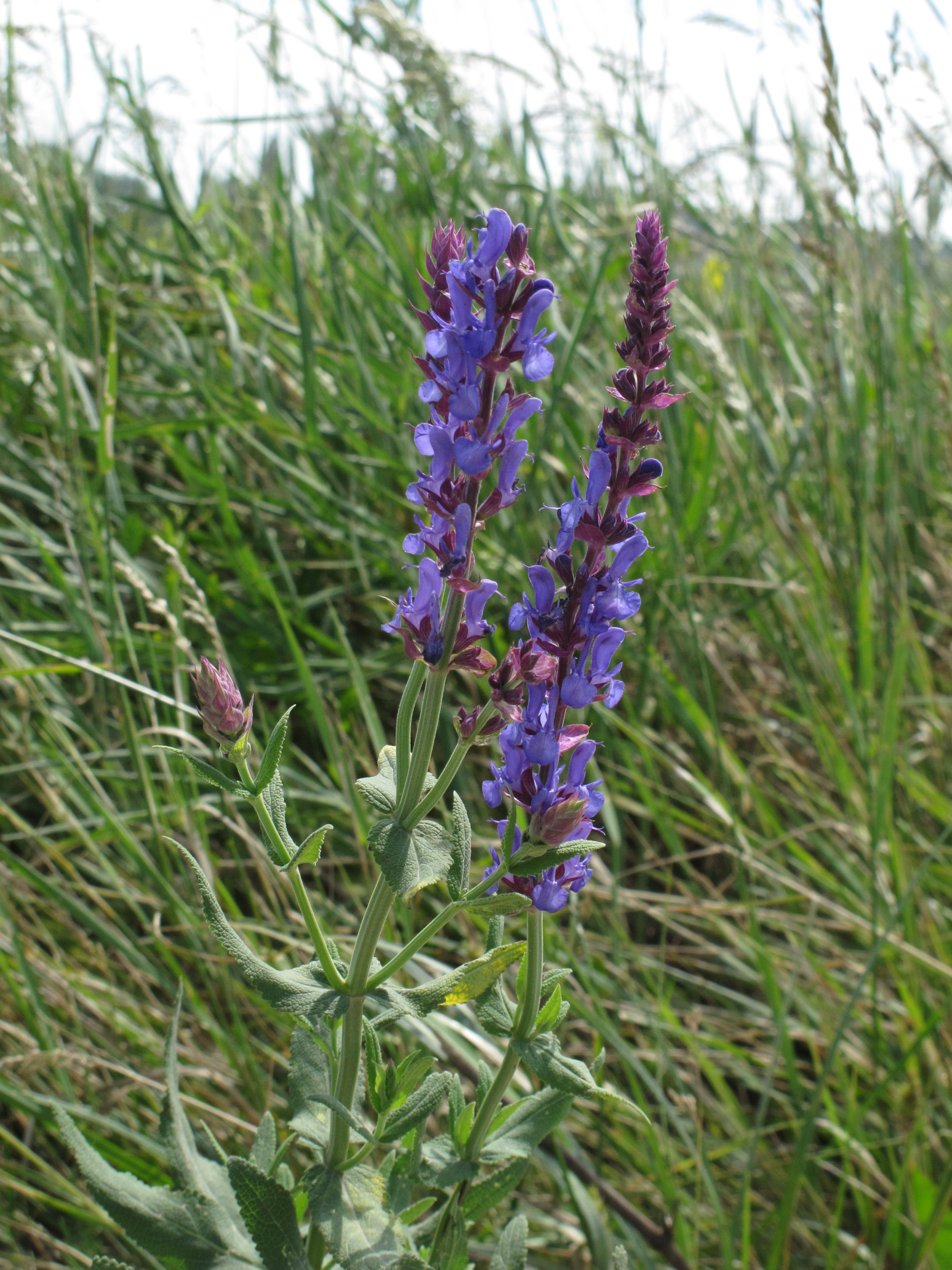
Long-blooming, cheerful, various forms. | | Salvia | Summer | Bees, Hummingbirds |
Many varieties, vibrant colors, heat tolerant. | | Yarrow | Summer | Bees, Butterflies |
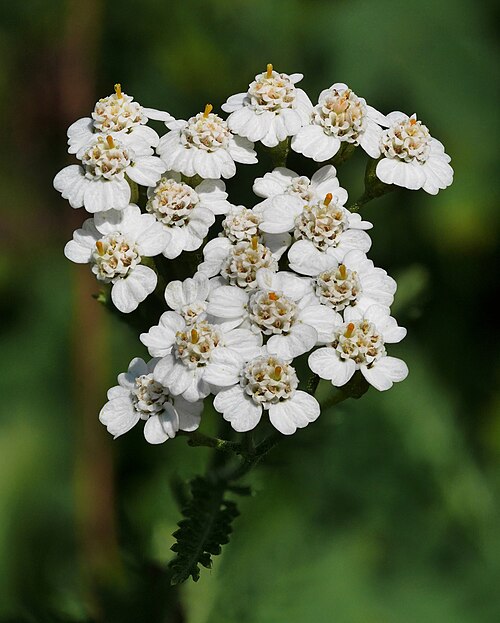
Drought-tolerant, flat-topped flowers. | | Milkweed (various) | Summer | Monarchs (host plant) | Essential for Monarch butterfly caterpillars. | | Asters | Late Summer-Fall | Bees, Butterflies | Crucial late-season food source. | | Goldenrod | Late Summer-Fall | Bees, Butterflies | Misunderstood, but a vital late-season native. |
Are There Any Maintenance Tips Specific to a Zone 4 Pollinator Garden?
Maintaining a pollinator garden in Zone 4 focuses on creating a healthy, natural environment with minimal intervention.
- Watering: Water newly planted gardens regularly until established. Once established, many native pollinator plants are quite drought-tolerant.
- Weeding: Keep weeds in check, especially when plants are young, as they compete for resources.
- Pesticide Avoidance: This is paramount! Even organic pesticides can harm beneficial insects. Embrace a little insect damage as a sign of a healthy ecosystem. If you must address pests, use integrated pest management (IPM) techniques, focusing on cultural controls and attracting natural predators.
- "Leave the Leaves" and Stems: In fall, resist the urge to "clean up" your garden completely. Many native bees and other beneficial insects overwinter in hollow plant stems or under leaf litter. Leaving some standing stems and a layer of leaves provides crucial winter habitat. Cut back stems in spring once temperatures are consistently above 50°F (10°C).
- Mulch: A layer of organic mulch (like wood chips or shredded leaves) helps retain soil moisture, suppress weeds, and regulate soil temperature. Avoid thick layers directly around plant stems.
- No Plant is Truly Deer-Proof: While some plants are less palatable to deer, a hungry deer will eat almost anything. Consider physical barriers or deer repellents if deer are a significant problem in your area.
By following these guidelines, you can create a vibrant, resilient, and beautiful pollinator garden that not only enhances your Zone 4 landscape but also provides critical support for our invaluable pollinator friends. Enjoy watching your garden come alive with buzzing bees and fluttering butterflies!
Ready to find the perfect plants for your yard? Try the PlantWise Plant Finder →