Complete Pollinator Garden Guide for Zone 5
Creating a vibrant pollinator garden in USDA Hardiness Zone 5 is a rewarding endeavor that supports local ecosystems and brings beauty to your landscape. To build a successful pollinator haven in Zone 5, focus on selecting native or well-adapted plants that bloom from spring through fall, providing a continuous food source for bees, butterflies, hummingbirds, and other beneficial insects. Key steps include choosing a sunny location, ensuring good drainage, and incorporating a diverse array of flower shapes, sizes, and colors to attract a wide range of pollinators.
Pollinators are vital for our food supply and the health of our environment. By planting a garden specifically designed to attract them, you're not just beautifying your yard; you're contributing to a healthier planet. Zone 5, with its cold winters and warm summers, offers an excellent climate for many resilient and beautiful pollinator-friendly plants.
🌱 Get Personalized Plant Picks
Answer a few quick questions and we’ll match plants to your exact yard conditions.
Find My Plants →Why is a Pollinator Garden Important in Zone 5?
Pollinators, including bees, butterflies, moths, hummingbirds, and even some beetles and flies, are responsible for the reproduction of over 75% of the world's flowering plants and about 35% of global food crops. In Zone 5, these creatures face challenges like habitat loss, pesticide use, and climate change. By establishing a pollinator garden, you provide crucial resources:
- Nectar: A high-energy food source.
- Pollen: Essential for protein, fats, and nutrients.
- Host Plants: Specific plants where butterflies and moths lay their eggs, and their larvae (caterpillars) feed.
- Shelter: Protection from predators and harsh weather.
- Water: A vital resource for all living things.
Your Zone 5 garden can become a crucial stepping stone in the larger ecological network, helping to sustain these invaluable species.
What are the Best Plants for a Zone 5 Pollinator Garden?
Selecting the right plants is the cornerstone of a successful pollinator garden. For Zone 5, you'll want plants that can withstand cold winters, tolerate summer heat, and provide a continuous bloom cycle. Prioritize native plants whenever possible, as they are best adapted to the local climate and soil conditions, and provide the most beneficial resources for native pollinators.
Here are some top choices for Zone 5, categorized by the primary pollinators they attract:
For Bees (Honeybees, Bumblebees, Native Bees): Bees are attracted to a wide range of flower shapes, often favoring blue, purple, yellow, and white. They need landing platforms and access to nectar and pollen.
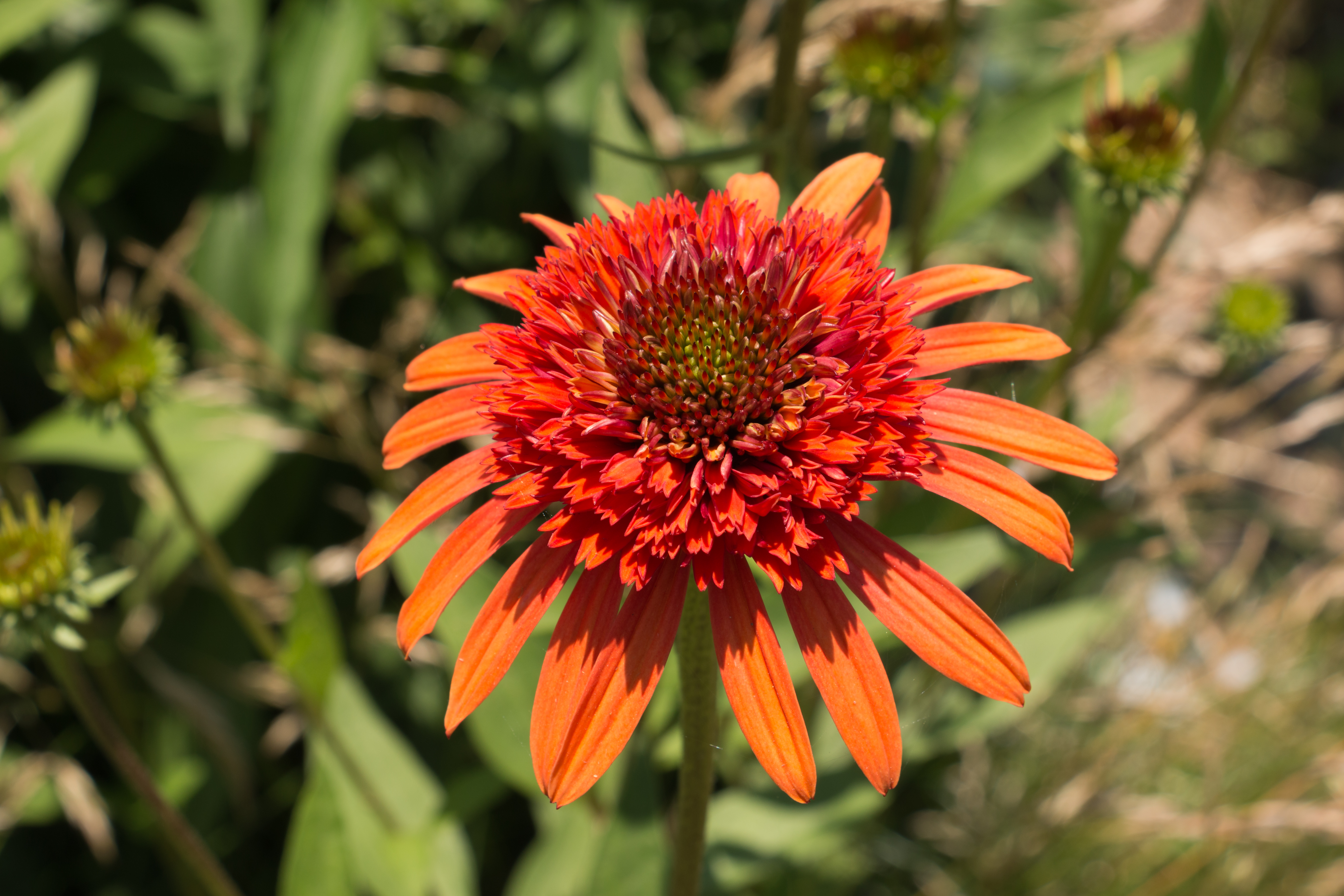
- Purple Coneflower (
): A classic, long-blooming perennial with sturdy petals.
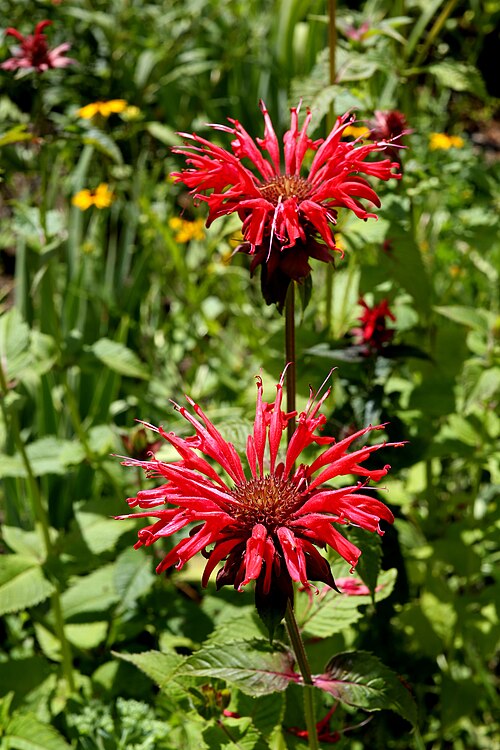
- Bee Balm (
): Tubular flowers in shades of red, pink, purple. Also attracts hummingbirds.
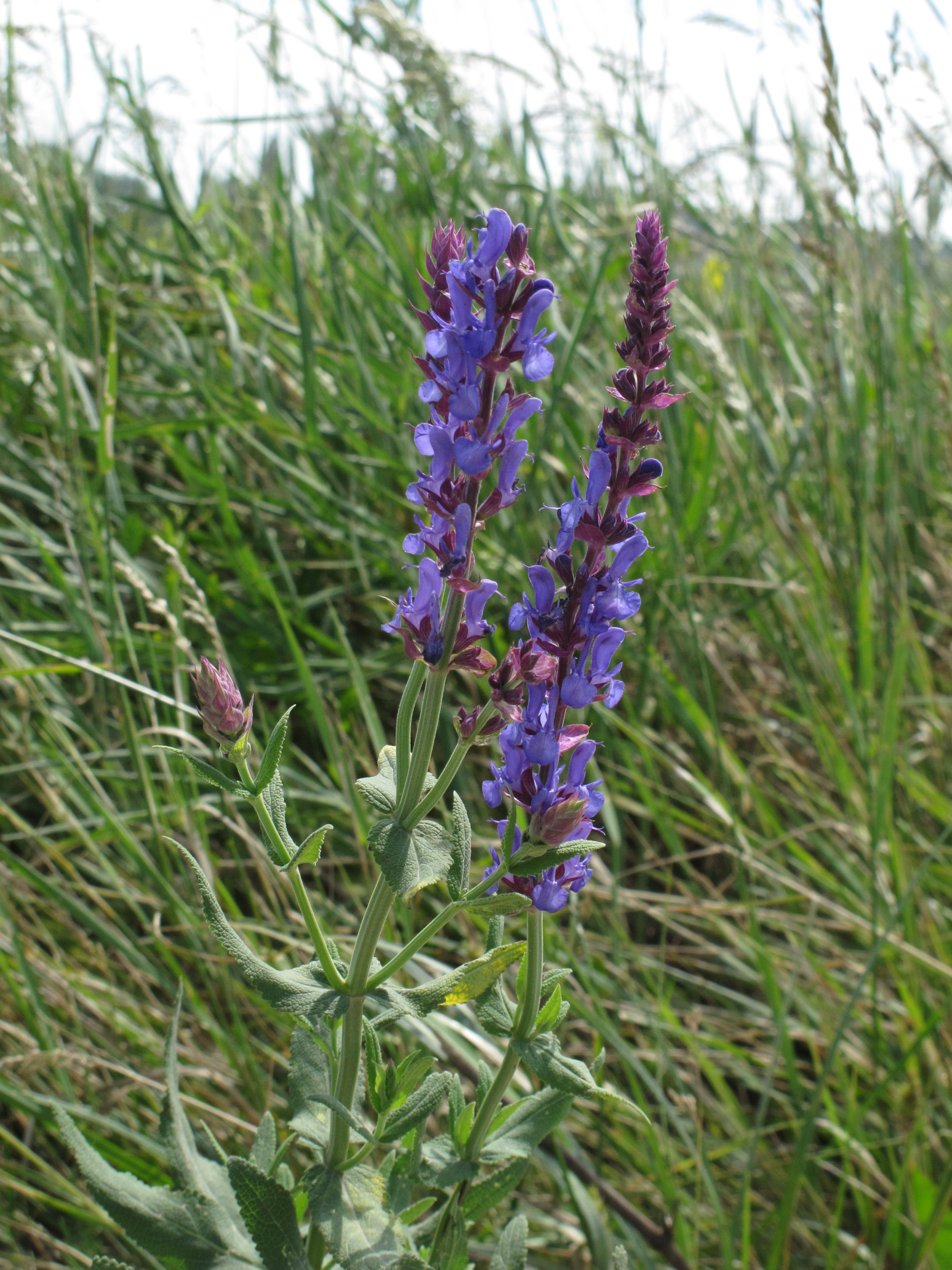
- Salvia (
): Spikes of purple, blue, or pink flowers. Many varieties are hardy in Zone 5.
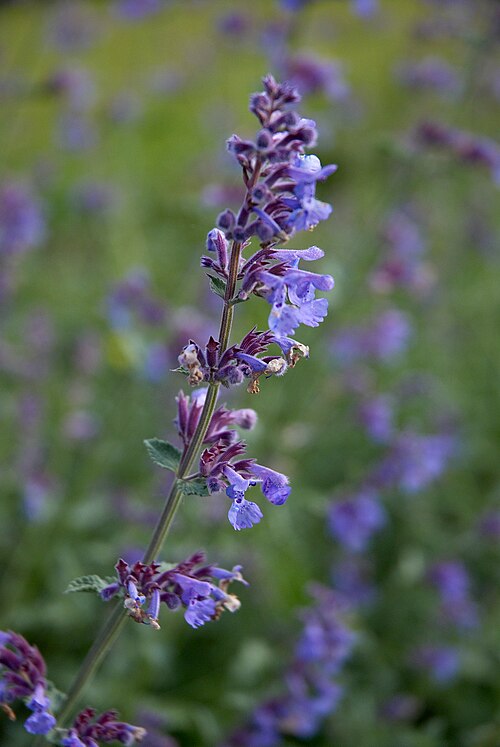
- Catmint (
): A low-maintenance, fragrant plant with lavender-blue flowers.
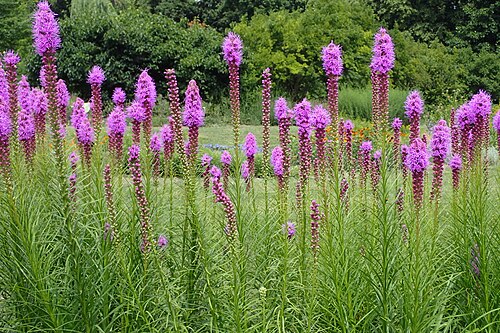
): Tall spikes of purple flowers that bloom from the top down.
For Butterflies (Monarchs, Swallowtails, Painted Ladies, etc.): Butterflies prefer brightly colored flowers (red, orange, yellow, pink, purple) with flat landing surfaces. They also need host plants for their caterpillars.
- Milkweed (various species): Essential host plant for Monarch caterpillars. Asclepias tuberosa (Butterfly Weed) is a great choice for Zone 5.
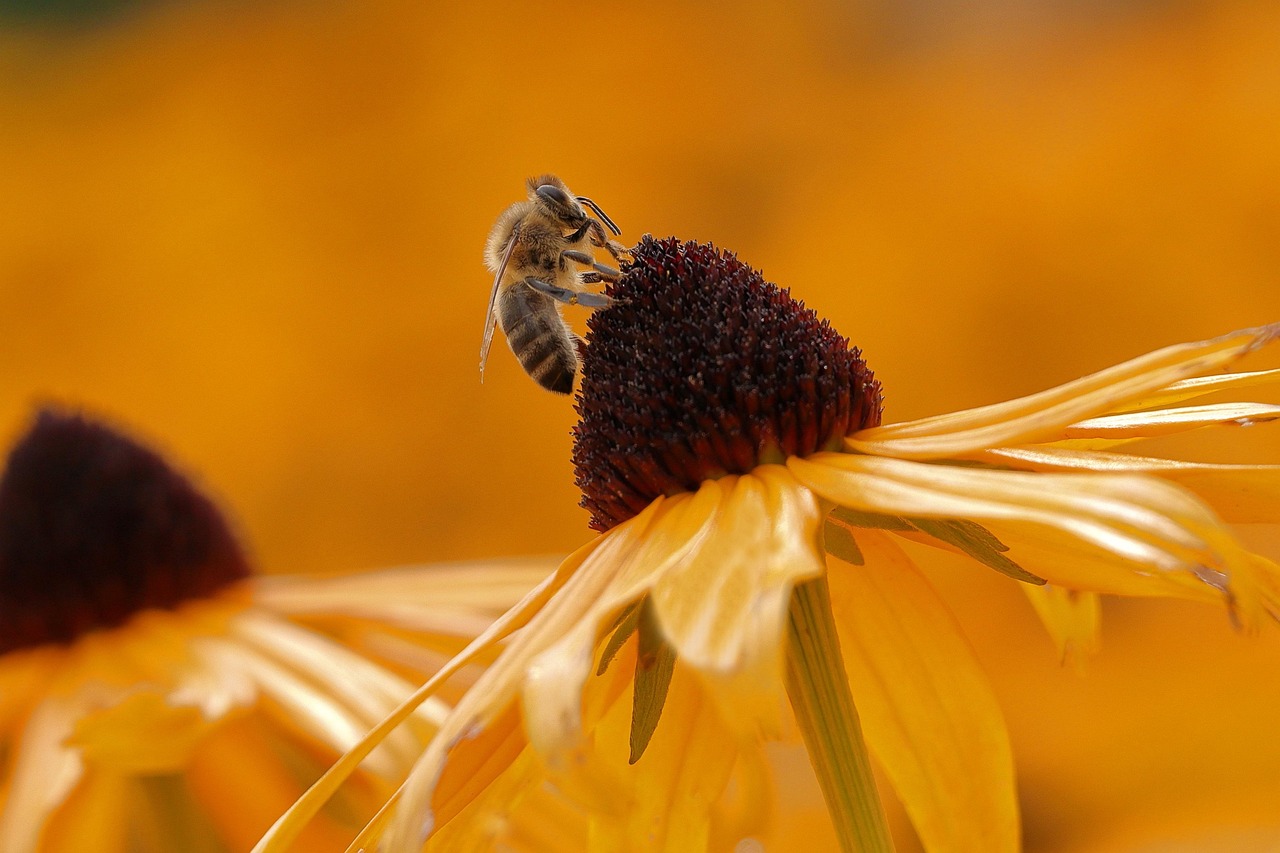
- Black-Eyed Susan (
): Cheerful yellow flowers with dark centers, providing a good landing pad.
- Yarrow (
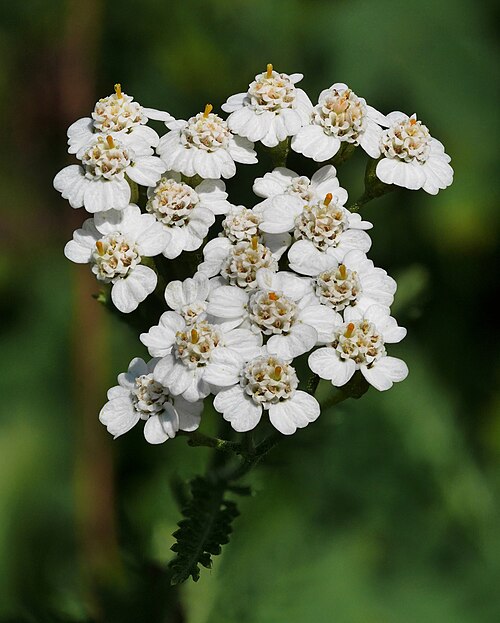
): Flat-topped clusters of flowers in various colors.
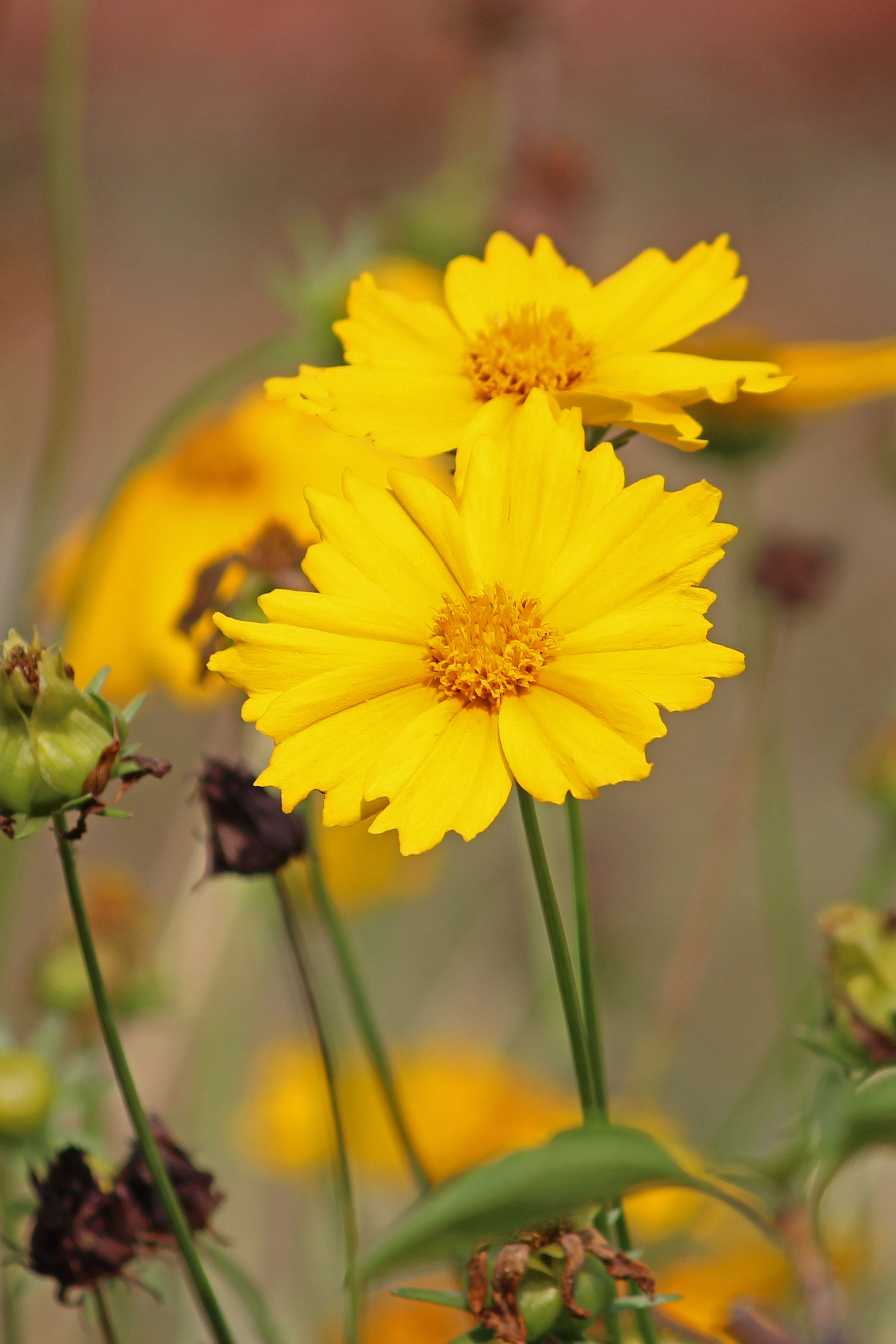
): Bright yellow, daisy-like flowers.
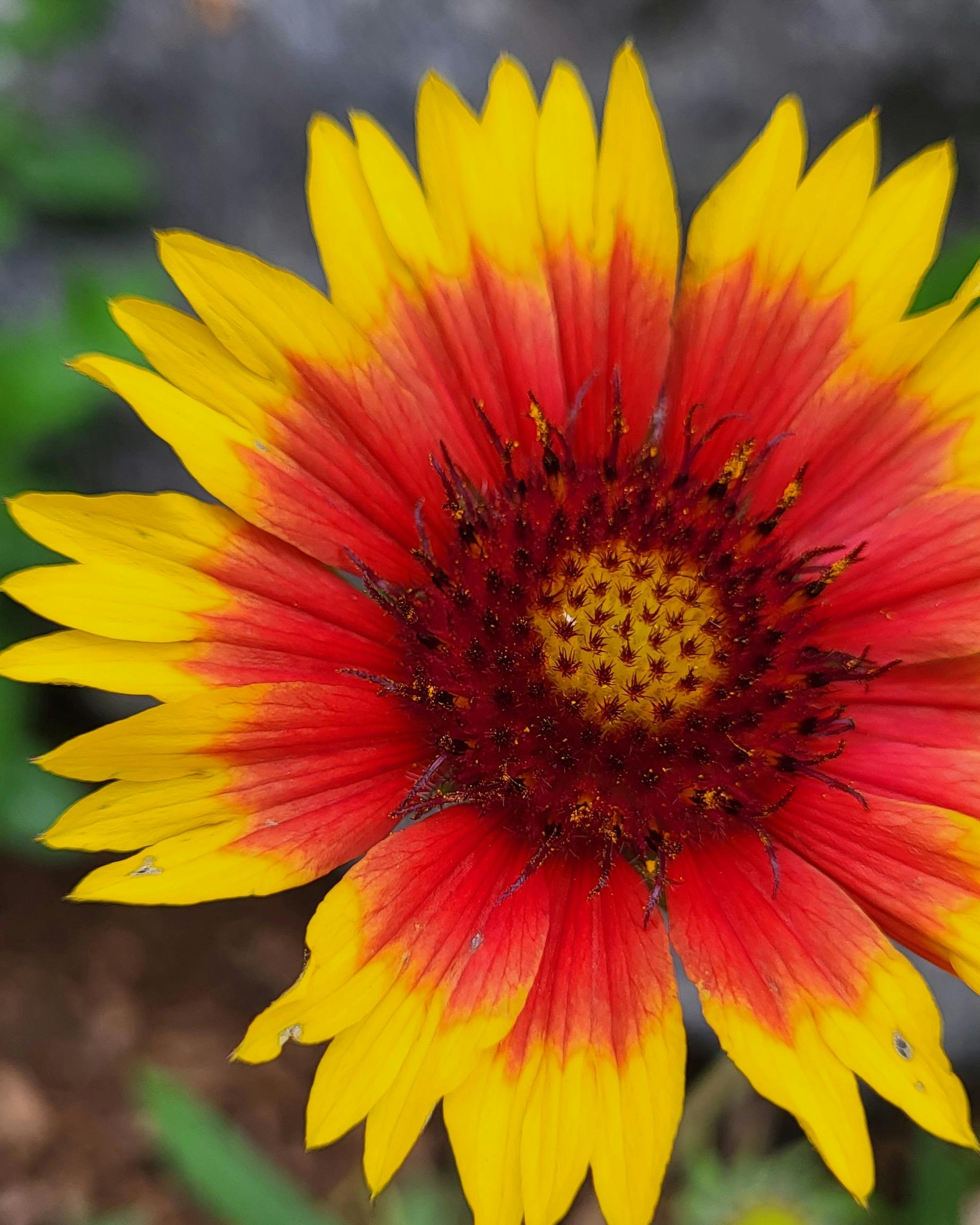
): Red and yellow daisy-like flowers, very drought tolerant once established.
For Hummingbirds: Hummingbirds are drawn to tubular, brightly colored flowers, especially red, orange, and pink, that are rich in nectar.
- Bee Balm (
): As mentioned, a hummingbird favorite.
- Salvia (
): Many varieties, especially red ones, are excellent.
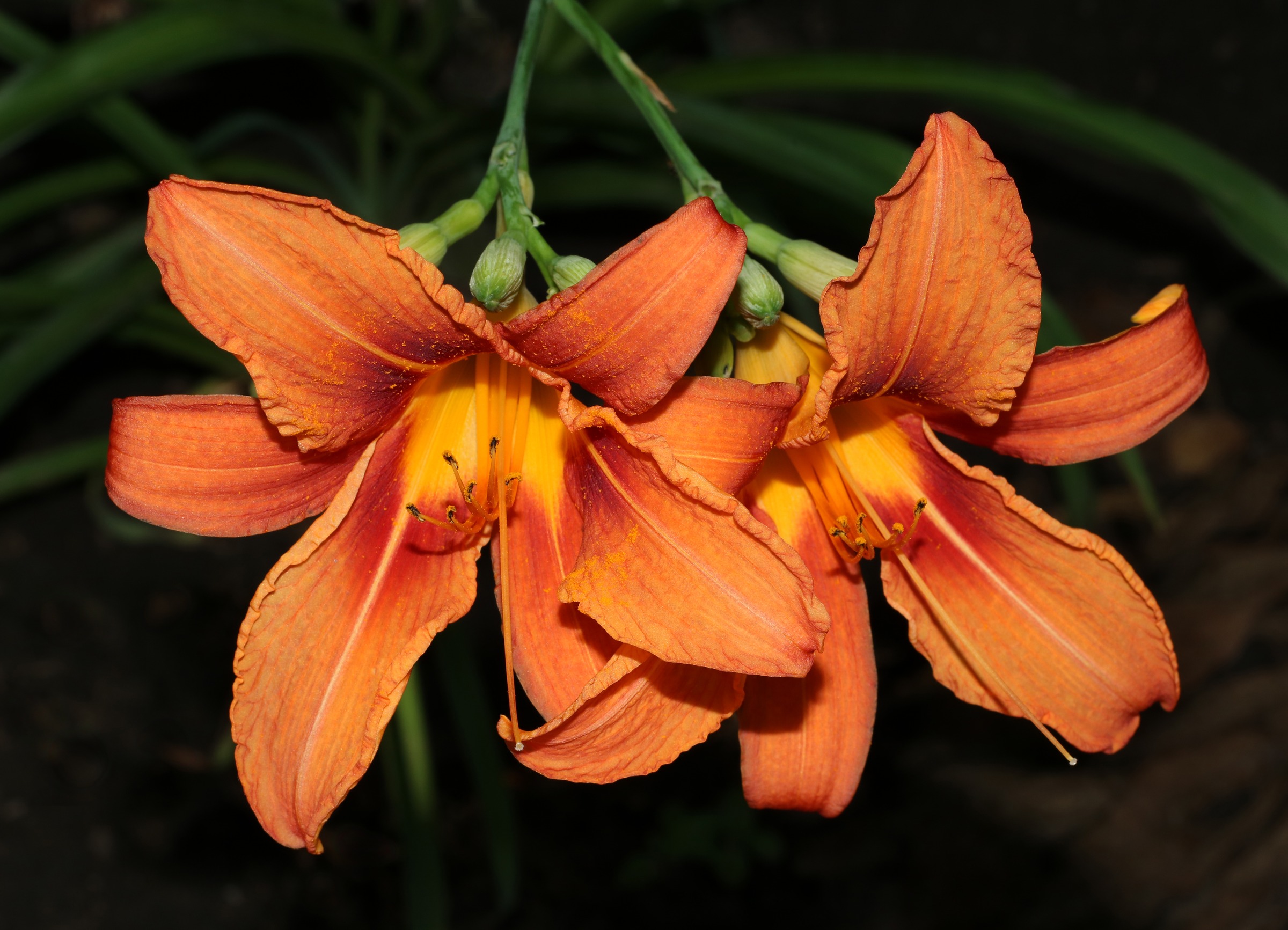
- Daylily (
): While not a primary hummingbird plant, some varieties with tubular shapes can attract them.
- Cardinal Flower (Lobelia cardinalis): Stunning red tubular flowers, a hummingbird magnet.
Quick Reference: Zone 5 Pollinator Plant Guide
| Plant Name | Bloom Time | Primary Pollinators | Flower Color | Sun Needs | Notes |
|---|---|---|---|---|---|
| Bee Balm | Summer | Bees, Hummingbirds | Red, Pink, Purple | Full Sun | Aromatic, can spread |
| Black-Eyed Susan | Summer-Fall | Bees, Butterflies | Yellow | Full Sun | Drought tolerant, reliable |
| Blazing Star | Summer | Bees, Butterflies | Purple | Full Sun | Unique bloom, attracts Monarchs |
| Blanket Flower | Summer-Fall | Bees, Butterflies | Red, Yellow | Full Sun | Drought tolerant, long blooming |
| Catmint | Late Spring-Fall | Bees, Butterflies | Lavender-Blue | Full Sun | Deer resistant, low maintenance |
| Coneflower | Summer-Fall | Bees, Butterflies | Pink, Purple, White | Full Sun | Drought tolerant, sturdy |
| Coreopsis | Summer | Bees, Butterflies | Yellow | Full Sun | Many varieties, long bloom |
| Daylily | Summer | Bees, Hummingbirds | Various | Full Sun-Part Shade | Easy to grow, reliable |
| Salvia | Spring-Fall | Bees, Hummingbirds | Blue, Purple, Red | Full Sun | Many hardy varieties for Zone 5 |
| Yarrow | Summer | Bees, Butterflies | Yellow, Pink, Red | Full Sun | Drought tolerant, flat landing pads |
| Milkweed | Summer | Monarchs (host & nectar) | Orange, Pink, White | Full Sun | Essential for Monarch butterflies |
Remember, no plant is truly deer-proof, but many of the plants listed above are considered deer-resistant, especially if they have fragrant foliage like Catmint or Yarrow.
How Do I Design and Maintain a Pollinator Garden in Zone 5?
Successful pollinator gardens are not just about individual plants; they're about creating a thriving ecosystem.
1. Site Selection and Preparation:
- Sunlight: Most pollinator plants need at least 6 hours of full sun per day.
- Soil: Good drainage is crucial. Amend heavy clay soils with compost to improve structure. A soil test can help you understand your soil's pH and nutrient levels.
- Water Source: Consider proximity to a water source for initial establishment.
2. Design Principles:
- Continuous Bloom: Plan for something to be in bloom from early spring (e.g., Crocus, Grape Hyacinth) through late fall (e.g., Asters, Sedum). This ensures a constant food supply.
- Mass Plantings: Plant flowers in drifts or groups of at least three to five of the same species. This creates a larger, more visible target for pollinators and allows them to forage more efficiently.
- Diversity: Include a variety of flower shapes (tubular, flat, cup-shaped) to accommodate different pollinator mouthparts.
- Layering: Plant taller species in the back, medium-height in the middle, and shorter plants or groundcovers in the front.
- Host Plants: Don't forget host plants for caterpillars! For example, milkweed for Monarchs, dill/fennel for Swallowtails.
- Water Feature: A shallow bird bath with pebbles or a bee bath provides a safe drinking spot.
3. Maintenance for Success:
- Watering: Water regularly during the first year to establish plants. Once established, many native pollinator plants are quite drought-tolerant.
- Weeding: Keep weeds under control, especially when plants are young, to reduce competition.
- Pesticide-Free: This is paramount! Avoid all synthetic pesticides, herbicides, and fungicides. They can harm or kill pollinators and their larvae. If pest issues arise, use organic solutions or embrace beneficial insects.
- Leave the Leaves: In fall, resist the urge to "clean up" too much. Leaf litter and hollow plant stems provide overwintering habitat for many native bees and beneficial insects. Cut back perennials in spring instead of fall.
- Deadheading: While some plants benefit from deadheading to encourage more blooms, consider leaving some spent flower heads for seed-eating birds or for self-seeding.
What Else Can I Do to Support Pollinators in Zone 5?
Beyond planting flowers, you can further enhance your garden's appeal to pollinators:
- Provide Shelter: Create brush piles, leave some bare patches of soil for ground-nesting bees, or install a "bee hotel" for cavity-nesting bees.
- Educate Others: Share your knowledge and passion with neighbors, friends, and family. Encourage them to plant pollinator-friendly gardens too.
- Support Local Nurseries: Purchase plants from nurseries that do not treat their plants with neonicotinoids or other harmful systemic pesticides.
- Reduce Lawn Size: Consider converting some of your lawn into a wildflower meadow or a dedicated pollinator bed.
By following this guide, your Zone 5 garden will not only be a beautiful space but also a vital sanctuary for the incredible creatures that make our world bloom.
Ready to find the perfect plants for your yard? Try the PlantWise Plant Finder →