How to Build a Pollinator Garden in Zone 6
Disclosure: PlantWise is reader-supported. When you buy through links on our site, we may earn an affiliate commission at no extra cost to you. Full disclosure →
Creating a pollinator garden in USDA Zone 6 is one of the most rewarding projects a gardener can undertake. Zone 6 experiences cold winters (-10°F to 0°F) and warm summers, which is the perfect climate for many native pollinator-friendly plants.
The 3 Rules of a Pollinator Garden
- Plant in Drifts: Pollinators are near-sighted. Plant at least 3-5 of the same plant together so they can easily spot the color from a distance.
- Plan for Continuous Bloom: You need plants that bloom in spring, summer, and fall so there is never a food shortage.
- Skip the Pesticides: A healthy garden will attract predatory insects that will naturally control pests.
🌱 Get Personalized Plant Picks
Answer a few quick questions and we’ll match plants to your exact yard conditions.
Find My Plants →Top Pollinator Plants for Zone 6
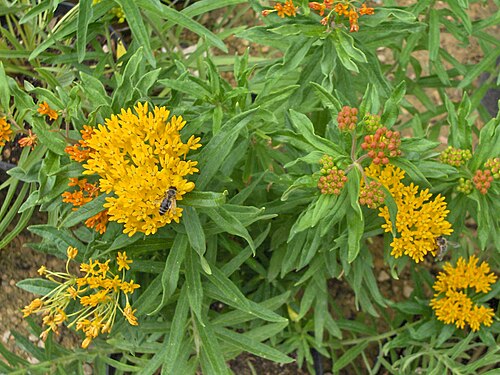
1. Butterfly Weed (Asclepias tuberosa)
If you want Monarch butterflies, you must plant milkweed. Butterfly Weed is a native milkweed that thrives in the dry, sunny conditions of Zone 6. It produces bright orange flowers that are irresistible to butterflies.
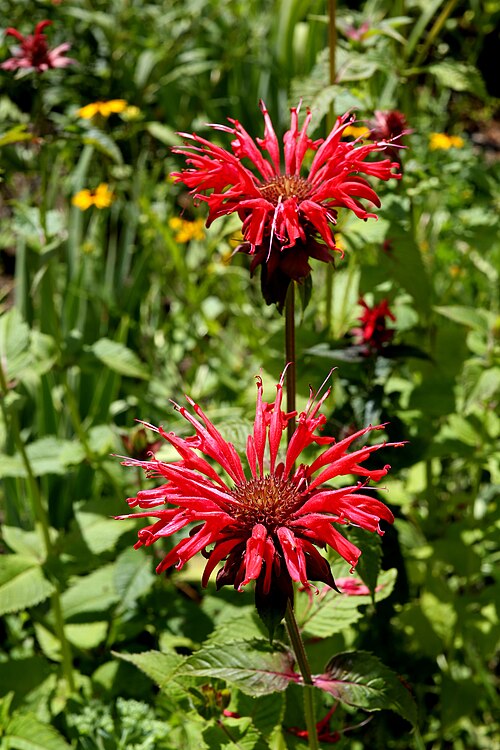
2. Bee Balm (Monarda didyma)
Bee Balm is a native perennial with unique, shaggy flowers in brilliant shades of red, pink, and purple. Its tubular flowers are perfectly shaped for hummingbirds and long-tongued bees.
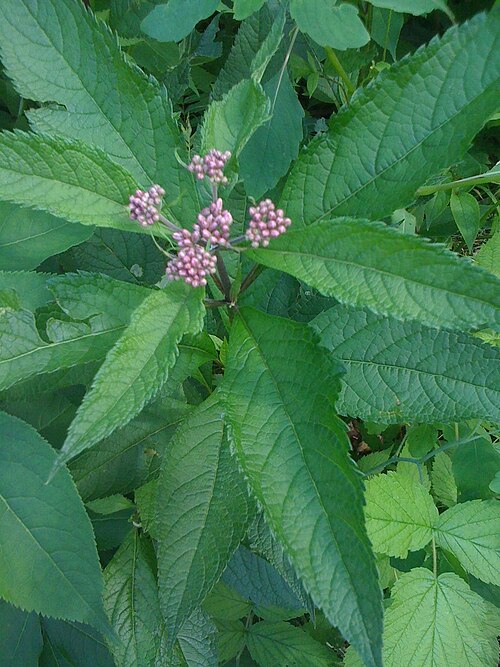
3. Joe Pye Weed (Eutrochium purpureum)
Joe Pye Weed is a native giant that can reach 6-7 feet tall. Its massive, dome-shaped flower clusters in late summer are a magnet for Swallowtail butterflies.
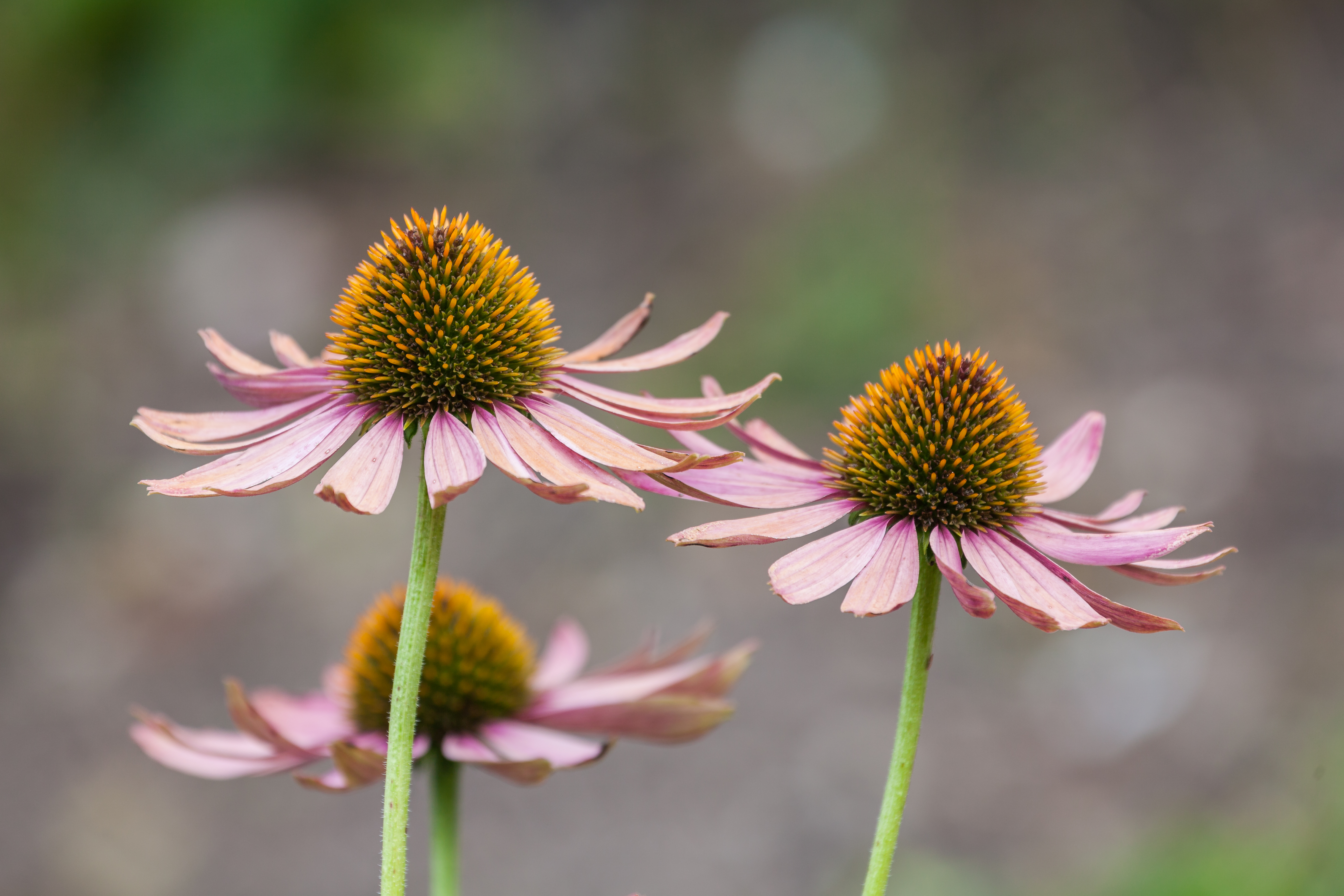
4. Coneflower (Echinacea purpurea)
Coneflowers provide a broad, flat landing pad that makes them incredibly popular with butterflies and bees. Leave the seed heads standing in fall to attract goldfinches.
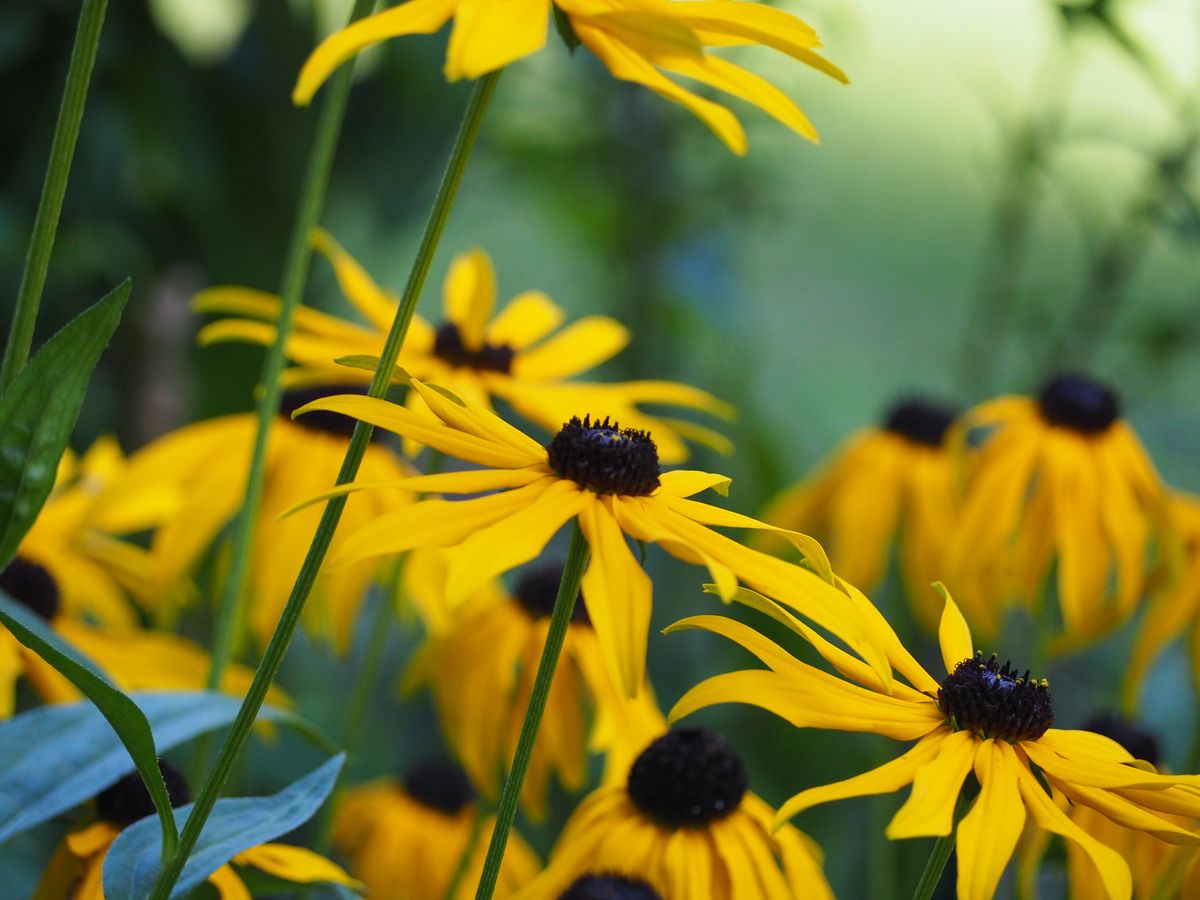
5. Black-eyed Susan (Rudbeckia hirta)
These cheerful, yellow daisy-like flowers bloom from mid-summer all the way to frost. They are incredibly drought-tolerant and provide a crucial late-season nectar source.
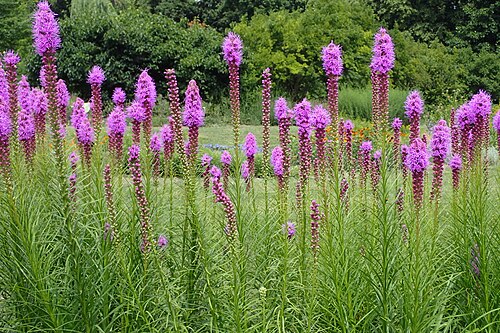
6. Blazing Star (Liatris spicata)
Liatris produces tall, fuzzy purple spikes that bloom from the top down. They are highly attractive to butterflies and bees and add great vertical interest to the garden.
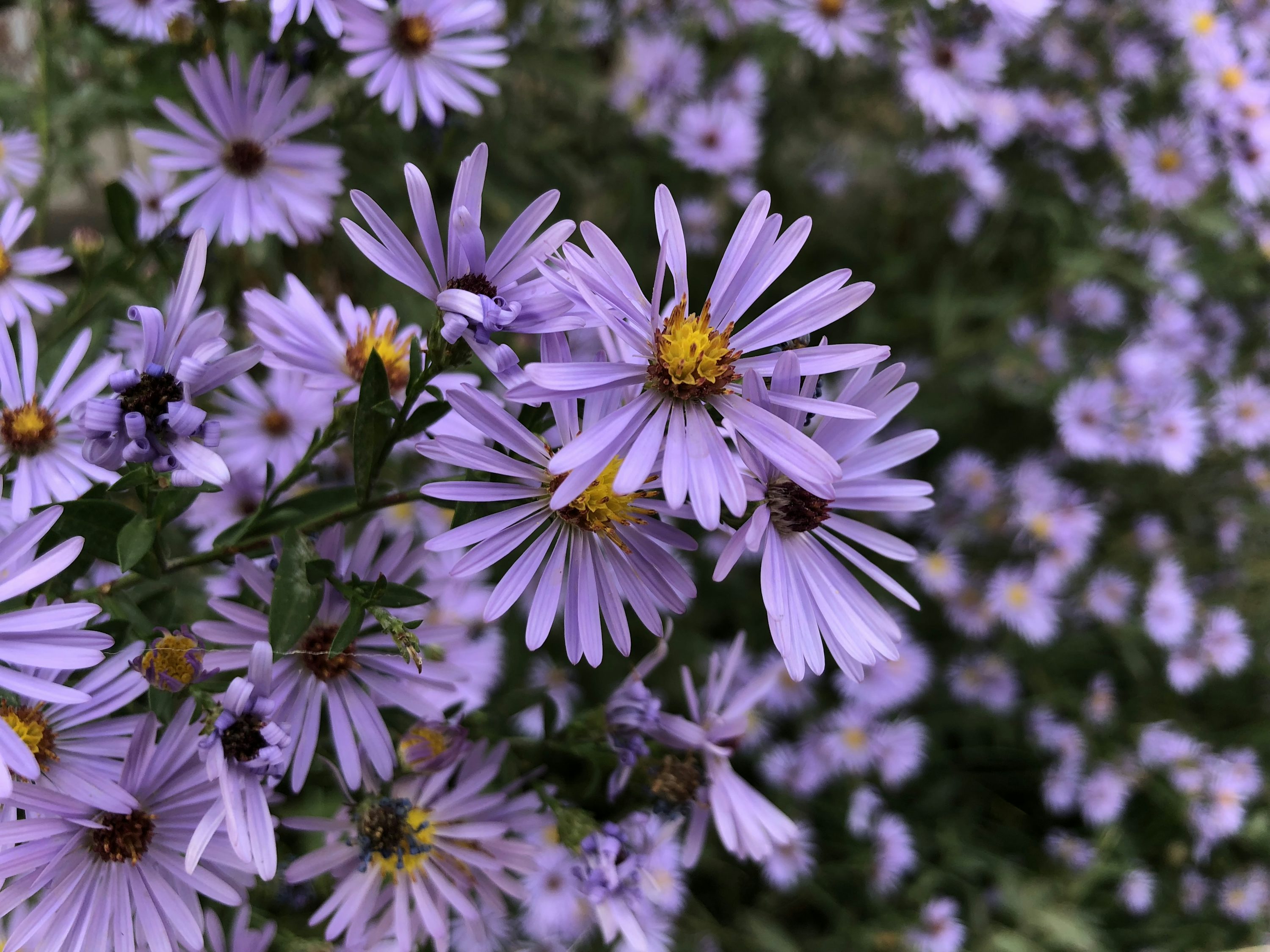
7. Aster (Symphyotrichum)
Asters are the grand finale of the pollinator garden. They bloom in late summer and fall, providing essential fuel for migrating Monarchs and bees preparing for winter.
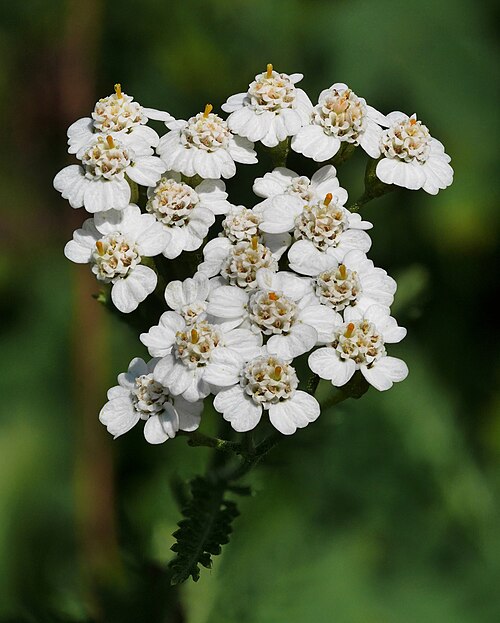
8. Yarrow (Achillea millefolium)
Yarrow's flat-topped flower clusters provide a perfect landing pad for smaller butterflies and beneficial predatory insects. It's incredibly tough and thrives in poor, dry soil.
Beyond the Flowers: Habitat Needs
- Provide a water source: A shallow dish filled with pebbles and water gives bees and butterflies a safe place to drink.
- Leave some bare soil: Many native bees are solitary and nest in the ground.
- Delay fall cleanup: Wait until late spring to cut back dead stems — many pollinators overwinter inside hollow plant stems.
Ready to design your pollinator paradise? Use our Plant Finder to discover more pollinator-friendly plants.