Complete Pollinator Garden Guide for Zone 6
Creating a thriving pollinator garden in USDA Hardiness Zone 6 involves selecting a diverse range of native and well-adapted plants that provide continuous blooms from spring through fall, offering vital nectar, pollen, and host plant resources for bees, butterflies, hummingbirds, and other beneficial insects. By focusing on plants suited to your climate, incorporating water sources, and avoiding pesticides, you can establish a vibrant ecosystem that supports local wildlife and enhances the beauty of your landscape. This guide will walk you through everything you need to know to design and maintain a successful pollinator haven in Zone 6.
Why is a Pollinator Garden So Important in Zone 6?
Pollinators are essential for the reproduction of many plants, including a significant portion of our food crops. Bees, butterflies, moths, hummingbirds, and other creatures transfer pollen, enabling plants to produce fruits, vegetables, and seeds. In Zone 6, which experiences a full range of seasons, pollinators emerge in spring and remain active through fall, requiring a consistent food supply. Habitat loss, pesticide use, and climate change have severely impacted pollinator populations. By planting a pollinator garden, you directly contribute to their survival, support local biodiversity, and help ensure the health of our ecosystems and food supply. Plus, these gardens are often beautiful, dynamic spaces teeming with life!
🌱 Get Personalized Plant Picks
Answer a few quick questions and we’ll match plants to your exact yard conditions.
Find My Plants →What are the Best Practices for Designing a Pollator Garden in Zone 6?
Designing an effective pollinator garden in Zone 6 involves thoughtful planning to ensure it meets the needs of various pollinators throughout the growing season.
- Choose Native Plants: Prioritize native plants whenever possible. They are best adapted to your local climate and soil conditions, require less water and fertilizer, and provide the most beneficial resources for local pollinator species, which have co-evolved with these plants.
- Provide Continuous Blooms: Aim for a succession of blooms from early spring to late fall. This ensures a consistent food source as different pollinators emerge and forage. Group plants with similar bloom times together to create "pollinator magnets."
- Offer a Variety of Flower Shapes and Colors: Different pollinators prefer different flower types.
- Bees: Prefer blue, purple, white, and yellow flowers with open, shallow, or tubular shapes.
- Butterflies: Attracted to red, orange, yellow, pink, and purple flowers, often with flat landing pads or clusters of small flowers.
- Hummingbirds: Drawn to red, orange, and pink tubular flowers.
- Moths: Often prefer white or pale-colored, fragrant flowers that open at night.
- Plant in Clumps: Plant flowers in drifts or clumps of at least 3-5 plants of the same species. This makes them more visible and attractive to foraging pollinators, who expend less energy moving between individual flowers.
- Include Host Plants: Don't forget host plants for butterfly and moth larvae (caterpillars). For example, milkweed is essential for Monarch butterflies, and dill, parsley, and fennel are host plants for Swallowtails.
- Provide Water and Shelter: A shallow bird bath with stones for landing, or a damp patch of sand, can provide water and minerals. Leave some bare ground for ground-nesting bees and consider a brush pile or rock pile for shelter.
- Avoid Pesticides: Even organic pesticides can harm pollinators. Focus on creating a healthy ecosystem that supports natural pest control. If pest issues arise, try manual removal or targeted, non-toxic solutions.
Which Pollinator Plants Thrive in Zone 6?
Zone 6 offers a fantastic range of plants that are perfect for attracting pollinators. Here's a selection, categorized by bloom time, to help you plan for continuous support:
Early Spring (March - May):
- Crocus: One of the first food sources for emerging bees.
- Virginia Bluebells ( Mertensia virginica ): Native, beautiful blue flowers.
- Wild Geranium ( Geranium maculatum ): Purple-pink blooms, good for early bees.
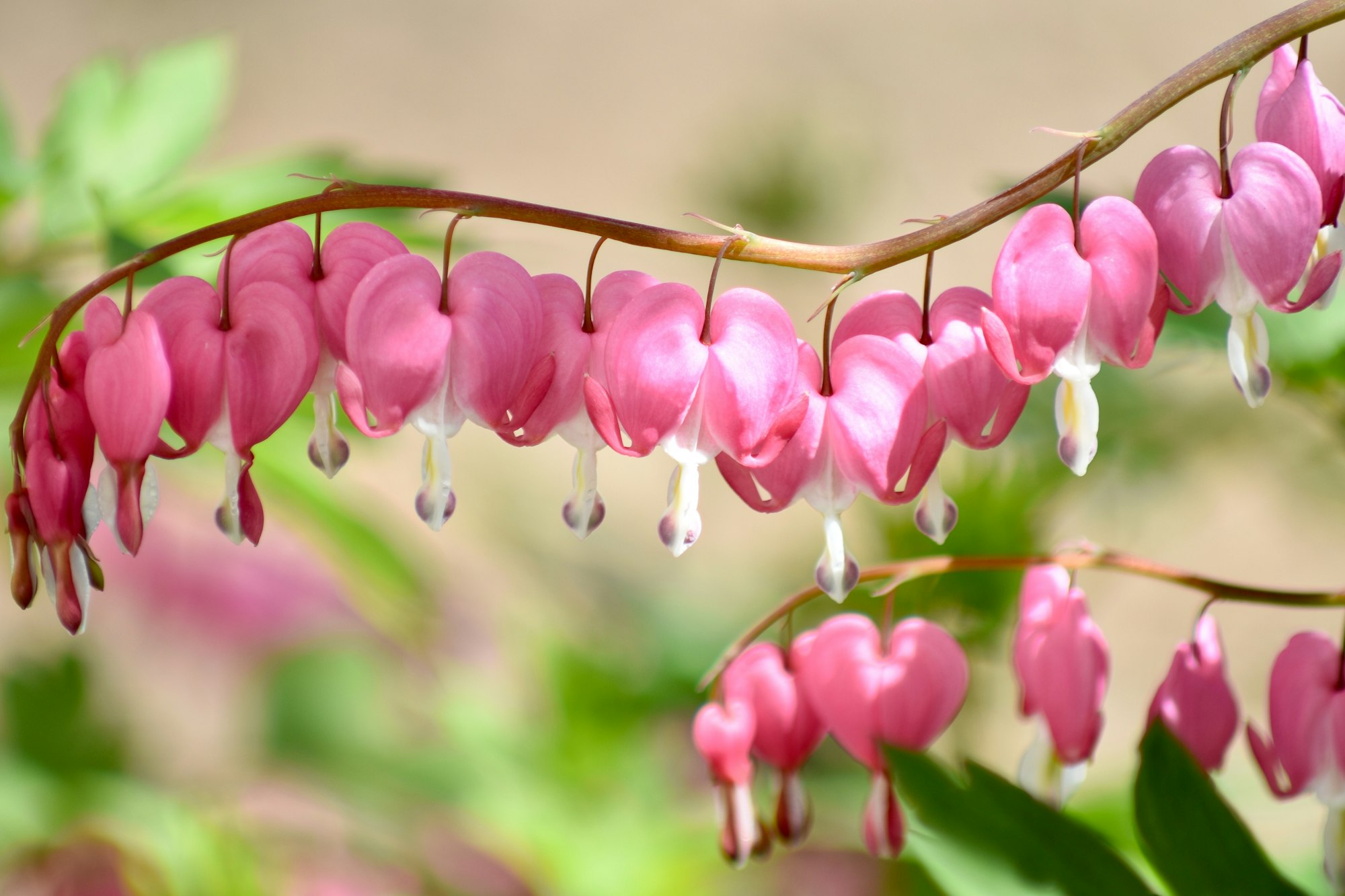
- Bleeding Heart ( Dicentra spectabilis ): Heart-shaped flowers, attractive to hummingbirds.
- Redbud ( Cercis canadensis ): Small native tree with early pink blooms.
Late Spring to Early Summer (May - July):
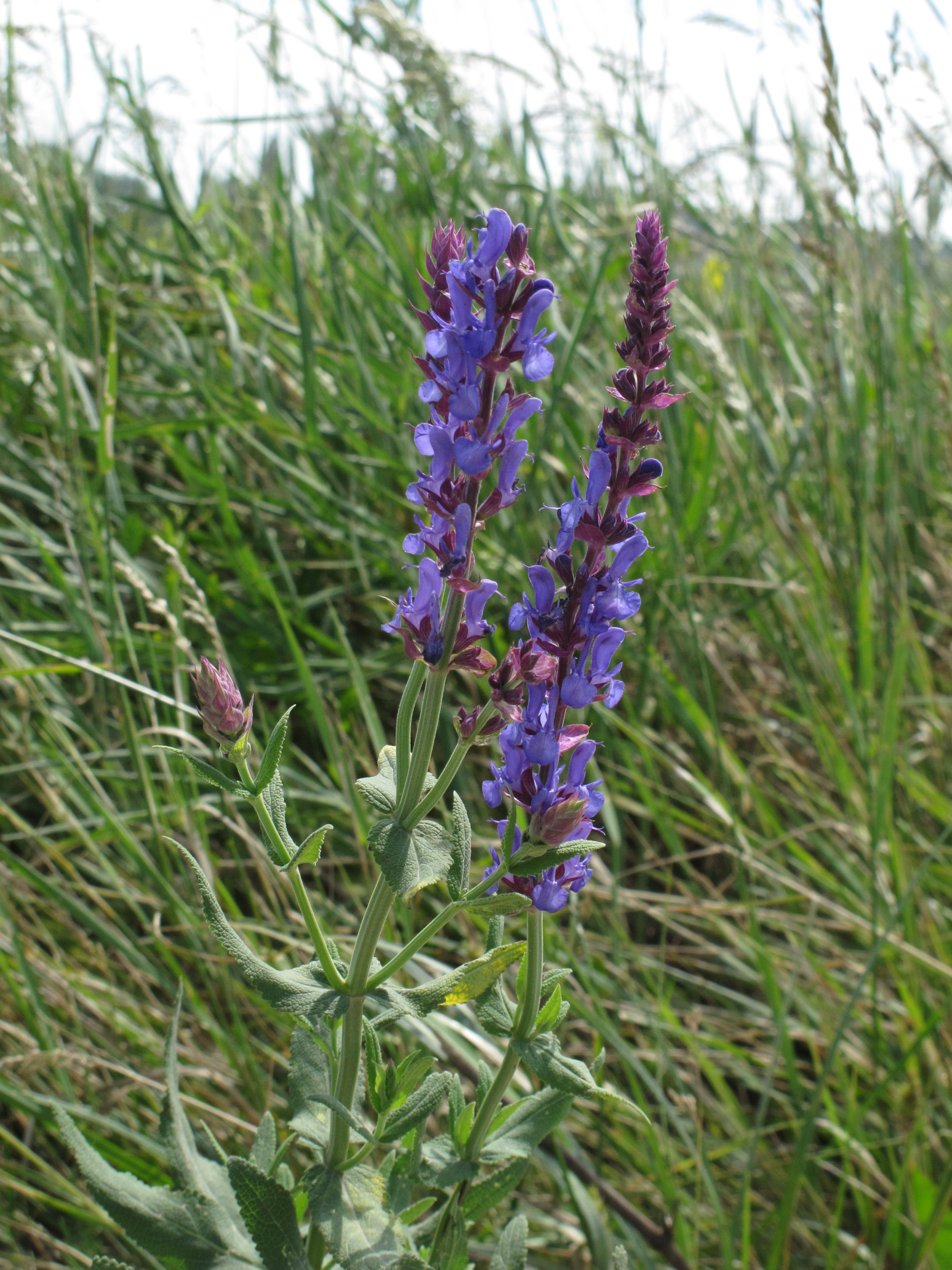
(Salvia):** Many varieties, including native Salvia nemorosa or Salvia lyrata, provide spikes of purple, blue, or pink flowers. Excellent for bees and hummingbirds.
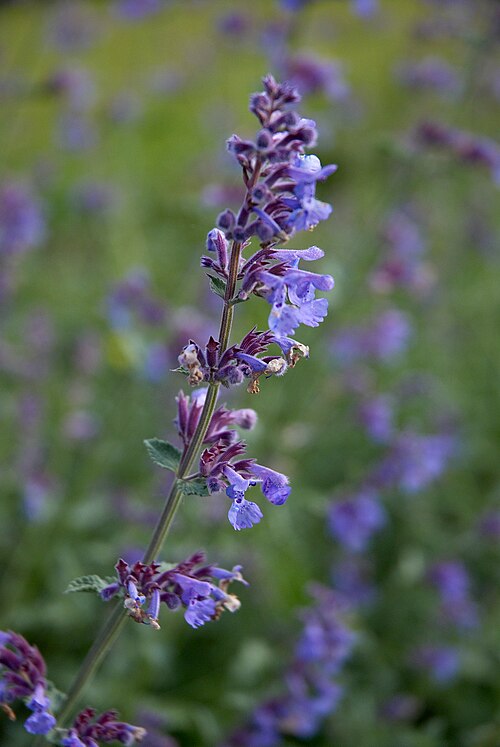
(Catmint):** Drought-tolerant and long-blooming, a favorite of bees.
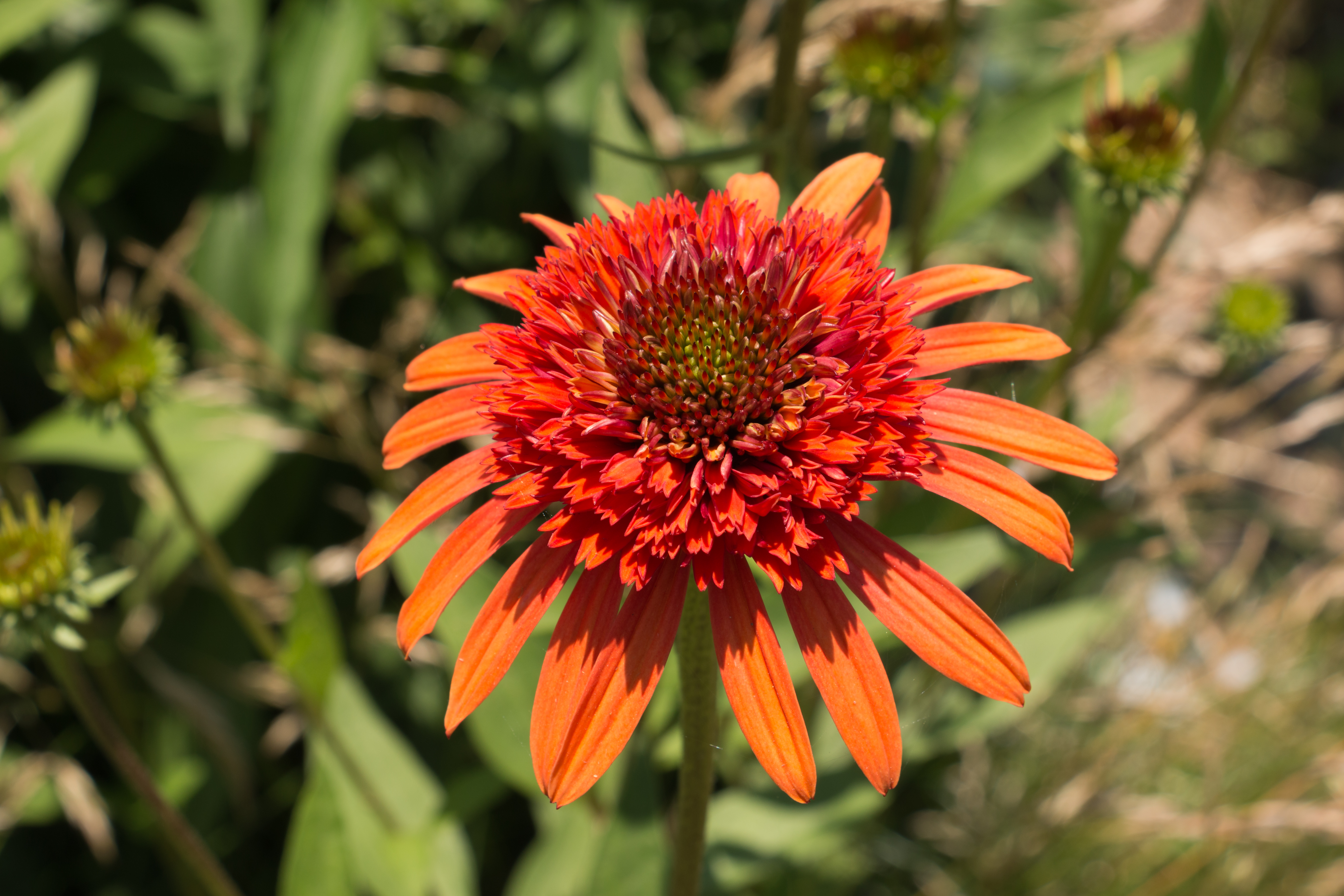
(Coneflower):** Especially purple coneflower (Echinacea purpurea), a native powerhouse for bees and butterflies.
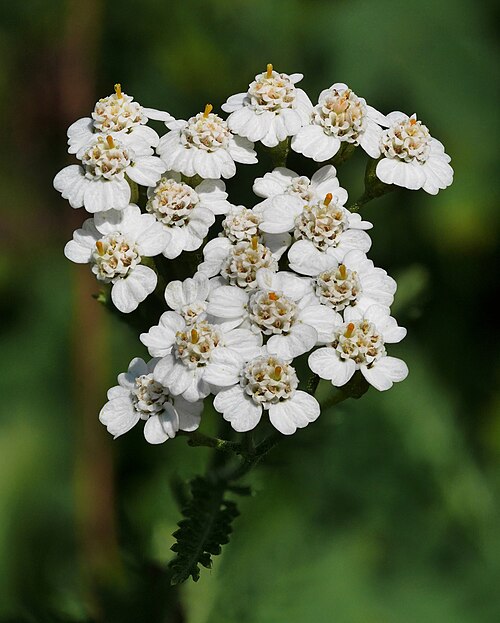
(Yarrow):** Flat-topped clusters of flowers provide landing pads for butterflies.
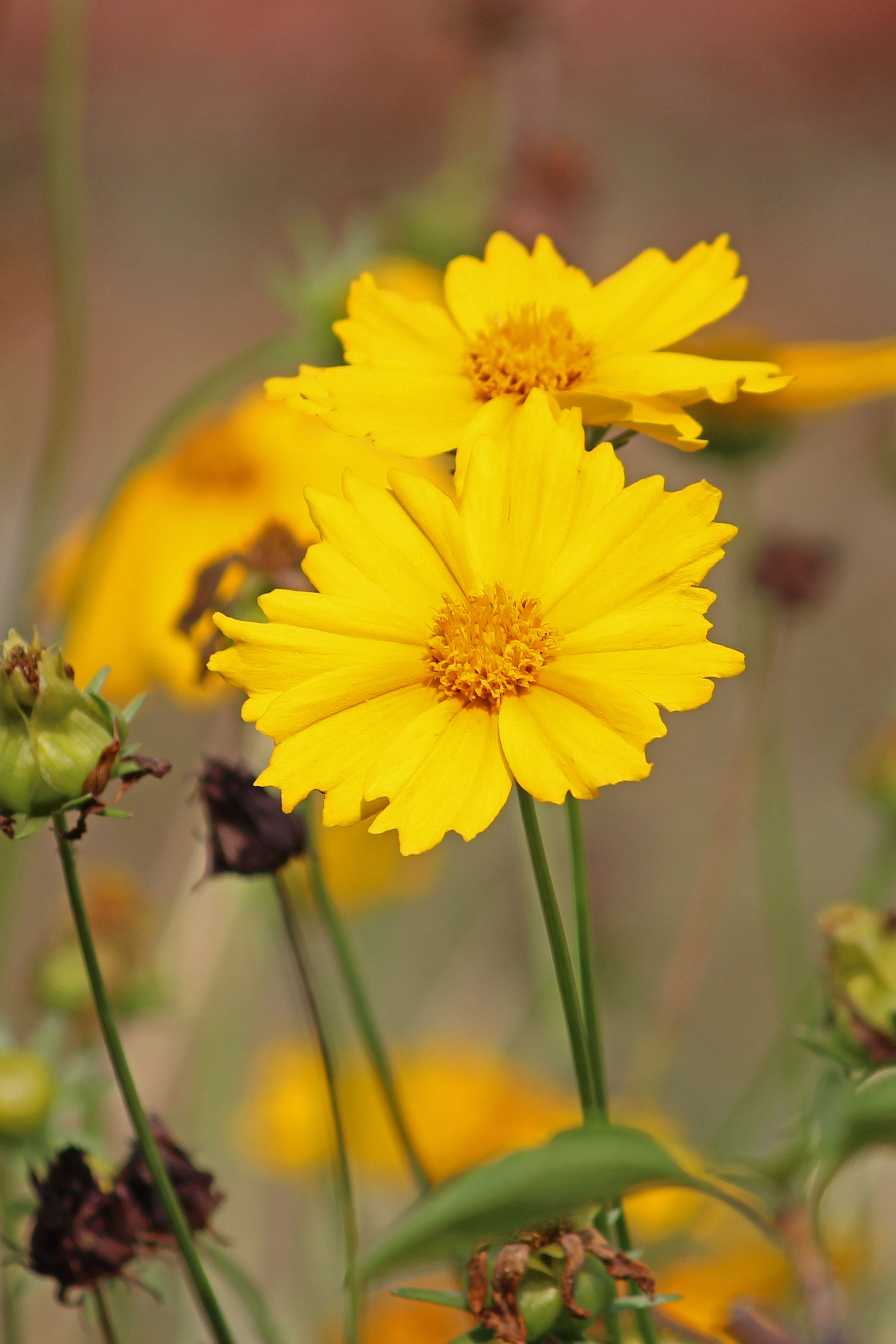
(Coreopsis):** Bright yellow, daisy-like flowers attract a variety of pollinators.
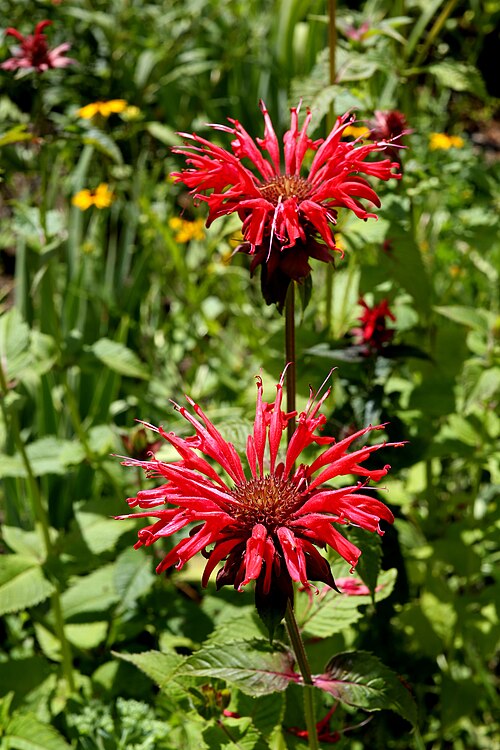
(Bee Balm):** Native Monarda species are hummingbird and bee magnets.
- Milkweed ( Asclepias tuberosa, A. syriaca ): Essential host plant for Monarch butterflies, also a great nectar source.
Mid-Summer to Fall (July - October):
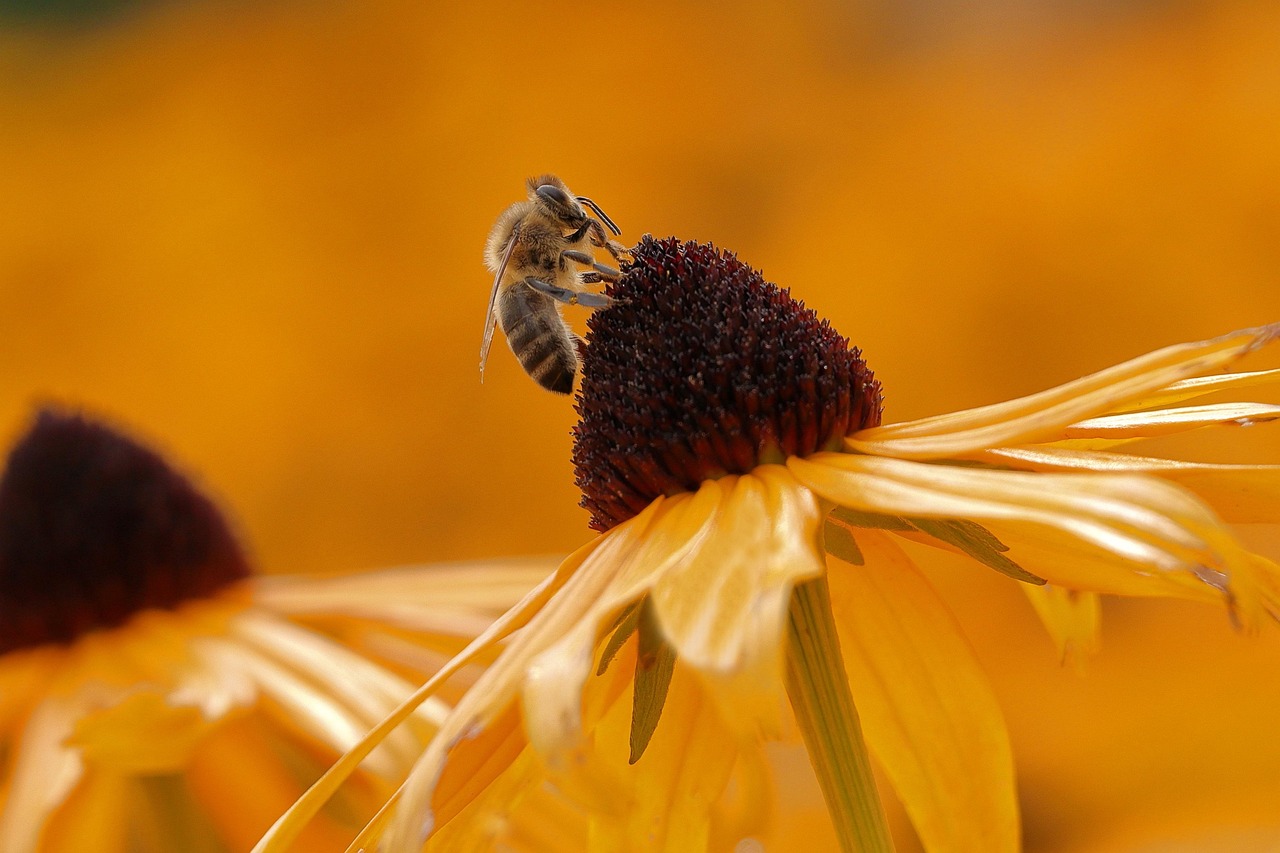
(Black-eyed Susan):** Cheerful yellow blooms that attract bees and butterflies.
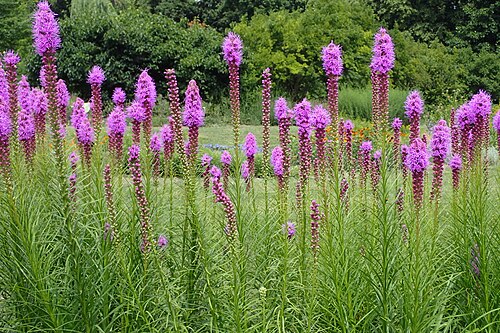
(Blazing Star / Liatris):** Tall spikes of purple flowers are irresistible to monarch butterflies.
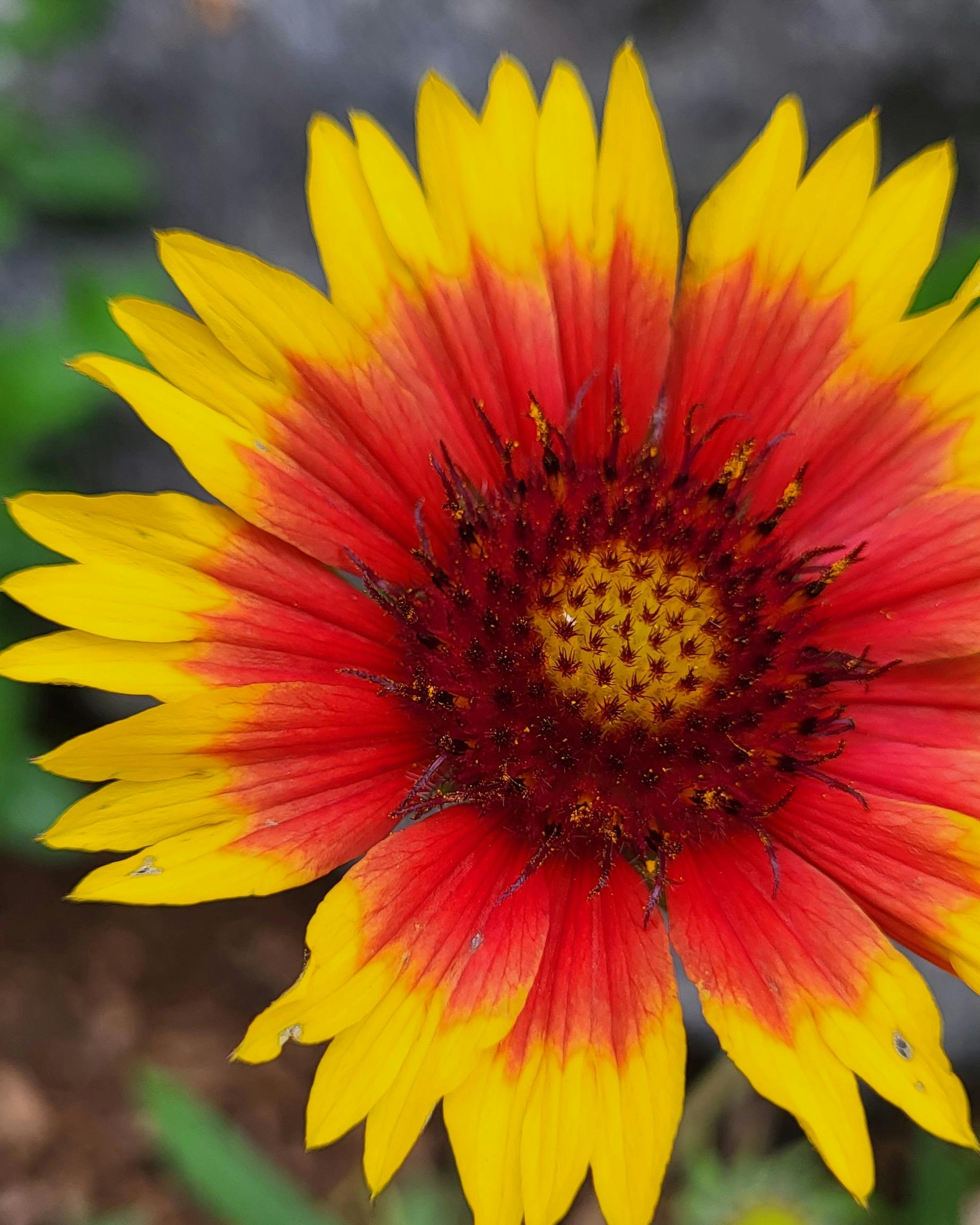
(Blanket Flower):** Bright, long-blooming flowers for bees and butterflies.
- Aster ( Symphyotrichum spp.): Native asters provide crucial late-season nectar for migrating monarchs and other pollinators.
- Goldenrod ( Solidago spp.): Often unfairly blamed for allergies (ragweed is the culprit), goldenrod is a vital late-season food source for many insects.
- Sedum (Stonecrop): Many varieties bloom in late summer/fall, offering nectar when other sources dwindle.
Quick Reference: Zone 6 Pollinator Plant Picks
| Bloom Time | Plant Name | Pollinators Attracted | Notes |
|---|---|---|---|
| Early Spring | Crocus | Bees | First food source |
| Early Spring | Virginia Bluebells | Bees | Native, shade tolerant |
| Late Spring |
| Bees, Hummers | Drought tolerant, long bloom | | Late Spring |
| Bees | Low maintenance, deer resistant | | Early Summer |
| Bees, Butterflies | Native, drought tolerant | | Early Summer |
| Butterflies, Bees | Flat clusters, good landing pads | | Mid-Summer |
| Hummers, Bees | Native, needs moisture | | Mid-Summer | Milkweed | Monarchs (host & nectar)| Essential for Monarchs | | Late Summer |
| Bees, Butterflies | Cheerful, long-lasting blooms | | Late Summer |
| Butterflies, Bees | Tall spikes, monarch magnet | | Fall | Asters | Bees, Butterflies | Crucial late-season nectar | | Fall | Goldenrod | Bees, Butterflies | Vital late-season food, native |
How Do I Maintain a Healthy Pollinator Garden in Zone 6?
Maintaining your pollinator garden in Zone 6 is generally straightforward, especially if you've chosen native and well-adapted plants.
- Watering: During the first year, water new plants regularly to help them establish. Once established, many native plants are quite drought-tolerant and will only need supplemental watering during extended dry spells.
- Weeding: Keep weeds under control, especially when plants are young, to reduce competition for resources.
- Deadheading (Optional): Removing spent flowers (deadheading) can encourage some plants to produce more blooms. However, leaving some flowers to go to seed provides food for birds and allows for natural reseeding.
- Winter Cleanup: Resist the urge to "clean up" your garden too thoroughly in the fall. Leaving spent plant stalks and leaf litter provides vital overwintering habitat for beneficial insects and pollinator larvae. Wait until temperatures are consistently above 50°F (10°C) in spring before cutting back dead material.
- Avoid Chemicals: As mentioned, never use pesticides, herbicides, or fungicides in your pollinator garden. These chemicals can harm or kill pollinators and disrupt the delicate ecosystem you're trying to create.
- Observe and Enjoy: Spend time in your garden observing the visitors. This will help you understand what's working and what might need adjustment.
Creating a pollinator garden in Zone 6 is a rewarding endeavor that benefits both local wildlife and your own enjoyment of nature. By following these guidelines, you can cultivate a beautiful, buzzing, and fluttering haven that supports these vital creatures for years to come.
Ready to find the perfect plants for your yard? Try the PlantWise Plant Finder →