Complete Pollinator Garden Guide for Zone 7
Creating a thriving pollinator garden in Zone 7 means selecting a diverse array of native and adapted plants that bloom throughout the growing season, providing continuous food and habitat for bees, butterflies, hummingbirds, and other beneficial insects. In Zone 7, with its mild winters and hot summers, you have a fantastic opportunity to cultivate a vibrant ecosystem that supports local biodiversity. This guide will walk you through the essential steps, plant choices, and design considerations to establish a flourishing pollinator haven right in your backyard.
🌱 Get Personalized Plant Picks
Answer a few quick questions and we’ll match plants to your exact yard conditions.
Find My Plants →Why is a Pollinator Garden So Important in Zone 7?
Pollinators are vital to our ecosystem, responsible for the reproduction of over 75% of the world's flowering plants and about 35% of global food crops. In Zone 7, which spans a wide range of climates from the Pacific Northwest to the Mid-Atlantic and parts of the Southeast, these creatures face increasing challenges due to habitat loss, pesticide use, and climate change. By planting a pollinator garden, you're not just beautifying your space; you're providing critical resources-nectar, pollen, host plants, water, and shelter-that help sustain these essential species. A well-designed garden in Zone 7 can offer a continuous buffet from early spring to late fall, ensuring pollinators have food when they need it most.
What Are the Best Plants for a Zone 7 Pollinator Garden?
Choosing the right plants is the cornerstone of a successful pollinator garden. Focus on native plants, as they are best adapted to your local climate and soil conditions, and provide the most beneficial resources for native pollinators. Aim for a variety of flower shapes, sizes, and colors to attract different types of pollinators, and ensure continuous blooms from spring through fall.
Here’s a selection of excellent choices for Zone 7:
Spring Bloomers (March - May):
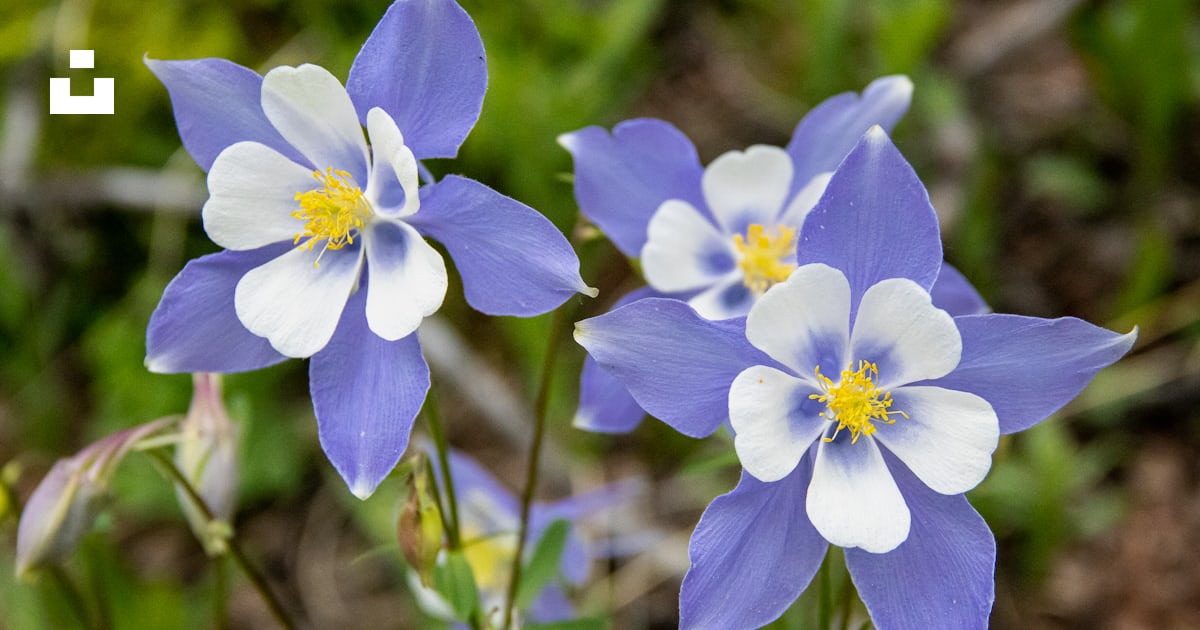
- Columbine (Aquilegia canadensis): Unique spurred flowers attract hummingbirds and long-tongued bees.
- Wild Geranium (Geranium maculatum): Provides early nectar for various bees.
- Phlox (Phlox subulata, P. divaricata): Groundcover and woodland varieties offer early color and food.
- Redbud (Cercis canadensis): A small native tree with early pink blooms, attracting early bees.
Summer Bloomers (June - August):
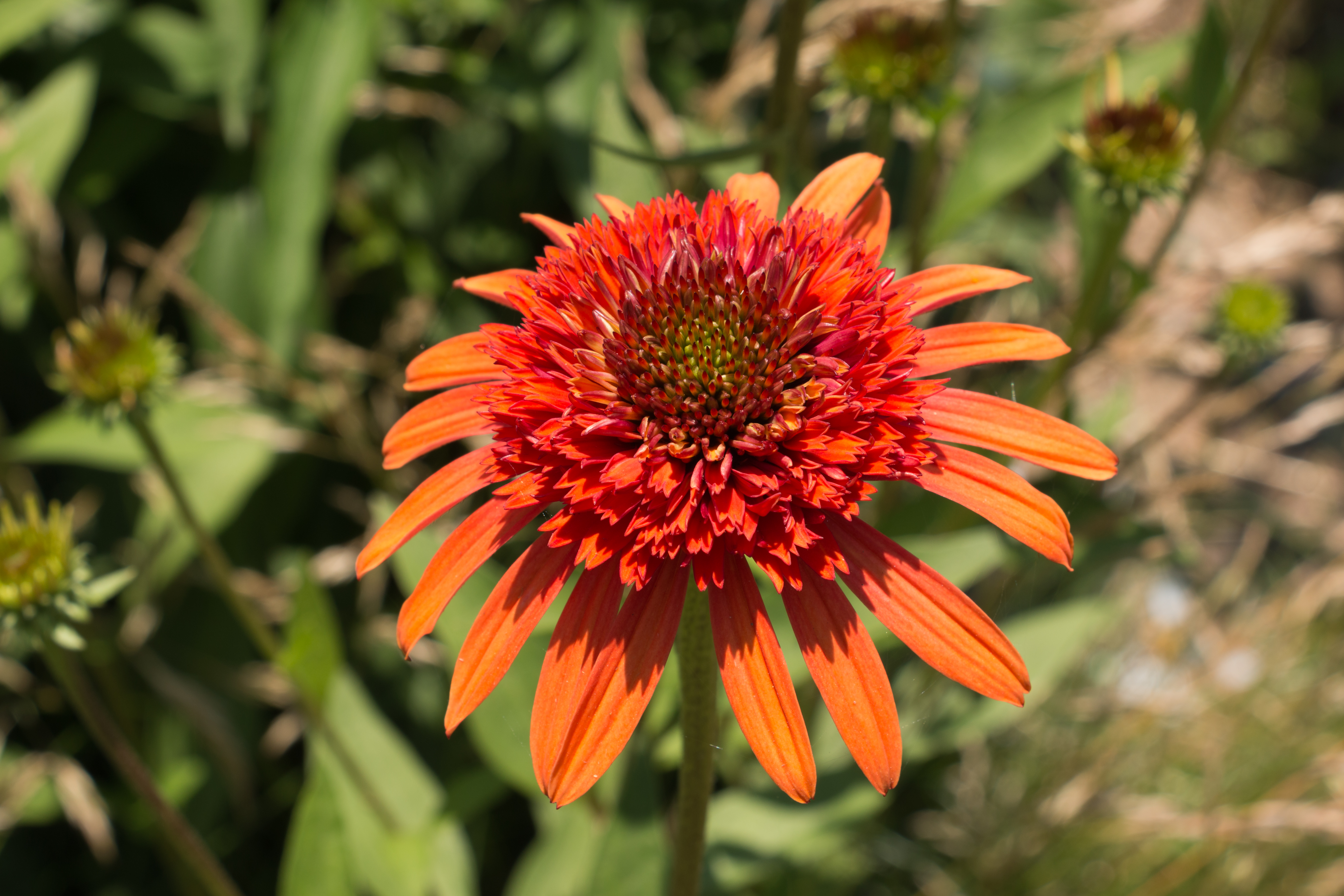
Coneflower (Echinacea purpurea): A classic, tough perennial that attracts a wide range of bees and butterflies.
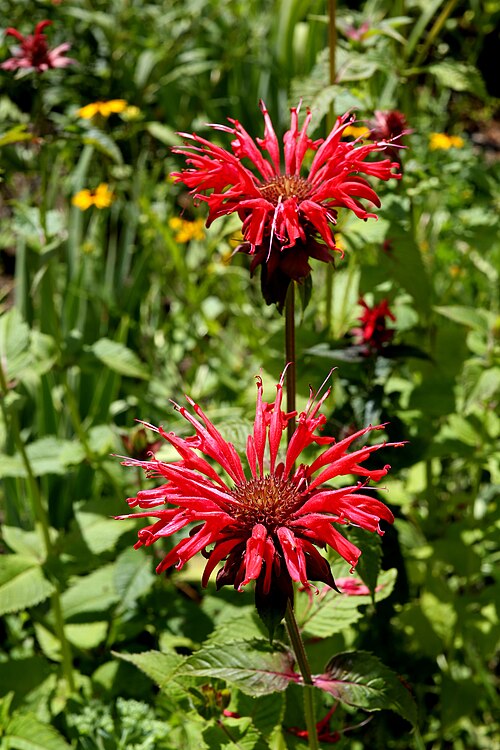
Bee Balm (Monarda didyma, M. fistulosa): A magnet for bees, butterflies, and hummingbirds.
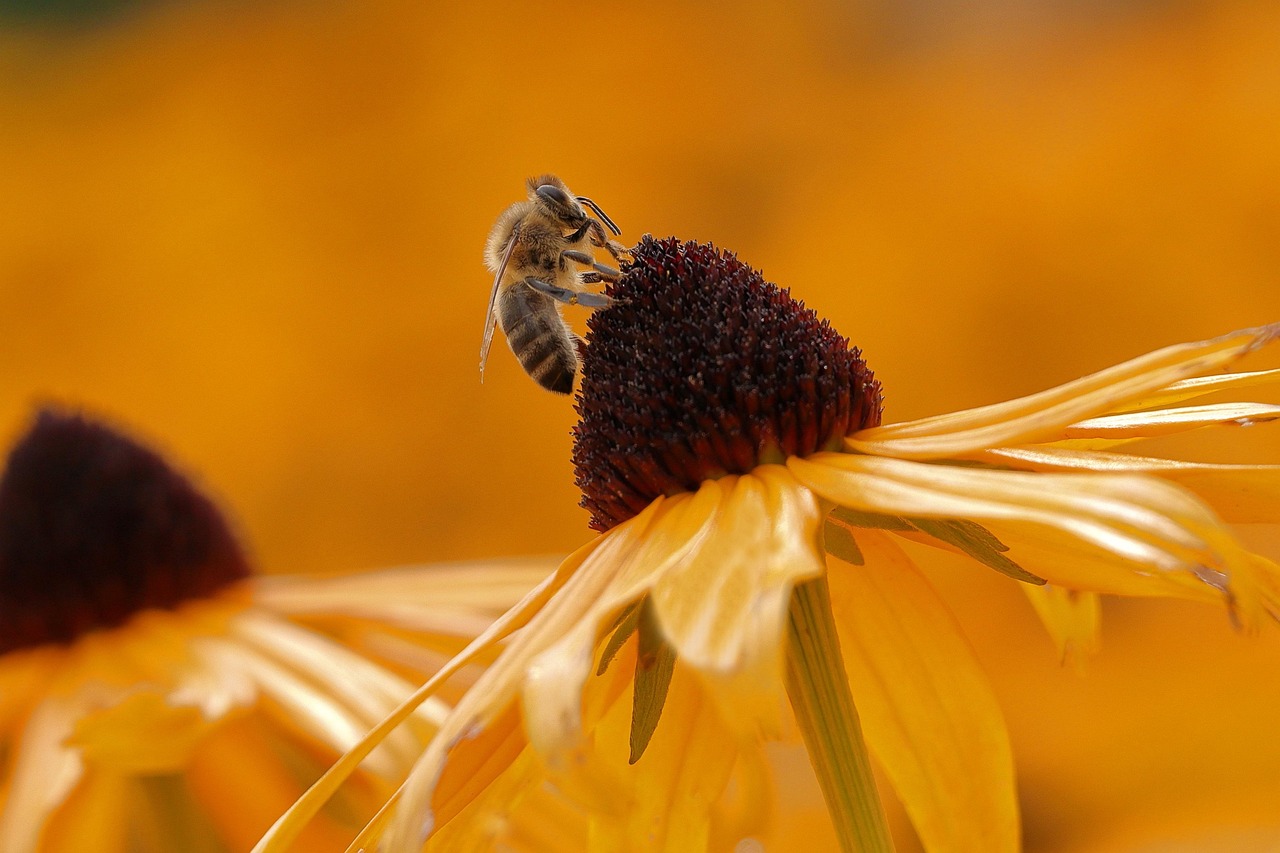
Black-eyed Susan (Rudbeckia hirta): Cheerful, sun-loving flowers that attract many pollinators.
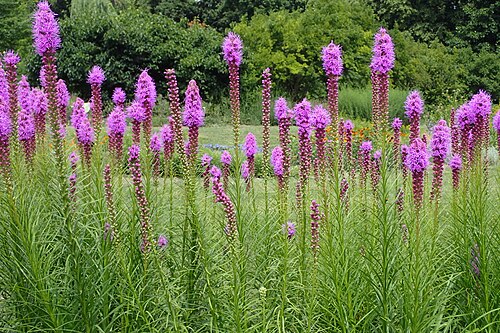
Blazing Star (Liatris spicata): Tall, spiky flowers are irresistible to monarch butterflies.
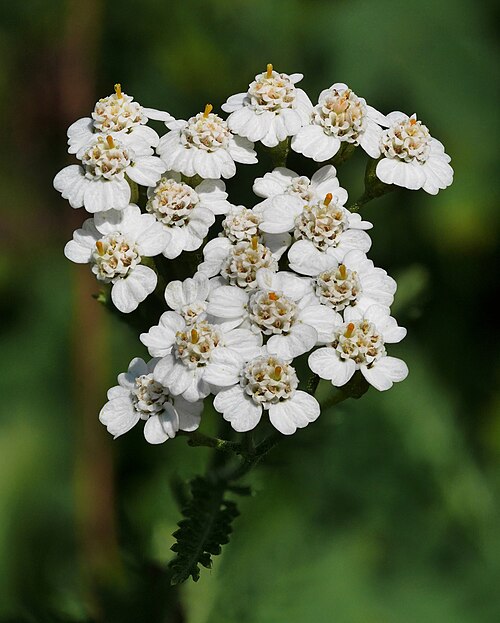
Yarrow (Achillea millefolium): Flat-topped clusters provide landing pads for small bees and beneficial insects.
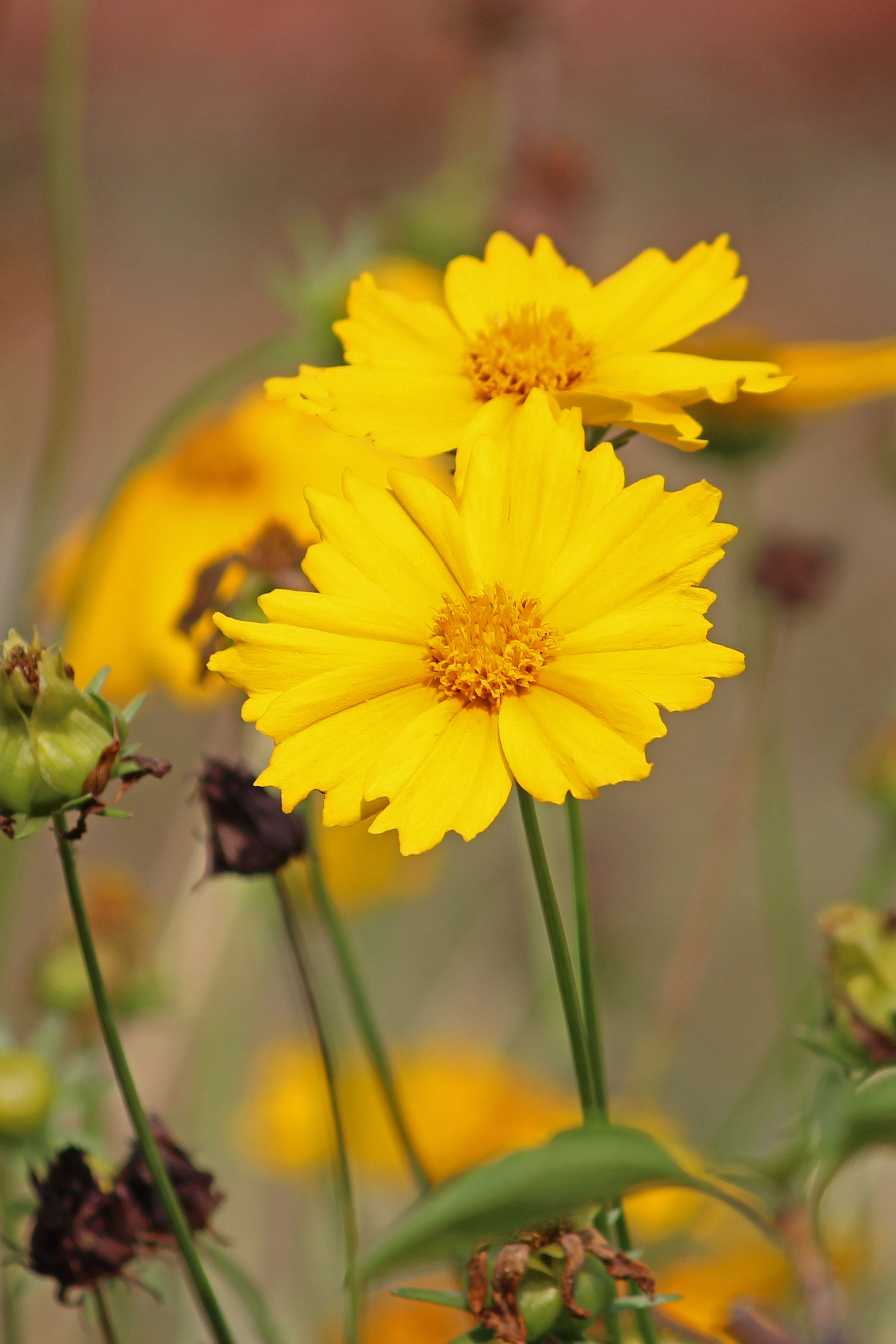
Coreopsis (Coreopsis spp.): Bright, daisy-like flowers are a favorite of many bees and butterflies.
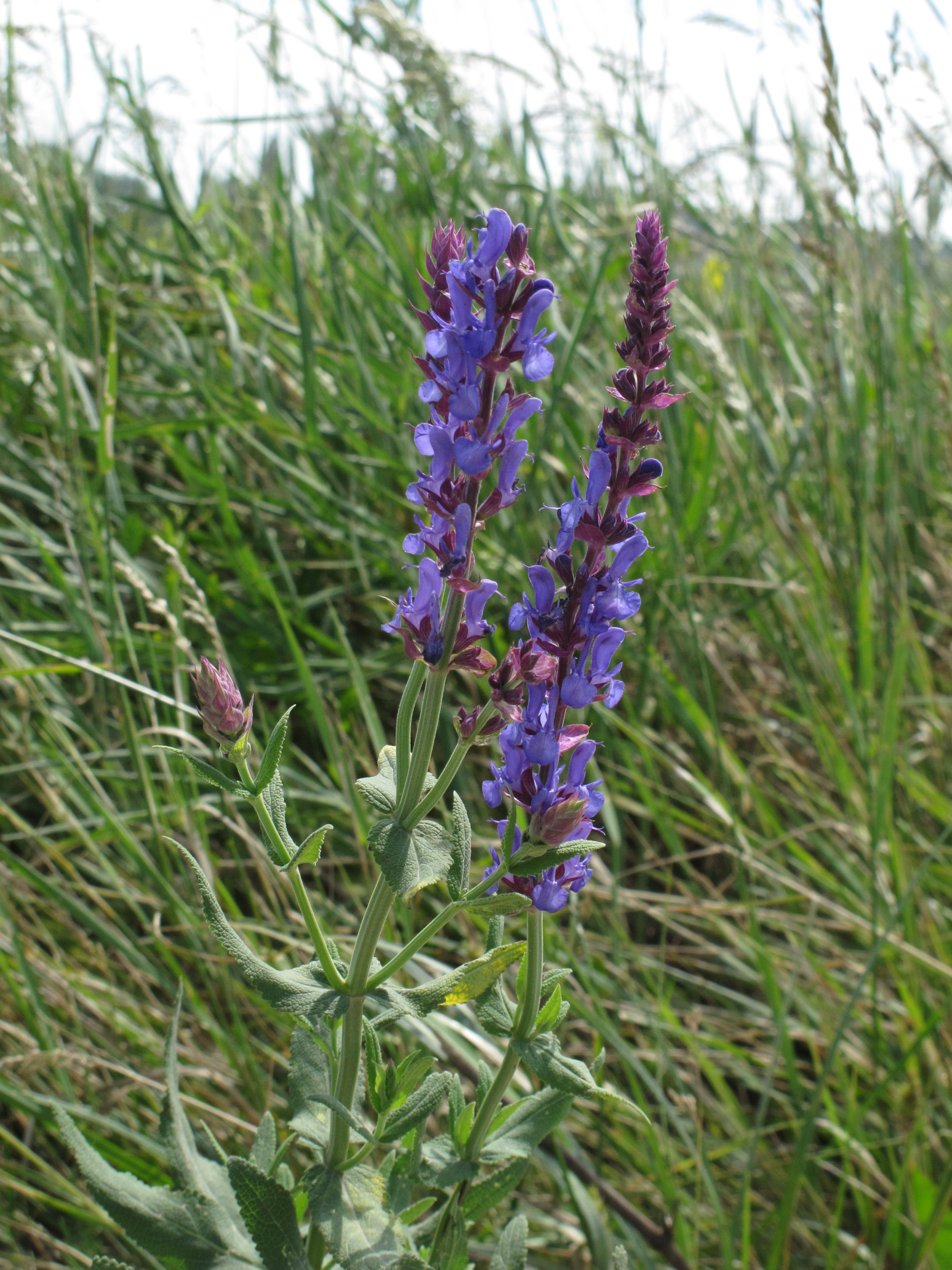
Salvia (Salvia spp.): Many varieties offer long-lasting blooms, attracting hummingbirds and bees.
Milkweed (Asclepias tuberosa, A. incarnata): Essential host plant for Monarch butterfly caterpillars and a great nectar source.
Fall Bloomers (September - November):
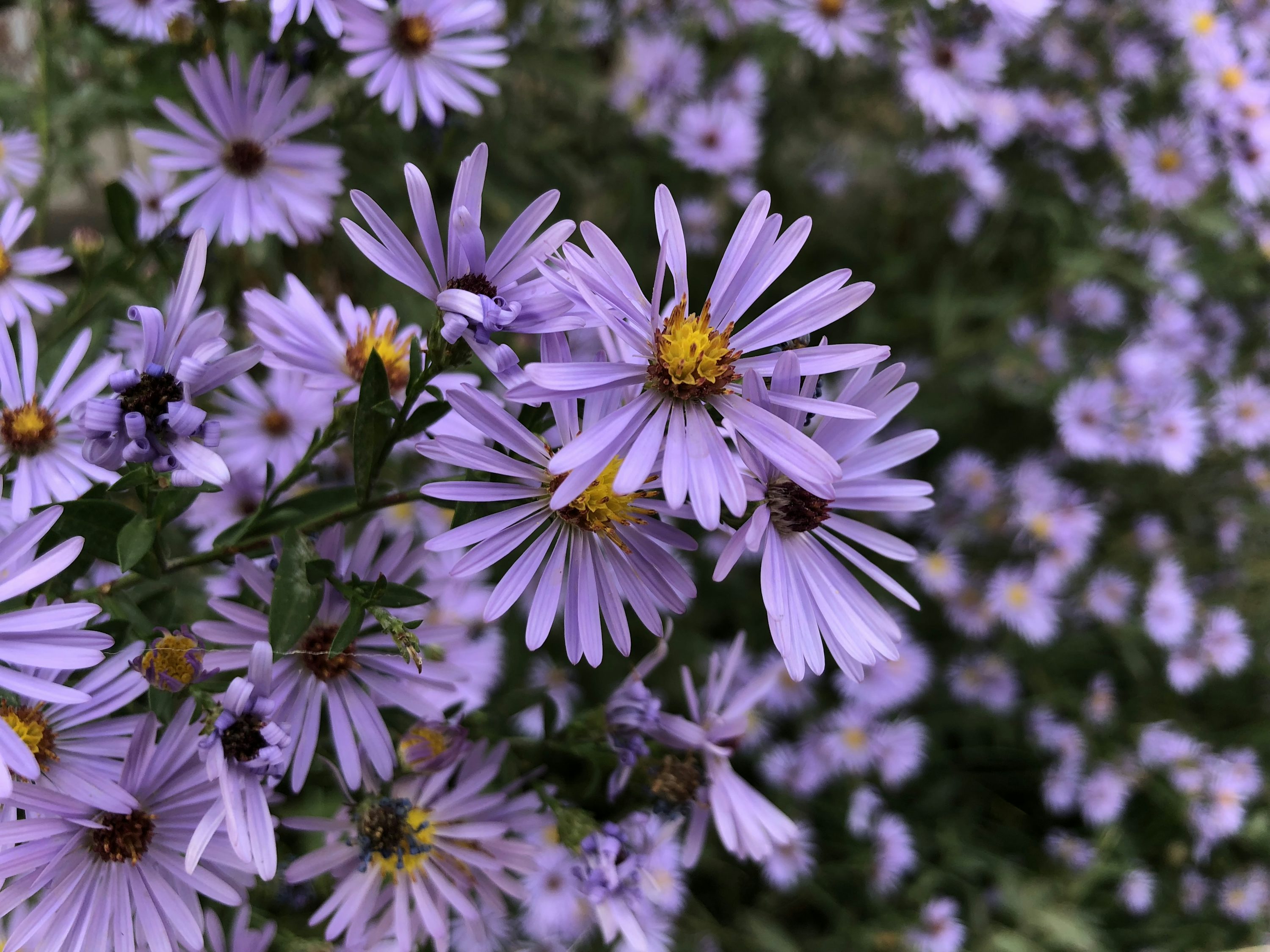
- Asters (Symphyotrichum spp.): Crucial late-season nectar for migrating monarchs and other pollinators.
- Goldenrod (Solidago spp.): Often unfairly blamed for allergies (ragweed is the culprit), goldenrod is a powerhouse for late-season pollinators.
- Sedum ‘Autumn Joy’ (Hylotelephium spectabile ‘Autumn Joy’): While not native, its late-season blooms are a valuable nectar source.
Quick Reference: Pollinator Plant Characteristics
| Characteristic | Why It Matters |
|---|---|
| Native Plants | Best adapted to local conditions, provide optimal nutrition for native pollinators. |
| Diverse Bloom Times | Ensures continuous food supply from spring to fall. |
| Variety of Flower Shapes | Attracts different pollinator types (e.g., tubular for hummingbirds, flat for small bees). |
| Host Plants | Essential for butterfly and moth larvae (e.g., Milkweed for Monarchs). |
| Clustered Plantings | Creates larger, more visible targets for pollinators, encouraging more visits. |
| Minimal Pesticides | Crucial for pollinator health; opt for organic or integrated pest management. |
How Do I Design My Zone 7 Pollinator Garden for Maximum Impact?
Designing your garden strategically will maximize its appeal and effectiveness for pollinators.
- Site Selection: Choose a location that receives at least 6 hours of direct sunlight per day, as most flowering plants thrive in full sun. Consider proximity to a water source for ease of watering.
- Size and Shape: Even a small patch can make a difference. Larger gardens, however, create more significant impact and are easier for pollinators to spot. Consider curving beds for a more natural look.
- Layering and Grouping: Plant in drifts or clusters of 3-5 (or more) of the same plant species. This creates a "target" that's easier for pollinators to see and encourages them to spend more time foraging in one area. Vary plant heights to create layers, from groundcovers to tall perennials.
- Water Source: Provide a shallow water source, like a bird bath with stones or pebbles for landing, or a shallow dish with marbles. Bees and butterflies need water too!
- Shelter and Nesting Sites:
- Leave some bare soil: Ground-nesting bees need access to undisturbed soil.
- Brush piles or log piles: Provide shelter for beneficial insects and small wildlife.
- Native grasses: Offer overwintering sites for beneficial insects and host plants for some butterfly species.
- Avoid excessive tidiness: Leaving some spent plant stalks over winter can provide shelter for overwintering insects.
- Succession Planting: Plan your garden so that something is always in bloom from early spring to late fall. This is critical for providing a continuous food source.
What Maintenance Practices Support a Healthy Pollinator Garden?
Maintaining a pollinator garden is generally less intensive than a traditional ornamental garden, especially if you choose native plants.
- Weeding: Keep weeds under control, especially when plants are young, to reduce competition for resources.
- Watering: Water newly planted plants regularly until they are established. Once established, native plants are typically drought-tolerant.
- Pest Control: Absolutely avoid synthetic pesticides, herbicides, and fungicides. These chemicals can be deadly to pollinators and beneficial insects. If you must address pests, opt for organic solutions or integrated pest management (IPM) strategies, focusing on prevention and encouraging natural predators.
- Deadheading (Optional): While deadheading can encourage more blooms for some plants, consider leaving some spent flowers to go to seed. Many birds feed on these seeds, and the spent stalks provide winter habitat.
- Winter Cleanup: Resist the urge to "clean up" your garden too early in the fall. Leave plant stalks and leaf litter over winter. Many beneficial insects and butterfly pupae overwinter in these sheltered spots. Wait until temperatures are consistently above 50°F (10°C) in spring before doing your main garden cleanup.
If you suspect your pet has ingested a toxic plant, call the ASPCA Animal Poison Control Center immediately at (888) 426-4435.
By following these guidelines, you can create a beautiful, dynamic, and ecologically valuable pollinator garden in your Zone 7 landscape. You'll enjoy the vibrant activity of bees, butterflies, and hummingbirds, knowing you're contributing to a healthier environment.
Ready to find the perfect plants for your yard? Try the PlantWise Plant Finder →