Complete Pollinator Garden Guide for Zone 8
Zone 8, with its long, warm growing season and mild winters, offers an incredible opportunity to create a thriving haven for pollinators. To design a successful pollinator garden in Zone 8, focus on providing a continuous bloom sequence from early spring through late fall, incorporating a diverse range of native plants, and ensuring access to water and shelter. This guide will walk you through selecting the best plants, designing your space, and maintaining your garden to support bees, butterflies, hummingbirds, and other essential pollinators throughout the year.
🌱 Get Personalized Plant Picks
Answer a few quick questions and we’ll match plants to your exact yard conditions.
Find My Plants →Why is a Pollinator Garden So Important in Zone 8?
Pollinators are vital to our ecosystem, responsible for the reproduction of over 75% of the world's flowering plants and about 35% of global food crops. In Zone 8, the extended growing season means pollinators are active for a significant portion of the year, making your garden a critical resource. However, habitat loss, pesticide use, and climate change threaten these crucial creatures. By planting a pollinator garden, you're not only creating a beautiful outdoor space but also contributing directly to local biodiversity and food security. Your Zone 8 garden can become a crucial stepping stone or refuge for migrating species and a permanent home for local populations.
What are the Best Plants for a Zone 8 Pollinator Garden?
Choosing the right plants is the cornerstone of any successful pollinator garden, especially in Zone 8 where you can achieve an incredibly long bloom season. Focus on native plants, as they are best adapted to your local climate and soil conditions, and provide the most beneficial nectar and pollen for native pollinators. Aim for a variety of flower shapes, sizes, and colors to attract a diverse array of pollinators, from tiny native bees to large butterflies and hummingbirds.
Here’s a selection of excellent choices for Zone 8, ensuring blooms from spring to fall:
Spring Bloomers (March - May):
- Redbud (Cercis canadensis): Early nectar source for bees.
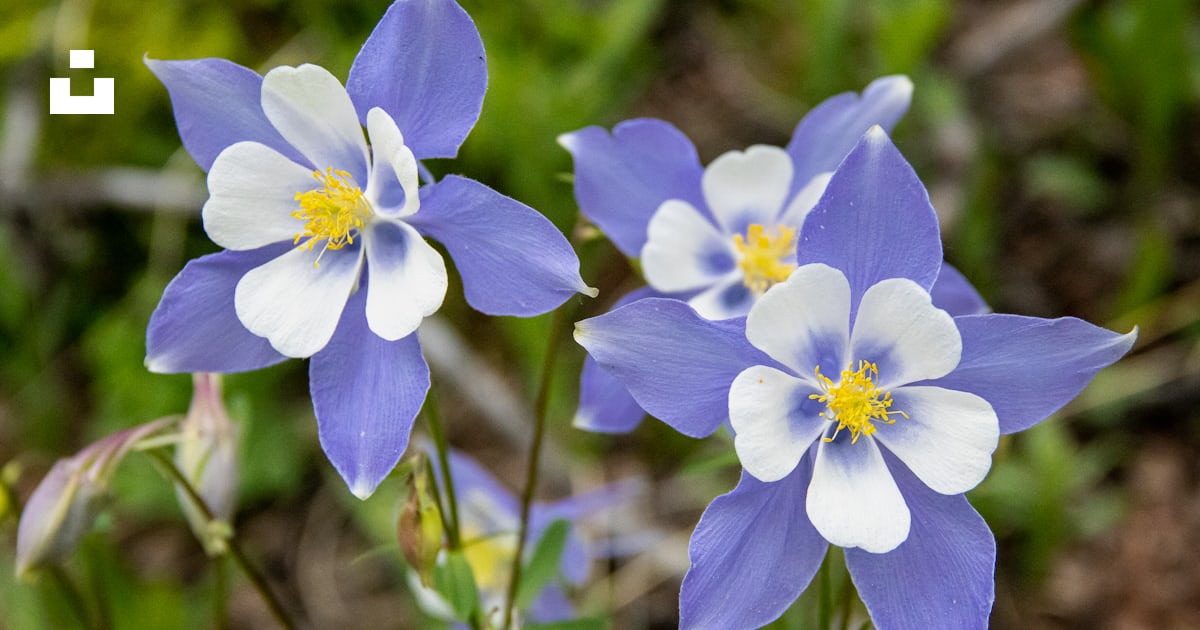
- Wild Columbine (Aquilegia canadensis): Attracts hummingbirds and long-tongued bees.
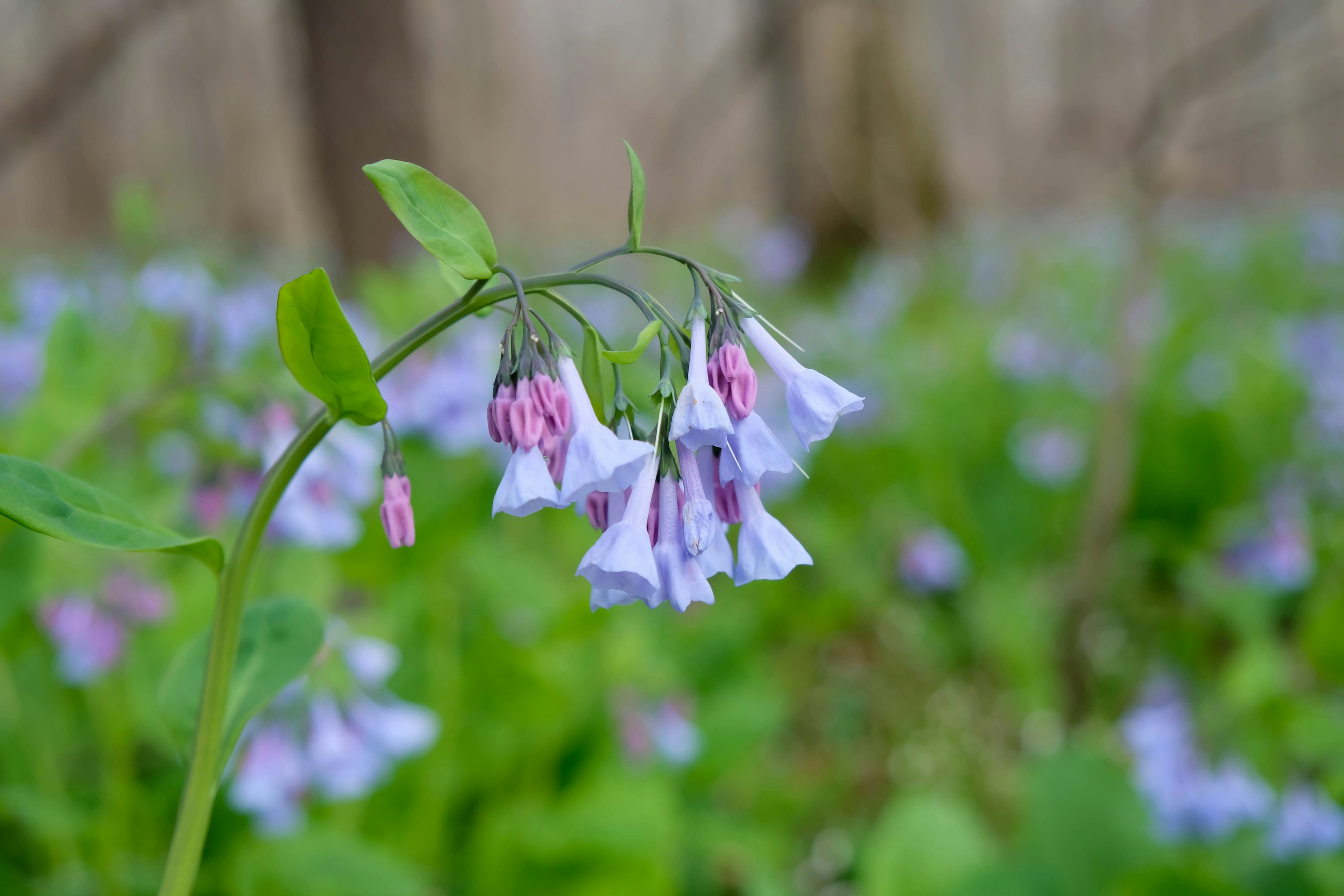
- Virginia Bluebells (Mertensia virginica): Early nectar for bees and butterflies.
- Azaleas (native varieties): Provide nectar for early emerging bees.
Summer Bloomers (June - August):
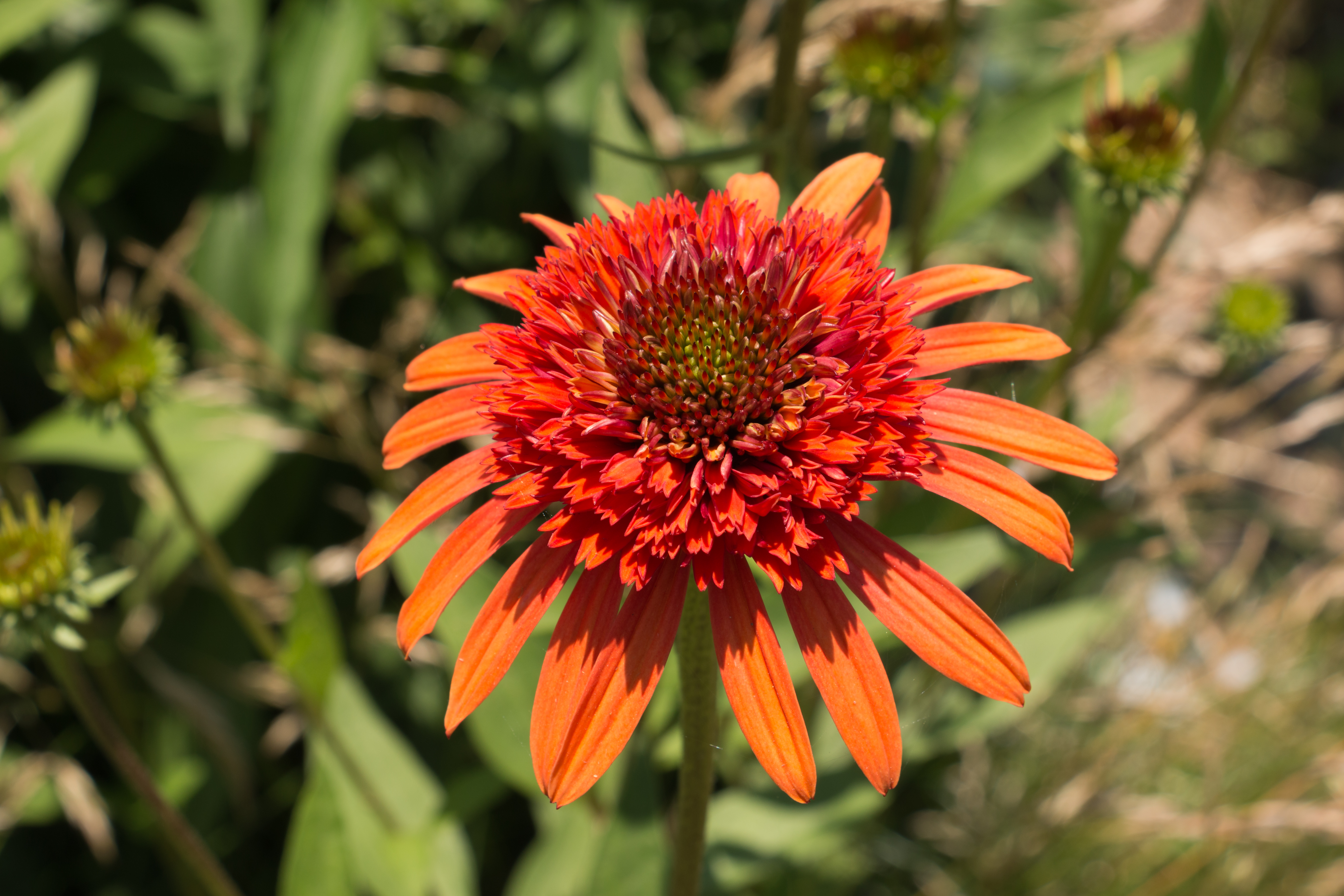
Coneflower (Echinacea purpurea): A classic, beloved by bees and butterflies.
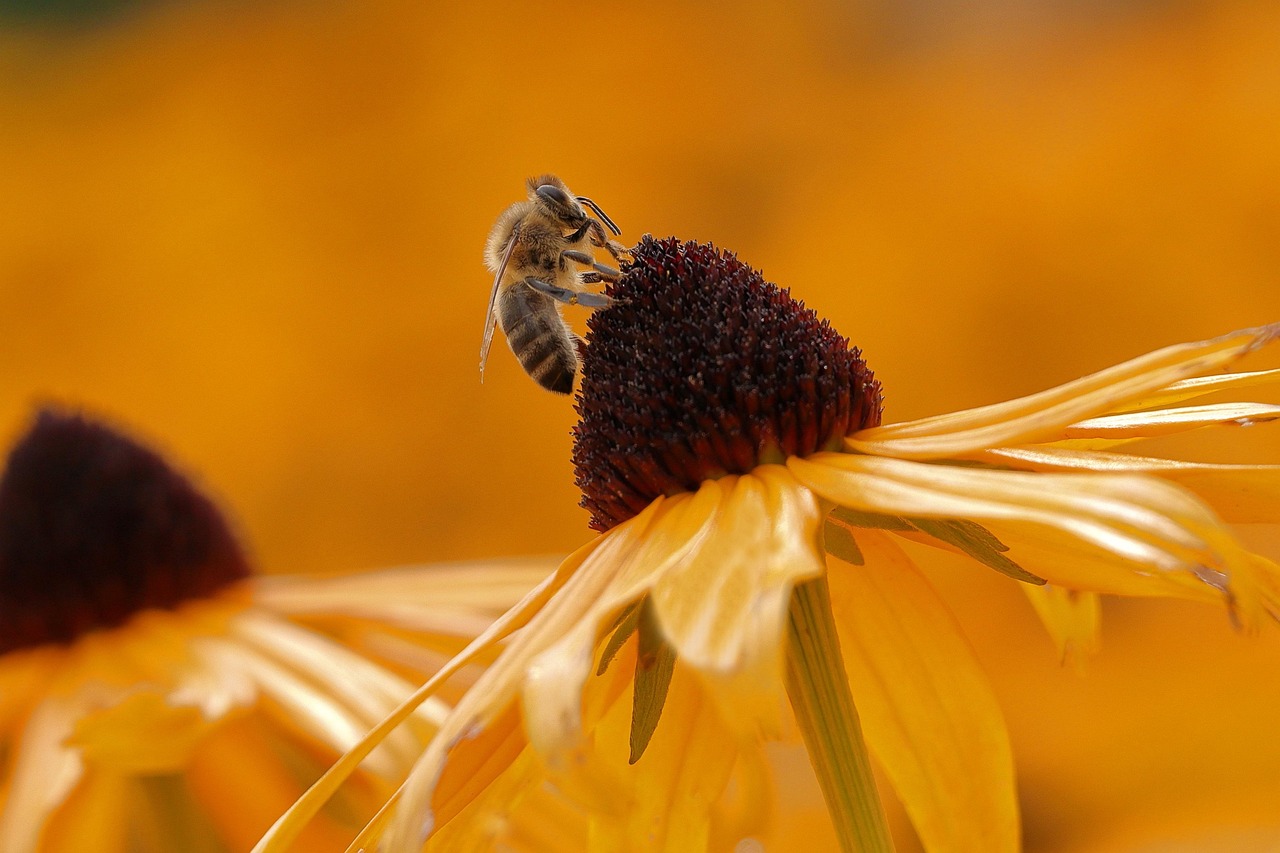
Black-eyed Susan (Rudbeckia hirta): Cheerful and attracts a wide range of pollinators.
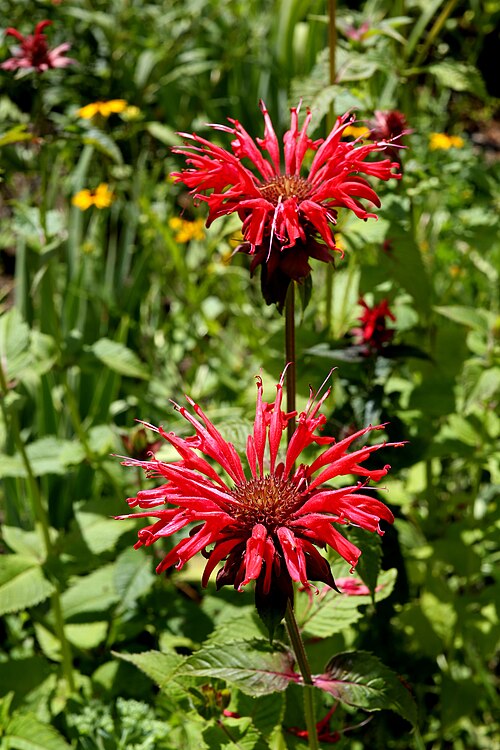
Bee Balm (Monarda didyma): A hummingbird and bee magnet with unique, spiky flowers.
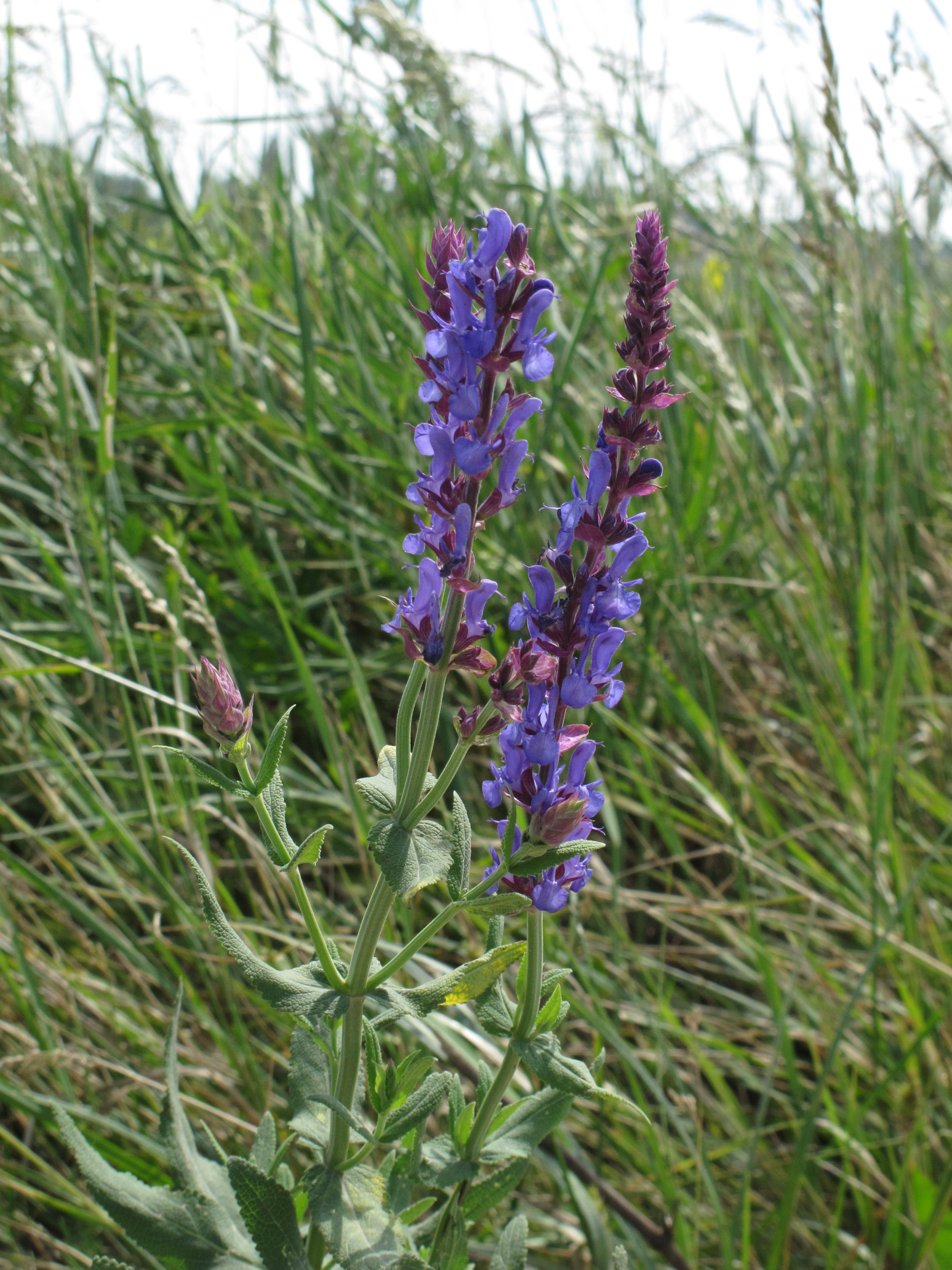
Salvia (Salvia spp.): Many varieties offer long-lasting blooms and attract hummingbirds and bees.
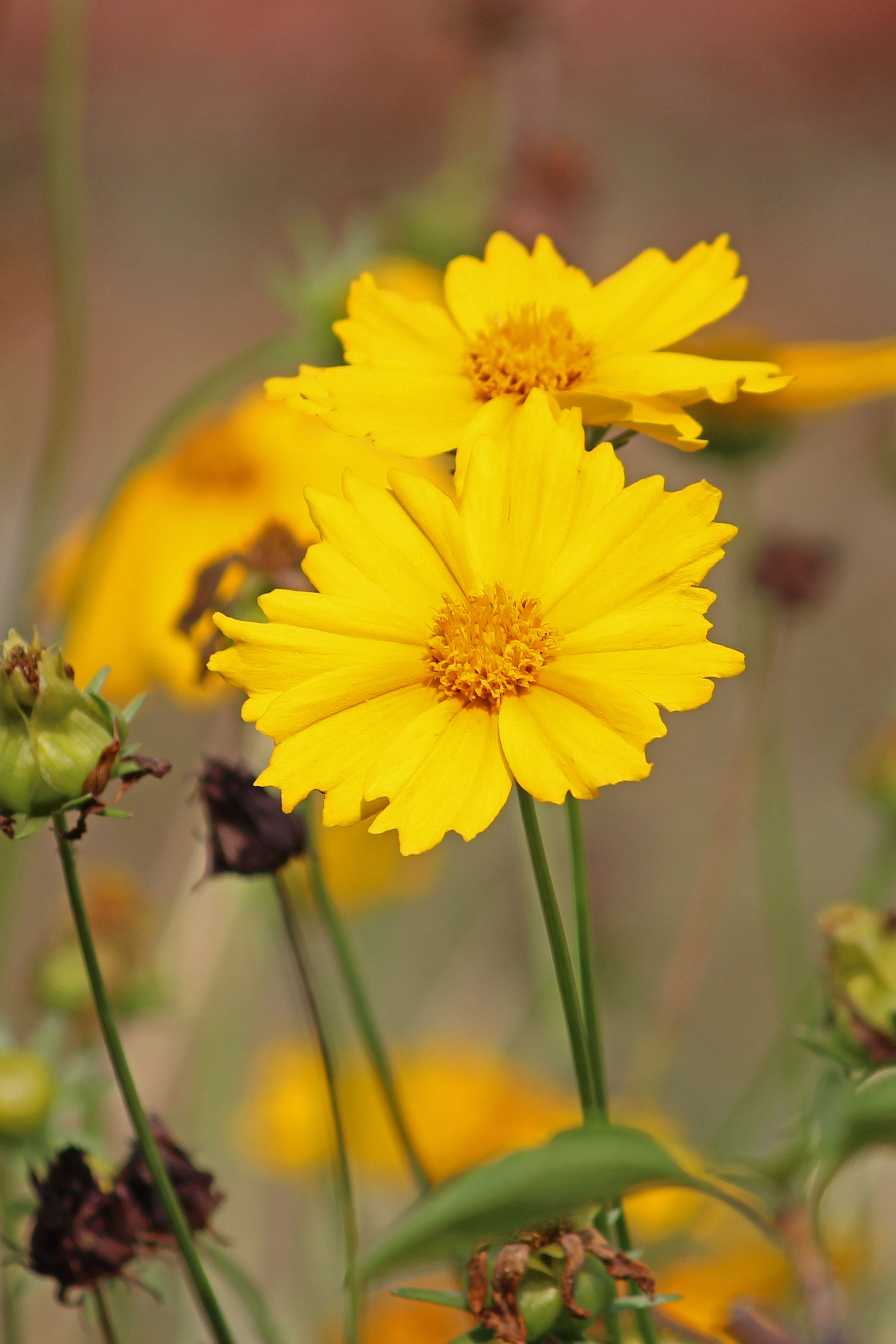
Coreopsis (Coreopsis spp.): Bright, daisy-like flowers that attract bees and butterflies.
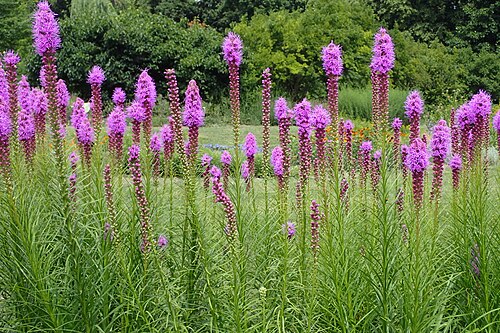
Blazing Star (Liatris spicata): Tall, purple spires are irresistible to monarch butterflies.
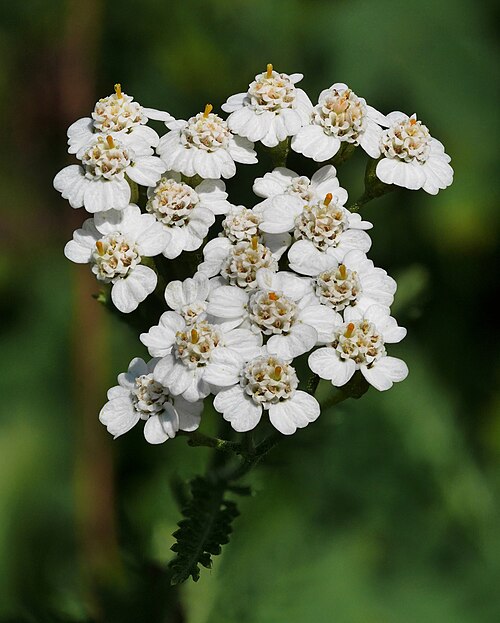
Yarrow (Achillea millefolium): Flat-topped clusters provide landing pads for many small insects.
Milkweed (Asclepias spp.): Essential host plant for Monarch butterfly caterpillars and a great nectar source for many.
Fall Bloomers (September - November):
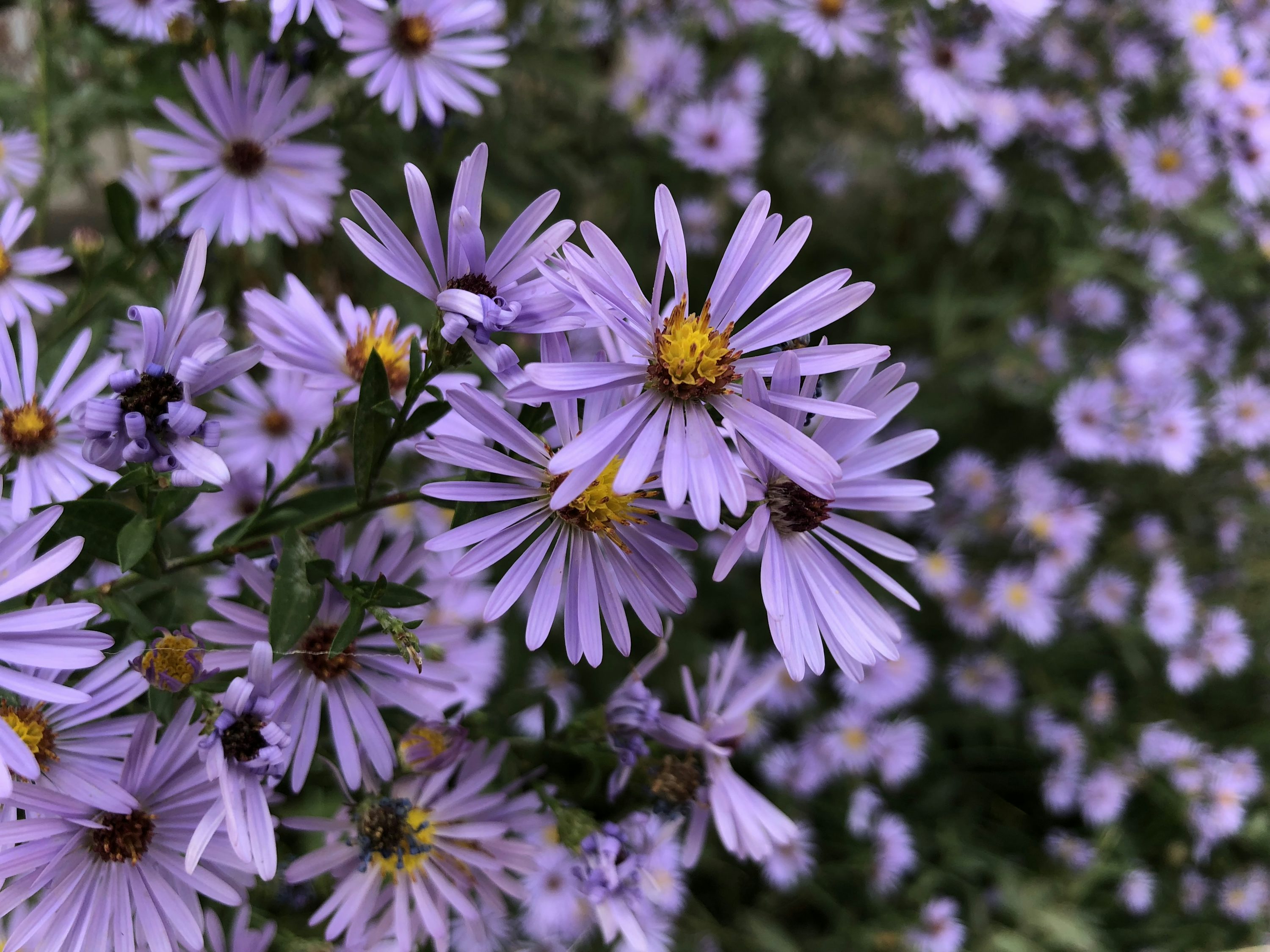
- Asters (Symphyotrichum spp.): Crucial late-season nectar for migrating monarchs and other pollinators.
- Goldenrod (Solidago spp.): Often misunderstood, but a vital late-season food source.
- Sedum 'Autumn Joy' (Hylotelephium spectabile): Provides late-season nectar.
Host Plants: Don't forget host plants! These are specific plants that insect larvae (like caterpillars) feed on. For example, Milkweed for Monarchs, Parsley/Fennel/Dill for Swallowtails, and various native trees and shrubs for other butterfly and moth species.
How Do I Design My Zone 8 Pollinator Garden for Maximum Impact?
Thoughtful design can significantly enhance your garden's appeal to pollinators. Consider these elements:
- Mass Plantings: Plant flowers in drifts or clusters of at least 3-5 of the same species. This creates a larger visual target for pollinators and allows them to forage more efficiently, expending less energy.
- Continuous Bloom: The long Zone 8 season means you need a succession of blooms from early spring to late fall. Plan your garden so that something is always in flower.
- Layering: Create different heights in your garden with groundcovers, perennials, shrubs, and even small trees. This provides diverse foraging opportunities and shelter.
- Sunlight and Soil: Most pollinator-friendly plants prefer full sun (at least 6 hours per day). Ensure your chosen plants are suited to your soil type (sandy, clay, loam) and pH. Amend soil with compost to improve drainage and fertility.
- Water Source: Provide a shallow water source, like a bird bath with stones for landing, or a butterfly puddler (a shallow dish with wet sand).
- Shelter: Leave some undisturbed areas, brush piles, or hollow stems for nesting sites for native bees and overwintering butterflies. Consider adding a "bee hotel" for solitary bees.
Quick Reference: Pollinator Garden Checklist for Zone 8
- Diverse Plant Selection: Include native plants, host plants, and a variety of flower shapes/colors.
- Continuous Bloom: Plan for flowers from early spring to late fall.
- Mass Plantings: Plant in groups for easier foraging.
- Water Source: Provide a shallow water dish or puddler.
- Shelter: Offer nesting sites (brush piles, hollow stems, bee hotels).
- Avoid Pesticides: Absolutely critical for pollinator health.
- Sunlight: Most pollinator plants need full sun.
- Soil: Match plants to your soil type; amend with compost.
- Observe: Watch your garden and learn which plants attract which pollinators.
What Maintenance Practices Support Pollinators in Zone 8?
Maintaining a pollinator garden in Zone 8 involves practices that prioritize the health of your insect visitors.
- Eliminate Pesticides: This is paramount. Even "organic" pesticides can harm beneficial insects. Focus on encouraging natural predators and maintaining plant health to prevent pest outbreaks.
- Watering: Water newly planted plants regularly until established. Once established, many native plants are drought-tolerant, but supplemental watering during extended dry spells will keep them thriving and blooming.
- Weeding: Keep weeds in check, especially when plants are young, as they compete for resources.
- Deadheading (Optional): Removing spent blooms can encourage more flowers on some species, extending the bloom season. However, leaving some spent flowers allows for seed production, which can feed birds and allow for self-seeding.
- Leave the Leaves: In fall, resist the urge to "clean up" too much. Leaf litter provides crucial overwintering habitat for many beneficial insects, including butterfly and moth pupae.
- "Messy" is Good: Delay cutting back perennials until late winter or early spring. Hollow plant stems provide nesting sites for native bees.
- Mulch: A layer of organic mulch (like shredded bark or compost) helps retain soil moisture, suppress weeds, and regulate soil temperature.
Creating a pollinator garden in Zone 8 is a rewarding endeavor that brings beauty to your landscape and life to your ecosystem. With a thoughtful selection of plants and mindful maintenance, your garden will buzz, flutter, and hum with activity throughout the long growing season.
Ready to find the perfect plants for your yard? Try the PlantWise Plant Finder →