Complete Pollinator Garden Guide for Zone 9
Creating a thriving pollinator garden in Zone 9 is a truly rewarding endeavor, offering the potential for near year-round activity thanks to your region's extended growing season and mild winters. By strategically selecting a diverse array of native and well-adapted plants that bloom sequentially throughout the year, you can provide continuous food, water, and shelter for essential pollinators like bees, butterflies, hummingbirds, and beneficial insects. This guide will walk you through the key steps to design, plant, and maintain a vibrant pollinator paradise right in your own Zone 9 backyard.
🌱 Get Personalized Plant Picks
Answer a few quick questions and we’ll match plants to your exact yard conditions.
Find My Plants →Why is a Pollinator Garden So Important in Zone 9?
In USDA Hardiness Zone 9, which encompasses areas with average annual extreme minimum temperatures between 20°F and 30°F (-6.7°C and -1.1°C), the mild climate allows for an extended bloom season, sometimes even through winter. This means pollinators are active for a longer period, making a continuous supply of nectar and pollen crucial for their survival. Many migratory species also pass through or overwinter in Zone 9, relying on available resources. By planting a pollinator garden, you're not only beautifying your space but also contributing significantly to local biodiversity, supporting food production, and helping to mitigate the decline of these vital creatures.
What Are the Best Plants for a Zone 9 Pollinator Garden?
Selecting the right plants is the cornerstone of a successful pollinator garden. Focus on a mix of native species, which are often best adapted to your local climate and soil conditions, and provide the most beneficial resources for native pollinators. Aim for a variety of flower shapes, sizes, and colors to attract different types of pollinators, and ensure you have something blooming in every season.
Here's a quick reference of excellent choices for Zone 9, categorized by bloom time:
| Season | Plant Type | Examples for Zone 9 Pollinators
This is an excellent starting point for your Zone 9 pollinator garden.
- Butterflies: Many butterflies are attracted to broad, flat-topped flower clusters for landing, and flowers with varying bloom depths. They are drawn to bright colors like red, orange, yellow, pink, and purple.
- Bees: Bees come in many sizes, from tiny native bees to larger bumblebees. They prefer flowers that offer easy access to pollen and nectar, often with a landing pad. Blue, purple, yellow, and white flowers are particularly attractive.
- Hummingbirds: These aerial acrobats are drawn to tubular, brightly colored flowers, especially red, orange, and pink, which hold ample nectar.
Here are some specific plant recommendations:
For continuous blooms:
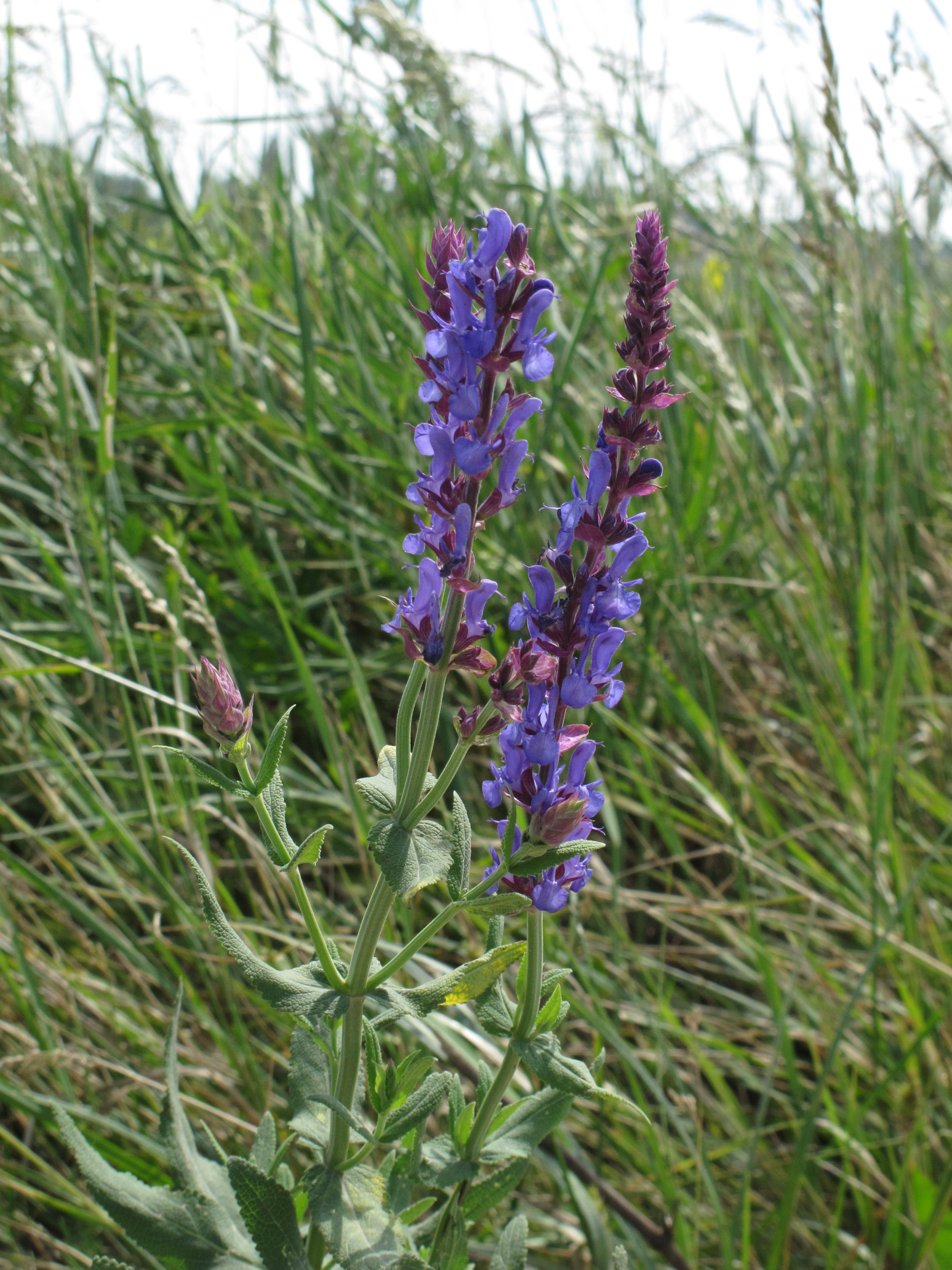
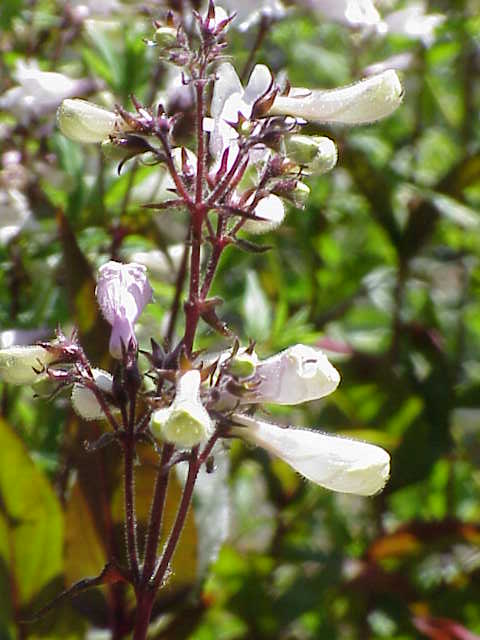
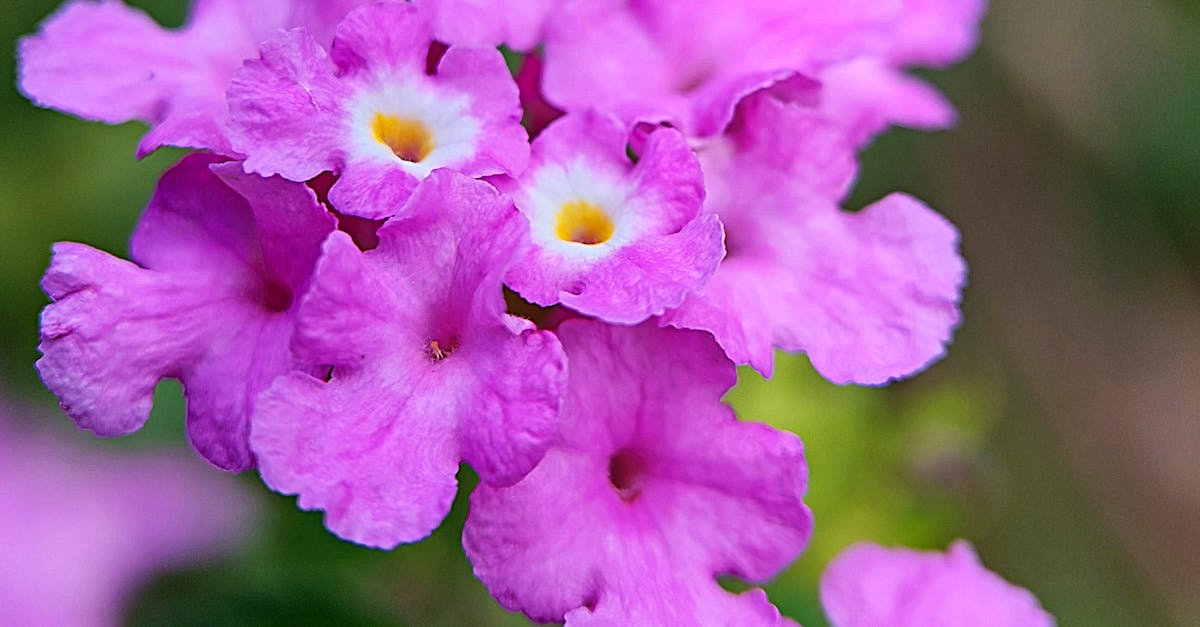
- Spring: California Poppy, Lantana, Salvia 'May Night', Penstemon, Lupine
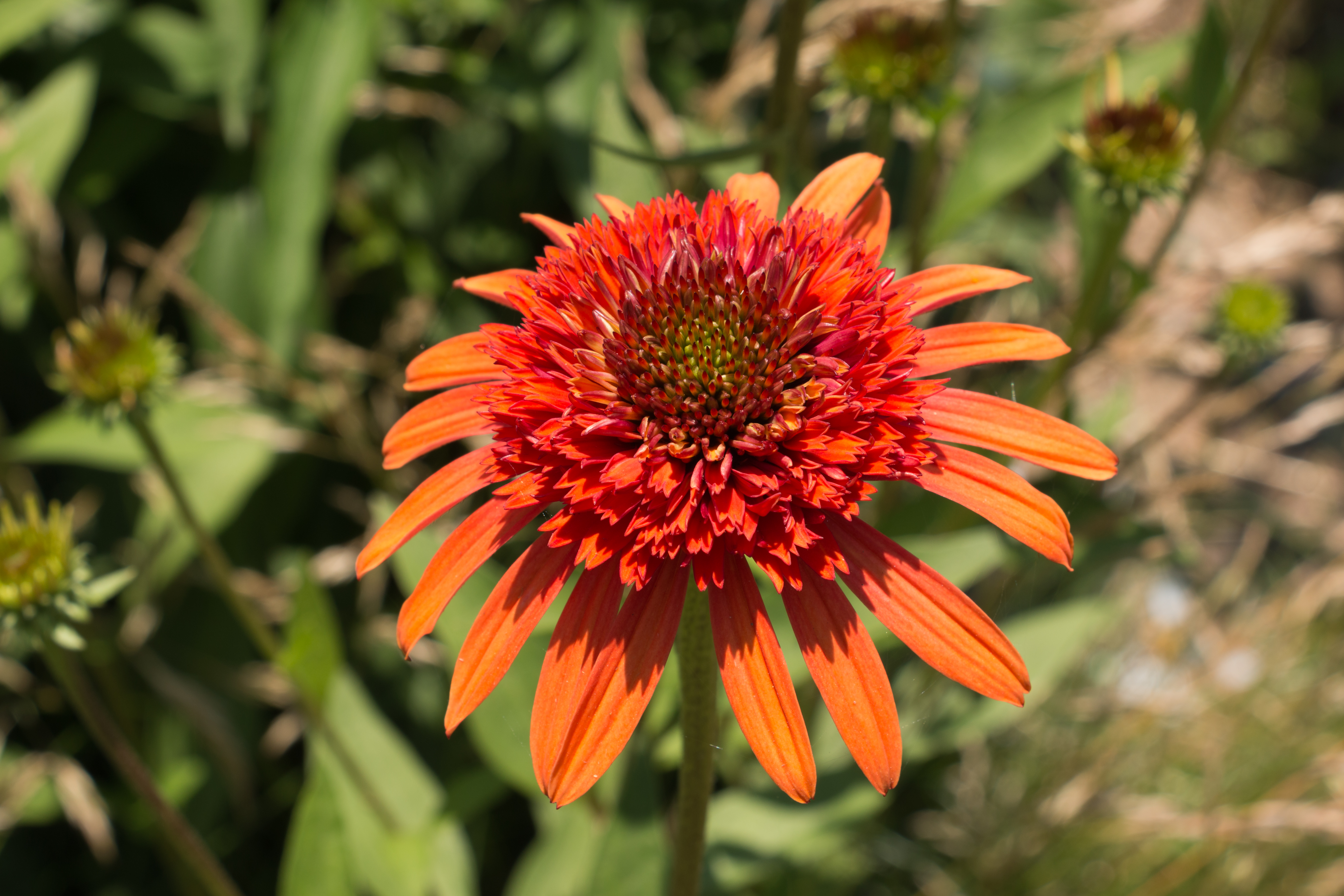
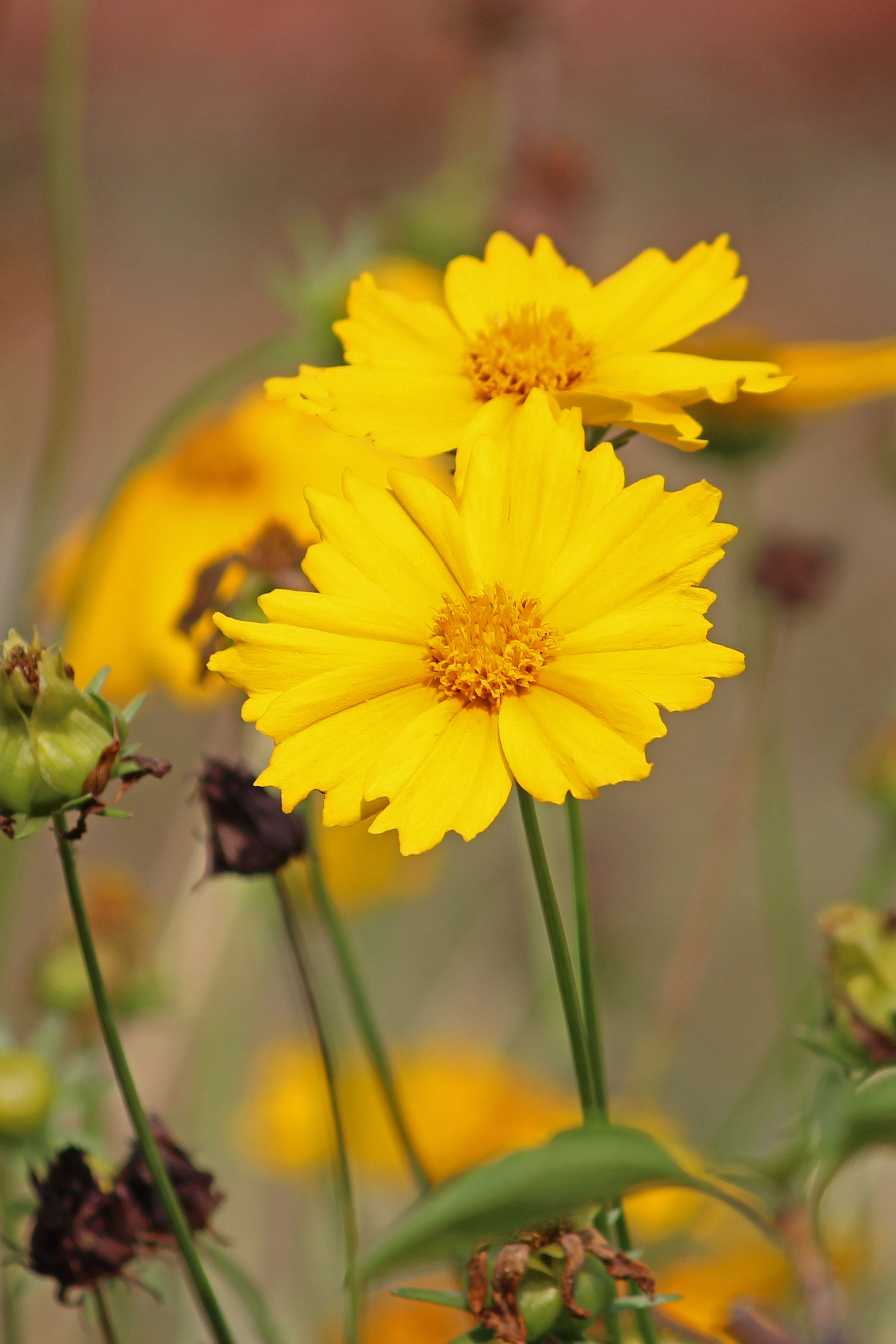
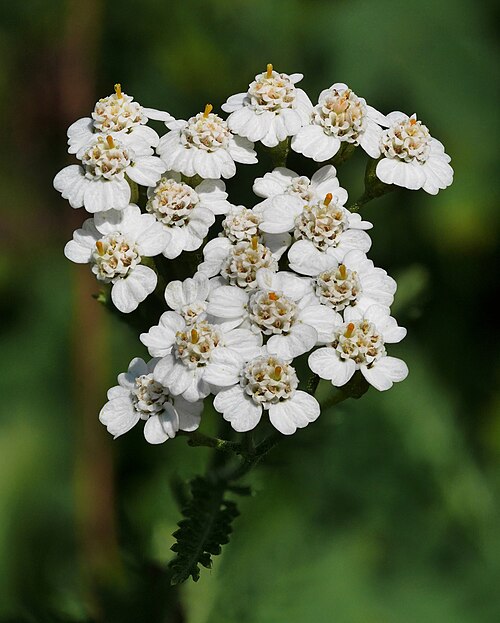
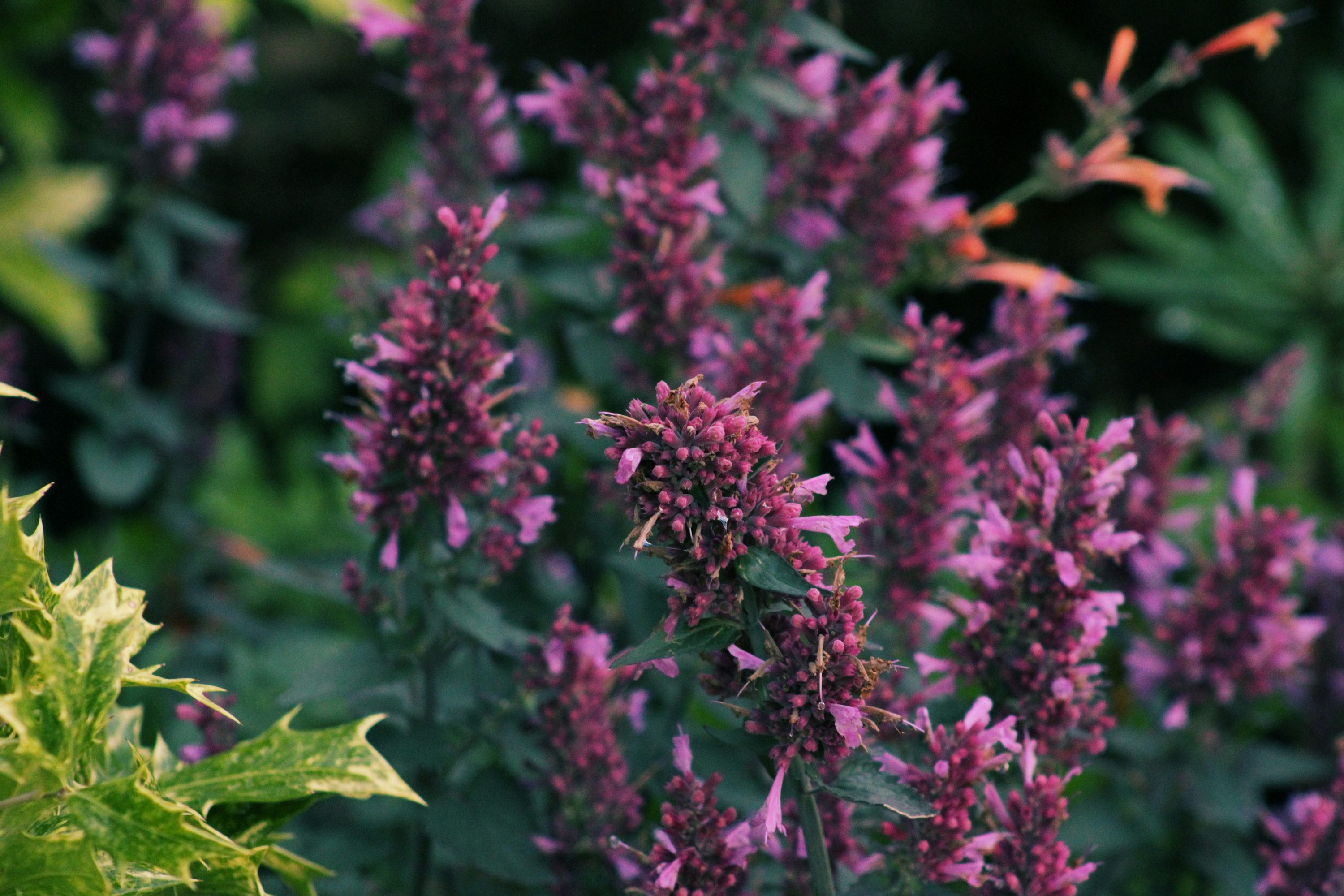
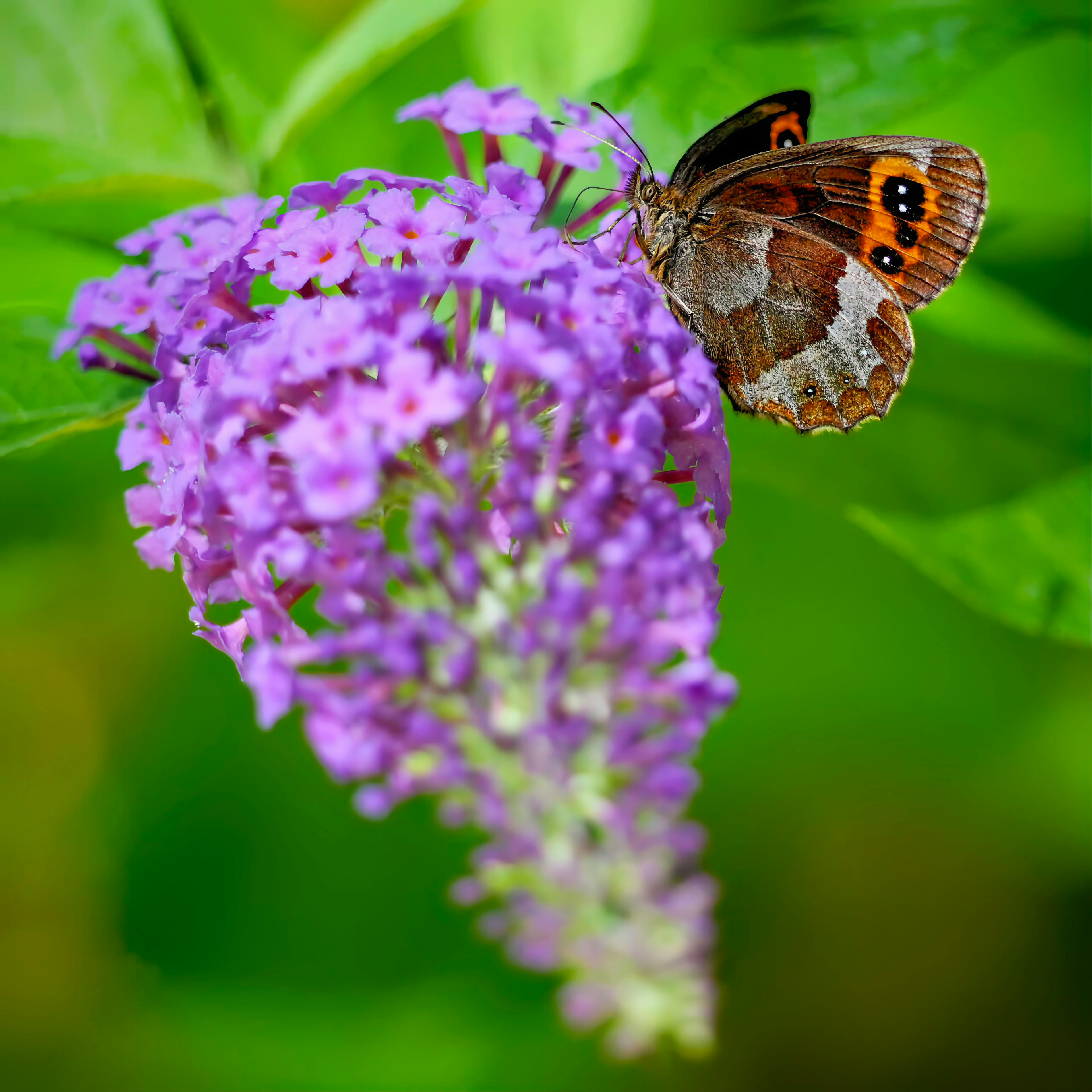
- Summer: {{coneflower}}, {{bee-balm}}, {{blanket-flower}}, {{coreopsis}}, {{yarrow}}, Butterfly Bush (Buddleia davidii - use sterile varieties if concerned about invasiveness), Agastache, Milkweed (for Monarchs!)
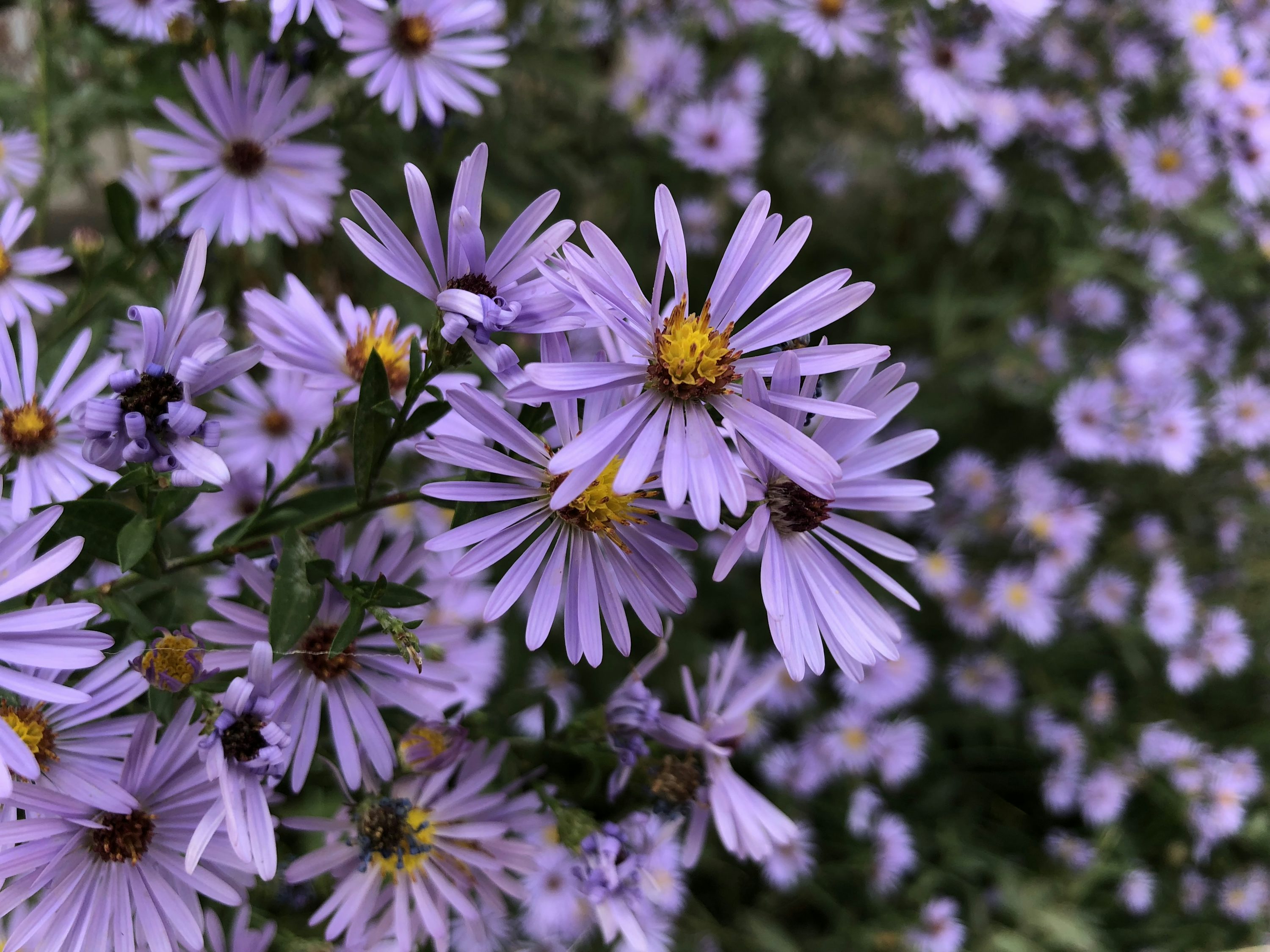
- Fall: {{black-eyed-susan}}, Aster, Goldenrod, Sedum, Mexican Bush Sage
- Winter (mild Zone 9 winters): Rosemary, Winter Honeysuckle, Pansies, certain varieties of Salvia
Key Pollinator Plant Examples:
- {{coneflower}}: A classic for bees and butterflies, offering a sturdy landing platform and abundant pollen.
- {{bee-balm}}: Its unique tubular flowers are a magnet for hummingbirds and long-tongued bees.
- {{blanket-flower}}: Drought-tolerant and vibrant, attracting a wide range of bees and butterflies.
- {{yarrow}}: Flat-topped clusters provide easy access for many small beneficial insects and butterflies.
- {{coreopsis}}: Cheerful, long-blooming flowers that attract bees and butterflies.
Remember to include host plants for butterfly larvae! For example, Milkweed is essential for Monarch caterpillars. Fennel, dill, and parsley can host Swallowtail caterpillars.
How Can I Design My Pollinator Garden for Maximum Impact?
Thoughtful design goes a long way in creating an effective and beautiful pollinator garden.
- Group Plants in Drifts: Instead of single plants, plant groups of 3-5 or more of the same species together. This creates a larger visual target for pollinators and allows them to forage more efficiently, expending less energy.
- Layer for Success: Consider the mature height and spread of your plants. Place taller plants at the back or center of beds, medium-height plants in the middle, and shorter plants or groundcovers at the front. This ensures all plants get adequate sunlight and are visible.
- Provide Continuous Bloom: As mentioned, select plants that bloom sequentially from early spring through late fall, and even into winter in Zone 9. This ensures a consistent food source for pollinators throughout their active periods.
- Incorporate Water Sources: A shallow bird bath with stones for landing, or a small pond, can provide much-needed hydration for bees and butterflies. Ensure the water is shallow enough for insects to drink safely without drowning.
- Offer Shelter and Nesting Sites:
- Leave some leaf litter and dead stems: Many native bees nest in hollow stems or in the ground.
- Brush piles or rock piles: Can provide refuge for various insects and small wildlife.
- Bare patches of soil: Ground-nesting bees need access to undisturbed soil.
- Native grasses: Provide shelter and nesting material.
- Avoid Pesticides: This is paramount. Even "organic" pesticides can harm beneficial insects. Focus on creating a healthy ecosystem that supports natural predators of pests. If you must intervene, use targeted, least-toxic methods as a last resort.
What Maintenance Does a Zone 9 Pollinator Garden Require?
While the goal is a natural-looking garden, some maintenance will help your pollinator haven thrive.
- Watering: Especially during establishment, new plants will need regular watering. Once established, many native plants are quite drought-tolerant, but supplemental watering during extended dry spells will be beneficial. Early morning watering is best to minimize evaporation.
- Weeding: Keep weeds in check, as they compete with your desirable plants for resources. Hand-pulling is often the best method in a pollinator garden to avoid disturbing beneficial insects.
- Deadheading (Optional): Removing spent blooms can encourage more flowers on some species, extending the bloom season. However, leaving some seed heads provides winter food for birds and nesting material.
- Winter Care: In Zone 9, many perennials will simply go dormant. Resist the urge to "clean up" too thoroughly in the fall. Leaving spent plant stalks and leaf litter over winter provides crucial shelter and nesting sites for many beneficial insects, including overwintering butterfly chrysalises and bee larvae. Wait until temperatures are consistently above 50°F (10°C) in spring before doing any major cutbacks.
- Mulching: A layer of organic mulch (like wood chips or shredded leaves) helps retain soil moisture, suppress weeds, and regulate soil temperature. However, leave some areas of bare soil for ground-nesting bees.
By following these guidelines, you'll be well on your way to creating a beautiful, biodiverse, and buzzing pollinator garden that supports local ecosystems and brings joy to your outdoor space throughout the year.
Ready to find the perfect plants for your yard? Try the PlantWise Plant Finder →