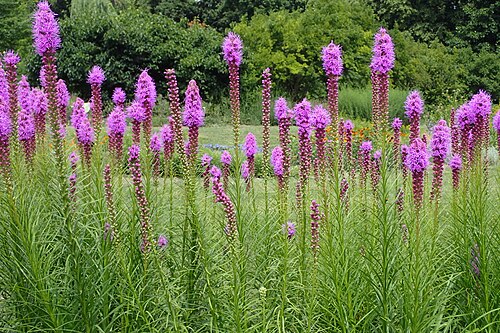
Pollinator Paradise: How to Attract Bees, Butterflies, and Birds
Creating a pollinator paradise in your garden is a rewarding endeavor that benefits both your local ecosystem and your own enjoyment. To attract bees, butterflies, and birds, focus on providing a continuous supply of nectar and pollen-rich flowers, accessible water sources, and safe nesting and sheltering habitats throughout the year. By thoughtfully selecting native plants, minimizing pesticide use, and offering diverse resources, you can transform your yard into a vibrant haven teeming with beneficial wildlife.
Pollinators are vital to our planet's health, responsible for fertilizing over 75% of the world's flowering plants and about 35% of global food crops. Bees, butterflies, and birds play crucial roles in this process, and sadly, many populations are in decline. By designing a garden that caters to their needs, you're not just creating a beautiful space; you're actively contributing to biodiversity and food security. This guide will walk you through the essential steps to turn your garden into a bustling pollinator paradise.
The Foundation: Plant Selection for Pollinators
The cornerstone of any pollinator-friendly garden is, of course, the plants themselves. Not all flowers are created equal when it comes to attracting pollinators. The key is to choose a diverse array of plants that offer nectar and pollen from early spring through late fall.
🌱 Get Personalized Plant Picks
Answer a few quick questions and we’ll match plants to your exact yard conditions.
Find My Plants →Prioritize Native Plants
Native plants are the best choice for attracting local pollinators because they have co-evolved with the wildlife in your region. They are perfectly adapted to your climate and soil, require less water and maintenance once established, and provide the most nutritious food sources for native bees, butterflies, and birds.
Choose a Diversity of Shapes, Sizes, and Colors
Different pollinators are attracted to different flower characteristics.
- Bees are often drawn to blue, purple, white, and yellow flowers with open, cup-shaped, or tubular blooms.
- Butterflies prefer bright colors like red, orange, yellow, and purple, often with flat landing pads or clusters of small flowers.
- Hummingbirds (a type of bird pollinator) are highly attracted to red and orange tubular flowers.
- Birds (for food) are also attracted to plants that produce berries or seeds.
Aim for a variety of flower shapes and sizes to accommodate different proboscis lengths and body types.
Ensure Continuous Bloom
A true pollinator paradise offers food throughout the growing season. Plan your garden so that something is always in bloom from early spring (when queen bees emerge) to late fall (when migratory birds and butterflies need fuel).
Quick Reference: Pollinator Plant Characteristics
| Pollinator Type | Preferred Flower Colors | Preferred Flower Shapes | Other Attractors |
|---|---|---|---|
| Bees | Blue, purple, white, yellow | Open, cup-shaped, tubular | Pollen-rich, fragrant |
| Butterflies | Red, orange, yellow, purple | Flat landing pads, clusters of small blooms | Nectar-rich, often fragrant |
| Hummingbirds | Red, orange, bright pink | Tubular, trumpet-shaped | Nectar-rich, no landing pad needed |
| Birds | Varies (often less color-driven) | Berries, seeds, dense foliage | Fruit, seeds, shelter, nesting material |
Here are some excellent choices for a pollinator garden:
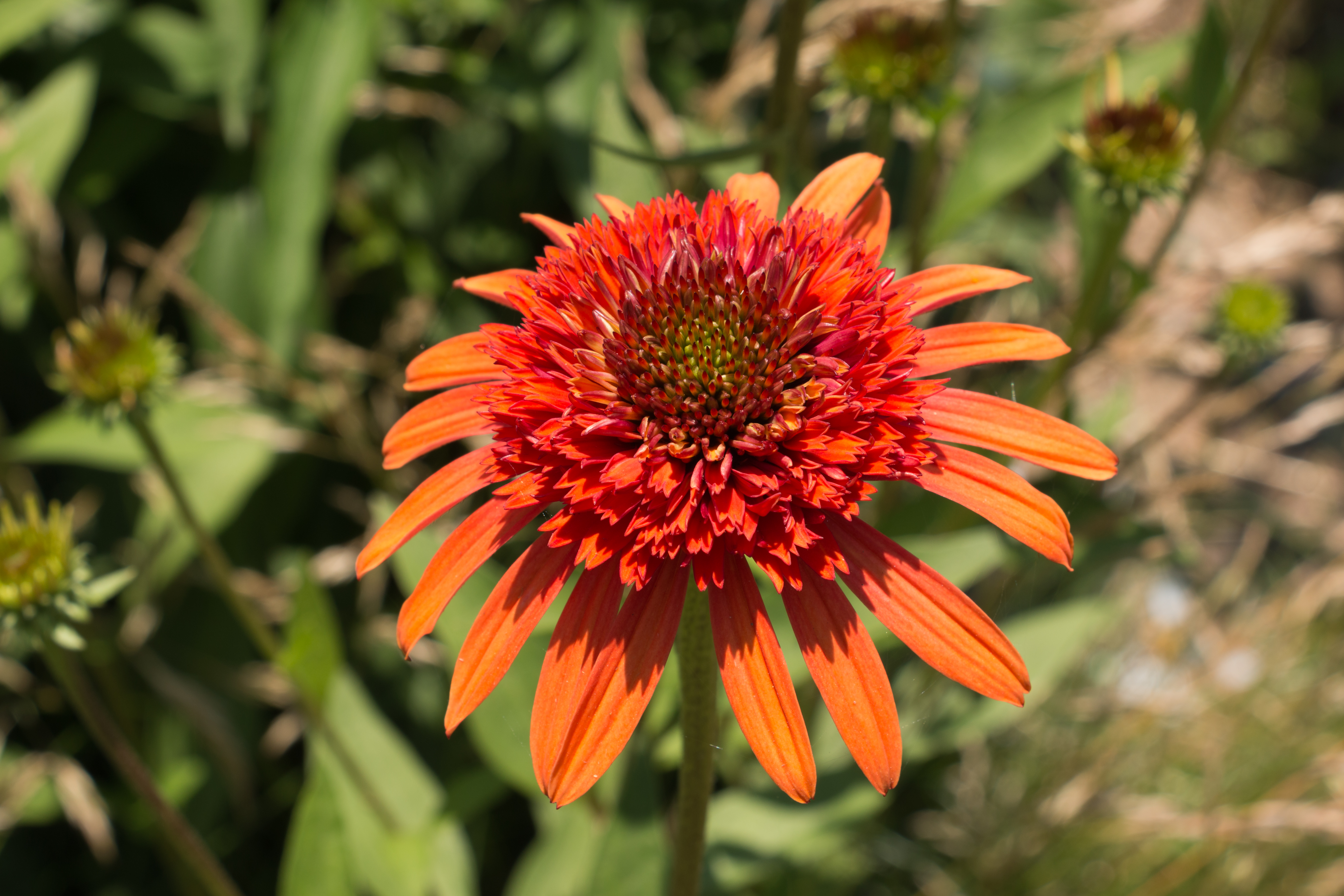
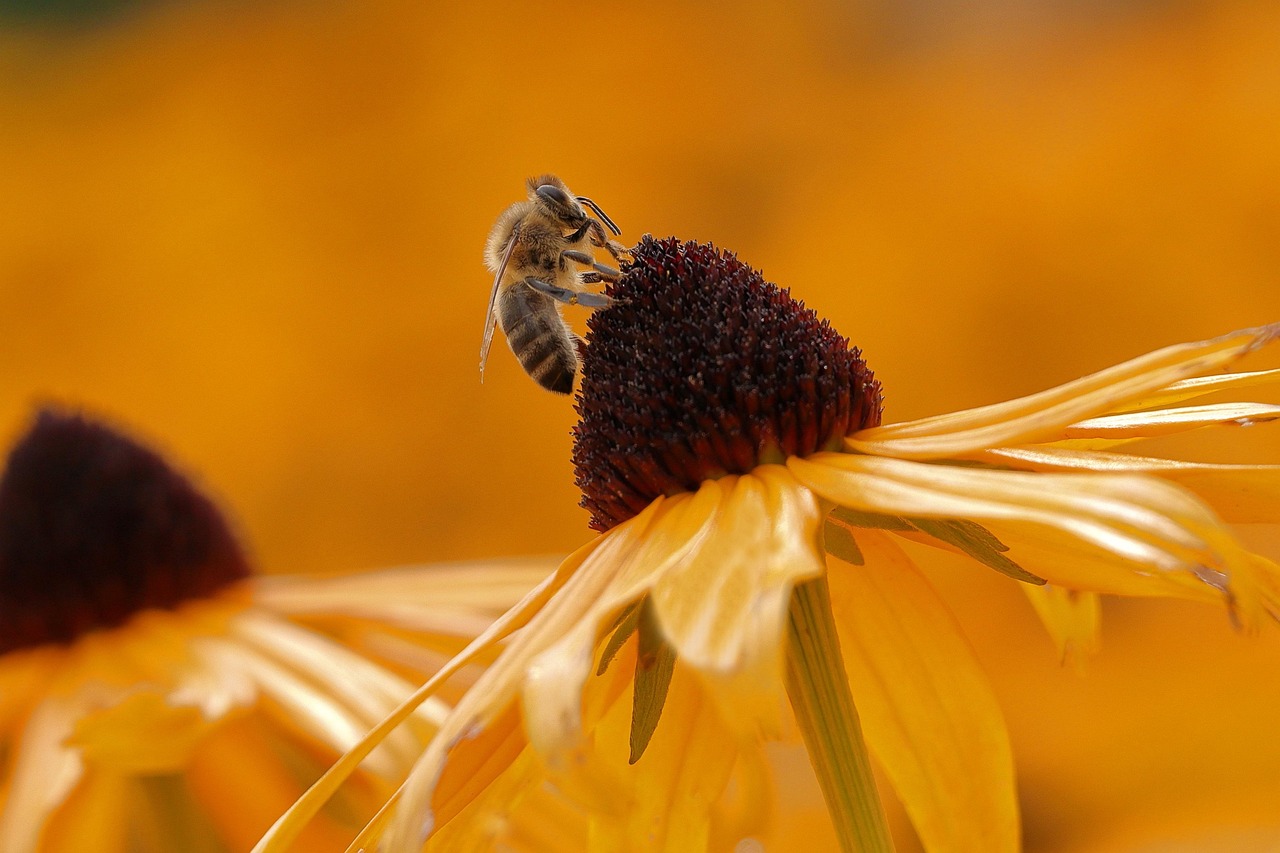
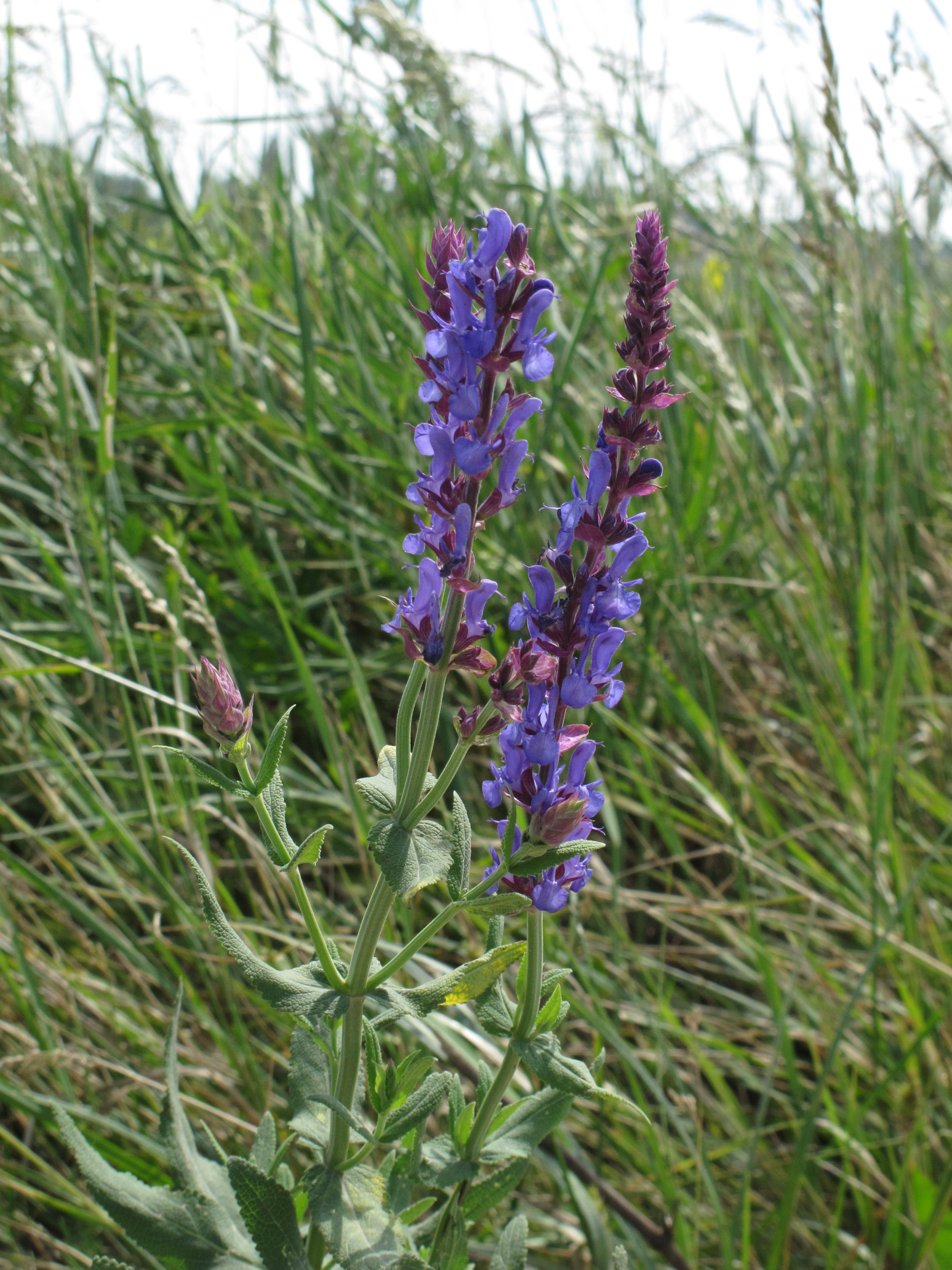
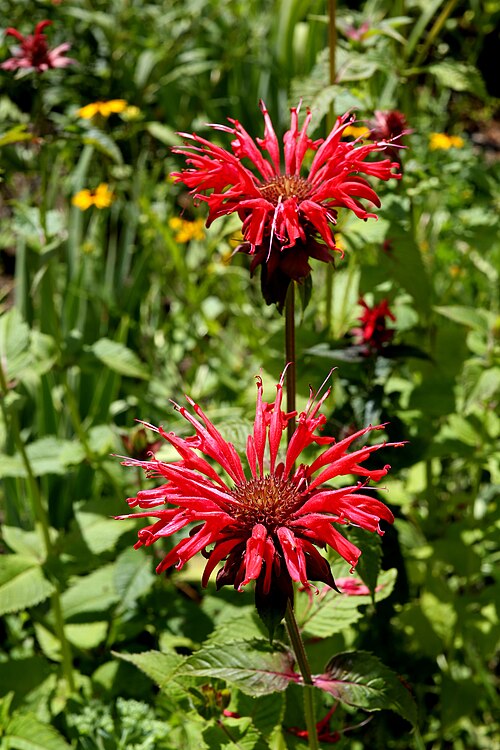
Coneflower Salvia Bee Balm Black-eyed Susan Blazing Star
Beyond Blooms: Water and Shelter
While flowers are essential, a complete pollinator paradise offers more than just food. Water and shelter are equally critical for the survival and thriving of bees, butterflies, and birds.
Provide Fresh Water Sources
All living creatures need water.
- For Birds: A bird bath is an obvious choice. Ensure it's shallow (1-2 inches deep) or has varying depths, and clean it regularly to prevent algae and mosquito breeding. A small fountain or dripper can also attract birds with its sound and movement.
- For Bees and Butterflies: These smaller pollinators can drown in deep water. Provide a shallow dish with pebbles, marbles, or sand that protrude above the waterline. This gives them a safe place to land and sip water without falling in. Place it in a sunny spot.
Offer Shelter and Nesting Sites
Pollinators need places to rest, hide from predators, and raise their young.
- For Bees: About 70% of native bees are ground-nesting, so leave some patches of bare, undisturbed soil in sunny areas. The other 30% are cavity-nesting, often using hollow stems or old wood. Consider leaving spent plant stalks over winter or installing a bee hotel (ensure it's well-maintained and cleaned annually).
- For Butterflies: Dense shrubs and tall grasses provide excellent shelter from wind and rain. They also need specific host plants for their caterpillars to feed on - for example, milkweed for Monarchs. Without host plants, butterflies cannot complete their life cycle.
- For Birds: A mix of evergreen and deciduous trees and shrubs offers year-round shelter, nesting sites, and protection from predators. Consider planting berry-producing shrubs for food and dense thickets for safe havens. Leaving some leaf litter and brush piles can also provide shelter and nesting material.
Garden Practices for a Healthy Ecosystem
The way you manage your garden has a profound impact on its ability to support pollinators.
Eliminate Pesticides
This is perhaps the most critical step. Insecticides, even "organic" ones, can be harmful or lethal to beneficial insects like bees and butterflies. Herbicides can eliminate the weeds that serve as host plants or food sources.
- Go Pesticide-Free: Commit to avoiding all synthetic pesticides, herbicides, and fungicides.
- Embrace Integrated Pest Management (IPM): Focus on prevention, manual removal, and encouraging natural predators before considering any intervention. A healthy, diverse garden often balances itself.
Practice Thoughtful Garden Maintenance
Your gardening habits can make a big difference.
- "Messy" is Good: Resist the urge to be too tidy. Leave spent flower stalks standing over winter to provide nesting sites for cavity-nesting bees. Leave leaf litter under trees and shrubs, which provides insulation and shelter for overwintering insects and food for birds.
- Mulch Wisely: While mulch is beneficial for weed suppression and moisture retention, avoid mulching every inch of your garden. Leave some bare, sunny patches of soil for ground-nesting bees.
- Reduce Lawn Size: Lawns offer little to no benefit for pollinators. Consider converting portions of your lawn into flower beds, meadows, or native plant areas.
- Provide "Puddling" Areas: Butterflies often gather in damp soil or mud to extract minerals. Create a small, shallow depression in a sunny spot, fill it with sand, and keep it consistently moist.
Consider a Pollinator Garden Certification
Many organizations offer programs to certify your garden as pollinator-friendly. This can provide guidance and recognition for your efforts, and often comes with a sign to display, inspiring others in your community.
Bringing It All Together
Creating a pollinator paradise is a journey, not a destination. Start small, observe what works, and gradually expand your efforts. Every native plant you add, every pesticide you avoid, and every water source you provide makes a difference. You'll be amazed at the vibrant life that begins to fill your garden, offering endless opportunities for observation and connection with nature.
Ready to find the perfect plants for your yard? Try the PlantWise Plant Finder →