[FTC Disclosure: This post contains affiliate links. If you make a purchase through these links, we may earn a small commission at no extra cost to you.]
10 Best Pollinator Plants for Zone 10
If you’re gardening in USDA Hardiness Zone 10, you’re fortunate to enjoy a long growing season with mild winters. This means pollinators like bees, butterflies, hummingbirds, and other beneficial insects are active year-round. To keep your garden buzzing and support local ecosystems, planting the right pollinator-friendly plants is key. The 10 best pollinator plants for Zone 10 are species that thrive in warm climates, bloom across multiple seasons, and provide nectar and pollen for a variety of pollinators.
🌱 Get Personalized Plant Picks
Answer a few quick questions and we’ll match plants to your exact yard conditions.
Find My Plants →Why Choose Pollinator Plants for Zone 10?
Zone 10, which includes parts of Southern California, Florida, and coastal regions, has mild winters and hot summers. This climate supports a diverse range of pollinators throughout the year. By planting pollinator plants adapted to this zone, you help sustain native pollinators, improve fruit and vegetable yields, and create a beautiful, dynamic garden. Moreover, many pollinator plants attract beneficial insects that help with pest control.
Top 10 Pollinator Plants for Zone 10
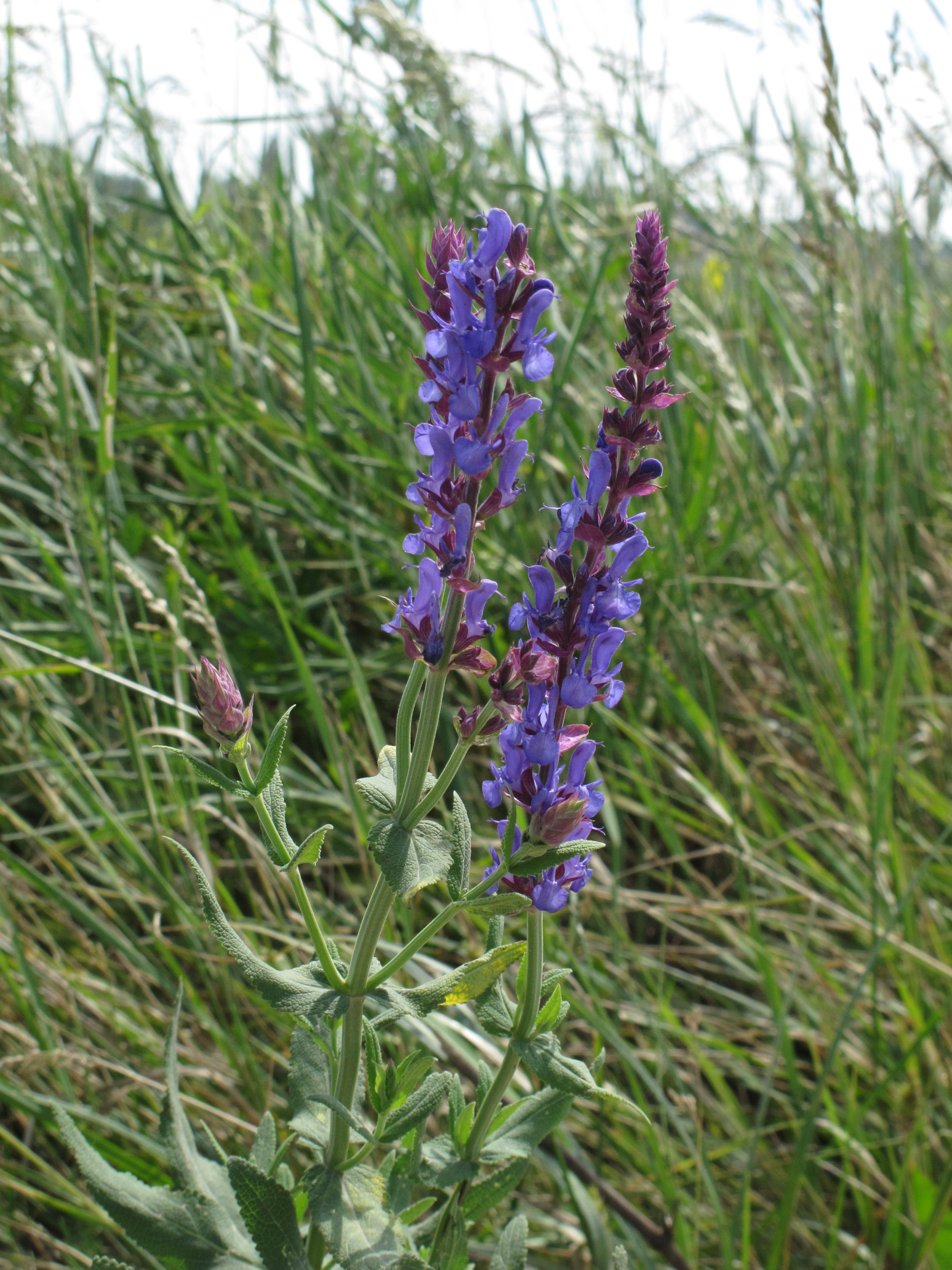
1. Salvia (Sage)
Salvias are a favorite for bees, butterflies, and hummingbirds. Many species and cultivars thrive in Zone 10’s warm climate. Their tubular flowers provide easy access to nectar for long-tongued pollinators.
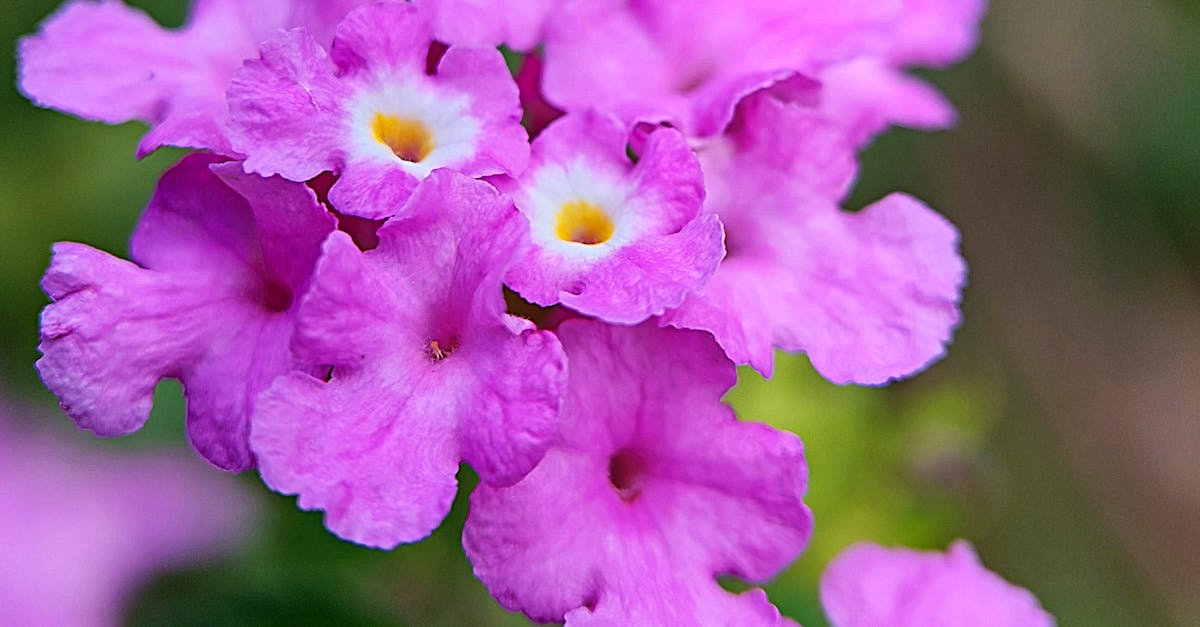
2. Lantana
Lantana’s colorful, clustered flowers bloom nearly year-round in Zone 10 and attract a wide range of pollinators, especially butterflies. It’s drought-tolerant and thrives in full sun.
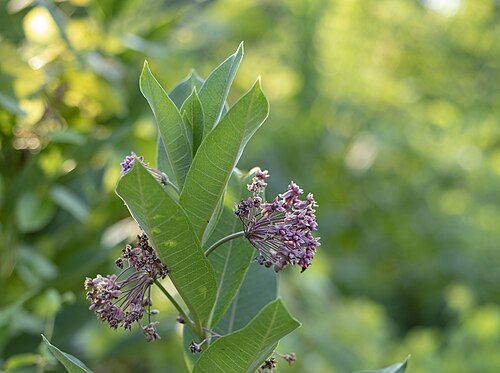
3. Milkweed (Asclepias)
Milkweed is essential for monarch butterflies, serving as both a nectar source and a host plant for their caterpillars. Many milkweed species grow well in Zone 10 and bloom from spring through fall.
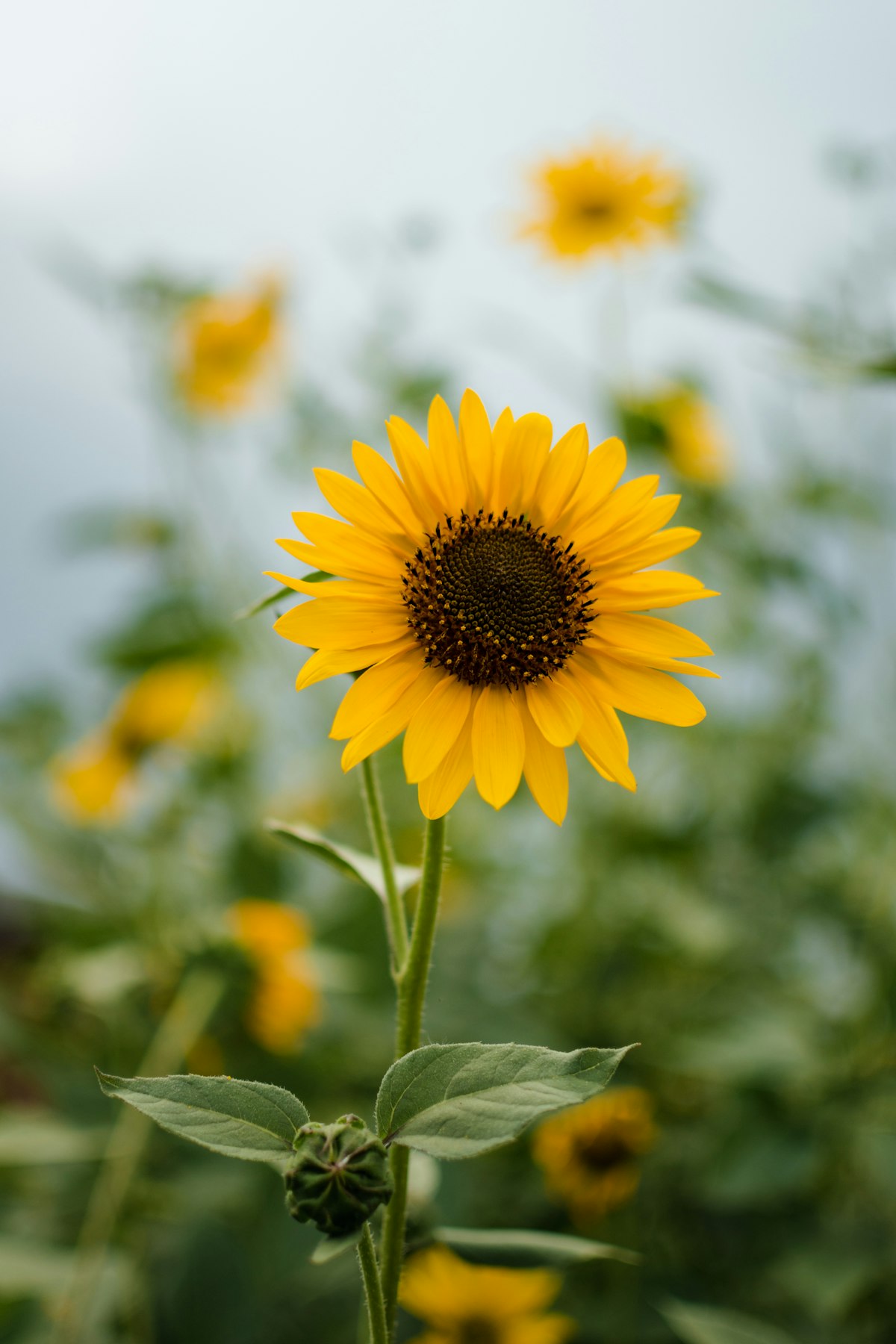
4. Mexican Sunflower (Tithonia rotundifolia)
This vibrant orange flower is a magnet for butterflies and bees. Mexican sunflower grows quickly, loves full sun, and blooms heavily in warm climates.
Tithonia Rotundifolia
5. Pentas
Pentas are tropical perennials that bloom in clusters of star-shaped flowers, attracting hummingbirds and butterflies. They thrive in Zone 10’s heat and bloom continuously in warm weather.
Pentas
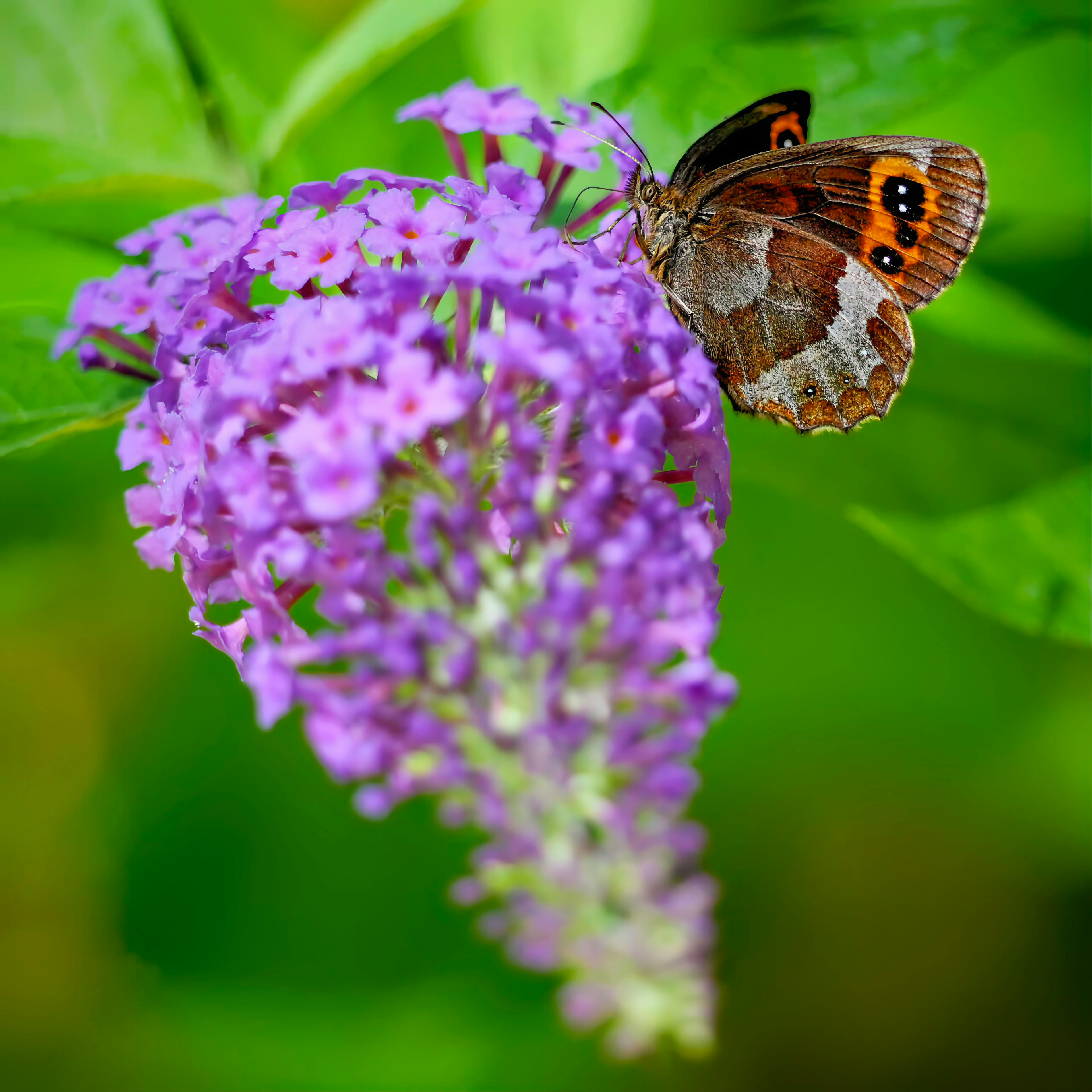
6. Blue Butterfly Bush (Clerodendrum ugandense)
This shrub produces stunning blue-purple flowers that attract butterflies and hummingbirds. It prefers full sun and warm, frost-free conditions.
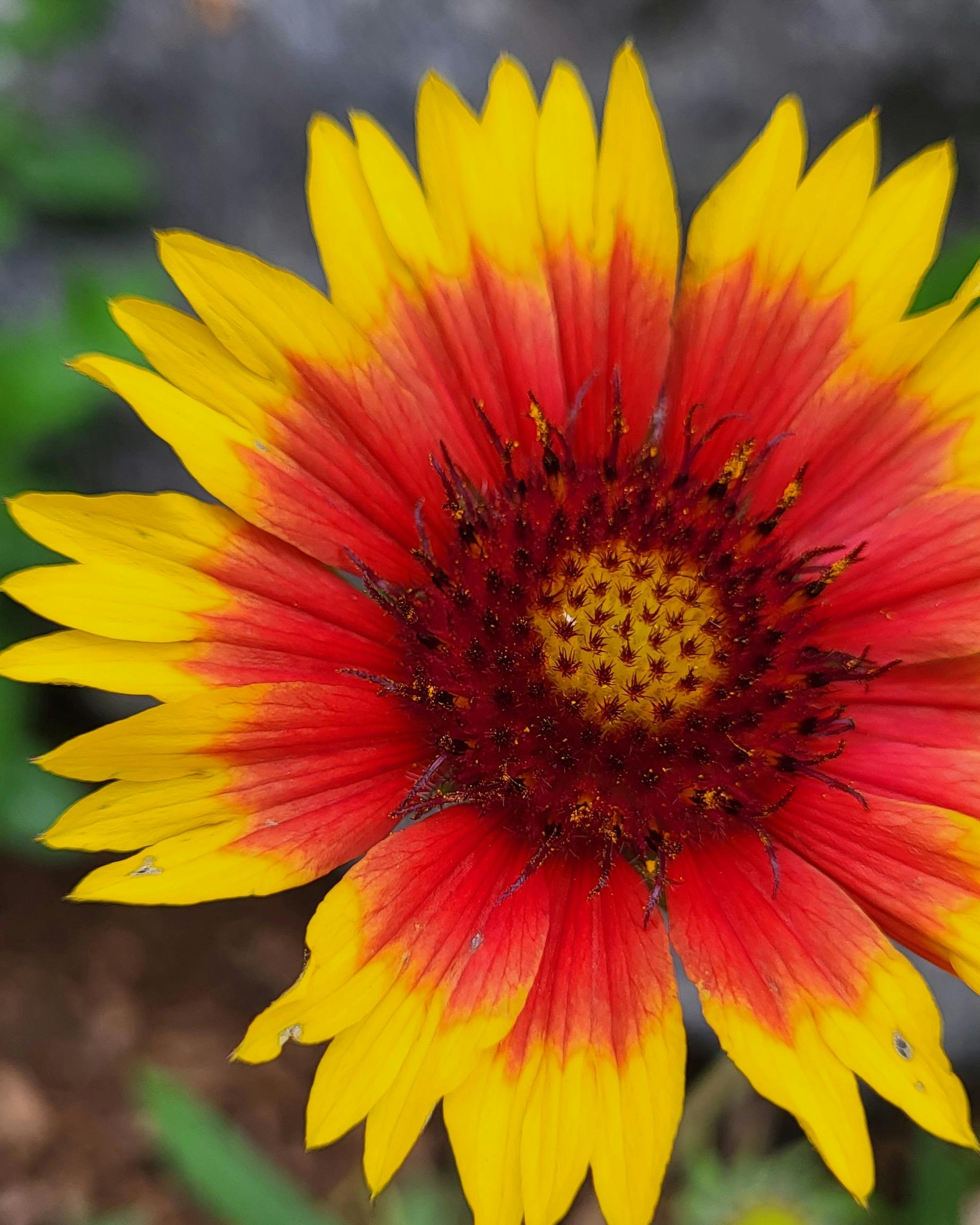
7. Blanket Flower (Gaillardia)
Gaillardia’s bright red and yellow blooms are a great nectar source for bees and butterflies. It thrives in sunny, well-drained soils typical of Zone 10 gardens.
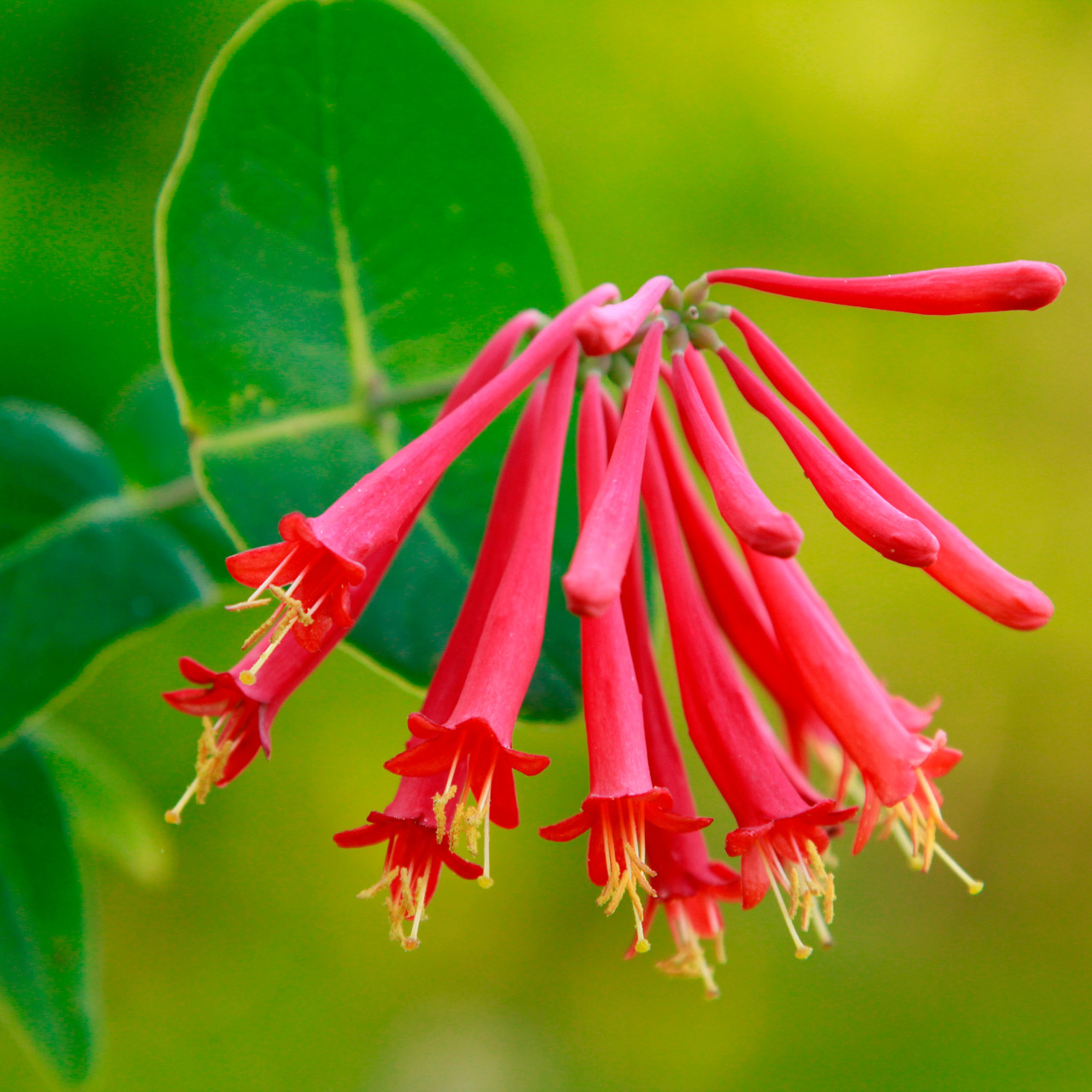
8. Coral Honeysuckle (Lonicera sempervirens)
Coral honeysuckle is a vine with tubular, coral-red flowers that hummingbirds love. It can be trained on trellises or fences and blooms from spring through fall.
9. California Fuchsia (Epilobium canum)
This drought-tolerant perennial features bright red tubular flowers that attract hummingbirds. It blooms late summer into fall, providing nectar when many other plants have finished flowering.
10. Desert Milkweed (Asclepias subulata)
A desert-adapted milkweed species, it thrives in Zone 10’s heat and supports monarchs and other pollinators. Its tall stalks produce clusters of white flowers.
Tips for Creating a Pollinator-Friendly Garden in Zone 10
- Diverse Plantings: Include a mix of native and adapted plants that flower at different times to provide continuous nectar sources.
- Avoid Pesticides: Use organic pest control methods to protect beneficial insects.
- Provide Water: Shallow water sources like birdbaths or small ponds help pollinators stay hydrated.
- Shelter and Nesting Sites: Leave some bare ground or install bee hotels to support native bees.
- Group Plantings: Plant flowers in clusters to make it easier for pollinators to find and feed.
Pet Safety Reminder
While many pollinator plants are not listed as toxic to pets, always monitor pets around garden plants. If you suspect your pet has ingested a potentially harmful plant, contact the ASPCA Animal Poison Control Center at 888-426-4435 immediately.
Wildlife Resistance Disclaimer
No plant is completely resistant to deer, rabbits, or groundhogs, especially if local wildlife populations are high or food sources are scarce. Use additional protective measures if wildlife browsing is a concern.
Choosing the right pollinator plants for Zone 10 ensures your garden supports vibrant pollinator communities all year. From the colorful lantana to the essential milkweed, these plants create a thriving ecosystem right in your backyard.
Ready to find the perfect pollinator plants for your garden? Use the Plant Finder wizard at /wizard to discover plants tailored to your exact location and preferences.
Salvia Lantana Swamp Milkweed Tithonia Rotundifolia Pentas