FTC Disclosure: This post contains affiliate links. As an Amazon Associate, we earn from qualifying purchases at no extra cost to you.
For pet owners concerned about plant safety, remember to contact the ASPCA Animal Poison Control Center at 888-426-4435 if you suspect your pet has ingested a harmful plant. While these pollinator plants are great for attracting beneficial insects, always monitor pets closely as no plants are entirely safe or non-toxic around animals. Also, keep in mind that wildlife resistance varies by region and individual animal preferences.
10 Best Pollinator Plants for Zone 3: Maximizing Your Cold-Hardy Garden
If you’re gardening in USDA Zone 3, you know the challenges posed by a short, often harsh growing season. Finding pollinator plants that thrive in cold climates and bloom quickly is crucial for supporting bees, butterflies, and other beneficial insects. The 10 best pollinator plants for Zone 3 are cold-hardy, early bloomers that provide vital nectar and pollen during brief summers. They also tend to be resilient, low-maintenance, and well-suited for northern gardens.
Here’s a carefully curated list of pollinator plants that will flourish in Zone 3 and help create a vibrant, buzzing garden.
🌱 Get Personalized Plant Picks
Answer a few quick questions and we’ll match plants to your exact yard conditions.
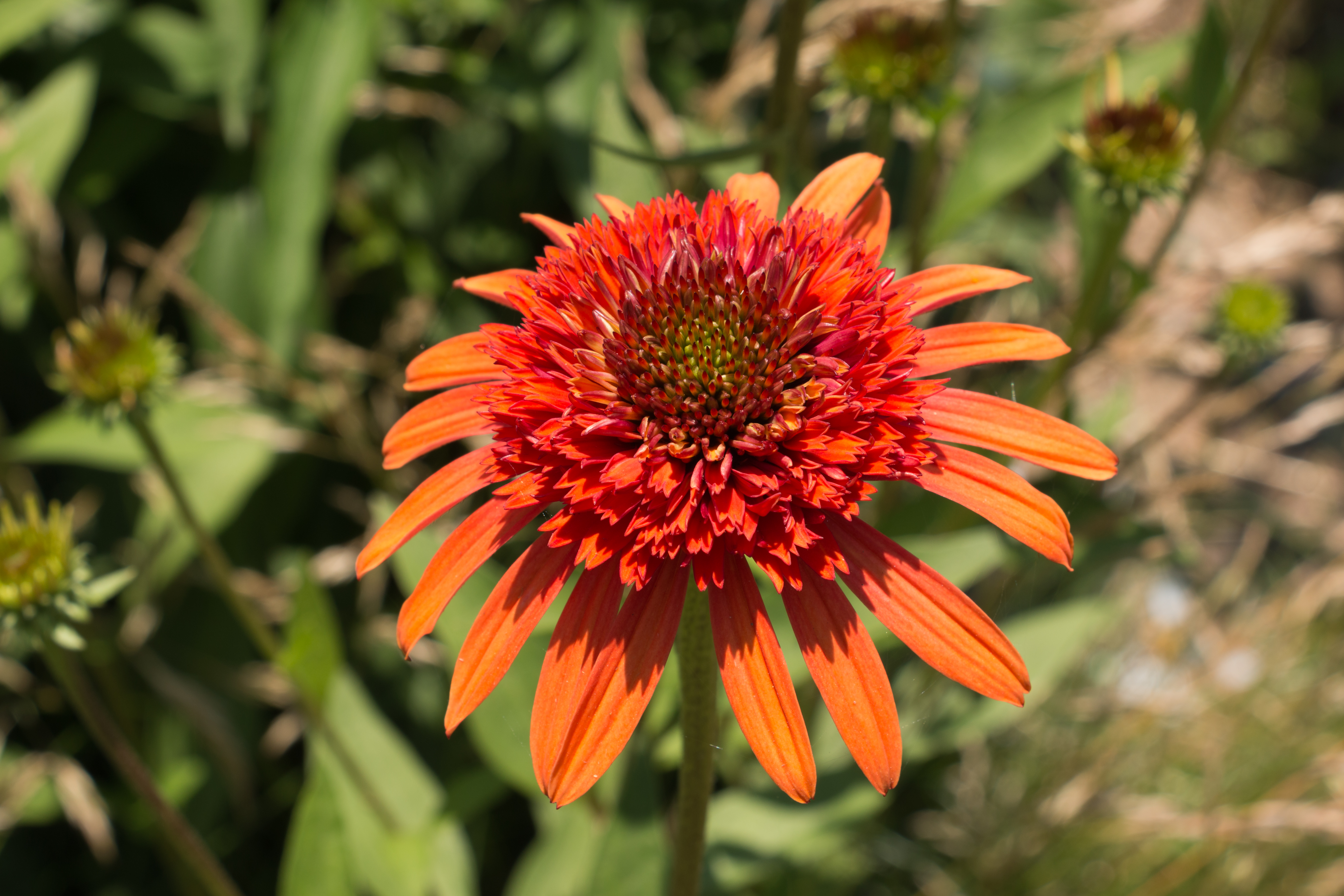
Find My Plants →1. Purple Coneflower (Echinacea purpurea)
Purple coneflowers are a staple in cold climate gardens. They tolerate frost well and begin flowering mid to late summer, providing nectar for butterflies and bees. Their large, daisy-like blooms with raised centers are highly attractive to pollinators. Coneflowers also self-seed, ensuring continued blooms year after year.
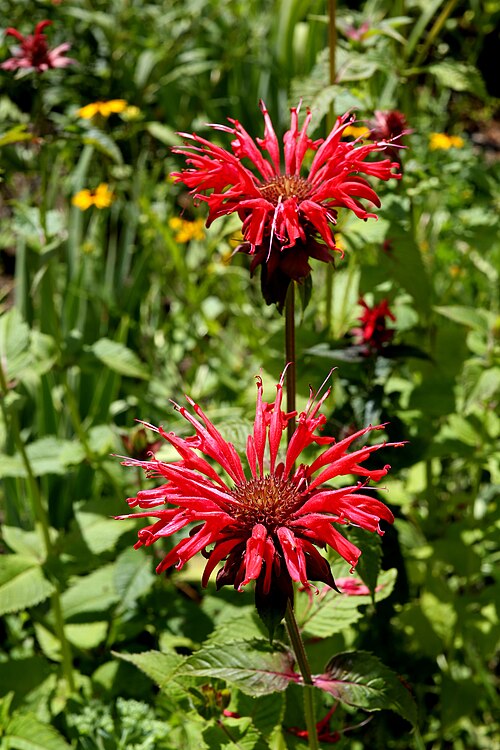
2. Bee Balm (Monarda didyma)
Bee balm is a favorite of hummingbirds, bees, and butterflies alike. This native perennial withstands Zone 3 winters and bursts into bright, tubular flowers in mid to late summer. Its aromatic leaves also deter some deer and rabbits, though results can vary.
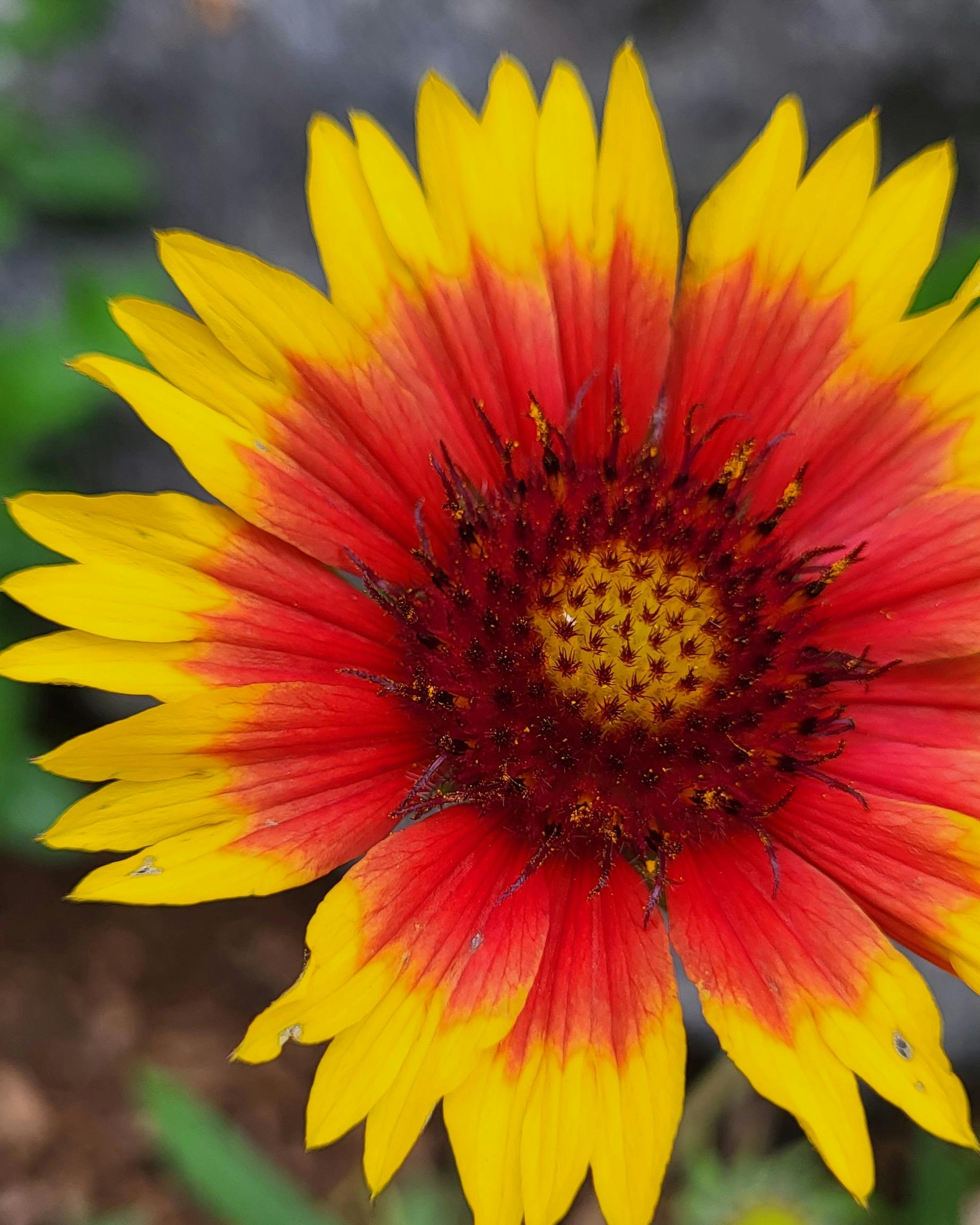
3. Blanket Flower (Gaillardia aristata)
Blanket flower offers long-lasting blooms from early summer through fall. This drought-tolerant native thrives in poor soils and cold climates, making it perfect for Zone 3 gardens. Its bright red and yellow petals attract a variety of pollinators, including butterflies and native bees.
4. American Cranberrybush Viburnum (Viburnum trilobum)
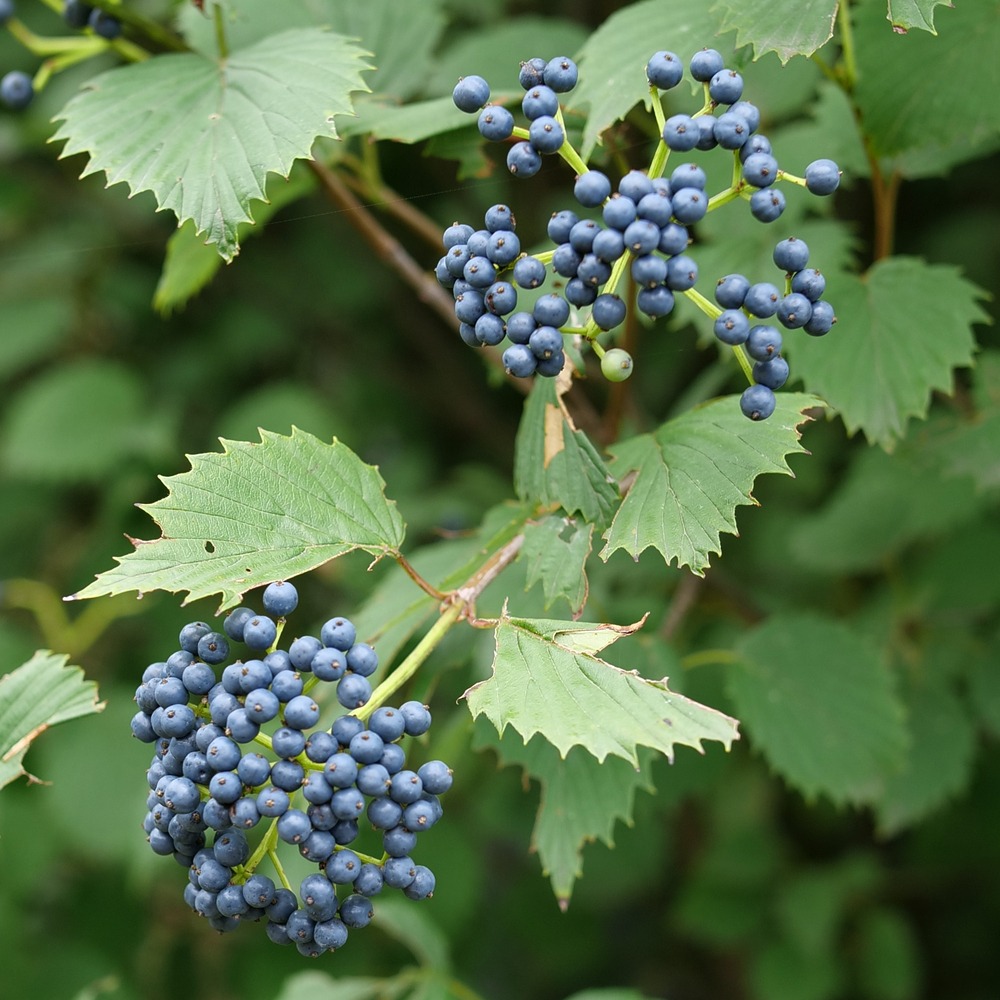
Beyond its ornamental appeal, the American cranberrybush viburnum produces clusters of white flowers in spring that attract early pollinators such as bees and flies. This hardy shrub tolerates cold winters and offers food for birds later in the season with its bright red berries.
5. Goldenrod (Solidago spp.)
Goldenrod is often misunderstood but is an essential late-season nectar source for pollinators preparing for winter. Many species of goldenrod are hardy to Zone 3 and bloom in late summer to fall. Their dense flower clusters attract bees, butterflies, and wasps.
6. Lupine (Lupinus perennis)
Lupines are nitrogen-fixing plants that improve soil while supporting pollinators. Their pea-shaped flowers bloom in early summer, attracting bees and butterflies. Lupines are cold-hardy and suitable for northern gardens, thriving in well-drained soils.
7. Pasque Flower (Pulsatilla patens)
Pasque flowers are early bloomers that emerge as soon as the snow melts. Their bell-shaped purple flowers provide nectar to bumblebees and early solitary bees. This plant is extremely cold-hardy and an excellent choice for rock gardens or naturalized areas.
8. Mountain Arnica (Arnica spp.)
Mountain arnica is a native wildflower that blooms in early summer with bright yellow flowers. It’s well adapted to cold climates and attracts a variety of pollinators, including bees and butterflies. Arnica’s stunning blooms also make a striking addition to any garden.
9. Wild Bergamot (Monarda fistulosa)
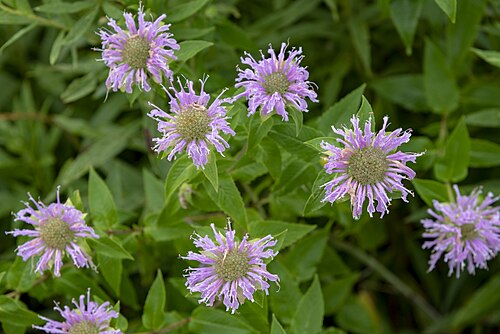
Similar to bee balm, wild bergamot is a tough perennial with lavender to pink flowers. It’s highly attractive to native bees and butterflies and thrives in Zone 3’s cold temperatures. It is also deer and rabbit resistant in many cases, though results can vary.
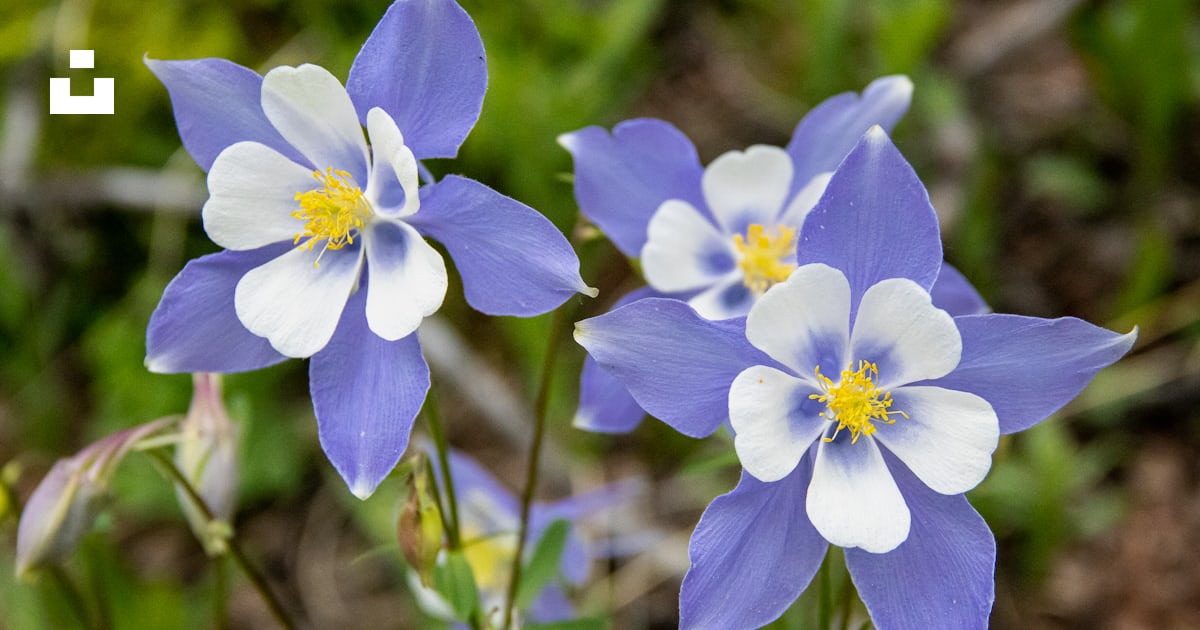
10. Columbine (Aquilegia canadensis)
Columbine’s unique, spurred flowers bloom in late spring to early summer, offering nectar to hummingbirds and long-tongued bees. Native columbines are cold-hardy and adapt well to woodland edges and rock gardens.
Tips for Creating a Pollinator-Friendly Garden in Zone 3
- Choose a variety of bloom times: Combine early, mid, and late-season plants to provide continuous nectar and pollen.
- Provide shelter and water: Incorporate native grasses, shrubs, and shallow water sources to support pollinator habitat.
- Avoid pesticides: Chemicals can harm beneficial insects. Opt for organic or natural pest control methods.
- Plant in sunny spots: Most pollinator plants require full sun to bloom profusely.
- Use native plants: They are best adapted to local conditions and local pollinators recognize them as food sources.
Pet and Wildlife Considerations
While these plants are excellent for attracting pollinators, none should be considered entirely safe or non-toxic for pets. Always supervise pets around garden plants and reach out to the ASPCA Animal Poison Control Center at 888-426-4435 if you have concerns. Furthermore, plant resistance to deer, rabbits, and groundhogs varies by location and individual animal behavior, so some damage may still occur.
Conclusion
Zone 3’s short growing season and chilly climate require resilient, fast-blooming pollinator plants to support your garden’s beneficial insects. The 10 plants listed here are proven performers that provide vital nectar and pollen from early spring through fall. By incorporating these cold-hardy species into your garden, you’ll create a lively, buzzing habitat that supports bees, butterflies, hummingbirds, and more — all while adding beauty and biodiversity to your outdoor space.
Ready to find the perfect pollinator plants tailored to your specific garden conditions? Use our Plant Finder wizard at /wizard to discover plants that thrive in your USDA zone and meet your garden goals!