FTC Disclosure: This post contains affiliate links. We may earn a small commission at no extra cost to you if you make a purchase through these links.
If you're gardening in USDA Hardiness Zone 4 and want to support pollinators, choosing the right plants is essential. Zone 4's cold winters and relatively short growing season mean you need pollinator plants that are both hardy and quick to bloom. The 10 best pollinator plants for Zone 4 are cold-tolerant perennials and annuals that attract bees, butterflies, and other beneficial insects while thriving in these cooler conditions. These plants offer a continuous flowering period from spring through fall, providing vital nectar and pollen sources when pollinators need them most.
Why Pollinator Plants Matter in Zone 4
Pollinators like bees, butterflies, hummingbirds, and beetles play a crucial role in ecosystems and agriculture by transferring pollen between flowers. However, harsh winters and a short growing season in Zone 4 limit the availability of flowering plants. By planting pollinator-friendly species suited for this zone, you can help sustain local pollinator populations, improve garden biodiversity, and even boost your vegetable and fruit yields.
🌱 Get Personalized Plant Picks
Answer a few quick questions and we’ll match plants to your exact yard conditions.
Find My Plants →What Makes a Good Pollinator Plant for Zone 4?
Pollinator plants for Zone 4 must be:
- Cold Hardy: Able to survive winter temperatures as low as -30 to -20 °F (-34 to -29 °C).
- Fast Blooming: Start blooming early and continue through the growing season to provide ongoing food sources.
- Nectar and Pollen Rich: Offer abundant resources to attract a variety of pollinators.
- Adaptable to Soil and Sun Conditions: Thrive in the typical soil types and sun exposure found in Zone 4 gardens.
With these criteria in mind, here are ten excellent pollinator plants that will flourish in Zone 4 gardens.
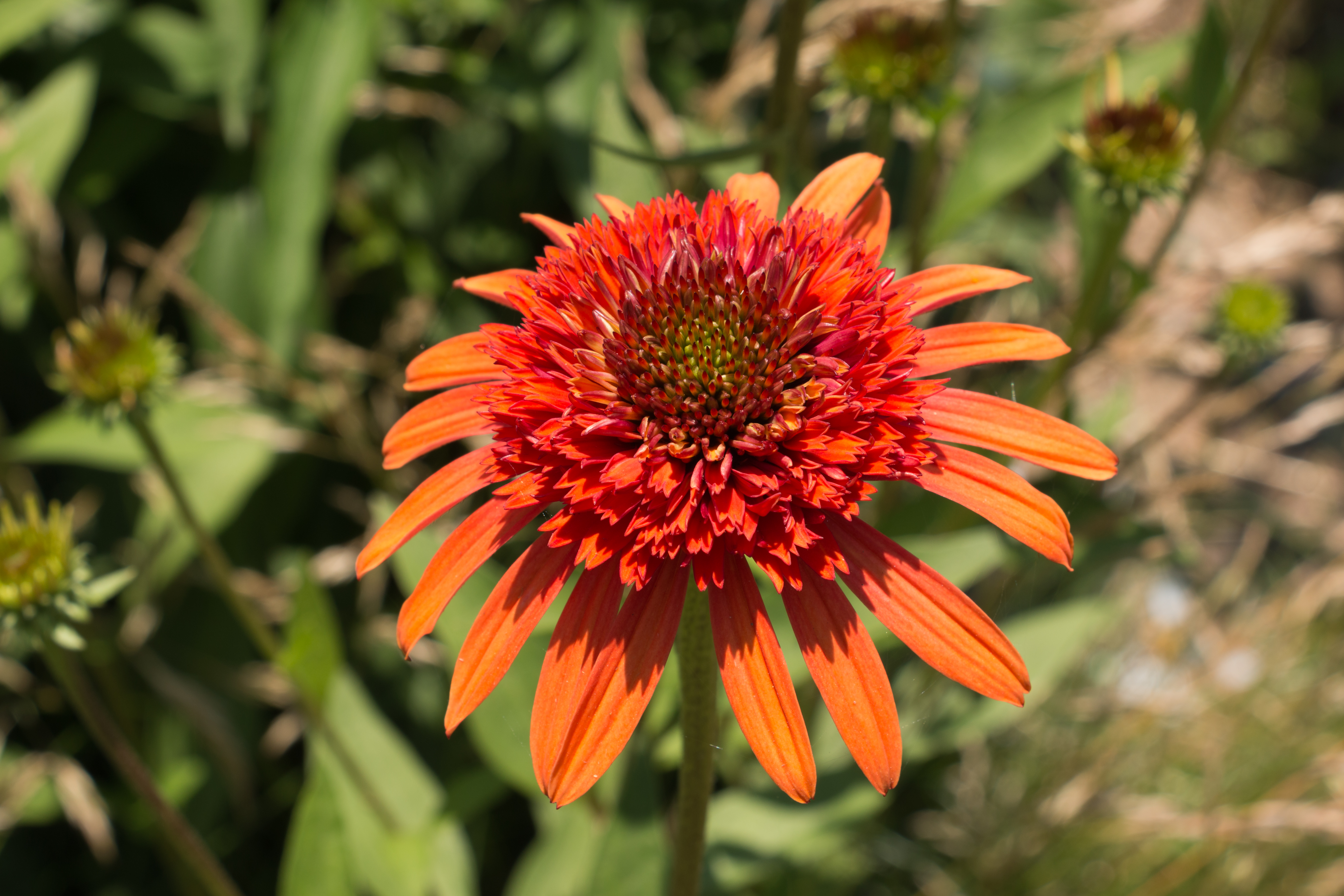
1. Purple Coneflower (Echinacea purpurea)
A classic in pollinator gardens, purple coneflowers are hardy perennials that bloom from mid-summer to early fall. Their large, daisy-like flowers attract bees, butterflies, and hummingbirds. They tolerate a range of soils and are drought resistant once established, making them low-maintenance choices for Zone 4. Plus, their seed heads provide winter food for birds.
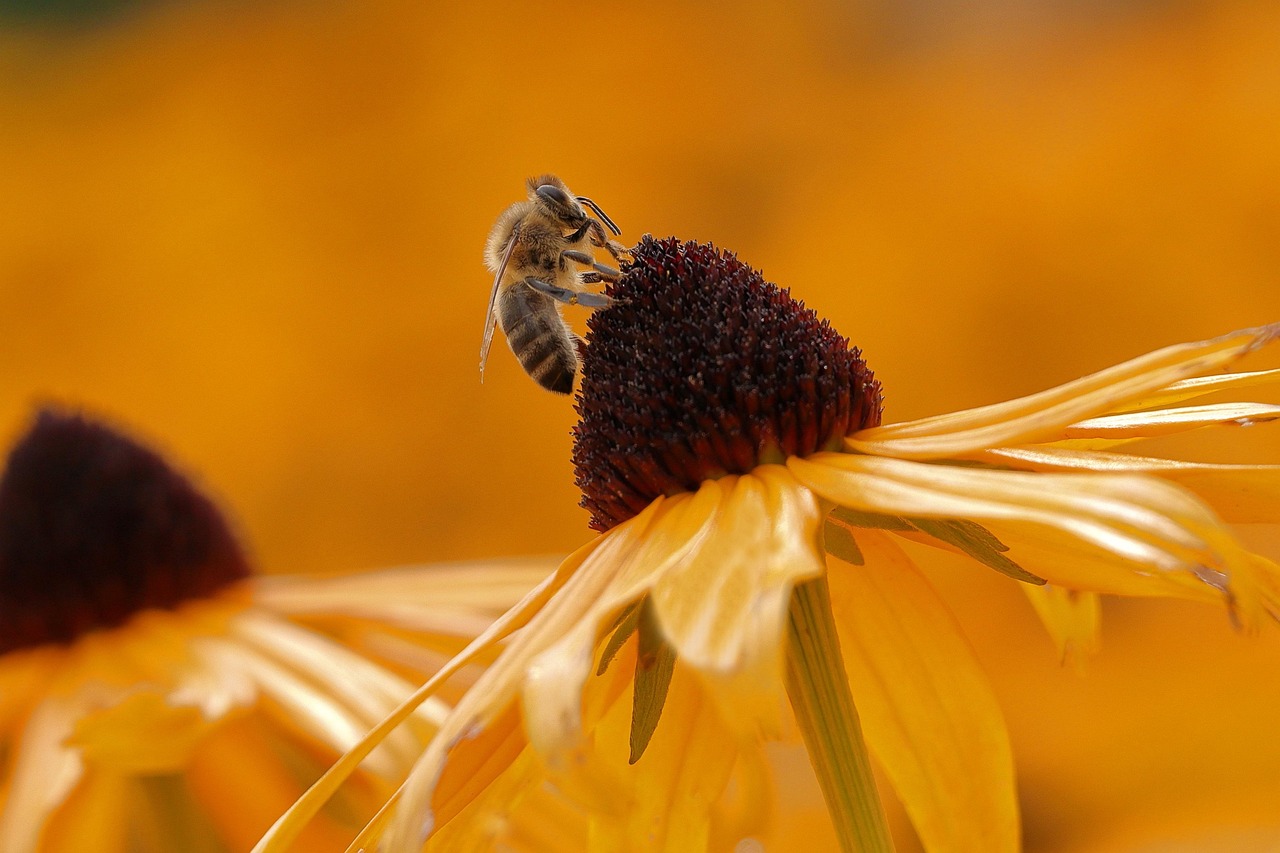
2. Black-eyed Susan (Rudbeckia hirta)
Black-eyed Susans are cheerful yellow flowers with dark centers that bloom from summer to fall. These tough perennials are cold-hardy and very attractive to native bees and butterflies. They grow well in full sun and well-drained soil, providing a long-lasting nectar source in the garden.
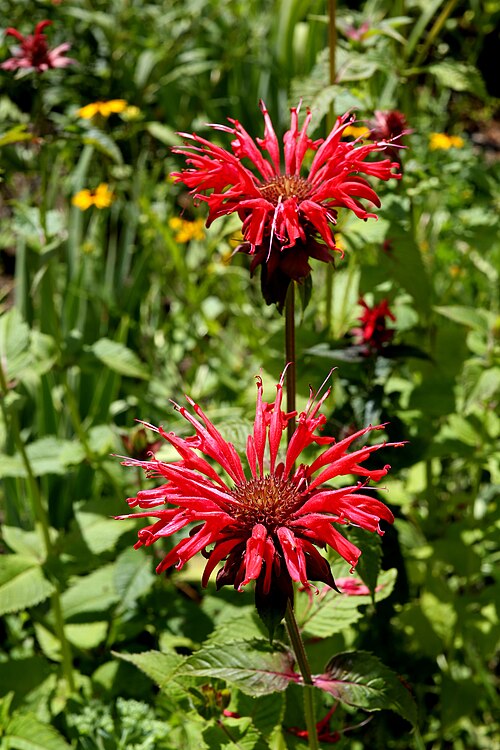
3. Bee Balm (Monarda didyma)
Bee balm is a vibrant, aromatic perennial that produces red, pink, or purple tubular flowers highly favored by hummingbirds and bees. It thrives in Zone 4 and tolerates partial shade, making it versatile for different garden spots. Deadheading spent blooms encourages longer flowering.
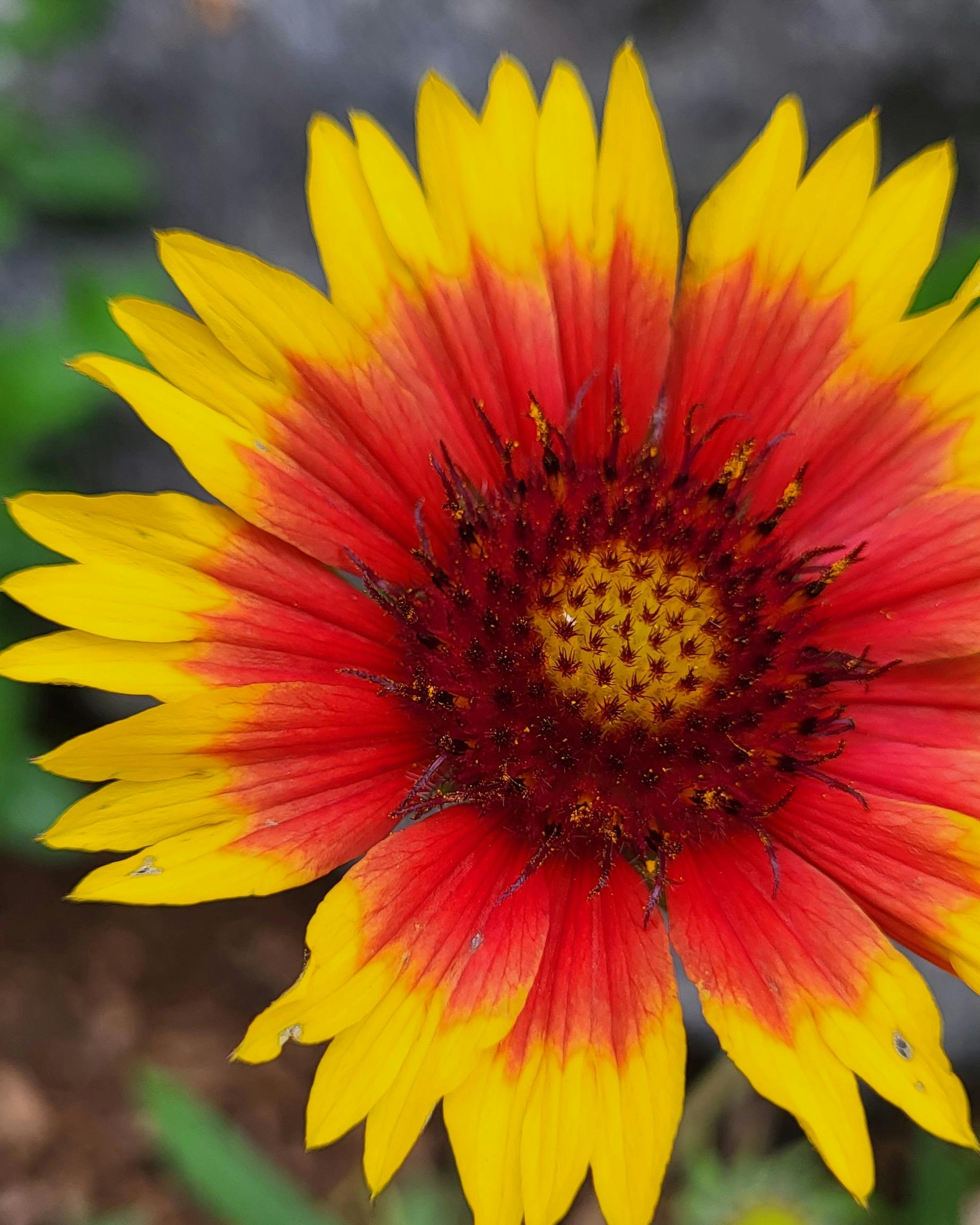
4. Blanket Flower (Gaillardia aristata)
A native wildflower, blanket flower blooms from early summer to frost with bright red and yellow daisy-like flowers. It is drought tolerant and thrives in full sun and well-drained soil. Its nectar-rich blooms attract butterflies, bees, and other pollinators.
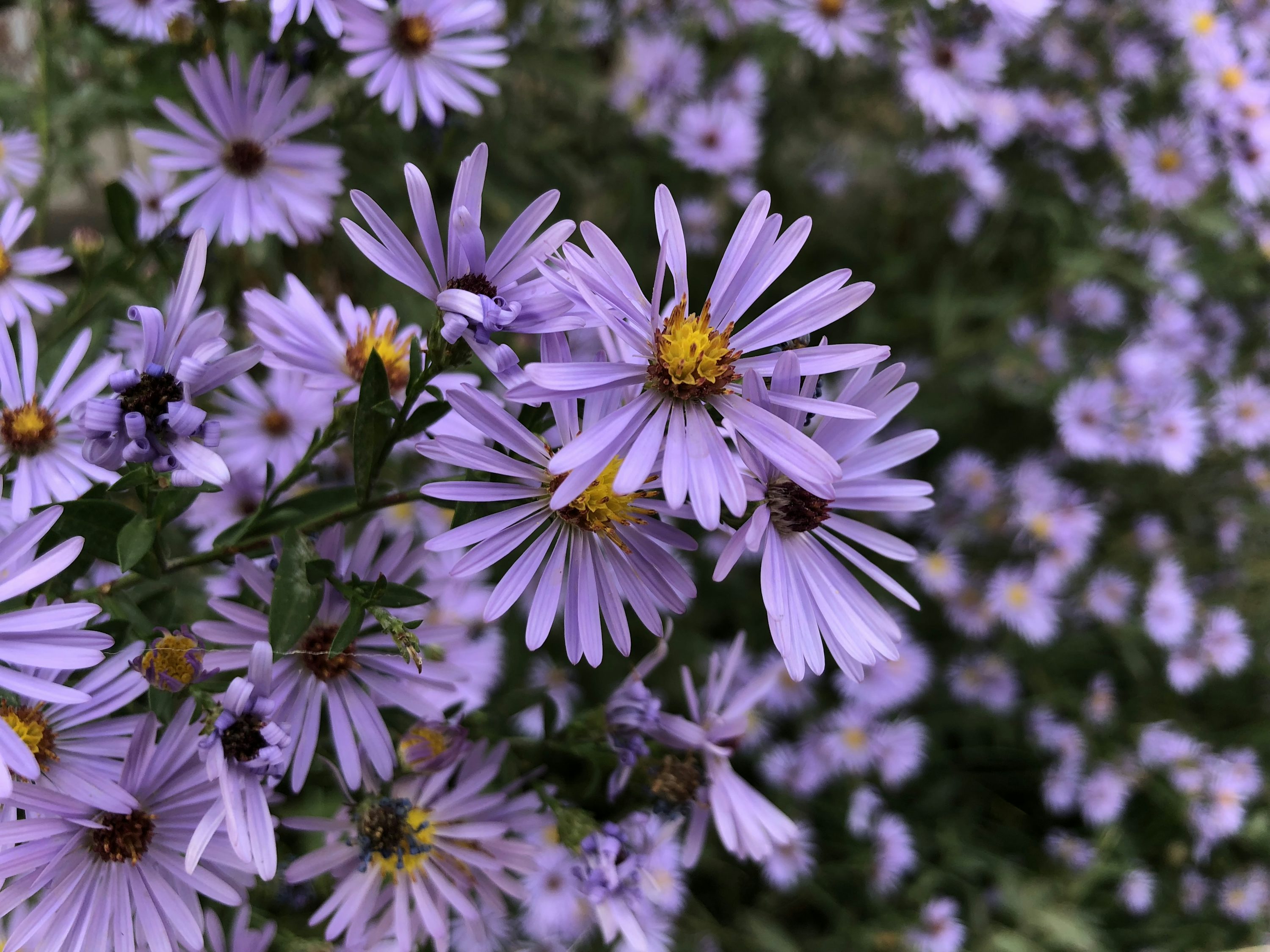
5. Aster (Symphyotrichum spp.)
Asters bloom late in the season, providing crucial nectar for pollinators preparing for winter. They grow well in Zone 4 and come in shades of purple, blue, pink, and white. Their fall blooms help sustain bees and butterflies when other flowers have faded.
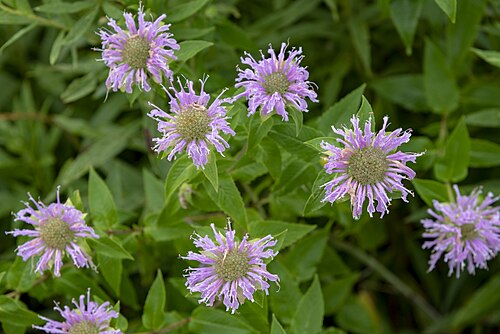
6. Wild Bergamot (Monarda fistulosa)
Another Monarda species, wild bergamot produces lavender-pink flowers that attract native bees and butterflies. It thrives in full sun to partial shade and is drought tolerant once established. Its long bloom period extends from mid-summer to early fall.
7. Goldenrod (Solidago spp.)
Often unfairly blamed for allergies, goldenrod is a vital late-season nectar source for bees and butterflies. It tolerates cold winters and poor soils, blooming in bright yellow clusters from late summer to fall. Goldenrod supports a wide range of pollinators and beneficial insects.
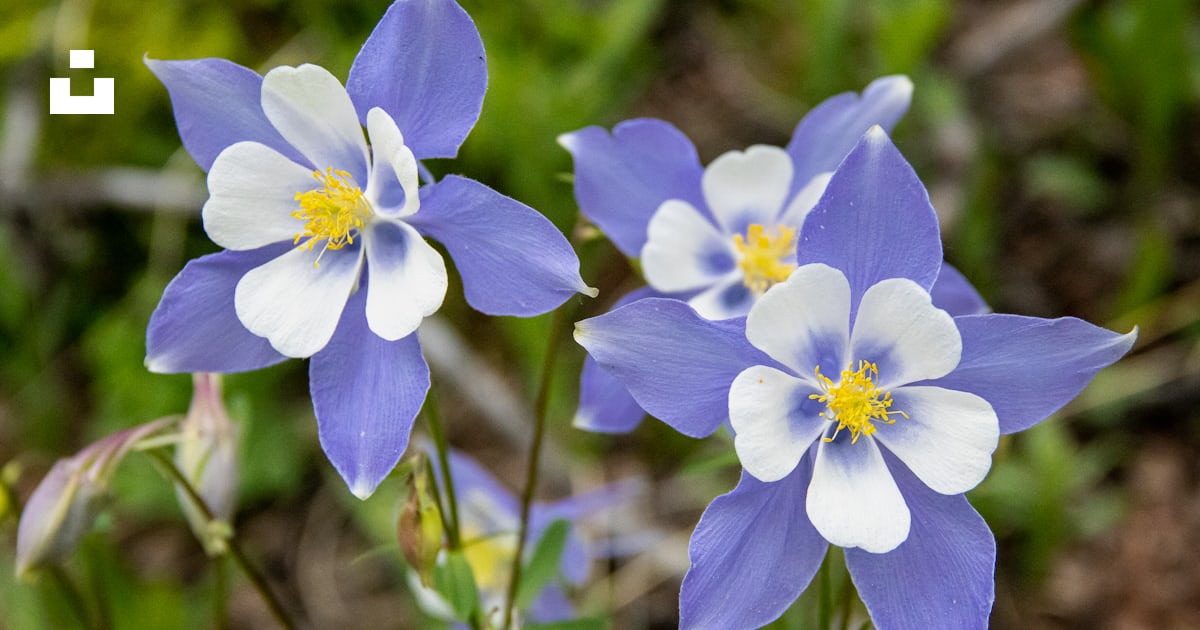
8. Columbine (Aquilegia canadensis)
Columbine offers unique, bell-shaped red and yellow flowers that attract hummingbirds and bees. This perennial grows well in partial shade and blooms in spring to early summer, providing early-season nectar for emerging pollinators.
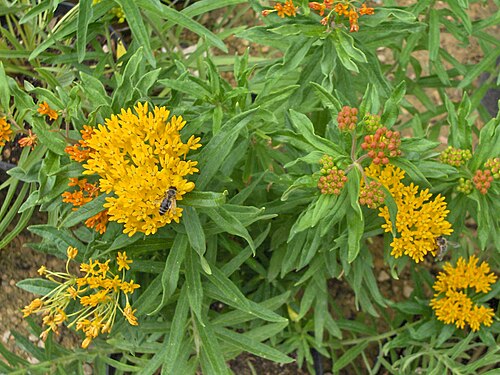
9. Butterfly Weed (Asclepias tuberosa)
Part of the milkweed family, butterfly weed is a must-have for attracting monarch butterflies. It produces bright orange flowers that bloom mid-summer and thrive in full sun and well-drained soils. It is cold-hardy and supports both adult butterflies and their larvae.
10. Lupine (Lupinus spp.)
Lupines provide tall spikes of pea-like flowers in early to mid-summer. These nitrogen-fixing plants improve soil health and attract bees and butterflies. Many lupine species are cold hardy and well-suited to Zone 4 gardens.
Protecting Pets and Wildlife in Your Pollinator Garden
Many pollinator plants are safe for pets, but it’s important to note that some species can be harmful if ingested. Always research each plant’s pet safety profile before planting, especially if you have curious dogs or cats. For pet safety inquiries or emergencies, contact the ASPCA Animal Poison Control hotline at 888-426-4435.
While these plants attract beneficial pollinators, they may also attract or deter local wildlife differently depending on your location. No plant is guaranteed to be fully resistant to deer, rabbits, or groundhogs, so consider additional protective measures if wildlife damage is a concern.
Tips for a Successful Pollinator Garden in Zone 4
- Plant in Groups: Clusters of the same species attract more pollinators.
- Provide Water Sources: Shallow water dishes with stones give pollinators a place to drink safely.
- Avoid Pesticides: Chemicals can harm pollinators; opt for organic pest control methods.
- Include a Variety of Bloom Times: Ensure flowers bloom from spring through fall to support pollinators all season.
- Include Host Plants: Milkweeds and other host plants support butterfly larvae.
Final Thoughts
Zone 4 gardens can be vibrant sanctuaries for pollinators with the right plant choices. The ten plants listed here combine cold hardiness, long bloom times, and rich nectar to maximize your impact in supporting bees, butterflies, hummingbirds, and more. By planting these species and following pollinator-friendly gardening practices, you’ll contribute to a healthier ecosystem right in your backyard.
Start planning your pollinator garden today with PlantWise’s easy-to-use Plant Finder wizard. Discover the best plants for your exact location and garden conditions by visiting /wizard now!