FTC Disclosure: This post contains affiliate links. As an Amazon Associate, we earn from qualifying purchases at no extra cost to you.
10 Best Pollinator Plants for Zone 5
If you garden in USDA Hardiness Zone 5, finding pollinator plants that can survive the cold winters and still attract bees, butterflies, and hummingbirds through the growing season is key to a thriving garden. The best pollinator plants for Zone 5 are cold-hardy perennials and native species that bloom at different times, providing continuous nectar and pollen sources. These plants not only support vital pollinators but also add color and texture to your garden from spring until frost.
Below, we share 10 excellent pollinator plants that flourish in Zone 5 and offer a long season of blooms to invite pollinators into your yard.
🌱 Get Personalized Plant Picks
Answer a few quick questions and we’ll match plants to your exact yard conditions.
Find My Plants →Why Choose Pollinator Plants for Zone 5?
Zone 5 experiences winter lows down to -20°F to -10°F (-29°C to -23°C), so plants must be hardy to survive harsh freezes. Pollinators such as native bees, butterflies like monarchs, and hummingbirds rely on a succession of flowers for nectar and pollen from spring to fall. Cold-hardy pollinator plants ensure food sources remain available despite the climate challenges. Moreover, planting a variety of species that bloom at different times attracts a diverse group of pollinators, supporting a healthy ecosystem.
1. Purple Coneflower (Echinacea purpurea)
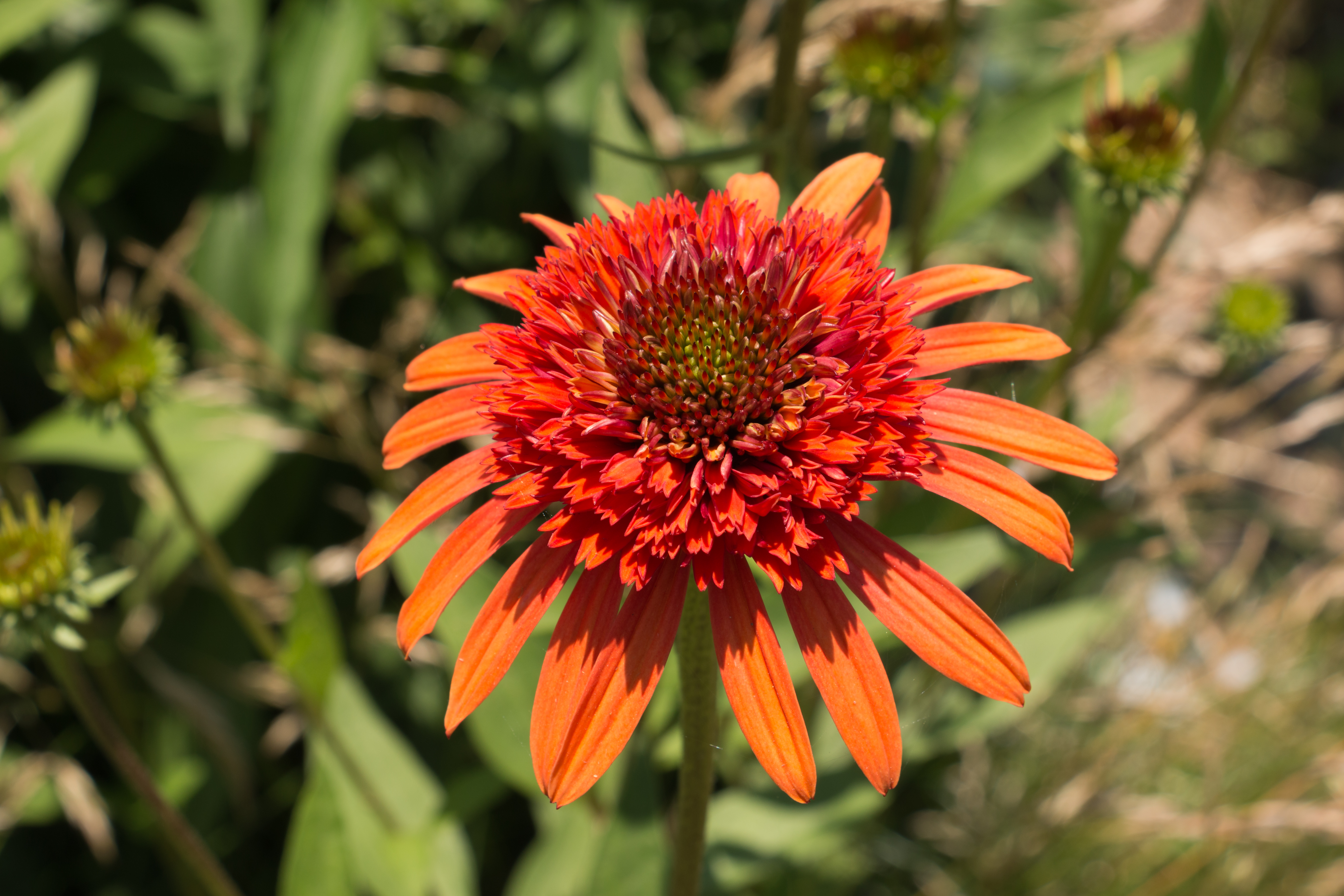
Purple Coneflower is a classic perennial native to much of the U.S., including Zone 5. It thrives in full sun and well-drained soil, producing large pinkish-purple daisy-like flowers from mid-summer through early fall. These blooms are magnets for bees, butterflies, and even hummingbirds. Besides its ornamental beauty, Echinacea is drought-tolerant and deer-resistant, making it an easy-care choice for pollinator gardens.
2. Black-eyed Susan (Rudbeckia hirta)
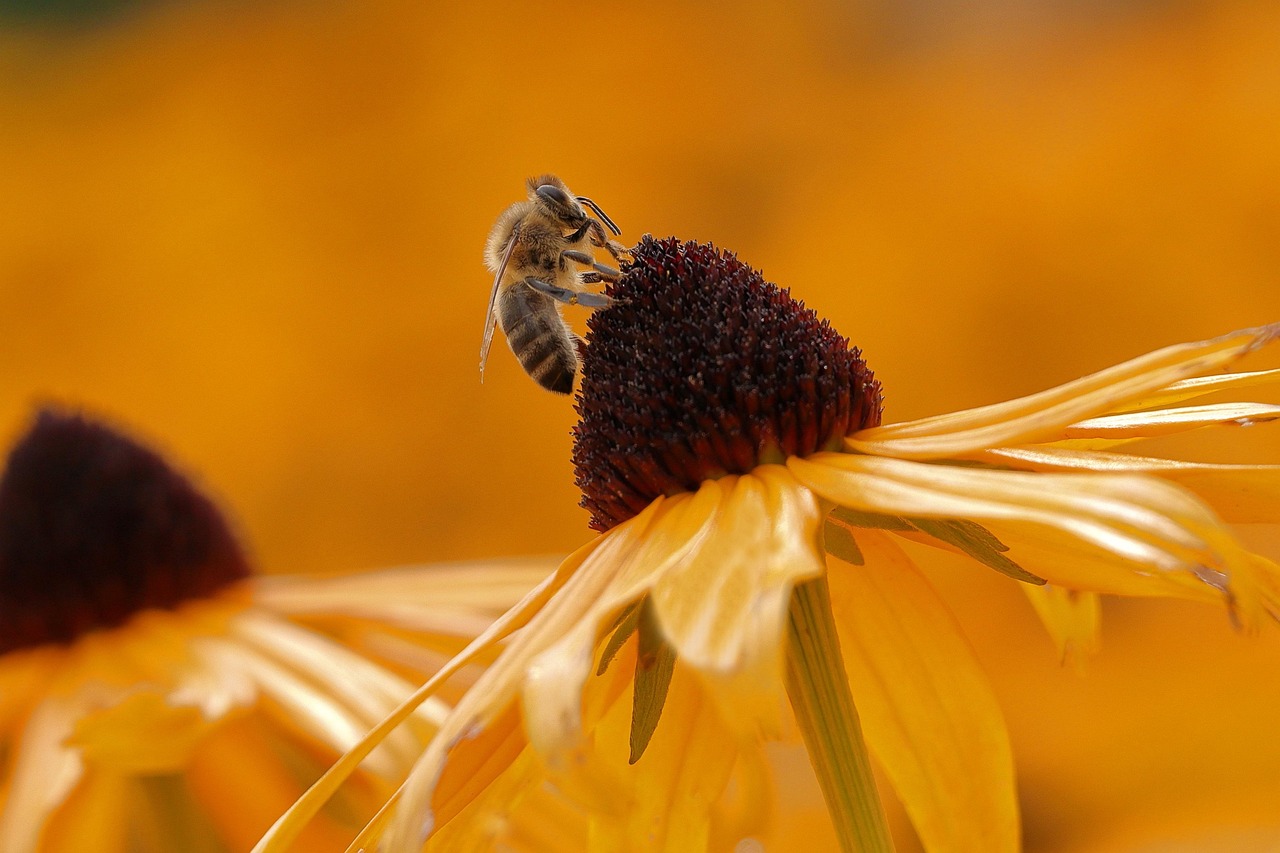
Black-eyed Susan is another Zone 5 native that blooms in late summer to early fall. With bright yellow petals and a dark brown center, these cheerful flowers attract a wide variety of pollinators. They prefer full sun and moderately fertile soil and are known for tolerating drought and poor soils. Their long-lasting blooms are excellent for extending nectar availability late in the season.
3. Bee Balm (Monarda didyma)
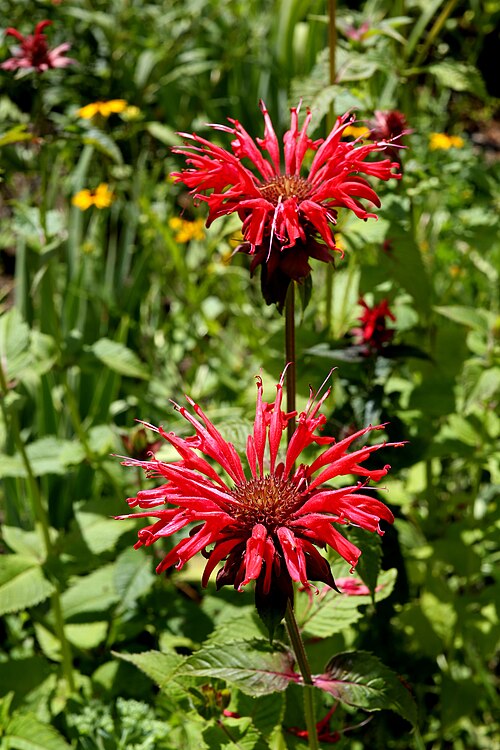
Bee Balm is a vibrant perennial with tubular red, pink, or purple flowers that bloom mid to late summer. It is a favorite of hummingbirds and a variety of bees. Monarda thrives in full sun to partial shade and moist, well-drained soil. Its aromatic foliage also helps deter some garden pests. Additionally, Bee Balm is known for its ability to attract butterflies and hummingbirds, making it a triple threat for pollinator gardens.
4. Butterfly Weed (Asclepias tuberosa)
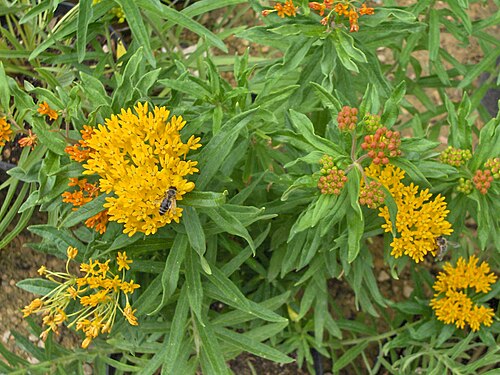
Butterfly Weed is a native milkweed species well-suited for Zone 5 gardens. Its bright orange clusters bloom in early to mid-summer and are essential for monarch butterflies, which lay their eggs on milkweed. The plant provides nectar for many butterfly species and bees. It prefers full sun and well-drained, sandy or rocky soils. Butterfly Weed is drought-tolerant once established and deer-resistant, making it a great addition to any pollinator-friendly yard.
5. New England Aster (Symphyotrichum novae-angliae)
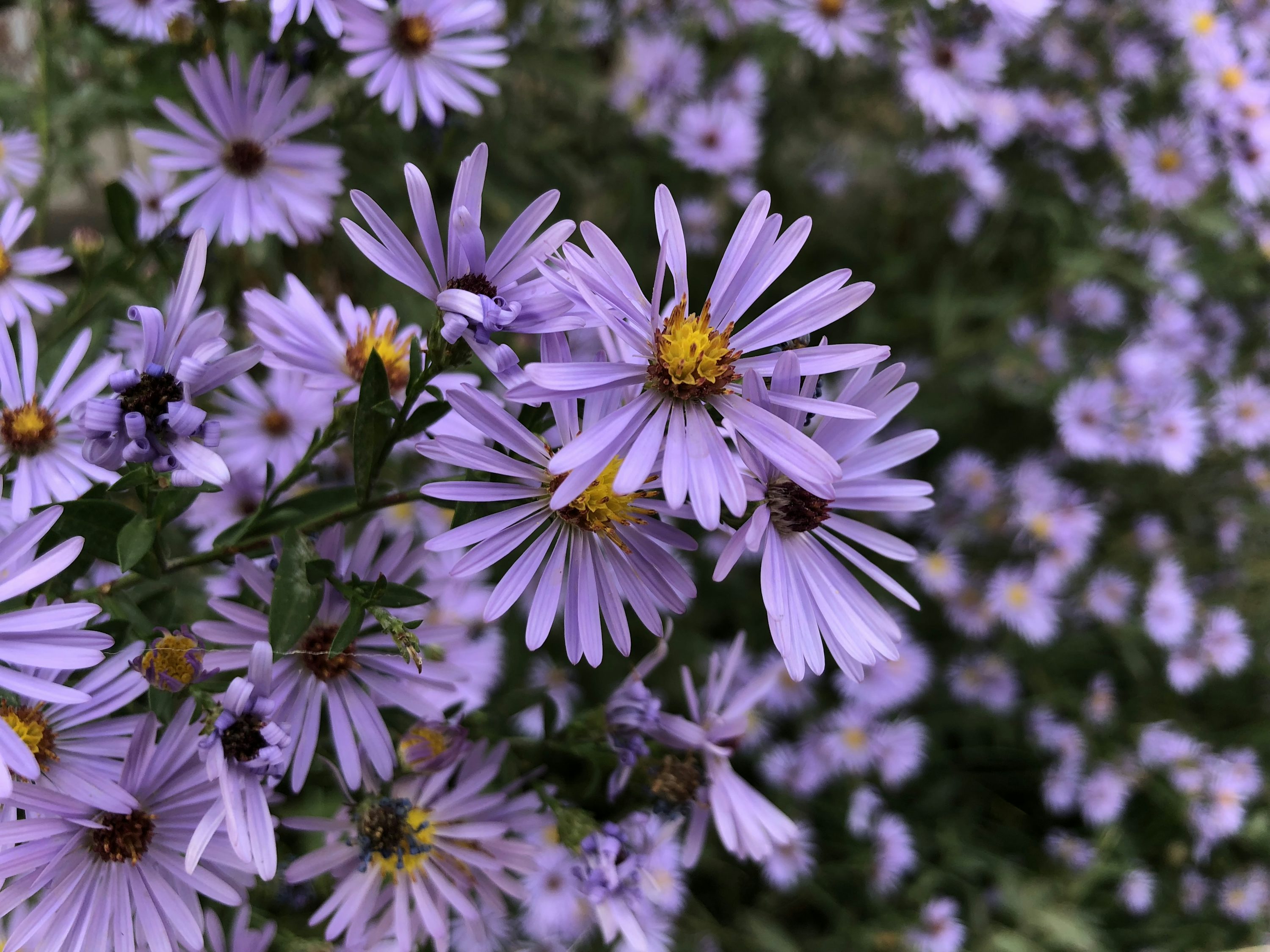
New England Aster blooms in late summer to fall with vivid purple flowers and yellow centers. It thrives in full sun to partial shade and prefers moist, well-drained soils. This aster extends the blooming season into the fall when nectar sources become scarcer, providing critical food for late-season pollinators preparing for winter or migration. It also attracts butterflies, bees, and other beneficial insects.
6. Joe-Pye Weed (Eutrochium purpureum)
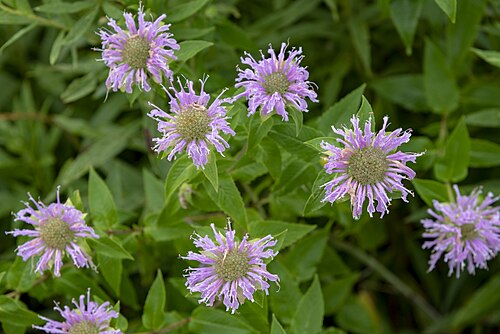
Joe-Pye Weed is a tall perennial blooming in late summer with clusters of pinkish-purple flowers. It prefers moist soils and full sun to partial shade and is extremely attractive to butterflies and bees. Its height and showy flowers make it a striking addition to larger garden spaces or naturalized areas.
7. Goldenrod (Solidago spp.)
Goldenrod blooms late in the season with bright yellow flower clusters. Often misunderstood, goldenrod is a vital nectar source for pollinators like bees and butterflies in late summer and fall. It grows well in full sun and a range of soils. Goldenrod’s late blooming period helps sustain pollinators as other flowers fade.
8. Wild Bergamot (Monarda fistulosa)
Closely related to Bee Balm, Wild Bergamot has lavender to pink flowers that attract a wide range of pollinators. It thrives in full sun and well-drained soils and is drought-tolerant. The aromatic leaves also help repel garden pests.
9. Columbine (Aquilegia canadensis)
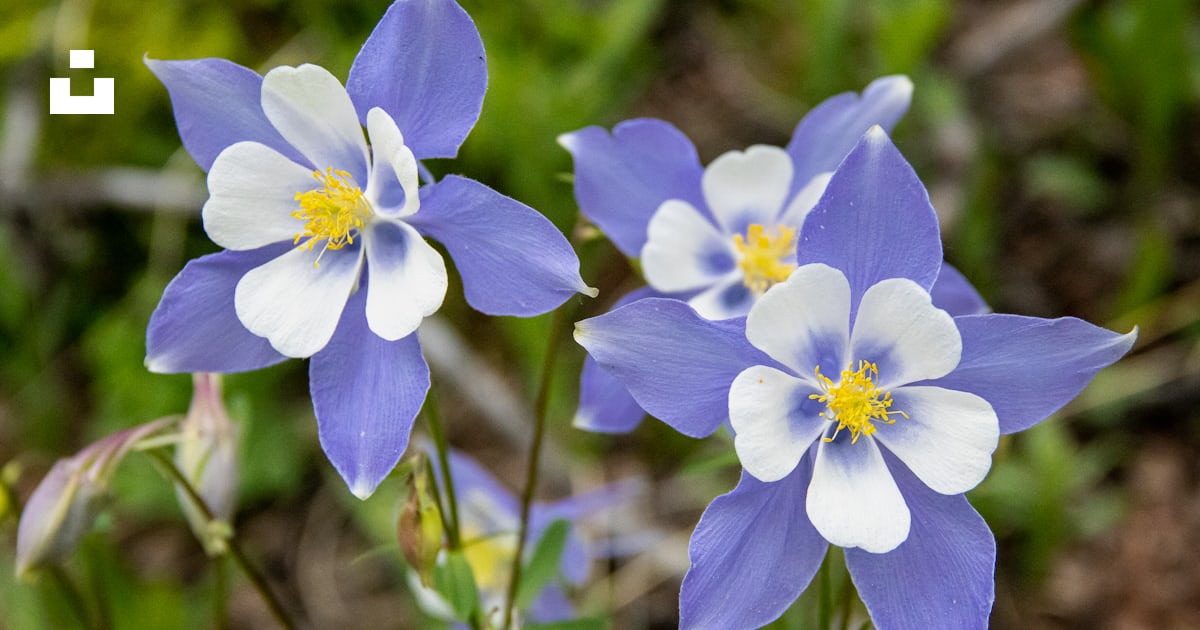
Columbine is a charming native with red and yellow nodding flowers that bloom in late spring to early summer. Its uniquely shaped flowers attract hummingbirds especially. It prefers partial shade and well-drained soils.
10. Blanket Flower (Gaillardia aristata)
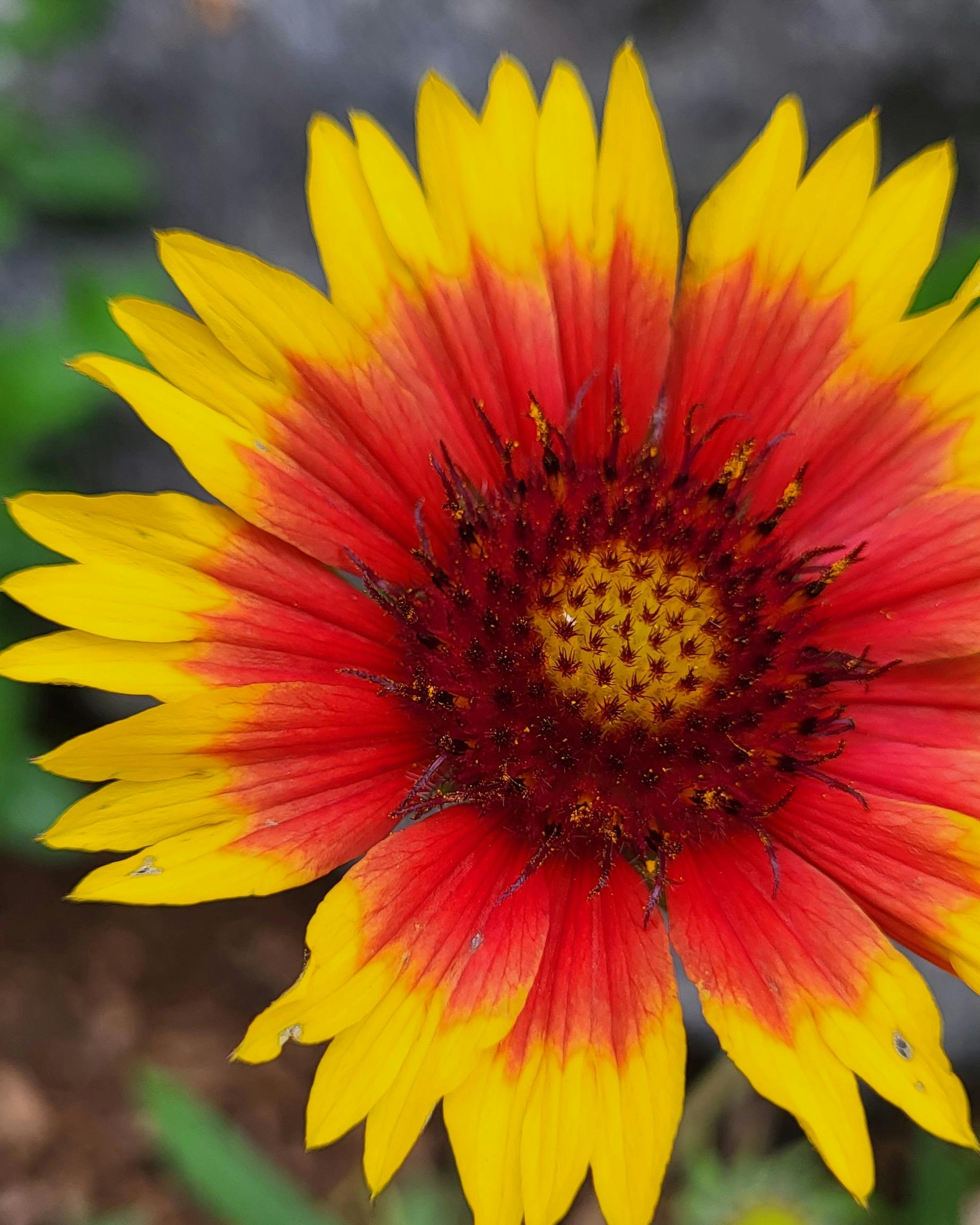
Blanket Flower provides bright red and yellow blooms all summer long. It loves full sun and well-drained soil and is drought-tolerant. Its long blooming season and vibrant colors attract bees and butterflies alike.
Wildlife Resistance Disclaimer
While many of these plants are deer and rabbit resistant, no plant is completely immune to wildlife browsing. Local feeding habits vary, and during times of scarcity, even resistant plants may be nibbled. Using multiple strategies such as fencing and repellents can help protect your pollinator garden.
Pet Safety Note
If you have pets, please be aware that some flowering plants may be listed as toxic to cats, dogs, or other animals. For pet safety, always research plants you intend to grow if your pets frequent the garden. The ASPCA Poison Control Hotline (888-426-4435) is a helpful resource for questions about potentially toxic plants.
Creating a Thriving Pollinator Garden in Zone 5
To provide continuous food for pollinators, aim to plant a variety of these species with different bloom times. Combine early bloomers like Columbine with summer stars such as Bee Balm and Butterfly Weed, followed by fall bloomers like New England Aster and Goldenrod. Incorporate native plants when possible, as they are best adapted to local pollinators.
Plant your pollinator garden in full sun or partial shade with well-drained soil, and avoid pesticides that harm beneficial insects. Adding a shallow water source and sheltering spots like brush piles will further support pollinator populations.
Explore More Pollinator Plants
Discover more about these and other pollinator-friendly plants in the PlantWise database:
Coneflower
Bee Balm
Butterfly Weed
Aster
Black-eyed Susan
Ready to find the perfect pollinator plants tailored to your garden’s conditions? Use our Plant Finder wizard at /wizard to get personalized recommendations.
By choosing these hardy Zone 5 pollinator plants, you’ll create a vibrant garden that supports essential pollinators throughout the growing season, enhancing biodiversity and beauty in your yard. Happy gardening!