FTC Disclosure: This post contains affiliate links. We may earn a commission if you purchase through these links, at no extra cost to you.
If you’re looking to create a vibrant garden that attracts bees, butterflies, and hummingbirds in USDA Zone 6, selecting the right pollinator plants is essential. The 10 best pollinator plants for Zone 6 offer a succession of blooms from early spring through fall, providing nectar and pollen sources that support these vital creatures. These plants are well-adapted to Zone 6’s climate, ensuring they thrive and bring life to your garden throughout the growing season.
Why Choose Pollinator Plants in Zone 6?
Pollinators like bees, butterflies, and hummingbirds play a crucial role in ecosystems by helping plants reproduce. For gardeners in Zone 6—covering parts of the Northeast, Midwest, and Mid-Atlantic—planting a variety of pollinator-friendly plants ensures a continuous food source for these beneficial creatures. This not only boosts garden productivity but also supports biodiversity. Zone 6’s moderate climate allows for a diverse palette of perennials, annuals, and shrubs that bloom at different times, creating a dynamic and colorful pollinator garden.
🌱 Get Personalized Plant Picks
Answer a few quick questions and we’ll match plants to your exact yard conditions.
Find My Plants →Top 10 Pollinator Plants for Zone 6
Here are ten outstanding plants that attract pollinators and flourish in Zone 6 gardens:
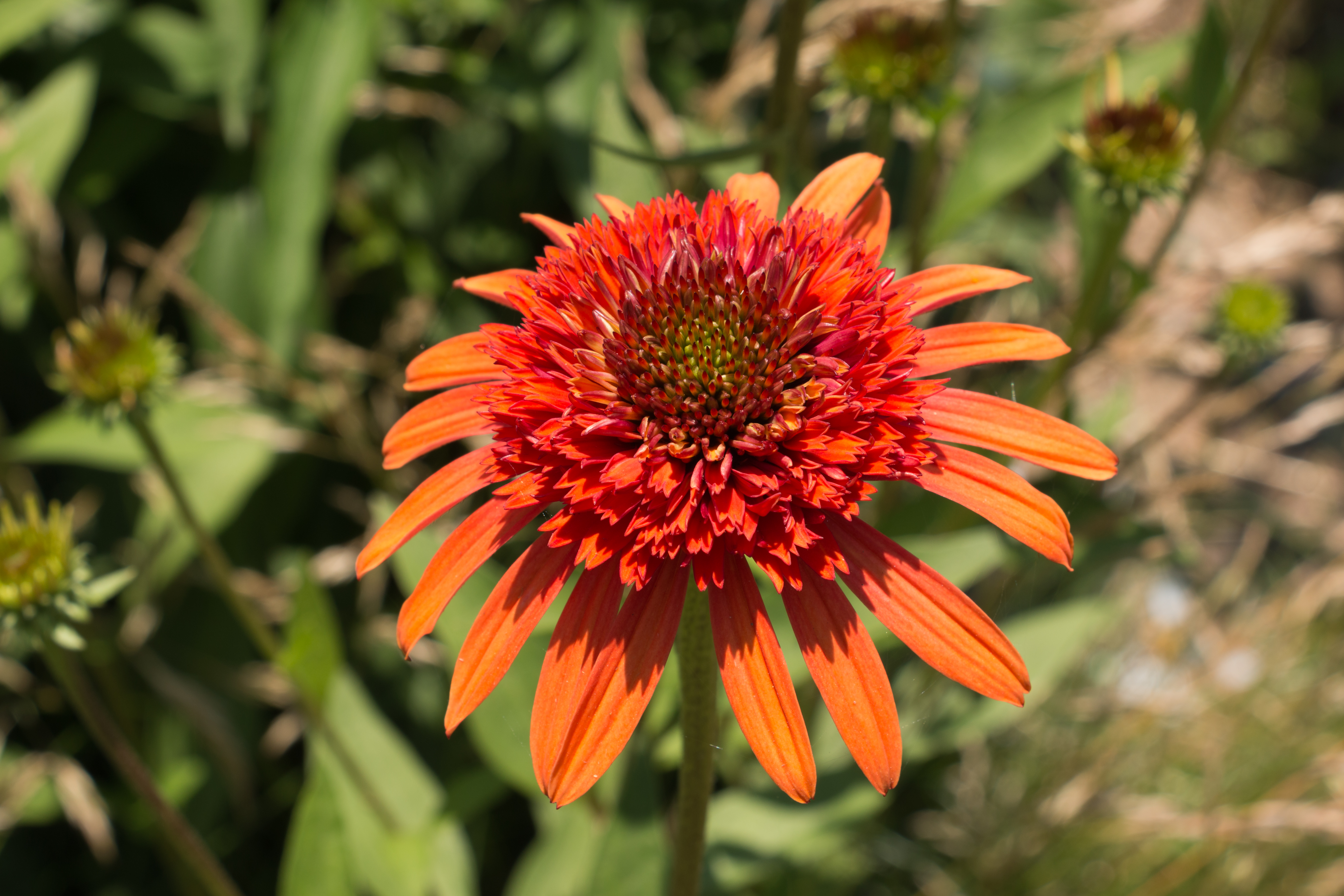
1. Purple Coneflower (Echinacea purpurea)
Purple coneflower is a hardy perennial that thrives in Zone 6 soils and full sun. Its large, daisy-like flowers bloom from mid-summer to early fall, attracting a variety of pollinators including bees, butterflies, and hummingbirds. The flowers provide copious nectar, while the seed heads are a winter food source for birds.
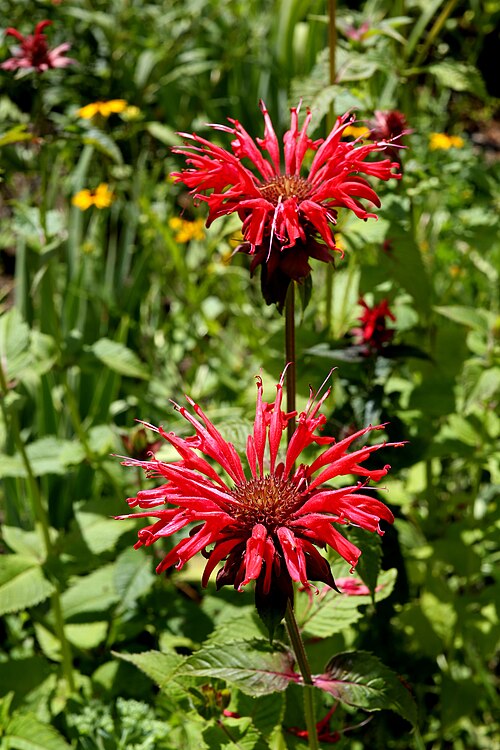
2. Bee Balm (Monarda didyma)
Bee balm is a native wildflower that produces vibrant red, pink, or purple tubular flowers that are irresistible to hummingbirds and bees. It blooms midsummer and prefers moist, well-drained soil with full sun to partial shade. Its aromatic leaves also repel some pests.
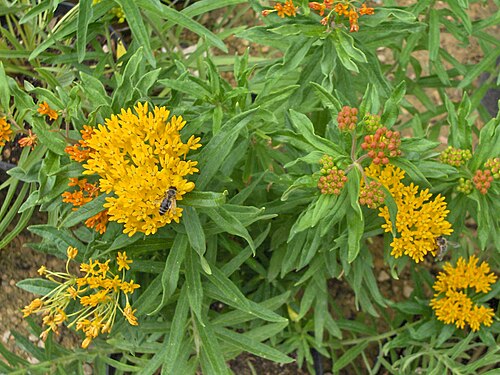
3. Butterfly Weed (Asclepias tuberosa)
A member of the milkweed family, butterfly weed is crucial for monarch butterflies, serving as both a nectar source and larval host plant. Its bright orange flowers bloom from early summer to fall and thrive in well-drained soils with full sun exposure.
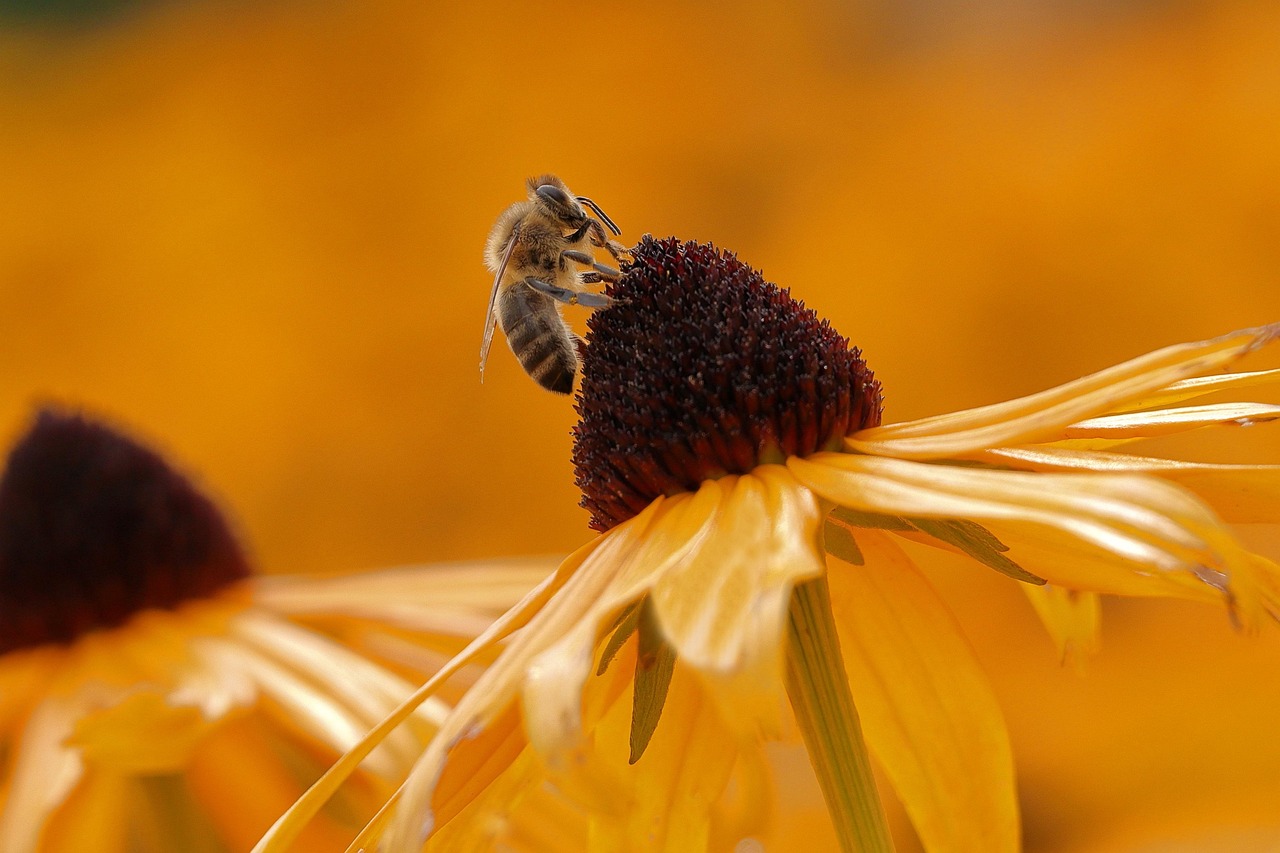
4. Black-eyed Susan (Rudbeckia hirta)
Black-eyed Susan’s bright yellow petals with dark centers bloom profusely from mid-summer to fall. This easy-to-grow perennial is drought-tolerant and attracts a wide variety of pollinators, especially native bees and butterflies.
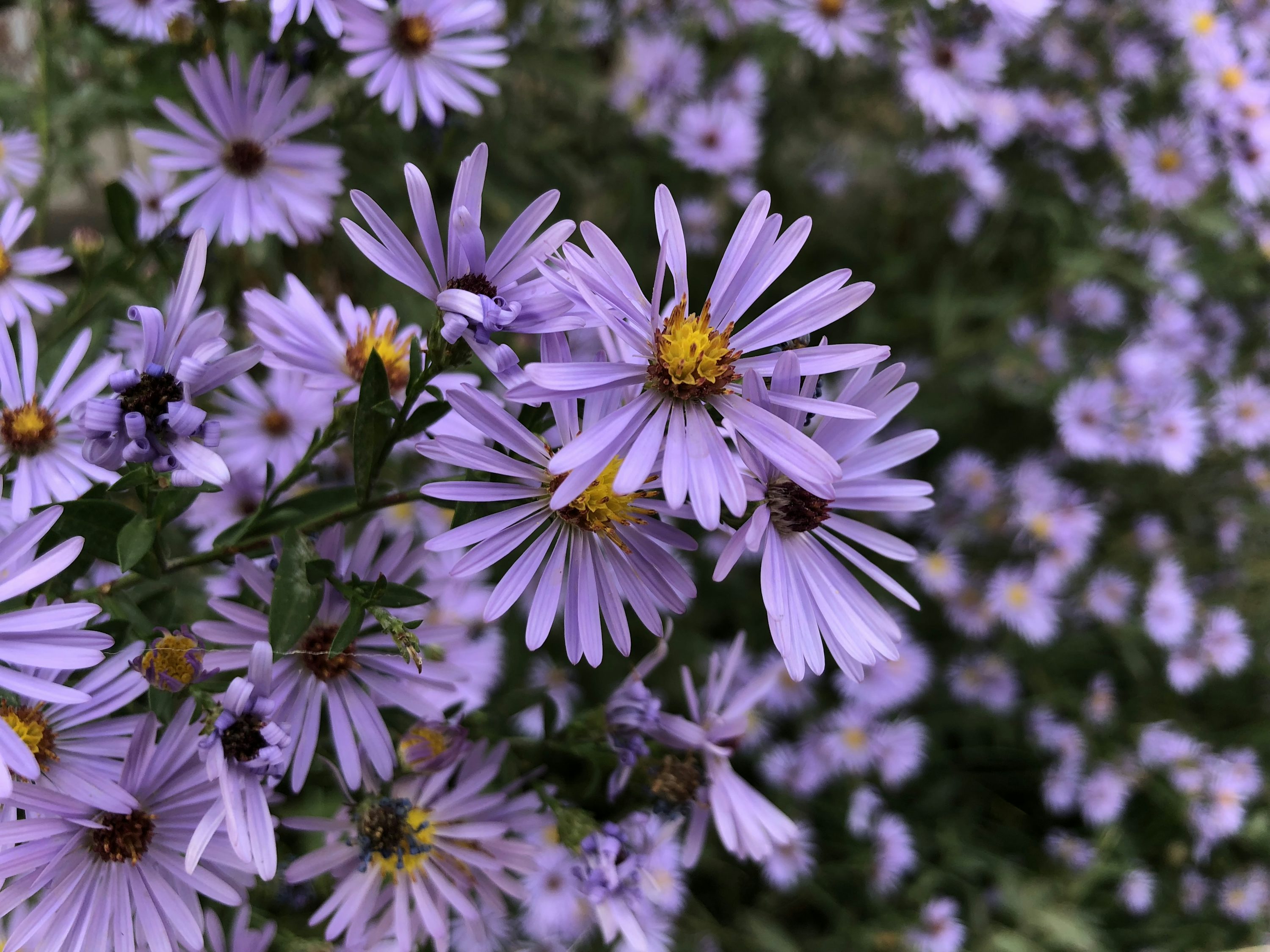
5. New England Aster (Symphyotrichum novae-angliae)
This fall-blooming perennial offers a late-season nectar source for pollinators preparing for winter. The purple or pink star-shaped flowers thrive in full sun and are a magnet for butterflies, bees, and moths.
6. Goldenrod (Solidago spp.)
Goldenrod blooms in late summer and fall, providing vital nectar and pollen when many other plants have finished blooming. It’s often unfairly blamed for allergies but is an essential plant for pollinators in Zone 6 gardens.
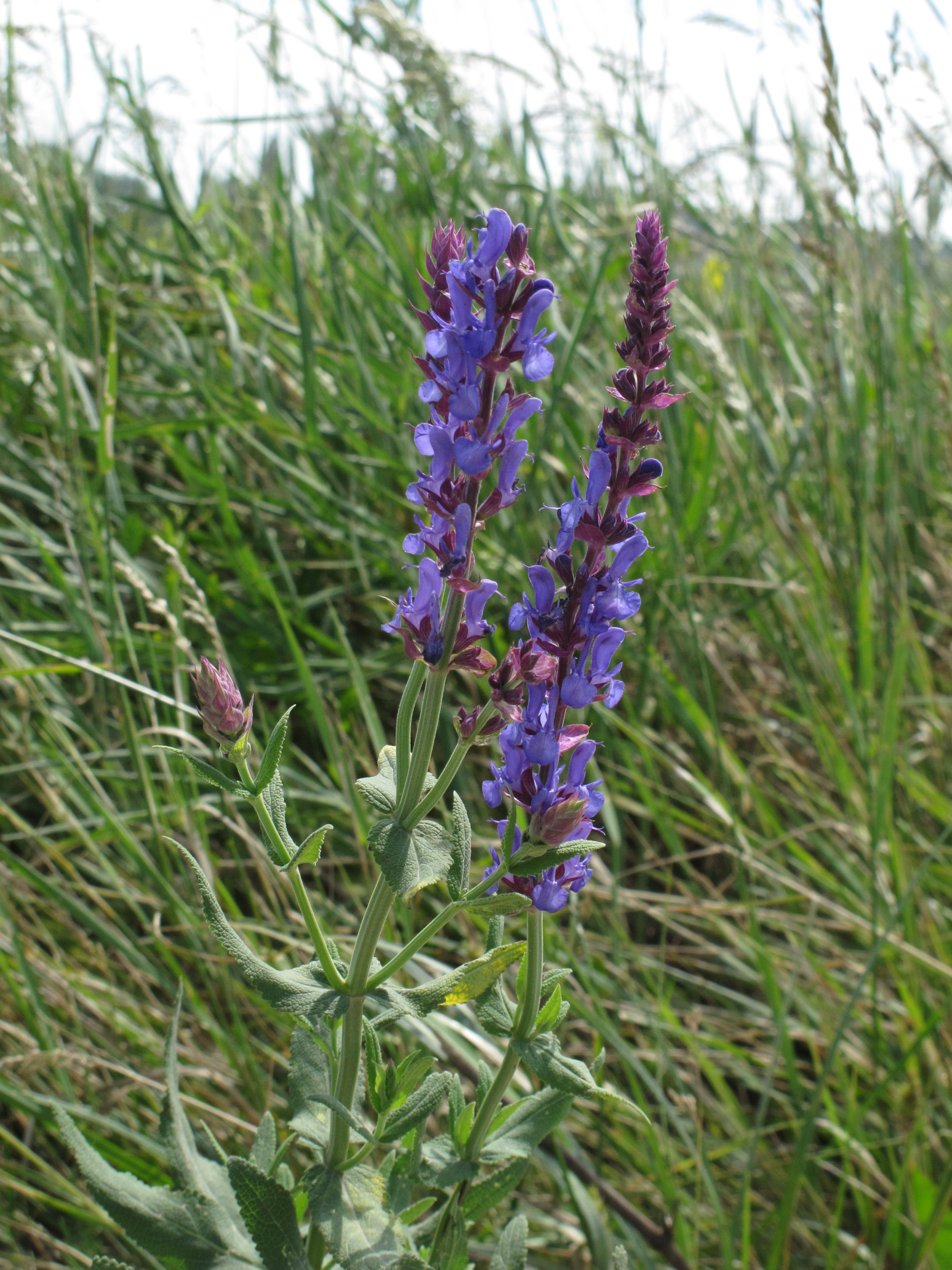
7. Salvia (Salvia nemorosa)
Salvia, or woodland sage, is a perennial with spikes of purple, blue, or pink flowers that bloom from late spring to summer. It attracts hummingbirds and bees with its tubular flowers and thrives in full sun with well-drained soil.
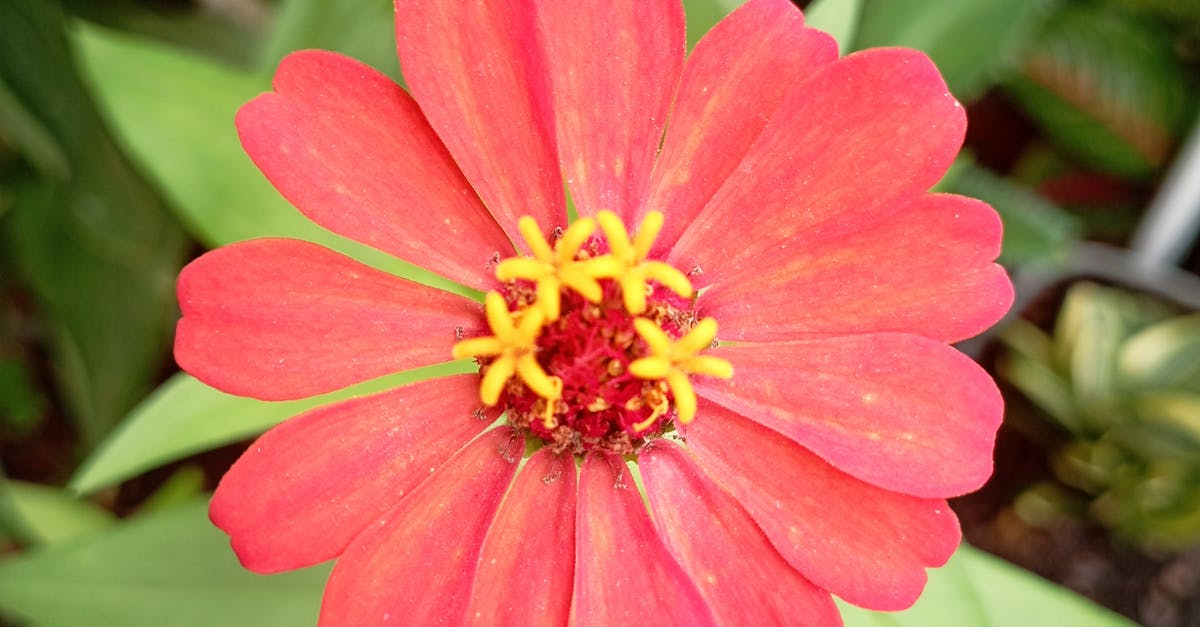
8. Zinnia (Zinnia elegans)
Zinnias are annuals that bloom from early summer until frost, offering bright colors that attract butterflies and bees. They grow best in full sun and well-drained soil, making them ideal for summer pollinator gardens.
9. Joe-Pye Weed (Eutrochium purpureum)
This tall perennial produces clusters of pinkish-purple flowers in late summer to fall. It thrives in moist soils and full sun to part shade, attracting butterflies, bees, and other pollinators.
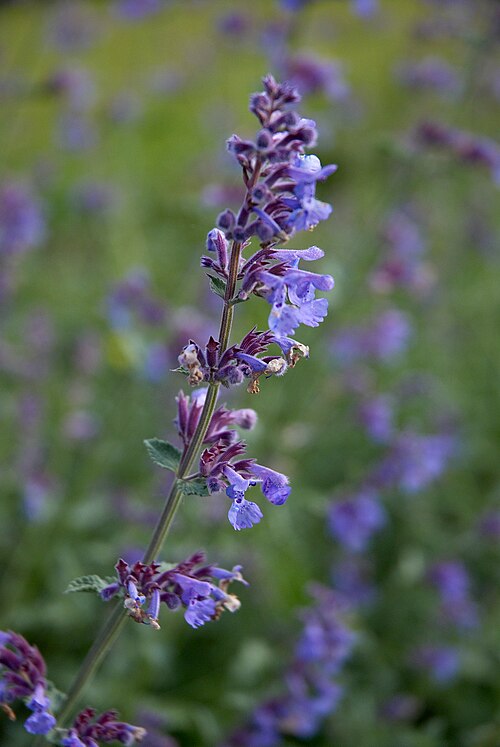
10. Catmint (Nepeta faassenii)
Catmint’s lavender-blue flowers bloom from late spring through summer, attracting bees and butterflies. It’s drought-tolerant and deer-resistant, flourishing in full sun with well-drained soils.
Tips for Creating a Pollinator Garden in Zone 6
- Plant in Groups: Pollinators are drawn to large clusters of flowers rather than single plants scattered around.
- Provide a Succession of Blooms: Choose plants that bloom at different times, ensuring nectar is available from early spring through fall.
- Avoid Pesticides: Many pesticides harm pollinators; opt for natural pest control methods.
- Include Native Plants: Native species are often better adapted to local conditions and more attractive to native pollinators.
- Provide Shelter and Water: Incorporate shrubs, grasses, and shallow water sources for pollinators to rest and hydrate.
Pet Safety Reminder
While many pollinator plants are not listed as toxic to pets, it’s important to remember that no plant is completely safe if ingested in large quantities. If you have pets, monitor their interaction with plants and contact the ASPCA Animal Poison Control Center at 888-426-4435 if you suspect poisoning.
Wildlife Resistance Disclaimer
No plant is entirely resistant to deer, rabbits, groundhogs, or other wildlife. While some plants may be less attractive, hungry animals may still browse on them. Consider physical barriers or repellents if wildlife damage is a concern.
Conclusion
Creating a pollinator garden in Zone 6 is a rewarding way to support local ecosystems and enjoy a beautiful, buzzing garden from spring to fall. By selecting a mix of these 10 best pollinator plants for Zone 6, you provide essential resources for bees, butterflies, hummingbirds, and other beneficial wildlife. Start planting today to watch your garden come alive with pollinator activity.
Ready to find the perfect pollinator plants for your garden? Try out our Plant Finder wizard at /wizard and discover plants that thrive in your specific conditions.