FTC Disclosure: This post contains affiliate links. If you make a purchase through these links, we may earn a commission at no additional cost to you.
If you want to attract bees, butterflies, and hummingbirds to your garden in USDA Hardiness Zone 7, planting a mix of native and adaptable pollinator plants is the best strategy. The 10 best pollinator plants for Zone 7 include species that thrive in the moderate climate and provide nectar and pollen throughout the growing season. These plants, such as Purple Coneflower, Bee Balm, and Butterfly Weed, offer vibrant blooms that sustain pollinators while adding beauty to your garden. Below, we explore these top selections and how to incorporate them for a pollinator-friendly yard.
Why Choose Pollinator Plants for Zone 7?
Zone 7 covers a large swath of the U.S., including parts of the Mid-Atlantic, Southeast, and Pacific Northwest. The climate here features mild winters and warm summers, which supports a wide diversity of pollinators like native bees, honeybees, butterflies, moths, and hummingbirds. Selecting the right plants ensures a continuous source of nectar and pollen, helping pollinators thrive while enhancing your garden’s health and productivity.
Planting pollinator-friendly species improves biodiversity, supports food crops through natural pollination, and creates a balanced ecosystem. Zone 7 gardeners can benefit from choosing plants that bloom in succession, providing resources from early spring through late fall.
🌱 Get Personalized Plant Picks
Answer a few quick questions and we’ll match plants to your exact yard conditions.
Find My Plants →Top 10 Pollinator Plants for Zone 7
Here are 10 excellent pollinator plants that grow well in Zone 7. These species attract a variety of pollinators and are relatively easy to maintain.
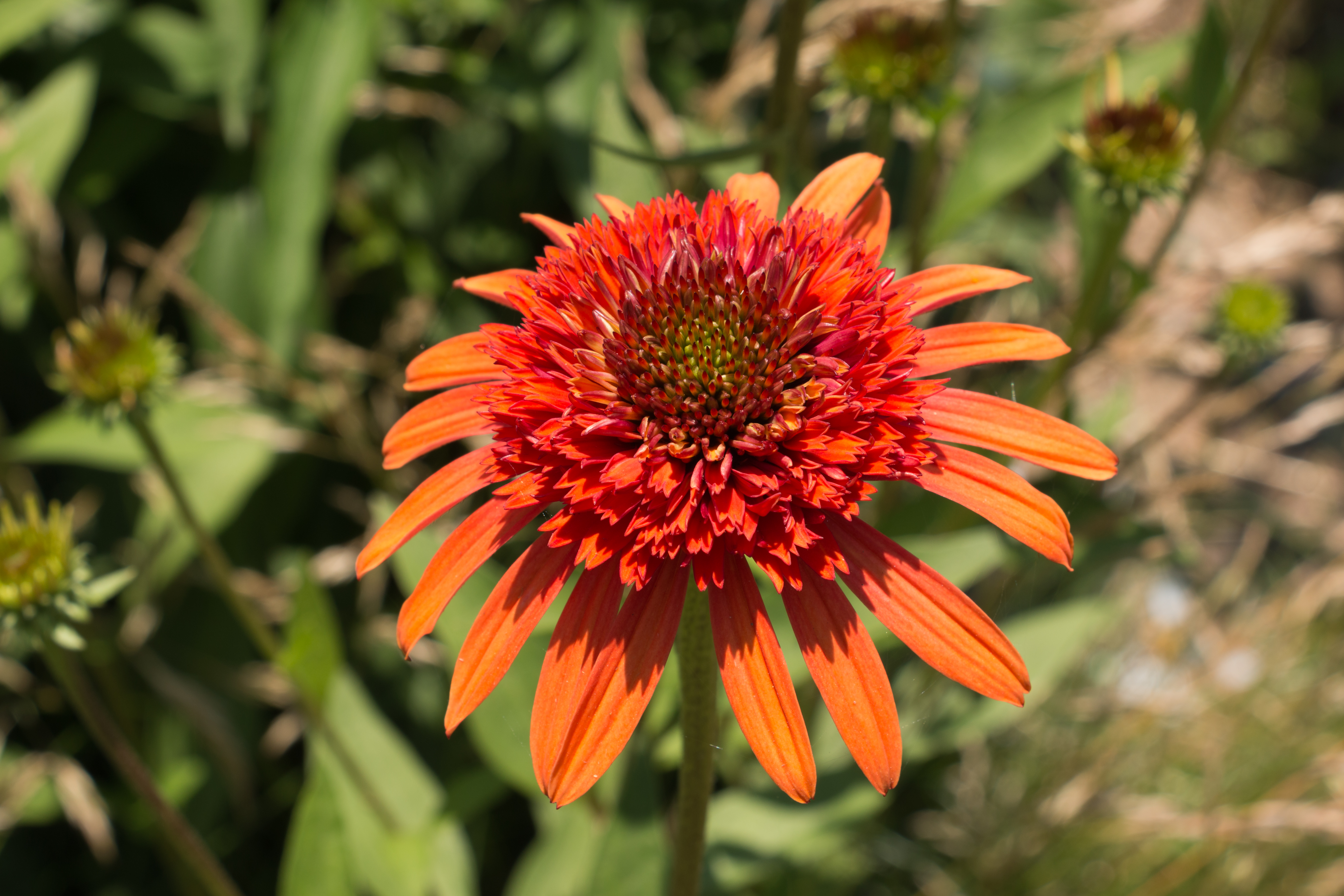
1. Purple Coneflower (Echinacea purpurea)
A staple in many gardens, Purple Coneflower offers large, daisy-like purple blooms that attract bees and butterflies. It tolerates heat and drought well once established and blooms from early summer to fall.
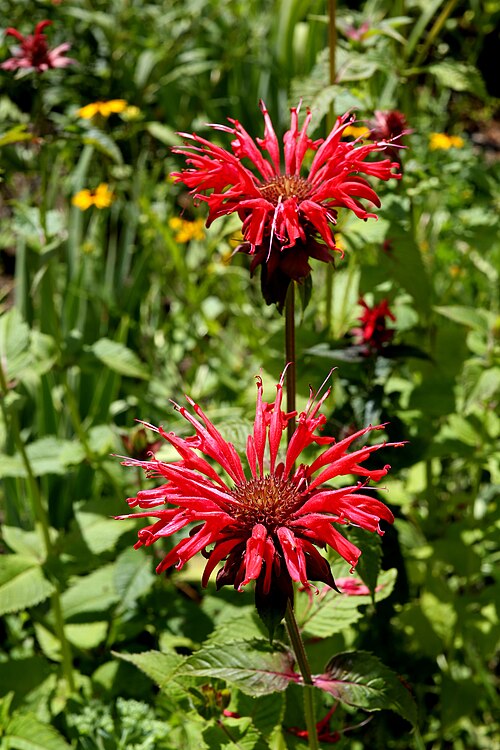
2. Bee Balm (Monarda didyma)
Bee Balm’s vibrant red, pink, or purple tubular flowers are a magnet for hummingbirds and bees. This native perennial thrives in full sun to partial shade and prefers moist, well-drained soil.
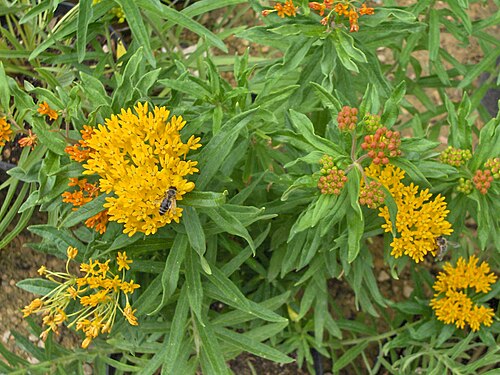
3. Butterfly Weed (Asclepias tuberosa)
A host plant for monarch butterflies and a rich nectar source, Butterfly Weed has bright orange clusters of flowers. It prefers dry, sandy soils and full sun.
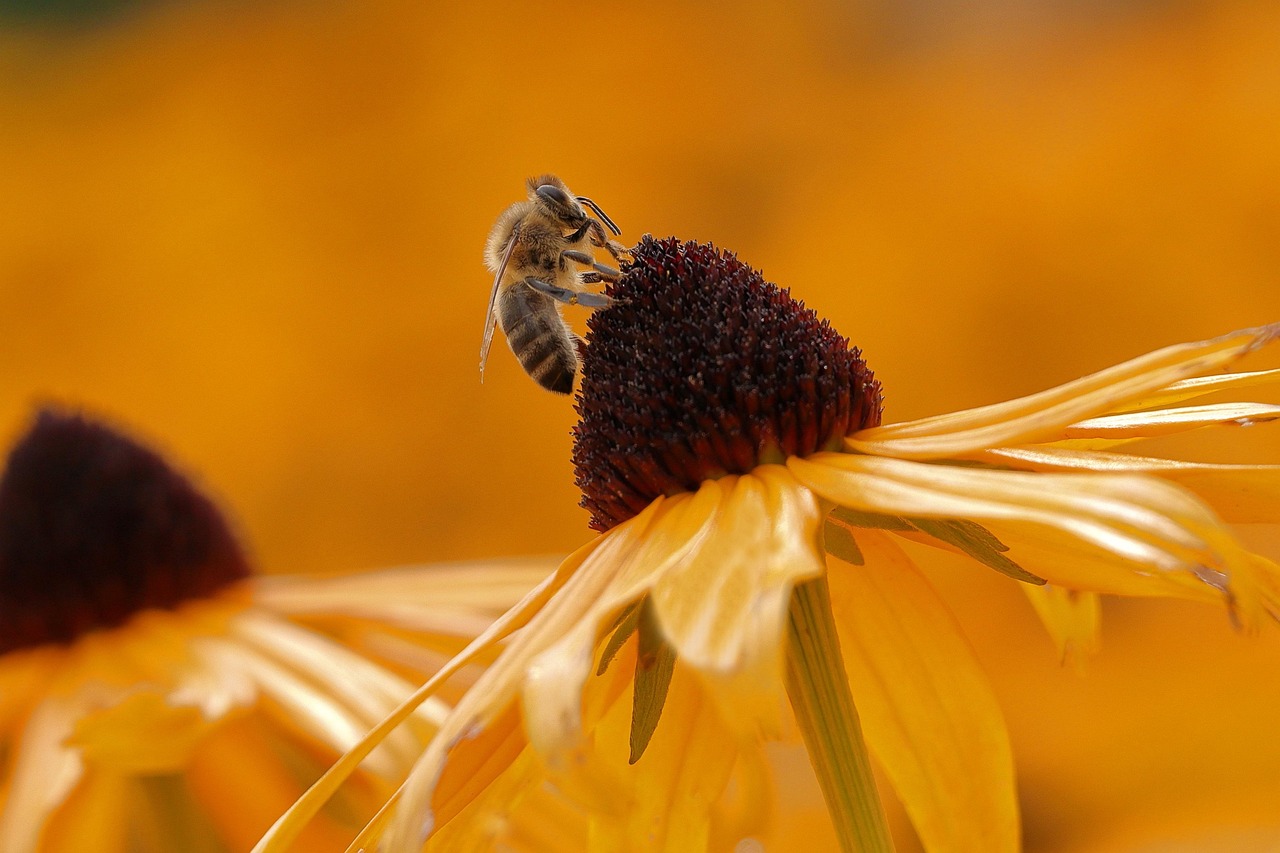
4. Black-eyed Susan (Rudbeckia hirta)
These cheerful yellow flowers with dark centers bloom from mid-summer to fall and attract a variety of pollinators. Black-eyed Susan adapts well to different soils and is drought tolerant.
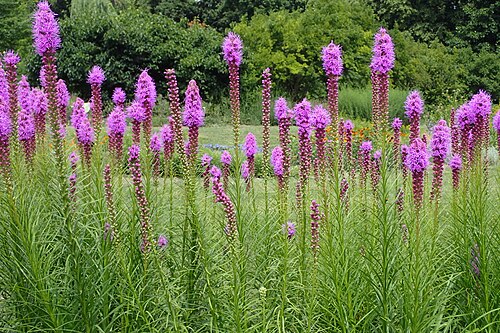
5. Blazing Star (Liatris spicata)
Blazing Star produces tall spikes of purple flowers that attract butterflies and bees. It prefers full sun and well-drained soil and blooms mid to late summer.
6. Goldenrod (Solidago spp.)
Often misunderstood, Goldenrod is a late-season nectar source crucial for pollinators preparing for winter. It thrives in full sun and a variety of soil conditions.
7. Joe-Pye Weed (Eutrochium purpureum)
With large clusters of pinkish-purple flowers, Joe-Pye Weed attracts butterflies and bees and does well in moist soils and partial shade.
8. Common Milkweed (Asclepias syriaca)
Another vital monarch host plant, Common Milkweed blooms with fragrant pink flowers and grows well in sunny, well-drained spots.
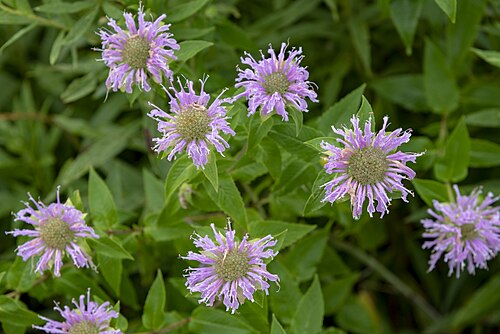
9. Wild Bergamot (Monarda fistulosa)
Similar to Bee Balm but with lavender flowers, Wild Bergamot attracts a variety of pollinators and handles drought and poor soil better.
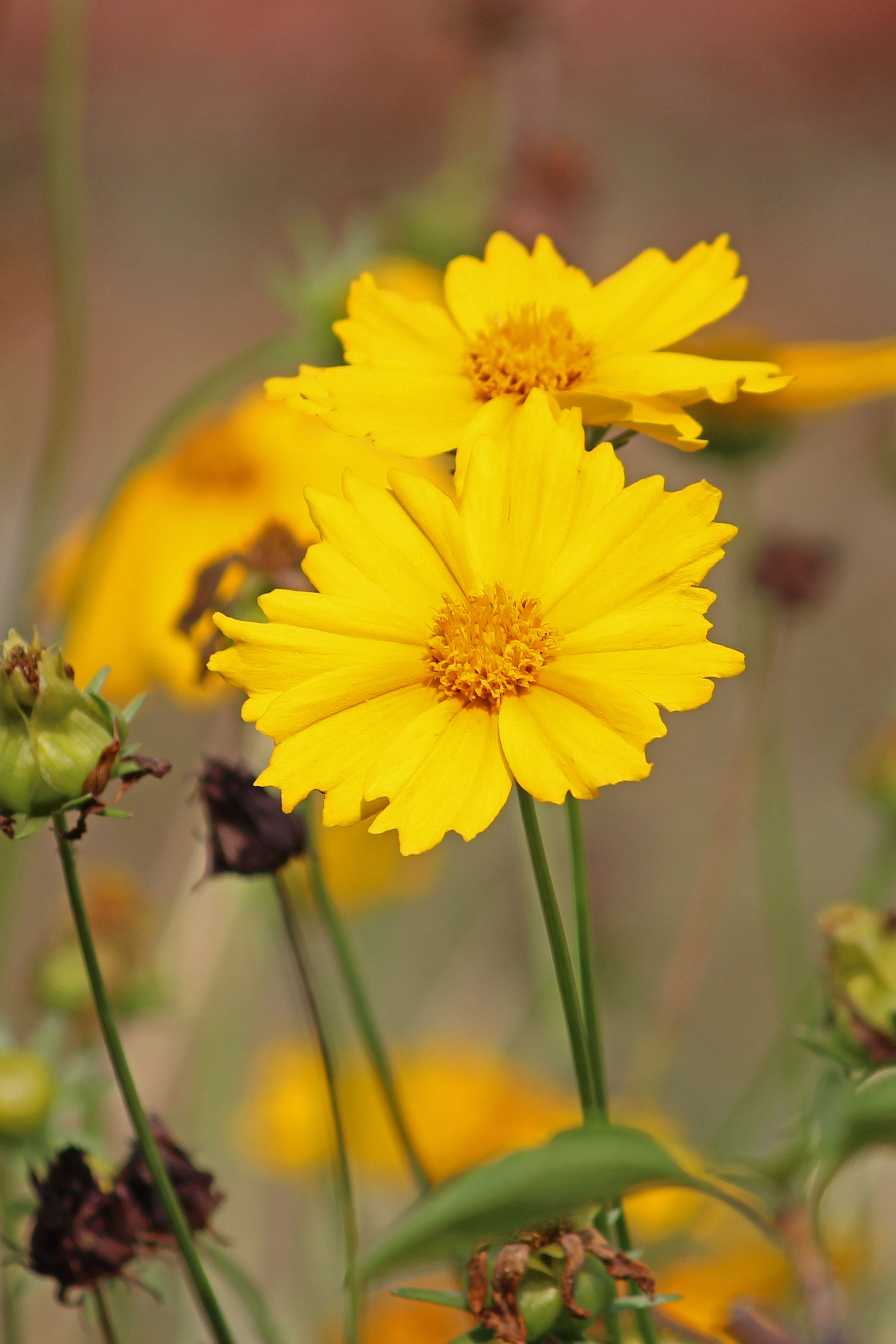
10. Coreopsis (Coreopsis spp.)
Also known as tickseed, Coreopsis has bright yellow flowers that bloom profusely and attract butterflies and bees.
Planting Tips for Maximum Pollinator Benefit
- Diversity is key: Plant a variety of flower shapes, colors, and bloom times to attract different pollinator species.
- Avoid pesticides: Many insecticides and herbicides are harmful to pollinators.
- Provide water: Shallow dishes with fresh water or mud puddles attract bees.
- Include host plants: For butterflies, planting species that caterpillars feed on is essential.
- Group plants: Clusters of the same plant are easier for pollinators to find.
Pet Safety Considerations
Many pollinator plants are not listed as toxic to pets, but it’s important to monitor your animals around new plants. If you suspect your pet has ingested a potentially harmful plant, contact the ASPCA Animal Poison Control Center at 888-426-4435 immediately.
Wildlife Resistance Disclaimer
While these plants attract pollinators, they may also attract deer, rabbits, or groundhogs depending on your location. No plant is guaranteed to be completely resistant to wildlife browsing.
Conclusion
Choosing the right pollinator plants for your Zone 7 garden helps create a vibrant ecosystem that supports essential pollinators like bees, butterflies, and hummingbirds. By incorporating species such as Purple Coneflower, Bee Balm, and Butterfly Weed, you provide food and habitat throughout the season while enriching your garden’s beauty and health. Start planning your pollinator-friendly landscape today to enjoy nature’s wonders up close.
Ready to find the perfect pollinator plants for your exact garden conditions? Try our Plant Finder wizard at /wizard to get personalized recommendations!
Coneflower Bee Balm Butterfly Weed Black-eyed Susan Blazing Star