FTC Disclosure: This post contains affiliate links. As an Amazon Associate, PlantWise earns from qualifying purchases.
If you're gardening in USDA Hardiness Zone 8 and want to attract and support pollinators all season long, choosing the right plants is key. Zone 8’s relatively mild winters and long growing season allow many pollinator-friendly plants to thrive, providing nectar and pollen for bees, butterflies, hummingbirds, and other beneficial creatures from early spring through fall. Here are 10 of the best pollinator plants for Zone 8 that will keep your garden buzzing and blooming beautifully.
Why Pollinator Plants Matter in Zone 8
Pollinators play a critical role in ecosystems and agriculture by helping plants reproduce. In Zone 8, which ranges across parts of the southern U.S., including areas of Texas, Louisiana, and the Carolinas, the climate supports a wide variety of flowering plants. This extended growing period means you can plant a diverse selection of species that bloom at different times, ensuring continuous food sources for pollinators. By incorporating these top pollinator plants into your garden, you contribute to biodiversity and help sustain local pollinator populations.
🌱 Get Personalized Plant Picks
Answer a few quick questions and we’ll match plants to your exact yard conditions.
Find My Plants →Top 10 Pollinator Plants for Zone 8
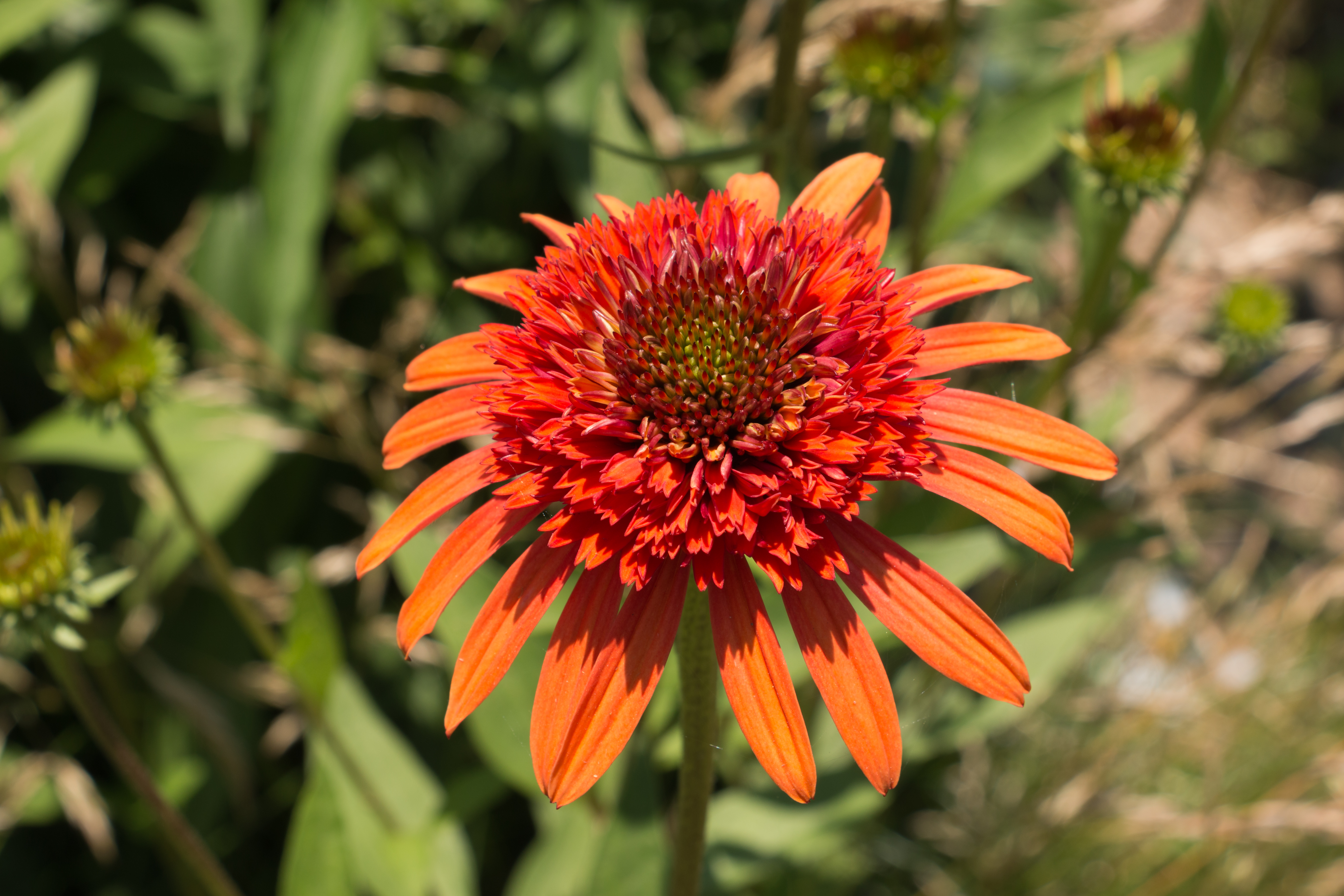
1. Purple Coneflower (Echinacea purpurea)
Purple coneflowers are a classic pollinator favorite, attracting bees, butterflies, and even hummingbirds. They bloom from early summer to fall, providing a long-lasting nectar source. These perennials are drought-tolerant once established and thrive in full sun with well-drained soil.
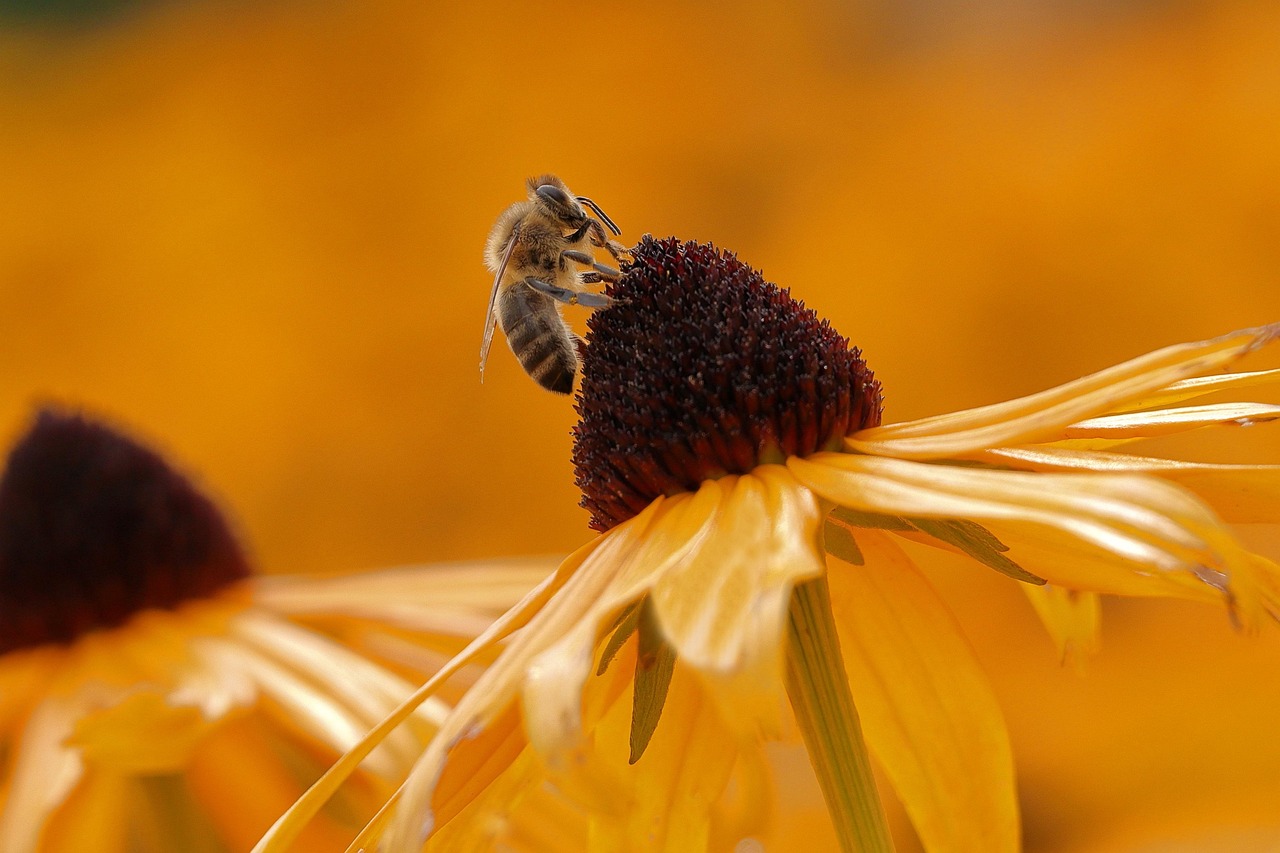
2. Black-eyed Susan (Rudbeckia hirta)
These bright yellow flowers with dark centers are not only cheerful but also magnetize pollinators like bees and butterflies. Black-eyed Susans bloom from mid-summer to early fall and adapt well to Zone 8’s conditions. They prefer full sun and moderate watering.
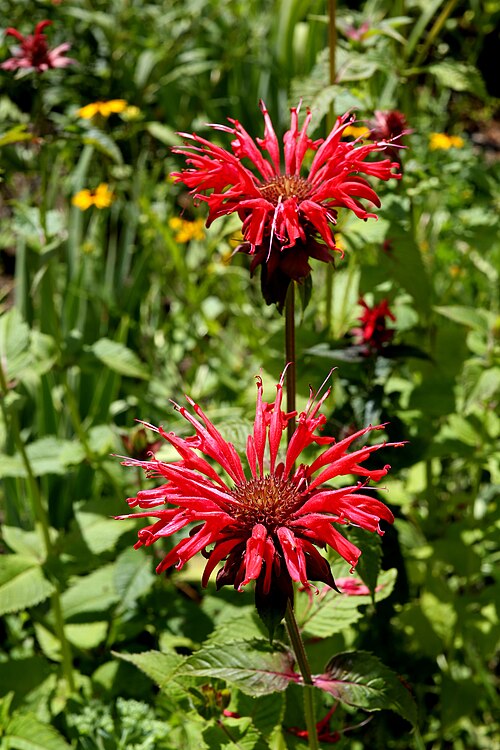
3. Bee Balm (Monarda didyma)
Bee balm is a vibrant, aromatic plant that lures in honeybees, bumblebees, hummingbirds, and butterflies. It flowers in mid to late summer and prefers moist, well-drained soil with partial to full sun. Its tubular flowers make it particularly attractive to hummingbirds.
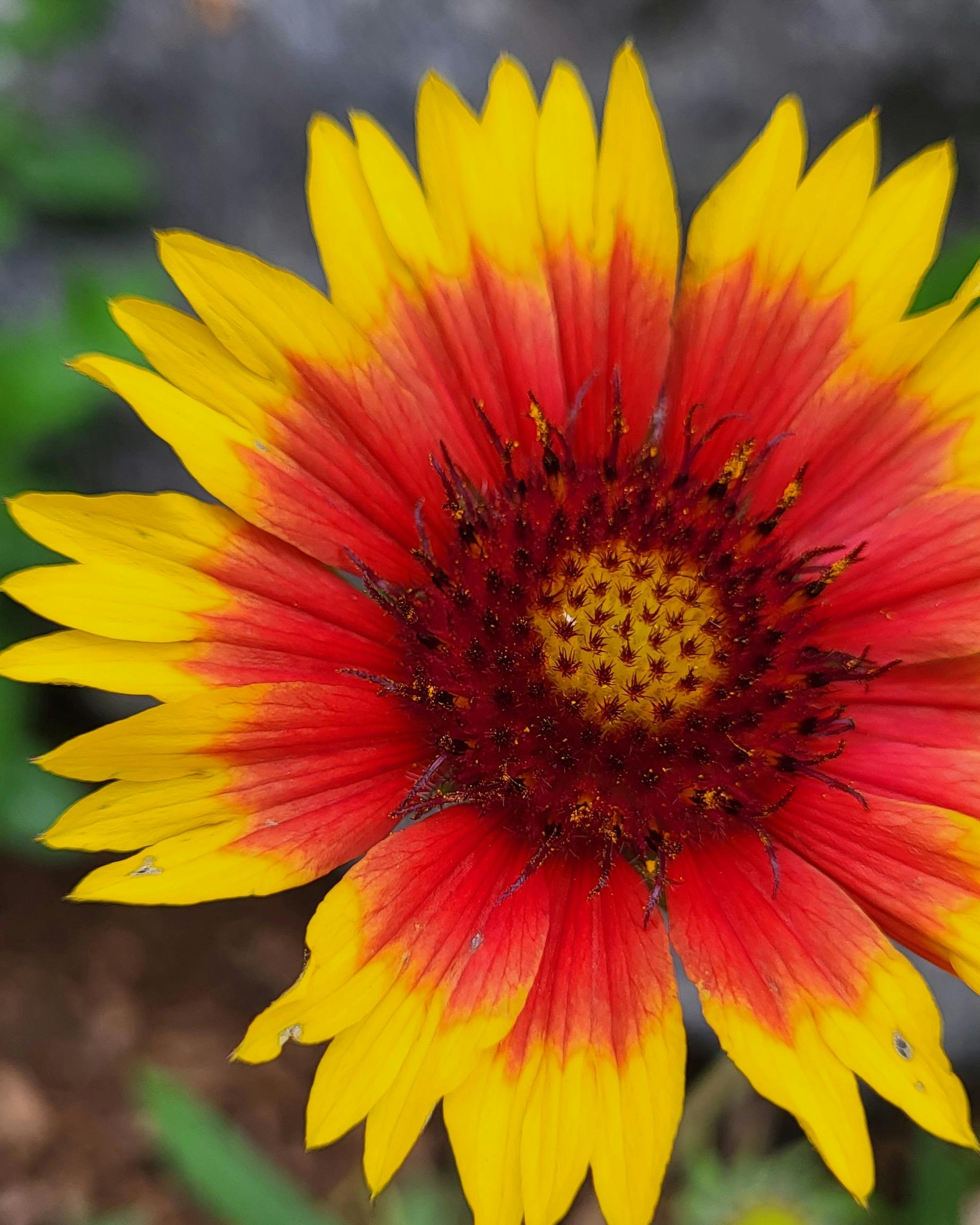
4. Blanket Flower (Gaillardia pulchella)
This hardy perennial thrives in hot, dry conditions typical of Zone 8 summers. Its bright red and yellow daisy-like flowers bloom from early summer until frost, attracting butterflies and native bees. Blanket flowers prefer full sun and well-drained soil.
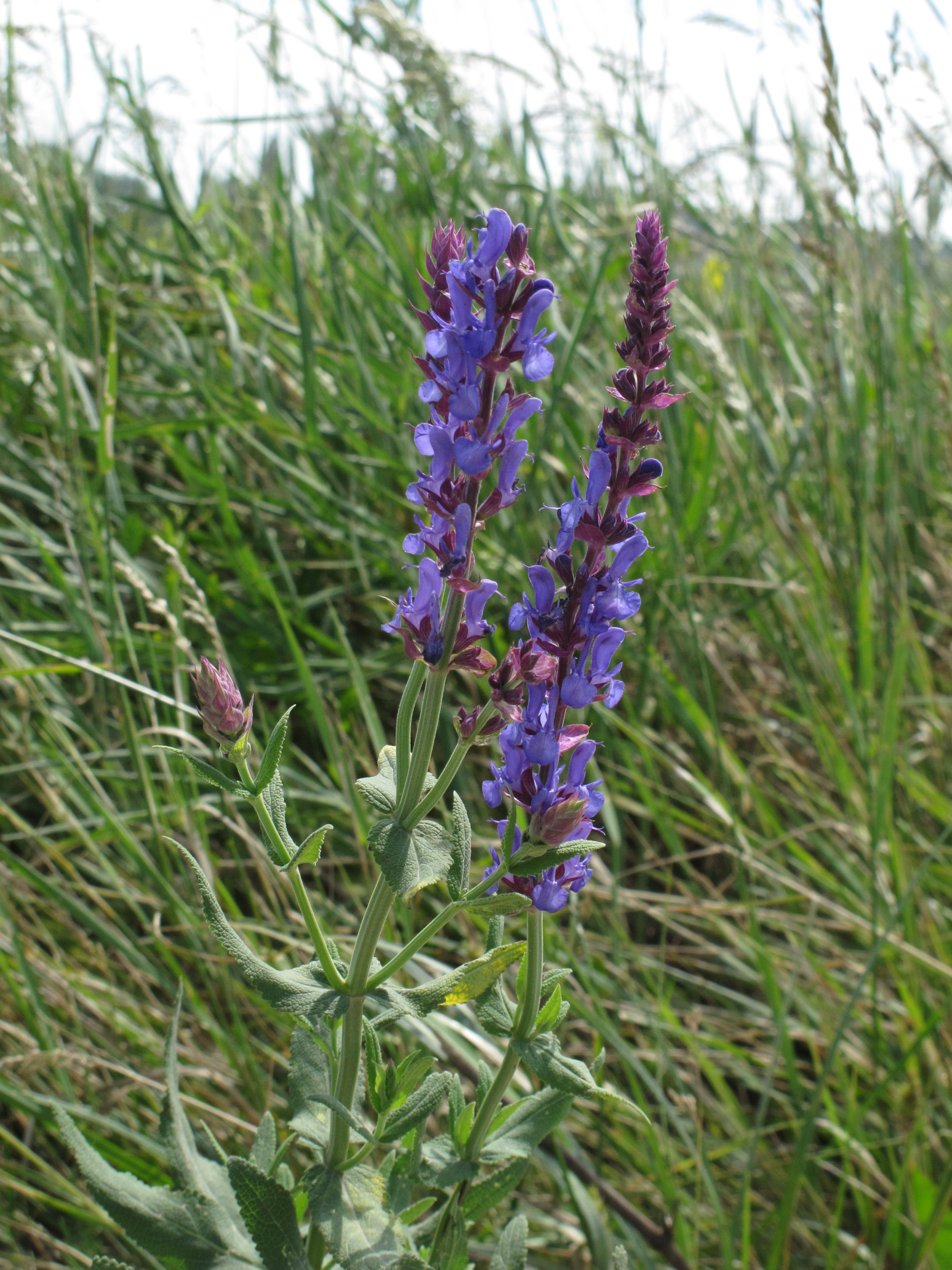
5. Salvia (Salvia spp.)
With a wide range of species suitable for Zone 8, salvias are excellent for attracting pollinators like bees and hummingbirds. Many varieties bloom from late spring through fall, and their tubular flowers are perfect for long-tongued pollinators. They do best in full sun and well-drained soil.
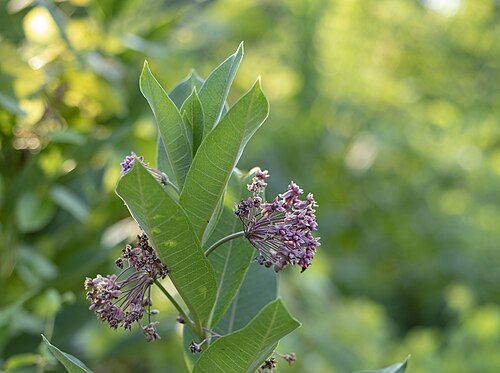
6. Milkweed (Asclepias spp.)
Milkweed is essential for monarch butterflies and also attracts bees and other butterflies. It blooms in summer and prefers full sun and well-drained soil. Planting milkweed supports the monarch lifecycle by providing host plants for caterpillars while supplying nectar for adult butterflies.
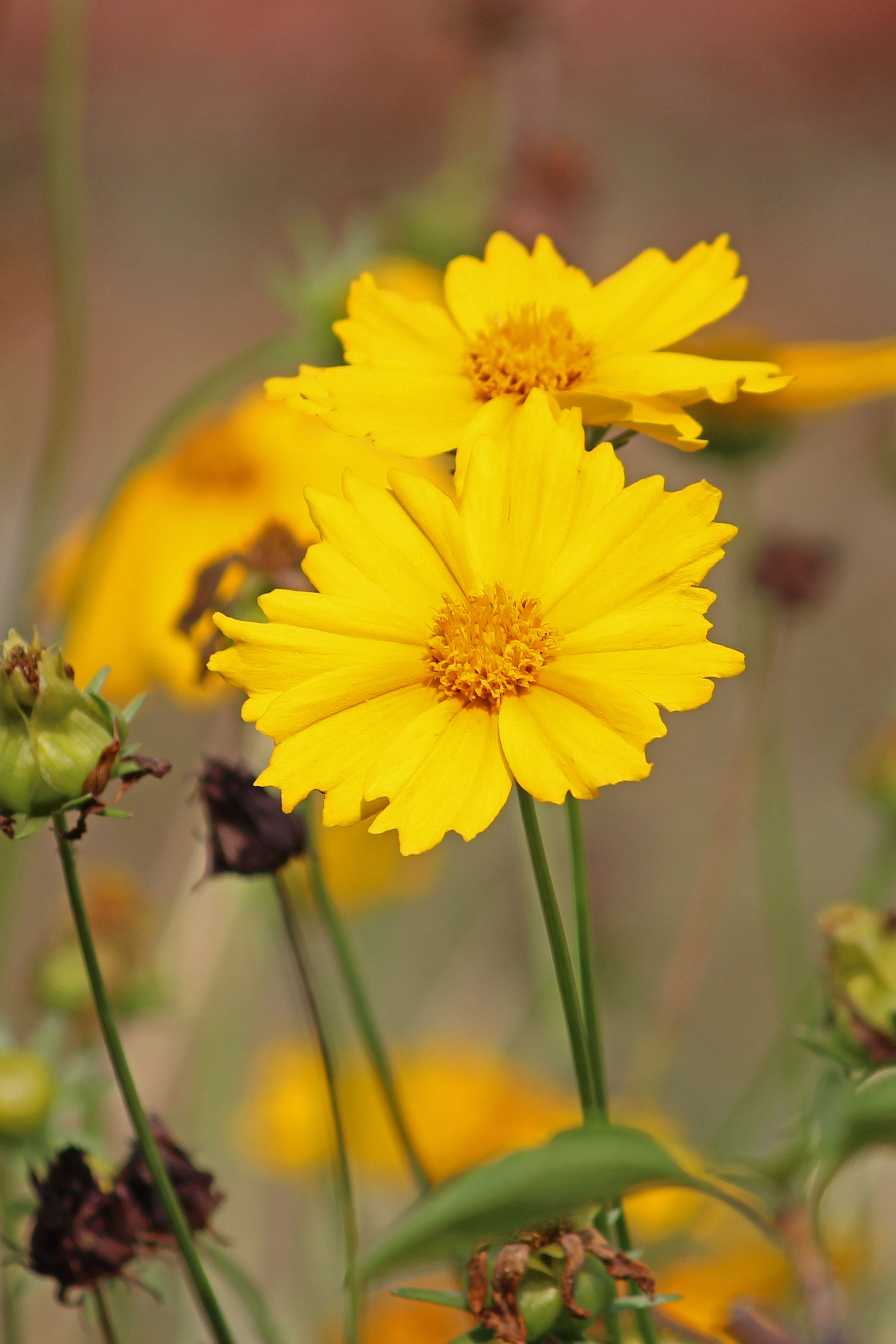
7. Coreopsis (Coreopsis spp.)
Coreopsis, or tickseed, offers bright yellow, daisy-like flowers that bloom all summer long. This plant attracts a variety of pollinators, including bees and butterflies. It thrives in full sun and tolerates drought, making it well-suited for Zone 8 gardens.
8. Goldenrod (Solidago spp.)
Goldenrod blooms in late summer to fall, providing nectar when many other plants have finished flowering. Its bright yellow plumes attract bees, butterflies, and other pollinators. Goldenrod prefers full sun and can adapt to a range of soil types.
9. Zinnia (Zinnia elegans)
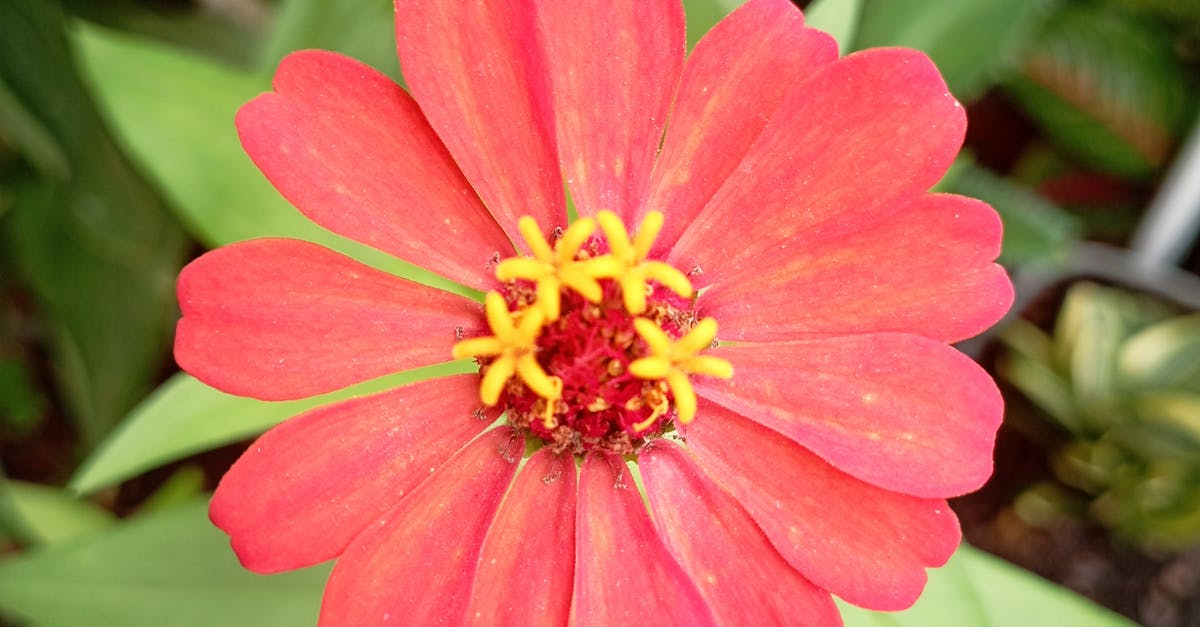
Zinnias are annuals that bloom heavily from summer into fall, drawing butterflies, bees, and hummingbirds. They love full sun and well-drained soil, and their vibrant colors make them garden favorites. Because they are annuals, you can experiment with different varieties each year.
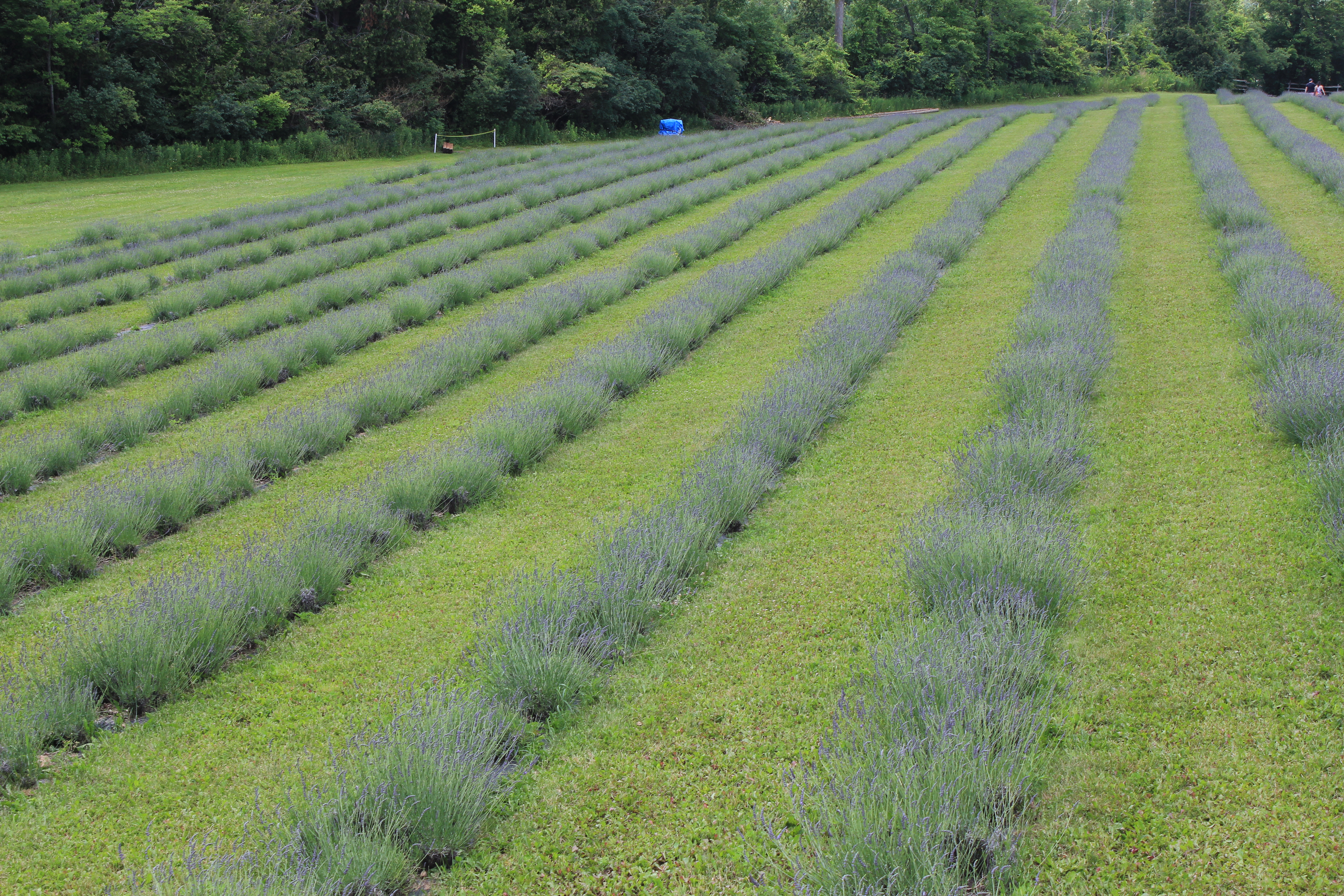
10. Lavender (Lavandula spp.)
Lavender is beloved by bees and butterflies for its fragrant purple flowers. It blooms in late spring through summer and prefers full sun with well-drained, slightly alkaline soil. Lavender is drought-tolerant once established and adds a lovely scent to your garden.
Tips for Creating a Pollinator-Friendly Garden in Zone 8
- Provide continuous blooms: Select plants that flower at different times to ensure pollinators have food from early spring through late fall.
- Use native species: Native plants are adapted to local conditions and often provide the best resources for native pollinators.
- Avoid pesticides: Many pesticides are harmful to pollinators. Opt for natural pest control methods instead.
- Include water sources: Pollinators need water, so adding a shallow birdbath or a small water feature can help.
- Provide shelter: Leave some bare soil for ground-nesting bees and allow some brush or leaf litter for shelter.
Pet Safety Note
Many pollinator plants are not listed as toxic to pets, but it’s important to always monitor pets around garden plants and prevent ingestion of any plant material. If you suspect your pet has ingested a potentially harmful plant, contact the ASPCA Animal Poison Control Center at 888-426-4435 immediately.
Wildlife Resistance Disclaimer
While many of these plants attract pollinators, they may also be browsed by deer, rabbits, or groundhogs depending on your location and local wildlife populations. No plant can be guaranteed completely resistant to wildlife.
Creating a pollinator garden in Zone 8 is both rewarding and beneficial for your local ecosystem. These 10 plants offer vibrant color and continuous food sources that will keep your garden buzzing with life throughout the growing season. For more personalized plant recommendations tailored to your garden’s conditions, try our Plant Finder wizard at /wizard and start building your perfect pollinator paradise today!