FTC Disclosure: This post contains affiliate links. We may earn a commission if you make a purchase through these links at no extra cost to you.
If you live in USDA Hardiness Zone 8 and struggle with rabbits nibbling your garden, choosing rabbit resistant plants zone 8 can help protect your landscape. While no plant is completely rabbit-proof, certain species are less appealing due to their texture, taste, or scent. This guide highlights 8 of the best rabbit-resistant plants that thrive in Zone 8’s warm, humid climate, offering both beauty and resilience against rabbit browsing.
Understanding Rabbit Resistance in Zone 8 Gardens
Rabbits are known for their voracious appetites and can cause significant damage to young plants, particularly in the mild winters and long growing seasons of Zone 8. By selecting plants that rabbits tend to avoid, you reduce the need for chemical repellents or physical barriers. Keep in mind that “rabbit resistant” does not mean “rabbit proof,” so monitoring and additional deterrents may still be necessary.
Zone 8 covers parts of the southern United States, including areas with hot summers and mild winters. Plants suited for this zone must tolerate heat, humidity, and occasional drought, while also discouraging rabbits from feeding.
🌱 Get Personalized Plant Picks
Answer a few quick questions and we’ll match plants to your exact yard conditions.
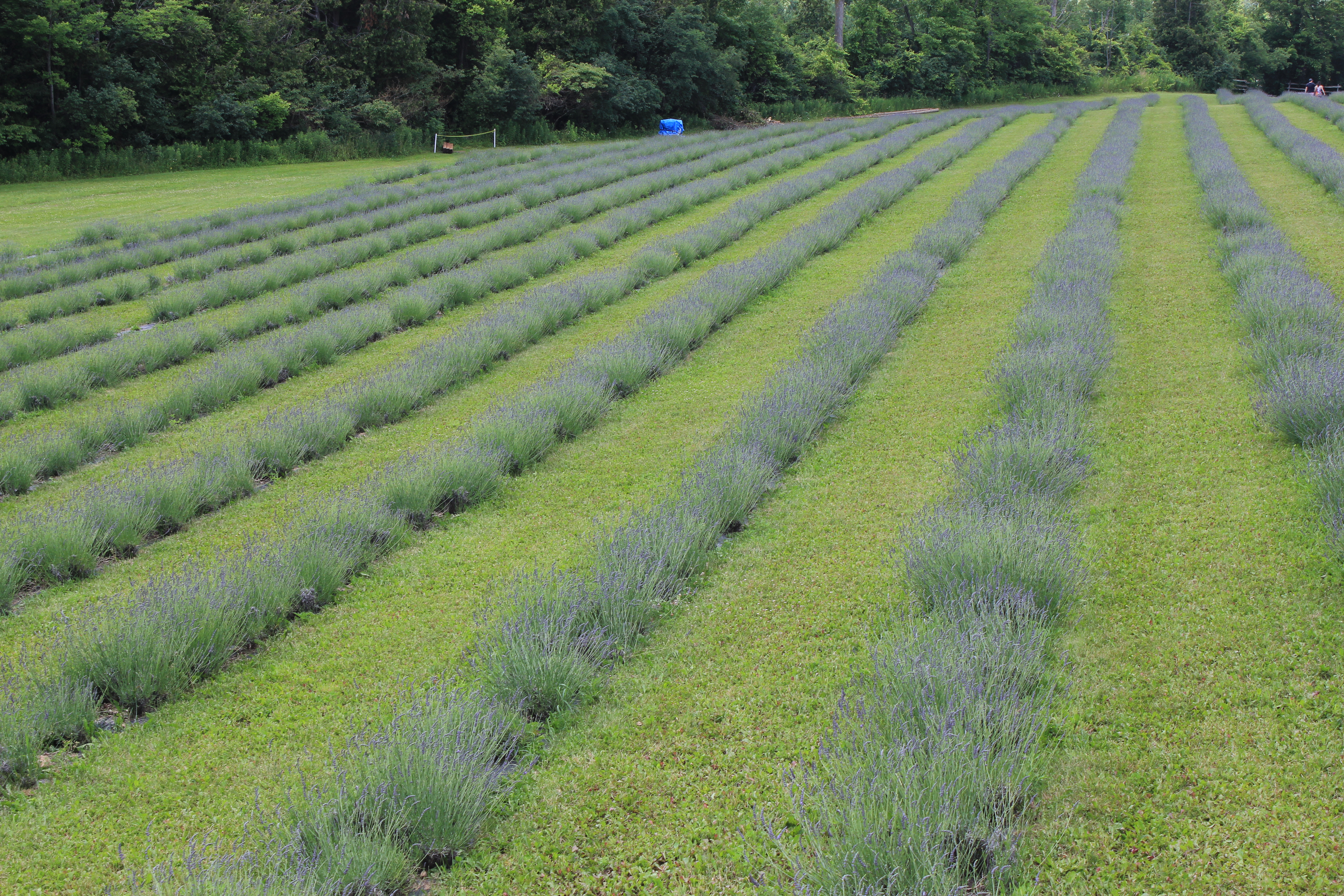
Find My Plants →1. Lavender (Lavandula spp.)
Lavender is a fragrant herb prized for its aromatic flowers and leaves that rabbits typically avoid. Its strong scent masks its palatability, making it less attractive to rabbits. Lavender thrives in full sun and well-drained soil, conditions common in Zone 8 gardens.
Besides deterring rabbits, lavender attracts pollinators like bees and butterflies, adding ecological value to your garden.
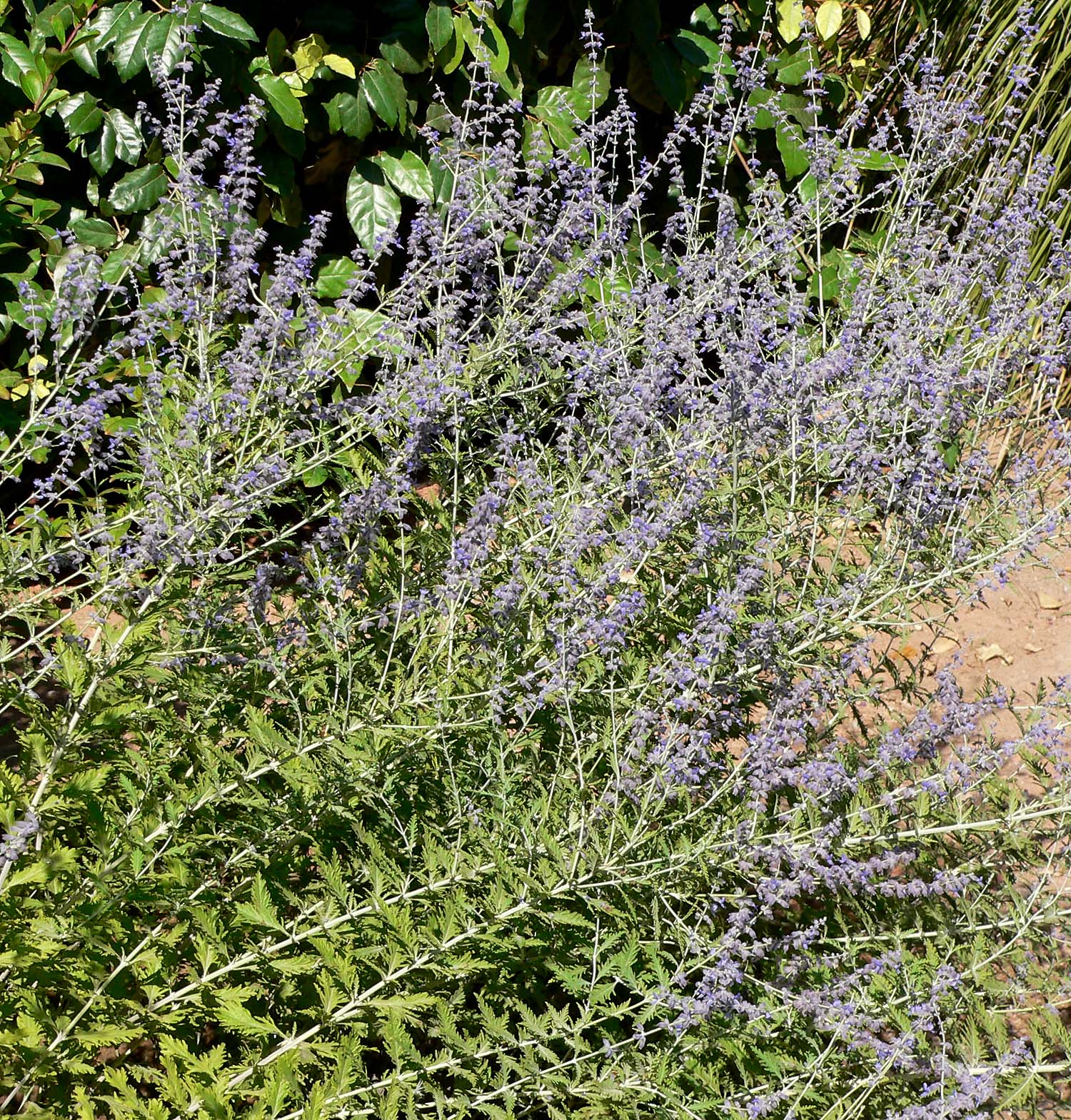
2. Russian Sage (Perovskia atriplicifolia)
Russian sage is a drought-tolerant perennial that produces silvery foliage and tall spikes of purple-blue flowers. Its aromatic leaves emit a scent that rabbits find unappealing, making it a reliable choice for rabbit resistance.
This plant thrives in full sun and well-drained soil, perfect for Zone 8’s climate. It also requires minimal maintenance once established.
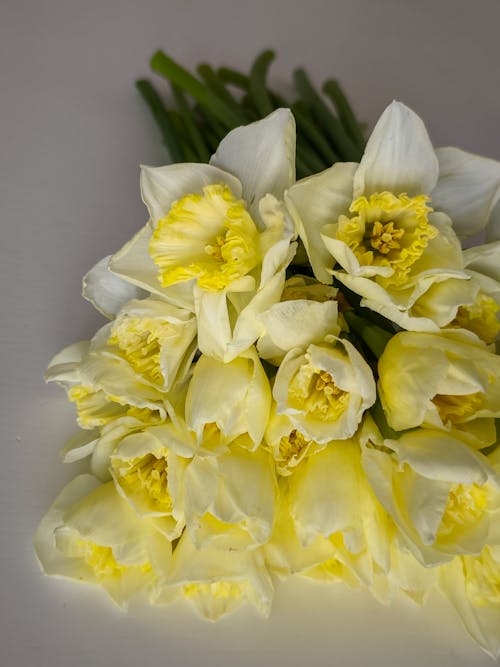
3. Daffodil (Narcissus spp.)
Daffodils are spring-blooming bulbs with bright yellow or white flowers. Their bulbs and foliage contain compounds that are toxic or unpalatable to rabbits, so they tend to leave them alone.
Plant daffodils in fall for spring blooms. They prefer well-drained soil and full to partial sun, and they naturalize well in Zone 8 gardens.
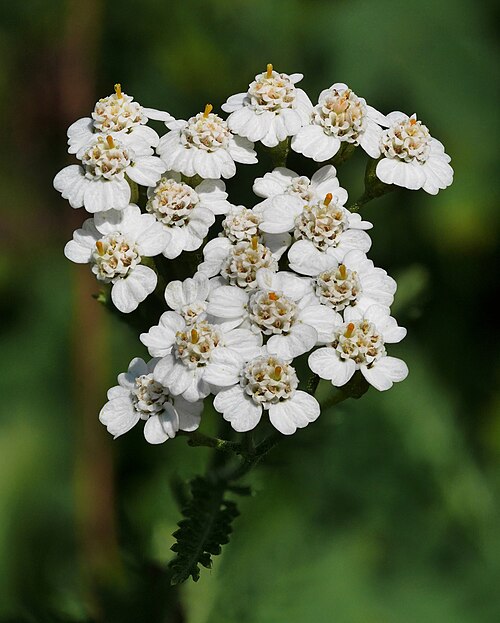
4. Yarrow (Achillea millefolium)
Yarrow has feathery, aromatic leaves and flat-topped clusters of flowers in colors ranging from white to pink to yellow. The bitter taste and strong scent of its foliage generally deter rabbits.
Yarrow is drought-tolerant and thrives in full sun with well-draining soil, making it well-suited for Zone 8 conditions.
5. Rosemary (Rosmarinus officinalis)
Rosemary is an evergreen herb with needle-like leaves and a strong, piney aroma that rabbits dislike. It grows well in warm climates and can be used as a culinary herb as well.
Rosmarinus Officinalis
It prefers full sun and well-drained soil, tolerating drought once established in Zone 8 gardens.
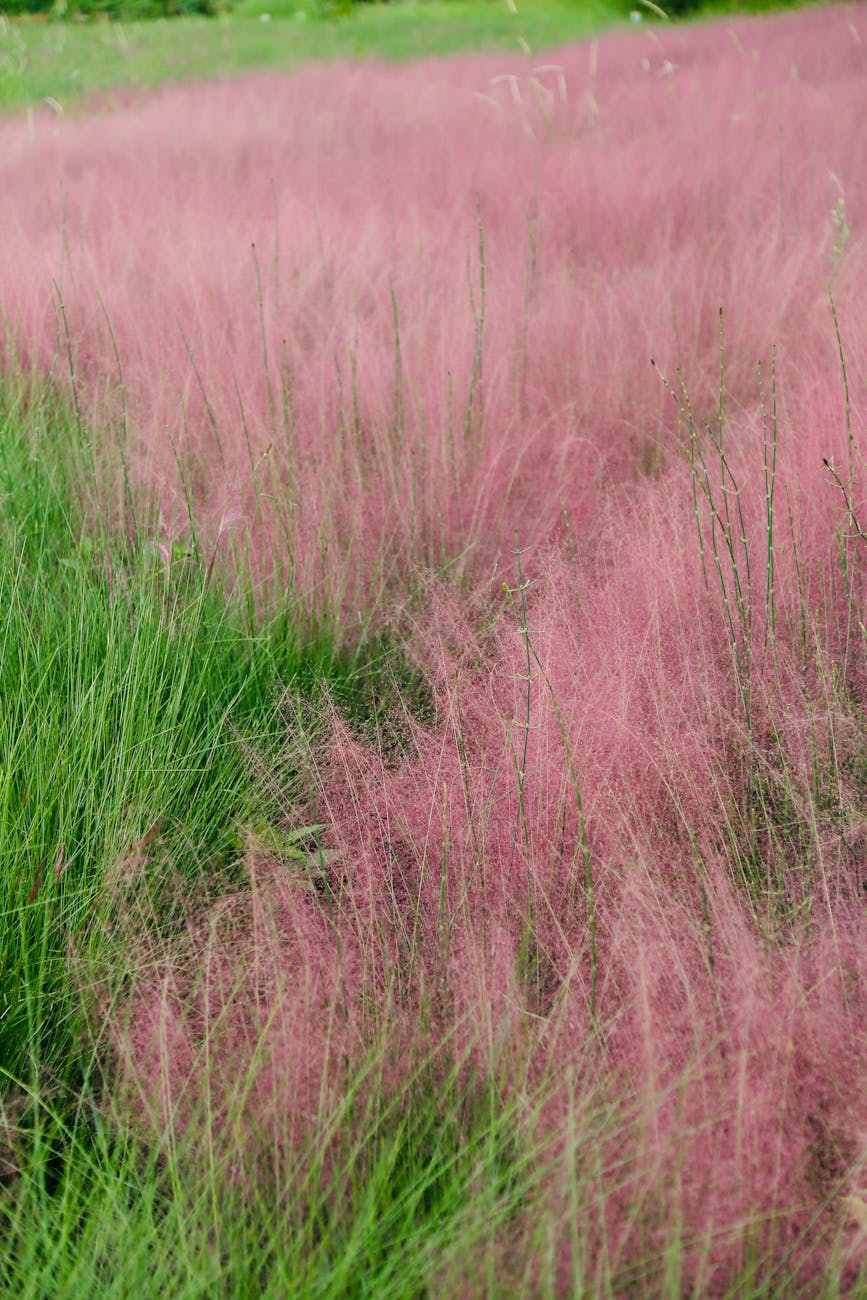
6. Ornamental Grasses (e.g., Muhly Grass - Muhlenbergia capillaris)
Many ornamental grasses, such as pink muhly grass, have a texture and growth habit that rabbits generally avoid. Their tough, narrow leaves are less palatable compared to softer-leaved plants.
Muhly grass thrives in full sun and well-drained soil, tolerating heat and humidity typical of Zone 8.
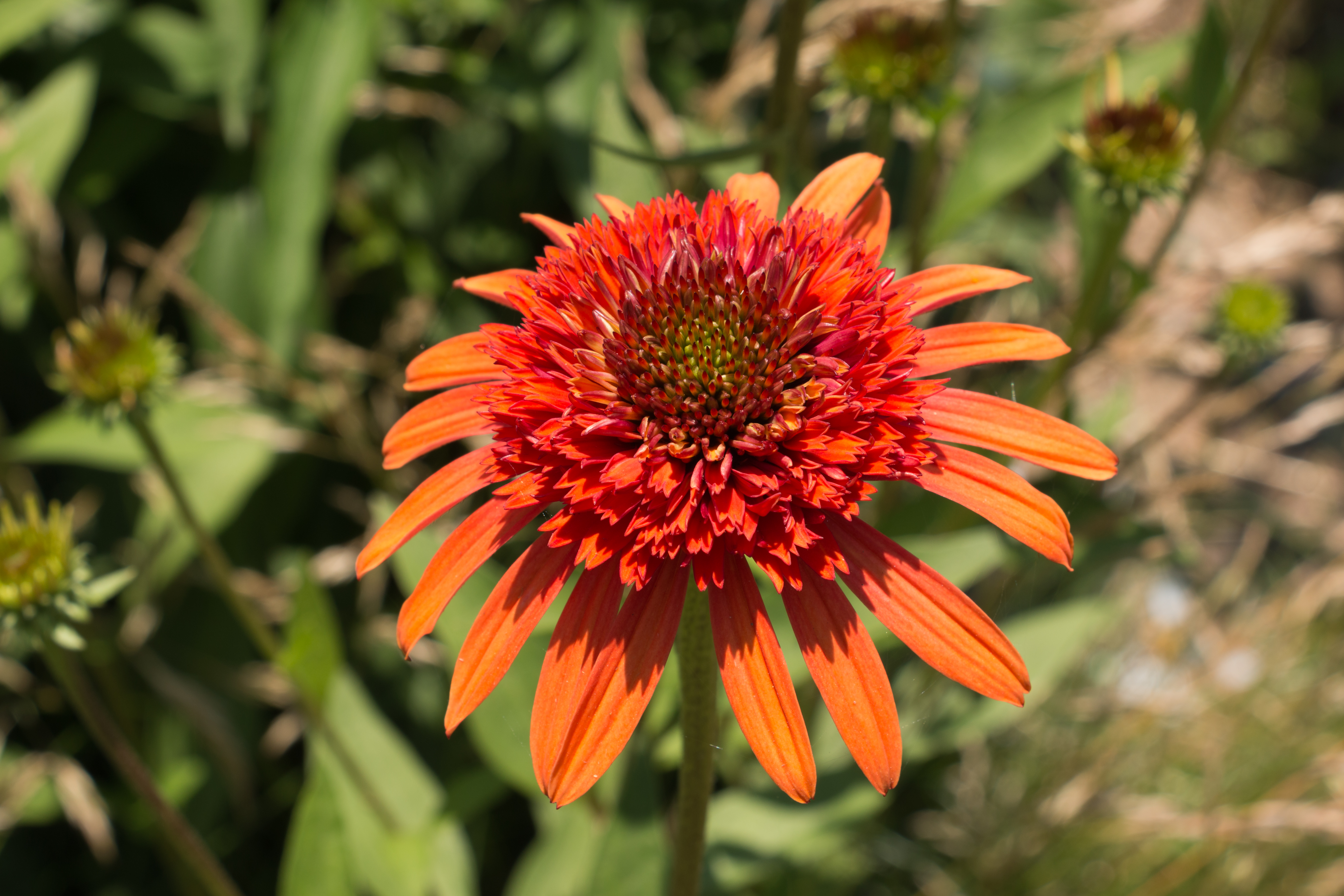
7. Coneflower (Echinacea purpurea)
Coneflowers have coarse leaves and sturdy stems, which are less attractive to rabbits. Their daisy-like purple flowers add color and attract pollinators.
This perennial prefers full sun and well-drained soil and is drought tolerant once established.
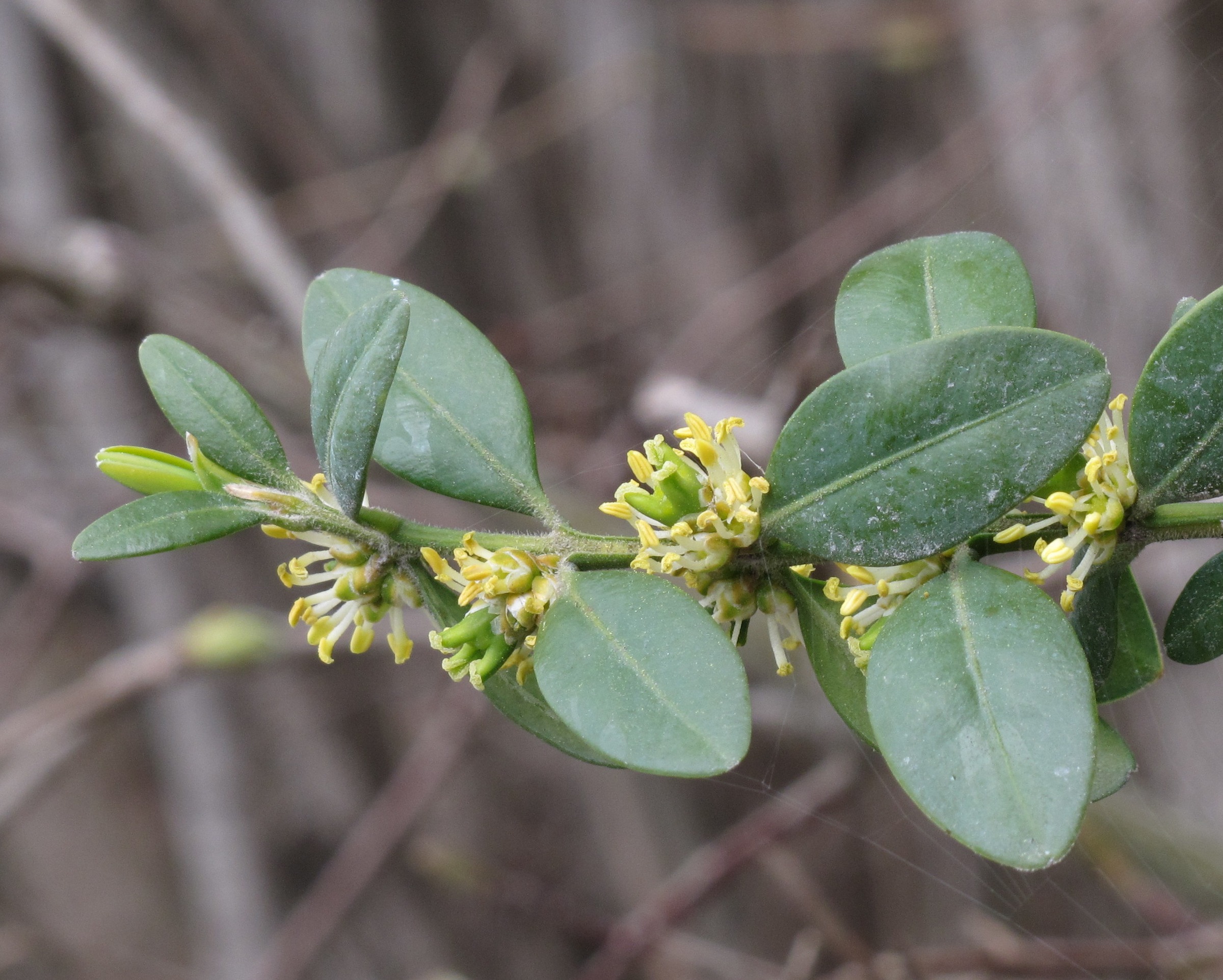
8. Boxwood (Buxus spp.)
Boxwood shrubs have dense, leathery evergreen leaves that rabbits tend to avoid. They can be used as hedges or foundation plants and tolerate pruning well.
Boxwoods prefer partial to full sun and well-drained soil, fitting well into Zone 8 landscapes.
Additional Tips for Managing Rabbits in Your Zone 8 Garden
- Use Physical Barriers: Fencing or plant cages can protect young or vulnerable plants.
- Remove Attractants: Keep your yard clean of brush piles and tall grass that provide shelter.
- Combine Plantings: Mix rabbit-resistant plants with more vulnerable species to reduce overall damage.
- Repellents: Consider natural or commercial repellents, but reapply after rain.
Pet and Wildlife Safety Notice
While these plants are generally considered rabbit resistant, they are not guaranteed to be safe for pets. Some contain compounds that may be harmful if ingested. Always supervise pets around garden plants and contact the ASPCA Animal Poison Control Center at 888-426-4435 if you suspect poisoning.
Wildlife Resistance Disclaimer
No plant can be guaranteed completely resistant to deer, rabbits, groundhogs, or other wildlife. Plant preferences may vary by region and animal population. Combining multiple strategies will yield the best protection.
Discover more about plants suited for your garden by trying the Plant Finder wizard at PlantWise Plant Finder. Find plants tailored to your climate, soil, and wildlife concerns!
Lavender
Russian Sage
Daffodil
Rosmarinus Officinalis
Coneflower