How to Grow Russian Sage: Complete Guide
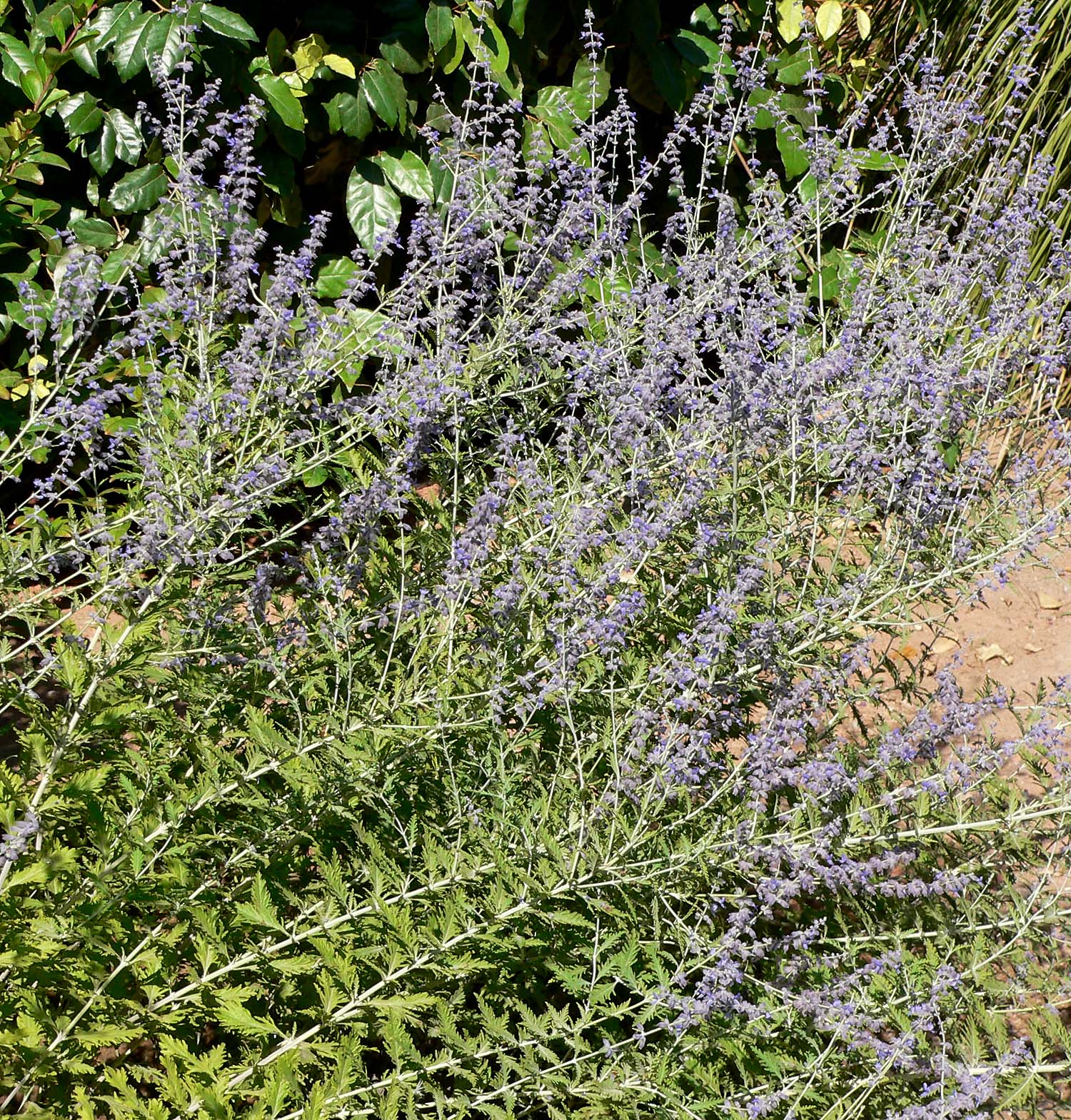
Russian Sage ( Perovskia atriplicifolia ) is a beloved perennial known for its striking silvery foliage and airy spikes of lavender-blue flowers. To grow Russian Sage successfully, provide it with full sun, well-draining soil, and plenty of space to spread. This drought-tolerant, low-maintenance plant thrives in hot, dry conditions and is an excellent choice for xeriscaping, rock gardens, and sunny borders, offering continuous bloom from mid-summer into fall. Its aromatic leaves also make it a fantastic deer and rabbit-resistant option for your landscape.
Why Choose Russian Sage for Your Garden?
Russian Sage is a true garden workhorse, offering a unique combination of beauty and resilience. Its wispy, upright habit and delicate flowers create a soft, ethereal look, while its silvery-green leaves provide year-round interest. This plant is a magnet for pollinators, attracting bees and butterflies, and its long blooming season ensures a continuous display of color when many other plants are fading.
Beyond its aesthetic appeal, Russian Sage is incredibly tough. It tolerates poor soil, drought, and heat, making it ideal for challenging garden spots. Its aromatic foliage also acts as a natural deterrent to common garden pests like deer and rabbits, though it's important to remember that no plant is truly deer-proof. Its adaptability and low-maintenance nature make it a favorite among both seasoned gardeners and beginners.
🌱 Get Personalized Plant Picks
Answer a few quick questions and we’ll match plants to your exact yard conditions.
Find My Plants →What Are the Ideal Growing Conditions for Russian Sage?
Russian Sage is remarkably unfussy once established, but providing the right conditions from the start will ensure a robust and healthy plant.
Sunlight
Full sun is non-negotiable for Russian Sage. It needs at least 6-8 hours of direct sunlight per day to thrive, produce abundant blooms, and maintain its compact, upright form. In too much shade, it can become leggy and produce fewer flowers.
Soil
Well-draining soil is crucial. Russian Sage dislikes wet feet and is prone to root rot in heavy, poorly draining soils. It prefers sandy or gravelly loam but can tolerate a wide range of soil types as long as drainage is excellent. If you have heavy clay soil, amend it with organic matter and grit to improve drainage, or consider planting in raised beds. It also tolerates a wide pH range, from slightly acidic to slightly alkaline.
Water
Once established, Russian Sage is highly drought-tolerant. Water regularly during its first growing season to help it establish a strong root system. After that, supplemental watering is rarely needed unless you experience prolonged periods of extreme drought. Overwatering is a common mistake and can lead to problems.
Temperature and Humidity
This plant is hardy in USDA Zones 4-9, tolerating both cold winters and hot summers. It performs best in dry heat and can struggle in areas with high humidity, which can sometimes lead to fungal issues if air circulation is poor.
Fertilization
Russian Sage is a light feeder and generally does not require much, if any, fertilizer. In fact, too much fertilizer can lead to leggy growth and fewer flowers. If your soil is extremely poor, a light application of a balanced, slow-release granular fertilizer in early spring can be beneficial, but often, it's not necessary.
How Do I Plant and Care for Russian Sage?
Planting Russian Sage correctly and providing minimal care will ensure it flourishes in your garden for years to come.
Planting
- When to Plant: Plant Russian Sage in spring after the last frost, or in early fall in warmer climates.
- Spacing: Give Russian Sage plenty of room. Depending on the cultivar, it can grow 2-4 feet tall and wide. Space plants 2-3 feet apart to allow for good air circulation and prevent overcrowding.
- How to Plant: Dig a hole twice as wide as the root ball and just as deep. Gently remove the plant from its container, loosen any circling roots, and place it in the hole so the top of the root ball is level with the soil surface. Backfill with soil, gently tamp down, and water thoroughly.
Pruning
Pruning is essential for maintaining the plant's shape, promoting new growth, and encouraging abundant blooms.
- Early Spring Pruning: This is the most important pruning of the year. Cut back the entire plant to about 6-12 inches from the ground, just as new growth begins to emerge. This encourages a bushier habit and prevents it from becoming leggy and floppy.
- Summer Pruning (Optional): You can deadhead spent flower spikes to encourage a second flush of blooms, but it's not strictly necessary as the plant typically blooms continuously. You can also lightly trim back any unruly stems to maintain shape.
- Late Fall/Winter Pruning: Avoid heavy pruning in fall or winter. The woody stems provide some winter protection and add architectural interest to the dormant garden.
Pests and Diseases
Russian Sage is largely pest and disease-free, thanks to its aromatic foliage and tough nature. The most common issues arise from overly wet conditions:
- Root Rot: Caused by poor drainage and overwatering. Ensure well-draining soil and avoid excessive irrigation.
- Powdery Mildew: Can occur in humid conditions with poor air circulation. Proper spacing and full sun exposure help prevent this.
Propagation
Russian Sage can be propagated in a few ways:
- Cuttings: Take 4-6 inch softwood cuttings in late spring or early summer. Remove leaves from the bottom half, dip in rooting hormone, and plant in a well-draining potting mix.
- Division: While possible, Russian Sage doesn't always respond well to division due to its woody root system. If you do divide, do so in early spring.
- Seed: Russian Sage can be grown from seed, but germination can be erratic, and cultivars may not come true from seed.
Quick Reference Guide
| Feature | Details |
|---|---|
| Botanical Name | Perovskia atriplicifolia |
| Common Name | Russian Sage |
| USDA Zones | 4-9 |
| Sunlight | Full sun (6-8+ hours daily) |
| Soil | Well-draining, sandy or gravelly loam; tolerant of poor soil |
| Water | Drought-tolerant once established; water regularly during the first growing season |
| Mature Size | 2-4 feet tall and wide (cultivar dependent) |
| Bloom Time | Mid-summer to fall |
| Flower Color | Lavender-blue |
| Foliage | Silvery-green, aromatic |
| Pruning | Cut back to 6-12 inches in early spring |
| Deer/Rabbit | Resistant (due to aromatic foliage) - no plant is truly deer-proof |
| Pollinators | Attracts bees, butterflies |
What Are Good Companion Plants for Russian Sage?
Russian Sage's airy texture and cool lavender-blue flowers make it an excellent companion for a variety of plants. Its drought tolerance and preference for full sun mean it pairs well with other plants that thrive in similar conditions.
Consider these companions for a stunning, low-maintenance garden:
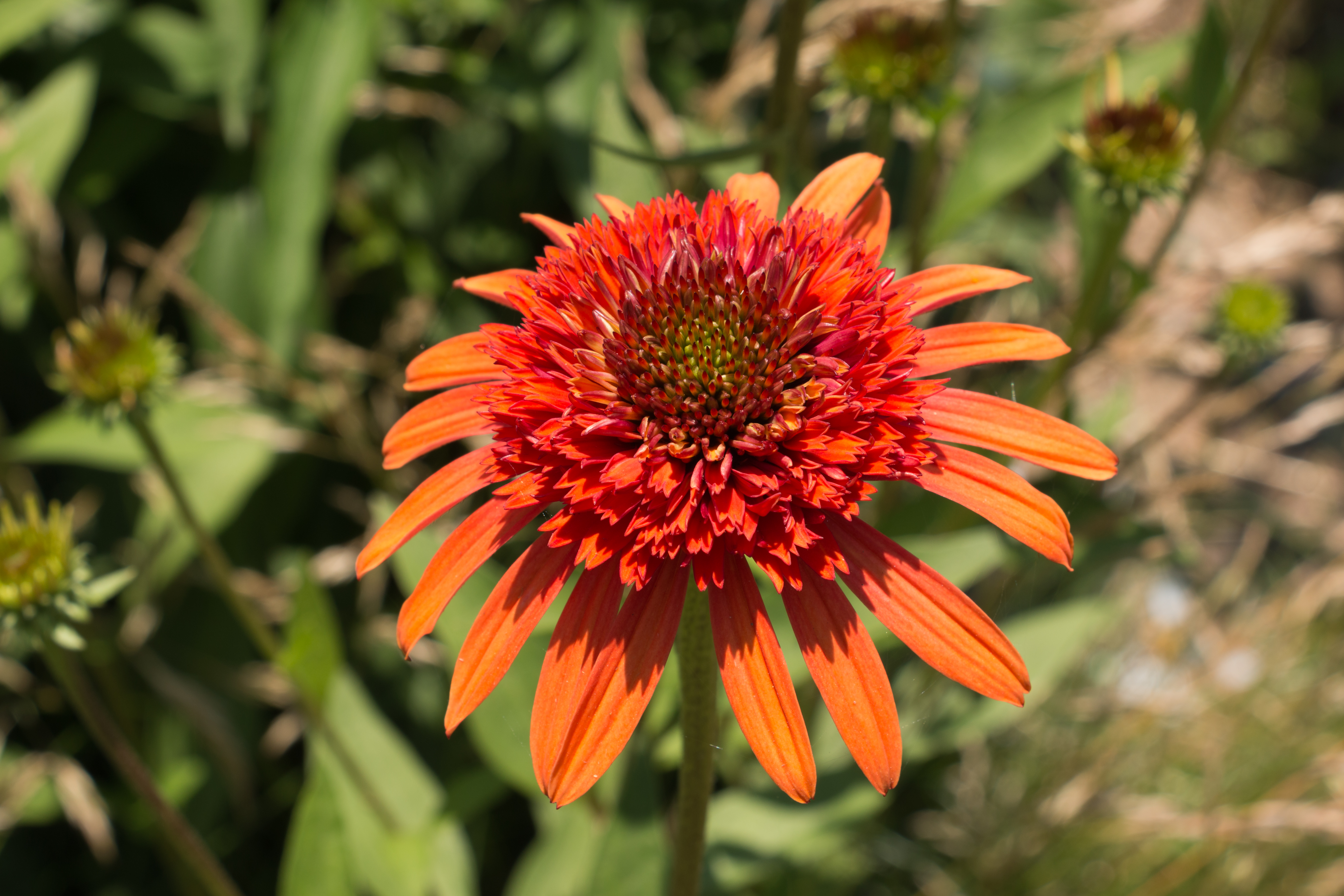
- {{coneflower}}: The bold, daisy-like flowers of Coneflower (Echinacea) in shades of purple, pink, or white provide a wonderful contrast to Russian Sage's delicate blooms and silvery foliage. Both are drought-tolerant and attract pollinators.
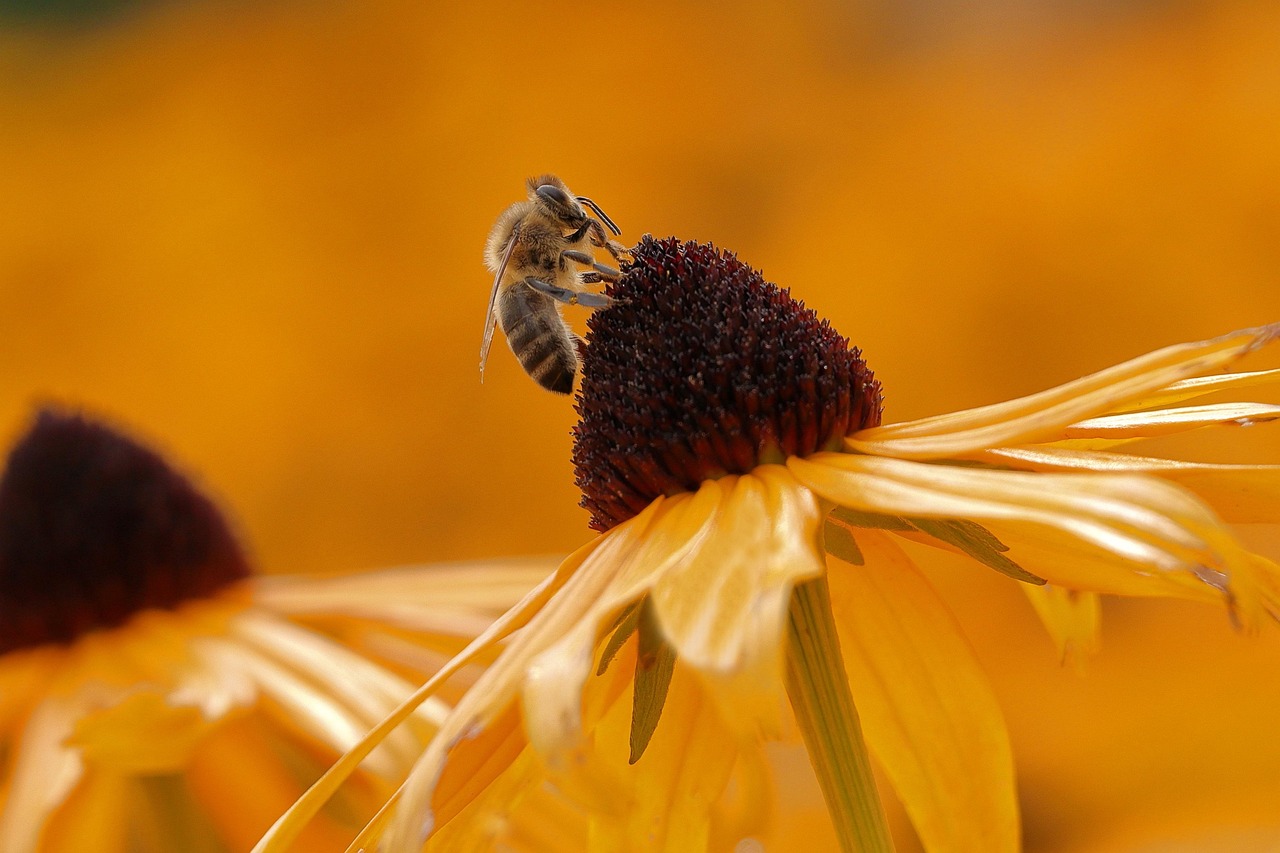
- {{black-eyed-susan}}: The cheerful yellow and orange hues of Black-eyed Susan (Rudbeckia hirta) create a vibrant contrast with Russian Sage's cool tones. They share similar sun and soil requirements.
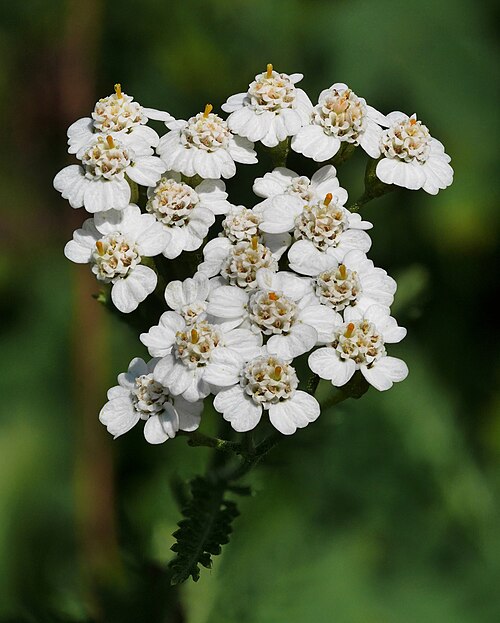
- {{yarrow}}: Yarrow (Achillea) offers flat-topped flower clusters in various colors (yellow, red, pink) and feathery foliage, complementing Russian Sage's texture and form. Both are extremely drought-tolerant.
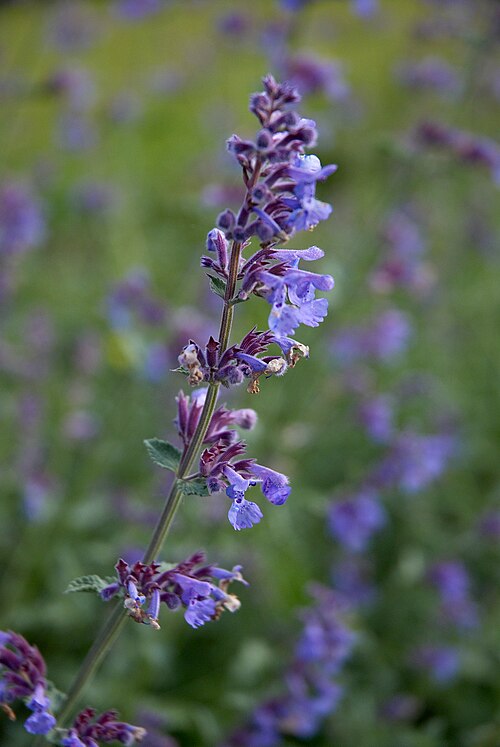
- {{catmint}}: Catmint (Nepeta) has a similar airy, lavender-blue flower spike and silvery foliage, making it a natural partner. It's also deer-resistant and long-blooming.
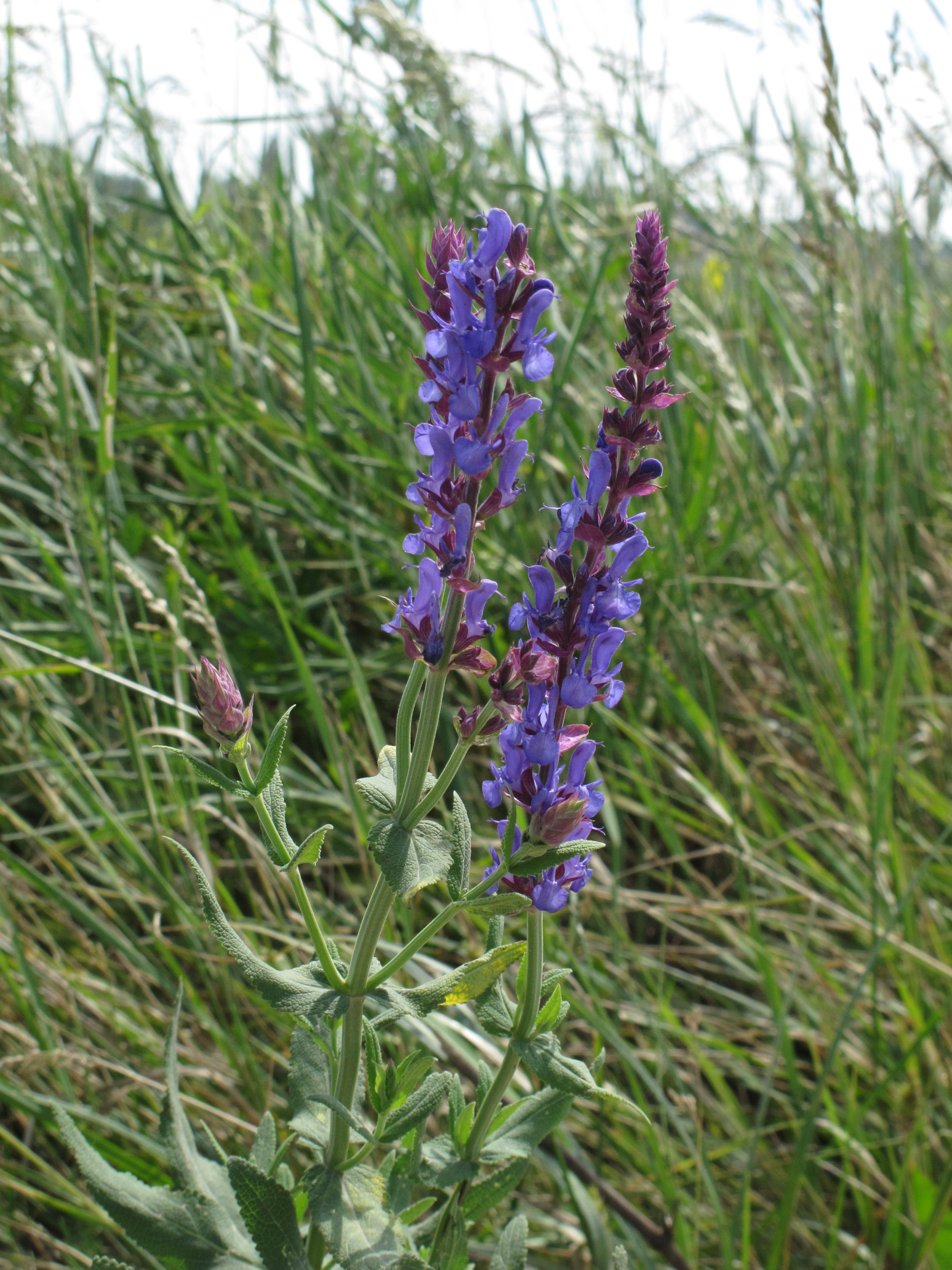
- {{salvia}}: Many varieties of Salvia, particularly the perennial types, offer vibrant blue, purple, or pink flower spikes that harmonize beautifully with Russian Sage. They share a love for sun and well-drained soil.
By pairing Russian Sage with these complementary plants, you can create a dynamic, long-blooming, and resilient garden that thrives with minimal intervention.
Russian Sage is a truly rewarding plant for any gardener looking for beauty, resilience, and ease of care. With its stunning blooms, aromatic foliage, and ability to withstand tough conditions, it's sure to become a cherished component of your landscape.
Ready to find the perfect plants for your yard? Try the PlantWise Plant Finder →