Spring Bulbs to Plant in Fall in Zones 3-5
In Zones 3 to 5, plant spring bulbs from mid September through late October, once nights stay in the 40s°F and soil at planting depth has cooled to about 55°F or lower. Zone 3 gardeners should aim for mid September to early October, Zone 4 for late September to mid October, and Zone 5 for early October into early November. The goal is four to six weeks of root growth before the ground freezes hard.
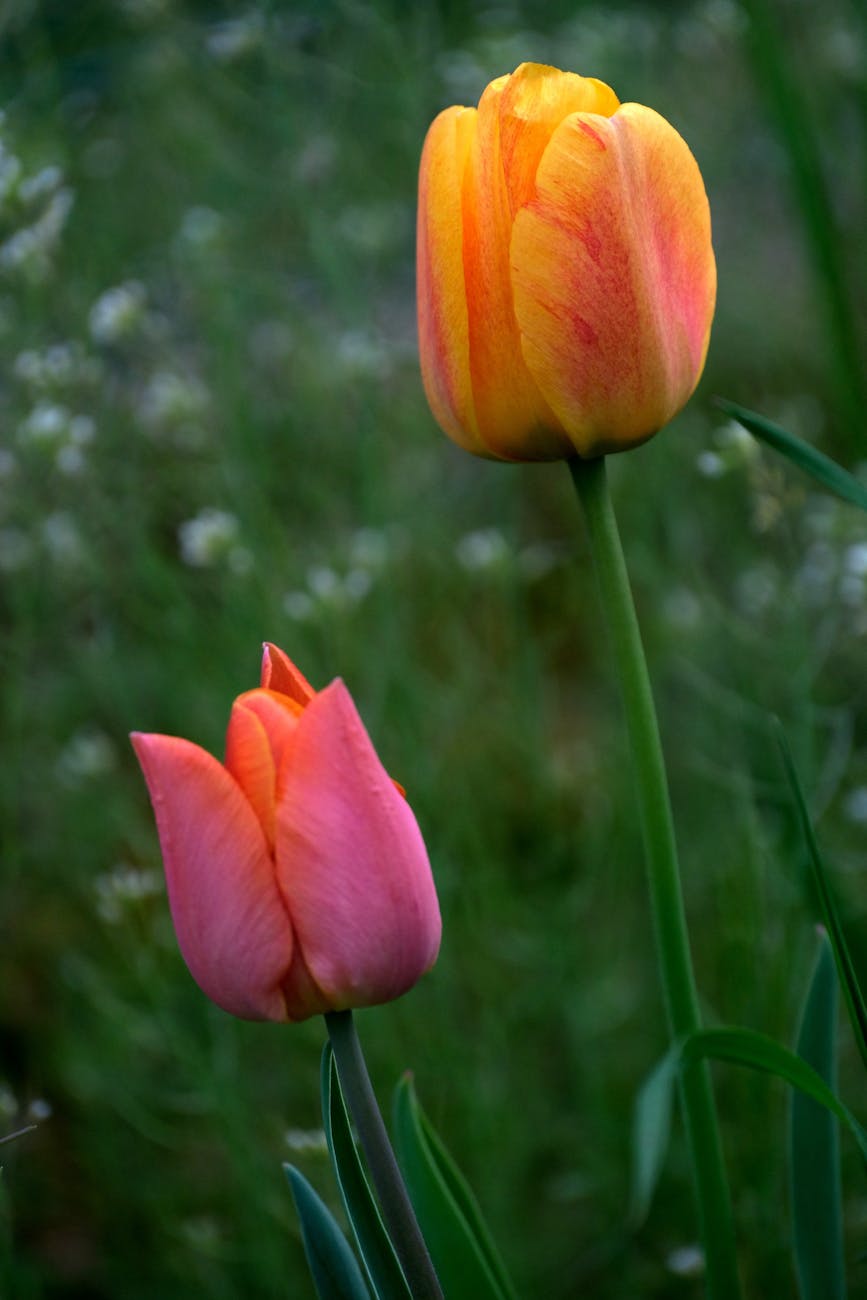
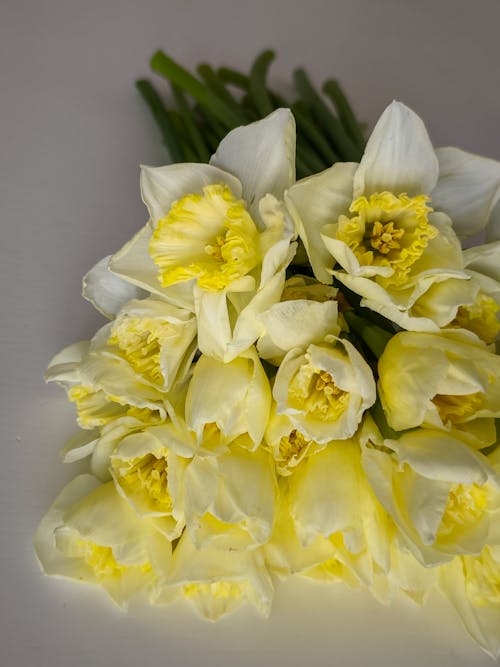
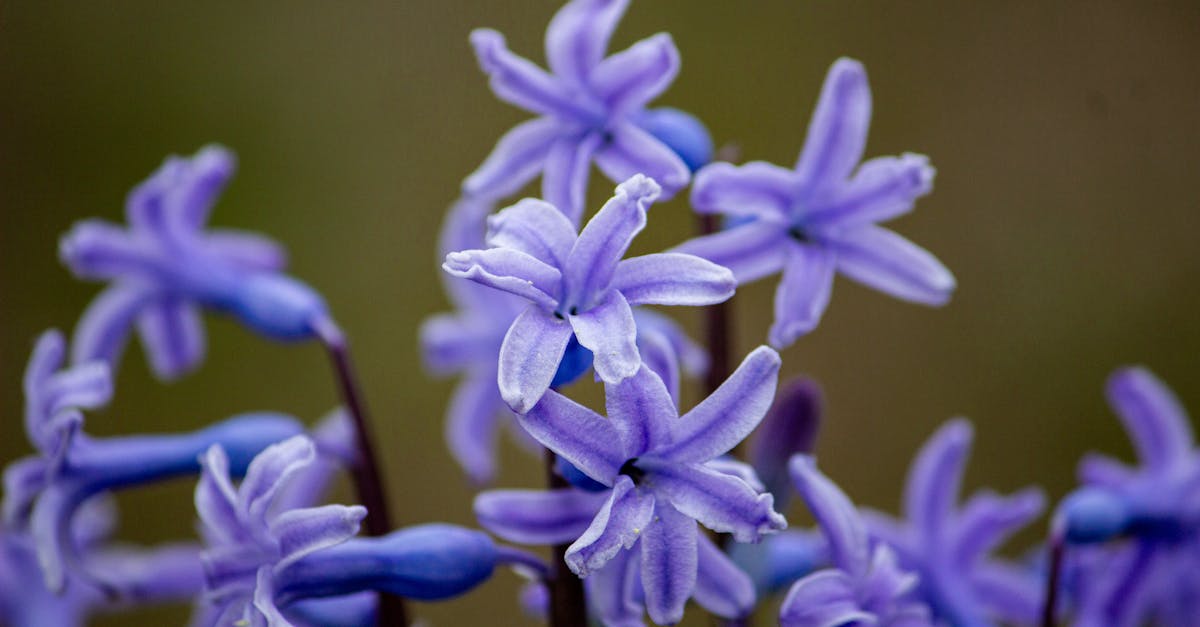
Cold zones are the easiest place in the country to grow tulips, daffodils, crocus, alliums, and grape hyacinths, because every bulb gets its full chilling requirement without help. The main risks are planting too late, planting too shallow, and rodents.
Why timing matters more in cold zones
- Roots need a head start. A bulb that goes in two weeks before freeze-up sits in cold soil with no roots, and frost heave can push it up. Bulbs planted on time anchor themselves and pull water and phosphorus through winter.
- Warm soil wakes them up too early. Planting in late August or early September while soil is still warm can trigger top growth that freezes off. Wait for the cool nights.
- Depth protects against deep cold. Planting at three times the bulb height (and a little deeper in Zone 3) keeps the basal plate below the worst temperature swings.
- Rodent pressure peaks in fall. Voles, chipmunks, and squirrels are caching food, and freshly dug soil is easy to find. Protect high-value bulbs at planting.
If you missed the window, plant anyway as long as you can still dig. A bulb in cold ground has a chance; a bulb in a paper bag in the garage until spring does not.
🌱 Get Personalized Plant Picks
Answer a few quick questions and we’ll match plants to your exact yard conditions.
Find My Plants →Checklist
- Buy firm bulbs with no soft spots or blue mold; larger sizes give larger flowers.
- Pick a site with full sun in spring and drainage that does not stay soggy in March.
- Plant at three times the bulb's height: about 8 inches for large tulips and daffodils, 4 to 5 inches for crocus and grape hyacinth.
- Set bulbs pointed end up, in groups of 7 to 15 rather than single rows, for a natural look.
- Mix a slow-release bulb food or bone meal into the bottom of the hole, not on top.
- Water once thoroughly after planting, then let autumn rain take over.
- Add 2 to 3 inches of shredded leaves or mulch after the ground freezes in Zone 3 and 4.
Shop bulb planting tools on Amazon
A drill-powered auger and a long-handled planter make hundreds of holes fast, plus slow-release bulb food. We may earn a commission at no extra cost to you.
Amazon · Bulb auger for cordless drills Amazon · Long-handle bulb planter Amazon · Slow-release bulb food
Which spring bulbs do best in Zones 3 to 5?
Almost every hardy spring bulb thrives here. The question is which ones come back year after year and which ones behave like annuals.
| Bulb | Depth | Comes back reliably? | Deer and rodents |
|---|---|---|---|
| Daffodils | 6 to 8 in | Yes, multiplies for decades | Usually ignored |
| Alliums | 6 to 8 in | Yes | Usually ignored |
| Crocus | 3 to 4 in | Yes, naturalizes in lawns | Squirrels dig them |
| Grape hyacinth | 3 to 4 in | Yes, spreads freely | Usually ignored |
| Species tulips | 4 to 5 in | Often | Deer browse |
| Hybrid tulips | 8 in | Fades after 2 to 3 years | Deer and voles love them |
| Fritillaria | 6 to 8 in | Yes in good drainage | Usually ignored |
| Siberian squill | 3 in | Yes, spreads | Usually ignored |
For beds with heavy deer or vole pressure, lean on daffodils and alliums and treat hybrid tulips as a protected or one-season display. See our deer-resistant bulbs for Zone 5 and tulips vs daffodils for more detail.
How deep should you plant bulbs in Zone 3?
In Zone 3 and the colder half of Zone 4, add an inch beyond the standard depth for tulips and daffodils, so large bulbs sit 8 to 9 inches down. Deeper planting also slows tulip bulbs from splitting into small non-flowering offsets, which helps them return more than one season. Do not go deeper than that in heavy clay, where water sits at the bottom of the hole.
Do you need to protect bulbs from voles and squirrels?
In most cold-zone yards, yes for tulips and crocus. Lay hardware cloth over the planting area before backfilling, or plant in wire bulb cages. Our guide to bulb cages for voles and squirrels covers mesh size and setup. A sprinkle of sharp gravel in the hole helps a little against voles; it does not stop squirrels.
Tulips, daffodils, and hyacinths are listed as toxic to dogs and cats by the ASPCA, with the bulbs being the most concentrated part. Store bulbs out of reach before planting, and if a pet chews one, call your vet or the ASPCA Animal Poison Control Center at (888) 426-4435.
Shop rodent protection for bulb beds on Amazon
Galvanized hardware cloth and ready-made wire cages keep voles and squirrels off new plantings. We may earn a commission at no extra cost to you.
Zone and timing notes
Zone 3 has the shortest window, often closing by mid October when the soil starts to lock up. Zone 4 can usually plant into the third week of October. Zone 5 has the widest window and can plant into early November in most years. In every case, watch the soil, not the calendar: if you can still dig a clean hole, you can still plant. No plant is truly deer-proof, and resistance ratings vary by region, season, and local pressure.
Bottom line
Plant spring bulbs in Zones 3 to 5 from mid September through late October, deeper than you think and earlier than you think. Daffodils and alliums are the long-term backbone; tulips are the showpiece that needs protection. Get them in four to six weeks before hard freeze and the cold does the rest.
Related reading
- Spring bulbs to plant in fall
- Bulb planter augers
- Bulb fertilizer and bone meal
- Fall planting guide Zone 4
Ready to match plants to your location? Try the PlantWise Plant Finder →