Best Deer-Resistant Plants to Add to Your Garden This Spring
Spring is the perfect time to refresh your garden and add new plants, especially if you're battling persistent deer visitors. To create a beautiful landscape that deer are less likely to browse, focus on plants with strong scents, fuzzy or coarse textures, or those known to be unpalatable. Some of the best deer-resistant plants to consider adding this spring include Catmint, Salvia, Coneflower, Yarrow, and Blazing Star. These varieties offer vibrant blooms, interesting foliage, and a good chance of deterring deer, allowing your garden to flourish.
Deer can be a significant challenge for gardeners, turning a carefully cultivated landscape into an all-you-can-eat buffet. While no plant is truly "deer-proof" (a hungry deer will eat almost anything), many plants are significantly less appealing to them. By strategically choosing varieties known for their deer resistance, you can create a beautiful and thriving garden that discourages these persistent browsers. This spring, let's explore some excellent choices that will add beauty and resilience to your outdoor space.
🌱 Get Personalized Plant Picks
Answer a few quick questions and we’ll match plants to your exact yard conditions.
Find My Plants →What Makes a Plant Deer-Resistant?
Deer are selective eaters, and certain plant characteristics tend to put them off. Understanding these traits can help you make informed choices for your garden:
- Strong Scents: Many aromatic herbs and flowers, like lavender, mint, and salvia, have strong essential oils that deer dislike.
- Fuzzy or Hairy Foliage: Plants with fuzzy, bristly, or coarse leaves are often unappealing to deer because of their texture. Lamb's Ear is a classic example.
- Toxic or Bitter Taste: Some plants contain compounds that are toxic or simply taste bad to deer, causing them to avoid them.
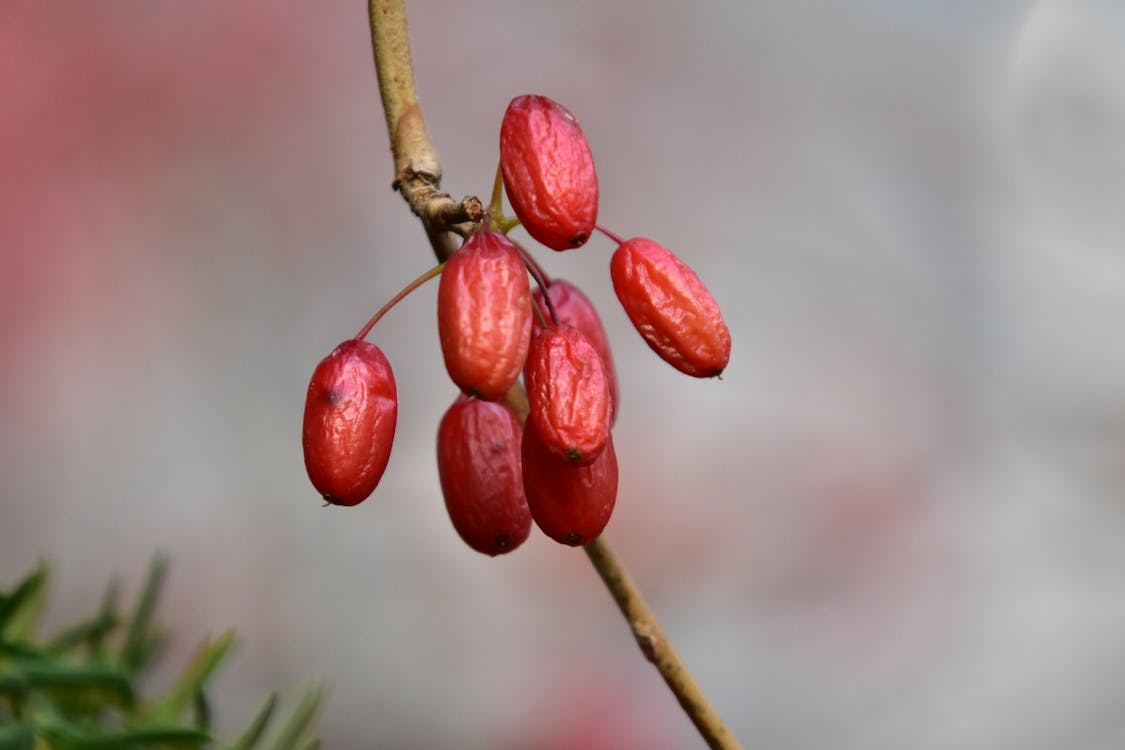
- Thorns or Spines: While not always practical for every garden area, thorny plants like roses (though deer will eat the buds) or barberry can deter browsing.
When planting, remember that young, tender growth is often more susceptible to deer browsing than mature plants. It's also important to note that deer preferences can vary by region, time of year, and the availability of other food sources. A plant considered "deer-resistant" in one area might be nibbled in another if deer are particularly hungry.
Which Deer-Resistant Perennials Offer the Best Spring Color?
Spring is all about new growth and vibrant blooms, and thankfully, many deer-resistant perennials deliver on both fronts. Focusing on these options allows you to enjoy a colorful garden without constant worry.
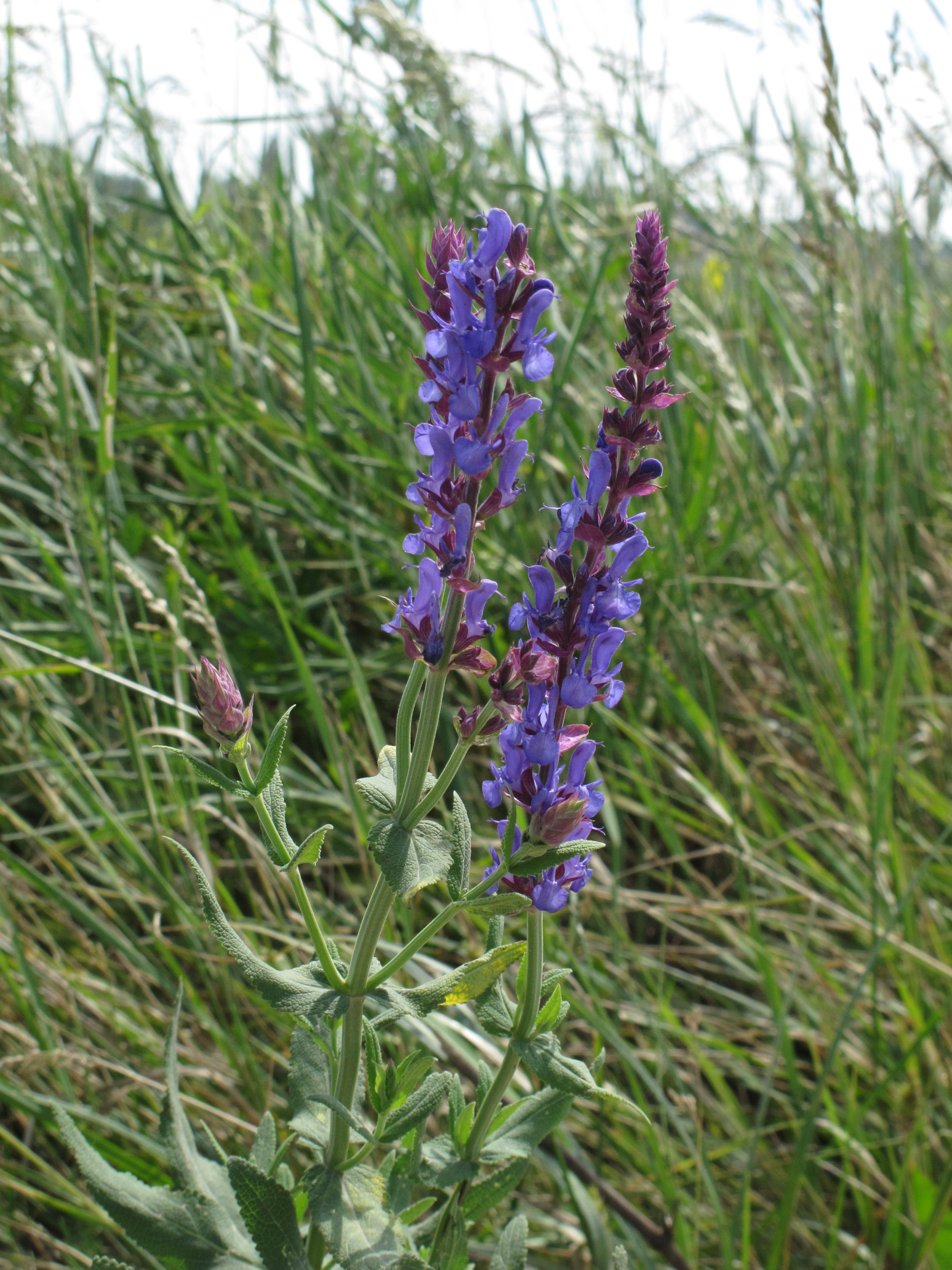
- Salvia (Salvia spp.): With hundreds of varieties, salvias offer a vast palette of colors from blues and purples to reds and pinks. Their aromatic foliage is a major deterrent for deer. Many bloom from late spring through summer, providing long-lasting color. They are also fantastic for attracting pollinators like hummingbirds and bees.
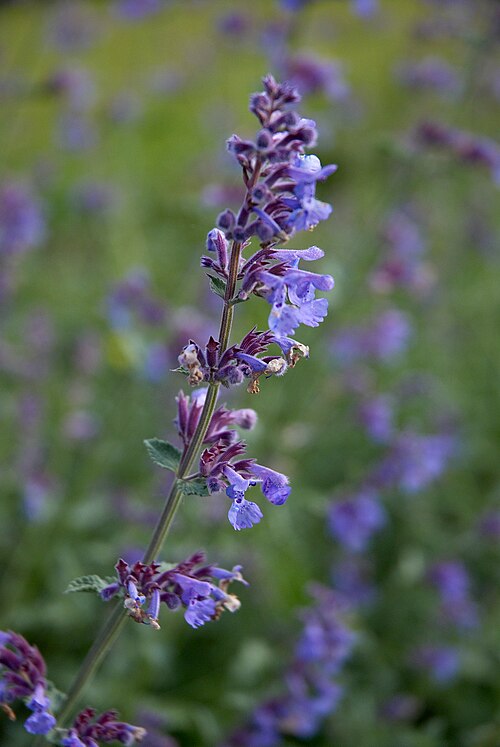
- Catmint (Nepeta spp.): This tough and beautiful perennial is a deer's nightmare but a gardener's dream. Its silvery-green, aromatic foliage and spikes of lavender-blue flowers create a soft, flowing effect in the garden. Catmint is incredibly drought-tolerant once established and blooms profusely from late spring into fall.
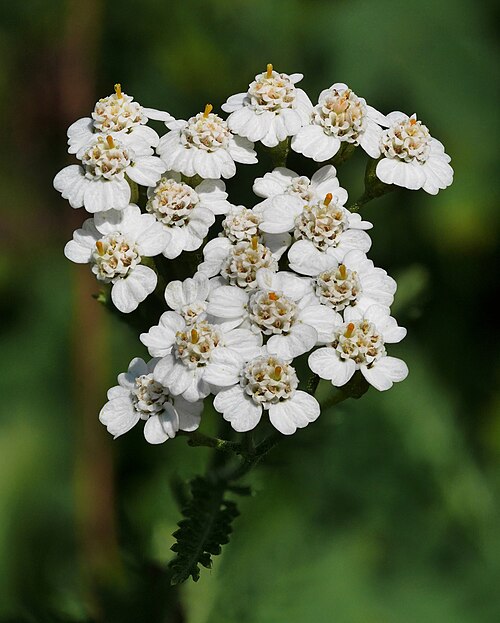
- Yarrow (Achillea millefolium): Yarrow is known for its flat-topped flower clusters in shades of yellow, white, pink, and red. Its feathery, aromatic foliage is unappealing to deer, and its drought tolerance makes it a low-maintenance choice. Yarrow blooms from late spring through summer and is excellent for cut flowers.
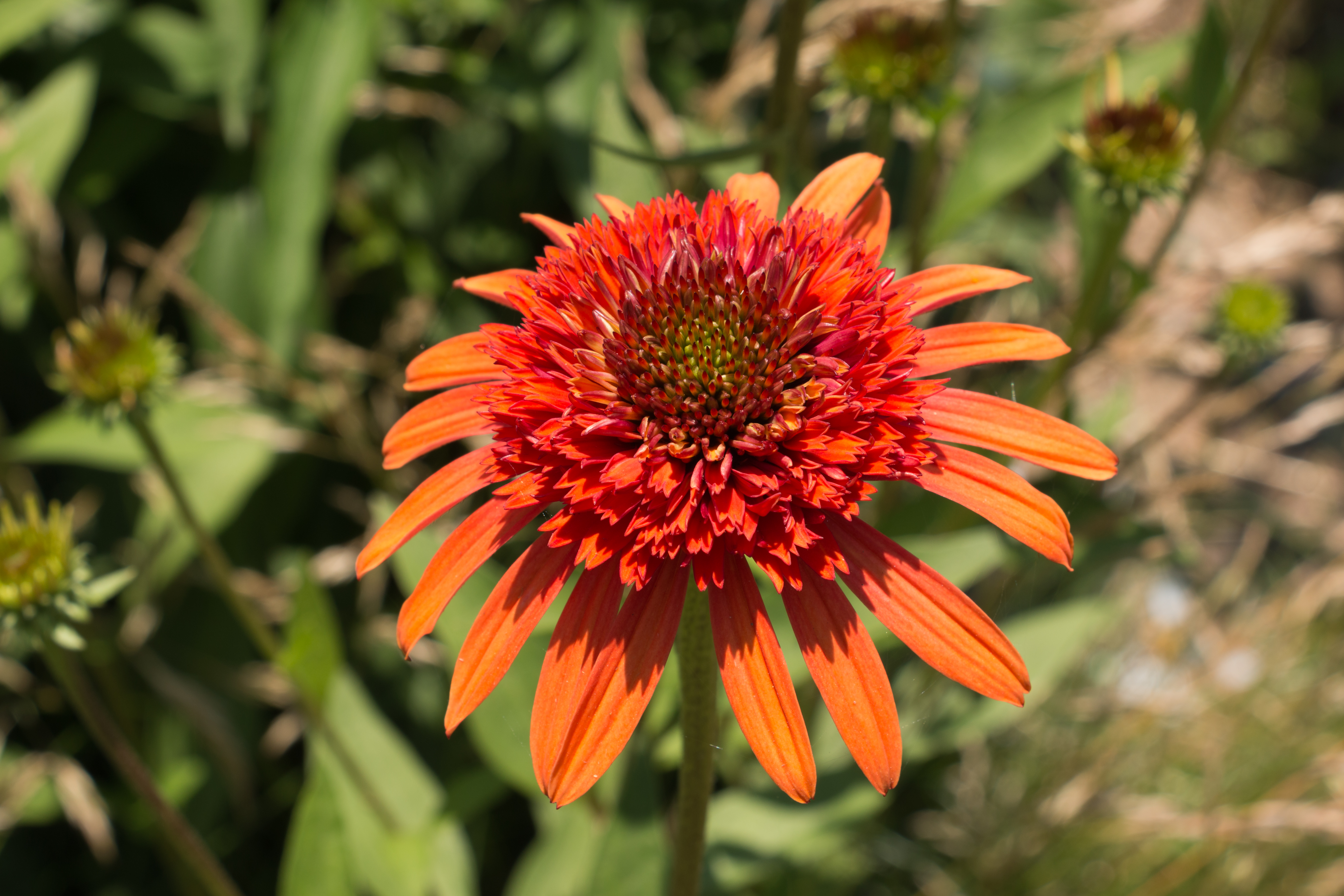
- Coneflower (Echinacea purpurea): A quintessential prairie plant, coneflowers are beloved for their daisy-like flowers with prominent central cones. While deer might occasionally sample a young plant, mature coneflowers are generally left alone due to their coarse texture. They bloom from early summer into fall and are a magnet for butterflies.
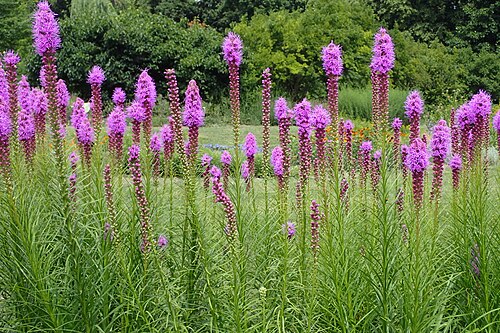
- Blazing Star (Liatris spicata): Also known as Gayfeather, Liatris produces tall, bottlebrush-like spikes of purple, pink, or white flowers that bloom from the top down. Its coarse, grassy foliage is not a favorite of deer, and its vertical form adds a unique element to the garden. It's a fantastic plant for attracting butterflies.
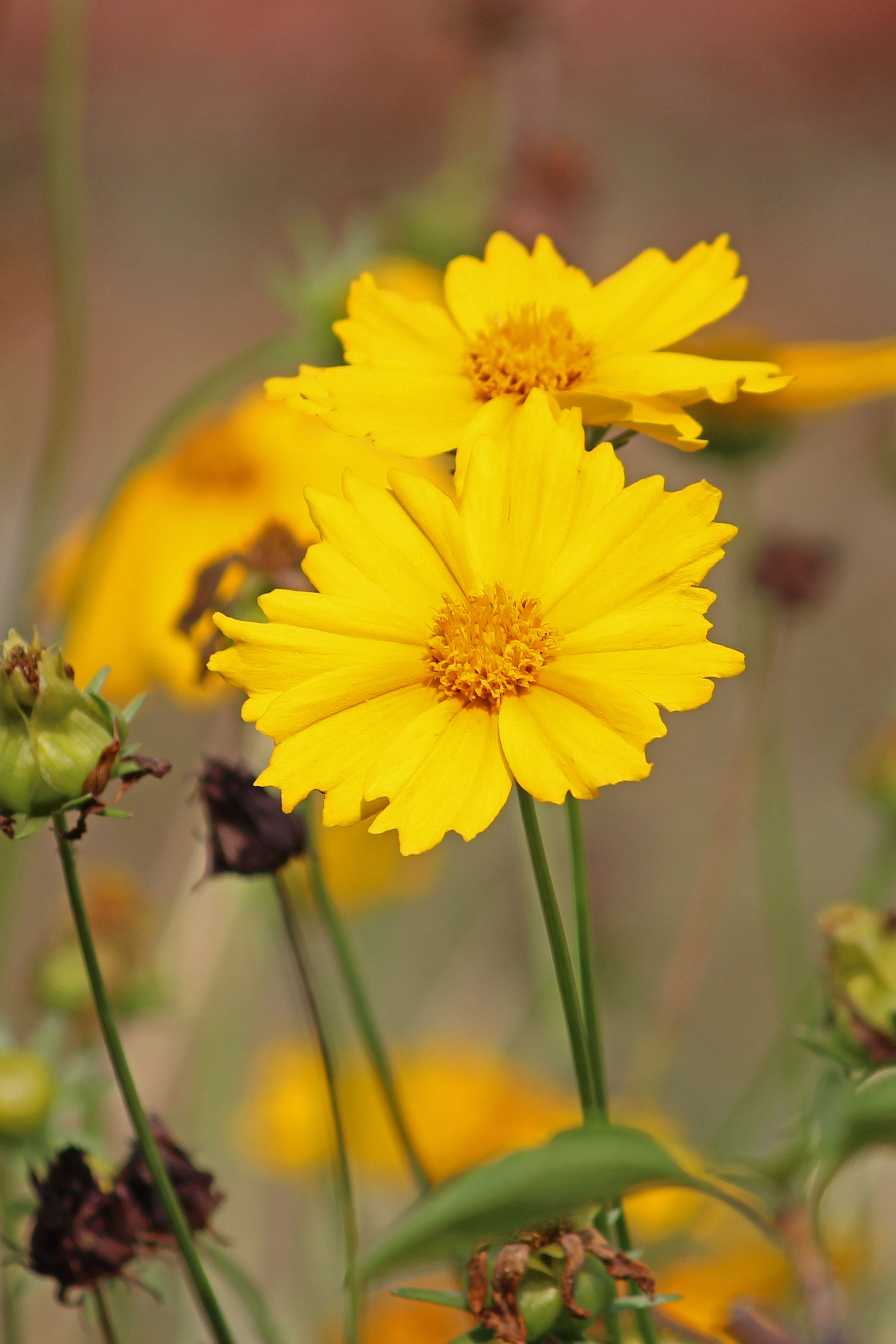
- Coreopsis (Coreopsis spp.): Often called Tickseed, coreopsis offers cheerful, daisy-like flowers, typically in shades of yellow, but also pink and red. While some varieties might be occasionally browsed, many are considered deer-resistant, especially the thread-leaf varieties. They provide continuous blooms from late spring through summer.
How Can I Create a Deer-Resistant Barrier in My Garden?
While individual plant choices are crucial, you can also employ strategies to create a more effective deer-resistant barrier around your entire garden or specific beds.
- Layering Plants: Place highly deer-resistant plants on the outer edges of your garden beds, creating a "buffer zone" for more susceptible plants deeper inside.
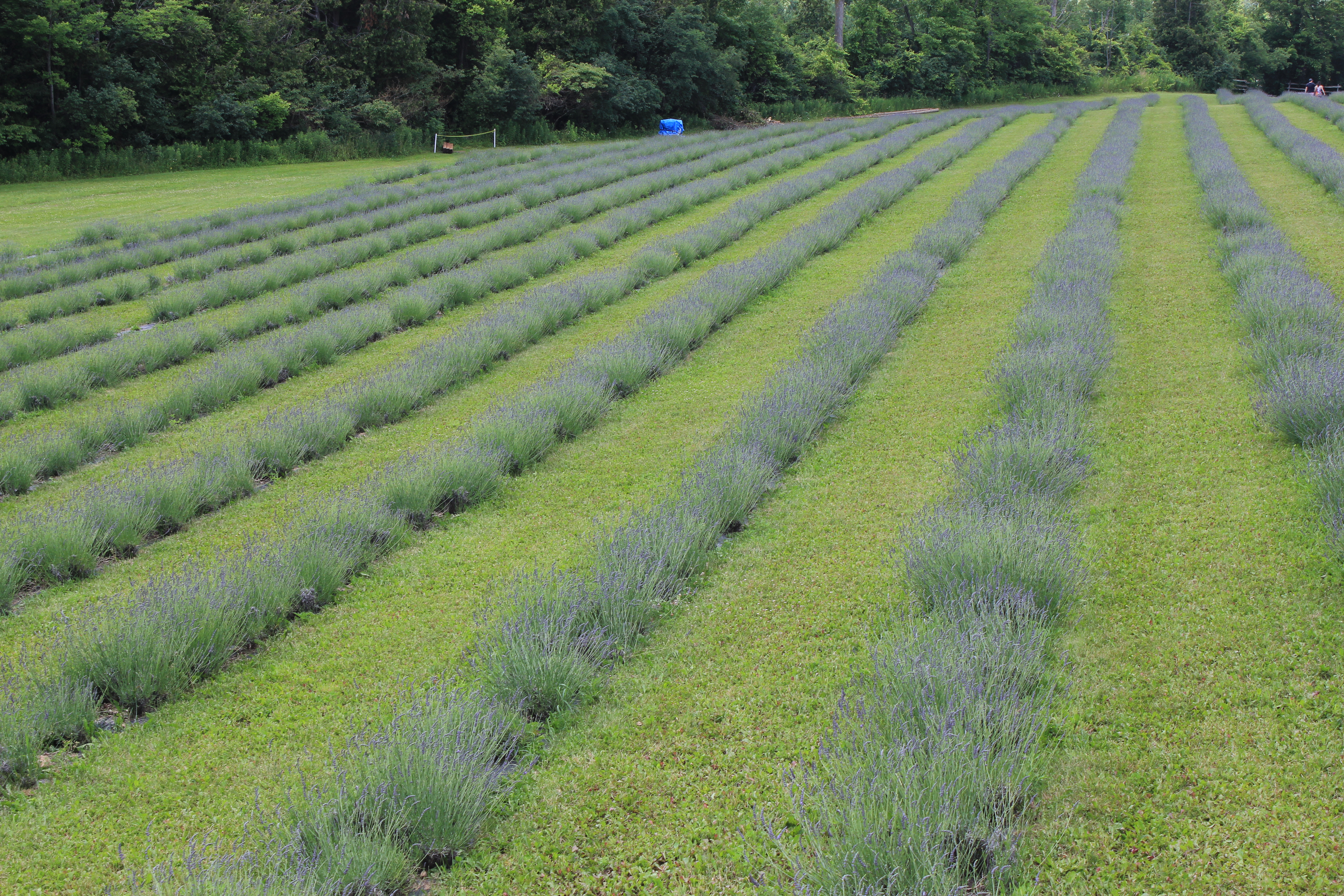
- Strategic Planting: Consider planting strong-smelling herbs like rosemary, lavender, or chives among or around plants that deer might find more palatable.
- Physical Barriers (Temporary): For new plantings or particularly vulnerable areas, consider temporary fencing or netting until plants are established.
- Repellents: Commercial deer repellents can be effective, but they often require reapplication after rain and over time. Rotate different types to prevent deer from becoming accustomed to them.
- Companion Planting: While not a foolproof method, some gardeners find success planting deer-resistant companions next to plants they want to protect.
Quick Reference: Deer-Resistant Spring Bloomers
| Plant Name | Bloom Time (Spring/Summer) | Flower Color | Key Deer-Resistant Trait | Attracts Pollinators? |
|---|---|---|---|---|
| Catmint | Late Spring - Fall | Lavender-blue | Aromatic foliage | Yes (bees, butterflies) |
| Salvia | Late Spring - Fall | Blue, purple, pink, red | Aromatic foliage | Yes (hummingbirds, bees) |
| Yarrow | Late Spring - Summer | Yellow, white, pink, red | Aromatic, feathery foliage | Yes (bees, butterflies) |
| Coneflower | Early Summer - Fall | Pink, purple, white | Coarse texture | Yes (butterflies) |
| Blazing Star | Summer | Purple, pink, white | Coarse, grassy foliage | Yes (butterflies) |
| Coreopsis | Late Spring - Summer | Yellow, pink, red | Generally unpalatable | Yes (bees, butterflies) |
Remember, no plant is truly deer-proof, but by incorporating a variety of these deer-resistant options into your garden this spring, you can significantly reduce browsing pressure and enjoy a more peaceful, beautiful landscape.
Ready to find the perfect plants for your yard? Try the PlantWise Plant Finder →