To keep a tropical hibiscus healthy through the cold months, bring it inside before nights drop below about 50 degrees F, set it in the sunniest window you have or under a grow light for 12 to 14 hours a day, and keep the room above about 55 degrees F at night. Water only when the top inch of soil is dry, feed lightly only if it keeps growing, and expect yellow leaves and dropped buds for the first few weeks. If you have no bright spot, a cool, dim semi-dormant rest at 50 to 60 degrees F also works, with the plant cut back and kept on the dry side.
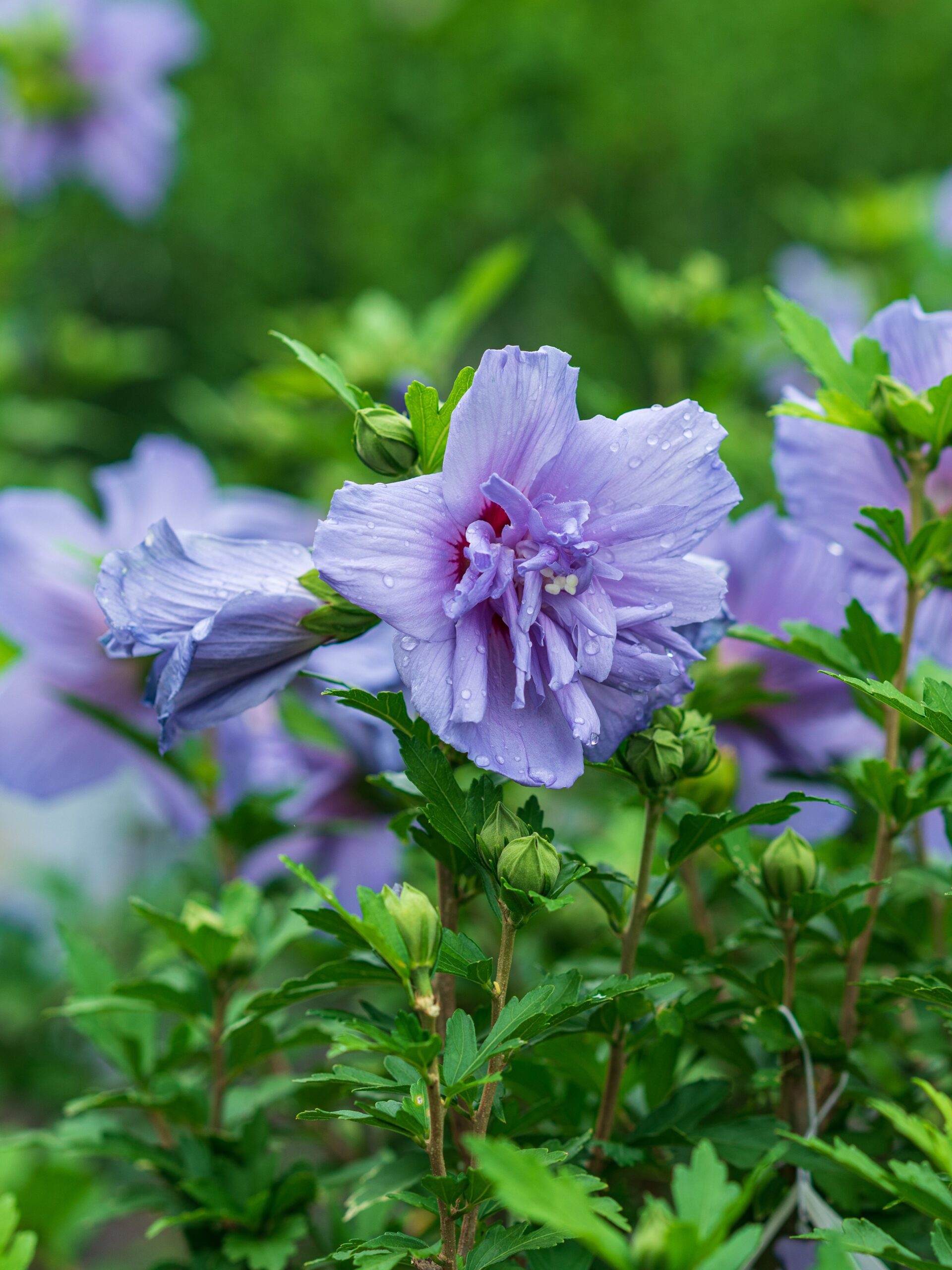
Tropical hibiscus (Hibiscus rosa-sinensis), also sold as Chinese hibiscus, is a warm climate shrub. It stays outdoors year round only in roughly zones 10 and 11, and it starts to suffer well before frost. Cold below about 50 degrees F slows it down, and a frost can kill the top growth. In most of the country it lives in a pot and spends the cold season indoors. It is a different plant from the hardy hibiscus and the shrub sold as Rose of Sharon, which go dormant outside and do not need to come in.
When to bring it in
Watch the forecast lows. Once nights start dipping into the low 50s, it is time to move the pot. Waiting for frost is too late, because cold damage shows up as leaf drop and blackened buds a week or two after the chilly night, and the plant then spends weeks recovering indoors.
Moving it in a little early also makes the change easier. The outdoor and indoor temperatures are closer, and the plant has more time to adjust to lower light before the house heat comes on.
🌱 Get Personalized Plant Picks
Answer a few quick questions and we’ll match plants to your exact yard conditions.
Find My Plants →Prepare it before it comes inside
Hibiscus is a magnet for sap feeding insects, and a warm, dry house lets them multiply fast. A little prep keeps them off the rest of your plants.
- Rinse the plant. Hose it down, aiming at the undersides of the leaves, to knock off aphids, whiteflies, and spider mites.
- Inspect the leaves and stems. Look for sticky residue, fine webbing, white cottony clumps, or tiny insects that fly up when you brush the foliage. Treat anything you find before it comes in.
- Trim lightly if it is too big. You can cut it back by up to a third to fit the space. Hibiscus blooms on new growth, so this does not cost you next season's flowers.
- Check the pot. It must drain freely. Set it on a saucer you can empty, and leave repotting until the warm season.
Our guide to bringing houseplants indoors without pests covers the inspection step in more detail.
Option 1: keep it growing in bright light
This is the route if you want leaves and the chance of a few flowers through the cold months.
- Light: a south or west window, as close to the glass as possible without leaves touching it. Hibiscus wants several hours of direct sun. If your window cannot deliver that, add a full spectrum grow light a foot or so above the plant on a timer for 12 to 14 hours a day. See our grow light basics for setup.
- Temperature: about 60 to 75 degrees F by day and no lower than about 55 degrees F at night. Keep it away from heat vents, radiators, and cold drafts by exterior doors.
- Humidity: indoor heat dries the air, and dry air brings spider mites. Group plants together, use a pebble tray, or run a humidifier nearby. Our humidifier sizing guide helps you pick the right size for the room.
- Turning: rotate the pot a quarter turn every week or two so the plant grows evenly.
Option 2: let it rest cool and dim
No bright window and no room for a light? You can hold a hibiscus in a semi-dormant state instead. Cut it back by about a third to a half, then keep it in a cool, frost free spot such as an unheated spare room, a bright basement, or an attached garage that stays around 50 to 60 degrees F. It will drop many or most of its leaves. That is expected.
Water only enough to keep the roots from drying out completely, roughly every two to four weeks, and do not feed at all. When days lengthen, move it to warmth and light, water more often, and it will push new shoots.
Shop indoor light and humidity helpers on Amazon
A full spectrum grow light for a window that is not bright enough, a soil moisture meter for checking the root zone before you water, a small humidifier for dry heated rooms, and a pebble tray to raise moisture around the leaves. We may earn a commission at no extra cost to you.
Amazon · Grow light Amazon · Moisture meter Amazon · Humidifier Amazon · Humidity tray
Watering and feeding indoors
Indoor hibiscus rots faster from too much water than it suffers from too little. Push a finger an inch into the mix, or use a soil moisture meter. Water only when that depth is dry, then water until it drains out the bottom, and empty the saucer within half an hour. In a bright, warm room that may be once or twice a week. In a cooler room it may be every ten days or longer.
Do not let it wilt hard, either. A hibiscus that goes bone dry drops its buds and leaves almost overnight.
Feed only if the plant is in good light and putting out new leaves. A diluted fertilizer made for blooming tropicals, at a quarter to half strength once a month, is plenty. Many growers favor a formula lower in phosphorus and higher in potassium for hibiscus. If the plant is resting in a cool, dim spot, skip fertilizer entirely until it starts growing again.
Common problems indoors
- Yellow leaves in the first few weeks: normal. The plant sheds leaves it cannot support in lower light. It should level off within a month. Our guide to yellow leaves on houseplants covers other causes if it does not.
- Buds dropping before they open: the most common complaint. Causes include the move itself, a cold draft, soil swinging between soaked and bone dry, or too little light. Keep conditions steady and it will set new buds once it settles.
- Steady leaf drop that does not stop: usually too little light or soil that stays wet. Add a grow light and let the pot dry more between waterings. If the stems at the soil line feel soft, see our root rot rescue guide.
- Fine webbing and speckled leaves: spider mites. Rinse the plant in the shower and see our spider mite guide.
- Sticky leaves and clusters of small insects: aphids or whiteflies. Rinse, then treat with insecticidal soap weekly. Our aphid control guide walks through it.
- White cottony clumps or brown bumps on stems: mealybugs or scale. See the mealybug and scale guide.
- Long, thin, pale shoots: not enough light. Pinch the soft tips back and improve the light.
Will it bloom indoors?
It can. A hibiscus in a sunny south window or under a strong grow light often keeps putting out a flower here and there, though far fewer than outdoors. Each bloom lasts only a day or two, which is normal. A plant resting in a cool, dim spot will not bloom until it is back in warmth and light. Either way, expect the real flush once it goes back outside.
Pets
Tropical hibiscus (Hibiscus rosa-sinensis) is not listed as toxic or safe by ASPCA or NC State. That does not mean it is safe. Check with a veterinarian. The ASPCA entry titled Hibiscus covers Hibiscus syriacus, a different species, so it does not apply to tropical hibiscus. Sweep up dropped leaves and flowers so a curious dog or cat does not chew them, and keep the pot where pets cannot dig. If you think a pet ate part of a plant, call your veterinarian or the ASPCA Animal Poison Control Center at (888) 426-4435.
Moving it back outside
Wait until nights stay above about 55 degrees F before the plant goes back out for good. Start it in bright shade for a week, then a few hours of morning sun, then full sun over another week or so. Leaves that grew indoors are soft and will scorch if they go straight into strong sun. A heavy pot is much easier to move in and out on a rolling plant caddy.
Early in the warm season is the time for the bigger jobs. Prune to shape, since flowers form on new growth. Repot into a container one size larger if roots circle the pot, using our guide on when to repot houseplants, and start regular feeding once it is growing strongly.
Shop pest, pruning and feeding supplies on Amazon
Insecticidal soap for aphids, whiteflies, and mites, yellow sticky traps for spotting flying pests early, sharp bypass pruners for cutting back before the move, and a water soluble bloom fertilizer for when new growth starts. We may earn a commission at no extra cost to you.
Amazon · Insecticidal soap Amazon · Sticky traps Amazon · Bypass pruners Amazon · Bloom fertilizer
Bottom line
Bring a tropical hibiscus inside before nights fall below about 50 degrees F. Rinse it and check for pests, then either give it the brightest spot you have plus a grow light, or let it rest cut back in a cool, dim room around 50 to 60 degrees F. Water only when the top inch is dry, feed lightly only while it is actively growing, and do not panic over early leaf and bud drop. Move it back out once nights stay above about 55 degrees F, easing it into full sun over a couple of weeks.
Related reading
- Move citrus and tropical plants indoors
- Potted olive tree indoors through the cold months
- Patio vine indoors: keep it alive in cold months
- Grow light basics for houseplants
- Humidity trays and grouping houseplants
Ready to match plants to your location? Try the PlantWise Plant Finder →