FTC Disclosure: This post contains affiliate links. As an Amazon Associate, we earn from qualifying purchases at no additional cost to you.
If you’re wondering what plants attract butterflies in Zone 7, the answer lies in selecting native and nectar-rich flowers that bloom throughout the growing season. Butterflies like monarchs, swallowtails, and painted ladies are drawn to a combination of nectar plants for feeding and host plants for laying eggs. Key choices include milkweed, coneflowers, bee balm, and native asters, all well-suited to the temperate climate of USDA Zone 7. By planting a diverse butterfly garden with these species, you can enjoy vibrant pollinator activity in your yard from spring through fall.
Why Planting for Butterflies in Zone 7 Matters
Butterflies are not just beautiful garden visitors—they’re vital pollinators that support biodiversity and healthy ecosystems. Zone 7, with its moderate winters and warm summers, provides an excellent environment for a wide range of butterfly species. Creating a garden that attracts butterflies supports their life cycles by providing both nectar for adults and host plants for their caterpillars.
To attract butterflies successfully, you need to provide:
- Nectar plants for adult butterflies to feed on.
- Host plants where butterflies lay eggs and caterpillars can develop.
- Sunlight and shelter, since butterflies are cold-blooded and need warmth.
- Water sources, such as shallow puddles or damp sand, for drinking and mineral intake.
🌱 Get Personalized Plant Picks
Answer a few quick questions and we’ll match plants to your exact yard conditions.
Find My Plants →Best Nectar Plants to Attract Butterflies in Zone 7
Nectar plants should be rich in sugary nectar and bloom at different times to provide a continuous food source. Here are some of the top nectar plants that thrive in Zone 7 and are favored by butterflies.
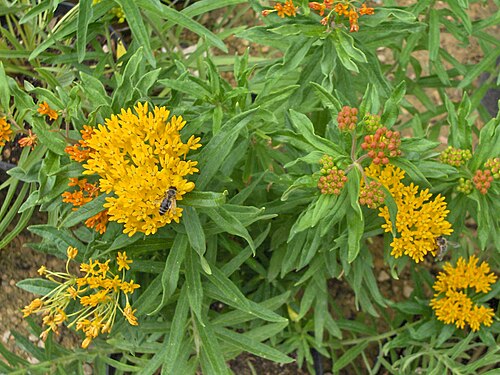
1. Butterfly Weed (Asclepias tuberosa)
Butterfly weed is a native milkweed that produces bright orange clusters of flowers. It’s a magnet for monarch butterflies, providing both nectar and a host plant for monarch caterpillars. Its deep roots make it drought tolerant and ideal for Zone 7 gardens.
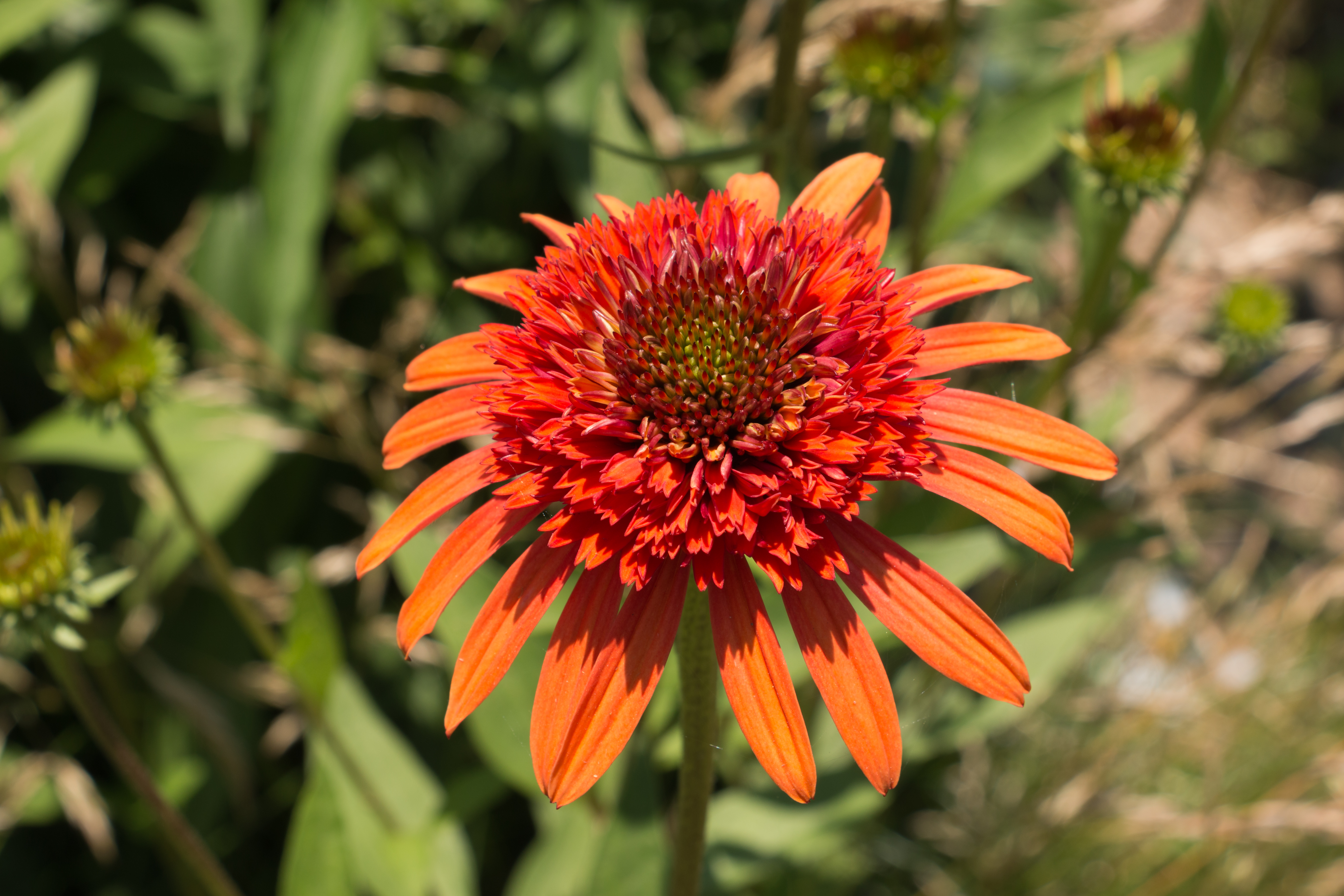
2. Purple Coneflower (Echinacea purpurea)
Purple coneflowers are hardy perennials with large, daisy-like flowers that bloom mid to late summer. Their nectar attracts swallowtails, painted ladies, and many other butterfly species. They also add vibrant color to the garden.
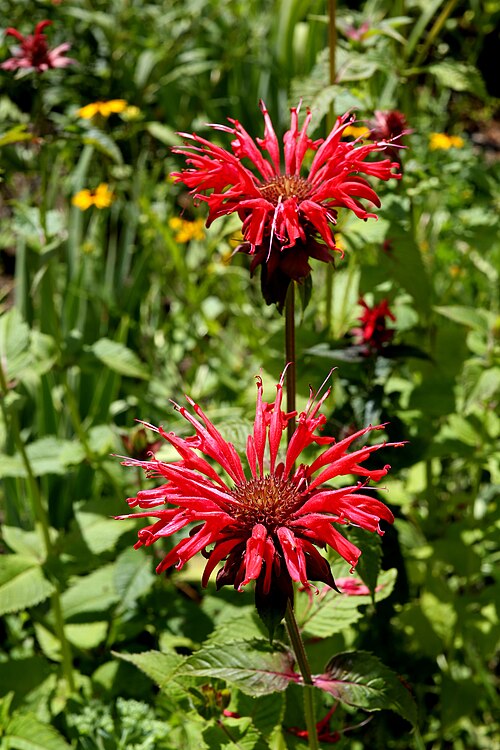
3. Bee Balm (Monarda didyma)
Bee balm offers tubular red, pink, or purple flowers that are highly attractive to butterflies and hummingbirds alike. It thrives in Zone 7 and prefers moist, well-drained soil. Besides nectar, it contributes to a pollinator-friendly habitat.
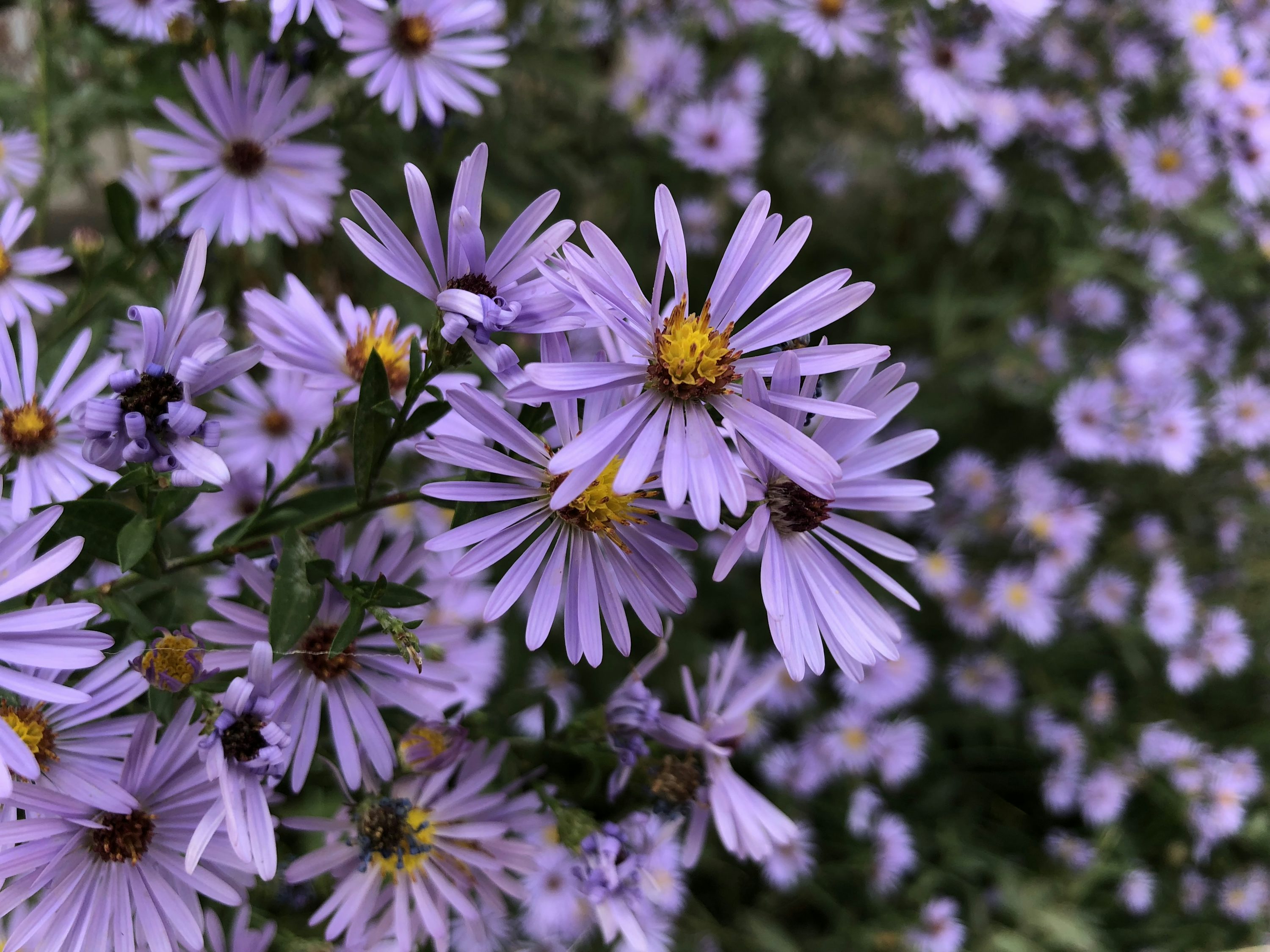
4. New England Aster (Symphyotrichum novae-angliae)
Blooming in late summer to fall, New England asters provide nectar when many other flowers have faded. Their purple flowers attract migrating butterflies, including monarchs, making them a crucial late-season nectar source.
Essential Host Plants for Butterfly Larvae
Butterflies lay their eggs on specific host plants that caterpillars will eat. Including these plants in your Zone 7 garden ensures the full life cycle of butterflies can occur.
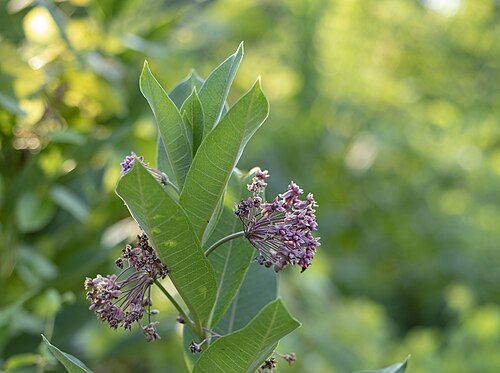
Milkweed Species (Asclepias spp.)
Monarch caterpillars exclusively feed on milkweed leaves. Planting multiple milkweed species like common milkweed or swamp milkweed increases the chances of supporting monarch populations.
Fennel (Foeniculum vulgare)
Fennel is a host plant for swallowtail butterflies. Its feathery foliage provides food for caterpillars, and its yellow flowers also offer nectar for adults.
Passion Vine (Passiflora incarnata)
Passion vine is the host plant for the gulf fritillary butterfly and some other species. It grows well in Zone 7 and produces striking flowers and edible fruit.
How to Design a Butterfly Garden in Zone 7
To maximize butterfly visits in your Zone 7 garden, follow these tips:
- Plant in sunny locations: Butterflies need at least 6 hours of sun to stay warm and active.
- Group plants in clusters: Large groupings of the same flower type attract more butterflies than scattered individual plants.
- Provide shelter: Include shrubs or trees to protect butterflies from wind and predators.
- Avoid pesticides: Chemical use can harm butterflies and caterpillars.
- Add water sources: A shallow dish with wet sand or mud puddles provides essential minerals.
Wildlife Resistance and Pet Safety
While these plants are excellent for attracting butterflies, be aware that no plant is completely deer- or rabbit-resistant in all situations. Also, many butterfly-attracting plants, such as milkweed, are not listed as toxic but should still be monitored around pets. If your pets ingest any garden plants and show signs of distress, contact the ASPCA Animal Poison Control Hotline at 888-426-4435 immediately for guidance.
Conclusion: What Plants Attract Butterflies in Zone 7?
In summary, to attract butterflies in Zone 7, focus on planting native nectar plants like butterfly weed, purple coneflower, bee balm, and New England asters, along with essential host plants such as milkweed, fennel, and passion vine. This combination supports the entire butterfly life cycle and brings beautiful pollinators to your garden throughout the growing season. Remember to provide sunny spots, group plants, and avoid pesticides to create a welcoming butterfly habitat.
Start building your butterfly garden today by exploring more plant options and customizing your selections with the Plant Finder wizard at /wizard.
Swamp Milkweed
Fennel
Passion Vine
Swamp Milkweed
Coneflower