FTC Disclosure: This post contains affiliate links. As an Amazon Associate, PlantWise may earn from qualifying purchases.
If you're wondering what plants attract hummingbirds in Zone 7, the answer lies in choosing native and nectar-rich flowers that bloom throughout the hummingbirds' active seasons. Ruby-throated hummingbirds, the primary species in Zone 7, are drawn to tubular, brightly colored blooms in red, orange, pink, and purple hues. By planting a variety of nectar-producing plants like trumpet creeper, bee balm, columbine, and cardinal flower, you can enjoy these dazzling pollinators from spring migration through fall right in your garden.
Understanding Hummingbirds in Zone 7
Zone 7, which includes parts of the Mid-Atlantic and Southeastern U.S., experiences moderate winters and warm summers. This climate supports a rich diversity of native plants that bloom at different times, providing an extended nectar source for ruby-throated hummingbirds. These tiny birds require abundant energy and are attracted to flowers with high nectar content and shapes suited to their long, slender bills.
To create a hummingbird-friendly garden in Zone 7, focus on plants that flower at various times, offer ample nectar, and bloom in colors hummingbirds favor. Red is particularly attractive to hummingbirds, but they also visit flowers in orange, pink, and purple shades.
🌱 Get Personalized Plant Picks
Answer a few quick questions and we’ll match plants to your exact yard conditions.
Find My Plants →Top Plants to Attract Hummingbirds in Zone 7
Trumpet Creeper (Campsis radicans)
Trumpet Creeper
Trumpet creeper is a vigorous, fast-growing vine that produces clusters of bright orange-red trumpet-shaped flowers from mid-summer to early fall. Its long tubular flowers are perfect for ruby-throated hummingbirds, making it one of the most reliable hummingbird magnets. This native plant thrives in full sun and well-drained soil and can cover fences, trellises, and arbors, adding vertical interest to your garden.
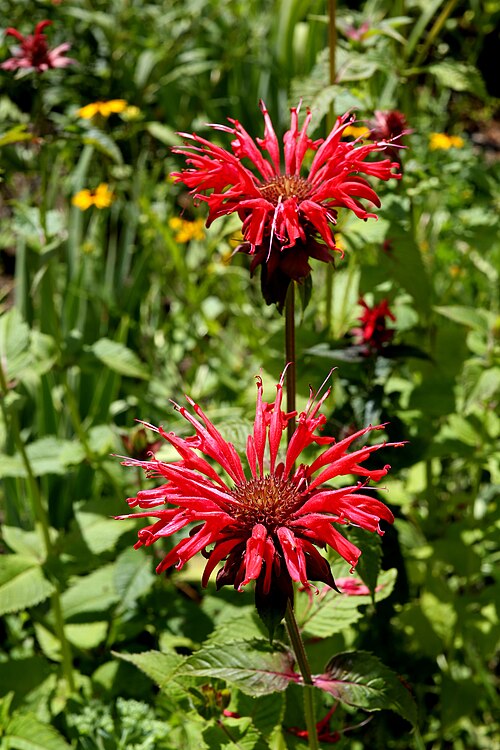
Bee Balm (Monarda didyma)
Bee balm is a favorite among hummingbirds and pollinators alike. With its shaggy red, pink, or purple flowers blooming mid to late summer, it provides nectar when many other plants start to fade. Bee balm prefers moist, well-drained soil and full sun to partial shade. Beyond attracting hummingbirds, its aromatic foliage also helps repel some garden pests.
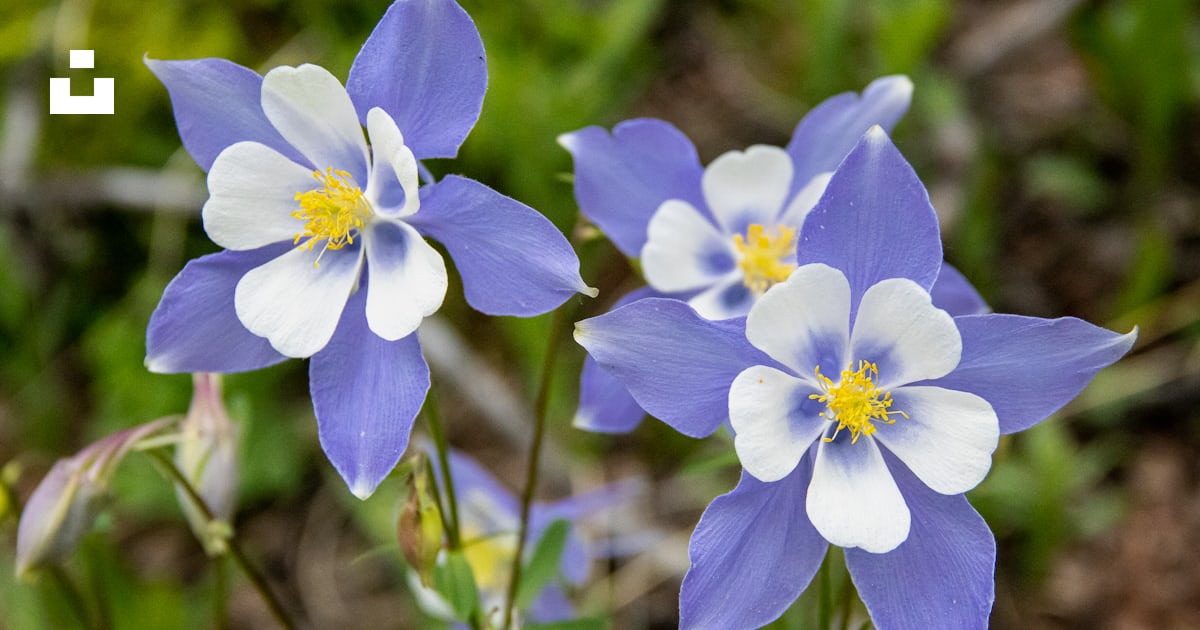
Columbine (Aquilegia canadensis)
Columbine is an early bloomer, making it ideal for attracting hummingbirds during their spring migration through Zone 7. The red and yellow tubular flowers bloom in late spring and provide an important nectar source when hummingbirds first arrive. Columbine grows well in partial shade and is tolerant of various soil types, making it a versatile addition to woodland or shaded gardens.
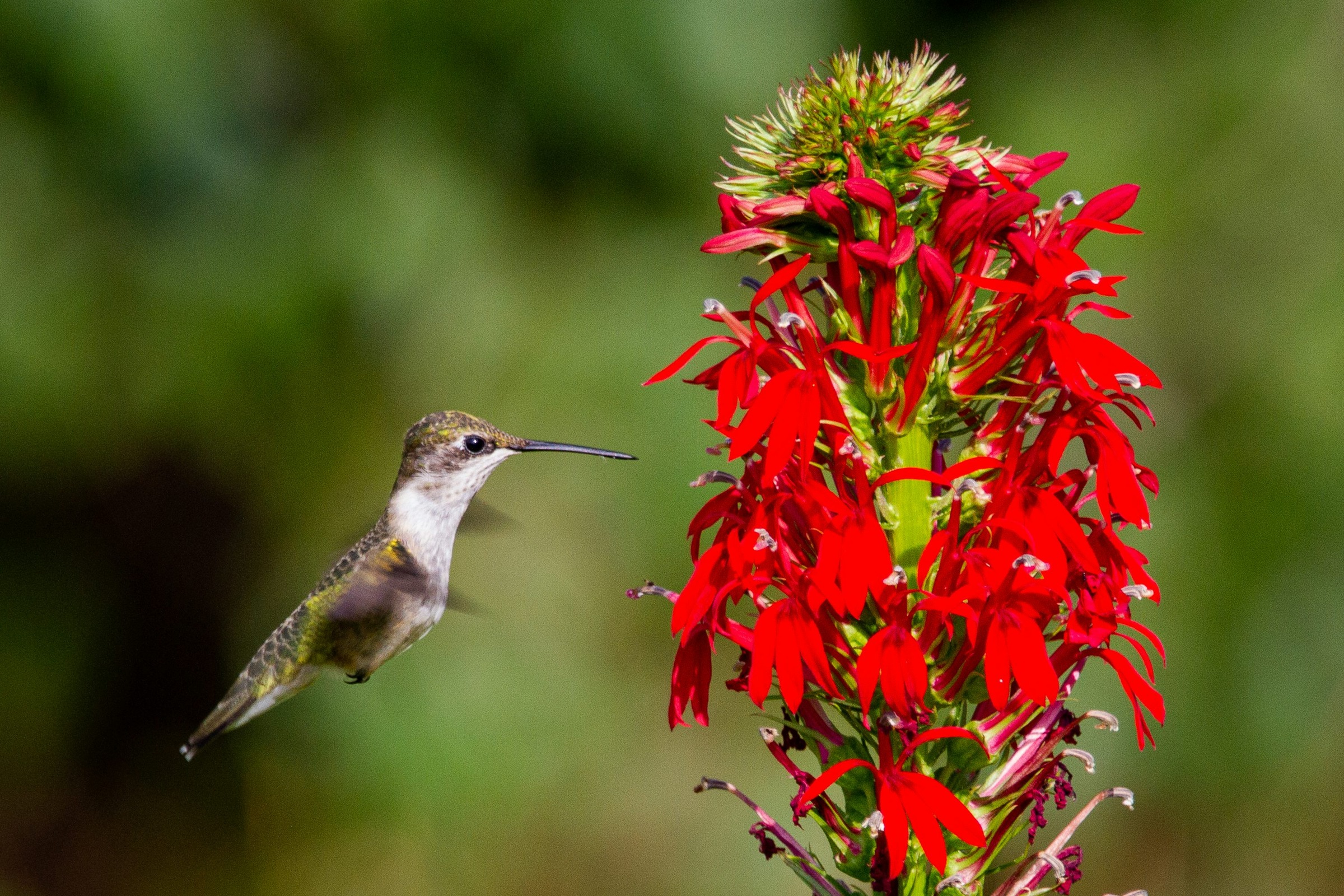
Cardinal Flower (Lobelia cardinalis)
Known for its striking scarlet spikes, cardinal flower is a hummingbird magnet from mid to late summer. This native perennial prefers moist to wet soil and partial shade but can also tolerate full sun if adequately watered. Its bright color and nectar-rich flowers attract ruby-throated hummingbirds in large numbers, often making it a centerpiece plant for pollinator gardens.
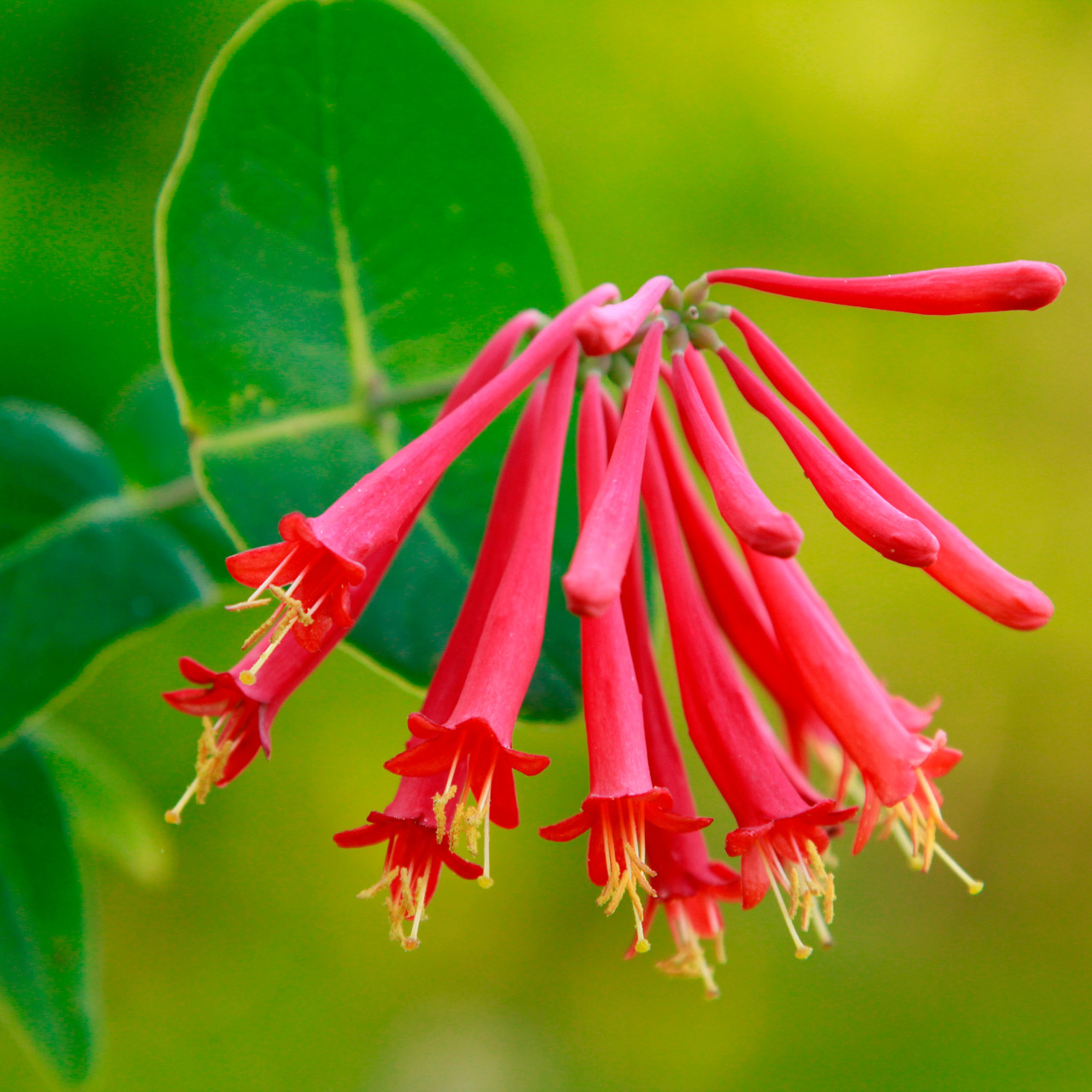
Coral Honeysuckle (Lonicera sempervirens)
Coral honeysuckle is a twining vine with tubular coral-red flowers that bloom from late spring to early fall. Unlike invasive Japanese honeysuckle, coral honeysuckle is native and supports local ecosystems, including hummingbirds. It grows well in sun or part shade and can be trained over fences or arbors to create hummingbird-friendly vertical accents.
Additional Tips for Attracting Hummingbirds in Zone 7
Provide Continuous Bloom
Since hummingbirds migrate through Zone 7 and stay throughout the growing season, aim to plant a succession of flowers that bloom from early spring to late fall. Early bloomers like columbine give them energy during migration, while summer bloomers like bee balm and cardinal flower sustain them through nesting and raising young.
Incorporate Native Plants
Native plants are adapted to local climates and soils, requiring less maintenance while offering nectar tailored to native pollinators. The plants listed above are native or well-adapted to Zone 7 and support hummingbird populations effectively.
Avoid Pesticides
Pesticides can harm hummingbirds directly or reduce the insect populations they also feed on. Opt for organic gardening practices to ensure a safe environment for these delicate birds.
Add Water Sources
Hummingbirds enjoy shallow water features such as misters or drippers for bathing and drinking. Adding a birdbath with moving water can enhance your garden's appeal.
Use Feeders as Supplements
While feeders can supplement nectar availability, they should not replace flowers. Clean feeders regularly with a 1:4 ratio of white vinegar to water to prevent mold and bacteria growth. Avoid red dye in nectar; plain white sugar water (1 part sugar to 4 parts water) is best.
Pet Safety and Wildlife Resistance Notes
Many hummingbird-attracting plants are not listed as toxic to pets; however, always monitor pets around new plants to prevent ingestion. If your household includes curious dogs or cats, consult the ASPCA Animal Poison Control Center at 888-426-4435 for specific plant safety questions.
While the plants listed attract hummingbirds, they might also be browsed by deer, rabbits, or groundhogs. No plant is completely resistant to wildlife, so consider protective measures like fencing or repellents if you have persistent herbivore issues.
Conclusion
Knowing what plants attract hummingbirds in Zone 7 empowers you to design a vibrant, thriving garden that supports these enchanting pollinators throughout their seasonal visits. By incorporating native, nectar-rich plants like trumpet creeper, bee balm, columbine, cardinal flower, and coral honeysuckle, you’ll create a welcoming habitat that delights both birds and gardeners alike.
Ready to find the perfect hummingbird-friendly plants for your specific garden? Try our Plant Finder wizard at /wizard to discover tailored recommendations based on your location, garden conditions, and preferences.
Remember, attracting hummingbirds is not just about beauty—it's about fostering biodiversity and supporting vital pollinators in your local ecosystem.
Happy gardening!
Trumpet Creeper
Bee Balm
Columbine
Cardinal Flower
Honeysuckle