FTC Disclosure: This post contains affiliate links. As an Amazon Associate, we earn from qualifying purchases.
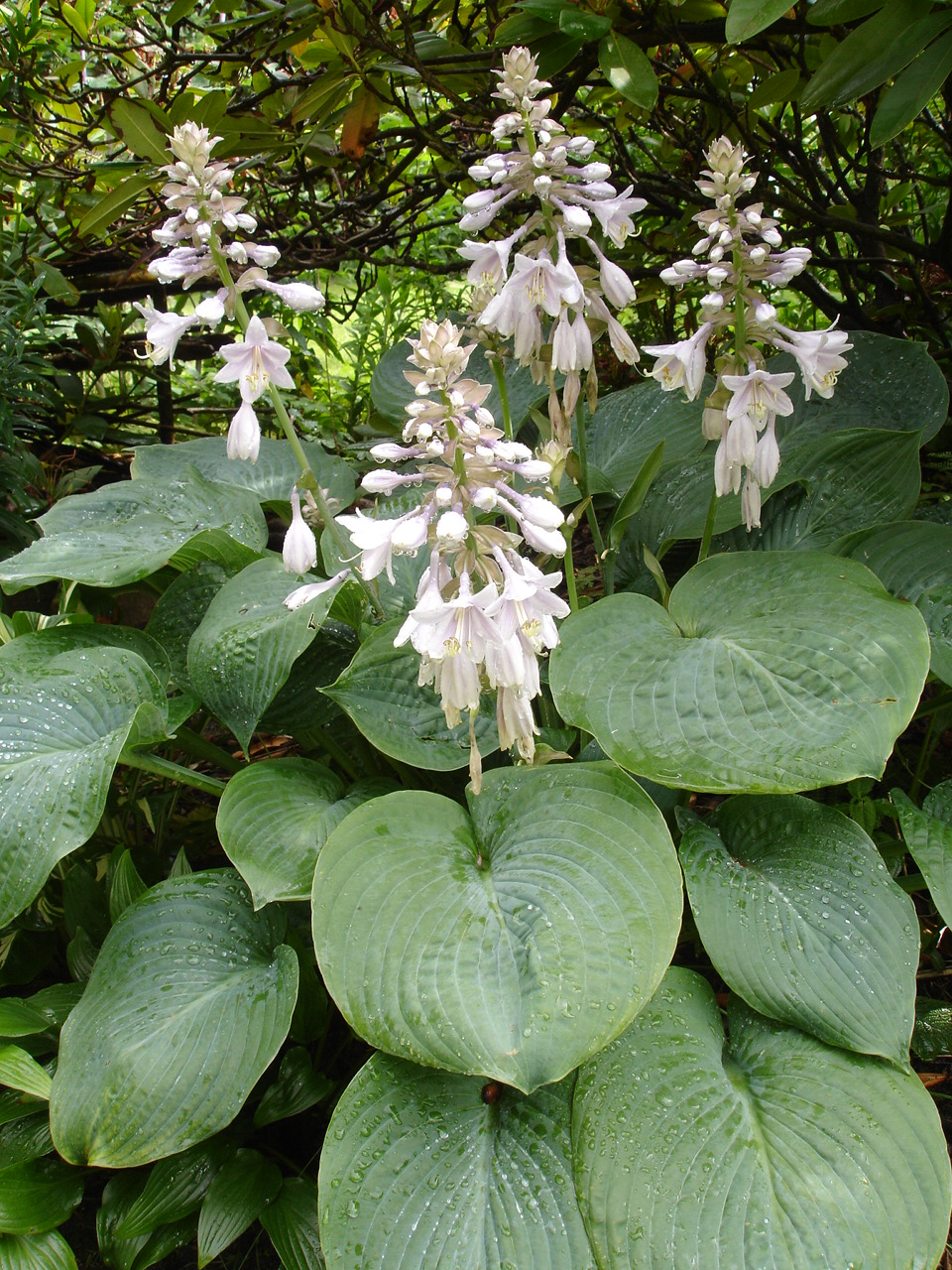
If you’re wondering why deer eat your hostas, the answer is simple: hostas are a favorite food of deer because they are tender, lush, and easy to digest. When deer populations are high or natural food sources are scarce, they will eagerly munch on hosta leaves, often leaving your garden looking ravaged. Fortunately, there are several attractive, deer-resistant alternatives to hostas that can provide similar texture and appeal without becoming a deer buffet.
The ASPCA Animal Poison Control hotline is available at 888-426-4435 for any pet safety concerns related to plants.
Wildlife resistance varies by region and individual animal preferences; no plant is completely deer-, rabbit-, or groundhog-proof.
Why Deer Eat Hostas: Understanding the Problem
Hostas are a staple in shade gardens because of their lush foliage and variety of shapes and sizes. Unfortunately, these same qualities make them especially appealing to deer. Hostas have high water content and tender leaves that deer find delicious, especially during early spring when green growth is limited. Deer are opportunistic feeders and will seek out plants that provide the most nutrition with the least effort, which is why your hostas often become their first choice.
Deer damage is not only unsightly but can also stress the plants, making them more susceptible to disease and reducing their vigor. Understanding why deer favor hostas can help you make informed decisions about protecting your garden or choosing more deer-resistant plants.
Shop hosta alternatives and deer tools on Amazon
Alumroot foliage plugs plus spray for leftover browse pressure. We may earn a commission at no extra cost to you.
Amazon · Alumroot foliage plugs Amazon · Deer repellent spray
* Prefer live alumroot plugs over seed packets. Reapply spray after rain per label.
🌱 Get Personalized Plant Picks
Answer a few quick questions and we’ll match plants to your exact yard conditions.
Find My Plants →Factors That Make Hostas a Deer Target
- Tenderness: Hostas have soft leaves that are easy for deer to chew.
- Taste: They have a mild, palatable flavor that appeals to deer.
- Accessibility: Being low-growing plants, hostas are easy for deer to reach.
- Seasonal Scarcity: In early spring or late fall, when other food is scarce, deer turn to hostas.
Eight Deer-Resistant Alternatives to Hostas
If you’d prefer to avoid the battle with deer altogether, consider planting these attractive alternatives that are less appealing to deer but still provide the lush, textured look that hostas are known for.
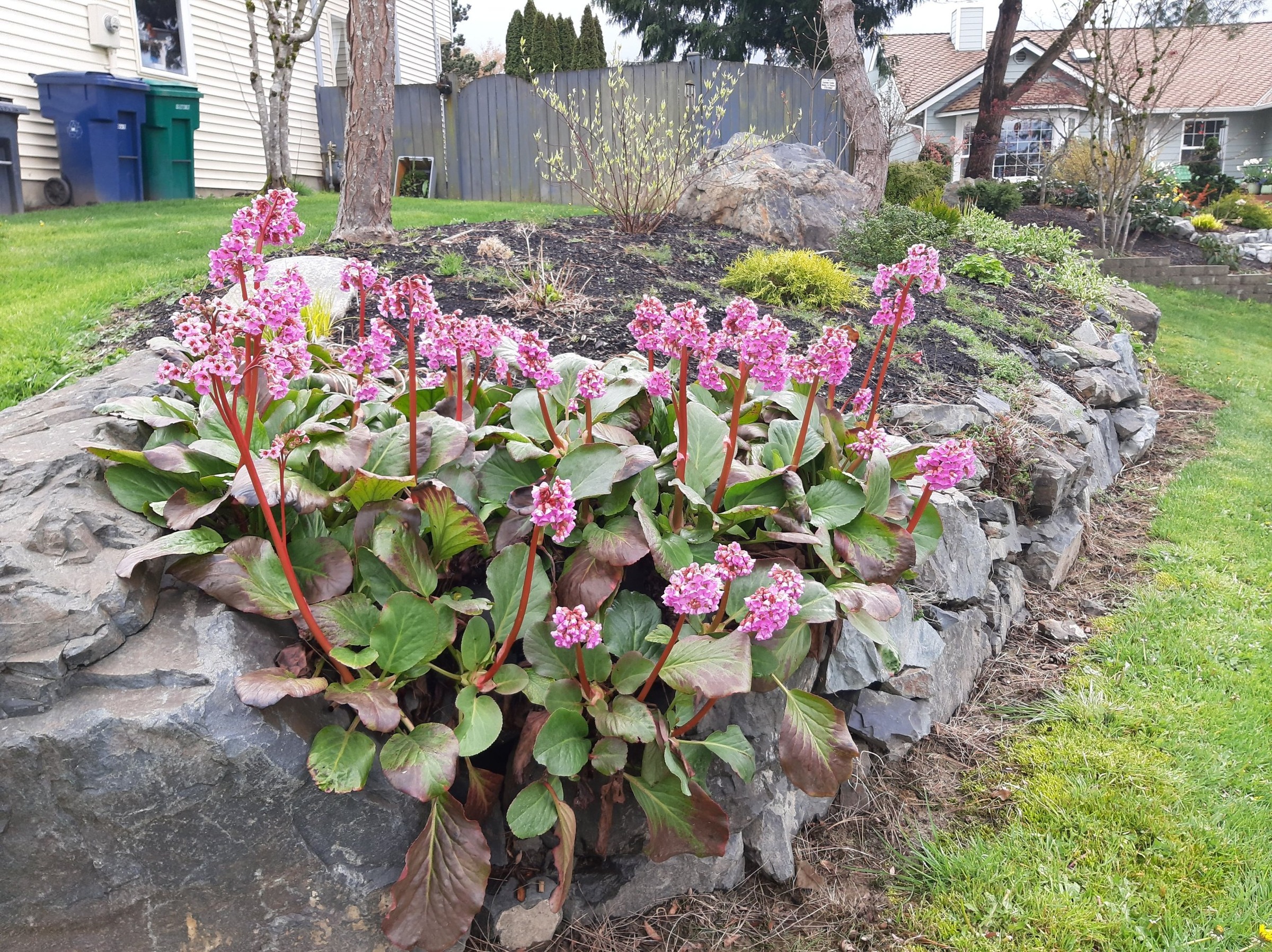
1. Bergenia
Also known as “elephant’s ears,” Bergenia features large, leathery leaves that deer tend to avoid due to their tough texture and somewhat bitter taste. Bergenia thrives in shade to partial sun and offers bright pink blooms in spring.
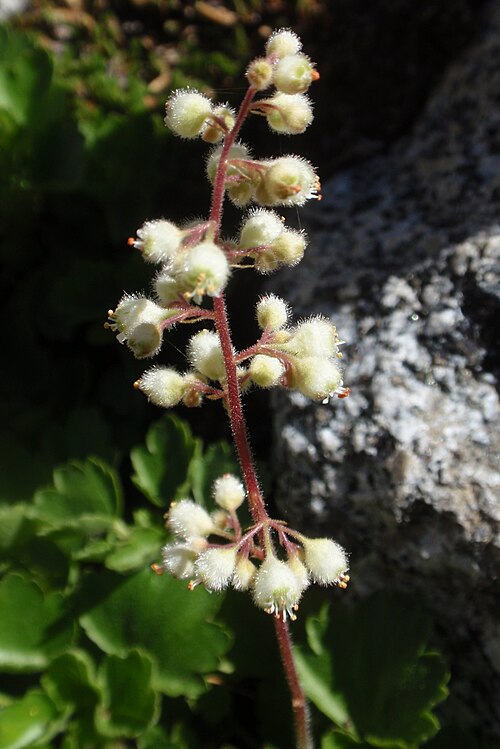
2. Coral Bells
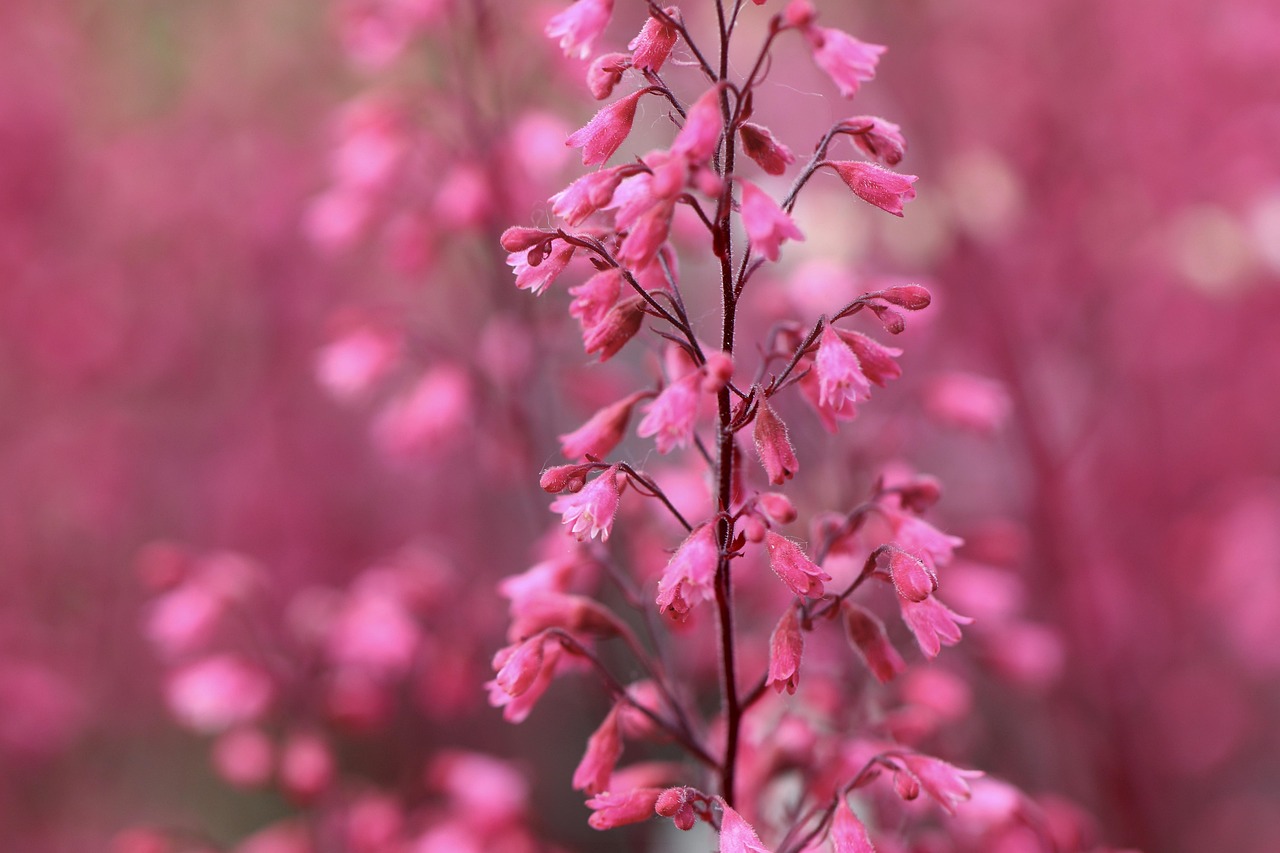
Coral bells (Heuchera) have textured, often colorful foliage ranging from deep purples to lime greens. Their foliage is less palatable to deer, and they add vibrant color where hostas would normally be planted.
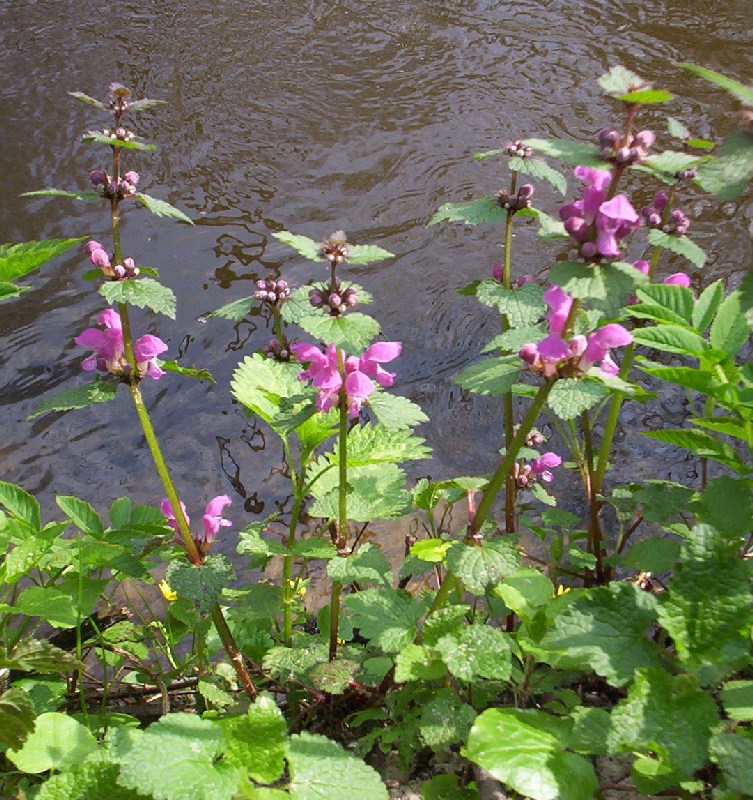
3. Lamium
Lamium, or deadnettle, is a low-growing groundcover with silver-variegated leaves and delicate flowers. Its fuzzy leaves deter deer, and it’s perfect for shady spots where you want to suppress weeds.
4. Asplenium Nidus
The bird’s nest fern has broad, glossy, and somewhat leathery leaves that deer typically avoid. This fern thrives in shaded, humid environments, mimicking the lush texture of hostas without attracting deer.
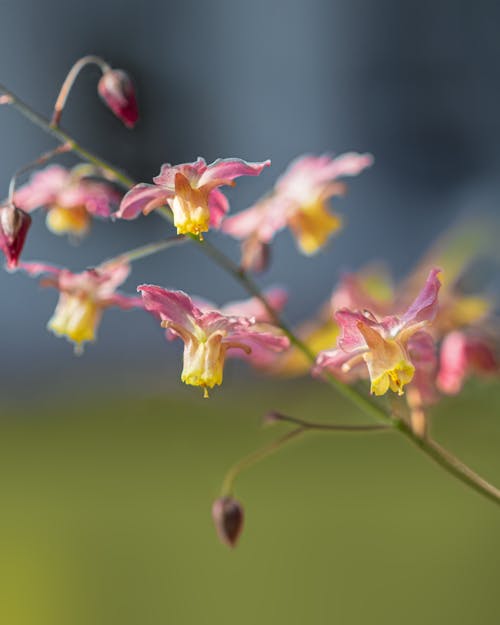
5. Epimedium
Barrenwort (Epimedium) is a tough, drought-tolerant perennial with heart-shaped leaves and delicate flowers. It grows well in shade and tends to be deer-resistant due to its bitter-tasting foliage.
Tips for Protecting Hostas from Deer
If you love hostas and don’t want to replace them, consider some of these strategies to protect them from deer:
- Physical Barriers: Use fencing or netting around your garden beds.
- Repellents: Commercial deer repellents can be effective but require frequent reapplication.
- Planting Strategy: Mix deer-resistant plants among hostas to reduce deer interest.
- Motion Deterrents: Devices like motion-activated sprinklers or lights can scare deer away.
Are Hostas Safe for Pets?
Hostas are listed as not toxic to dogs and cats by the ASPCA; however, ingestion can cause mild gastrointestinal upset. Always monitor pets around any plants and contact the ASPCA Animal Poison Control hotline at 888-426-4435 if your pet shows signs of illness after plant ingestion.
Conclusion
Why do deer eat hostas? Because hostas are tender, tasty, and easy to reach. While deer love them, that doesn’t mean you have to give up on a beautiful shade garden. Consider deer-resistant alternatives like Bergenia, Heuchera, Lamium, Bird’s Nest Fern, and Epimedium for equally attractive foliage without the constant threat of deer damage. If you want to keep your hostas, use physical barriers and repellents to protect your plants.
Looking for the perfect plants for your garden? Try the Plant Finder wizard at /wizard to discover more deer-resistant options tailored to your preferences and growing conditions.
Bergenia
Coral Bells
Lamium
Asplenium Nidus
Epimedium