Zoysia Grass: Complete Pros, Cons, and Zone Guide
Zoysia grass is a popular warm-season turfgrass known for its exceptional drought tolerance, dense growth, and ability to create a beautiful, carpet-like lawn. While it offers numerous benefits, including low water needs and excellent weed suppression once established, it also has drawbacks such as a long dormancy period where it turns brown, slow establishment, and a need for specific growing conditions. Understanding its pros, cons, and ideal growing zones is crucial for deciding if Zoysia is the right choice for your landscape.
🌱 Get Personalized Plant Picks
Answer a few quick questions and we’ll match plants to your exact yard conditions.
Find My Plants →What are the main advantages of choosing Zoysia grass for your lawn?
Zoysia grass boasts an impressive list of benefits that make it a top contender for many homeowners, especially in warmer climates. Its unique characteristics contribute to a low-maintenance, attractive lawn once established.
Exceptional Drought Tolerance: This is perhaps Zoysia's most celebrated feature. Once established, its deep root system allows it to tap into deeper soil moisture, making it incredibly resilient during dry spells. This means less frequent watering compared to many other turfgrasses, leading to significant water savings and a greener lawn even when water restrictions are in place.
Dense, Weed-Resistant Growth: Zoysia grass grows very densely, forming a thick, lush carpet that naturally chokes out most weeds. This reduces the need for herbicides and makes your lawn look consistently tidy and uniform. Its vigorous lateral growth habit, through stolons and rhizomes, creates a strong, interwoven mat.
Low Mowing Requirements: Due to its slow growth rate, Zoysia grass doesn't need to be mowed as frequently as faster-growing grasses like fescue or ryegrass. This saves you time and effort, and extends the life of your lawnmower.
Good Traffic Tolerance: Its dense growth and robust structure make Zoysia grass quite tolerant of foot traffic. It recovers well from compaction and wear, making it a good choice for active families or areas that see moderate use.
Salt Tolerance: Zoysia exhibits good tolerance to salt, which can be beneficial for coastal properties or areas where de-icing salts are used on nearby sidewalks and driveways.
Pest and Disease Resistance: While not entirely immune, Zoysia grass generally shows good resistance to many common lawn pests and diseases, reducing the need for chemical treatments.
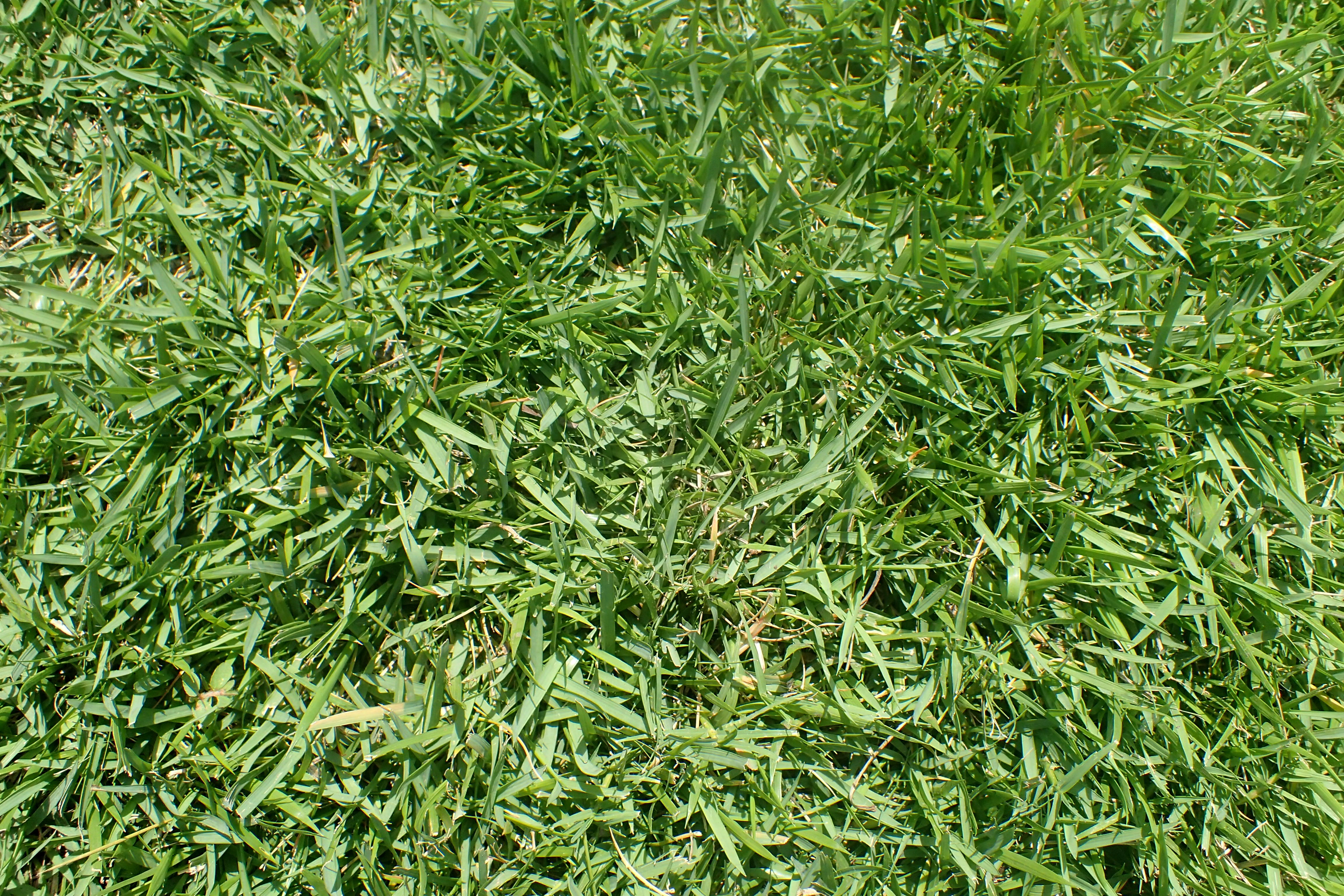
Beautiful Appearance: When healthy and green, Zoysia produces a fine-textured, soft, and uniform lawn that is often described as feeling like a carpet. Its vibrant green color is very appealing.
What are the primary challenges and disadvantages of Zoysia grass?
While Zoysia offers many benefits, it's not without its drawbacks. Being aware of these can help you make an informed decision and manage expectations.
Slow Establishment: Zoysia grass is notoriously slow to establish from seed, plugs, or sod. It can take one to three years to fully fill in and create a dense lawn, especially from plugs. This requires patience and careful management during the initial growth phase. This slowness can also make it difficult to repair bare spots quickly.
Long Dormancy Period: As a warm-season grass, Zoysia goes dormant and turns a straw-like brown color once soil temperatures drop in the fall. It remains brown throughout the winter and doesn't green up again until spring. This prolonged period of dormancy can be a significant aesthetic drawback for those who prefer a green lawn year-round. The exact duration of dormancy depends on your climate.
Thatch Buildup: Zoysia's dense growth habit, while great for weed suppression, can lead to significant thatch buildup over time. Thatch is a layer of dead and living organic matter that accumulates between the soil surface and the green vegetation. Excessive thatch can prevent water, air, and nutrients from reaching the soil, harbor pests and diseases, and make the lawn feel spongy. Regular dethatching or aeration may be necessary.
Can Be Invasive: Zoysia spreads aggressively through stolons and rhizomes. While this is great for filling in a lawn, it means it can easily creep into flower beds, sidewalks, and other areas where it's not wanted. Edging and regular maintenance are required to keep it contained.
Requires Specific Mowing: While it doesn't need frequent mowing, Zoysia grass does require a sharp mower blade and a specific mowing height (typically 1-2 inches) to maintain its health and appearance. Mowing too high can lead to a "scalped" look, and too low can stress the grass.
Cost: Establishing a Zoysia lawn can sometimes be more expensive upfront, especially if you're using sod or plugs, due to the material cost and labor involved in its slow establishment.
Where does Zoysia grass grow best: What are its ideal growing zones?
Zoysia grass is a warm-season turfgrass, meaning it thrives in hot temperatures and goes dormant in cooler weather. Its ideal growing range is primarily dictated by its ability to withstand both heat and cold.
USDA Hardiness Zones: Zoysia grass performs best in USDA Hardiness Zones 6 through 11.
- Zones 6-7: In these transitional zones, Zoysia will experience a longer dormancy period, turning brown earlier in the fall and greening up later in the spring. However, it can still be a viable option, especially in areas that experience hot summers. Winter protection might be considered in the colder parts of Zone 6.
- Zones 8-11: These are the sweet spots for Zoysia grass. It will green up earlier, stay green longer, and thrive during the long, hot summers characteristic of these regions. Its drought tolerance is a major asset here.
Climate Considerations:
- Sunlight: Zoysia prefers full sun (at least 6-8 hours of direct sunlight daily) but can tolerate light shade. In heavily shaded areas, it will thin out and struggle.
- Soil: It adapts to a wide range of soil types, from sandy to clay, but prefers well-drained soil with a pH between 6.0 and 7.0.
- Temperature: Optimal growth occurs when temperatures are between 80-95°F (27-35°C). It will start to go dormant when temperatures consistently drop below 55°F (13°C).
Quick Reference: Zoysia Grass At A Glance
| Feature | Description ``` This is a blog post written by the PlantWise gardening team.
Zoysia Grass: Complete Pros, Cons, and Zone Guide
Zoysia grass is a popular warm-season turfgrass known for its exceptional drought tolerance, dense growth, and ability to create a beautiful, carpet-like lawn. While it offers numerous benefits, including low water needs and excellent weed suppression once established, it also has drawbacks such as a long dormancy period where it turns brown, slow establishment, and a need for specific growing conditions. Understanding its pros, cons, and ideal growing zones is crucial for deciding if Zoysia is the right choice for your landscape.
What are the main advantages of choosing Zoysia grass for your lawn?
Zoysia grass boasts an impressive list of benefits that make it a top contender for many homeowners, especially in warmer climates. Its unique characteristics contribute to a low-maintenance, attractive lawn once established.
Exceptional Drought Tolerance: This is perhaps Zoysia's most celebrated feature. Once established, its deep root system allows it to tap into deeper soil moisture, making it incredibly resilient during dry spells. This means less frequent watering compared to many other turfgrasses, leading to significant water savings and a greener lawn even when water restrictions are in place. This makes it an excellent choice for sustainable landscaping.
Dense, Weed-Resistant Growth: Zoysia grass grows very densely, forming a thick, lush carpet that naturally chokes out most weeds. This reduces the need for herbicides and makes your lawn look consistently tidy and uniform. Its vigorous lateral growth habit, through stolons and rhizomes, creates a strong, interwoven mat that crowds out unwanted plants. This natural weed suppression is a huge time-saver for gardeners.
Low Mowing Requirements: Due to its slow growth rate, Zoysia grass doesn't need to be mowed as frequently as faster-growing grasses like fescue or ryegrass. Depending on your climate and desired height, you might only need to mow every 10-14 days during peak growing season, significantly less than weekly cuts required by other grasses. This saves you time and effort, and extends the life of your lawnmower.
Good Traffic Tolerance: Its dense growth and robust structure make Zoysia grass quite tolerant of foot traffic. It recovers well from compaction and wear, making it a good choice for active families or areas that see moderate use. While not as tough as Bermuda grass for sports fields, it holds up very well in residential settings.
Salt Tolerance: Zoysia exhibits good tolerance to salt, which can be beneficial for coastal properties or areas where de-icing salts are used on nearby sidewalks and driveways during winter. This resistance helps prevent unsightly brown patches caused by salt exposure.
Pest and Disease Resistance: While not entirely immune, Zoysia grass generally shows good resistance to many common lawn pests and diseases, reducing the need for chemical treatments. This contributes to a healthier ecosystem in your yard.
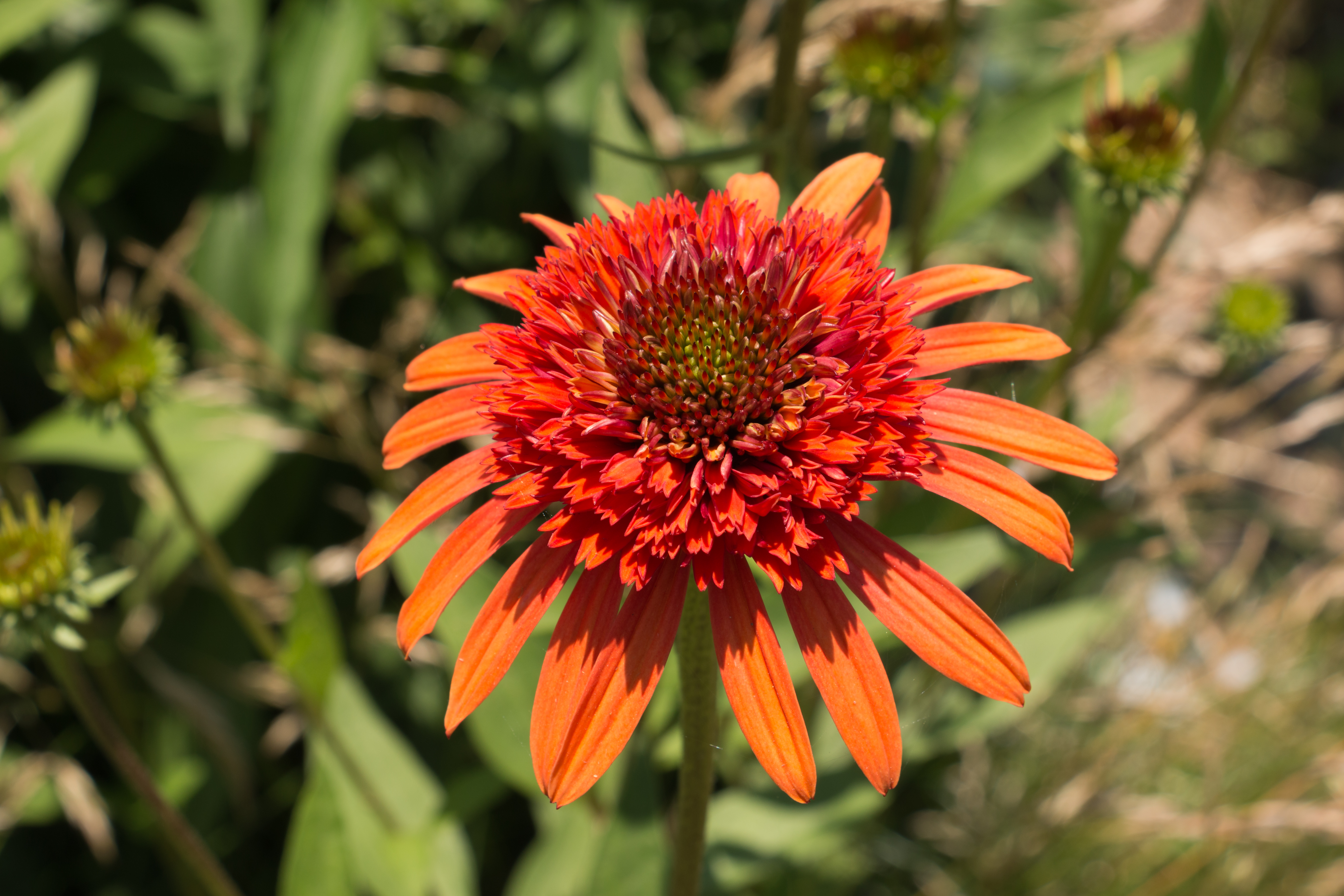
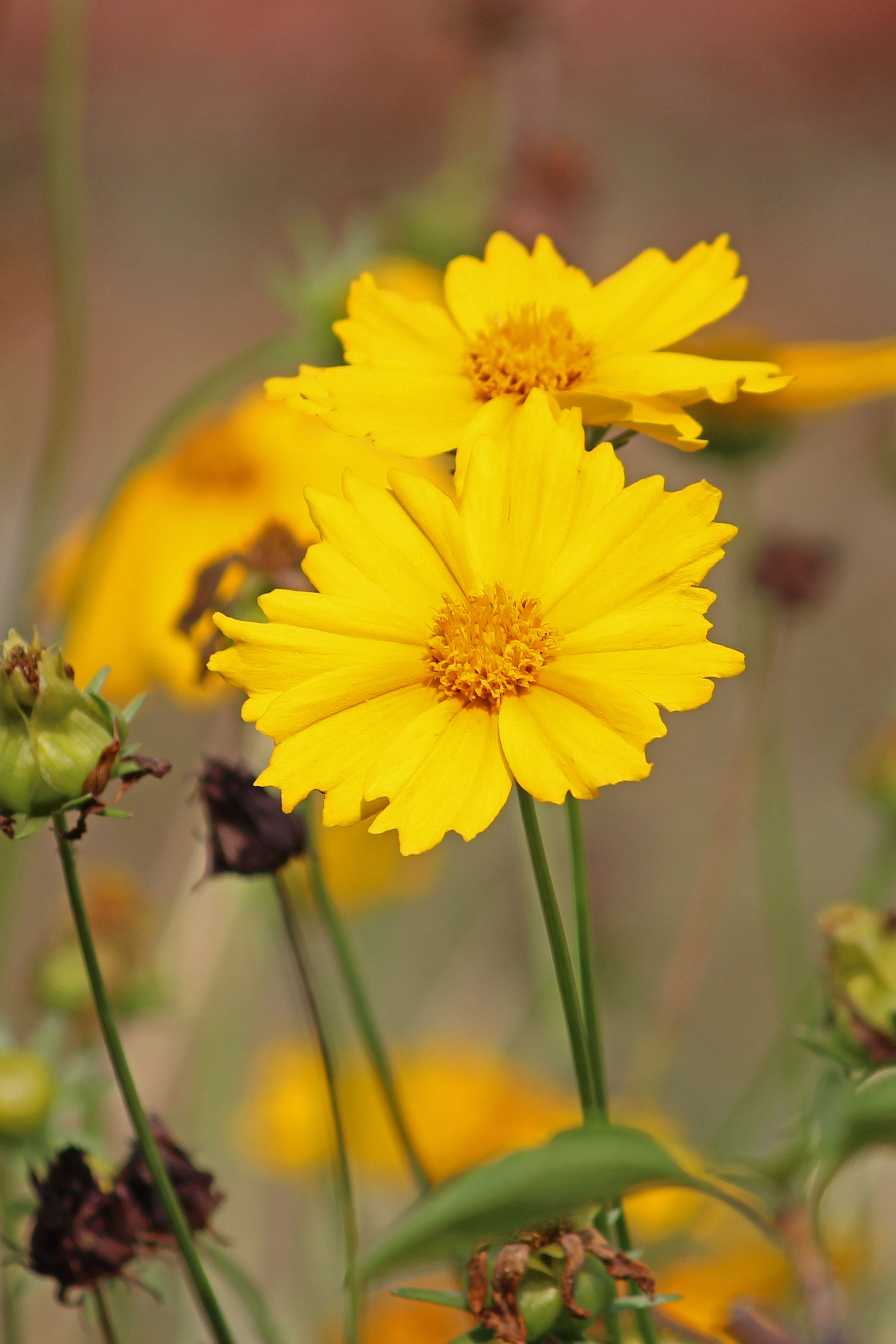
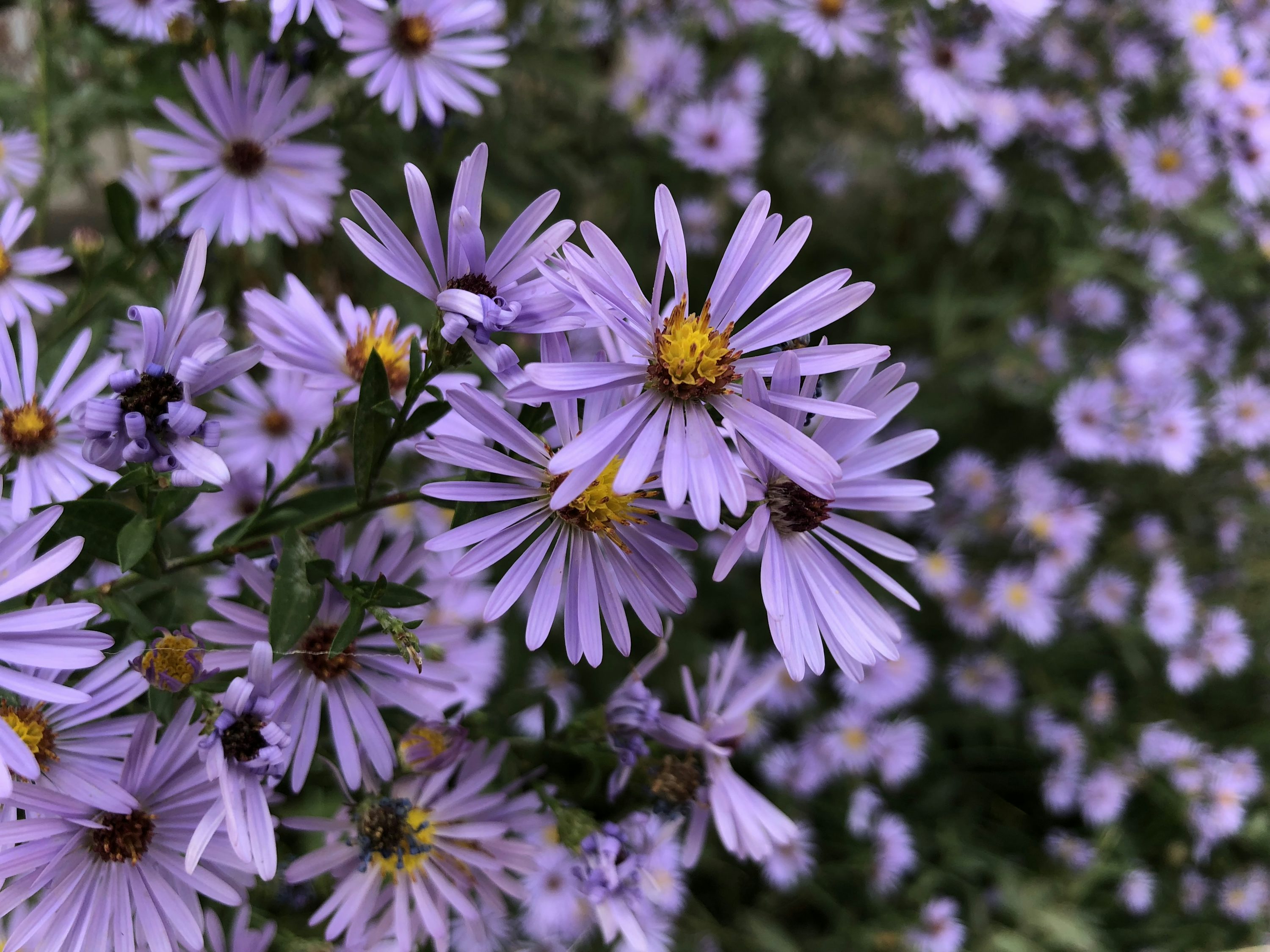
Beautiful Appearance: When healthy and green, Zoysia produces a fine-textured, soft, and uniform lawn that is often described as feeling like a carpet. Its vibrant green color is very appealing and provides a luxurious backdrop for your garden beds. Consider pairing it with resilient, drought-tolerant perennials like
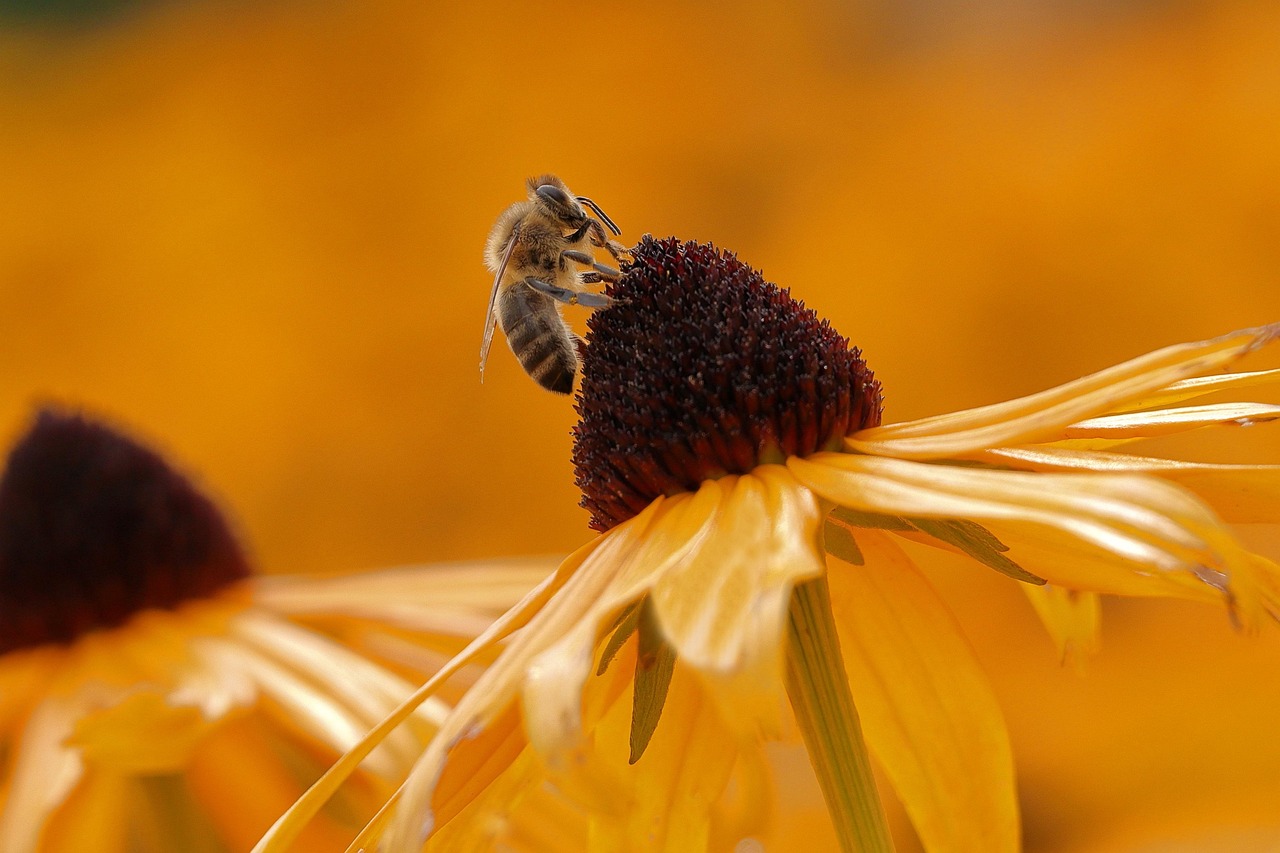
or
for a cohesive look.
What are the primary challenges and disadvantages of Zoysia grass?
While Zoysia offers many benefits, it's not without its drawbacks. Being aware of these can help you make an informed decision and manage expectations.
Slow Establishment: Zoysia grass is notoriously slow to establish from seed, plugs, or sod. It can take one to three years to fully fill in and create a dense lawn, especially from plugs. This requires patience and careful management during the initial growth phase. This slowness can also make it difficult to repair bare spots quickly, as new growth will take time to spread. If you're looking for an instant lawn, Zoysia might not be your first choice.
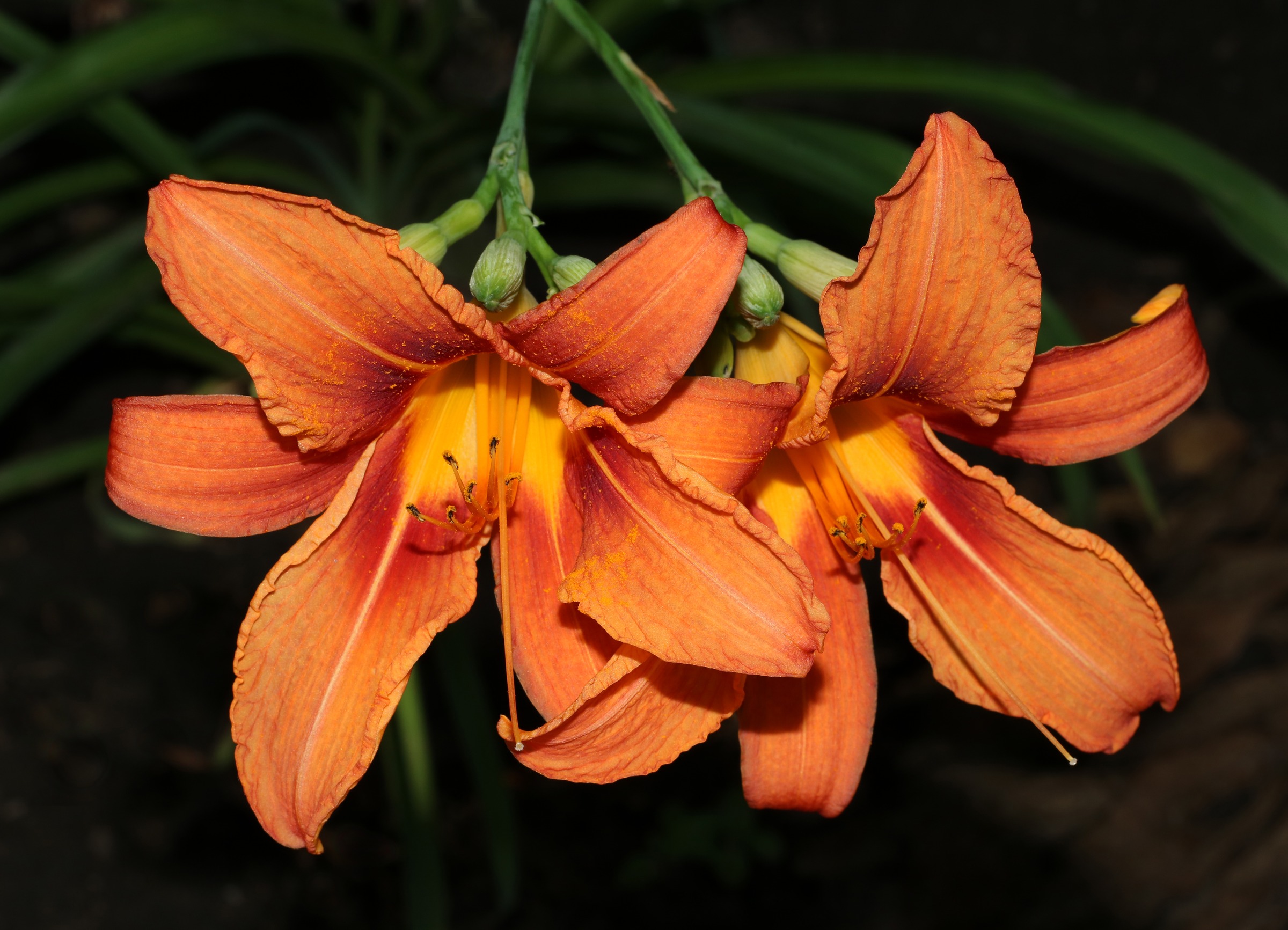
Long Dormancy Period: As a warm-season grass, Zoysia goes dormant and turns a straw-like brown color once soil temperatures drop in the fall. It remains brown throughout the winter and doesn't green up again until spring. This prolonged period of dormancy can be a significant aesthetic drawback for those who prefer a green lawn year-round. The exact duration of dormancy depends on your climate, but it can last for several months. For a splash of winter color in your garden, consider planting evergreens or perennials like
that offer extended bloom times.
Thatch Buildup: Zoysia's dense growth habit, while great for weed suppression, can lead to significant thatch buildup over time. Thatch is a layer of dead and living organic matter that accumulates between the soil surface and the green vegetation. Excessive thatch can prevent water, air, and nutrients from reaching the soil, harbor pests and diseases, and make the lawn feel spongy. Regular dethatching or aeration (typically every 1-2 years) may be necessary to maintain lawn health.
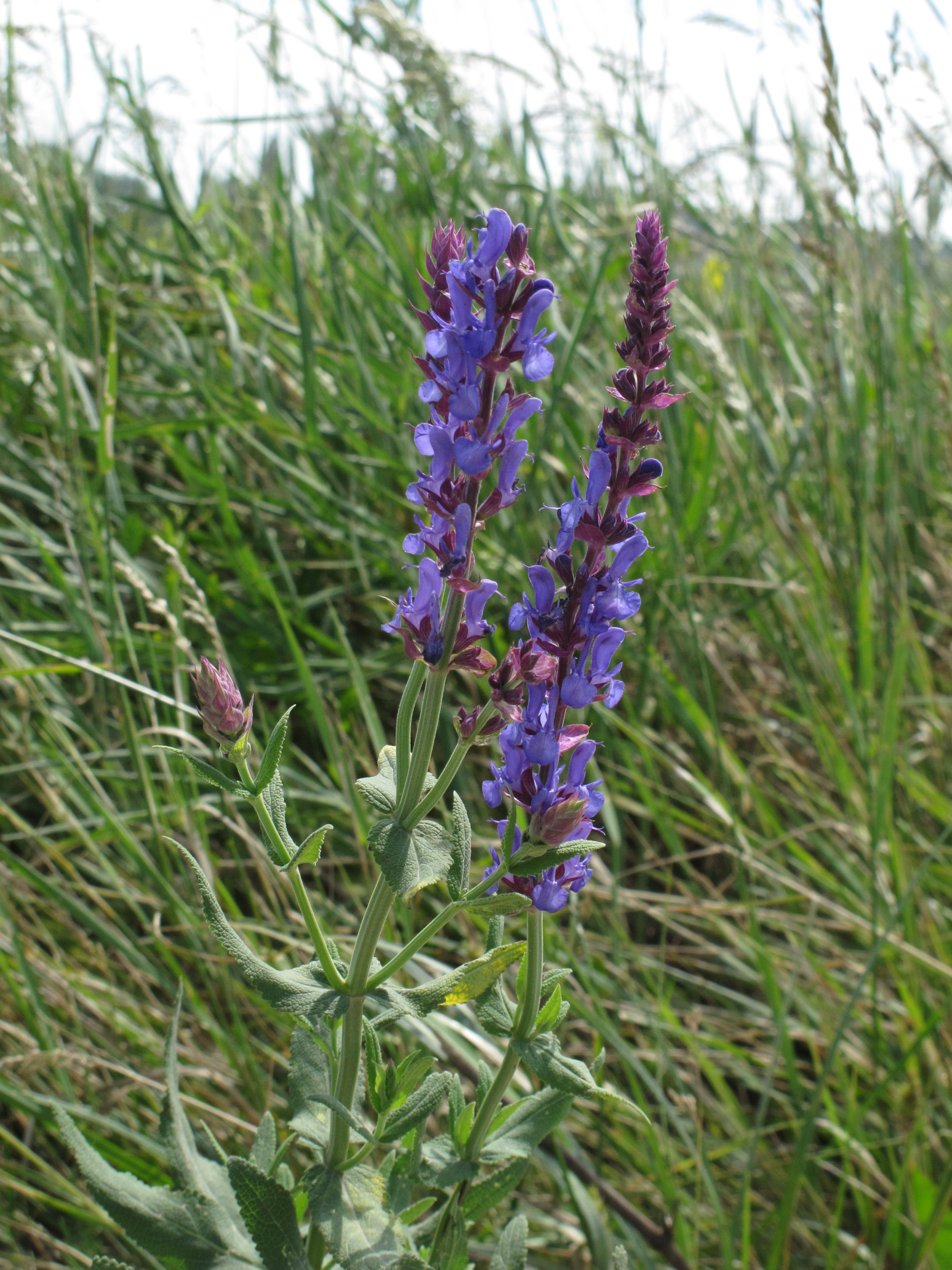
Can Be Invasive: Zoysia spreads aggressively through stolons and rhizomes. While this is great for filling in a lawn, it means it can easily creep into flower beds, sidewalks, and other areas where it's not wanted. Edging and regular maintenance, such as trimming along borders, are required to keep it contained. If you have adjacent garden beds with plants like
or
, ensure you have a strong barrier to prevent Zoysia from encroaching.
Requires Specific Mowing: While it doesn't need frequent mowing, Zoysia grass does require a sharp mower blade and a specific mowing height (typically 1-2 inches) to maintain its health and appearance. Mowing too high can lead to a "scalped" look, and too low can stress the grass. Dull blades can tear the grass, leading to frayed tips and a brownish appearance.
Cost: Establishing a Zoysia lawn can sometimes be more expensive upfront, especially if you're using sod or plugs, due to the material cost and labor involved in its slow establishment. However, the long-term savings on water and herbicides can offset this initial investment.
Where does Zoysia grass grow best: What are its ideal growing zones?
Zoysia grass is a warm-season turfgrass, meaning it thrives in hot temperatures and goes dormant in cooler weather. Its ideal growing range is primarily dictated by its ability to withstand both heat and cold.
USDA Hardiness Zones: Zoysia grass performs best in USDA Hardiness Zones 6 through 11.
- Zones 6-7: In these transitional zones, Zoysia will experience a longer dormancy period, turning brown earlier in the fall and greening up later in the spring. However, it can still be a viable option, especially in areas that experience hot summers. Winter protection might be considered in the colder parts of Zone 6, though most varieties are quite cold-hardy for this range once established.
- Zones 8-11: These are the sweet spots for Zoysia grass. It will green up earlier, stay green longer, and thrive during the long, hot summers characteristic of these regions. Its drought tolerance is a major asset here, making it a sustainable choice for areas prone to heatwaves and water restrictions.
Climate Considerations:
- Sunlight: Zoysia prefers full sun (at least 6-8 hours of direct sunlight daily) but can tolerate light shade. In heavily shaded areas, it will thin out and struggle, becoming more susceptible to disease.
- Soil: It adapts to a wide range of soil types, from sandy to clay, but prefers well-drained soil with a pH between 6.0 and 7.0. Good drainage is crucial to prevent root rot.
- Temperature: Optimal growth occurs when temperatures are between 80-95°F (27-35°C). It will start to go dormant when temperatures consistently drop below 55°F (13°C) and will not green up until spring temperatures consistently rise above this threshold.
Is Zoysia grass a good choice for every lawn?
No, Zoysia grass is not necessarily the best choice for every lawn, as its suitability depends heavily on your climate, aesthetic preferences, and maintenance expectations.
For homeowners in USDA Zones 6-11 who prioritize drought tolerance, weed suppression, and a low-mow lawn, Zoysia can be an excellent option. If you live in an area with hot summers and are looking to conserve water, its benefits are particularly compelling. It's also a great choice if you don't mind a brown lawn during the winter months and are prepared for its slow establishment period.
However, if you live in a cooler climate (Zone 5 or below), Zoysia will spend too much time dormant and may struggle with winter survival. Similarly, if you desire a lush green lawn year-round, Zoysia's extended dormancy period will be a significant drawback. If you need an instant lawn or are not prepared for the potential for thatch buildup and the need for occasional dethatching, other grass types might be more suitable. Its slow establishment can also be frustrating for those looking for quick results.
Ultimately, the "best" grass is subjective and depends on aligning the grass's characteristics with your specific needs and environmental conditions. Zoysia grass offers a fantastic solution for many, but it's important to weigh its unique pros and cons against your personal gardening goals.
Ready to find the perfect plants for your yard? Try the PlantWise Plant Finder →