About This Collection
If you have pets and live in Zone 5, you face a unique landscaping challenge: finding plants that survive -20°F winters AND are safe for dogs and cats. Many popular cold-hardy plants — including lily of the valley, foxglove, and autumn crocus — are both beautiful and toxic to pets.
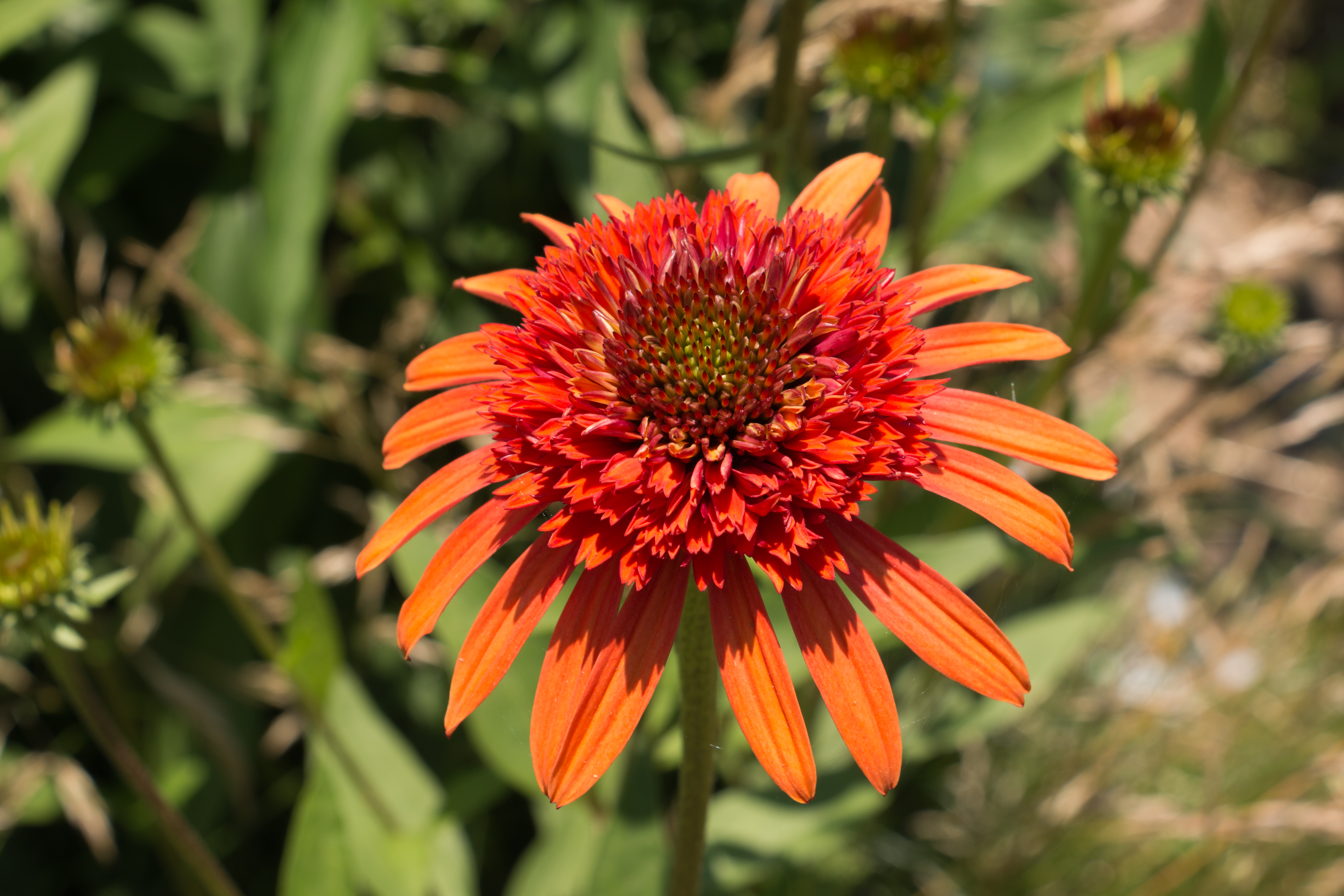
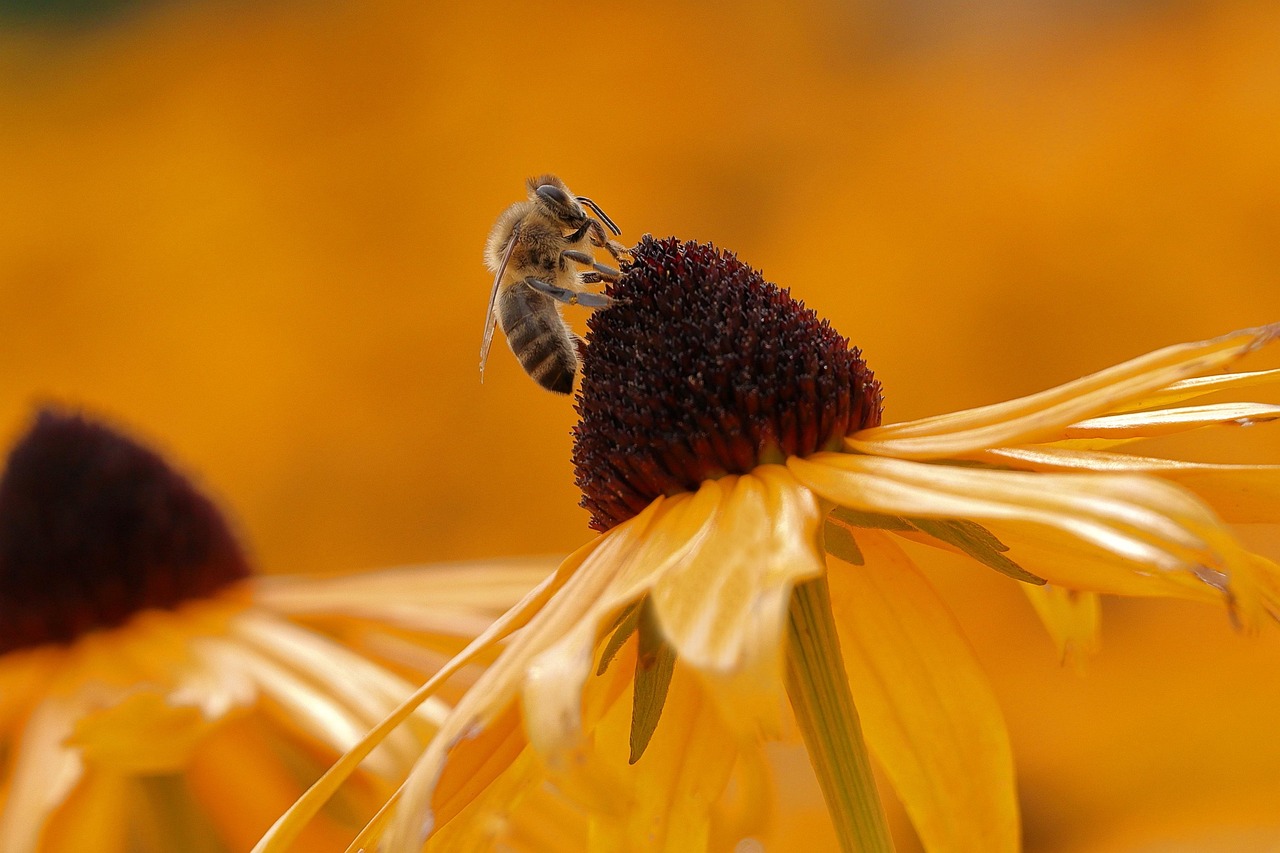
The good news is that dozens of stunning Zone 5 perennials and shrubs are non-toxic to pets. Coneflowers, ornamental grasses, daylilies, and spirea are all cold-hardy to Zone 5 and not listed as toxic by the ASPCA. You can build a beautiful, four-season garden that's safe for your four-legged family members.
PlantWise cross-references Zone 5 cold hardiness with ASPCA toxicity data to give you plants that survive your winters and protect your pets. Every recommendation includes bloom time, sun requirements, and pet safety notes.
Find Pet-Safe Zone 5 Plants → or browse the interactive directory.
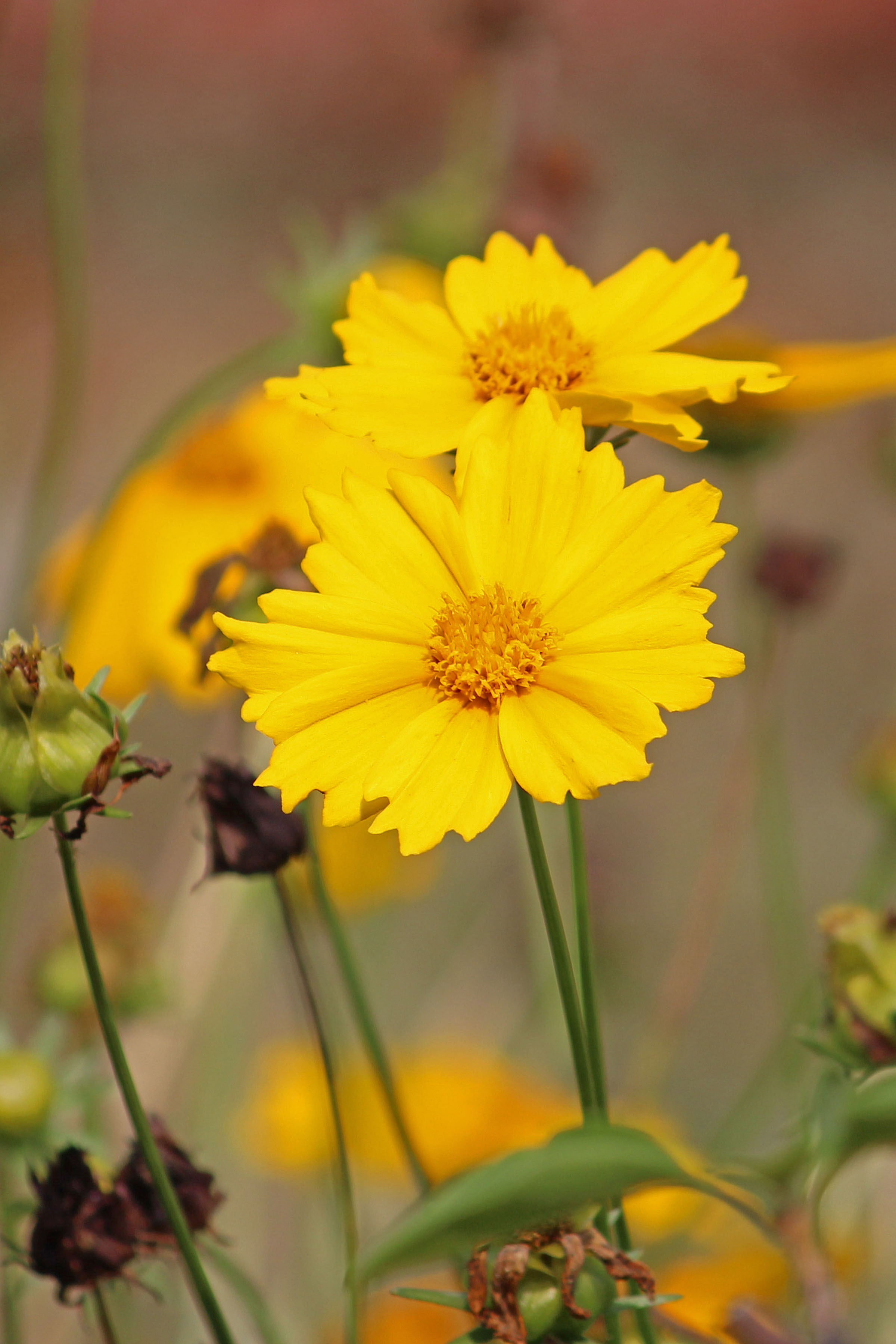
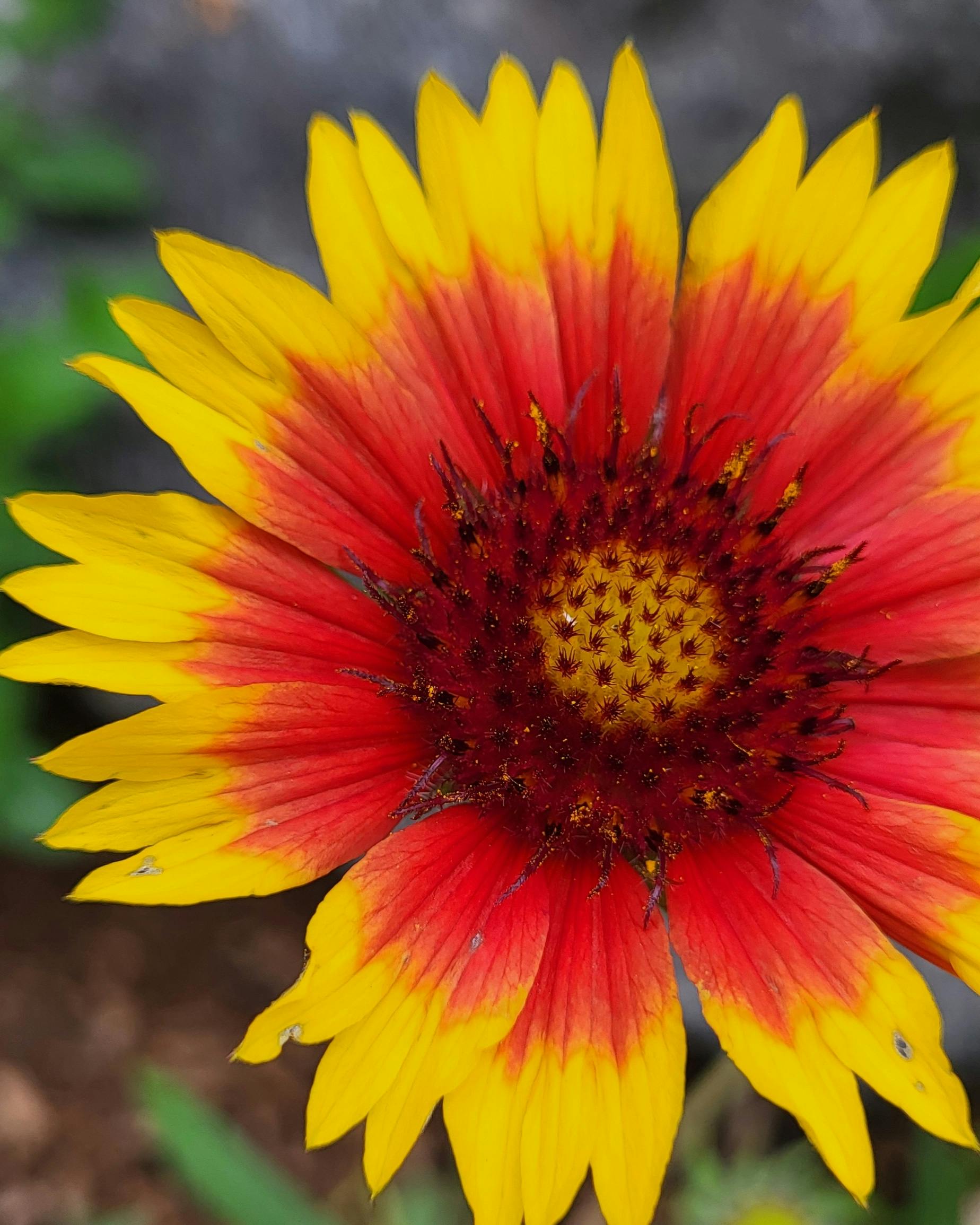
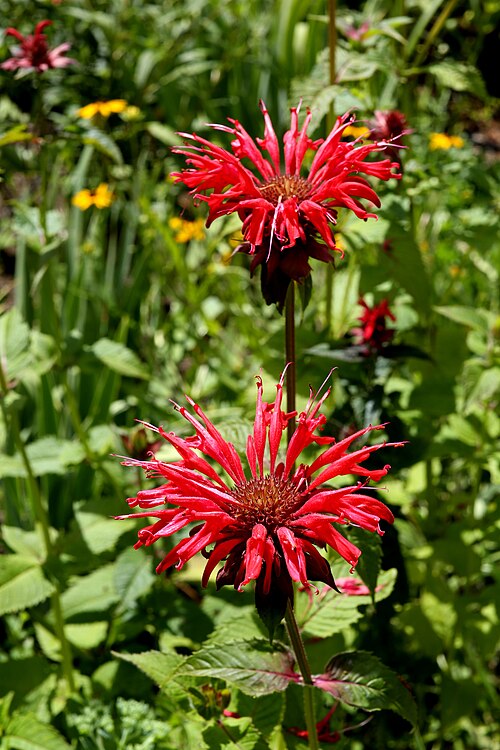
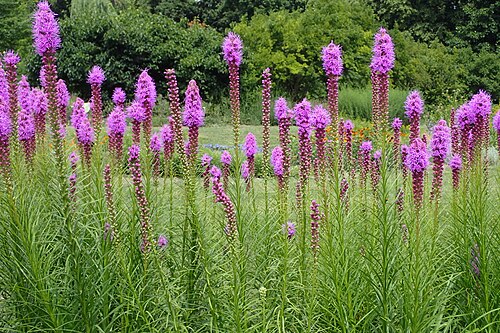
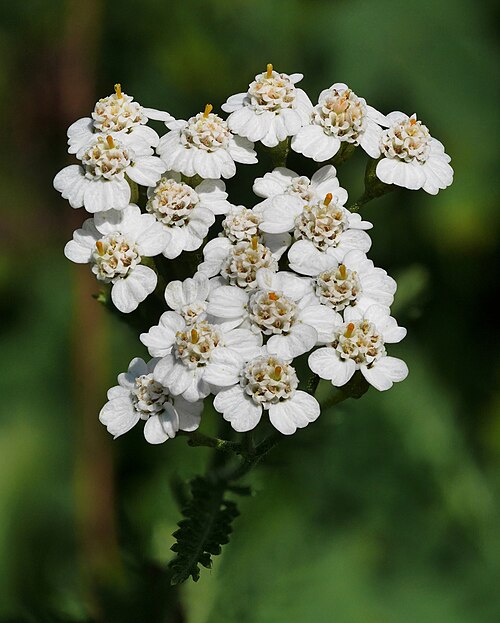
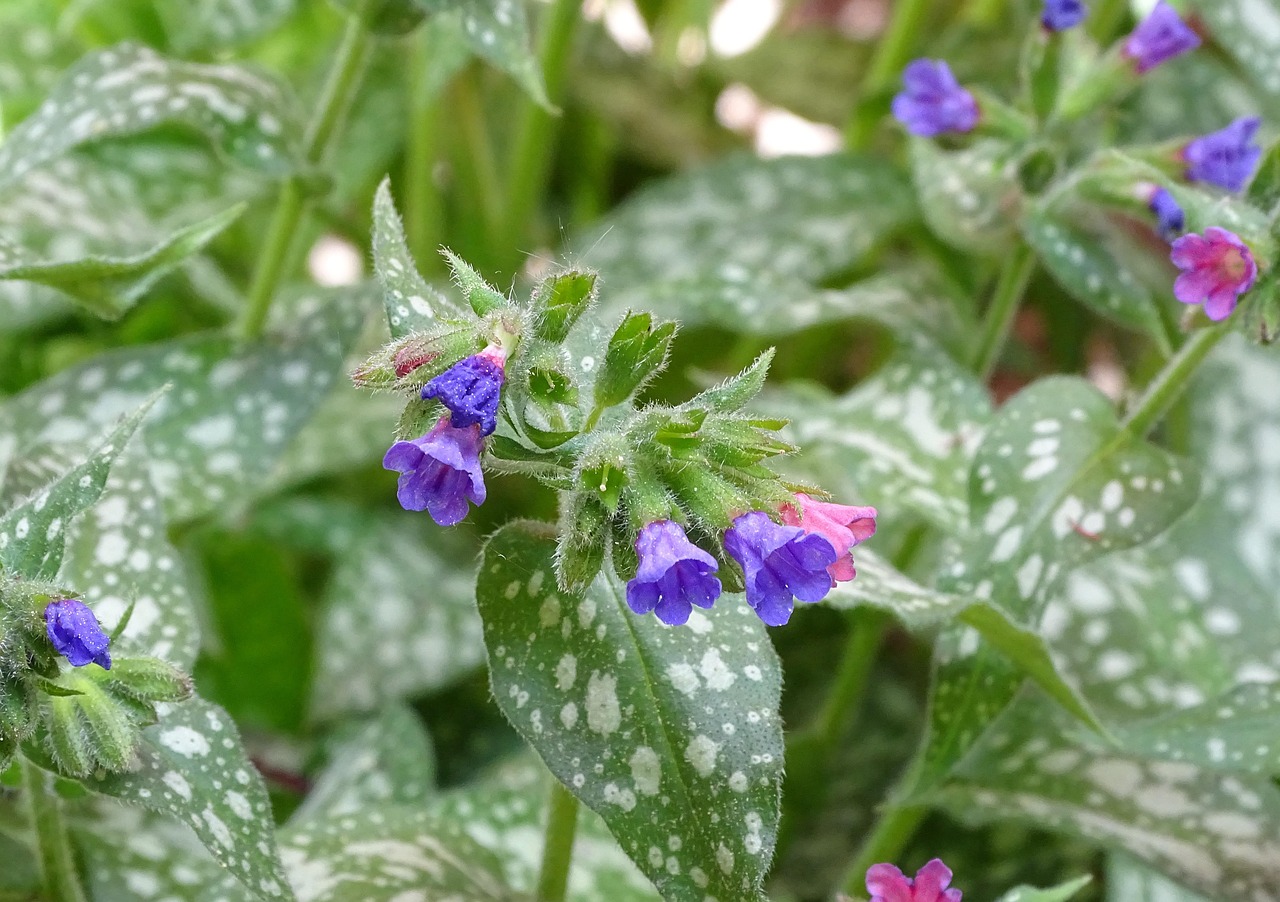
Featured Plants
Frequently Asked Questions
What Zone 5 plants are most toxic to pets?
The most dangerous Zone 5 plants for pets include lily of the valley (cardiac toxin), foxglove (digitalis), autumn crocus (organ failure), sago palm (liver failure), and yew (cardiac arrest). Avoid these entirely in pet-accessible areas.
Are all daylilies safe for dogs and cats?
Daylilies (Hemerocallis) are not listed as toxic to dogs but are highly toxic to cats, potentially causing kidney failure. True lilies (Lilium) are dangerous to both species. PlantWise filters by species-specific toxicity data.
What are the best pet-safe perennials for Zone 5?
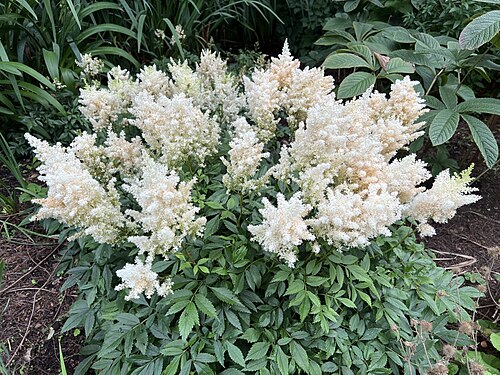
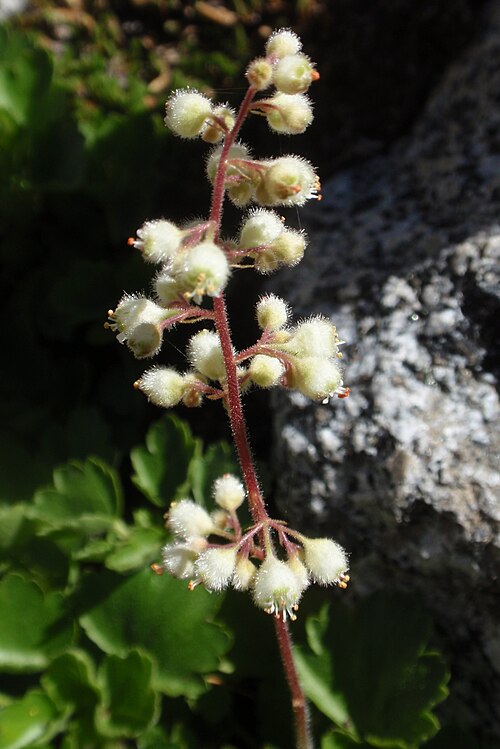
Top pet-safe Zone 5 perennials include purple coneflower (Echinacea), ornamental grasses, spiderwort, coral bells, and astilbe. All are reliably cold-hardy to Zone 5 and not listed as toxic by the ASPCA.
If my pet eats a 'pet-safe' plant, should I worry?
Pet-safe means not listed as toxic — it doesn't guarantee zero reaction if consumed in large quantities. Any plant eaten in excess can cause stomach upset. If your pet shows symptoms after eating any plant, contact your vet or the ASPCA Animal Poison Control Center at (888) 426-4435.