About This Collection
Zone 6 is home to millions of pet owners who want beautiful gardens without the worry of toxic plants. From New Jersey and Pennsylvania to Missouri and Kansas, Zone 6 gardeners have access to a wide range of non-toxic plants that thrive in the zone's four distinct seasons.
Building a pet-safe Zone 6 garden means knowing which popular plants to avoid. Many Zone 6 favorites — hostas, astilbes, and ornamental alliums — are safe for dogs but toxic to cats. Others like foxglove and lily of the valley are dangerous to both. PlantWise filters by both dog and cat safety simultaneously.
Every plant in our Zone 6 pet-safe list is cross-referenced against ASPCA toxicity data and verified for Zone 6 cold hardiness. You get a curated, worry-free plant list matched to your specific yard conditions.
Find Pet-Safe Zone 6 Plants → or browse the interactive directory.
Featured Plants
Frequently Asked Questions
What popular Zone 6 plants are toxic to pets?
Common Zone 6 plants toxic to pets include hostas (toxic to dogs and cats), lily of the valley, foxglove, autumn crocus, and ornamental alliums. Many spring bulbs (tulips, daffodils, hyacinths) are also toxic.
Are hostas safe for pets in Zone 6?
No. Hostas are toxic to both dogs and cats, causing vomiting, diarrhea, and lethargy. They're extremely popular in Zone 6 shade gardens, so this is a common mistake. PlantWise filters them out when you select pet-safe options.
What are the best pet-safe shade plants for Zone 6?
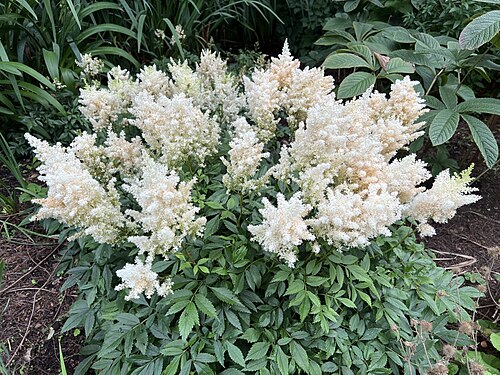
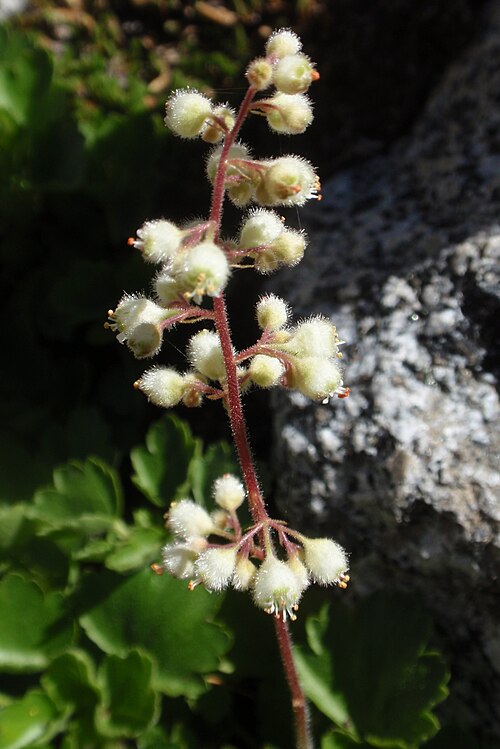
Top pet-safe Zone 6 shade plants include astilbe (dogs only — mildly toxic to cats), coral bells (Heuchera), ferns (most species), and ornamental grasses. For full shade, consider adding a pet-safe groundcover like creeping thyme.
Can I have a pet-safe AND deer-resistant Zone 6 garden?
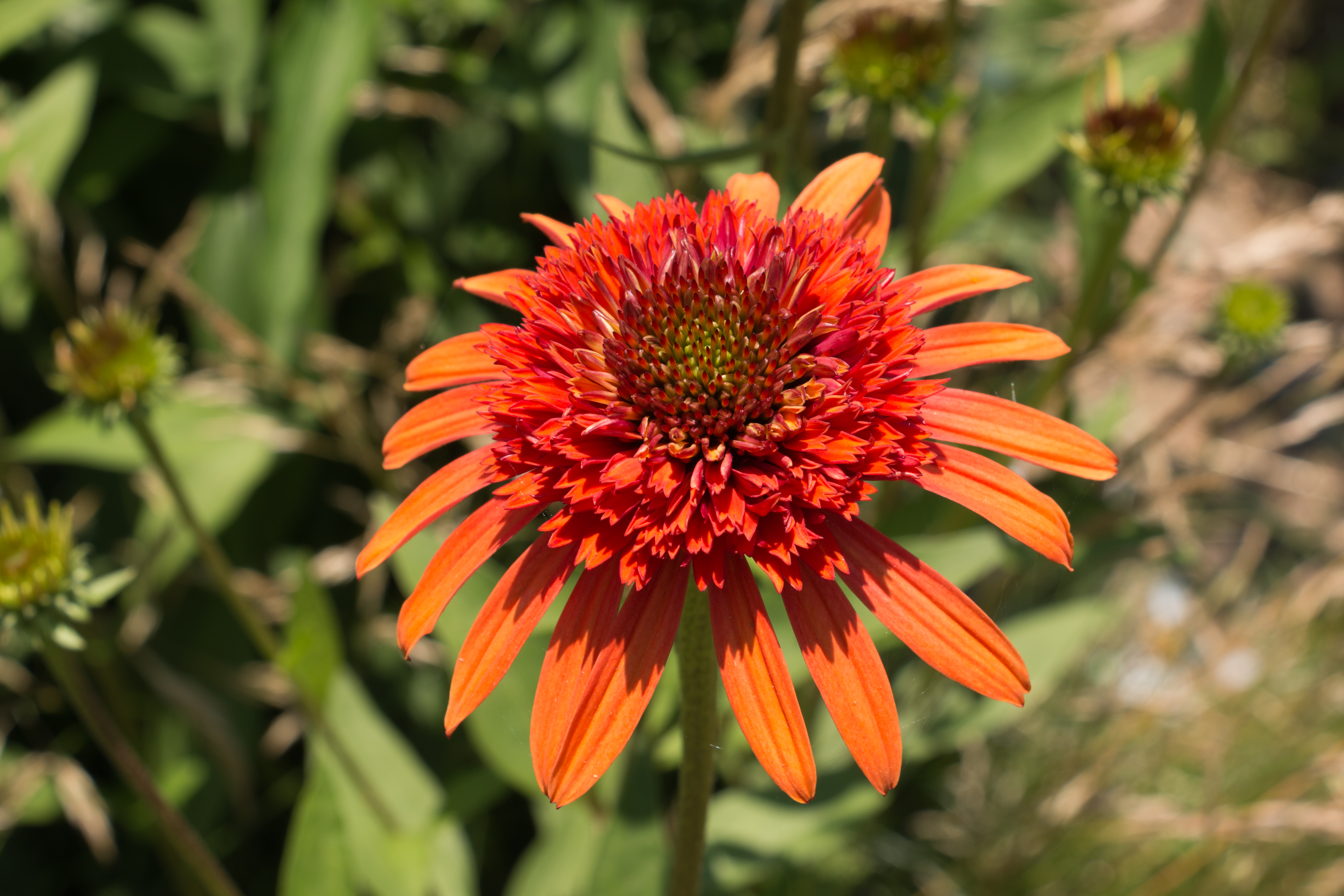
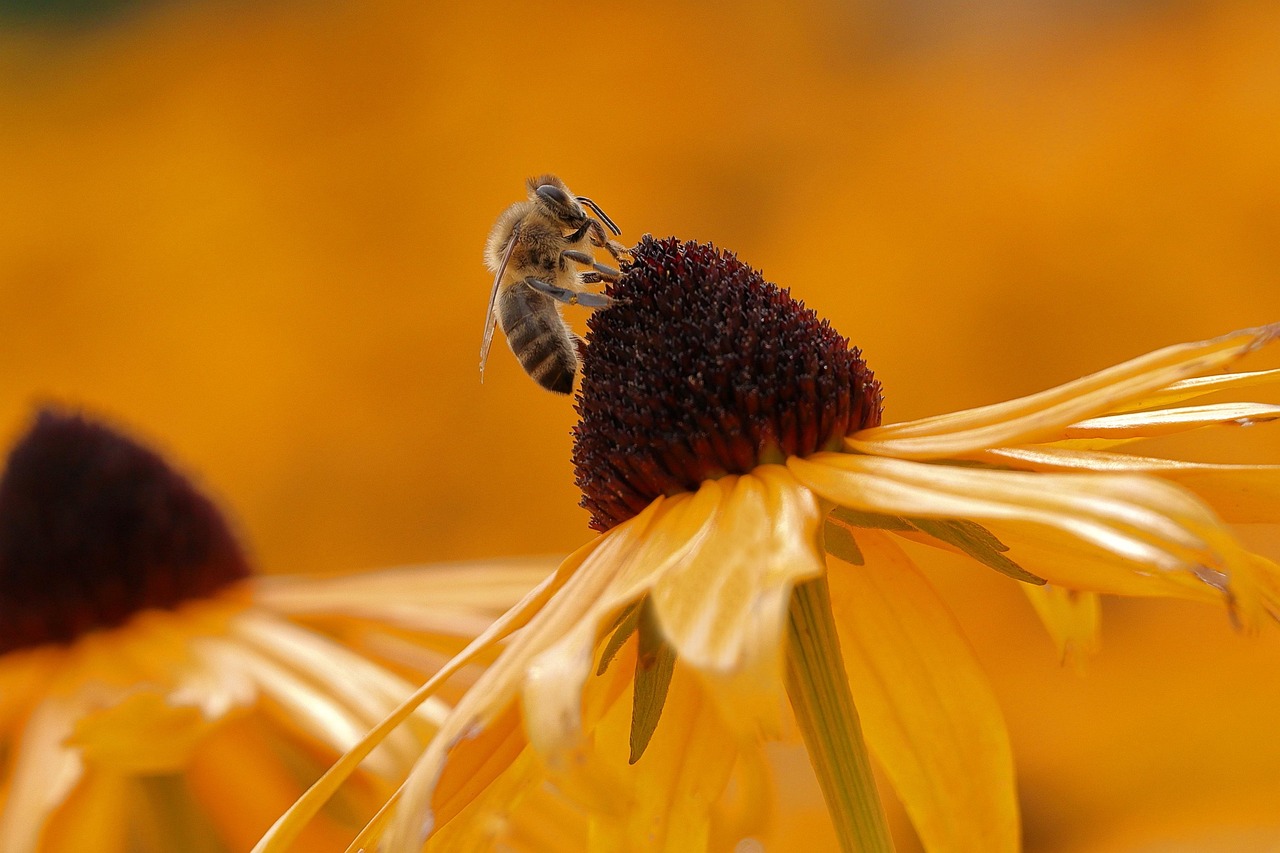
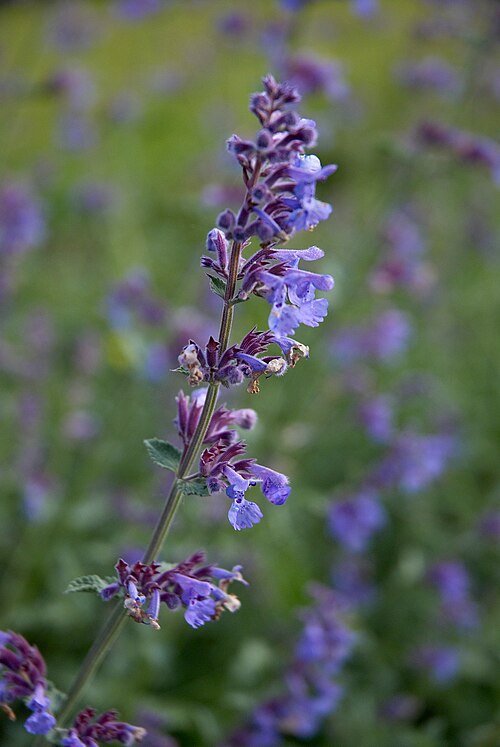
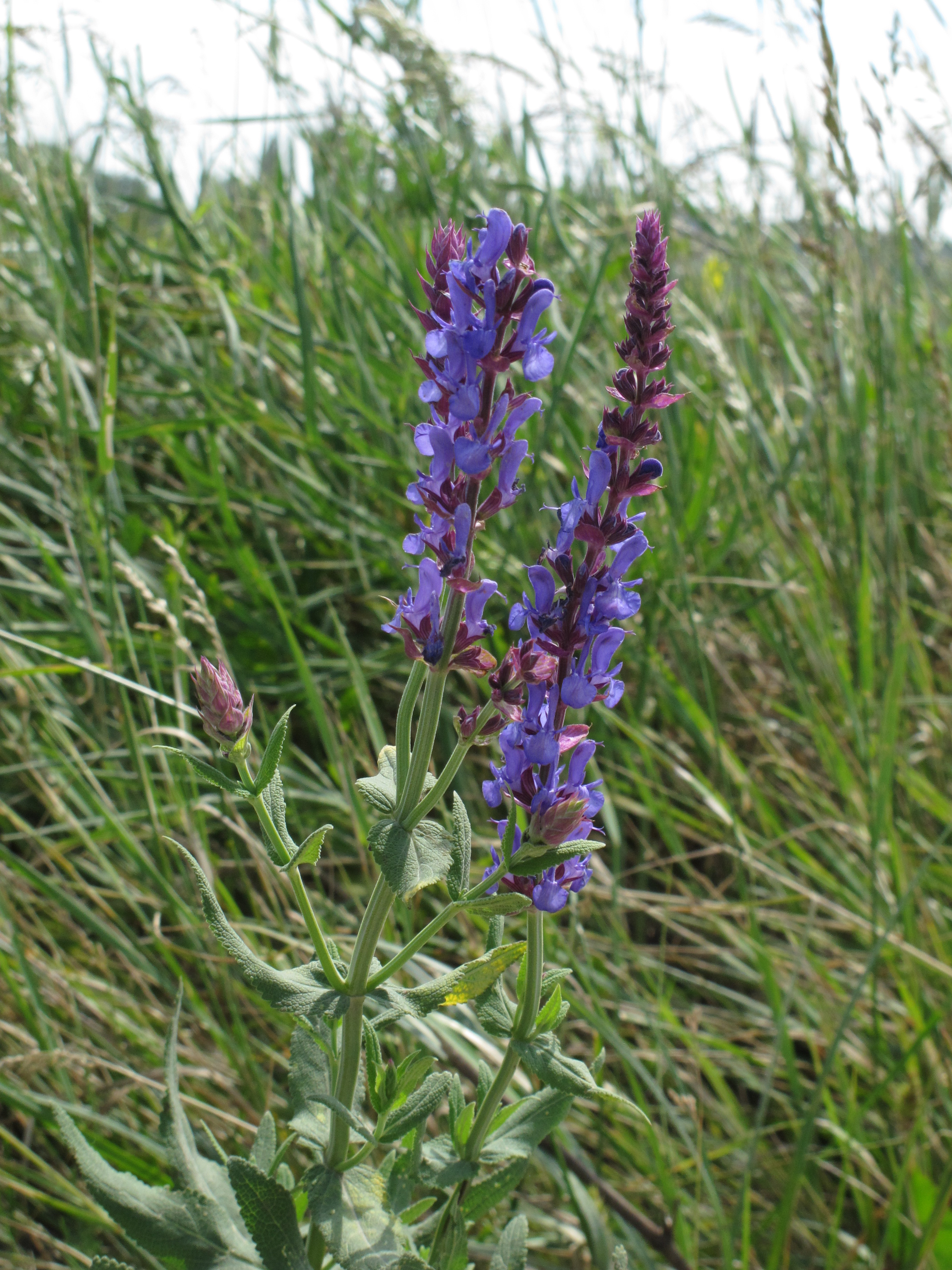
Yes — many plants are both pet-safe and deer-resistant. Coneflower, ornamental grasses, catmint, and salvia check both boxes. PlantWise lets you filter for all three traits simultaneously.