How to Attract Hummingbirds to Your Garden: Complete Guide
Want to fill your garden with the dazzling sight and buzzing sound of hummingbirds? Attracting these tiny, energetic pollinators is simpler than you might think! The key is to provide a consistent source of their favorite nectar-rich flowers, strategically placed feeders, and a safe, welcoming habitat. By focusing on red and orange tubular flowers, maintaining clean feeders, and offering a water source, you can transform your yard into a hummingbird haven, enjoying their aerial acrobatics all season long.
🌱 Get Personalized Plant Picks
Answer a few quick questions and we’ll match plants to your exact yard conditions.
Find My Plants →Why Attract Hummingbirds to Your Garden?
Hummingbirds are more than just beautiful garden visitors; they are vital pollinators, especially for long, tubular flowers that many insects can't reach. Their rapid wing beats and iridescent plumage bring a unique vibrancy and a sense of wonder to any outdoor space. Creating a hummingbird-friendly garden also supports local biodiversity and provides an opportunity to observe these fascinating creatures up close.
What Do Hummingbirds Need to Thrive in My Garden?
To successfully attract and keep hummingbirds coming back, you need to provide three main things: food, water, and shelter.
- Food: This is their primary driver. Hummingbirds feed almost exclusively on nectar, which provides the energy for their incredibly fast metabolism. They also eat small insects and spiders for protein, especially during breeding season.
- Water: Like all wildlife, hummingbirds need water for drinking and bathing.
- Shelter: They need safe places to rest, perch, and nest, away from predators and harsh weather.
Let's dive into how to provide each of these.
What Are the Best Plants to Attract Hummingbirds?
The most effective way to attract hummingbirds is by planting their favorite flowers. Hummingbirds are particularly drawn to red, orange, and pink tubular flowers because their long bills and tongues are perfectly adapted to reach the nectar deep inside. They also have a keen sense of sight for these colors.
Here's a list of excellent choices for a hummingbird-friendly garden:
- Annuals for Instant Color:
- Perennials for Long-Term Appeal:
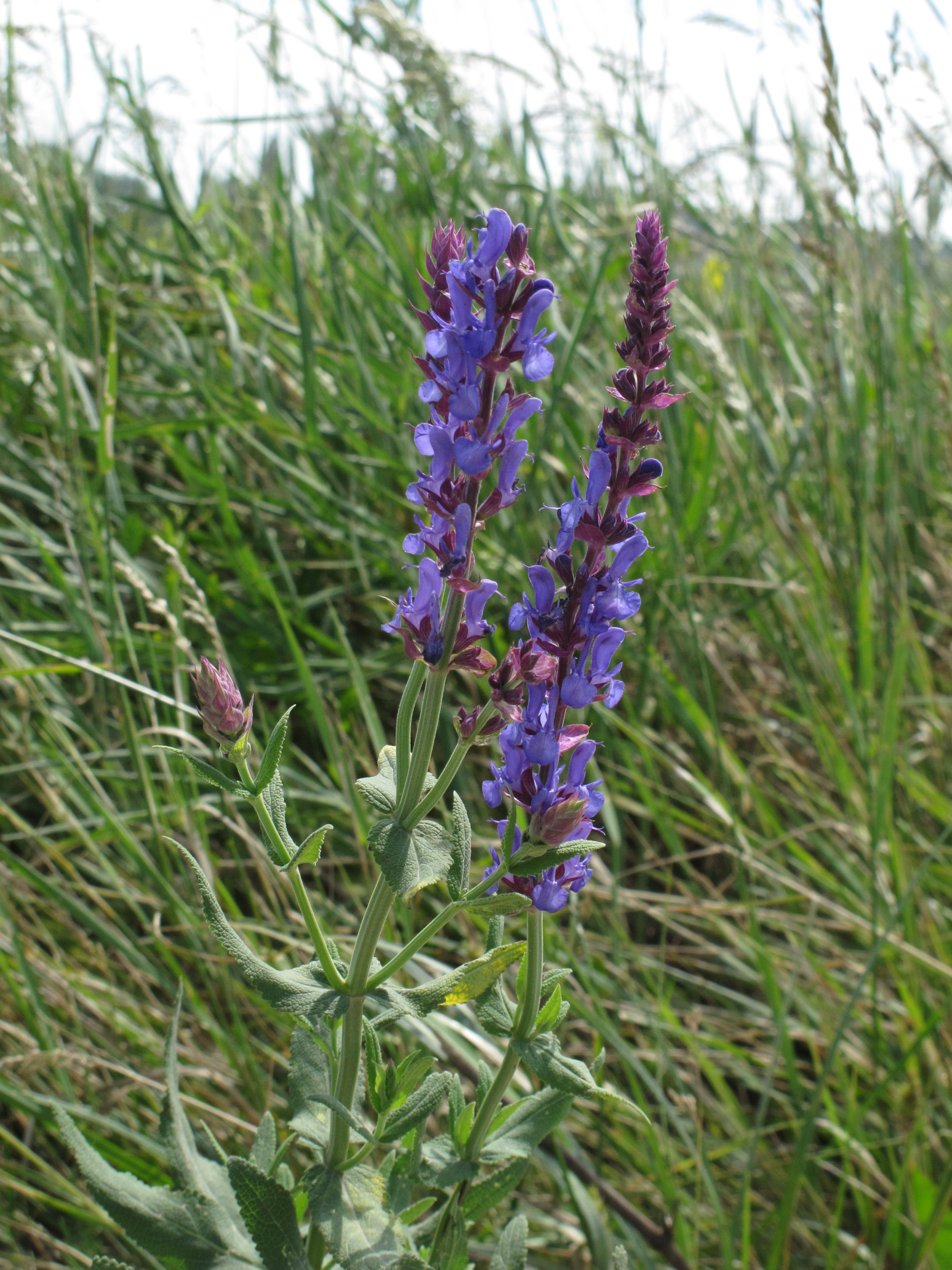
Salvia (Sage): Many varieties, especially Salvia splendens (scarlet sage) and Salvia greggii (autumn sage), are hummingbird magnets.
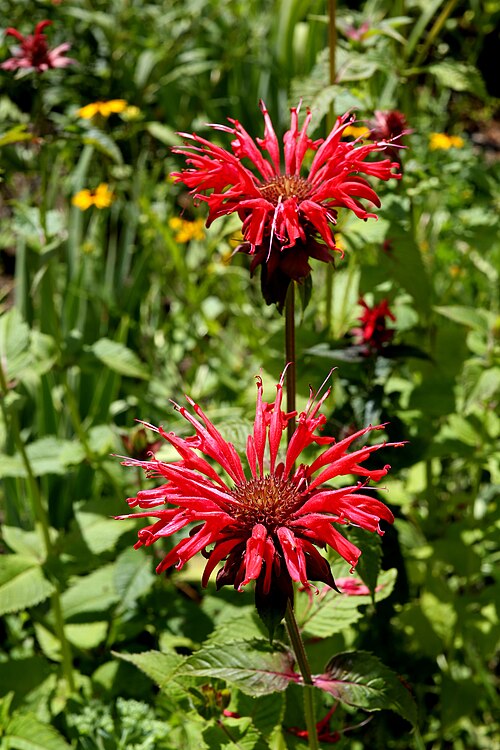
Bee Balm (Monarda): Tubular flowers in shades of red, pink, and purple.
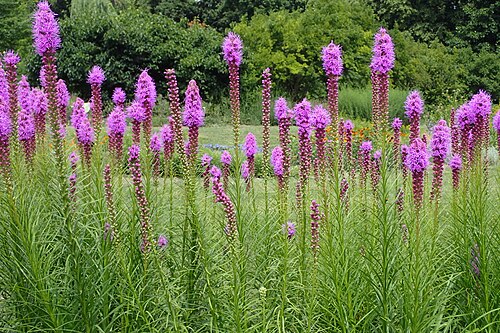
Blazing Star (Liatris): Tall spikes of purple flowers.
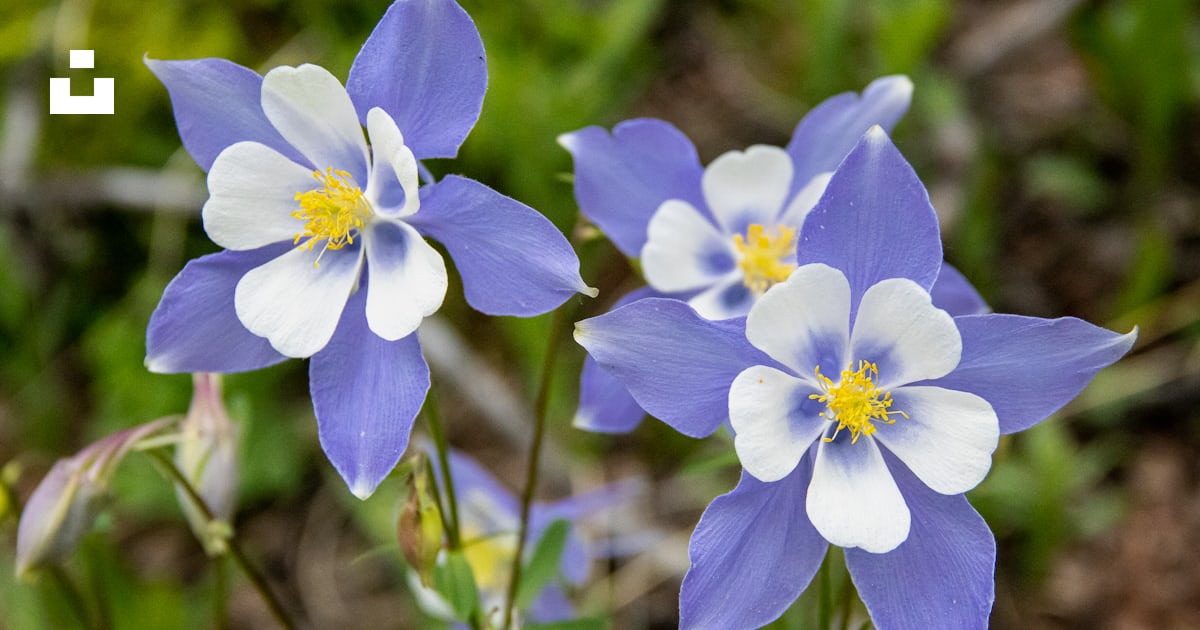
Columbine (Aquilegia): Unique spurred flowers.
Honeysuckle (Lonicera): Vining plant with fragrant, tubular flowers.
Trumpet Vine (Campsis radicans): A very aggressive climber with large, orange-red trumpet-shaped flowers. Use with caution as it can be invasive in some areas.
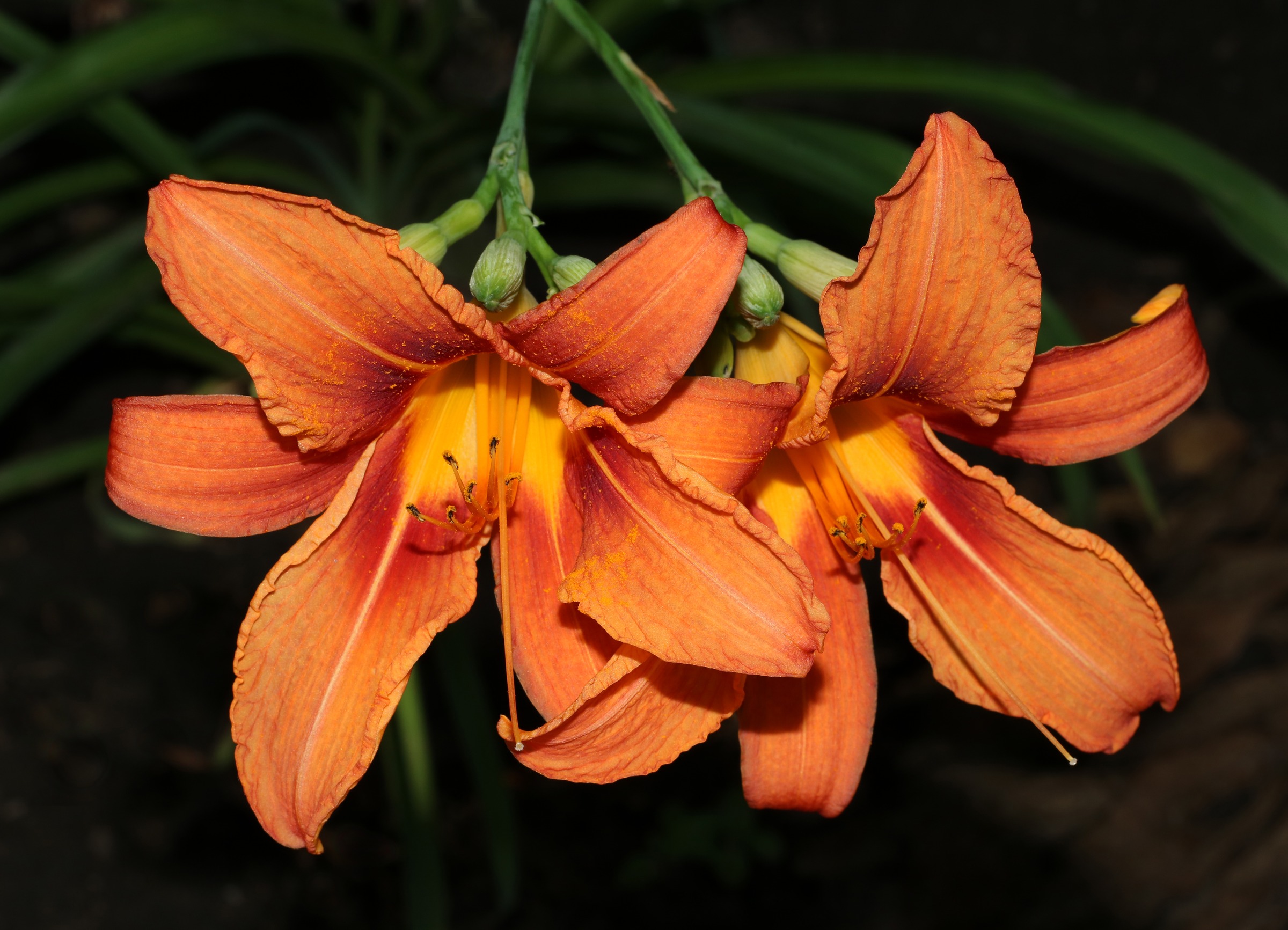
Daylily (Hemerocallis): Many varieties offer nectar.
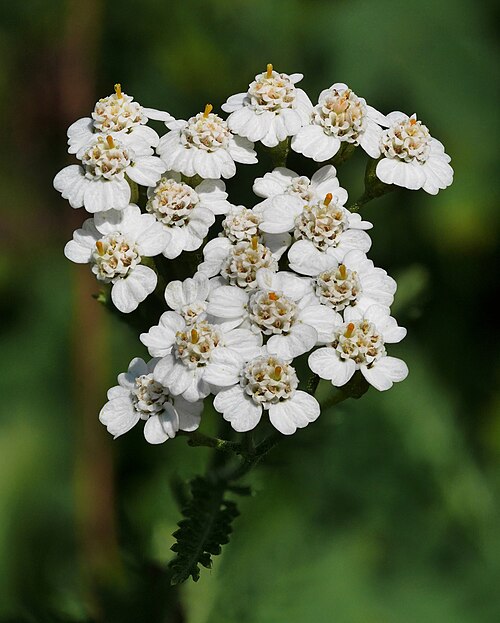
Yarrow (Achillea): While flat-topped, some hummingbirds will visit.
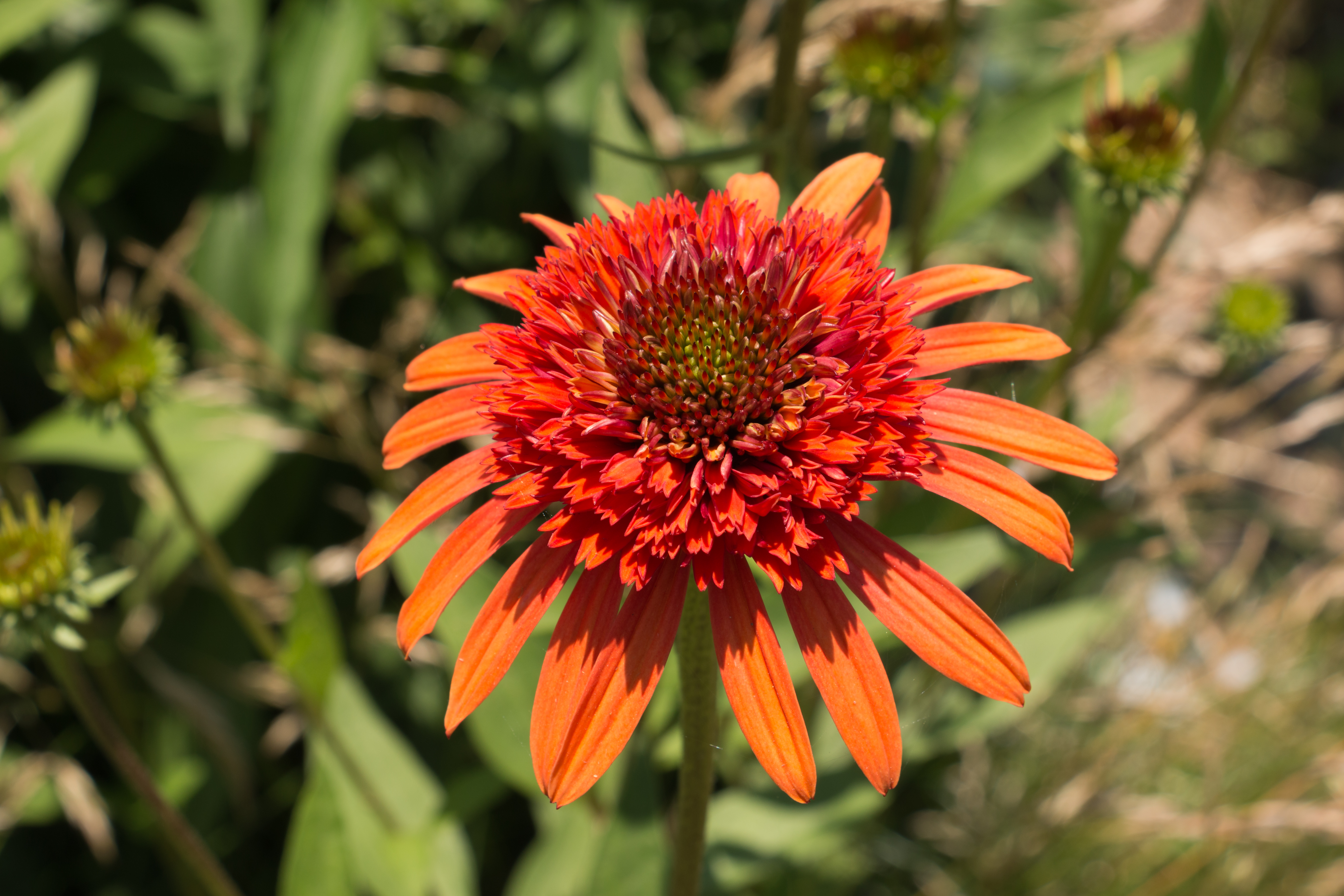
Coneflower (Echinacea): Attracts a wide range of pollinators.
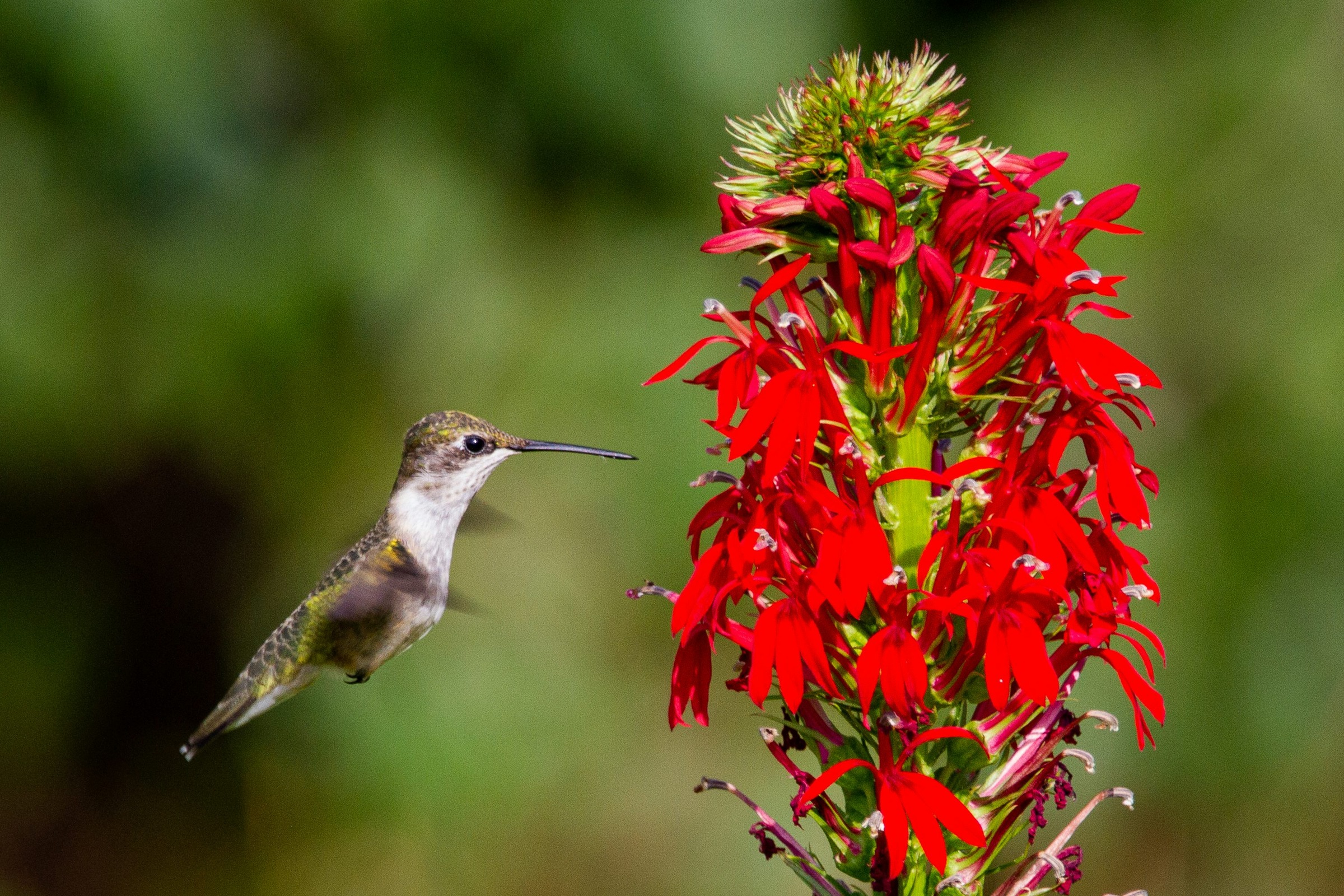
Cardinal Flower (Lobelia cardinalis): Brilliant red flowers, a true hummingbird favorite.
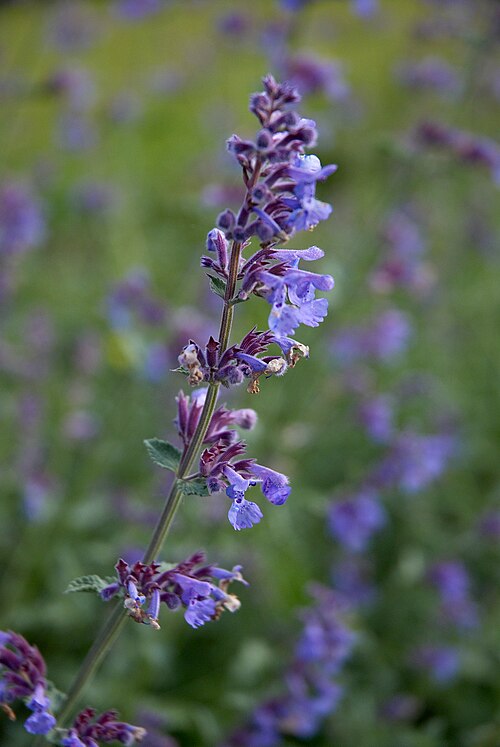
Catmint (Nepeta): Purple spikes, also attractive to bees.
Planting Strategy:
- Mass Planting: Plant flowers in large drifts or clusters rather than scattered single plants. This creates a more visible and appealing target for hummingbirds.
- Succession Planting: Choose a variety of plants that bloom at different times throughout the growing season to ensure a continuous nectar supply from spring to fall.
- Native Plants: Prioritize native plants whenever possible. They are often best adapted to your local climate and soil, and native hummingbirds are accustomed to feeding from them.
How Should I Use Hummingbird Feeders Effectively?
Feeders can be a fantastic supplement to nectar plants, especially early in the season when flowers are scarce, or late in the season before migration.
Nectar Recipe:
- Mix 1 part plain white granulated sugar with 4 parts water.
- Bring to a boil, then let cool completely before filling feeders.
- Do NOT use red dye. It is unnecessary and potentially harmful to hummingbirds. The red on the feeder itself is enough to attract them.
- Do NOT use artificial sweeteners, honey, or brown sugar. These can be harmful.
Feeder Placement:
- Visibility: Place feeders in a visible spot, ideally near your nectar plants, but not directly within dense foliage where predators might hide.
- Shade: Position feeders in partial shade to prevent the nectar from spoiling too quickly, especially in hot weather.
- Height: Hang feeders at a comfortable height for viewing, usually 5-6 feet off the ground.
- Safety: Keep feeders away from windows (or apply window decals) to prevent collisions. If cats are a concern, place feeders where they cannot easily ambush the birds.
Maintenance is Key:
- Cleanliness: This is the most crucial aspect of feeder care. Nectar can ferment and grow mold rapidly, especially in warm weather.
- Change nectar every 2-3 days in hot weather (above 80°F/27°C).
- Change every 4-5 days in cooler weather.
- Clean feeders thoroughly with hot water and a bottle brush each time you change the nectar. A dilute vinegar solution can help with stubborn mold, but rinse very well.
- Ants & Bees: If ants are a problem, use an ant moat above the feeder. For bees, ensure your feeder doesn't leak and has small feeding ports that hummingbirds can access but bees struggle with.
What Other Elements Create a Hummingbird-Friendly Habitat?
Beyond food, consider these elements to make your garden truly inviting:
- Water Source: Hummingbirds love to bathe! A shallow bird bath with a mister or a small fountain with a gentle spray can be incredibly attractive. They won't typically use deep bird baths, but a fine spray or drip provides the perfect bathing opportunity.
- Perches: Provide high, open branches or clotheslines where hummingbirds can rest, preen, and survey their territory. Dead branches on trees or shrubs can serve this purpose beautifully.
- Shelter: Plant dense shrubs, small trees, or trellises with vines to offer protection from predators (like hawks and domestic cats) and harsh weather. These spots also provide potential nesting sites.
- Avoid Pesticides: Hummingbirds eat small insects for protein. Using pesticides can eliminate this food source and potentially harm the birds directly. Embrace a more organic approach to gardening.
- Patience: It can take time for hummingbirds to discover a new food source or garden. Once they find it, they'll remember and return year after year.
Quick Reference: Hummingbird Garden Checklist
| Element | Action |
|---|---|
| Flowers | Plant red, orange, and pink tubular flowers. Mass plant for visibility. Ensure continuous bloom. |
| Feeders | Use 1:4 sugar-to-water solution (no red dye). Place in shade. Clean every 2-5 days. |
| Water | Provide a mister or shallow bird bath with a drip/fountain. |
| Shelter | Plant dense shrubs, small trees, or vines for perching, resting, and nesting. |
| Pesticides | Avoid all pesticides to protect insect food sources and the birds themselves. |
| Patience | It may take time for hummingbirds to discover your garden. Consistency is key! |
Attracting hummingbirds to your garden is a rewarding endeavor that brings life, color, and a touch of magic to your outdoor space. By providing a rich buffet of nectar, clean water, and safe havens, you'll soon be enjoying the company of these incredible tiny birds.
Ready to find the perfect plants for your yard? Try the PlantWise Plant Finder →