Best Grass for Dog Urine Resistance in Zone 10
Finding the best grass for dog urine resistance in Zone 10 can be a challenge, but several warm-season grasses stand up well to the unique nitrogen concentration in dog urine. For Zone 10, St. Augustine grass and Zoysia grass are generally considered the top contenders due to their robust nature, quick recovery, and tolerance to the specific stresses dog urine can cause. These grasses are well-suited to the warm, often humid climate of Zone 10 and can maintain a healthy appearance even with regular pet traffic.
🌱 Get Personalized Plant Picks
Answer a few quick questions and we’ll match plants to your exact yard conditions.
Find My Plants →Understanding the "Dog Spot" Phenomenon
Before diving into specific grass types, it's helpful to understand why dog urine creates those unsightly brown or yellow spots on your lawn. The primary culprit isn't necessarily the acidity of the urine, but rather its high concentration of nitrogen salts. While nitrogen is a vital nutrient for plant growth, too much of a good thing can be detrimental. When concentrated in a small area, these salts act like an overdose of fertilizer, essentially "burning" the grass. The result is often a brown patch surrounded by a ring of unusually dark green, fast-growing grass - the "halo effect" - where the nitrogen has been diluted to an optimal level.
Factors like the dog's diet, size, and hydration levels can influence the concentration of their urine. Female dogs tend to cause more noticeable spots because they typically squat and empty their bladder in one concentrated area, whereas male dogs often "mark" in smaller, more dispersed quantities.
Key Characteristics of Dog Urine-Resistant Grasses
When selecting a grass for a dog-friendly yard in Zone 10, look for varieties that possess certain characteristics:
- Dense Growth Habit: A thick, dense turf can help dilute urine and provide a more resilient barrier against concentrated nitrogen.
- Rapid Recovery Rate: Even the most resistant grass might show some signs of stress. The key is how quickly it can recover and fill in damaged areas.
- Deep Root System: Deeper roots can access more water and nutrients, making the grass more robust and less susceptible to surface-level damage from urine.
- Tolerance to High Nitrogen: Some grasses are naturally more tolerant of higher nitrogen levels than others.
- Warm-Season Adaptability: For Zone 10, warm-season grasses are essential as they thrive in hot temperatures and are well-suited to the region's climate.
Top Grass Choices for Dog Urine Resistance in Zone 10
Here are the top grass varieties recommended for Zone 10 homeowners dealing with dog urine:
St. Augustine Grass
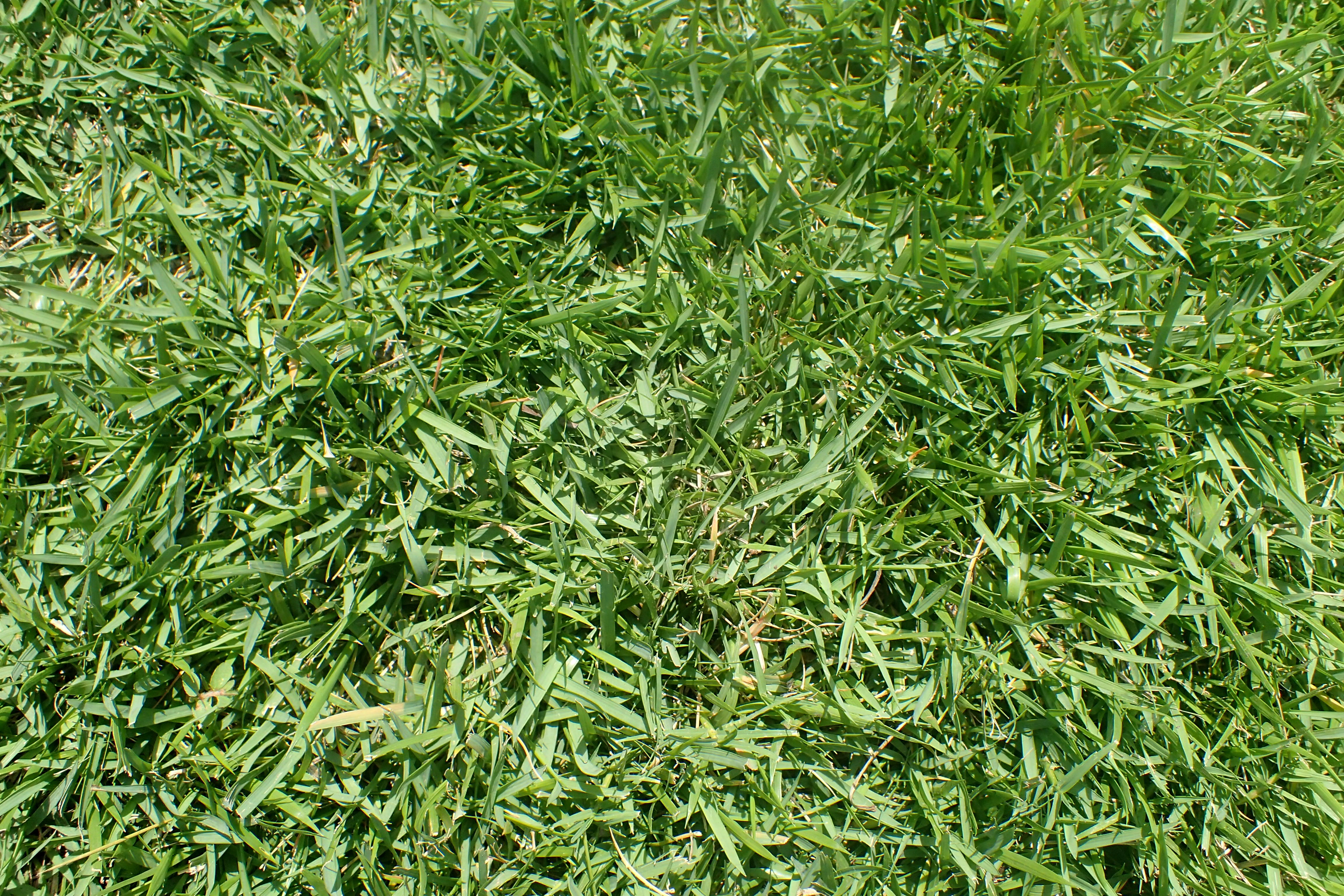
St. Augustine grass is a popular choice throughout Florida and other parts of Zone 10 due to its excellent heat tolerance and ability to thrive in full sun to partial shade. It forms a dense, coarse-bladed turf that can stand up to heavy foot traffic and, importantly, dog urine. Its vigorous growth habit allows it to recover relatively quickly from damage. While it can show some yellowing from urine, it often bounces back better than many other varieties.
- Pros: Excellent heat tolerance, good shade tolerance, dense growth, quick recovery.
- Cons: Can be prone to chinch bugs, requires regular fertilization, can be invasive in garden beds.
Zoysia Grass
Zoysia grass is another fantastic option for Zone 10. It's known for its exceptional drought tolerance, fine texture, and ability to form a very dense, carpet-like lawn. This density is a major advantage when it comes to dog urine, as it helps to disperse the nitrogen. Zoysia is also incredibly tough and can handle significant wear and tear from playful pups. Its slower growth rate means less frequent mowing, but it also means slightly slower recovery from severe urine spots compared to St. Augustine, though it's still very good.
- Pros: Excellent drought tolerance, very dense turf, good wear resistance, low maintenance once established.
- Cons: Slower to establish, can be more expensive, slower recovery from severe damage than St. Augustine.
Bahia Grass
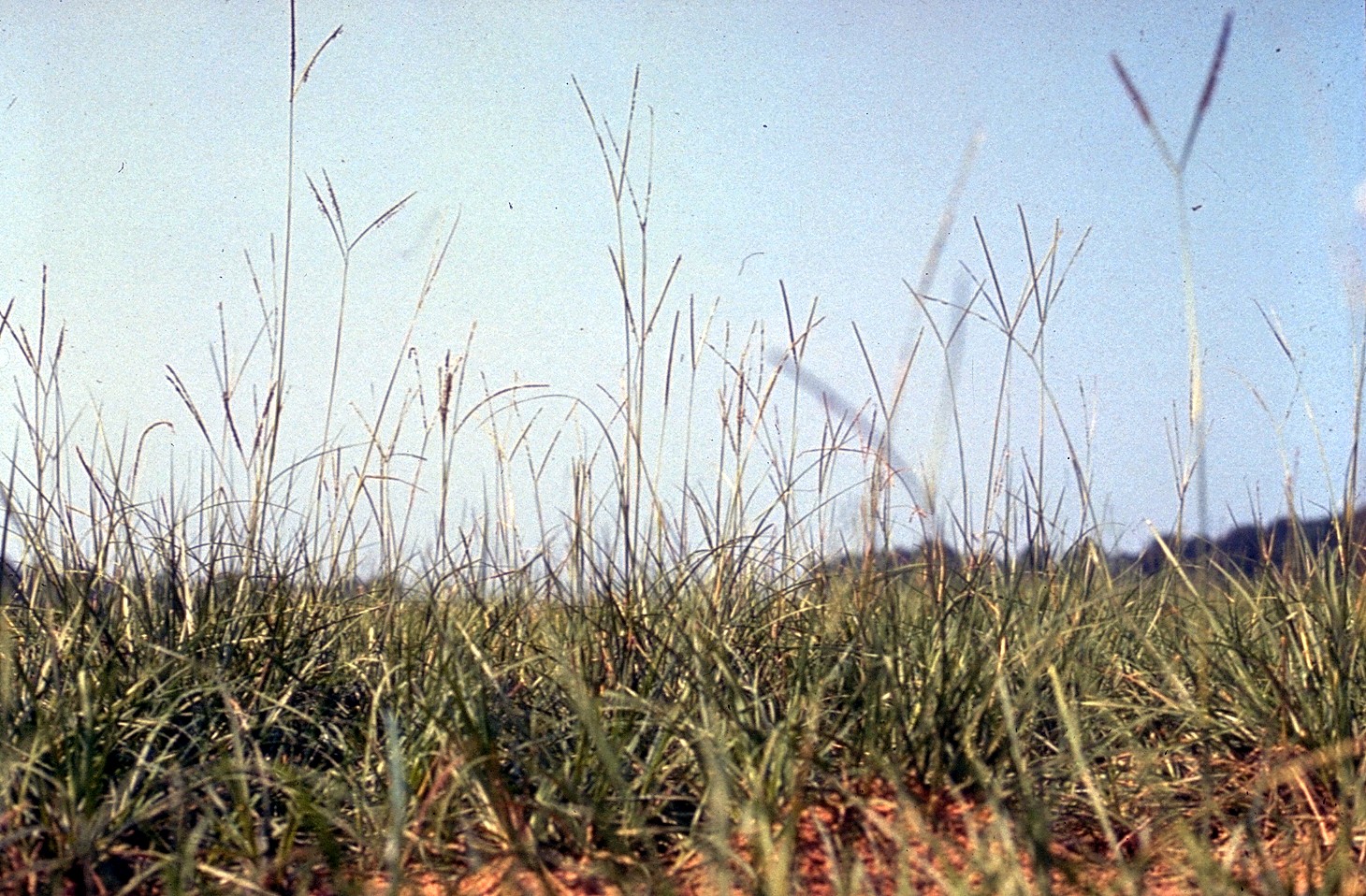
While not as aesthetically refined as St. Augustine or Zoysia, Bahia grass is a workhorse, especially for larger, less manicured lawns in Zone 10. It's incredibly tough, drought-tolerant, and requires minimal fertilization. Its deep root system makes it very resilient, and while it might not be completely immune to urine spots, it tends to recover well and is less prone to widespread damage. Bahia is often used in pastures and roadside applications due to its hardiness, making it a practical choice for a dog-friendly yard where resilience is key.
- Pros: Extremely drought-tolerant, low maintenance, deep root system, good for large areas.
- Cons: Coarser texture, can produce tall seed heads that require frequent mowing if a manicured look is desired, not as dense as other options.
Strategies to Minimize Dog Urine Damage
Even with the most resistant grass, proactive measures can significantly reduce urine spots:
- Hydration is Key: Encourage your dog to drink plenty of water. This dilutes their urine, making it less concentrated and less damaging to the grass.
- Designated Potty Area: Train your dog to use a specific area of the yard, ideally one covered with mulch, gravel, or a patch of sacrificial, highly resilient grass.
- Immediate Dilution: As soon as your dog urinates, follow up by dousing the spot with a generous amount of water from a hose. This immediately dilutes the nitrogen, preventing burning.
- Dietary Adjustments (Consult Vet First!): Some dog foods or supplements claim to reduce urine spots. Always consult your veterinarian before making any changes to your dog's diet. Never give your dog human supplements or medications without veterinary approval.
- Regular Mowing and Watering: A healthy, well-maintained lawn is more resilient. Proper mowing heights (taller grass is better) and consistent watering help the grass withstand stress.
- Soil Amendments: Some products are designed to neutralize or mitigate the effects of dog urine in the soil. Look for those specifically formulated for lawns.
Quick Reference: Dog Urine Resistance in Zone 10 Grasses
| Grass Type | Dog Urine Resistance | Recovery Rate | Maintenance Level | Best For |
|---|---|---|---|---|
| St. Augustine | Good | Fast | Medium-High | Manicured lawns, good shade tolerance |
| Zoysia | Very Good | Medium | Medium | Dense, fine-textured lawns, drought-prone |
| Bahia | Good | Fast | Low | Large, low-maintenance areas, very tough |
Final Thoughts
While no grass is completely "dog urine-proof," selecting a resilient warm-season grass like St. Augustine or Zoysia, combined with good lawn care practices and proactive measures, can help you maintain a beautiful, green lawn in Zone 10, even with furry friends around. Remember that consistency in watering and quick dilution of urine are your best friends in the battle against brown spots.
Ready to find the perfect plants for your yard? Try the PlantWise Plant Finder →