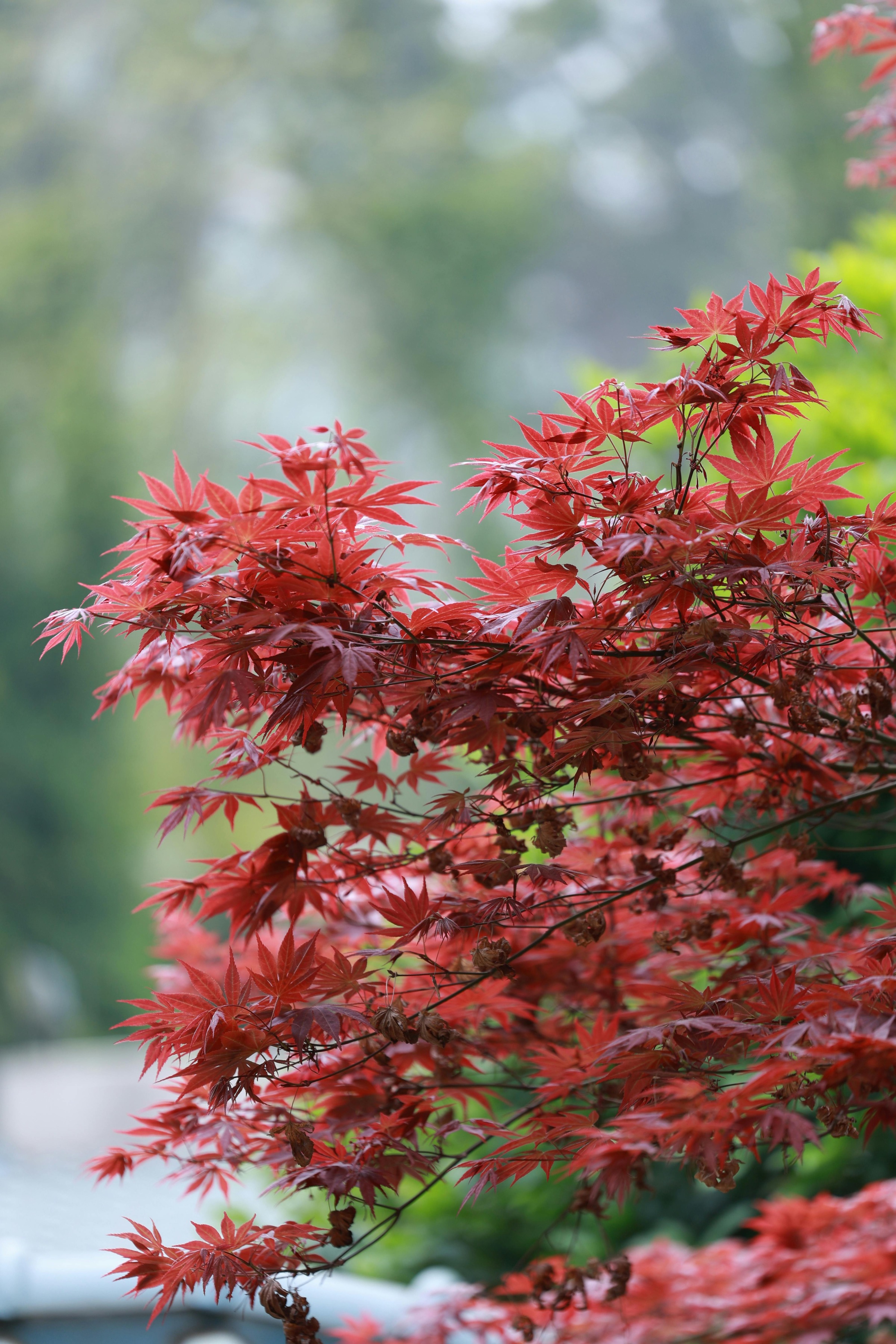
The first rule of bonsai in winter is knowing which kind you have. Tropical and subtropical bonsai, such as ficus, jade, Fukien tea, schefflera, and serissa, should live indoors in the brightest window you have or under a grow light for 12 to 14 hours a day, watered as soon as the top of the soil starts to dry. Temperate bonsai, such as juniper, maple, pine, elm, and azalea, need a cold dormant rest outdoors or in an unheated, protected spot, and they decline if kept in a warm house all winter. Most bonsai losses in the cold months come from one of three things: a temperate tree kept indoors, soil allowed to dry out, or too little light.
Tropical or temperate?
| Type | Common examples | Winter home |
|---|---|---|
| Tropical | Ficus, jade, schefflera, Fukien tea, serissa, dwarf umbrella tree | Indoors, 60 to 75°F, bright light |
| Subtropical | Chinese elm, pomegranate, olive | Cool bright room or protected porch, 40 to 60°F |
| Temperate | Juniper, Japanese maple, pine, larch, azalea, trident maple | Outdoors with root protection, or unheated garage with a window |
Juniper sold as a gift or mall bonsai is the most common mistake. It looks like a houseplant but needs winter cold. If yours is a juniper, move it to a sheltered spot outdoors and protect the pot from deep freezes. Our guide to overwintering potted plants in cold zones explains how to shelter containers.
🌱 Get Personalized Plant Picks
Answer a few quick questions and we’ll match plants to your exact yard conditions.
Find My Plants →Light
Indoor winter light is far weaker than outdoor light. Put tropical bonsai within a foot or two of a south or west window, and rotate the pot a quarter turn each week. In northern homes, a full-spectrum grow light 6 to 12 inches above the canopy on a timer is usually needed to keep leaves from dropping and shoots from stretching. See grow light basics for winter houseplants.
Watering
Bonsai pots are shallow and the soil is coarse, so they dry quickly in heated rooms.
- Check daily by pressing a finger into the soil or using a chopstick.
- Water when the top quarter inch feels dry, not on a fixed schedule.
- Water thoroughly until it runs out the drainage holes, then water again a minute later so the whole root ball is wet.
- Never let it go bone dry. A fully dried bonsai can lose fine roots in a day.
- Empty the saucer so the pot does not sit in water.
Shop indoor bonsai supplies on Amazon
Fast-draining bonsai soil for spring repotting, a pebble humidity tray for dry heated rooms, and a basic bonsai tool set for clean pruning cuts. We may earn a commission at no extra cost to you.
Amazon · Bonsai soil mix Amazon · Pebble humidity tray Amazon · Bonsai tool set
Humidity and temperature
Heated air often drops below 30 percent humidity. Set the pot on a tray of pebbles and water, with the waterline below the pot bottom, and group it with other plants. Our guide to humidity trays and grouping plants shows the setup. A room humidifier helps more in very dry homes. Keep the tree away from heat vents, radiators, and cold window glass at night.
Feeding, pruning, and repotting
- Feed lightly. Tropical bonsai growing under good light can take a balanced fertilizer at half strength once a month. Trees in low light should get little or none.
- Prune lightly to keep shape, cutting back long shoots to one or two leaves. Save heavy pruning and wiring for spring growth.
- Repot in spring, not in winter, when roots fill the pot. Use a fast-draining bonsai mix of materials such as akadama, pumice, and lava rock. Regular potting soil stays too wet in a shallow pot.
- Remove glued rocks. Some gift bonsai come with a glued layer of gravel on top of the soil. It blocks water and air; soak and gently pry it off.
Tool and plant safety
Bonsai shears and concave cutters are very sharp. Cut away from your hand, keep tools closed and stored out of children's reach, and wipe blades with rubbing alcohol between trees. Some popular bonsai species, including jade and ficus, are listed as toxic to pets by the ASPCA. Keep the tree where cats and dogs cannot chew it, and call your veterinarian or the ASPCA Animal Poison Control Center at (888) 426-4435 if a pet eats leaves. For a child, call Poison Control at 1-800-222-1222.
Signs of trouble
- Sudden leaf drop on ficus after a move is usually a reaction to lower light. Keep conditions steady and it will regrow.
- Brown, crispy tips point to dry soil or dry air.
- Yellow leaves with wet soil suggest overwatering or a pot without drainage.
- Brown needles on a juniper indoors mean it needs to go outside to a cold spot.
Bottom line
Keep tropical bonsai indoors in strong light and check the soil every day, and give temperate bonsai a cold, sheltered rest outdoors. Steady light, steady moisture, and no heavy work until spring carry most indoor bonsai through the dark months.
Related reading
- Humidifiers for houseplants in winter
- When to repot houseplants in winter
- Norfolk Island pine indoor care
- Acclimating a gift plant after purchase
Ready to match plants to your location? Try the PlantWise Plant Finder →