Best Deer-Resistant Privacy Hedges for Zone 4
A privacy hedge that deer won't demolish is a practical necessity in many Zone 4 neighborhoods. These 36 plants grow tall enough to provide screening and are reliably deer resistant — giving you both privacy and peace of mind.
🌱 Get Personalized Plant Picks
Answer a few quick questions and we’ll match plants to your exact yard conditions.
Find My Plants →Weigela
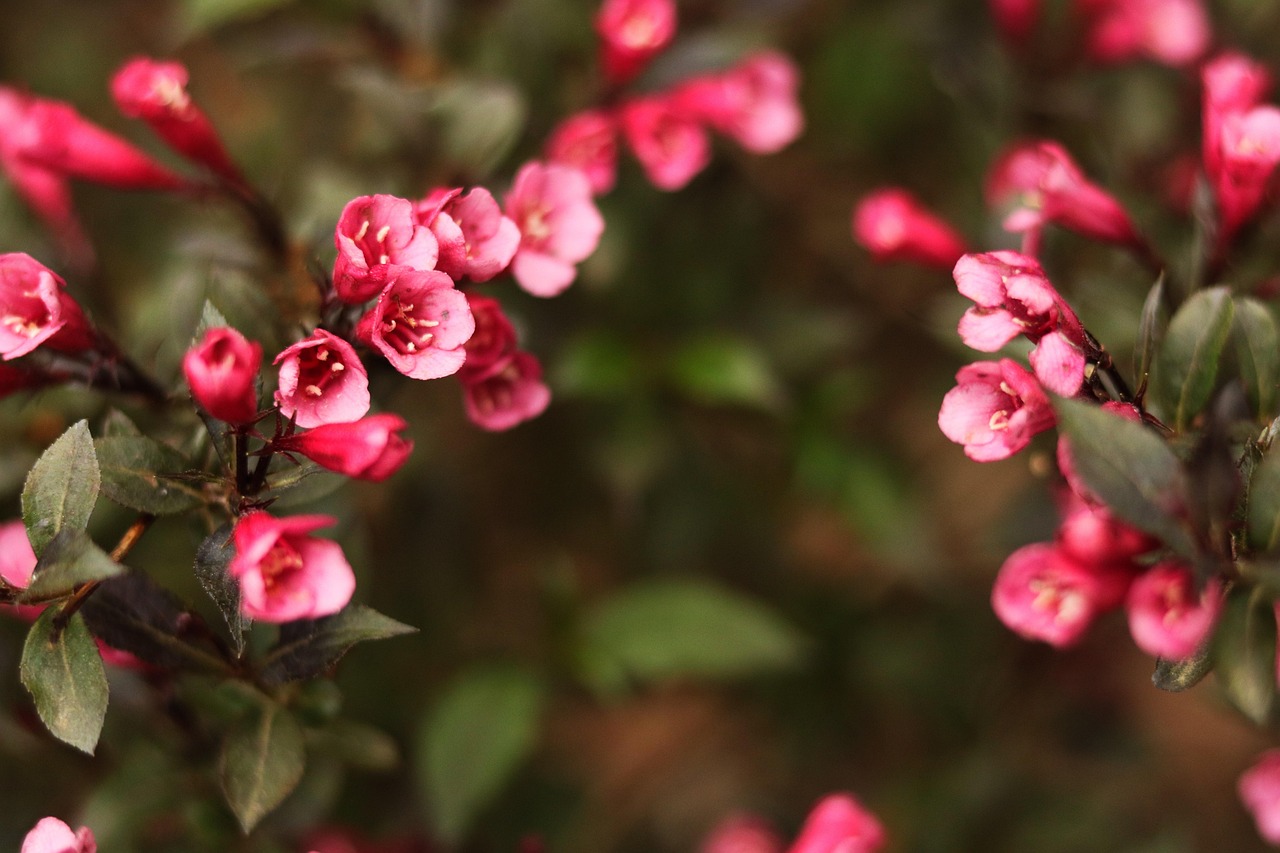
Weigela florida 'Wine and Roses' — Vibrant deep wine-red blooms splash color from late spring to early summer, creating a stunning focal point in any garden. This low-maintenance shrub is deer resistant and thrives in USDA zones 4-8.
- Height: 60 inches
- Light: full sun
- Zones: zones 4–8 Not listed as toxic to dogs or cats.
Lilac
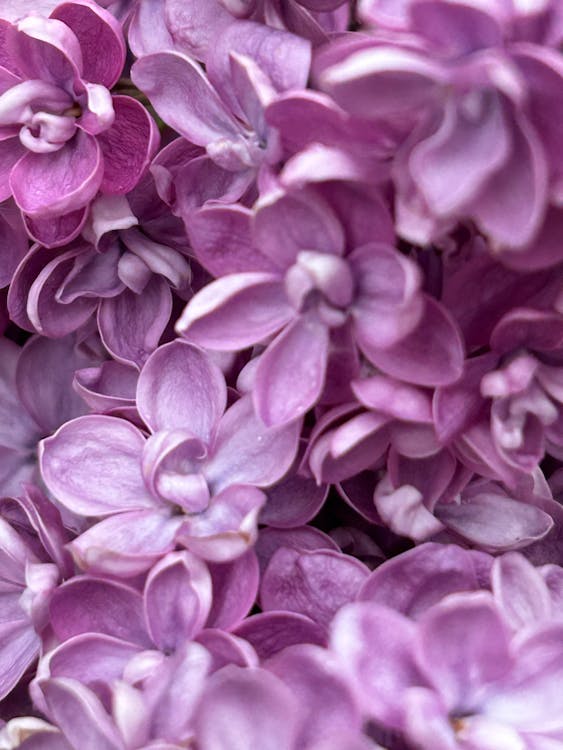
Syringa vulgaris — Fragrant clusters of lavender-purple blooms burst in spring, filling the air with sweet, nostalgic scents. Hardy in USDA zones 3-7, lilacs attract pollinators and thrive with minimal care.
- Height: 12 feet
- Light: full sun
- Zones: zones 3–7 Not listed as toxic to dogs or cats.
Mock Orange
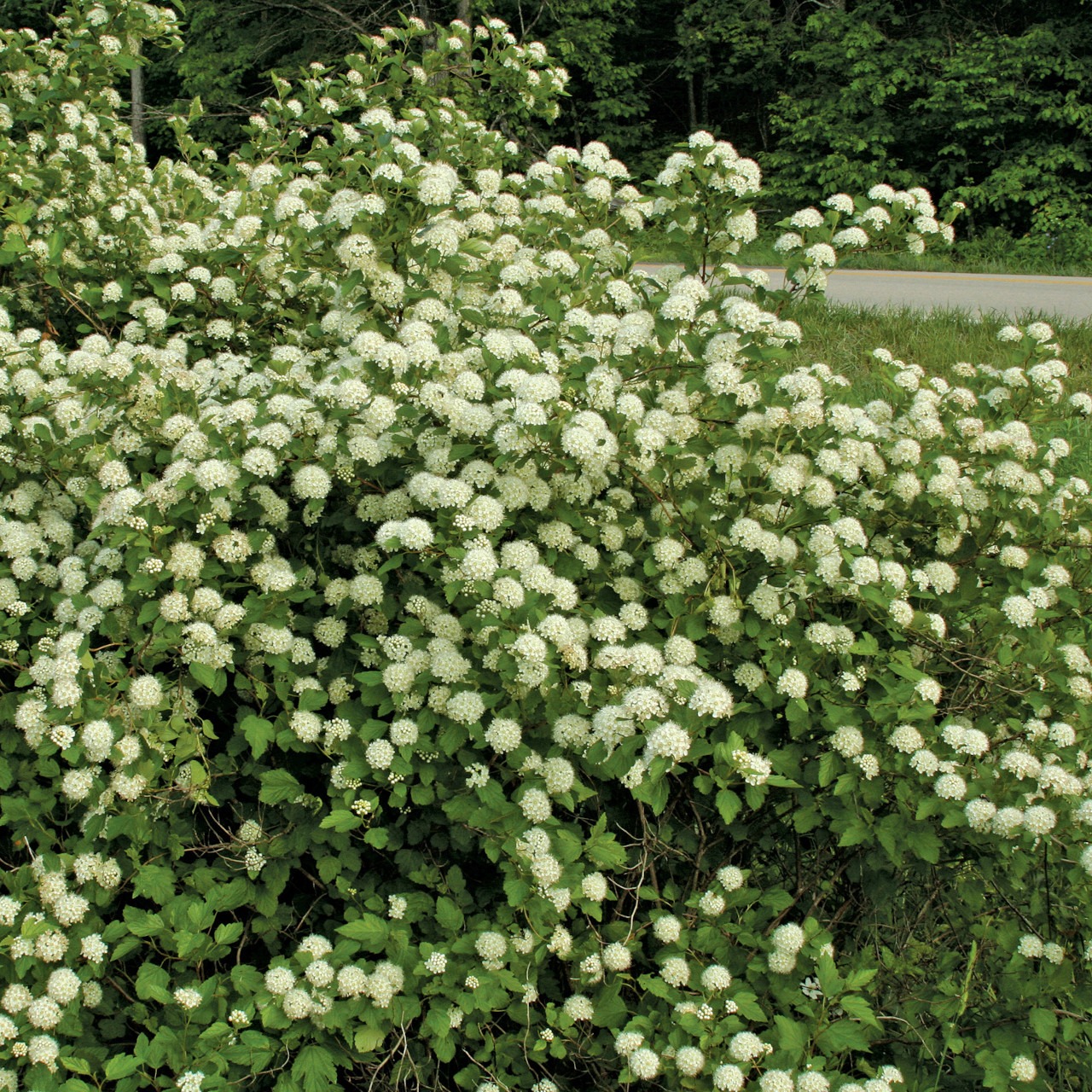
Philadelphus coronarius — Fragrant white blooms burst in late spring, filling the air with a sweet citrus scent that delights the senses. This low-maintenance shrub thrives in USDA zones 4-8 and attracts pollinators while resisting deer.
- Height: 10 feet
- Light: full sun to partial shade
- Zones: zones 4–8 Not listed as toxic to dogs or cats.
Ninebark
Physocarpus opulifolius Diablo — Striking deep burgundy foliage contrasts beautifully with creamy white spring blooms, adding vibrant color from spring through fall. This hardy shrub thrives in USDA zones 2-7, is drought-tolerant, and deer resistant, making it a low-maintenance landscape standout.
- Height: 96 inches
- Light: full sun to partial shade
- Zones: zones 3–8 Not listed as toxic to dogs or cats.
Fothergilla
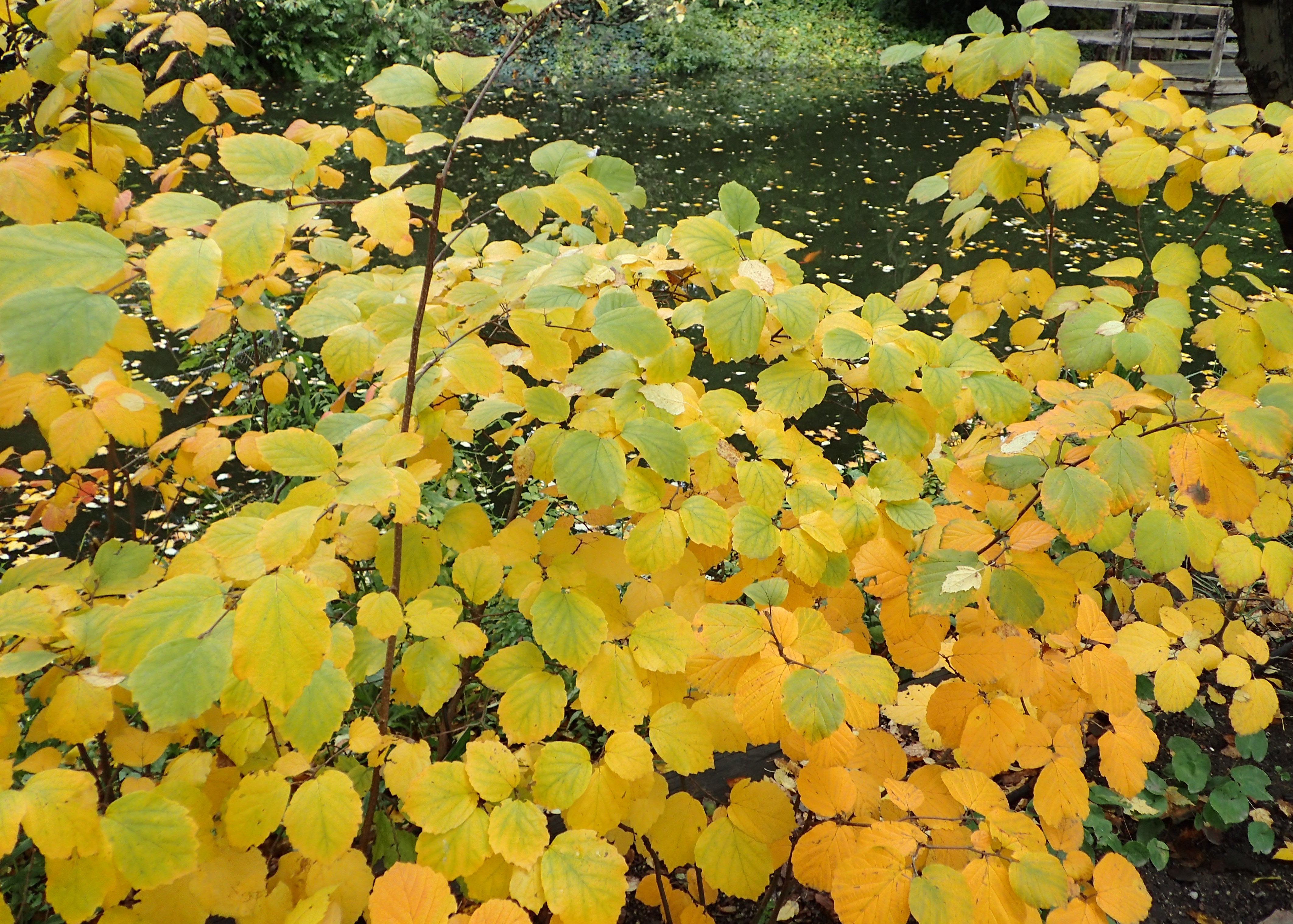
Fothergilla major — Fragrant white bottlebrush blooms light up spring with a delightful floral display and vibrant fall foliage. This low-maintenance shrub thrives in USDA zones 5-8 and attracts pollinators while resisting deer.
- Height: 10 feet
- Light: full sun to partial shade
- Zones: zones 4–8 Not listed as toxic to dogs or cats.
Summersweet
Clethra alnifolia — Fragrant white to pink blooms light up late summer, filling gardens with sweet, spicy scent. This deer-resistant shrub thrives in USDA zones 3-9 and attracts pollinators.
- Height: 96 inches
- Light: full sun to partial shade
- Zones: zones 3–9 Not listed as toxic to dogs or cats.
Sweetshrub
Calycanthus floridus — Fragrant, deep red blooms appear in late spring, filling gardens with a spicy-sweet scent that delights the senses. This low-maintenance shrub is deer resistant and thrives in USDA zones 4-9.
- Height: 108 inches
- Light: full sun to partial shade
- Zones: zones 4–9
Inkberry
Ilex glabra — Glossy evergreen leaves and striking black berries brighten winter landscapes with subtle beauty. This low-maintenance shrub thrives in USDA zones 6-9 and is deer resistant.
- Height: 10 feet
- Light: full sun to partial shade
- Zones: zones 4–9
Mountain Laurel
Kalmia latifolia — Clusters of star-shaped pink and white blooms light up late spring with stunning color and unique form. This deer-resistant evergreen thrives in USDA zones 4-9 and attracts pollinators.
- Height: 15 feet
- Light: various light conditions
- Zones: zones 4–9
Viburnum Blue Muffin
Viburnum dentatum Blue Muffin — Clusters of fragrant white blooms in spring give way to vibrant blue berries that attract birds in fall. This deer-resistant shrub thrives in USDA zones 3-8 and requires low maintenance.
- Height: 84 inches
- Light: full sun to partial shade
- Zones: zones 3–8
Chokeberry
Aronia arbutifolia — Brilliant clusters of white spring blooms turn to vibrant red berries and fiery fall foliage, lighting up the garden from USDA zones 3-8. This low-maintenance shrub is deer resistant and attracts pollinators, enhancing wildlife habitat effortlessly.
- Height: 96 inches
- Light: full sun to partial shade
- Zones: zones 3–8 Not listed as toxic to dogs or cats.
Spicebush
Lindera benzoin — Fragrant yellow blooms herald early spring, attracting butterflies and hummingbirds with their vibrant charm. This shade-tolerant shrub thrives in USDA zones 4-9 and is deer resistant.
- Height: 12 feet
- Light: various light conditions
- Zones: zones 4–9 Not listed as toxic to dogs or cats.
Witch Hazel
Hamamelis x intermedia Arnold Promise — Vibrant yellow blooms light up late winter gardens with a delightful spicy fragrance, brightening cold months. This hardy shrub thrives in USDA zones 4-8, offering low maintenance and attracting early pollinators.
- Height: 20 feet
- Light: full sun to partial shade
- Zones: zones 4–8 Not listed as toxic to dogs or cats.
Bayberry
Myrica pensylvanica — Fragrant silver-green foliage and soft, waxy berries add year-round interest and texture to your garden. This low-maintenance, deer-resistant shrub thrives in USDA zones 3-7 and attracts beneficial wildlife.
- Height: 10 feet
- Light: full sun to partial shade
- Zones: zones 3–7 Not listed as toxic to dogs or cats.
Rugosa Rose
Rosa rugosa — Fragrant, vibrant pink blooms light up summer with a charming, old-fashioned appeal. Rugosa Rose thrives in USDA zones 3-7, offering deer resistance and salt tolerance.
- Height: 72 inches
- Light: full sun to partial shade
- Zones: zones 2–9
Picks for other USDA zones
Gardening in a colder or warmer zone? These deer-resistant options from our other zone lists are worth a look. Check each plant's zone range against yours:
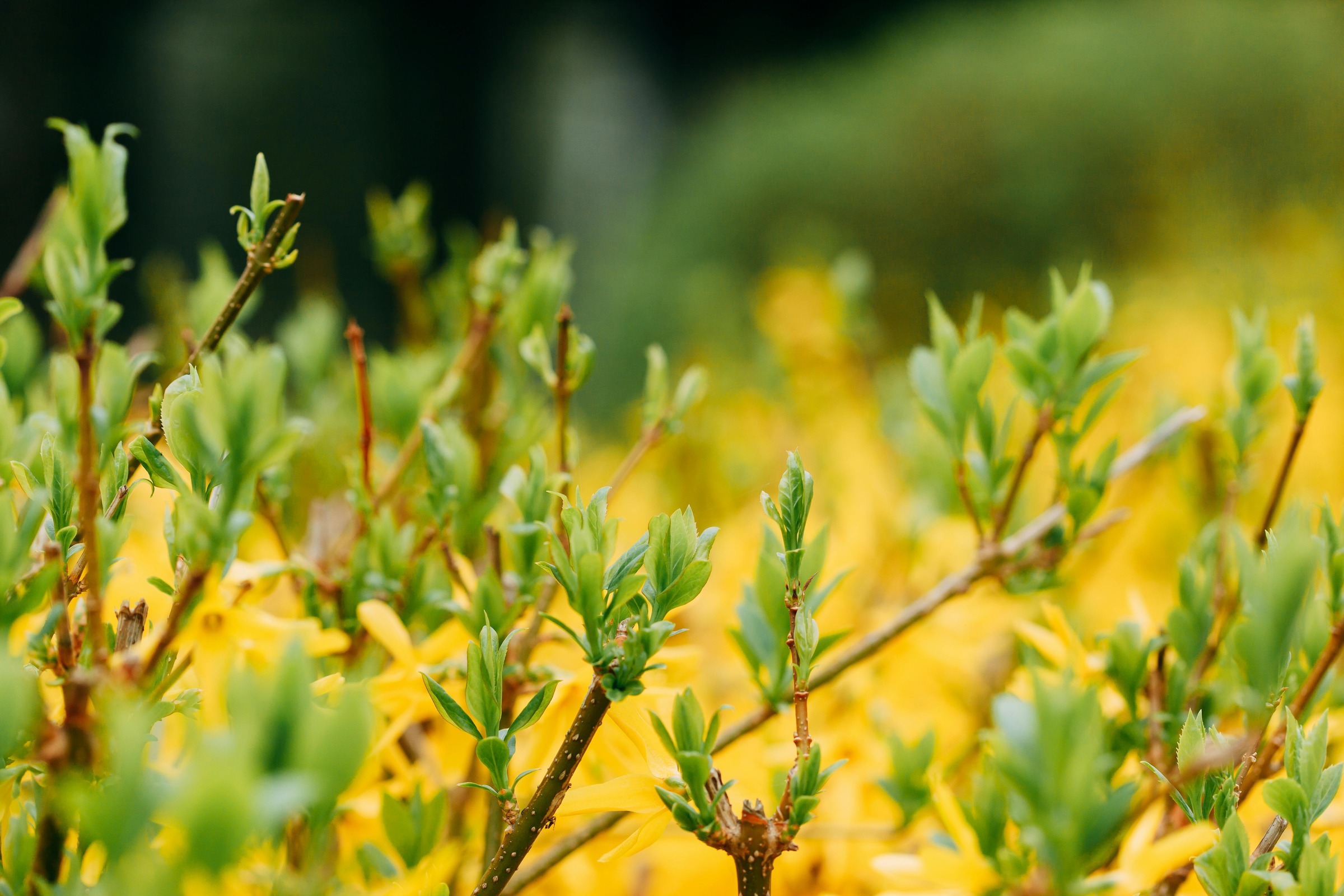
- Forsythia — zones 5–8, full sun
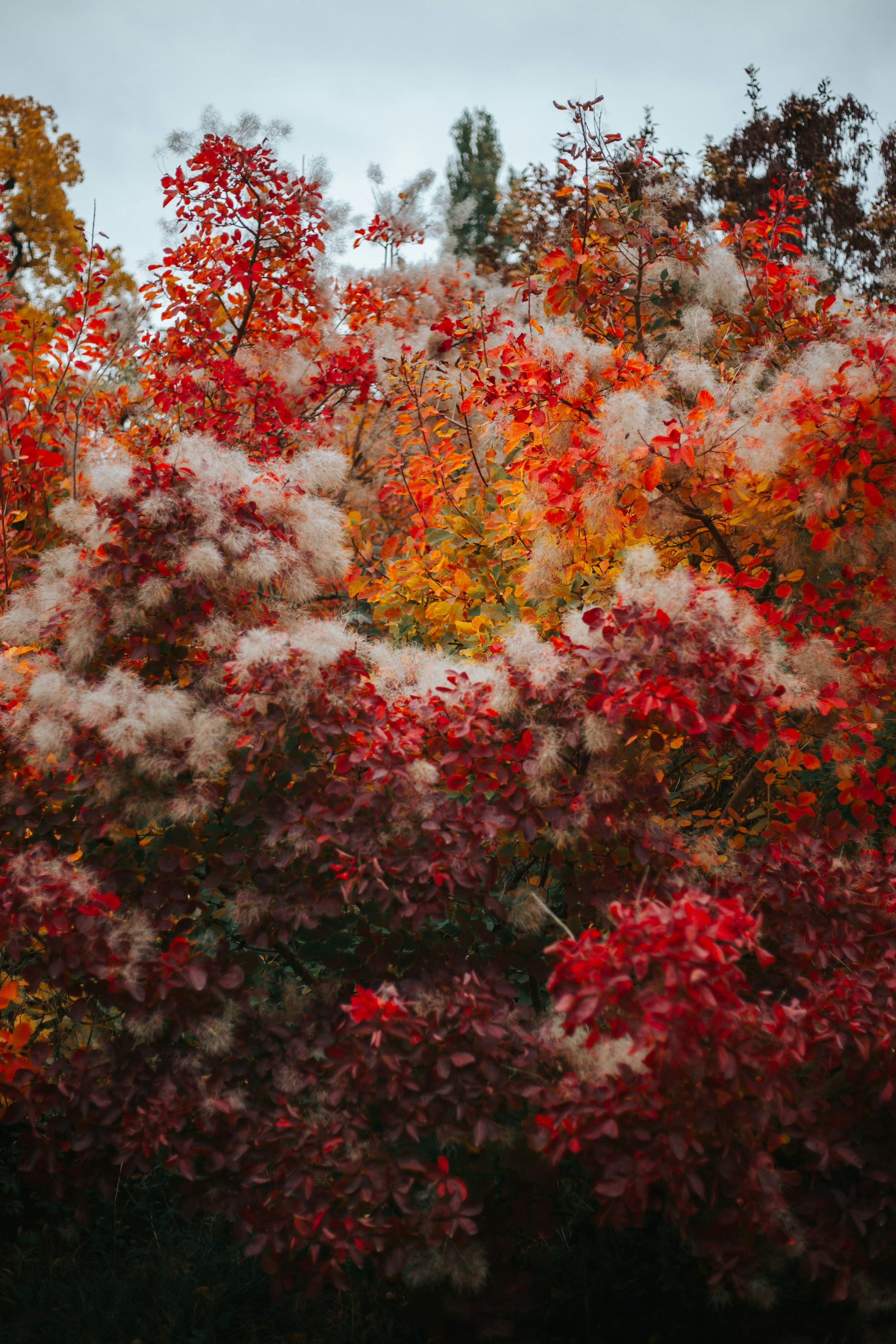
- Smokebush — zones 5–8, full sun
- Virginia Sweetspire — zones 5–9, full sun to partial shade
- Buttonbush — zones 5–9, full sun to partial shade
- Holly — zones 5–9, full sun to partial shade
- Leucothoe — zones 5–8, various light conditions
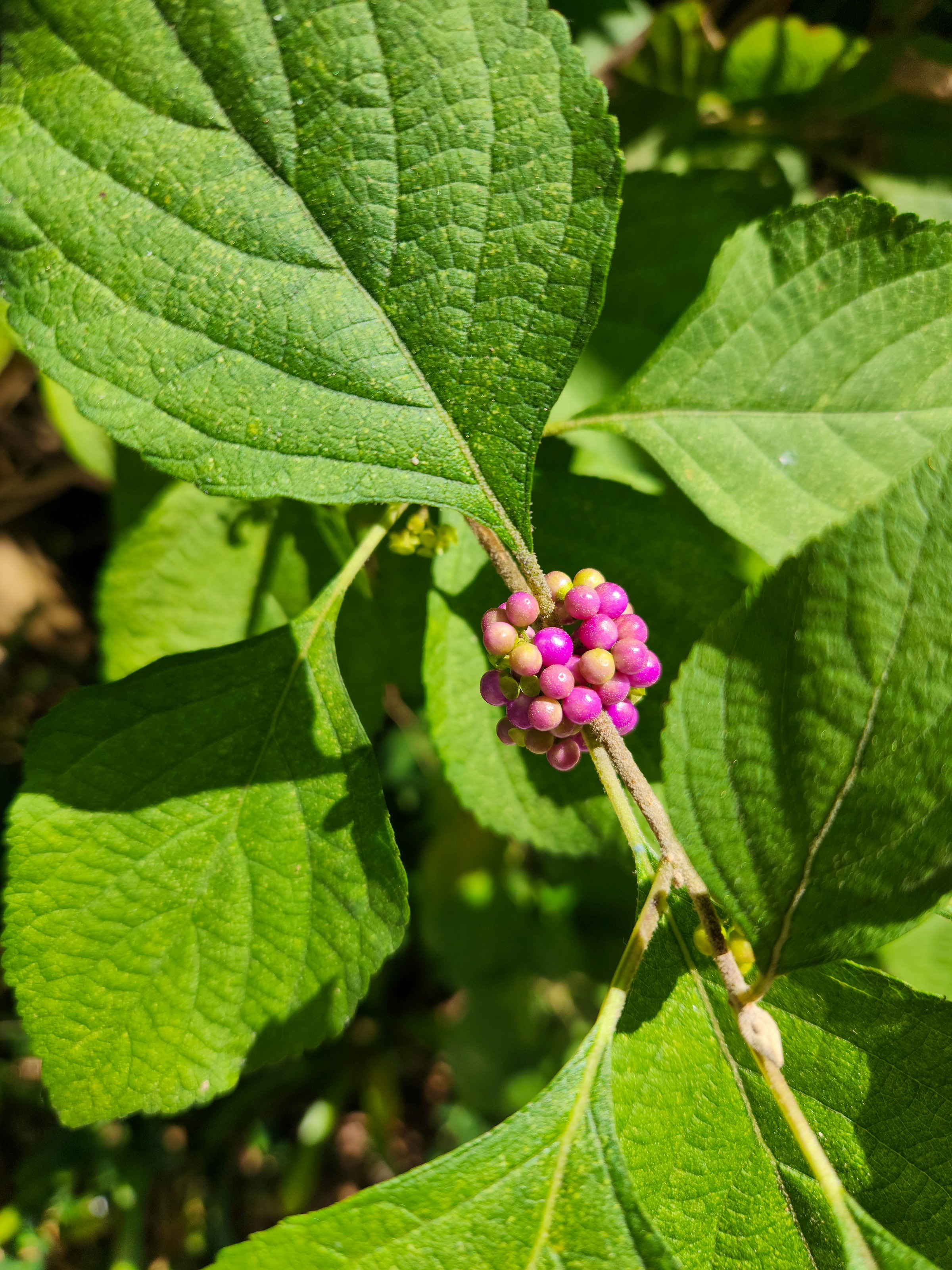
- Beautyberry — zones 6–10, full sun to partial shade
- Nandina — zones 6–10, full sun to partial shade
- Mahonia — zones 5–9, partial shade
- Aucuba — zones 7–10, full shade
- Osmanthus — zones 7–9, full sun to partial shade
- Knockout Rose — zones 5–11, full sun to partial shade
Why Zone 4 Matters
USDA Hardiness Zone 4 defines the minimum winter temperatures your plants must survive. Choosing plants rated for your zone — or colder — ensures they come back year after year without replanting.
Tips for Success
- Plant in groups — massed plantings establish faster and are more visually impactful
- Water during establishment — even drought-tolerant plants need consistent moisture in their first season
- Mulch generously — 2–3 inches of mulch conserves moisture and suppresses weeds
Explore More
Browse our full plant directory to filter by zone, sun requirements, deer resistance, and pet safety — all in one place.
Related plants: Carefree Wonder Rose, Rhododendron PJM, Kousa Dogwood, Saucer Magnolia, Star Magnolia, Fringe Tree, Japanese Tree Lilac, Yellowwood, Pagoda Dogwood, Paperbark Maple, River Birch, American Hornbeam, Black Gum, Persimmon, White Oak, Red Oak, Pin Oak, Swamp White Oak, Bur Oak, Ginkgo, Italian Cypress
Plant recommendations are based on USDA zone data and reported gardener experience. Individual results may vary based on microclimate, soil conditions, and local deer populations.