FTC Disclosure:
If you're looking to attract hummingbirds to your garden in Zone 4, choosing the right plants is essential. Zone 4 hummingbird plants must be cold-hardy to survive harsh winters and bloom during the short, intense summer. The best hummingbird plants for Zone 4 include native and adapted perennials and shrubs that provide abundant nectar and vibrant colors, particularly reds and oranges, to entice these tiny pollinators. Here are seven top choices that thrive in Zone 4 and will bring delightful hummingbird visitors to your yard.
Why Choose Hummingbird Plants for Zone 4 Gardens?
Zone 4 climates experience cold winters with temperatures often dropping to -30°F (-34°C), so plants must be resilient. Hummingbirds rely on nectar-rich flowers as an energy source during their active summer months. Selecting nectar-producing plants that bloom sequentially ensures a steady food supply. Additionally, native or well-adapted plants promote local biodiversity and provide shelter for other beneficial wildlife.
🌱 Get Personalized Plant Picks
Answer a few quick questions and we’ll match plants to your exact yard conditions.
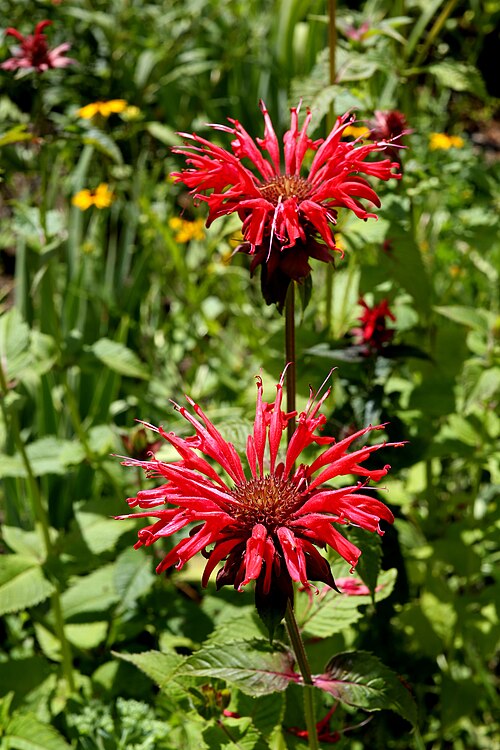
Find My Plants →1. Bee Balm (Monarda didyma)
Bee balm is a classic hummingbird magnet. Its tubular, bright red to magenta flowers produce abundant nectar and bloom from mid to late summer. This perennial thrives in full sun to part shade and tolerates Zone 4 winters very well. Beyond attracting hummingbirds, bee balm also supports butterflies and bees.
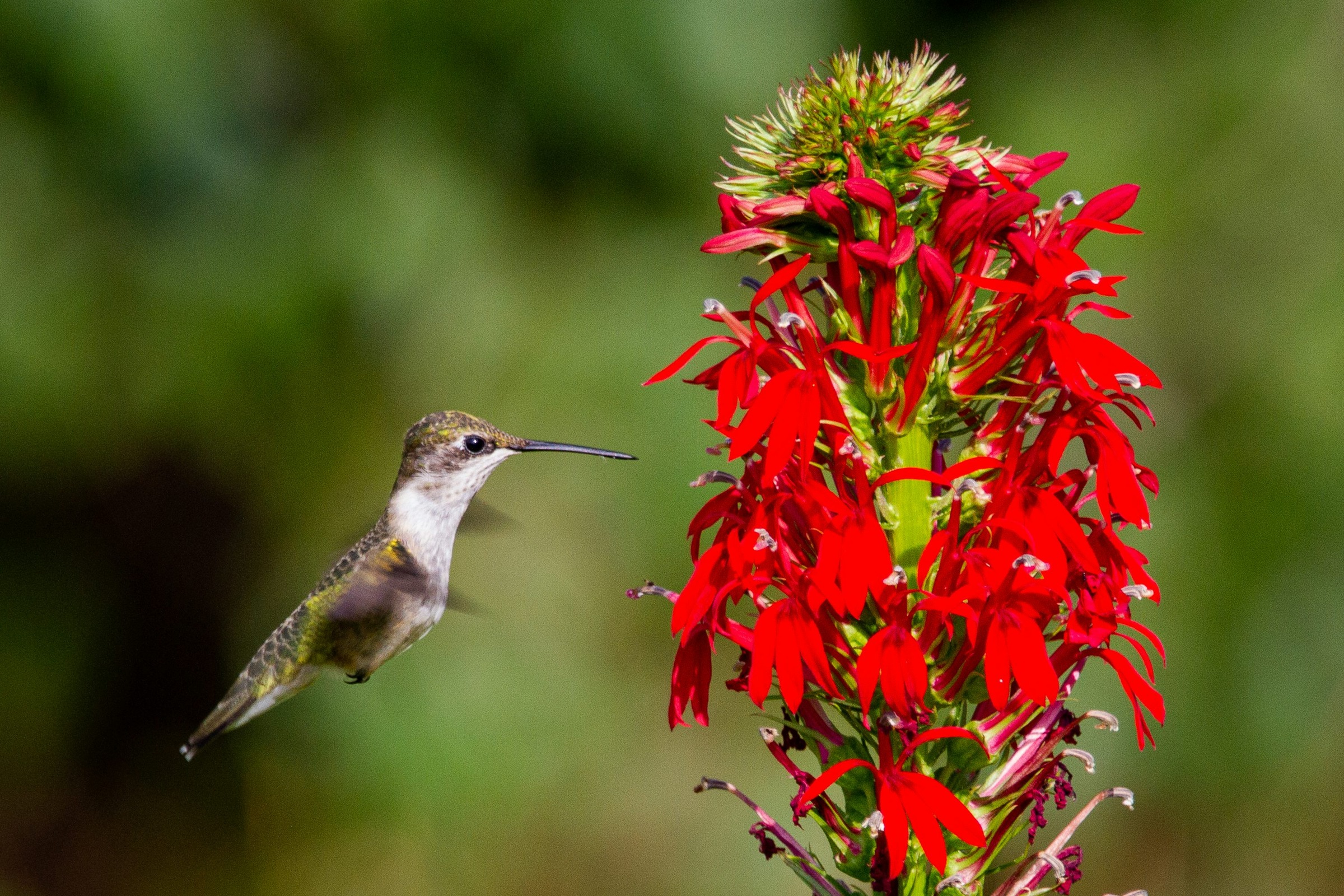
2. Cardinal Flower (Lobelia cardinalis)
Known for its striking scarlet spikes, cardinal flower is one of the most hummingbird-attractive plants. It blooms in late summer and prefers moist soils, making it ideal near ponds or rain gardens. Cardinal flower’s vivid red flowers provide an essential nectar source for hummingbirds in Zone 4.
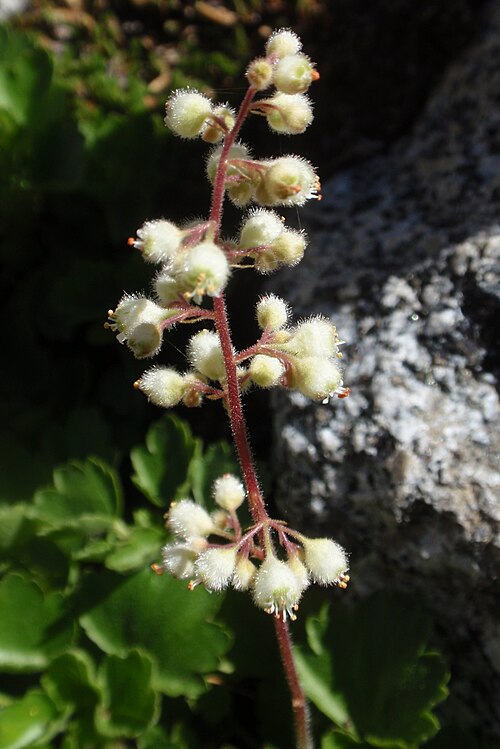
3. Coral Bells (Heuchera americana)
Coral bells are prized for their colorful foliage and delicate flower spikes that hummingbirds adore. They bloom in late spring to early summer, offering early nectar. These perennials are hardy to Zone 4 and do well in partial shade, adding variety to your hummingbird garden.
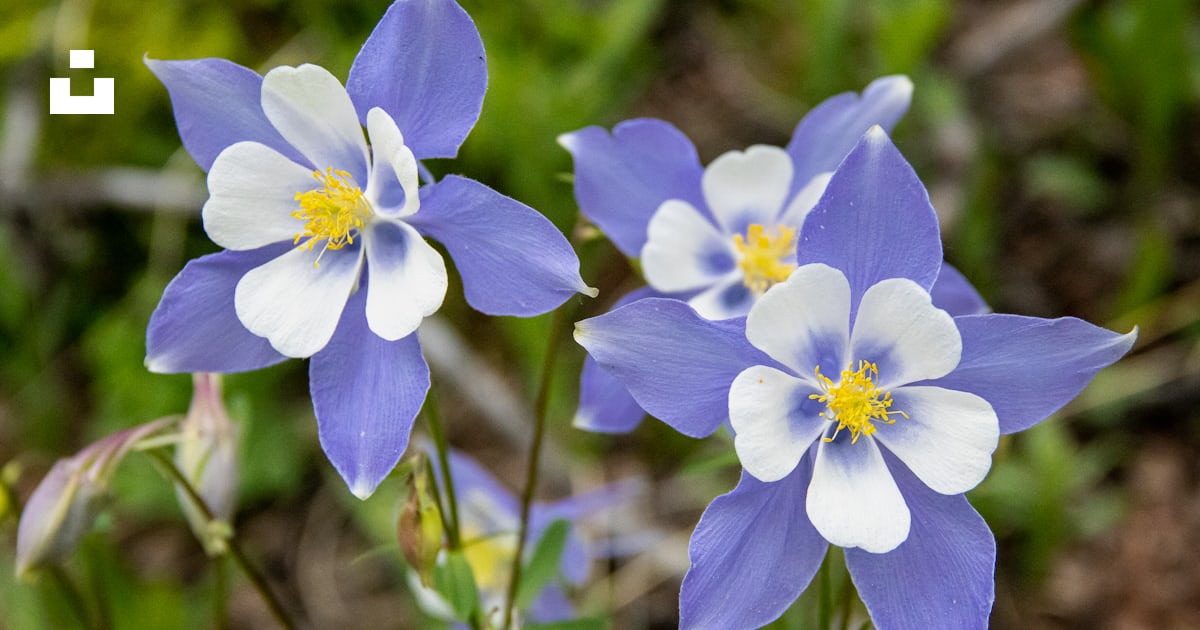
4. Red Columbine (Aquilegia canadensis)
Red columbine features red and yellow bell-shaped flowers that dangle gracefully, attracting hummingbirds with their shape and nectar. Blooming in late spring, this native perennial is drought-tolerant once established and thrives in various soil types, making it an excellent choice for Zone 4 gardens.
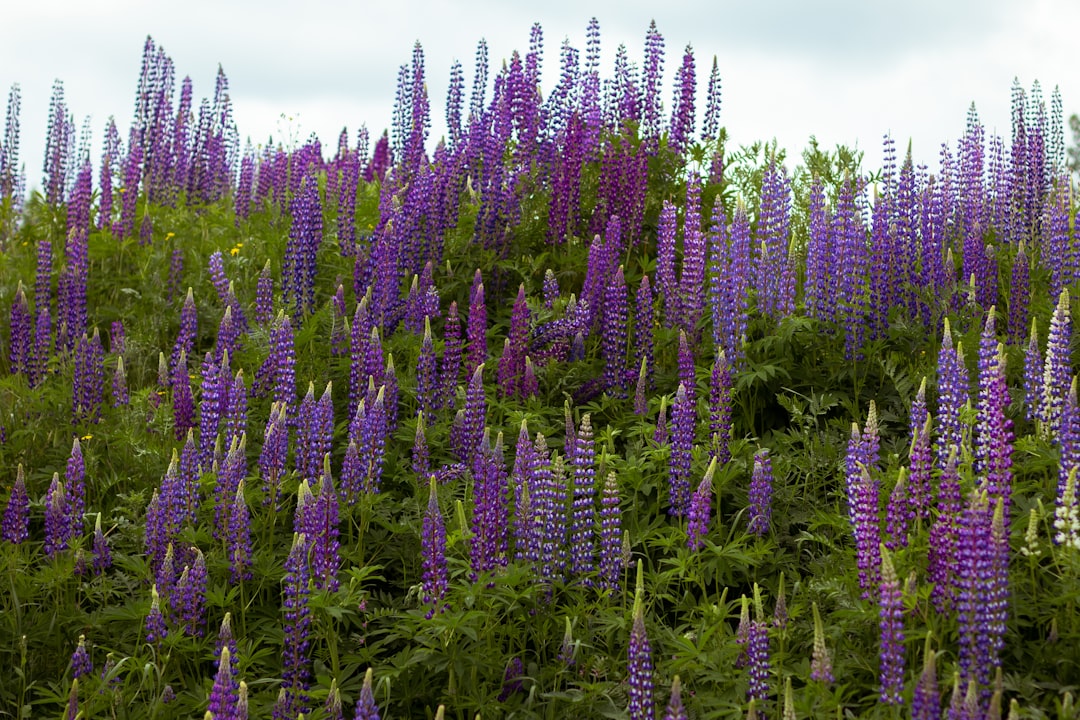
5. Lupine (Lupinus perennis)
Lupine provides tall, densely packed flower spikes in shades of blue, purple, and sometimes pink. While not red, their shape and nectar still attract hummingbirds. They bloom in early to mid-summer and are well-suited to Zone 4 conditions, especially in sandy or well-drained soils.
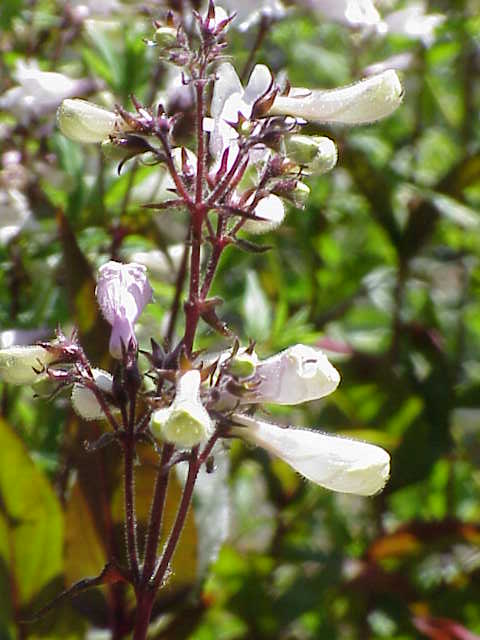
6. Penstemon (Penstemon digitalis)
Penstemons, also called beardtongues, have tubular flowers in shades of pink, red, and white that hummingbirds find irresistible. Penstemon digitalis is hardy to Zone 4 and blooms in early summer, providing an early nectar source. Penstemons prefer full sun and well-drained soil.
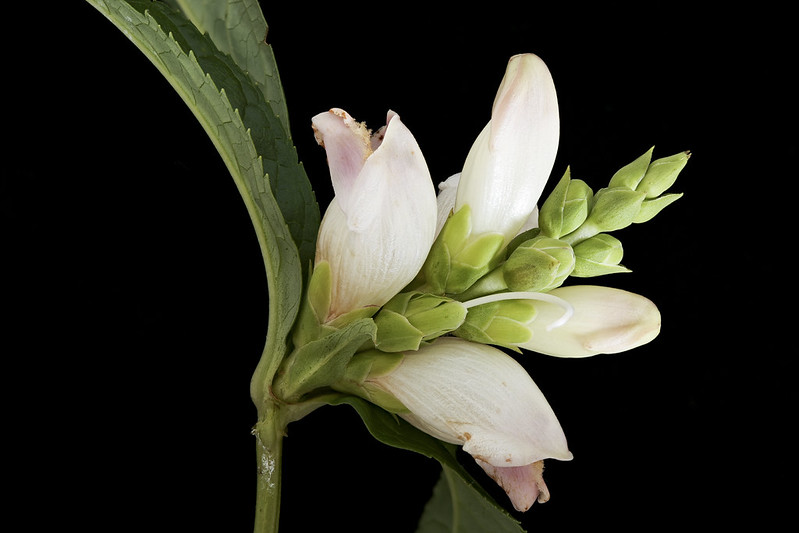
7. Turtlehead (Chelone glabra)
Turtlehead features pink to white tubular flowers that bloom from late summer to early fall. This native perennial thrives in moist soils and partial shade, making it perfect for rain gardens or shaded areas. Its nectar-rich blooms attract hummingbirds late in the season.
Tips for Creating a Hummingbird Haven in Zone 4
- Plant Diversity: Combine early, mid, and late bloomers to provide nectar throughout the hummingbird season.
- Native Plants: Focus on native or well-adapted species for the best survival and ecological benefits.
- Avoid Pesticides: Chemicals can harm hummingbirds and pollinators; opt for organic pest control.
- Include Water Sources: A shallow birdbath or misting fountain attracts hummingbirds needing hydration.
- Provide Shelter: Shrubs and trees offer resting spots and protection from predators.
Pet Safety Reminder
Many hummingbird plants are not listed as toxic to pets; however, always monitor your furry friends around garden plants. For pet safety concerns, contact the ASPCA Animal Poison Control Hotline at 888-426-4435.
Wildlife Resistance Disclaimer
While these plants attract hummingbirds, their resistance to deer, rabbits, and groundhogs varies. Consider protective measures if local wildlife is a concern.
Creating a hummingbird-friendly garden in Zone 4 is rewarding and supports local ecosystems. Incorporate these seven cold-hardy nectar plants to enjoy the vibrant activity of hummingbirds all summer long.
Ready to find the perfect hummingbird plants tailored to your exact location and preferences? Try the PlantWise Plant Finder wizard today at /wizard and start planning your hummingbird haven!