FTC Disclosure: This post contains affiliate links. As an Amazon Associate, we earn from qualifying purchases at no extra cost to you.
If you're gardening in Zone 7 and want to attract the mesmerizing ruby-throated hummingbirds, planting the right nectar-rich flowers is key. The best hummingbird plants for Zone 7 not only provide ample nectar but also thrive in the region's climate, offering a continuous bloom period from spring through fall. In this post, we'll explore seven top hummingbird-friendly plants that will bring these tiny aerial acrobats to your garden while adding vibrant color and natural beauty.
Why Choose Hummingbird Plants for Zone 7?
Zone 7, spanning parts of the southeastern and mid-Atlantic United States, typically experiences mild winters and warm summers. This climate supports a diverse range of flowering plants suitable for hummingbirds. Selecting plants that flourish in Zone 7 conditions ensures robust growth, longer flowering seasons, and a consistent food source for hummingbirds during their migration and breeding times.
Hummingbirds prefer tubular, brightly colored flowers — especially reds, oranges, and pinks — that offer abundant nectar. Additionally, native or well-adapted plants tend to attract more birds and are easier to maintain.
🌱 Get Personalized Plant Picks
Answer a few quick questions and we’ll match plants to your exact yard conditions.
Find My Plants →1. Trumpet Creeper (Campsis radicans)
Trumpet creeper is a fast-growing vine with large, trumpet-shaped reddish-orange flowers that hummingbirds adore. It thrives in full sun to partial shade and tolerates the heat and humidity of Zone 7 summers.
- Bloom Time: Summer to early fall
- Height: Up to 30 feet (vine)
- Growth Habit: Vigorous climber, great for arbors or fences
Trumpet creeper's vibrant flowers provide ample nectar, making it a hummingbird magnet. However, it can become invasive if not managed, so regular pruning is recommended.
Trumpet Creeper
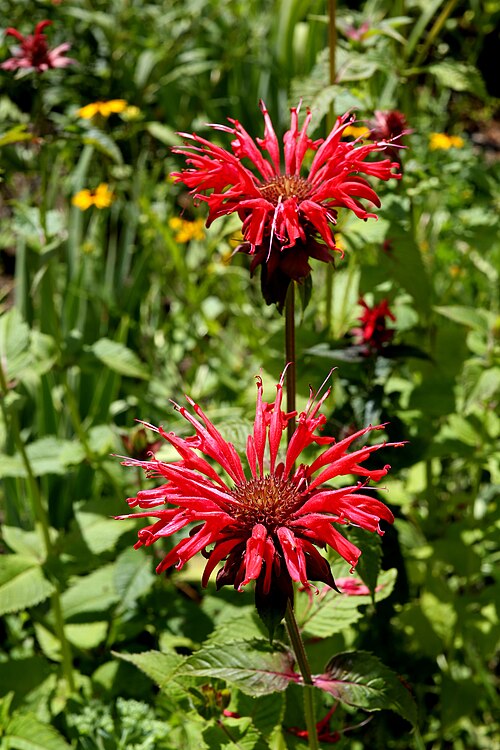
2. Bee Balm (Monarda didyma)
Bee balm is a herbaceous perennial known for its bright red, tubular flowers and minty fragrance. It attracts hummingbirds, bees, and butterflies alike.
- Bloom Time: Mid to late summer
- Height: 2-4 feet
- Growth Habit: Upright, bushy clumps
Bee balm prefers full sun and moist, well-drained soils. It can tolerate some shade but blooms best with ample sunlight. Besides adding hummingbird appeal, its aromatic leaves repel some garden pests.
3. Coral Honeysuckle (Lonicera sempervirens)
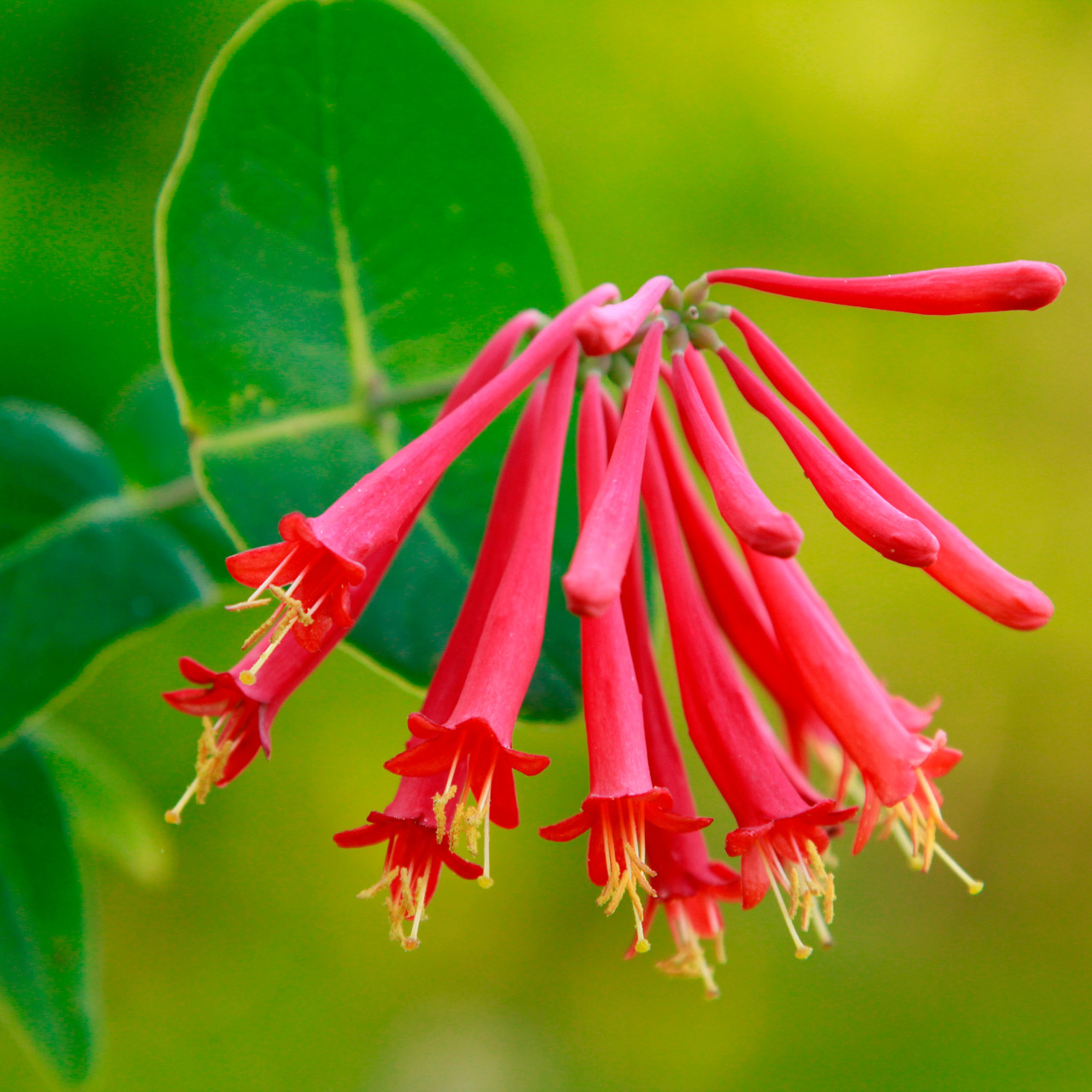
Coral honeysuckle is a native vine with clusters of tubular coral-red flowers that provide excellent nectar sources for hummingbirds.
- Bloom Time: Late spring to fall
- Height: 15-20 feet (vine)
- Growth Habit: Twining vine, suitable for trellises and fences
Unlike its invasive cousin Japanese honeysuckle, coral honeysuckle is less aggressive and more wildlife-friendly. It tolerates a variety of soils and prefers full sun but can handle some shade.
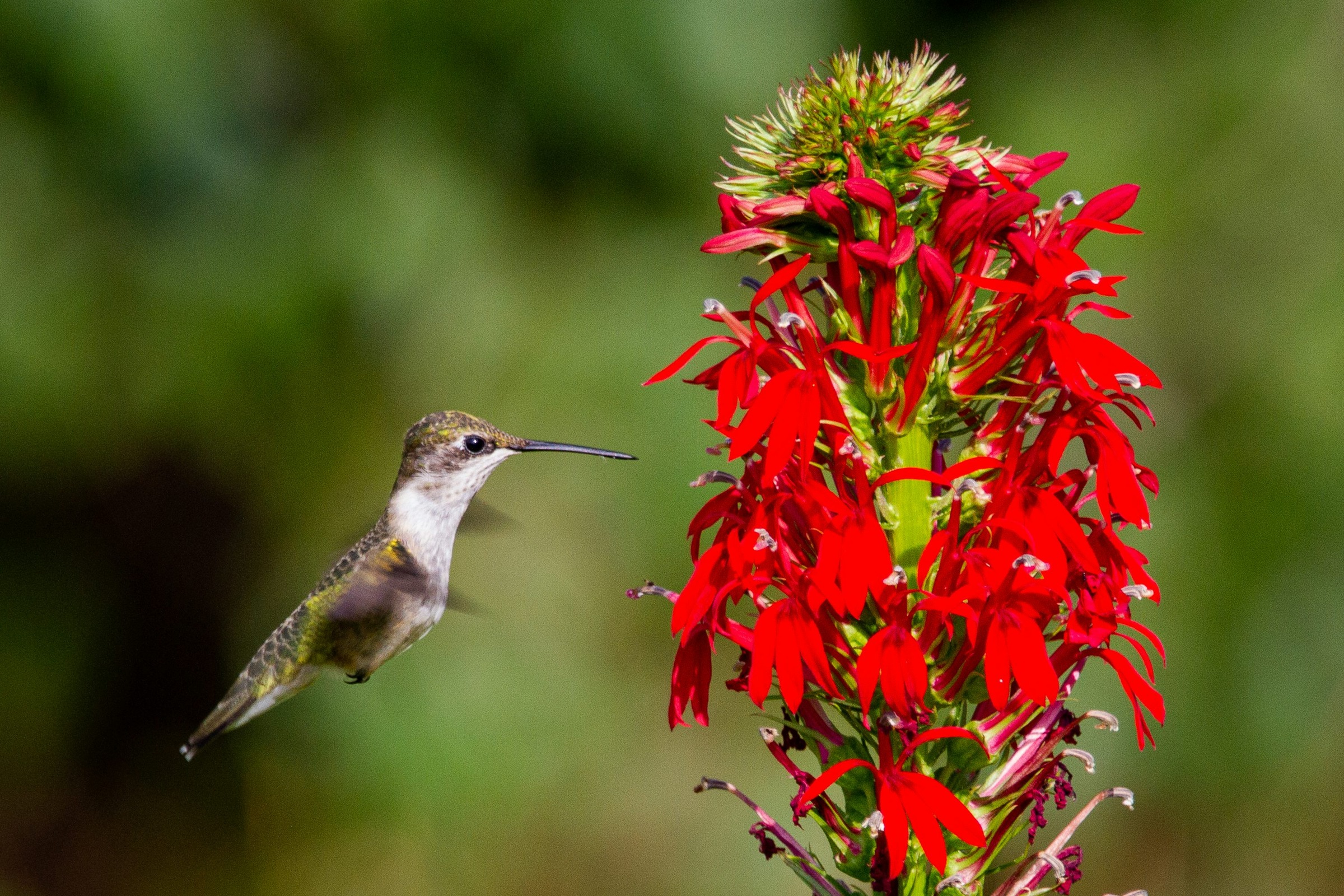
4. Cardinal Flower (Lobelia cardinalis)
Cardinal flower is a striking perennial with brilliant scarlet flowers that hummingbirds find irresistible.
- Bloom Time: Mid to late summer
- Height: 3-4 feet
- Growth Habit: Upright clumps
This plant prefers moist to wet soils and can often be found near streams or pond edges. It's perfect for planting in rain gardens or alongside water features.
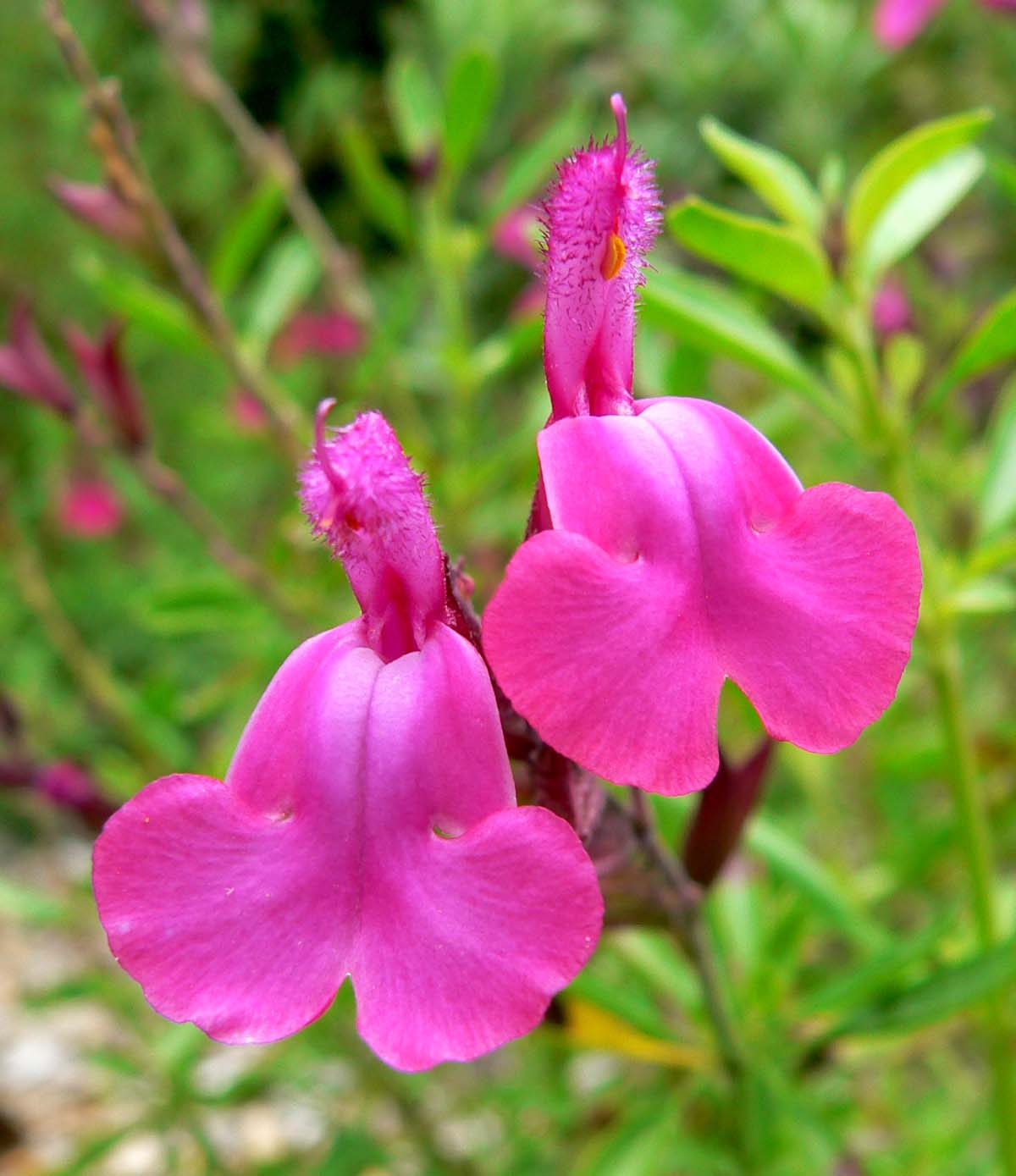
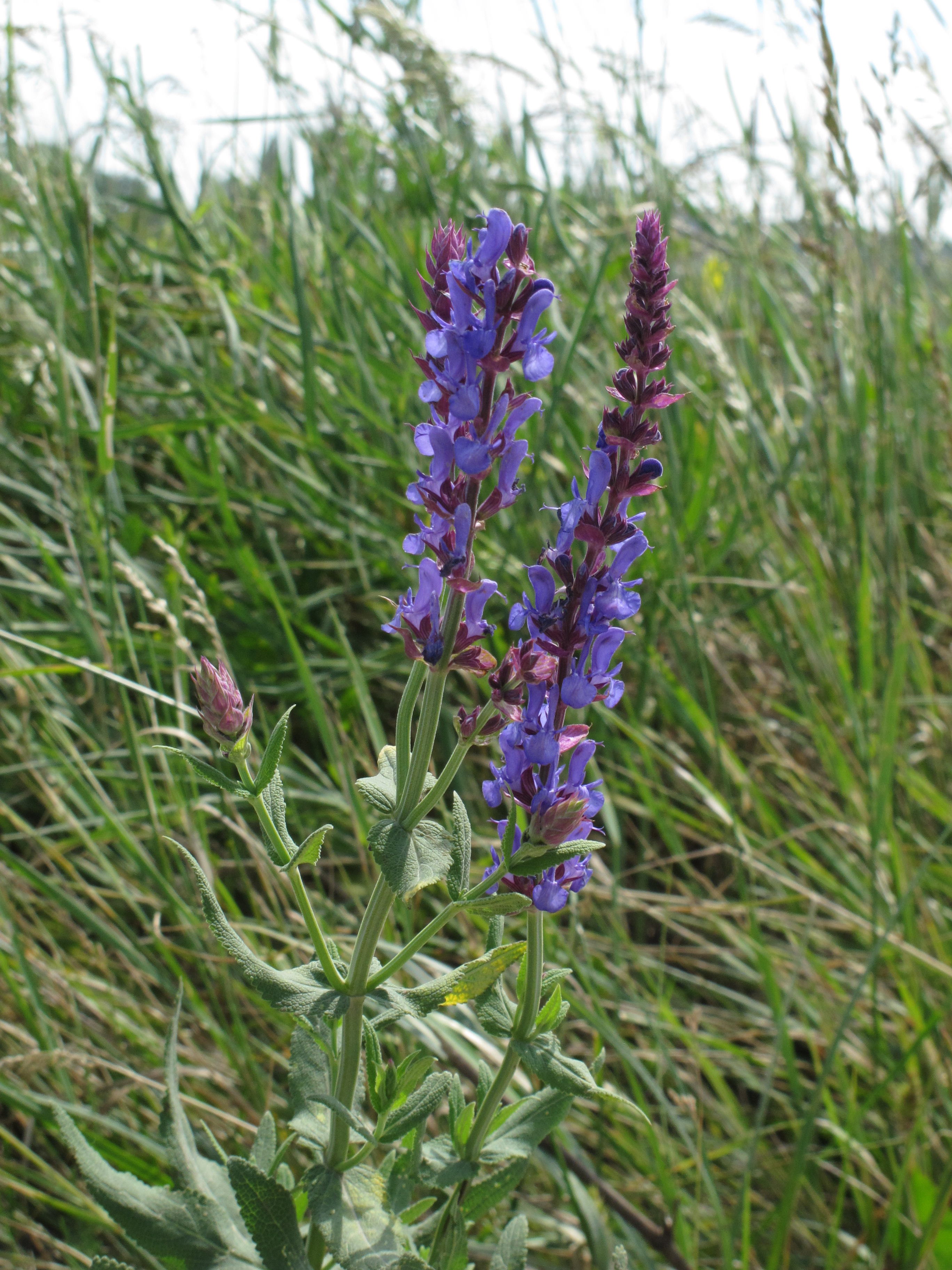
5. Salvia (Salvia spp.)
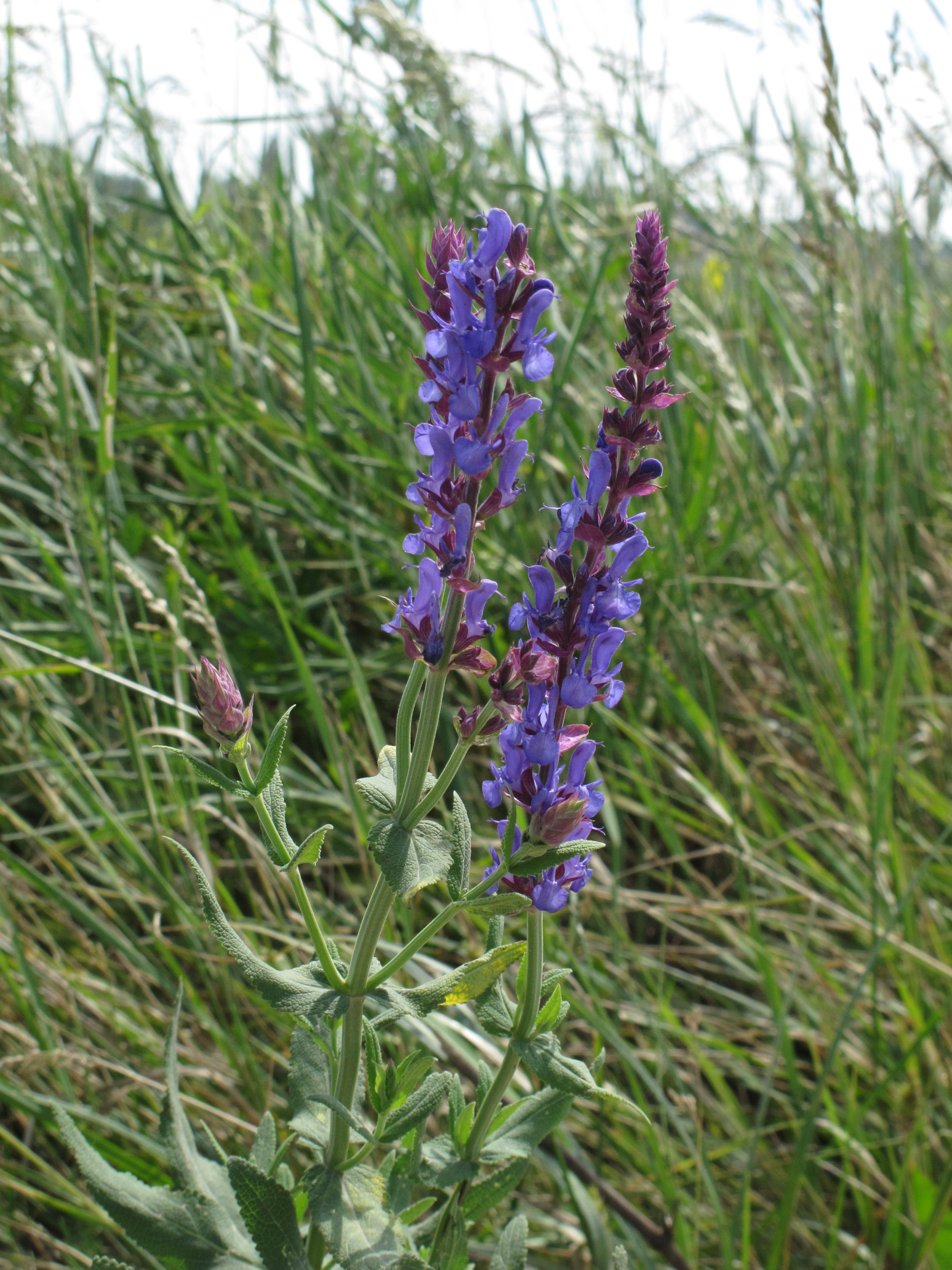
Salvias are a diverse genus with many species and cultivars that thrive in Zone 7. Their tubular flowers come in reds, purples, blues, and pinks, attracting hummingbirds and pollinators alike.
- Bloom Time: Spring through fall, depending on species
- Height: Varies (1-4 feet)
- Growth Habit: Upright or spreading perennials and annuals
Popular varieties include Salvia greggii and Salvia nemorosa, both hardy in Zone 7. Salvias prefer full sun and well-drained soil.
6. Zinnia (Zinnia elegans)
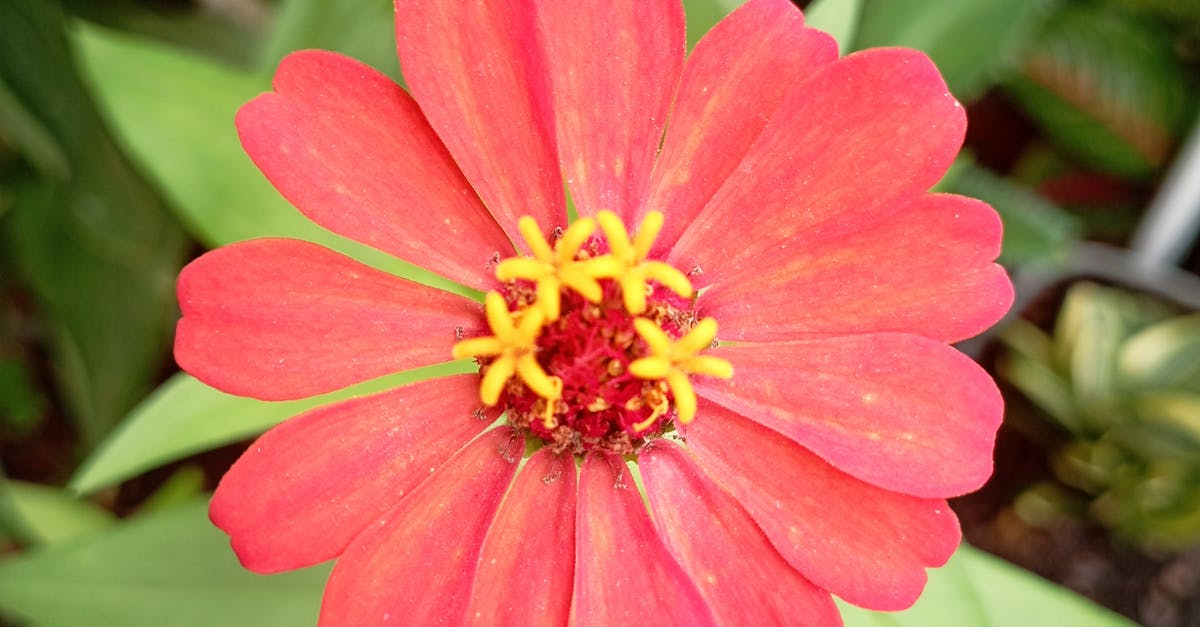
While not a traditional hummingbird flower, zinnias produce bright, daisy-like blooms in reds, pinks, and oranges that often attract hummingbirds.
- Bloom Time: Summer to frost
- Height: 1-3 feet
- Growth Habit: Bushy annual
Zinnias thrive in full sun and well-drained soil. They are easy to grow from seed and provide continuous color throughout the growing season.
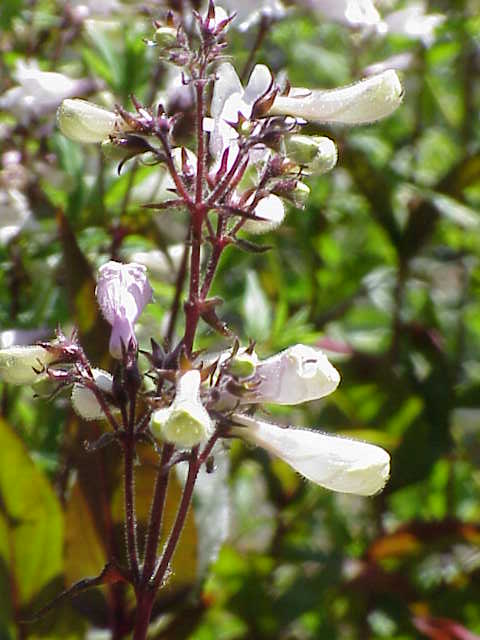
7. Penstemon (Penstemon digitalis)
Penstemon, or beardtongue, offers tubular flowers in shades of pink, red, and white that hummingbirds favor.
- Bloom Time: Late spring to early summer
- Height: 2-3 feet
- Growth Habit: Upright perennial
Penstemon grows well in full sun with well-drained soil and is drought tolerant once established.
Tips for Creating a Hummingbird-Friendly Garden in Zone 7
- Plant in Groups: Hummingbirds are attracted to larger patches of flowers rather than isolated plants.
- Provide Continuous Bloom: Choose a mix of plants with staggered bloom times to offer nectar from early spring to late fall.
- Include Red Flowers: While hummingbirds visit many colors, red flowers are especially effective at catching their attention.
- Avoid Pesticides: Chemicals can harm hummingbirds and pollinators, so opt for organic gardening methods.
- Add Perches and Water: Hummingbirds appreciate places to rest near feeding areas and a shallow water source like a mister or birdbath.
Pet Safety and Wildlife Resistance Considerations
Many of the plants listed here are not known to be toxic but always verify the safety of garden plants if you have pets, as individual sensitivities vary. For questions about pet safety or concerns about exposure, contact the ASPCA Animal Poison Control Center at 888-426-4435.
While these plants generally attract hummingbirds and other pollinators, no plant is entirely resistant to deer, rabbits, or groundhogs. Wildlife feeding preferences can vary based on local populations and food availability.
Attract stunning ruby-throated hummingbirds to your Zone 7 garden with these seven nectar-rich plants that thrive in your climate and bloom throughout the growing season. With thoughtful planting and care, your outdoor space will become a vibrant haven for these delightful pollinators.
Ready to find the perfect plants for your hummingbird garden? Use our Plant Finder wizard to discover more zone-appropriate, hummingbird-friendly options tailored to your preferences at /wizard.
Trumpet Creeper Bee Balm Honeysuckle Cardinal Flower Salvia greggii