FTC Disclosure: This post contains affiliate links. As an Amazon Associate we earn from qualifying purchases at no extra cost to you.
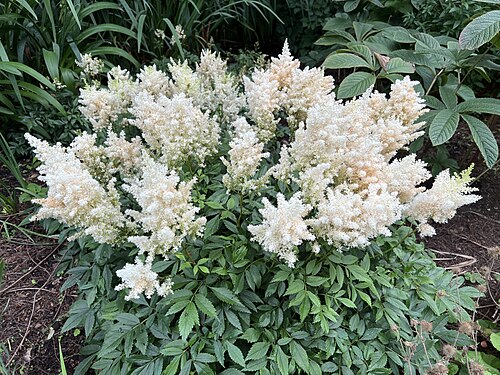
If you’re wondering, “Is Astilbe deer resistant?” the short answer is yes. Astilbe is generally considered deer resistant due to its toxic and bitter foliage, which deer tend to avoid. This makes it a popular choice for shady gardens in areas with frequent deer activity. However, no plant is completely deer proof, so understanding why deer avoid Astilbe and how to grow it successfully can help you protect your landscape.
Why Is Astilbe Considered Deer Resistant?
Astilbe (genus Astilbe) is a perennial known for its feathery plumes of flowers and attractive fern-like foliage. Deer typically avoid plants that have strong scents, toxic compounds, or unpalatable textures. Astilbe fits this profile well. The foliage contains compounds that taste bitter to deer and other herbivores, discouraging them from browsing on it.
Additionally, Astilbe thrives in shady, moist environments where deer may be less active, further reducing the likelihood of damage. However, in times of food scarcity or high deer pressure, even resistant plants like Astilbe may be nibbled.
🌱 Get Personalized Plant Picks
Answer a few quick questions and we’ll match plants to your exact yard conditions.
Find My Plants →Best Astilbe Varieties for Deer-Prone Gardens
While most Astilbe varieties are deer resistant, some are more robust or better suited for your garden conditions. Here are a few standout cultivars:
- Astilbe ‘Fanal’ – Known for its deep red flowers and dense foliage, this variety is both attractive and resilient.
- Astilbe ‘Visions’ – Produces large, fluffy pink flower plumes with excellent disease resistance.
- Astilbe ‘Deutschland’ – Features rich red flower spikes and thrives in moist, shady spots.
Selecting a variety that suits your climate and soil will improve plant health, making it less susceptible to browsing damage.
Growing Astilbe to Maximize Deer Resistance
Ideal Growing Conditions
Astilbe prefers partial to full shade and consistently moist, well-drained soil. These conditions mimic its natural woodland habitat, encouraging lush growth and vibrant flowers.
Soil Preparation
Incorporate plenty of organic matter like compost to improve moisture retention and fertility. Well-nourished plants are naturally more resistant to pests and wildlife damage.
Mulching and Watering
Applying a thick layer of mulch helps retain soil moisture and keeps roots cool, which Astilbe favors. Regular watering, especially during dry spells, supports healthy foliage that deer find less appealing.
Companion Planting
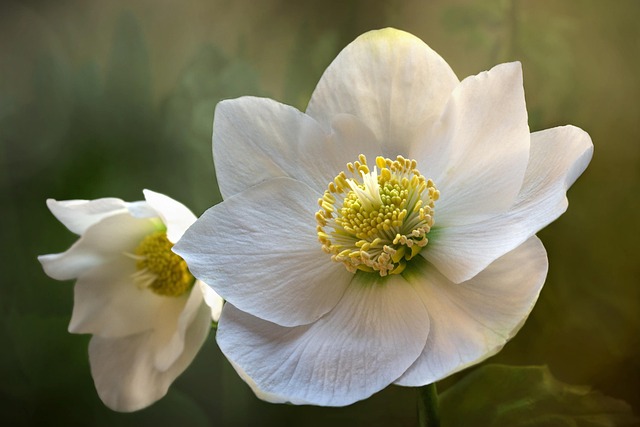
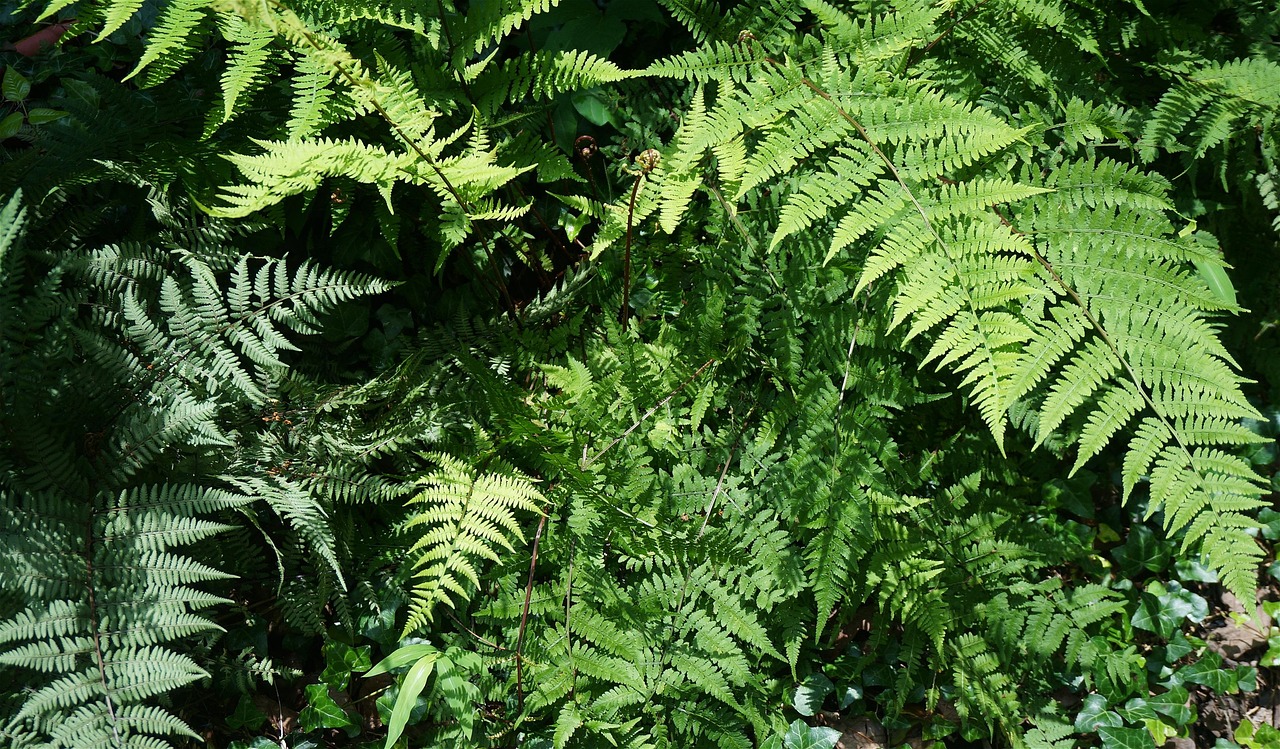
Planting Astilbe alongside other deer-resistant plants can create a natural barrier. Consider options like Hellebore and Athyrium Lady Fern to diversify your garden and reduce browsing pressure.
Are There Situations When Deer Will Eat Astilbe?
Though Astilbe is generally deer resistant, it is not completely deer proof. In harsh winters, droughts, or when food is scarce, deer may resort to eating plants they normally avoid, including Astilbe. Young plants and new shoots are especially vulnerable.
Using additional deer deterrents like fencing, repellents, or motion-activated devices can help protect your garden during peak deer activity.
Astilbe and Pet Safety
If you have pets, it’s important to note that Astilbe is not listed as toxic by the ASPCA. However, ingestion of any plant material can cause mild gastrointestinal upset in pets. Always monitor pets around new plants and contact the ASPCA Animal Poison Control Center at 888-426-4435 if you suspect poisoning.
Wildlife Resistance Disclaimer
While Astilbe is considered deer resistant, individual deer preferences and local deer populations vary. No plant is entirely deer proof. Use integrated strategies to protect your garden effectively.
Summary: Is Astilbe Deer Resistant?
Astilbe is a top choice for gardeners looking to beautify shady, deer-prone areas. Its bitter foliage and woodland origins make it unappealing to deer, resulting in minimal browsing damage under normal conditions. Selecting well-adapted varieties and maintaining healthy growing conditions enhances its resistance. Keep in mind that in extreme cases, deer may still sample Astilbe, so additional protection methods may be necessary.
For more plant recommendations and personalized garden advice, try our Plant Finder wizard at /wizard and find the perfect deer-resistant plants for your landscape.