FTC Disclosure: This post contains affiliate links. If you make a purchase through these links, we may earn a small commission at no extra cost to you.
For pet safety, always consult the ASPCA Animal Poison Control Center at 888-426-4435 if your pet ingests any plant material.
Is Catmint Deer Resistant? Complete Guide
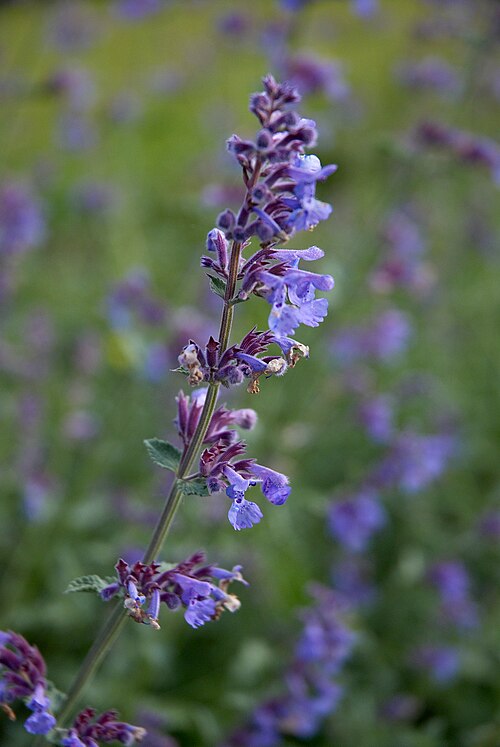
If you're wondering, "Is catmint deer resistant?" the answer is yes—catmint (Nepeta spp.) is widely regarded as a deer-resistant perennial. Its aromatic foliage and strong scent tend to repel deer, making it a popular choice for gardeners battling hungry wildlife. However, no plant is completely deer-proof, and factors such as local deer pressure, alternative food sources, and plant condition can influence whether deer nibble on catmint. This guide will explain why catmint is generally avoided by deer, highlight top-performing varieties, and offer tips for incorporating it into your deer-resistant garden.
🌱 Get Personalized Plant Picks
Answer a few quick questions and we’ll match plants to your exact yard conditions.
Find My Plants →Why Is Catmint Deer Resistant?
Catmint contains aromatic oils and compounds that produce a strong scent deer find unappealing. The minty fragrance, combined with slightly fuzzy, textured leaves, creates an unfavorable sensory experience for deer, who prefer tender, less aromatic greenery. Additionally, the rough leaf texture and potent essential oils can irritate deer palates, deterring them from feeding.
This natural defense mechanism means catmint is seldom a preferred food source. However, in times of extreme food scarcity or high deer population densities, deer may sample catmint plants—especially if other favorites are unavailable.
Deer Resistance Is Not Wildlife Proof
While catmint is deer resistant, it is important to understand that "deer resistant" does not mean "deer proof." Wildlife behavior varies regionally and seasonally. Deer may damage or browse plants labeled as deer resistant under certain conditions. Using catmint as part of a diversified planting strategy, alongside other deer-resistant species, improves your chances of keeping deer at bay.
Similarly, other wildlife such as rabbits and groundhogs may sometimes feed on catmint, though it is generally less attractive to them as well. Always consider using fencing or repellents if wildlife pressure is heavy in your area.
Best Catmint Varieties for Deer Resistance
Several Nepeta cultivars stand out for their ornamental appeal and strong deer resistance. Here are some top choices:
Nepeta x faassenii 'Walker’s Low'
'Walker’s Low' is a classic catmint variety, prized for its long blooming period of lavender-blue flowers and gray-green foliage. It is highly aromatic and has excellent deer resistance. It grows about 18-24 inches tall and spreads widely, making it perfect for borders and mass plantings.
Nepeta racemosa 'Six Hills Giant'
This variety is known for its larger size and abundant purple-blue flower spikes. 'Six Hills Giant' is vigorous and deer-resistant, with a robust scent that deters browsing. It thrives in full sun and well-drained soil.
Nepeta x faassenii 'Blue Wonder'
'Blue Wonder' produces deep blue flowers and fragrant foliage that deer tend to avoid. It is a compact cultivar suitable for containers or smaller garden spaces.
Nepeta grandiflora
With larger leaves and flowers, Nepeta grandiflora is also deer resistant and attracts beneficial pollinators such as bees and butterflies. It adds diversity to a deer-resistant garden palette.
How to Grow Catmint Successfully
For catmint to perform well and deter deer, plant it in conditions it prefers:
- Sunlight: Full sun to part shade. Catmint blooms best with at least 6 hours of sunlight daily.
- Soil: Well-drained soil is essential. Catmint tolerates poor soils but does not like soggy roots.
- Water: Moderate watering; drought tolerant once established.
- Spacing: Provide 18-24 inches between plants to allow airflow and reduce disease risk.
- Maintenance: Deadhead spent flowers to encourage continuous blooming. Cut back in late fall or early spring to promote fresh growth.
Proper cultural care ensures catmint remains vigorous and less vulnerable to deer damage.
Using Catmint in a Deer-Resistant Garden
Catmint works wonderfully in deer-resistant gardens when paired with other unpalatable plants. Combining it with aromatic herbs, tough-leafed perennials, and plants with spines or tough textures increases your garden’s resilience.
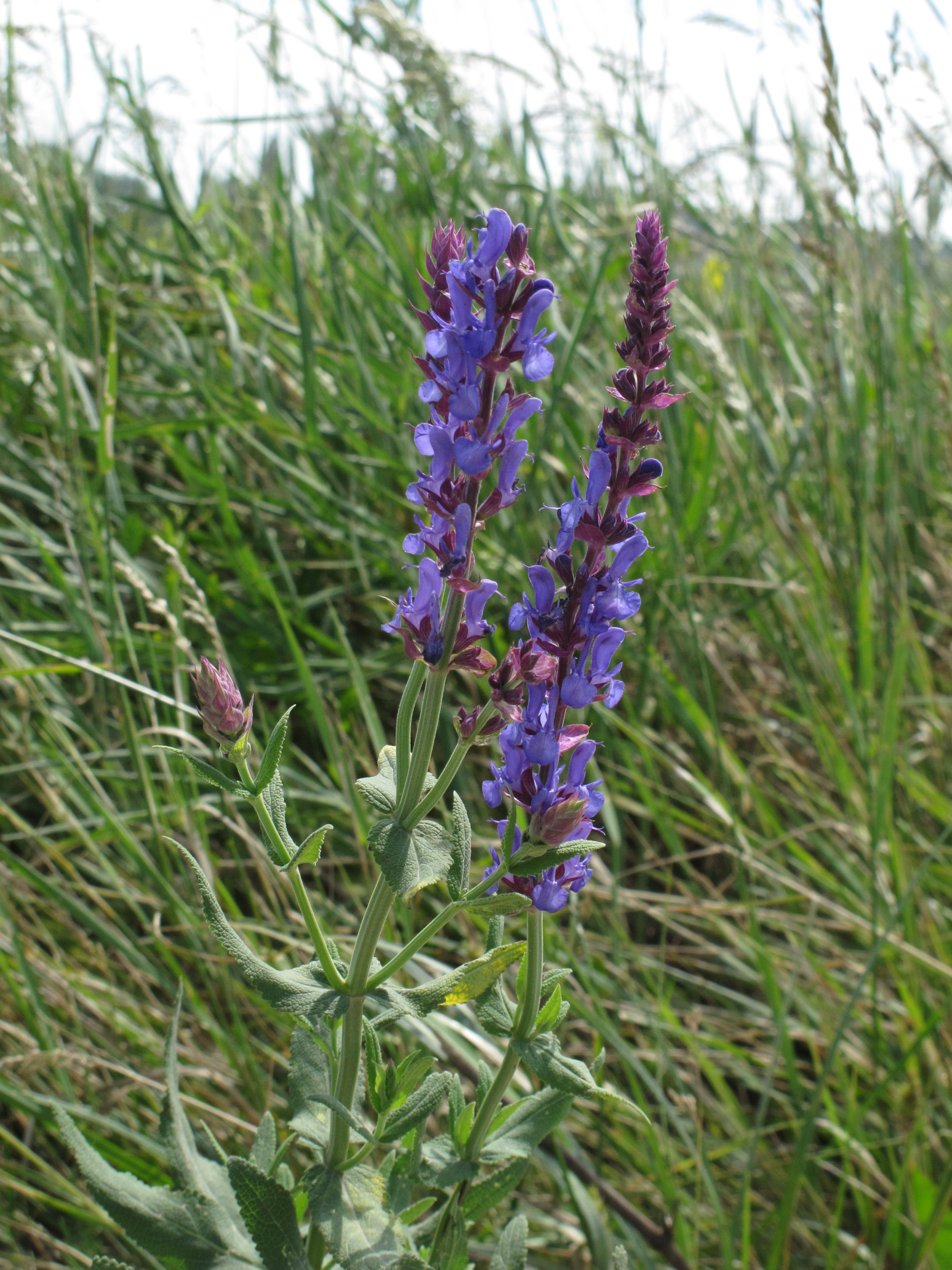
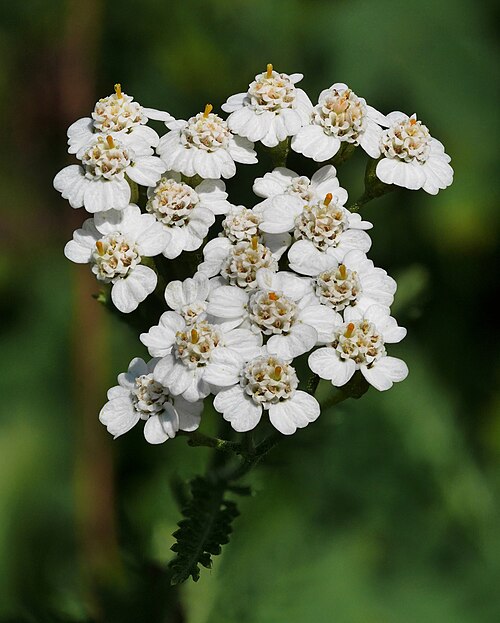
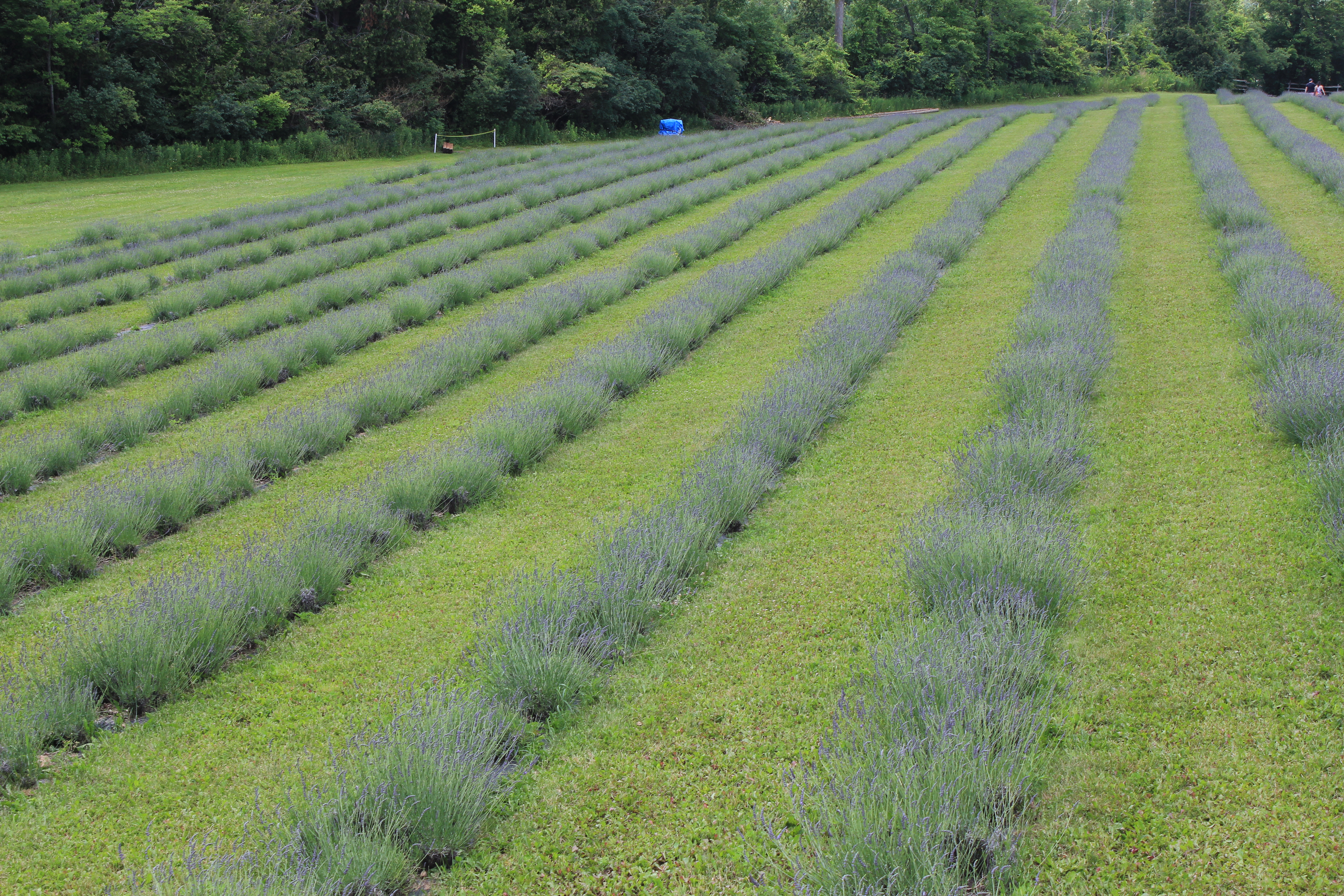
Consider companion plants such as lavender, salvia, yarrow, and ornamental grasses. These plants share similar growing conditions and are generally avoided by deer.
Pet Safety Considerations
Catmint is not listed as toxic to cats or dogs by the ASPCA, but it is best described as a "not listed as toxic" plant. While cats often enjoy catmint (different from catnip, Nepeta cataria, but related), ingestion in large quantities could cause mild digestive upset. Always monitor pets around plants and contact the ASPCA Animal Poison Control Center at 888-426-4435 if ingestion occurs.
Summary: Is Catmint Deer Resistant?
Yes, catmint is a top-rated deer-resistant perennial prized for its aromatic foliage and long-lasting blooms. While not completely deer proof, it is one of the better options to include in your garden to reduce deer damage. Choosing robust varieties like 'Walker’s Low' or 'Six Hills Giant' and growing them in ideal conditions improves success. Using catmint alongside other deer-resistant plants further protects your landscape from hungry wildlife.
Explore More Deer-Resistant Plants
Expand your deer-resistant garden with these additional options:
Lavender
Salvia
Yarrow
Ornamental Grass Panicum Virgatum
Start building a beautiful, wildlife-resistant garden today!
Ready to find the perfect deer-resistant plants for your yard? Try our Plant Finder wizard at PlantWise /wizard to get personalized recommendations based on your location, soil, and garden conditions!