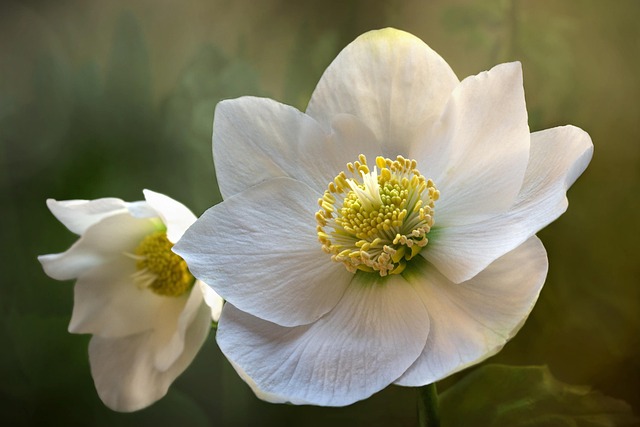
Is Delphinium Deer Resistant? Complete Guide
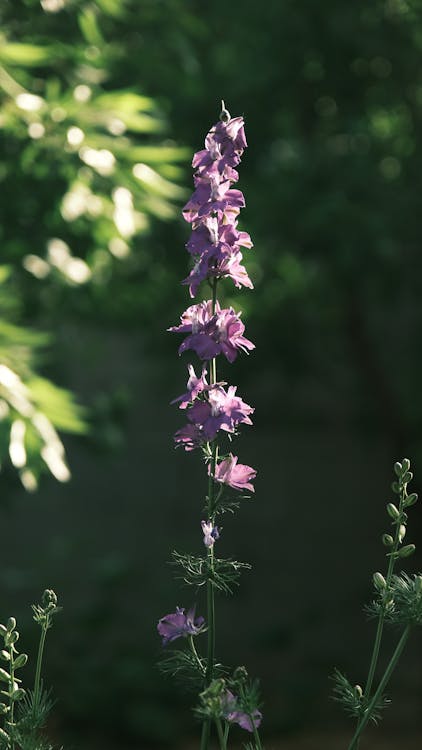
If you're a gardener battling persistent deer, you've likely spent countless hours researching plants they won't munch on. Good news for flower lovers: yes, delphinium is considered highly deer resistant. This stately perennial contains toxic alkaloids that make it unpalatable and even harmful to deer, causing them to typically avoid it. While no plant is truly deer-proof, delphinium is one of the most reliable choices for deterring these garden invaders, making it a fantastic addition to landscapes where deer are a common problem. Its striking spires of blue, purple, pink, and white flowers add dramatic vertical interest and vibrant color, often untouched by browsing deer.
🌱 Get Personalized Plant Picks
Answer a few quick questions and we’ll match plants to your exact yard conditions.
Find My Plants →Why Do Deer Avoid Delphinium?
Deer are not just indiscriminate eaters; they're quite selective, often relying on their sense of smell and taste to identify plants that could be harmful. Delphinium (genus Delphinium), particularly species like Delphinium elatum (candle delphinium) and Delphinium grandiflorum (Siberian delphinium), contains various diterpenoid alkaloids. These compounds are toxic to mammals, including deer, if ingested in sufficient quantities.
When a deer takes a bite of a delphinium, the bitter taste and the subsequent unpleasant physiological reaction (which can range from mild digestive upset to more severe symptoms depending on the amount consumed) teach them to avoid the plant in the future. This natural defense mechanism is what makes delphinium such a valuable asset in a deer-prone garden.
What Other Qualities Make Delphinium a Great Garden Plant?
Beyond its deer resistance, delphinium offers a wealth of horticultural benefits that make it a favorite among gardeners:
- Stunning Vertical Interest: Delphiniums are renowned for their tall, majestic flower spires, which can reach heights of 3 to 6 feet (or even more for some varieties). They create a dramatic backdrop in borders and add a sense of grandeur to any garden design.
- Vibrant Colors: Available in an impressive range of blues (from sky to deep indigo), purples, pinks, whites, and even some bicolors, delphiniums provide intense color that can be hard to achieve with other perennials.
- Cut Flowers: Their long, sturdy stems and abundant blooms make them excellent cut flowers, bringing elegance and color indoors.
- Pollinator Friendly: While deer avoid them, many pollinators, especially bees, are attracted to delphinium flowers, making them a good choice for supporting local ecosystems.
- Classic Cottage Garden Appeal: Delphiniums are quintessential cottage garden plants, pairing beautifully with roses, lilies, and other traditional favorites.
How Can I Successfully Grow Delphinium in My Garden?
To ensure your delphiniums thrive and provide a strong deterrent against deer, proper care is essential.
Quick Reference: Delphinium Care
| Feature | Requirement Delphinium is a tall, striking perennial known for its vibrant flower spires, and it's also a fantastic choice for gardeners dealing with deer. Delphiniums are widely considered deer resistant due to the presence of toxic alkaloids throughout the plant. These compounds make the plant unpalatable and can cause digestive upset or worse if ingested by deer, which quickly teaches them to avoid it. While no plant is 100% deer-proof, especially when food is scarce, delphinium is one of the most reliable options for deterring deer from your garden.
What Makes Delphinium Toxic to Deer?
The primary reason deer steer clear of delphinium is its chemical composition. Delphinium species contain various diterpenoid alkaloids, such as delphinine, ajacine, and lycoctonine. These natural compounds are bitter-tasting and act as a defense mechanism against herbivores. When a deer samples a delphinium, the immediate bitter flavor is a warning sign. If they consume enough, these alkaloids can interfere with nerve function, leading to symptoms like nausea, vomiting, muscle weakness, and even respiratory paralysis in severe cases. This unpleasant experience ensures that deer learn to avoid delphinium in the future, making it a natural and effective repellent in your landscape.
Is Delphinium Toxic to Pets or Humans?
Yes, the same alkaloids that deter deer also make delphinium toxic to humans and other animals, including pets like dogs and cats. All parts of the plant, especially young plants and seeds, contain these harmful compounds. Ingestion can lead to symptoms similar to those seen in deer, ranging from mild gastrointestinal upset (vomiting, diarrhea) to more severe neurological effects like muscle tremors, weakness, and paralysis.
If you suspect your pet has ingested a toxic plant, call the ASPCA Animal Poison Control Center immediately at (888) 426-4435.
It's important to plant delphinium where curious pets or small children won't be tempted to chew on it. Always wear gloves when handling delphinium, especially when pruning, as skin irritation can occur in sensitive individuals.
How Can I Maximize Delphinium's Deer Resistance?
While delphinium is naturally deer resistant, you can enhance its effectiveness and protect your garden further with a few strategies:
Strategic Placement: Plant delphinium as a border or in groupings around more deer-tempting plants. Its strong scent and toxic nature can act as a deterrent for nearby plants.
Companion Planting: Combine delphinium with other deer-resistant plants that also have strong scents or prickly textures. Good companions include:
Maintain Plant Health: Healthy, vigorous plants are generally less attractive to deer than stressed ones. Ensure your delphiniums receive adequate water, sunlight, and nutrients.
Rotate Repellents (if needed): In areas with very high deer pressure or during times of extreme food scarcity, deer might sample even resistant plants. If you notice any browsing, consider using a commercial deer repellent spray as a temporary measure to reinforce their aversion.
Physical Barriers: For new plantings or during periods of high vulnerability, consider temporary physical barriers like netting until the plants are established and deer have learned to avoid them.
Remember, no plant is truly deer-proof. A hungry deer may try anything. However, by incorporating delphinium and other resistant plants, you significantly reduce the likelihood of extensive deer damage.
What Are Some Other Reliable Deer-Resistant Perennials?
Creating a deer-resistant garden often involves a multi-pronged approach, incorporating various plants that deer tend to avoid. Here are some other excellent choices to consider alongside delphinium:
- Ornamental Grasses: Many varieties, like Calamagrostis (Feather Reed Grass) or Panicum (Switchgrass), are generally ignored by deer.
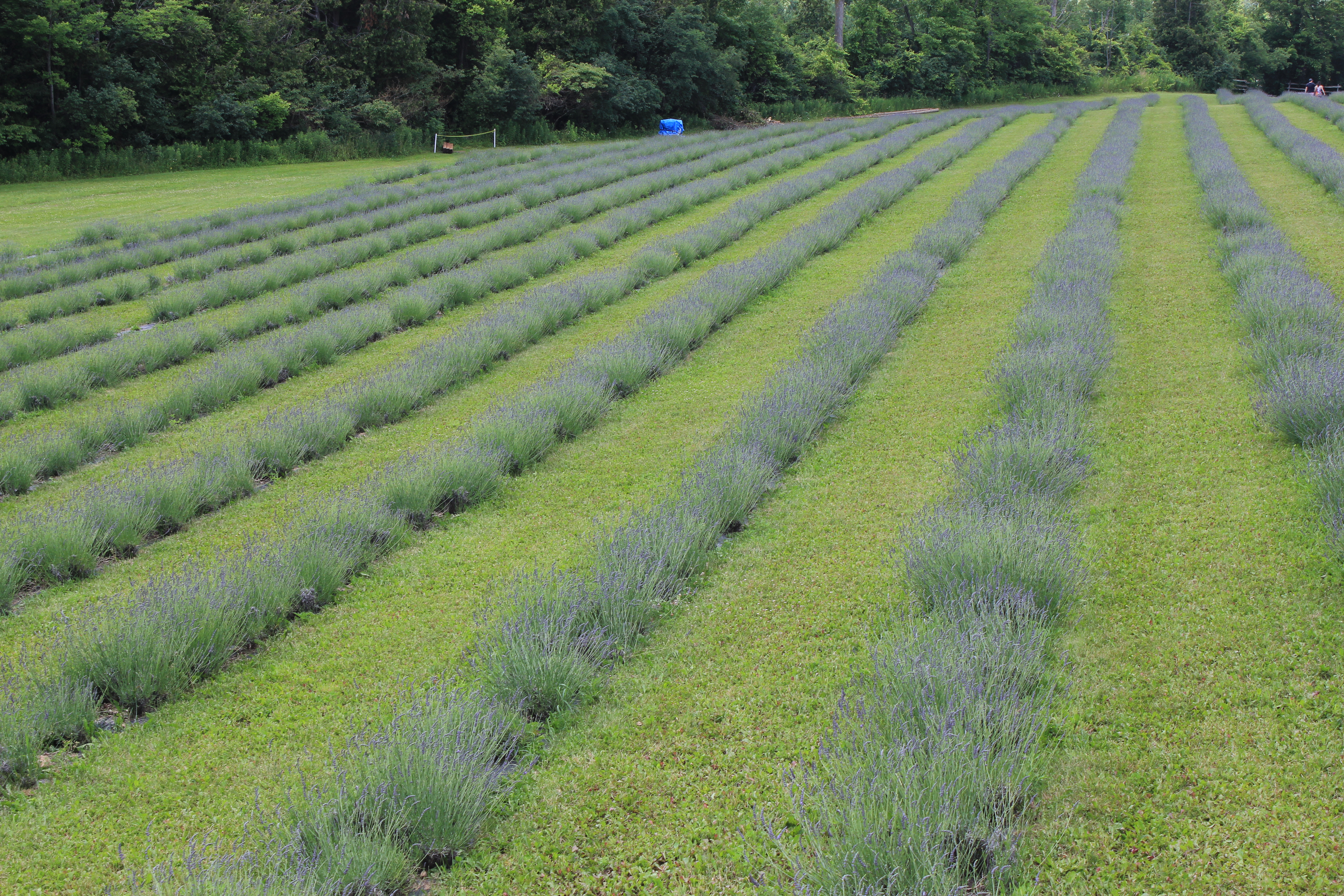
- Herbs: Aromatic herbs such as lavender, rosemary, thyme, and mint are often unappealing to deer due to their strong scents.
- Peonies: Their large, showy flowers and tough foliage make them a beautiful and deer-resistant choice.
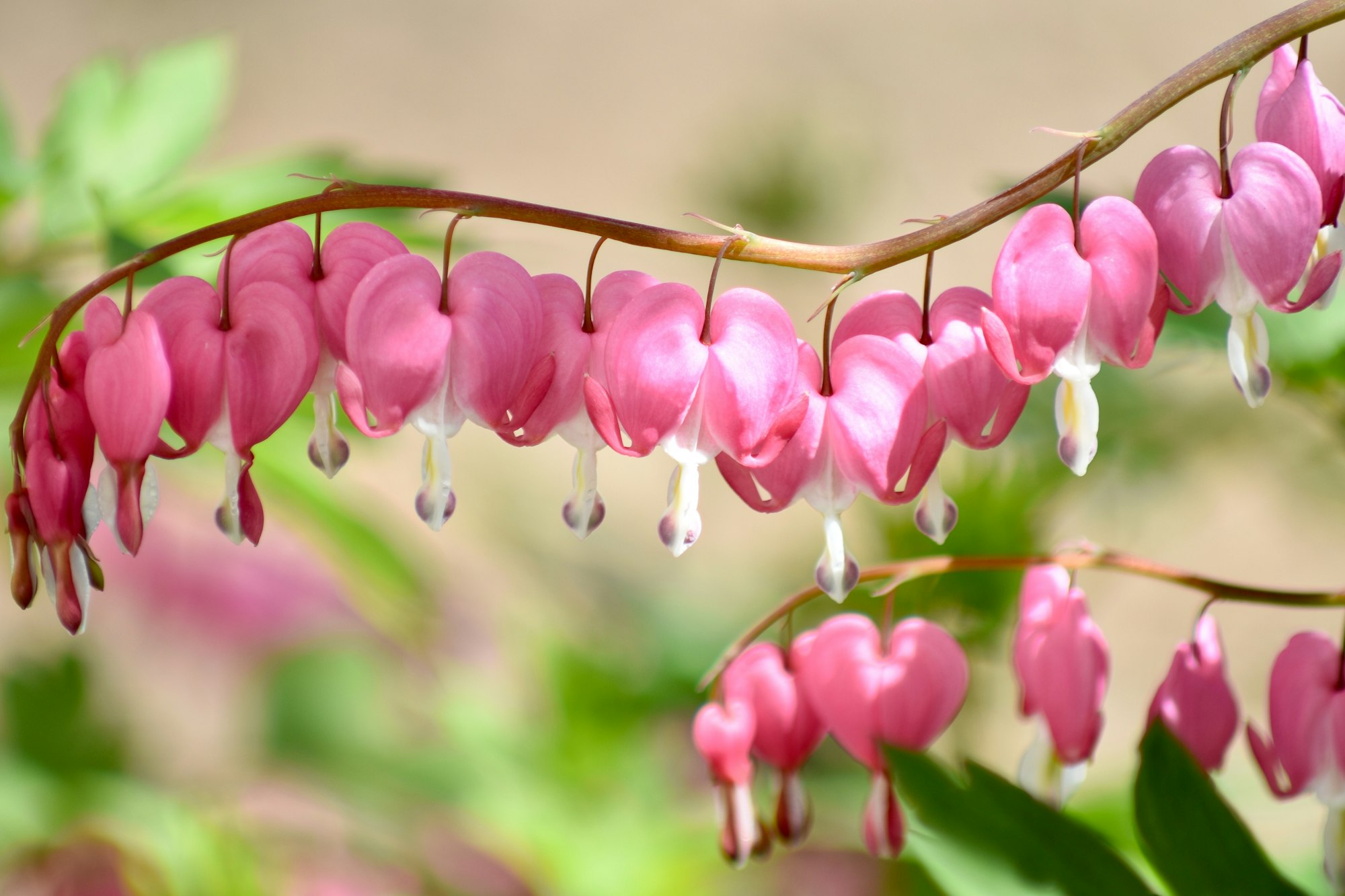
- Bleeding Heart (Dicentra spectabilis): This shade-loving plant is also typically left alone by deer.
- Hellebores (Helleborus): Blooming in late winter to early spring, hellebores are known for their deer resistance and beautiful, long-lasting flowers.
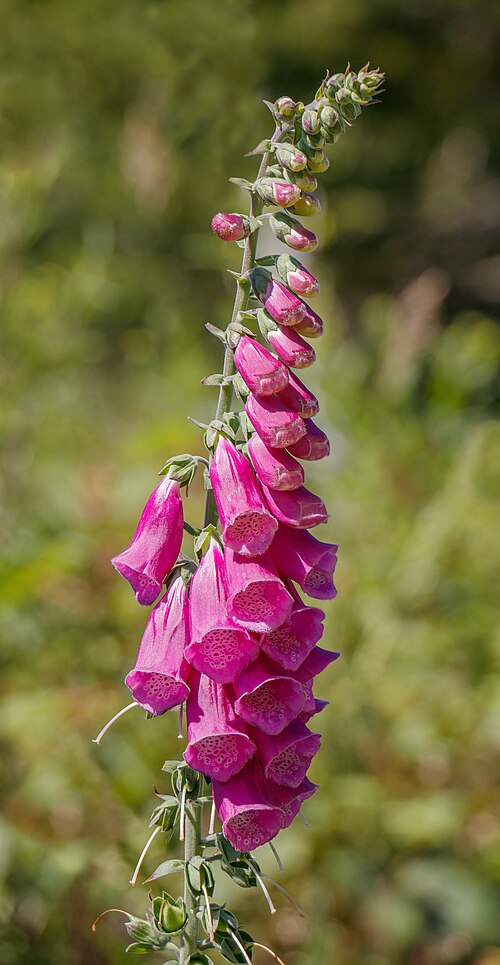
- Foxglove (Digitalis): Like delphinium, foxglove is toxic to deer (and humans/pets) and is usually avoided.
By combining these plants with your delphiniums, you can create a diverse, beautiful, and largely deer-free garden that you can enjoy without constant worry.
Ready to find the perfect plants for your yard? Try the PlantWise Plant Finder →