Is salvia-nemorosa" class="plant-link">Salvia Nemorosa Toxic to Dogs or Cats?
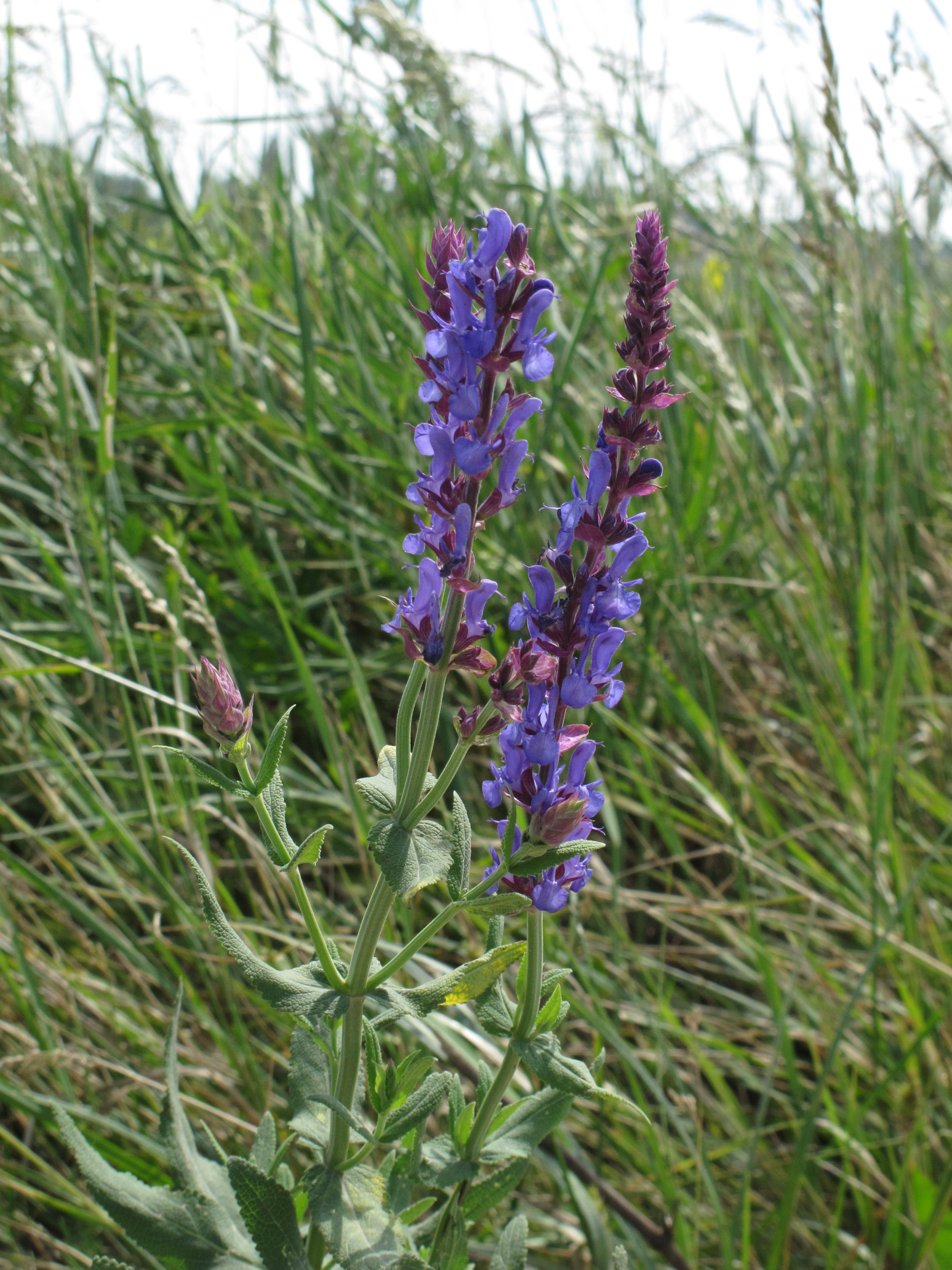
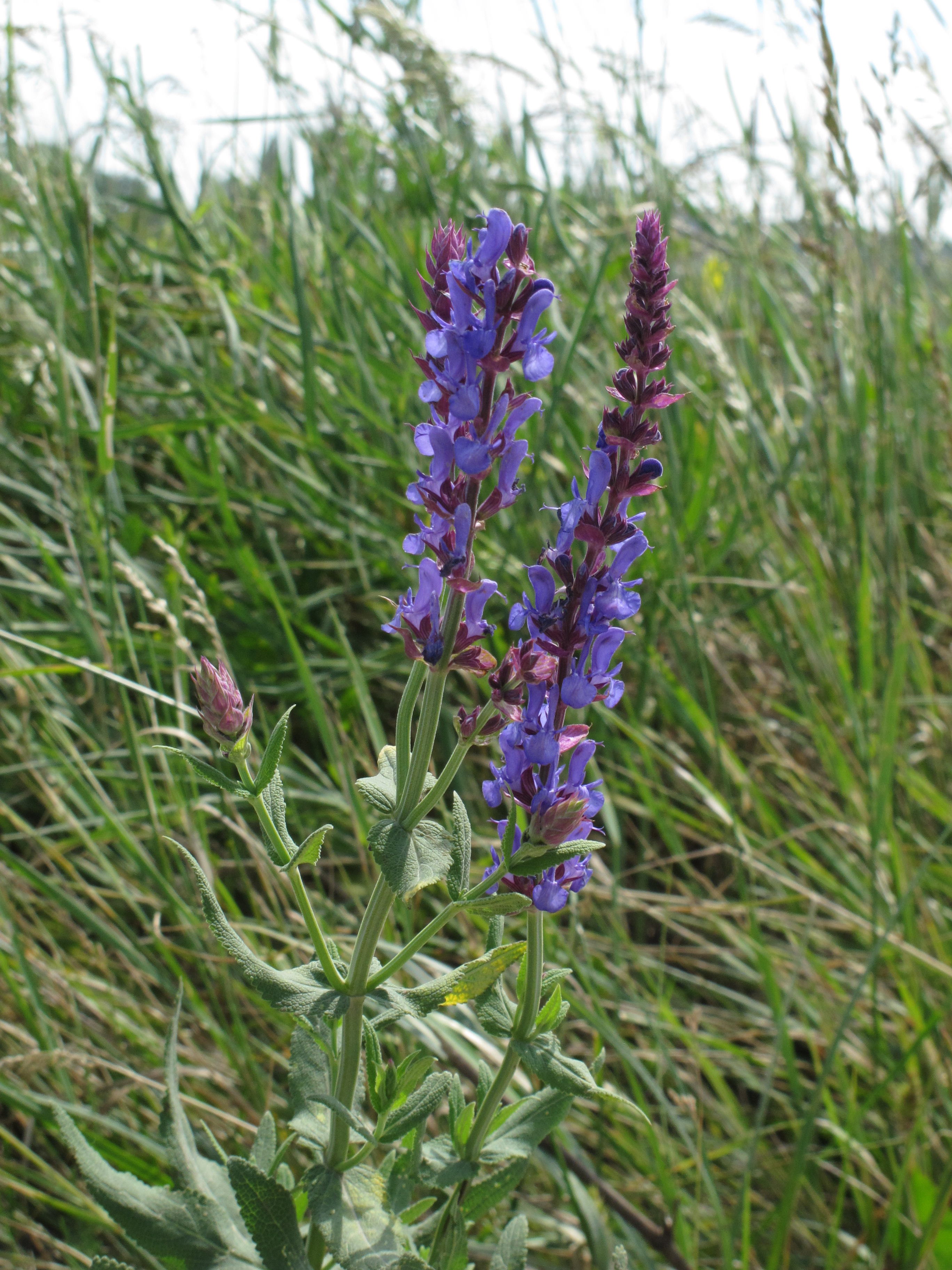
Gardeners often wonder about the safety of their beloved plants, especially when furry friends are part of the family. When it comes to Salvia nemorosa, commonly known as Woodland Sage or Balkan Clary, the good news is that it is not listed as toxic to dogs or cats by the ASPCA (American Society for the Prevention of Cruelty to Animals). This means you can generally enjoy its beautiful purple spikes and pollinator-attracting qualities in your garden without significant worry about your pets if they happen to nibble on it. While not considered toxic, it's always wise to monitor pets and discourage them from eating large quantities of any plant material, as even non-toxic plants can cause mild stomach upset if consumed in excess.
🌱 Get Personalized Plant Picks
Answer a few quick questions and we’ll match plants to your exact yard conditions.
Find My Plants →What is Salvia Nemorosa and Why is it Popular?
Salvia nemorosa is a perennial herb belonging to the mint family (Lamiaceae). It's a favorite among gardeners for many reasons:
- Vibrant Blooms: It produces striking spikes of purple, blue, or pink flowers from late spring through summer, often reblooming if deadheaded.
- Low Maintenance: It's drought-tolerant once established, thrives in full sun, and isn't particularly fussy about soil type, as long as it's well-drained.
- Pollinator Magnet: Bees, butterflies, and hummingbirds are highly attracted to its nectar-rich flowers, making it an excellent choice for a pollinator garden.
- Deer and Rabbit Resistant: While no plant is truly deer-proof, Salvia nemorosa is generally less appealing to deer and rabbits due to its aromatic foliage.
- Versatility: It looks fantastic in borders, rock gardens, containers, and mass plantings.
Its robust nature and aesthetic appeal make it a staple in many landscapes. Given its widespread use, understanding its interaction with household pets is crucial for responsible pet ownership and gardening.
Why is Salvia Nemorosa Not Listed as Toxic?
The term "not listed as toxic" means that reputable organizations like the ASPCA have not found evidence of harmful compounds in Salvia nemorosa that would cause severe poisoning in dogs or cats. This contrasts with plants that contain known toxins, such as cardiac glycosides, oxalates, or alkaloids, which can lead to serious health issues, organ damage, or even death.
Plants in the Salvia genus are vast and diverse. While Salvia nemorosa is generally considered safe, it's important to note that not all Salvia species are created equal. Some ornamental salvias, and especially those used for medicinal or psychoactive purposes (like Salvia divinorum), may have different properties. However, for the common garden variety Salvia nemorosa, you can breathe easy.
Even with non-toxic plants, pet owners should still exercise caution. Young puppies and kittens, or pets with sensitive digestive systems, might experience mild gastrointestinal upset (vomiting, diarrhea) if they ingest a large quantity of any plant material, simply because their bodies aren't accustomed to digesting fibrous plant matter. This is usually self-limiting and not indicative of poisoning.
If you suspect your pet has ingested a toxic plant, call the ASPCA Animal Poison Control Center immediately at (888) 426-4435.
Are There Any Other Salvia Varieties That Are Not Listed as Toxic?
Yes, many other popular Salvia species commonly found in gardens are also generally considered not listed as toxic to pets. These often include:
- Culinary Sages: Such as Common Sage (Salvia officinalis) used for cooking.
- Annual Sages: Like Salvia splendens (Scarlet Sage) or Salvia farinacea (Mealycup Sage).
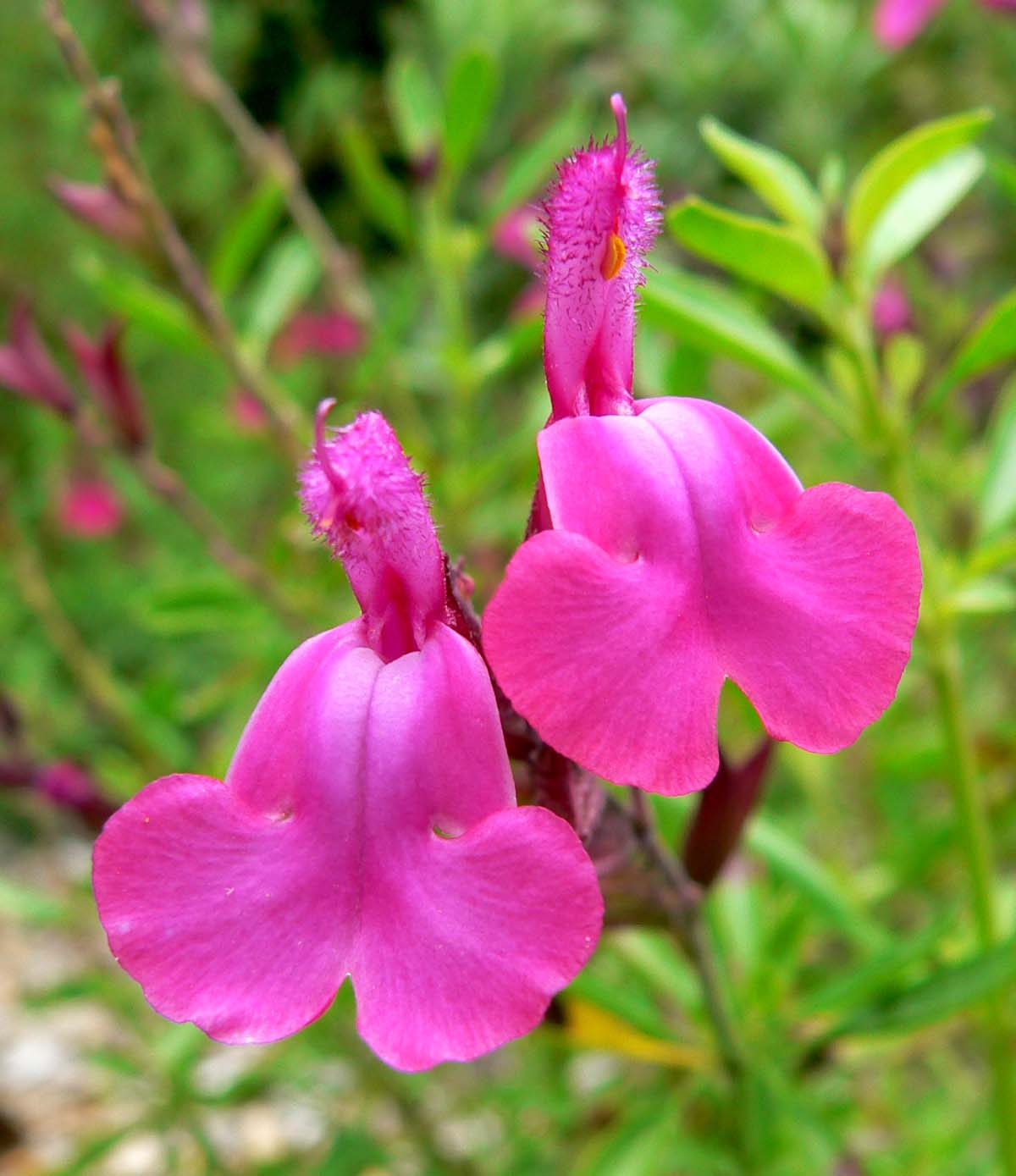
- Other Perennial Sages: Such as Salvia leucantha (Mexican Bush Sage) or Salvia greggii (Autumn Sage).
Again, the "not listed as toxic" designation applies to the plant itself, not necessarily to any pesticides or fertilizers that might have been used on it. Always ensure any garden chemicals are stored safely away from pets and applied according to directions.
Quick Reference: Pet Safety for Salvia Nemorosa
| Aspect | Details Salvia nemorosa is generally considered not toxic to dogs and cats. However, eating large quantities of any plant material can cause mild stomach upset. For a comprehensive list of toxic and non-toxic plants, consult the ASPCA website.
What Are Some Pet-Friendly Alternatives to Salvia Nemorosa?
While Salvia nemorosa is not listed as toxic, you might still want to explore other pet-friendly options, especially if your pet is prone to munching on plants or if you simply want to diversify your garden with equally beautiful and safe choices. Here are some fantastic alternatives that are also generally considered not toxic to dogs and cats, and often share similar characteristics like attracting pollinators or being drought-tolerant:
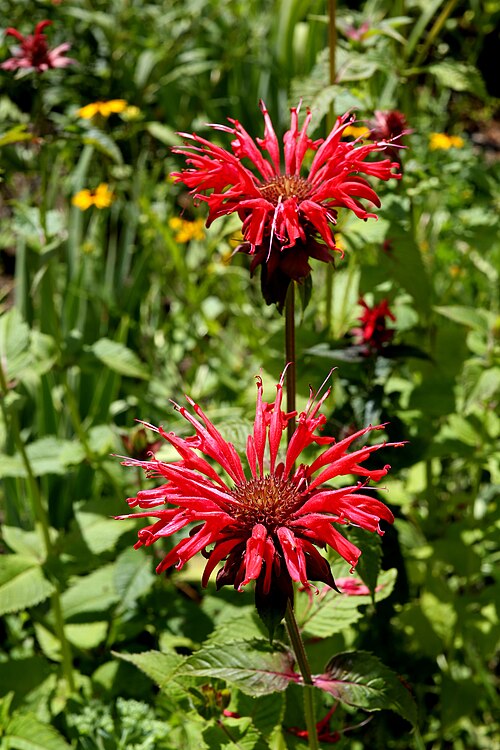
Bee Balm (Monarda didyma): Bee Balm Known for its unique, shaggy flowers in shades of red, pink, purple, and white, Bee Balm is a pollinator magnet, especially for hummingbirds and bees. It’s a native plant, easy to grow, and adds a wild, natural charm to the garden. It prefers full sun to partial shade and moist, well-drained soil.
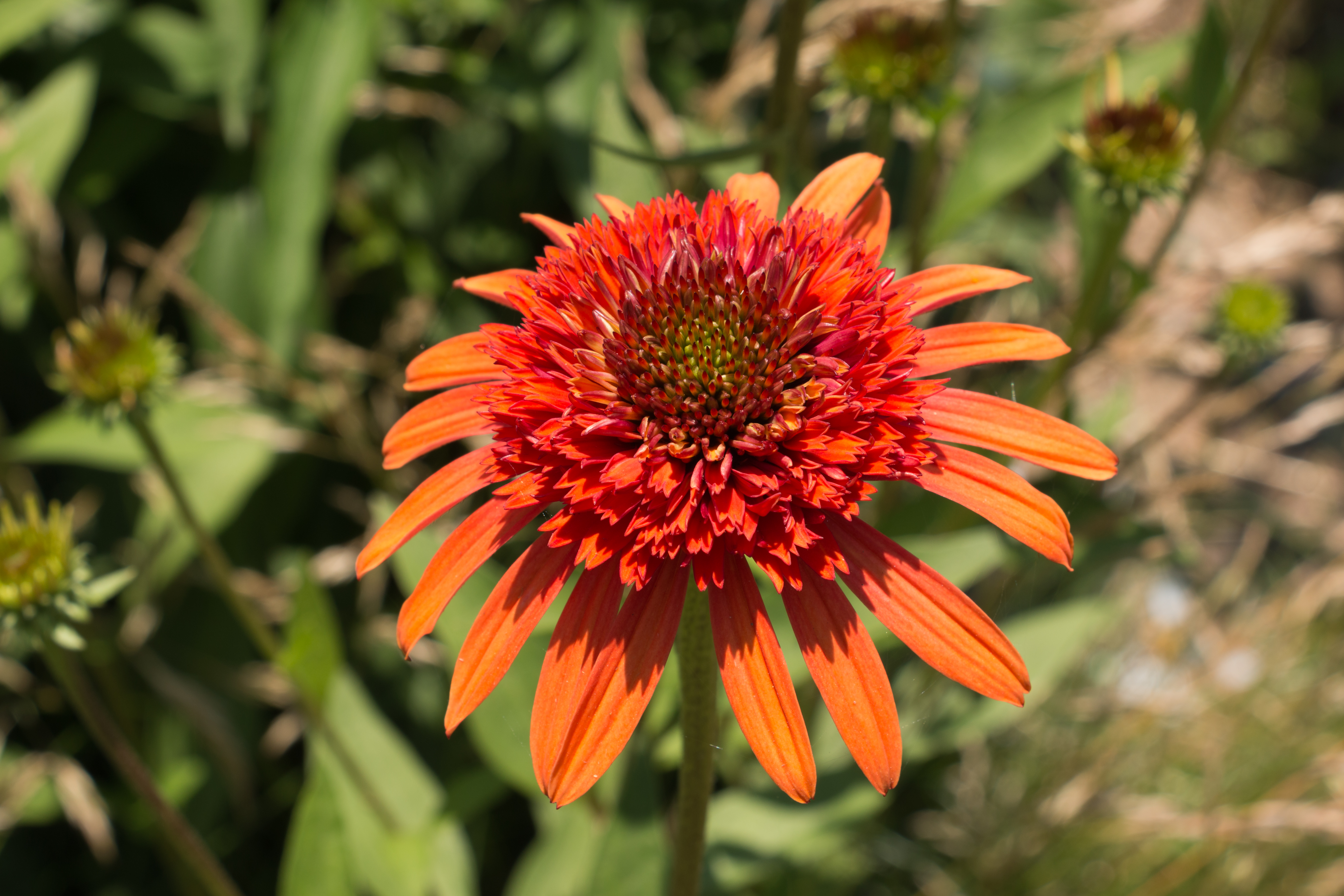
Coneflower (Echinacea purpurea): Coneflower These iconic daisy-like flowers with prominent central cones are summer garden workhorses. Available in purple, pink, white, and yellow, coneflowers are drought-tolerant, attract butterflies and bees, and are generally low maintenance. They thrive in full sun and well-drained soil.
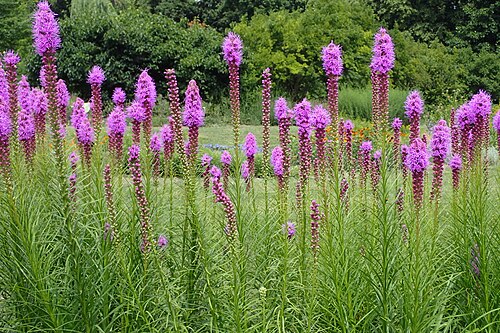
Blazing Star (Liatris spicata): Blazing Star Also known as Gayfeather, Liatris produces tall, bottlebrush-like spikes of purple or white flowers that bloom from the top down. It's a striking vertical accent in the garden, beloved by butterflies and bees, and is quite drought-tolerant once established. Full sun and well-drained soil are ideal.
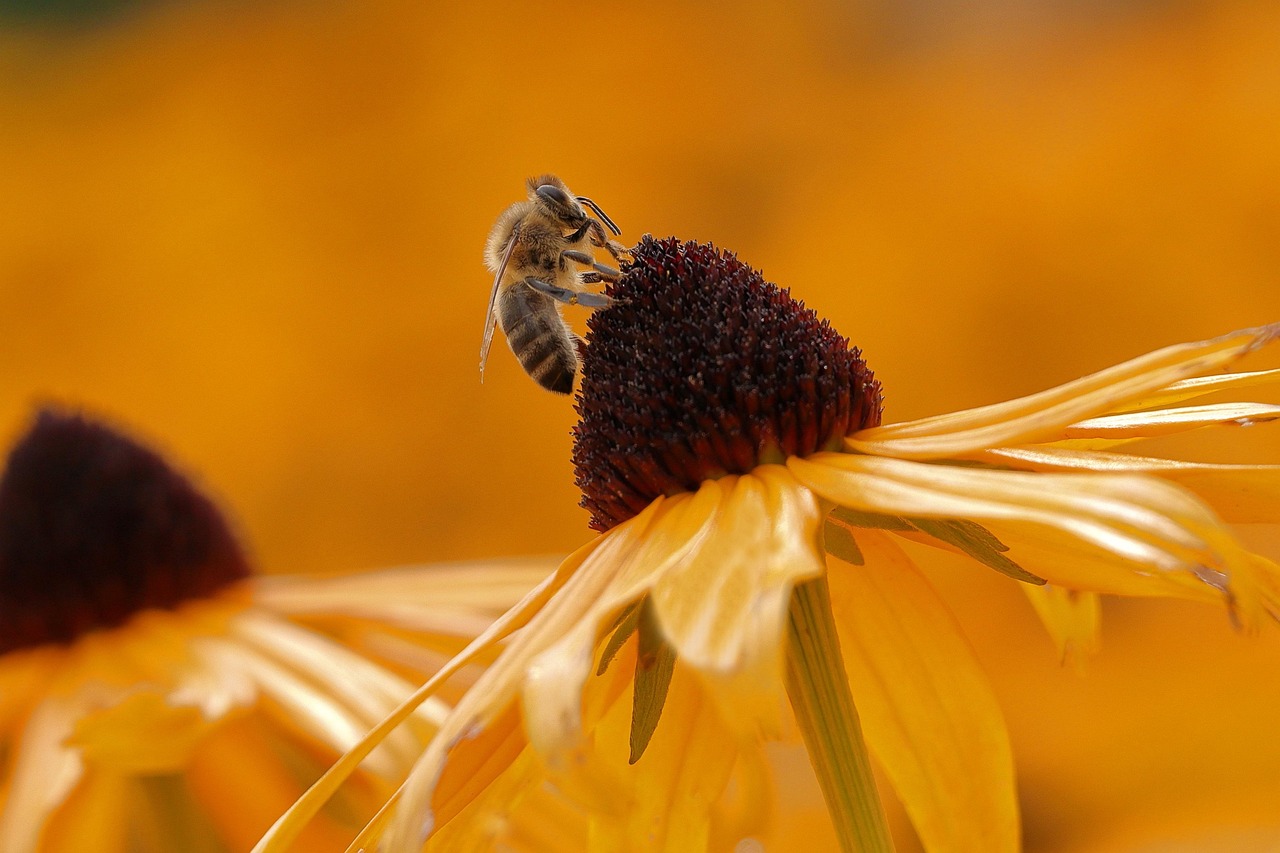
Black-Eyed Susan (Rudbeckia hirta): Black-eyed Susan Cheery and classic, Black-Eyed Susans bring bright yellow petals with dark brown centers to the garden. They are incredibly easy to grow, tolerant of various conditions, and excellent for attracting pollinators. They prefer full sun and well-drained soil.
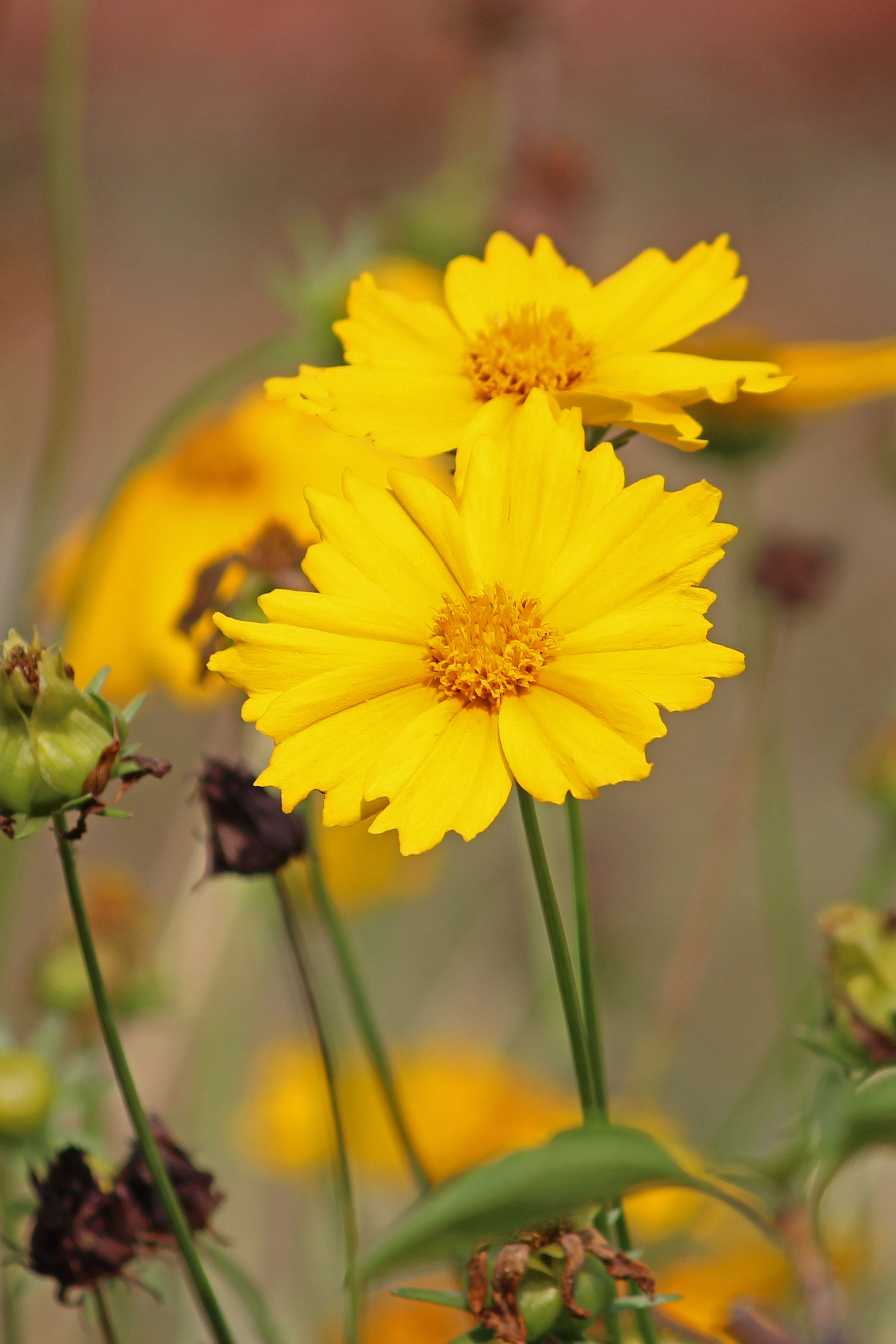
Coreopsis (Coreopsis spp.): Coreopsis Often called Tickseed, Coreopsis offers a profusion of bright, daisy-like flowers, typically in shades of yellow, but also pink and red. They are long-blooming, drought-tolerant, and excellent for sunny borders and containers. Butterflies adore them.
These plants offer a similar aesthetic and ecological benefit to Salvia nemorosa while maintaining a pet-friendly environment. When selecting plants, always double-check their specific species and varieties, as sometimes toxicity can vary even within the same genus.
How Can I Create a Pet-Safe Garden Environment?
Even with non-toxic plants, creating a truly pet-safe garden involves more than just plant selection. Here are some tips:
- Know Your Plants: Familiarize yourself with all the plants in your garden, both existing and new additions. Cross-reference them with reliable sources like the ASPCA's toxic and non-toxic plant lists.
- Supervise New Plants: When introducing a new plant, or if you have a new pet, supervise their interactions. Some pets are more curious chewers than others.
- Secure Fertilizers and Pesticides: Many garden chemicals are highly toxic to pets. Store them in locked sheds or high shelves, and always follow application instructions carefully, ensuring pets are kept away from treated areas until safe. Consider organic or pet-safe alternatives.
- Avoid Cocoa Mulch: While regular wood mulch is generally safe, cocoa bean shell mulch can be attractive to dogs due to its chocolatey smell and contains theobromine, the same toxic compound found in chocolate.
- Provide Distractions: Offer plenty of pet-safe toys and chew items to redirect their chewing instincts away from your plants.
- Create Designated "Pet Zones": If you have a particularly mischievous pet, consider creating a designated area in the garden where they can play freely, perhaps with a fence or barrier to keep them away from more delicate or potentially problematic plants.
- Ensure Fresh Water: Always have fresh water available for your pets, especially when they are outdoors, to discourage them from drinking from puddles or garden features that might contain chemicals or stagnant water.
- Be Mindful of Wild Animals: While no plant is truly deer-proof or rabbit-proof, choosing plants they typically avoid (like Salvia nemorosa) can help. However, remember that desperate or hungry wildlife might still nibble on anything.
By taking these steps, you can create a beautiful and thriving garden that both you and your beloved pets can safely enjoy.
Ready to find the perfect plants for your yard? Try the PlantWise Plant Finder →