FTC Disclosure: This post contains affiliate links. As an Amazon Associate, we earn from qualifying purchases.
If you're gardening in USDA Zone 7 and want plants that won’t require constant attention or fall victim to hungry deer, you’re in the right place. Low maintenance deer resistant plants for Zone 7 are those that thrive with minimal care while discouraging deer from browsing. These hardy plants help reduce garden upkeep and protect your landscape from wildlife damage, making them perfect for busy gardeners. Below, we explore 10 excellent options that combine ease of care with natural deer resistance.
What Makes a Plant Deer Resistant and Low Maintenance?
Deer resistance is often linked to plants with certain characteristics, such as strong scents, tough or fuzzy leaves, or bitter taste that deer find unappealing. Additionally, low maintenance plants in Zone 7 should be tolerant of the region’s climate—characterized by hot summers and cold winters—and adaptable to a variety of soil conditions. Plants that require little watering, pruning, and pest management fit the low maintenance bill.
Keep in mind that no plant is completely deer-proof; hungry deer may nibble on even the most resistant varieties during food shortages. However, the plants below are less likely to be damaged under normal circumstances.
🌱 Get Personalized Plant Picks
Answer a few quick questions and we’ll match plants to your exact yard conditions.
Find My Plants →10 Low Maintenance Deer Resistant Plants for Zone 7
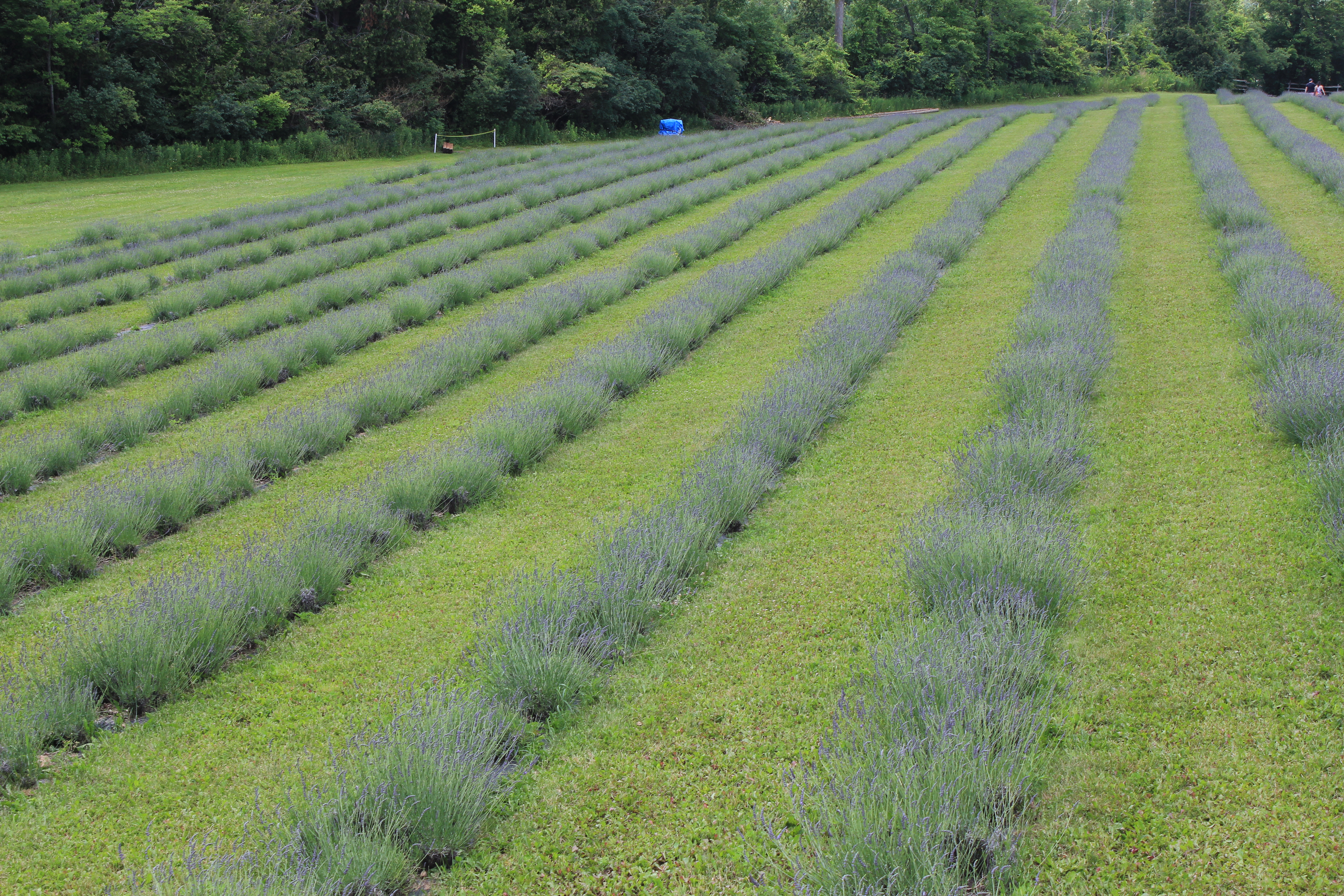
1. Lavender (Lavandula angustifolia)
Lavender is a classic choice for deer resistance due to its fragrant, oily leaves that deer tend to avoid. It thrives in full sun and well-drained soils, making it perfect for Zone 7 gardens. Lavender requires minimal watering once established and benefits from light pruning to maintain shape. Its purple blooms also attract beneficial pollinators.
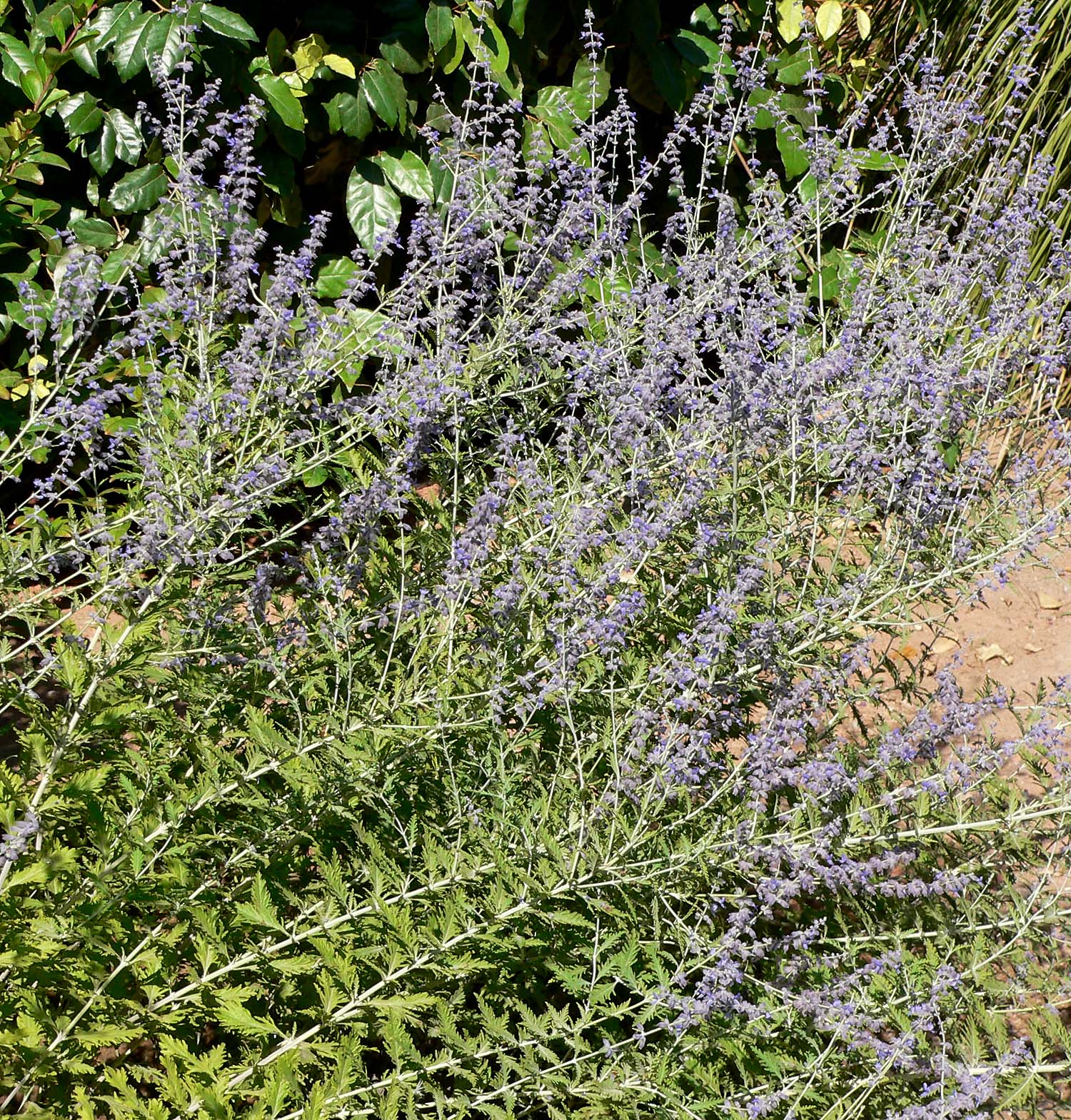
2. Russian Sage (Perovskia atriplicifolia)
Russian sage is a drought-tolerant perennial with silvery foliage and spikes of blue-purple flowers. It prefers full sun and tolerates poor soils, making it very easy to grow. Its aromatic leaves repel deer, and it requires little maintenance beyond occasional cutting back in early spring.
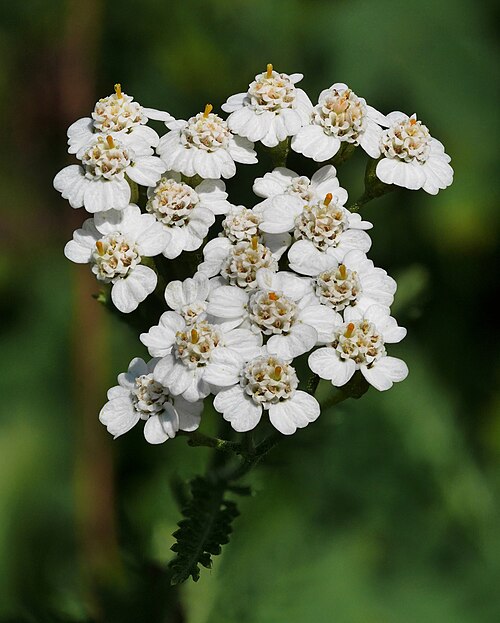
3. Yarrow (Achillea millefolium)
Yarrow is a tough perennial known for its fern-like leaves and clusters of small, flat-topped flowers in shades of white, yellow, and pink. It thrives in full sun and tolerates dry, sandy soils. Deer usually avoid yarrow because of its bitter taste and texture. It needs minimal watering and is drought resistant once established.
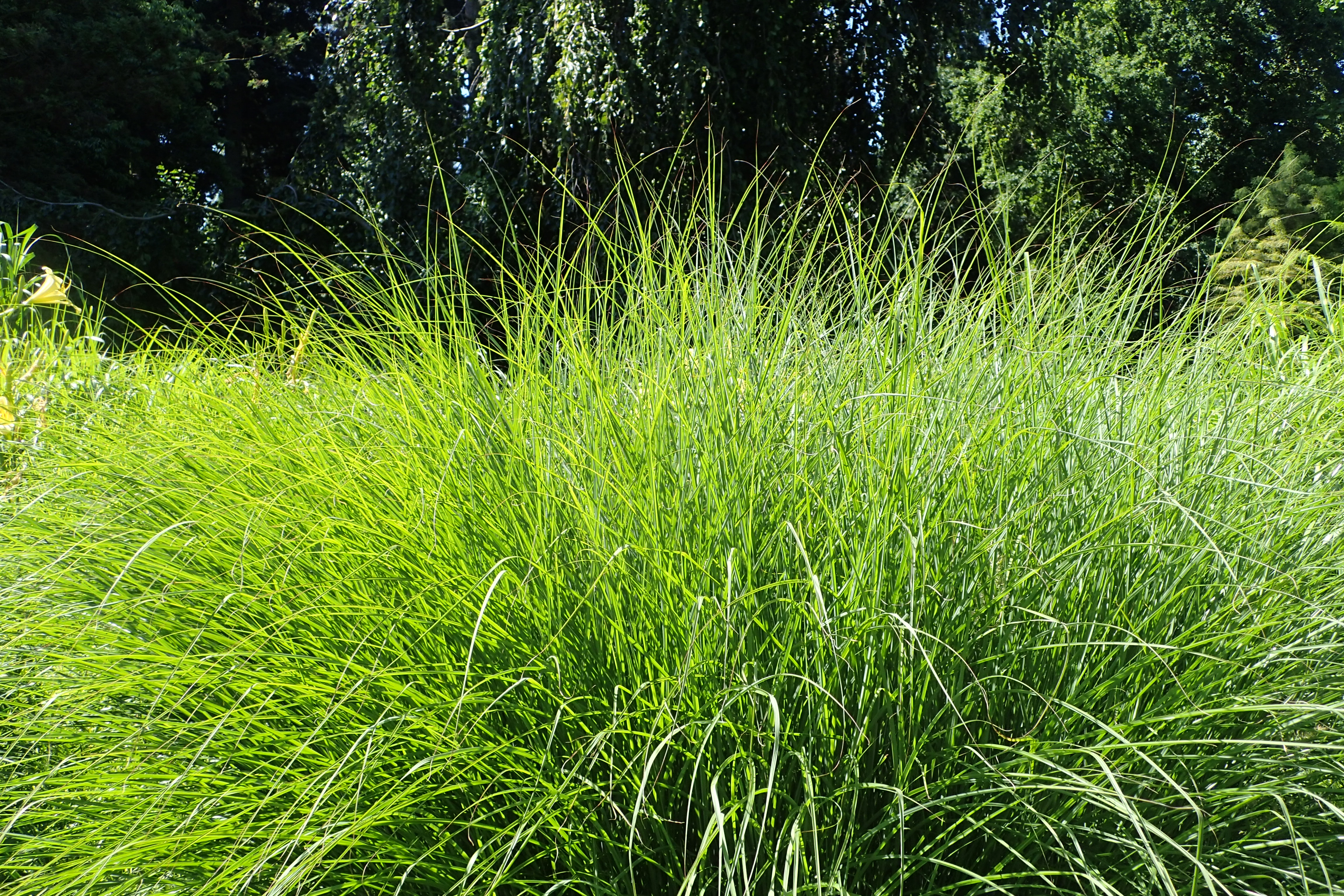
4. Ornamental Grasses (e.g., Miscanthus sinensis)
Many ornamental grasses are deer resistant and require little care. Miscanthus sinensis, or Maiden Grass, is a popular choice in Zone 7. It grows well in full sun to part shade, tolerates various soil types, and only needs an annual cutback in late winter or early spring. Its tall, feathery plumes add texture and movement to the garden.
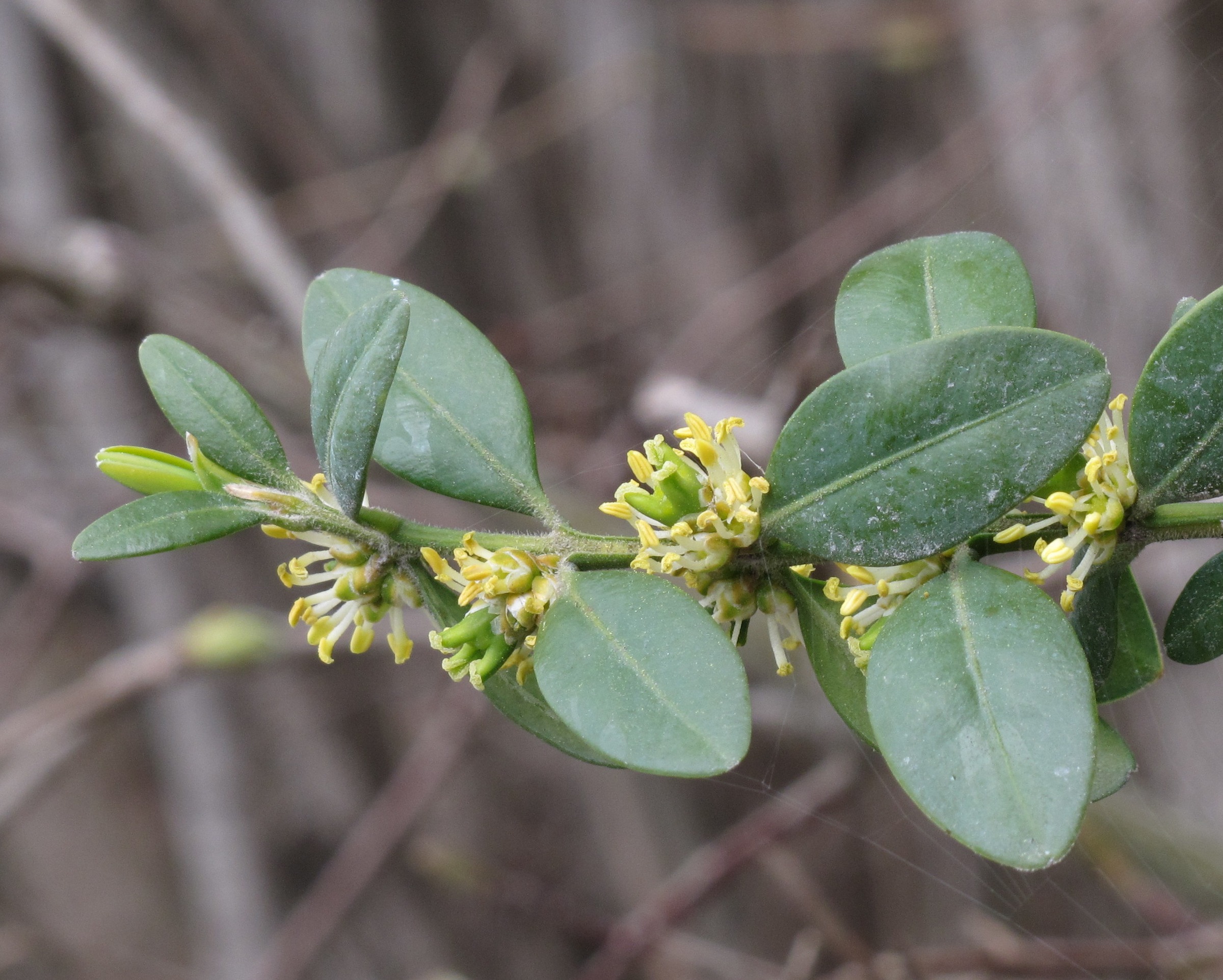
5. Boxwood (Buxus sempervirens)
Boxwood shrubs are evergreen and have dense, leathery foliage that deer often avoid. They tolerate a wide range of soils and light conditions, from full sun to partial shade. Boxwoods require occasional pruning to maintain shape but are otherwise very low maintenance. They provide year-round structure and greenery.
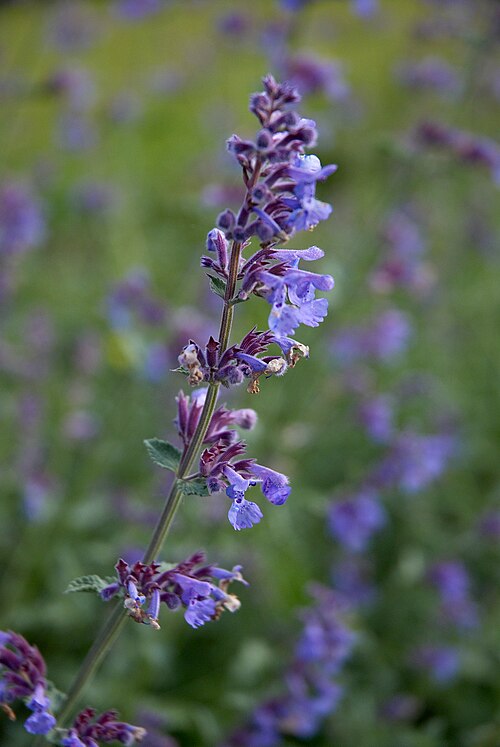
6. Catmint (Nepeta spp.)
Catmint has aromatic gray-green leaves and spikes of blue or lavender flowers. It is very drought tolerant and deer resistant due to its strong scent. Catmint grows best in full sun and well-drained soil, requiring little water and occasional deadheading to prolong bloom.
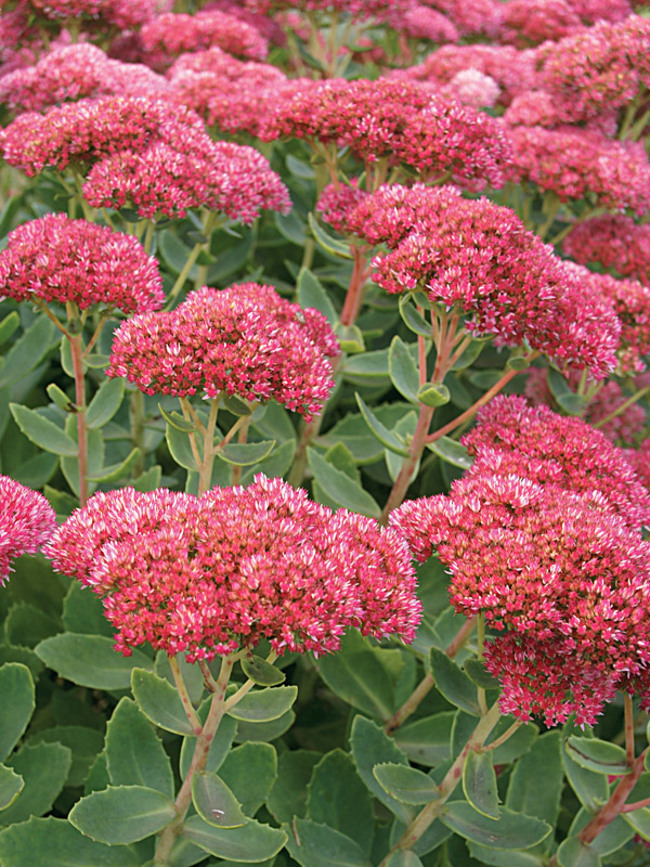
7. Sedum (Sedum spp.)
Sedums, or stonecrops, are succulent perennials that thrive in poor soils and full sun, with very low water needs. Their fleshy leaves and thick stems deter deer browsing. Sedums bloom in late summer and fall with clusters of star-shaped flowers, attracting pollinators while adding color in the garden’s drier spots.
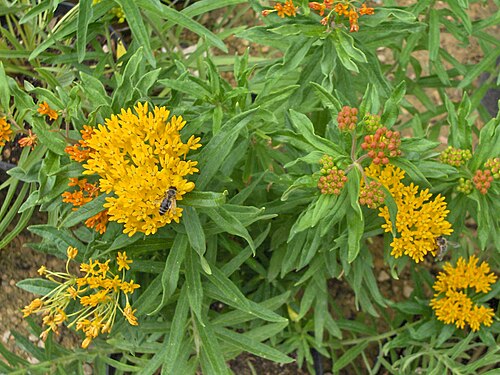
8. Butterfly Weed (Asclepias tuberosa)
Butterfly weed is a native perennial with bright orange flowers that attract butterflies and pollinators. It grows well in full sun and well-drained soil, tolerates drought, and is deer resistant due to its mildly toxic sap. This plant adds vibrant color with minimal maintenance.
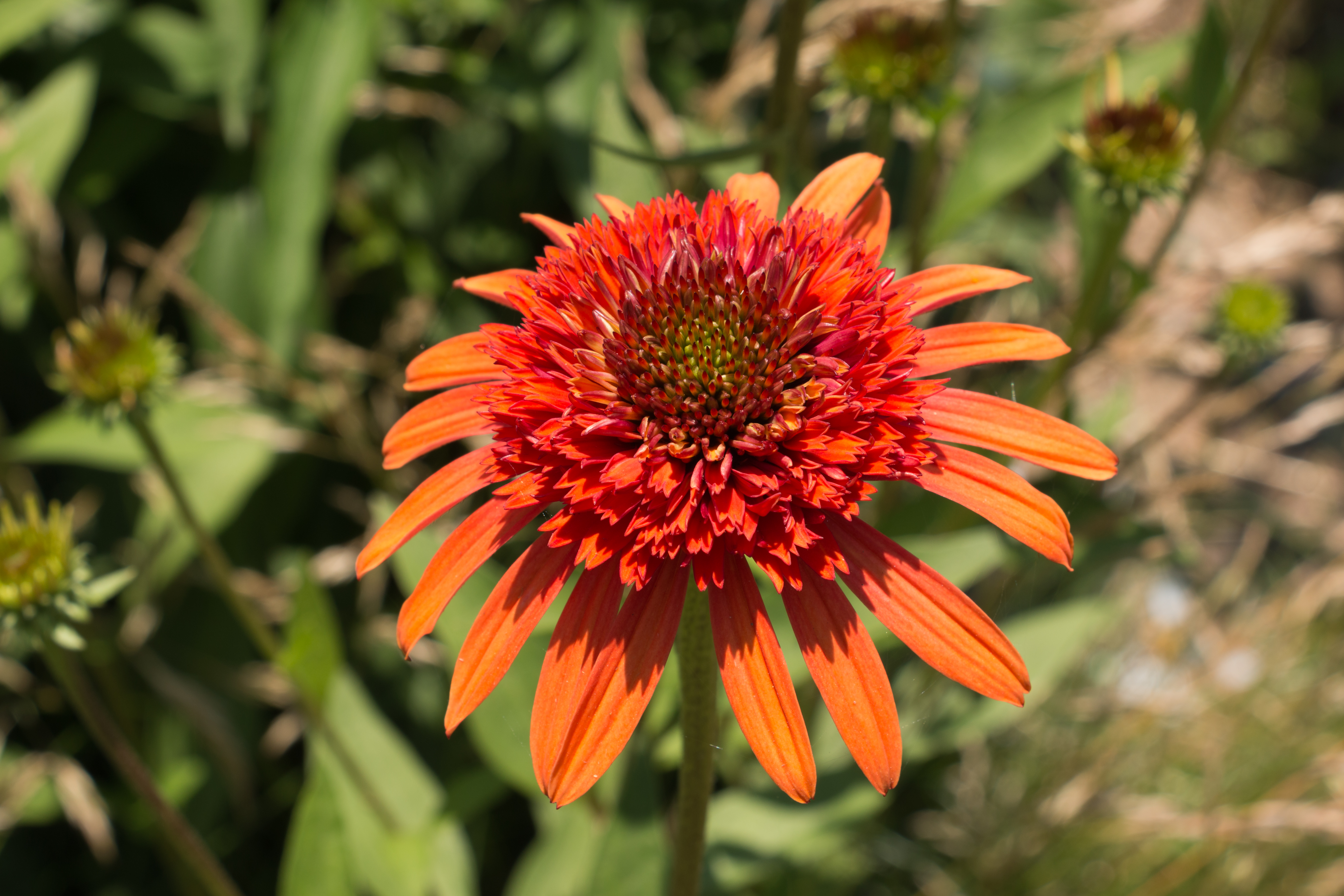
9. Coneflower (Echinacea purpurea)
Coneflowers are hardy perennials with daisy-like purple or pink petals and prominent central cones. They thrive in full sun and average, well-drained soil. Their rough leaves and bitter taste often deter deer. Coneflowers require little care besides occasional deadheading to encourage blooming.
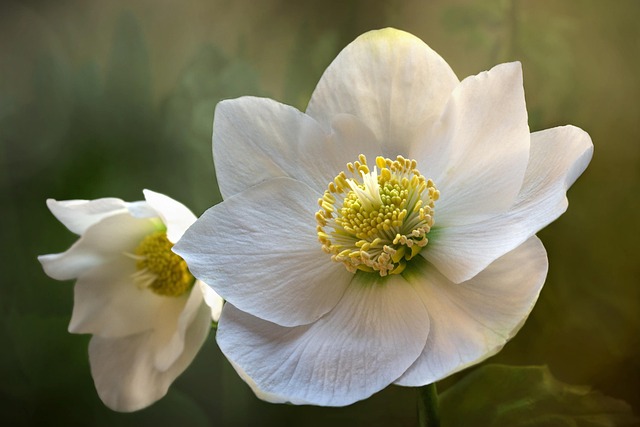
10. Hellebore (Helleborus spp.)
Hellebores are shade-tolerant perennials that bloom in late winter or early spring with nodding flowers in a range of colors. Their leathery, tough foliage is generally unappealing to deer. They prefer part shade and moist, well-drained soil. Once established, hellebores require minimal watering and no pruning.
Tips for Maximizing Deer Resistance in Your Zone 7 Garden
- Plant in groups: Larger masses of deer-resistant plants are more effective than isolated specimens.
- Use scent deterrents: Strongly scented plants like lavender and catmint help mask other plants’ scents.
- Incorporate physical barriers: Fencing or netting can protect new plantings during vulnerable periods.
- Avoid planting highly palatable species near resistant plants: This reduces temptation and browsing pressure.
- Maintain healthy soil and proper watering: Stressed plants are more susceptible to deer damage.
Important Pet Safety Reminder
Many deer-resistant plants produce compounds that can be harmful to pets if ingested. Always monitor pets around new plants and consult the ASPCA Animal Poison Control Center at 888-426-4435 if you suspect your pet has ingested a toxic plant. The plants listed here are generally not listed as toxic to pets but individual sensitivity may vary.
Wildlife Resistance Disclaimer
No plant is completely deer, rabbit, or groundhog proof. Resistance varies based on local wildlife populations, food availability, and season. The plants recommended here have reputations for lower susceptibility to deer browsing in Zone 7 but may still be nibbled under certain conditions.
Conclusion
Choosing low maintenance deer resistant plants for your Zone 7 garden is a smart way to save time and reduce frustration. Plants like lavender, Russian sage, and yarrow combine beauty with durability and wildlife resistance. Incorporate a mix of these perennials, shrubs, and ornamental grasses to create a garden that thrives while minimizing deer damage and upkeep.
Ready to find the perfect plants tailored to your specific garden conditions? Use the Plant Finder wizard at /wizard to discover more options and build your ideal low maintenance, deer-resistant landscape.
Happy gardening!